Price
Under $50
129 reviews
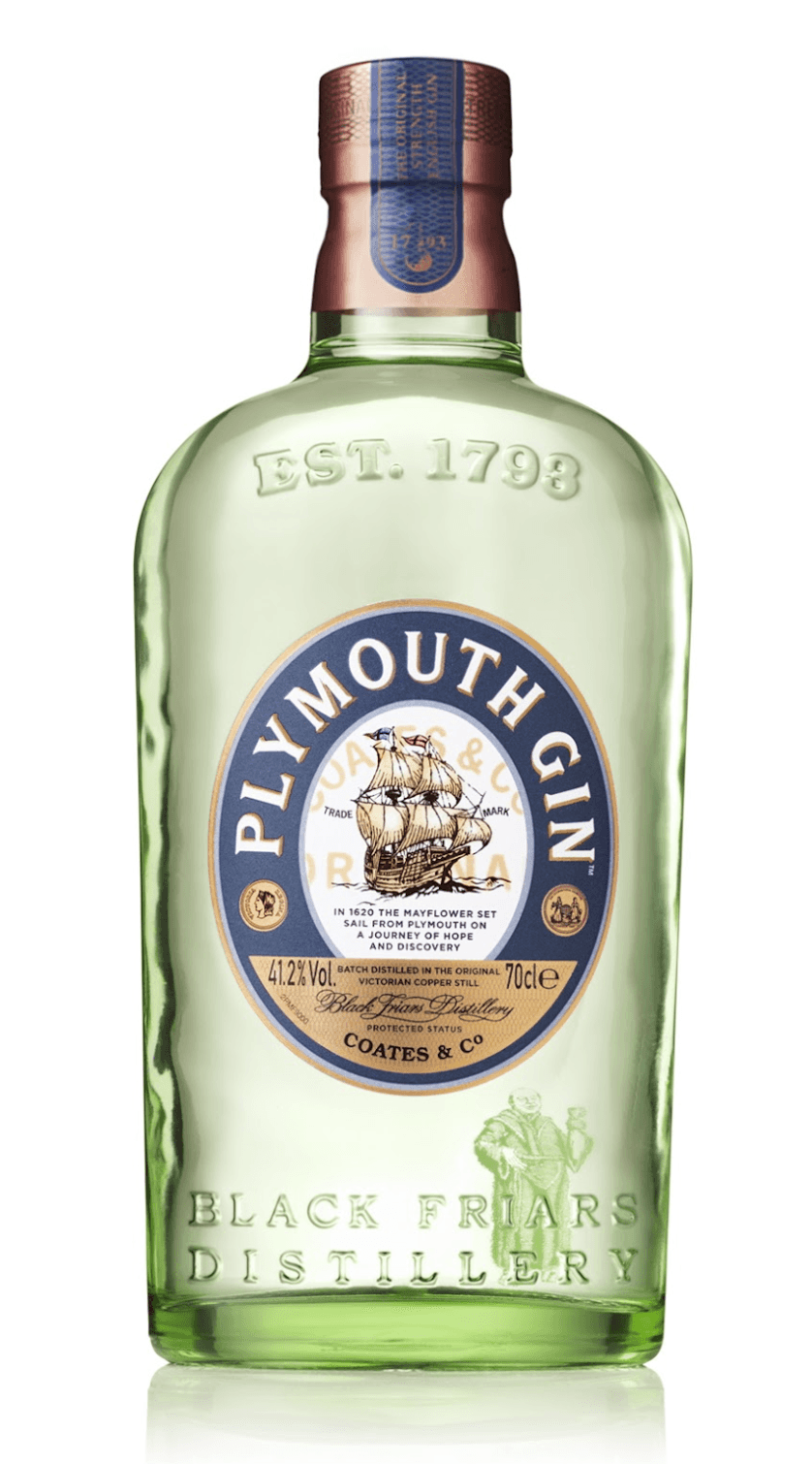
Plymouth Gin
Pernod Ricard (Plymouth Gin Distillery, est. 1793)
Plymouth Gin holds one of only three geographic indications for a spirit in the UK: it can only be made in Plymouth. But the real terroir is in the water. Dartmoor’s extremely soft water creates a gin with a rounder, fuller mouthfeel than London Dry gins made with harder water — the low mineral content lets the botanicals express themselves without interference. The recipe uses only seven botanicals (compared to Monkey 47’s forty-seven), and the restraint is the point: each botanical is individually perceptible, and none dominates. This is the gin the Royal Navy chose for its officers’ daily ration, the gin that was specified in the original recipe for a Pink Gin, and the gin that appeared in the earliest known recipe for a dry martini. At 41.2% ABV, it’s slightly gentler than most gins — a conscious choice that lets the Dartmoor water’s softness come through.
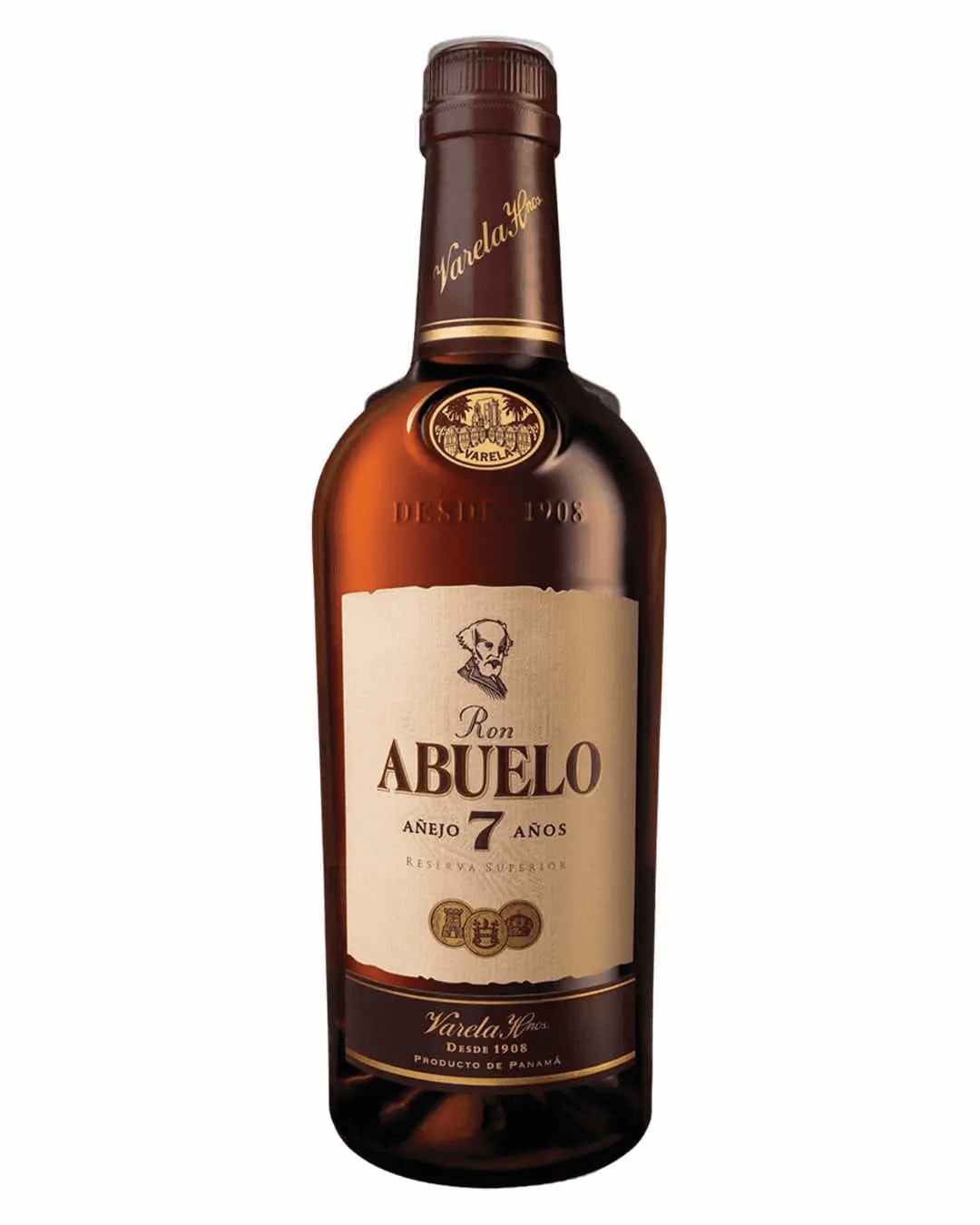
Ron Abuelo Añejo 7 Year Old
Varela Hermanos S.A.
Ron Abuelo Añejo 7 Year Old is estate rum at its purest. The Varela Hermanos family has controlled every step of production — from sugarcane field to bottle — since establishing their sugar mill in 1908 and beginning rum distillation in 1936.
Wild Turkey 101
Campari Group (Wild Turkey, est. 1940)
Wild Turkey 101 is the bourbon that refuses to compromise. When the industry trend moved toward lower proofs and smoother profiles designed to offend no one, master distillers Jimmy and Eddie Russell held the line at 101 proof — the same proof the brand has bottled since the beginning. The secret is their unusually low barrel entry proof of 110°, compared to the legal maximum of 125°. That means less water added before barreling, which means more of the distillate’s character survives the aging process. At $22–$28, this is arguably the greatest value in American whiskey. It makes the case that boldness and drinkability aren’t opposites.
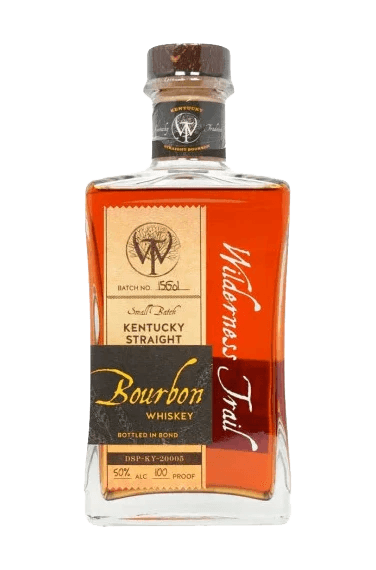
Wilderness Trail Small Batch Bottled in Bond
Wilderness Trail Distillery
Wilderness Trail is what happens when scientists build a distillery instead of inheriting one. The sweet mash process — fermenting with fresh yeast every batch rather than recycling spent mash — produces a remarkably clean, grain-forward bourbon that lets the wheat sing. At bottled-in-bond strength, it carries enough proof to deliver complexity without masking the delicate, biscuity sweetness that makes this wheated expression distinctive. This is bourbon as hypothesis confirmed.

Jeppson's Malört
Jeppson's
Malört is not a spirit you recommend lightly — it's a rite of passage, a loyalty test, and a cultural artifact of Chicago's bar scene rolled into one defiant bottle. It does exactly one thing and does it with absolute conviction: deliver the most aggressively bitter drinking experience commercially available. Whether that's a feature or a bug depends entirely on who you are, but there's no denying its singular identity in the spirits world.
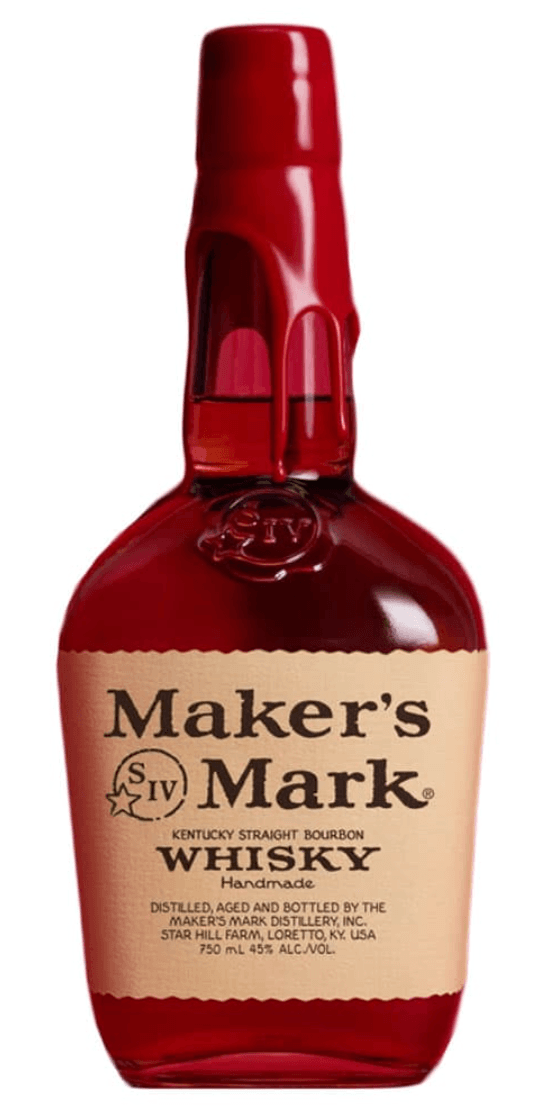
Maker’s Mark
Beam Suntory (originally T. William Samuels)
The red winter wheat is the whole story. Where rye adds bite and spice, wheat adds softness and sweetness — and that substitution, radical in 1953, gave Maker’s Mark its famously approachable character. Bill Samuels Sr.’s wife Margie designed the iconic hand-dipped red wax seal, and every bottle is still hand-dipped today. It’s a bourbon that proves innovation doesn’t require complexity — sometimes the bravest move is to simplify.
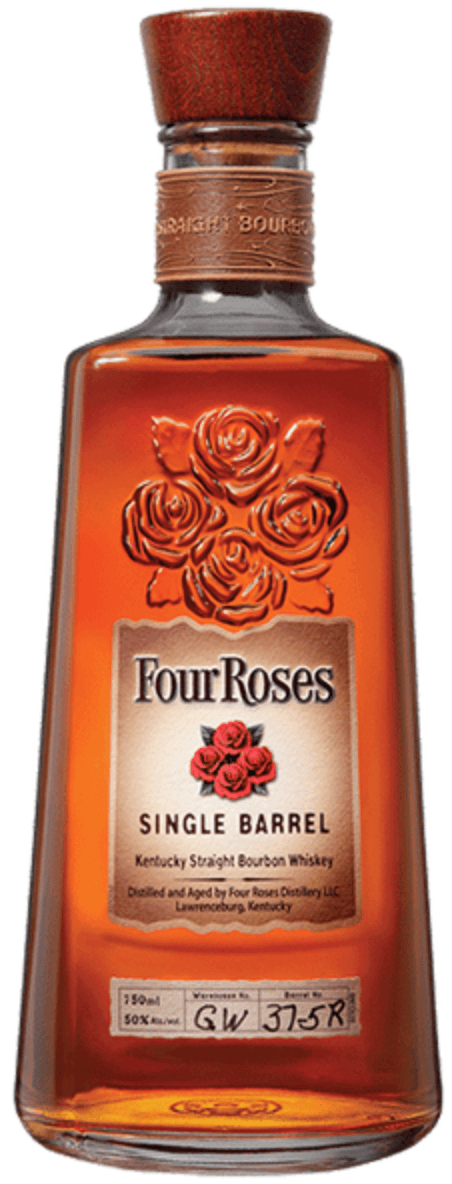
Four Roses Single Barrel
Kirin Brewery Company (Four Roses Distillery, est. 1888)
Four Roses Single Barrel is the product of the most obsessive production system in bourbon. While every other distillery works from a single mash bill and a single yeast strain, Four Roses developed two distinct mash bills and five proprietary yeast strains — creating ten unique recipes, each with its own flavor fingerprint. The standard Single Barrel uses recipe OBSV: the high-rye mash bill (35% rye — among the highest in Kentucky) paired with the V yeast strain, which contributes delicate fruit and cream. At 100 proof, it has the structure to showcase every layer of that complexity. The result is a bourbon that tastes like it was engineered by someone who couldn’t stop asking “what if?” — because it was.
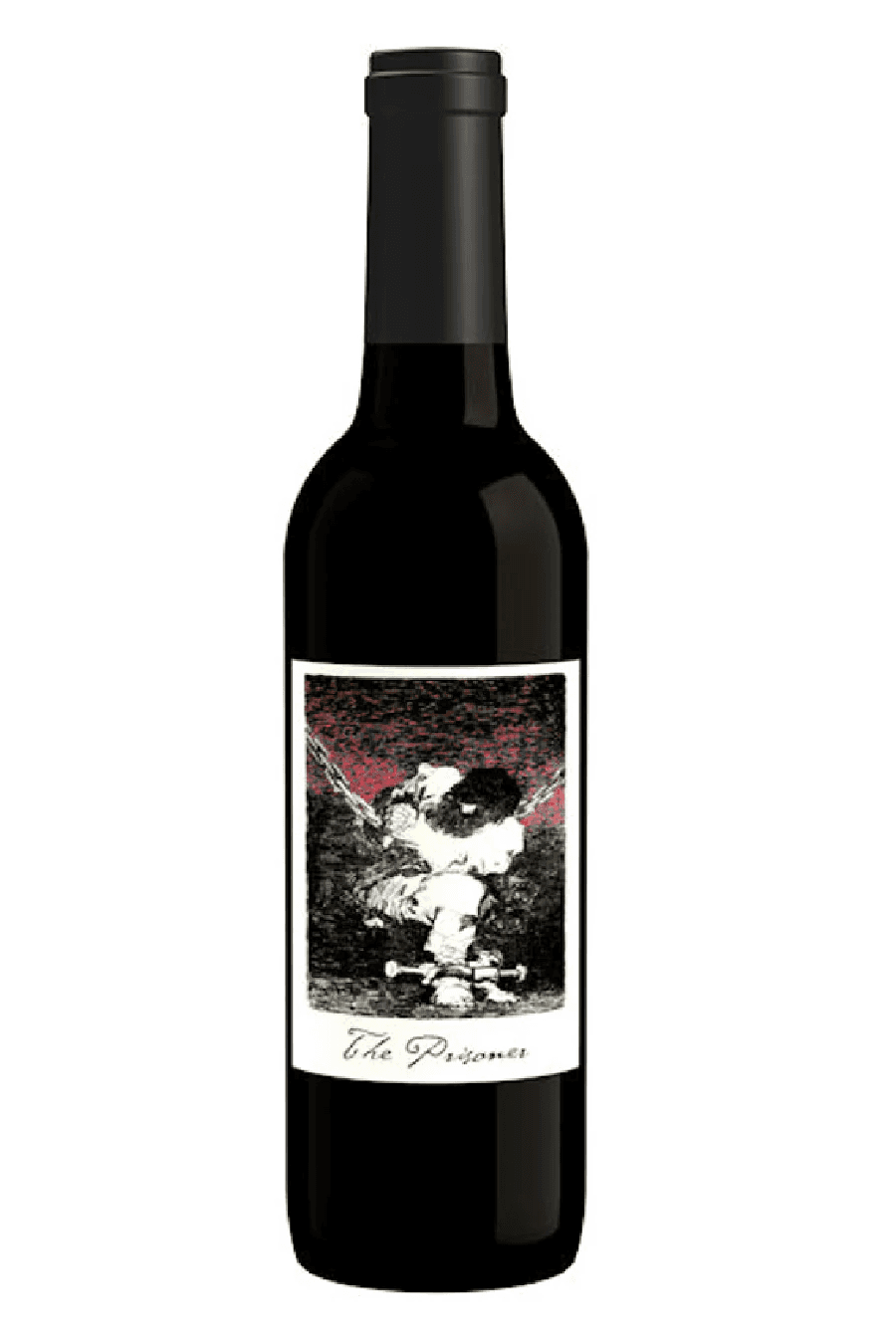
The Prisoner Red Blend 2022
The Prisoner Wine Company (Constellation Brands)
The Prisoner began as a rebellious experiment. Each varietal brings a different voice; over 100 growers provide the blending palette.

Levee & Loam Meritage Red Blend
Levee & Loam
Levee & Loam delivers a Meritage blend that respects the tradition without demanding a Bordeaux price tag. It's a straightforward, well-assembled wine that drinks above its weight class — the kind of bottle that earns a permanent spot in the weeknight rotation. Best enjoyed within two to three years of purchase.