Price
Under $50
129 reviews
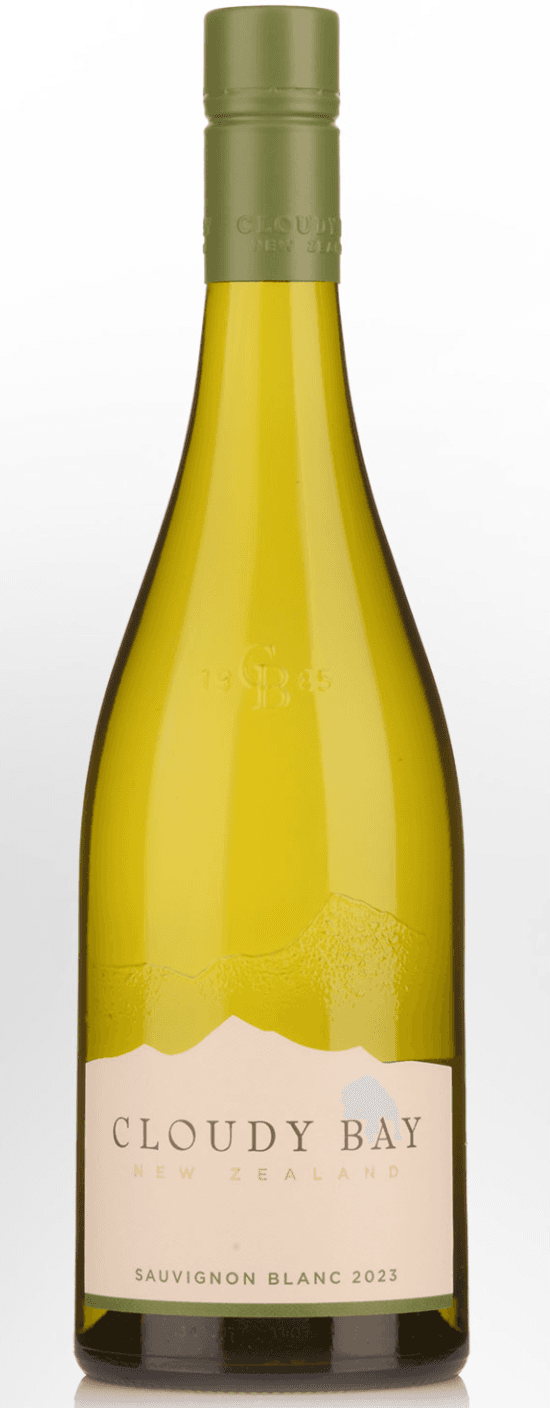
Cloudy Bay Sauvignon Blanc, Marlborough 2023
LVMH (Moët Hennessy)
Cloudy Bay didn’t just put New Zealand Sauvignon Blanc on the map — it drew the map. Founded in 1985 as one of Marlborough’s first five wineries, it was Cloudy Bay that British critic Oz Clarke tasted before declaring New Zealand Sauvignon Blanc “arguably the best in the world.” Four decades later, the wine is still a benchmark. The 2023 vintage was blended from 55 of 81 individually fermented vineyard lots, with that tiny percentage of wild yeast and large-format oak adding just enough savory complexity to lift it above the pack. Named after the bay Captain Cook charted in 1770, it’s a wine that carries its geography in every sip.
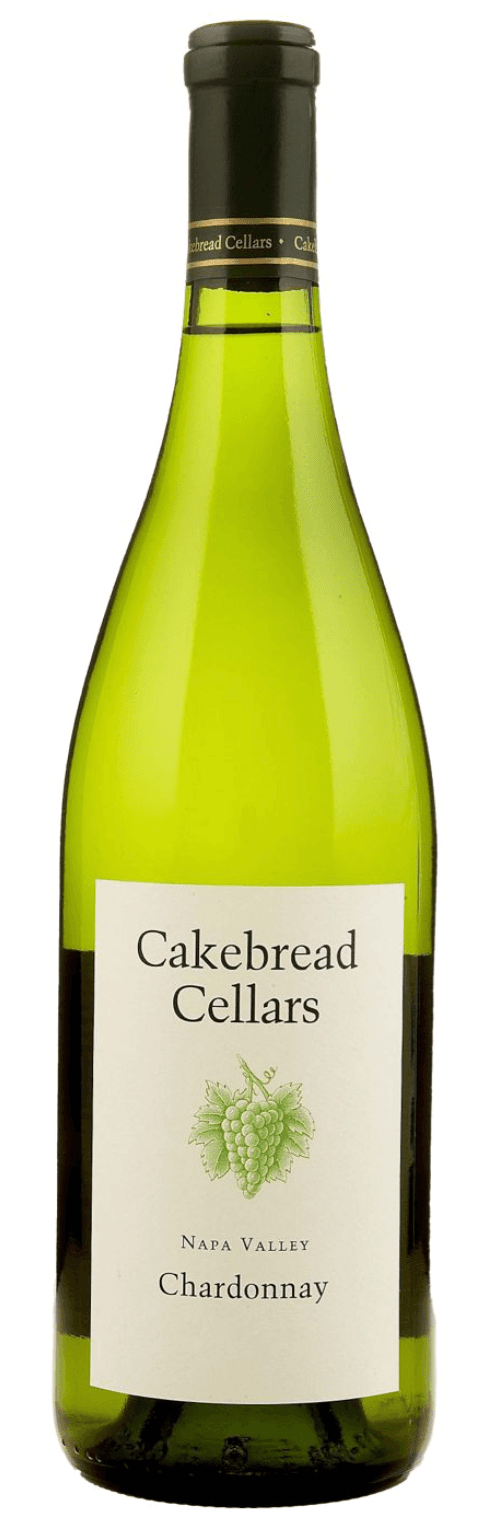
Cakebread Cellars Chardonnay Napa Valley 2022
Cakebread Cellars (est. 1973)
Cakebread Chardonnay has been a Napa Valley staple for over 50 years, and its longevity is a testament to the patience of doing something well and resisting the urge to change it. While Chardonnay trends have swung wildly — from heavily oaked and buttery in the '90s to severely unoaked in the 2010s — Cakebread has held a steady middle course: enough barrel influence for texture and complexity, enough acidity for freshness and food-friendliness. The partial malolactic fermentation is key — it gives the wine a creamy quality without tipping into butterball territory. Seven months of sur lie aging adds richness from the lees without dominating the fruit. The result is a Chardonnay that works equally well as an aperitif, a dinner companion, or a quiet glass at the end of the day. In a world of extremes, Cakebread's patience with its own identity is its greatest virtue.
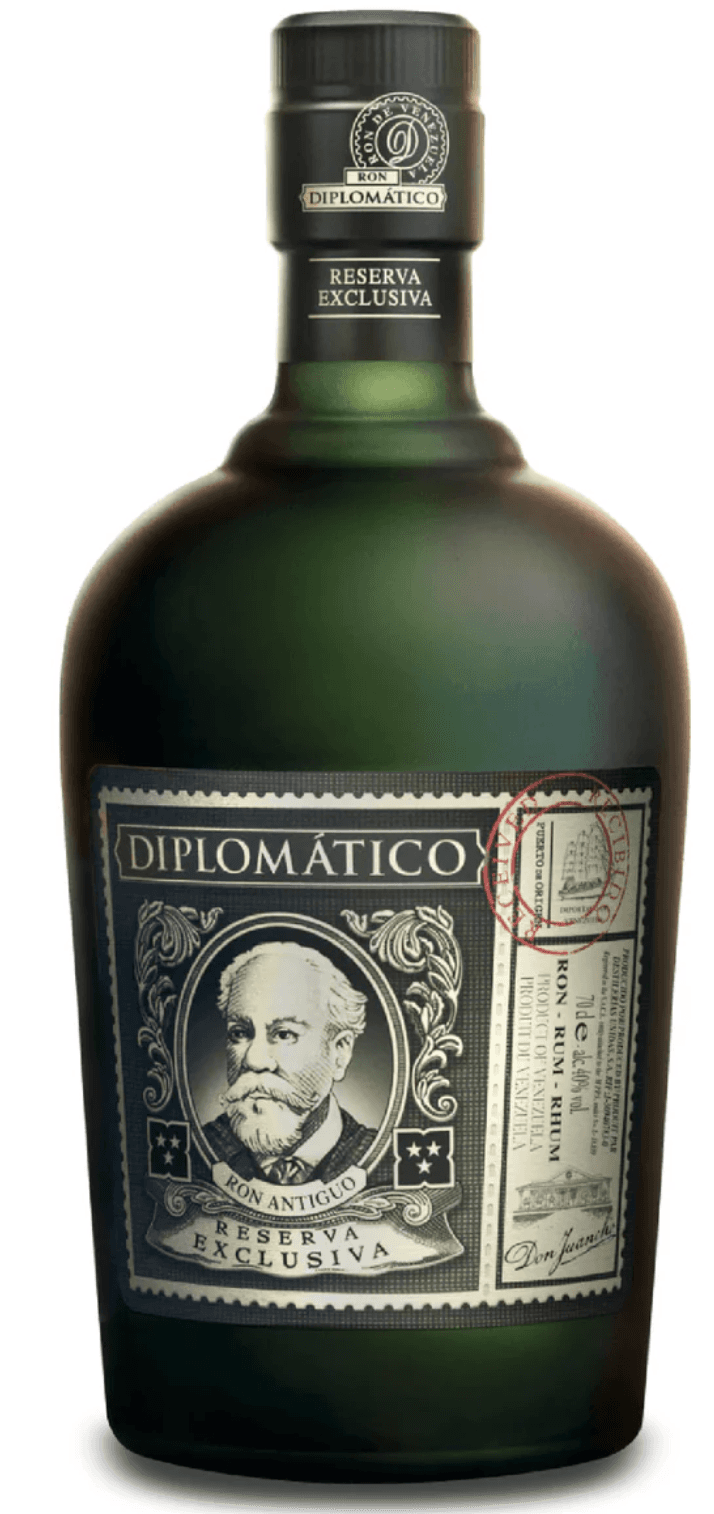
Diplomático Reserva Exclusiva
Destilerías Unidas S.A. (DUSA)
Diplomático Reserva Exclusiva is the rum that converts whiskey and wine drinkers — sugarcane honey and molasses blended together, then twelve years of tropical aging produce a rich, dessert-like complexity that never crosses into cloying. At $35–45, it is one of the great bargains in aged spirits.
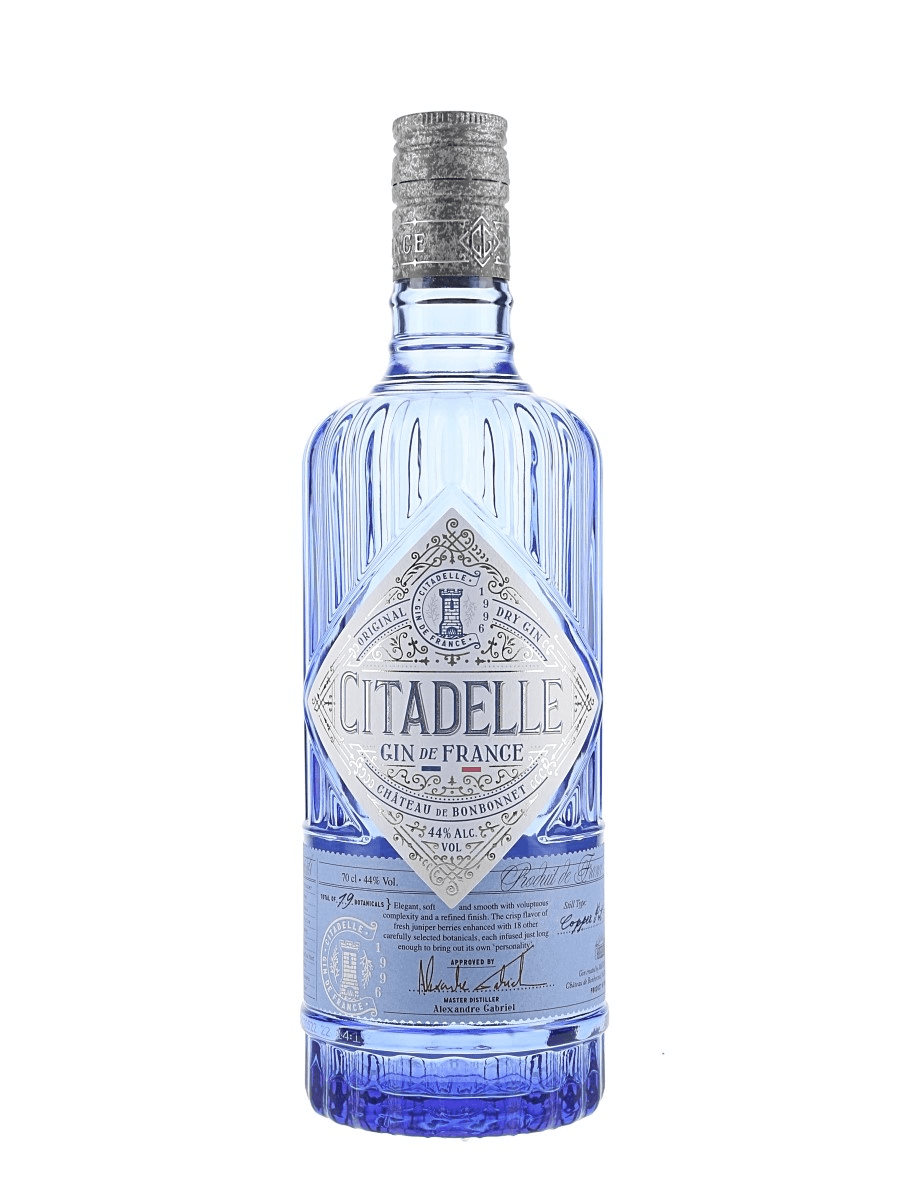
Citadelle Original Dry Gin
Maison Ferrand
Citadelle is a quiet genius of the gin world. Nineteen botanicals, each earning its place under Alexandre Gabriel’s direction.
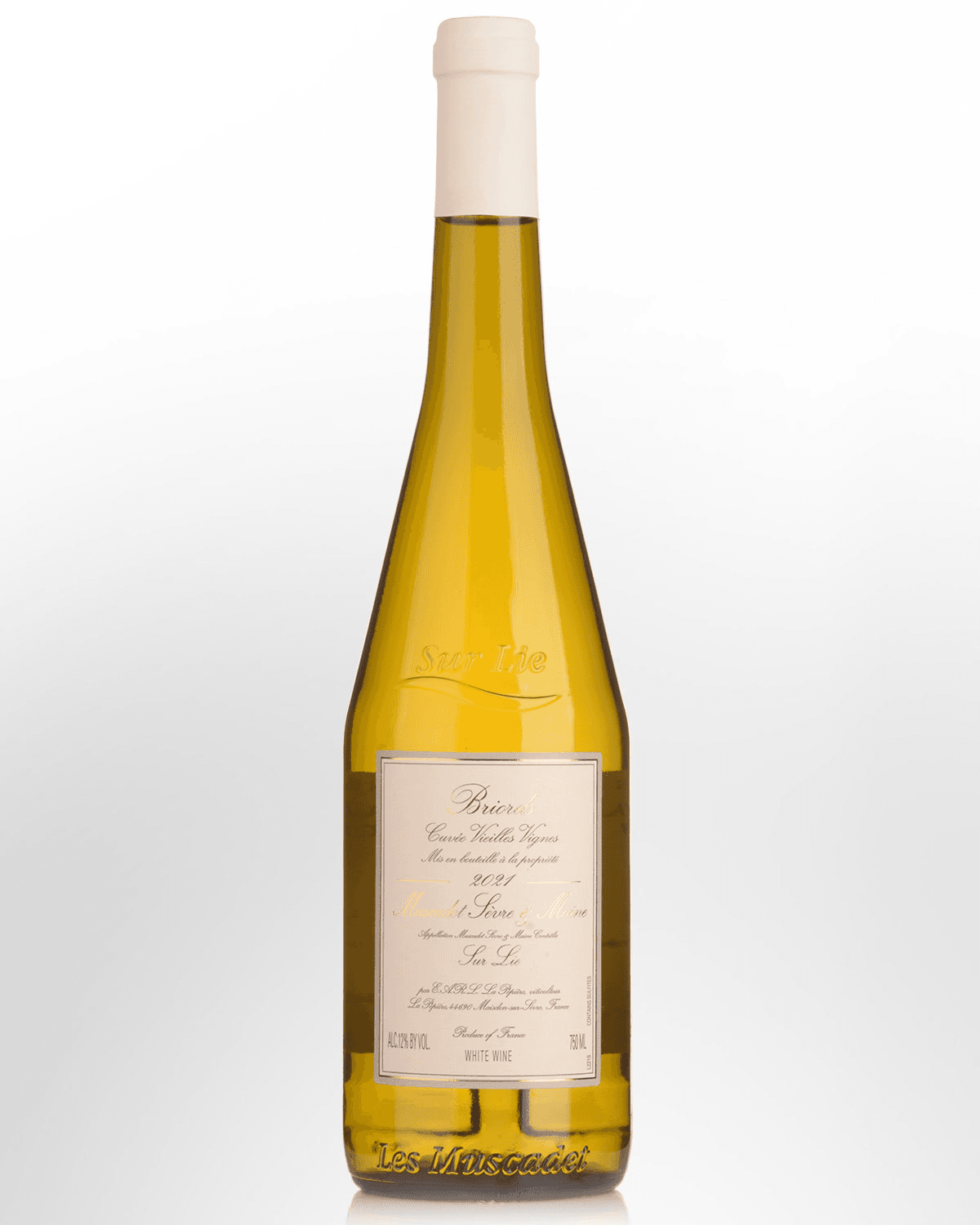
Domaine de la Pépière Muscadet Sèvre et Maine sur Lie Clos des Briords 2020
Domaine de la Pépière (Marc Ollivier & Rémi Branger)
The Clos des Briords is the wine that makes sommeliers fall in love with Muscadet all over again. Marc Ollivier's old vines, grown on granite beside the Atlantic, produce a white wine of startling mineral intensity — this is not the neutral, forgettable Muscadet of the supermarket shelf. The 2020 vintage, with its ideal growing conditions, delivered a wine of exceptional concentration and tension. At around $28, it might be the single greatest value in serious white wine today, and the world's finest partner for oysters, ceviche, and shellfish. If you've dismissed Muscadet, this bottle will change your mind. Cocktail — "The Nantais Spritz": Pour 3 oz Clos des Briords Muscadet over ice in a large wine glass. Add 2 oz Prosecco and a splash of elderflower liqueur. Garnish with a thin slice of green apple and a sprig of mint. The mineral backbone of the Muscadet gives this spritz a savory depth most lack.
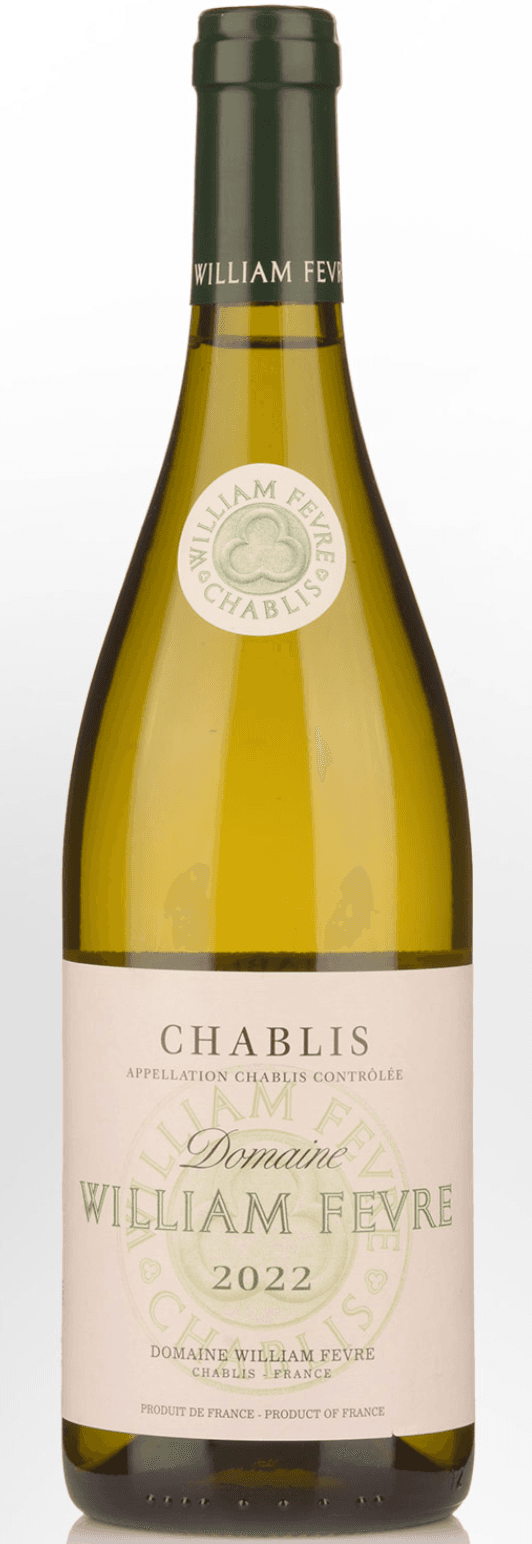
Domaine William Fèvre Chablis 2022
Domaine William Fèvre / Henriôt Group (est. 1959)
If any wine on earth proves that terroir is real, it is Chablis. The appellation sits on Kimmeridgian limestone — a geological formation laid down during the Late Jurassic period when this part of Burgundy was a tropical sea. Dig into a Chablis vineyard and you’ll find fossilized oyster shells (Exogyra virgula) embedded in the marl. William Fèvre understood this better than anyone: he was among the first vignerons to map the precise soil differences between Chablis parcels and to vinify accordingly. The domaine’s village-level Chablis is fermented and aged entirely in stainless steel — a deliberate choice to let the limestone speak without oak interference. The result is a Chardonnay stripped of everything except what the soil and climate put there: mineral tension, razor-sharp acidity, and a saline quality you can taste with your eyes closed. For readers of The Definitive Pocket Guide to Chablis, this is the benchmark.
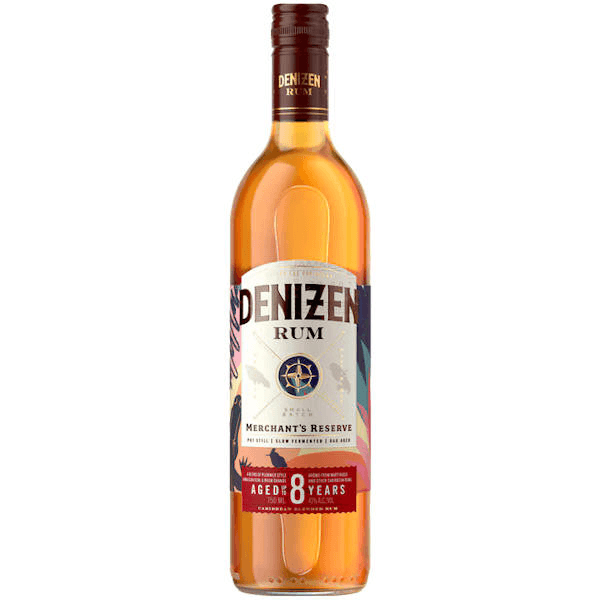
Denizen Merchant’s Reserve 8 Year Old
Denizen Rum / Hotaling & Co.
Denizen Merchant’s Reserve proves that the right blend can be its own catalyst. Most aged rums offer either elegance or funk — rarely both. By combining the high-ester intensity of Jamaican pot-still rum with the exotic Grand Arome from Martinique and aging the blend for eight years, Denizen created a rum with cocktail-ready versatility and sipping-neat complexity. The Grand Arome component is the secret weapon: a rare, fermentation-driven distillate that adds an intensity no amount of barrel aging can replicate. At under thirty-five dollars for eight-year-old blended rum of this quality, Denizen Merchant’s Reserve is one of the great values in spirits.
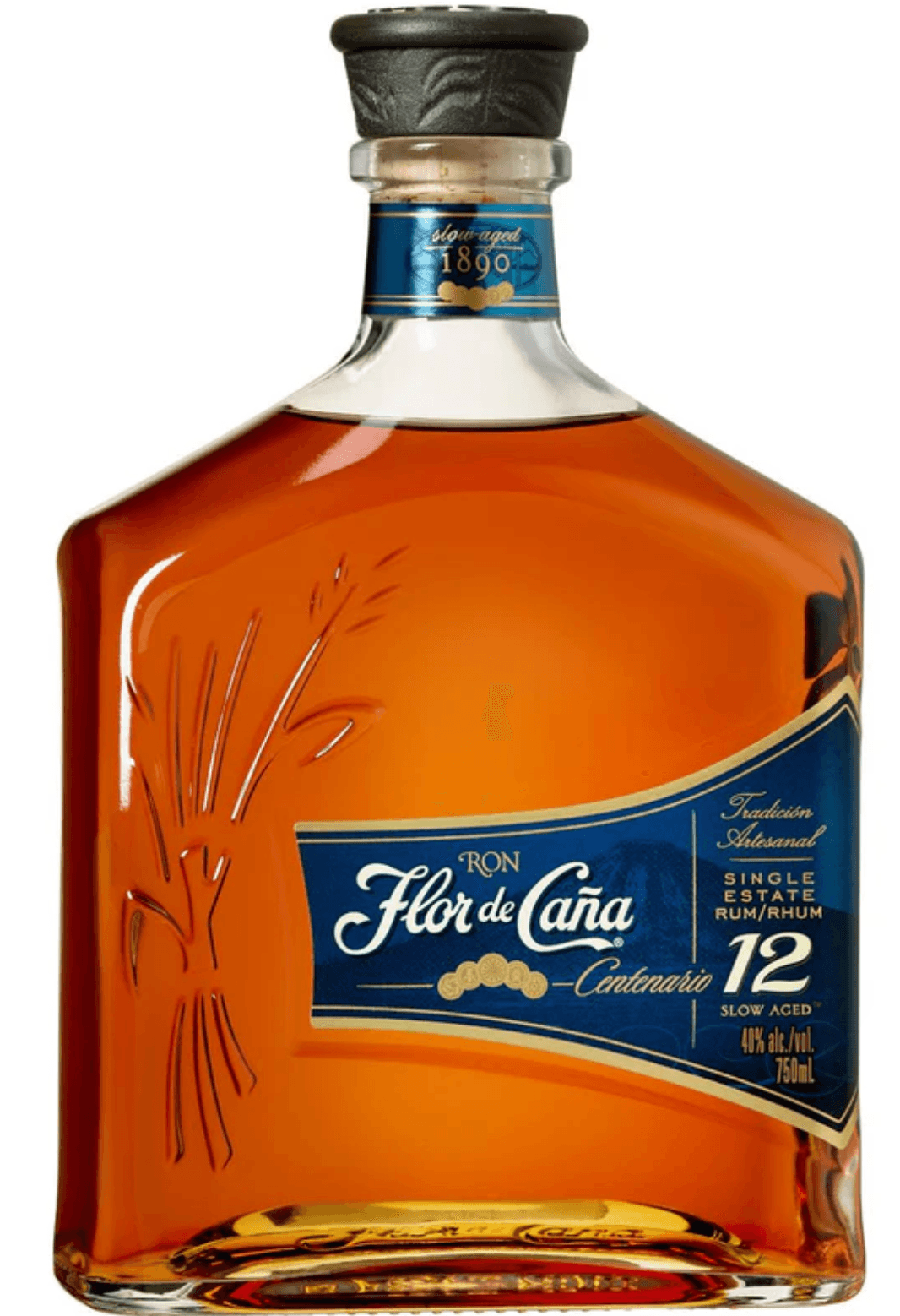
Flor de Caña 12 Year Old
Compañía Licorera de Nicaragua (Flor de Caña, est. 1890)
Flor de Caña’s terroir is literal: the distillery sits at the base of the San Cristóbal volcano, Nicaragua’s tallest and most active. The sugarcane grows in soil enriched by centuries of volcanic ash deposits — mineral-rich, naturally fertile, and fundamentally different from Caribbean island soil. The water comes from the volcano’s natural aquifer, filtered through volcanic rock. Even the aging is shaped by geography: Nicaragua’s consistently warm tropical climate (averaging 30°C year-round) accelerates the interaction between rum and oak, meaning twelve years in Nicaragua extracts flavors that might take twenty years in cooler climates. The Pellas family was also among the first rum producers to commit to full transparency: Flor de Caña is certified Fair Trade, carbon neutral, and carries no added sugar — a rarity in a category where dosing is widespread. What you taste is the volcano.
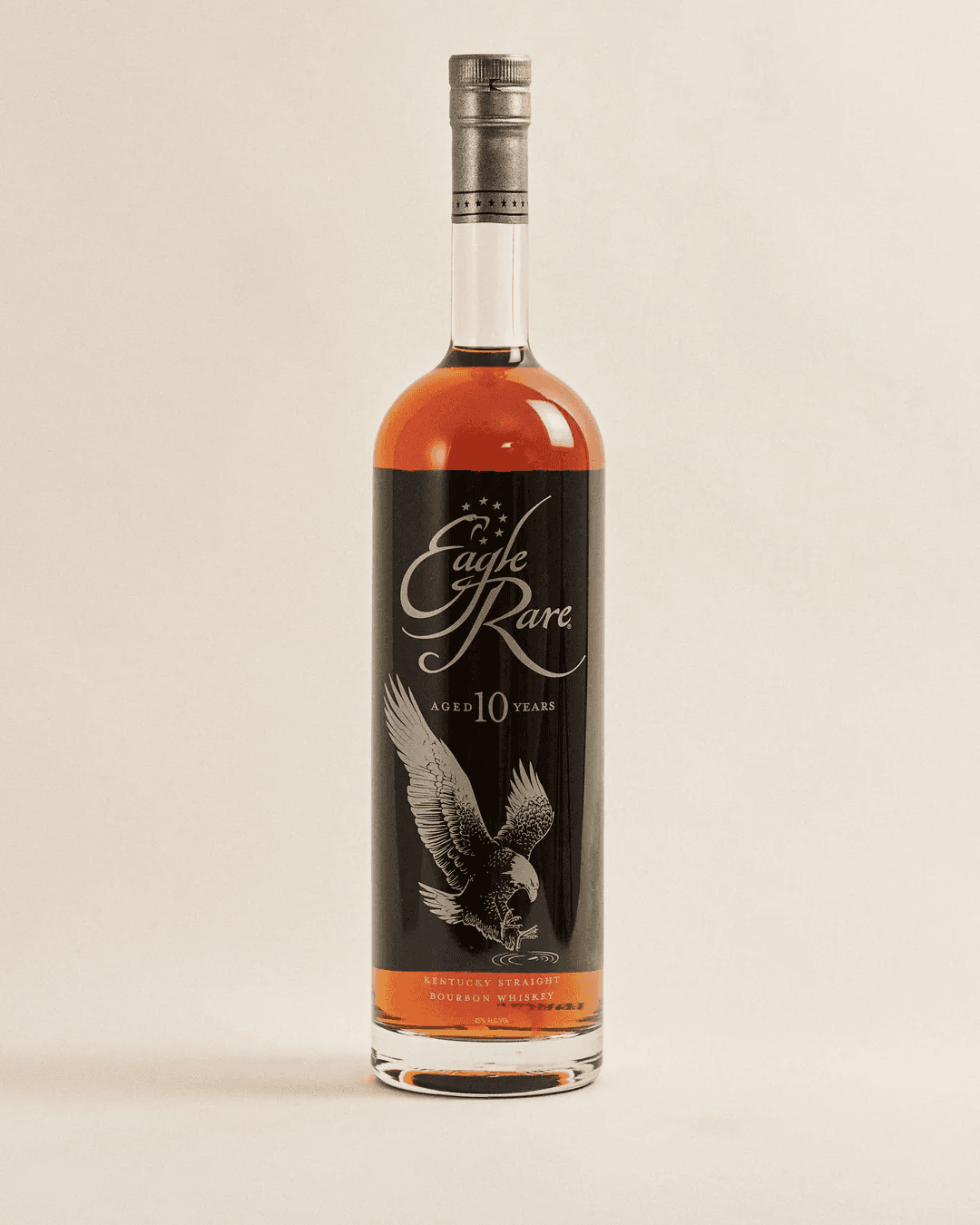
Eagle Rare 10 Year Old
Sazerac Company
Eagle Rare is one of the most remarkable values in American whiskey — a single barrel bourbon that offers the complexity of releases costing twice as much. Harlen Wheatley's barrel selection philosophy is evident in every sip: each bottle is the product of deliberate, patient selection from barrels that have earned the Eagle Rare designation over a full decade of aging.
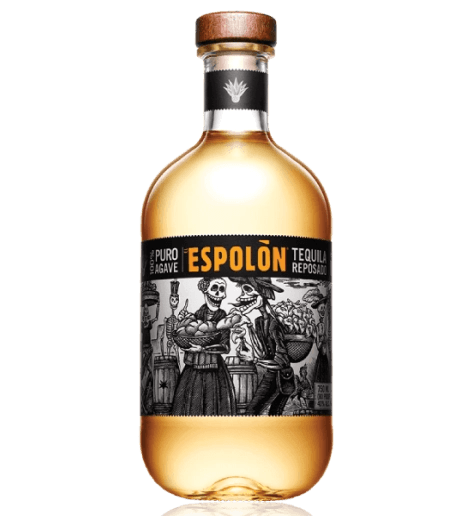
Espolòn Reposado
Campari Group
Espolòn is proof that applied heat, carefully controlled, separates good tequila from great tequila. Cirilo Oropeza's decision to quarter the piñas — doubling the surface area exposed to the autoclave's heat — extracts more sweetness and complexity from the agave than conventional methods.
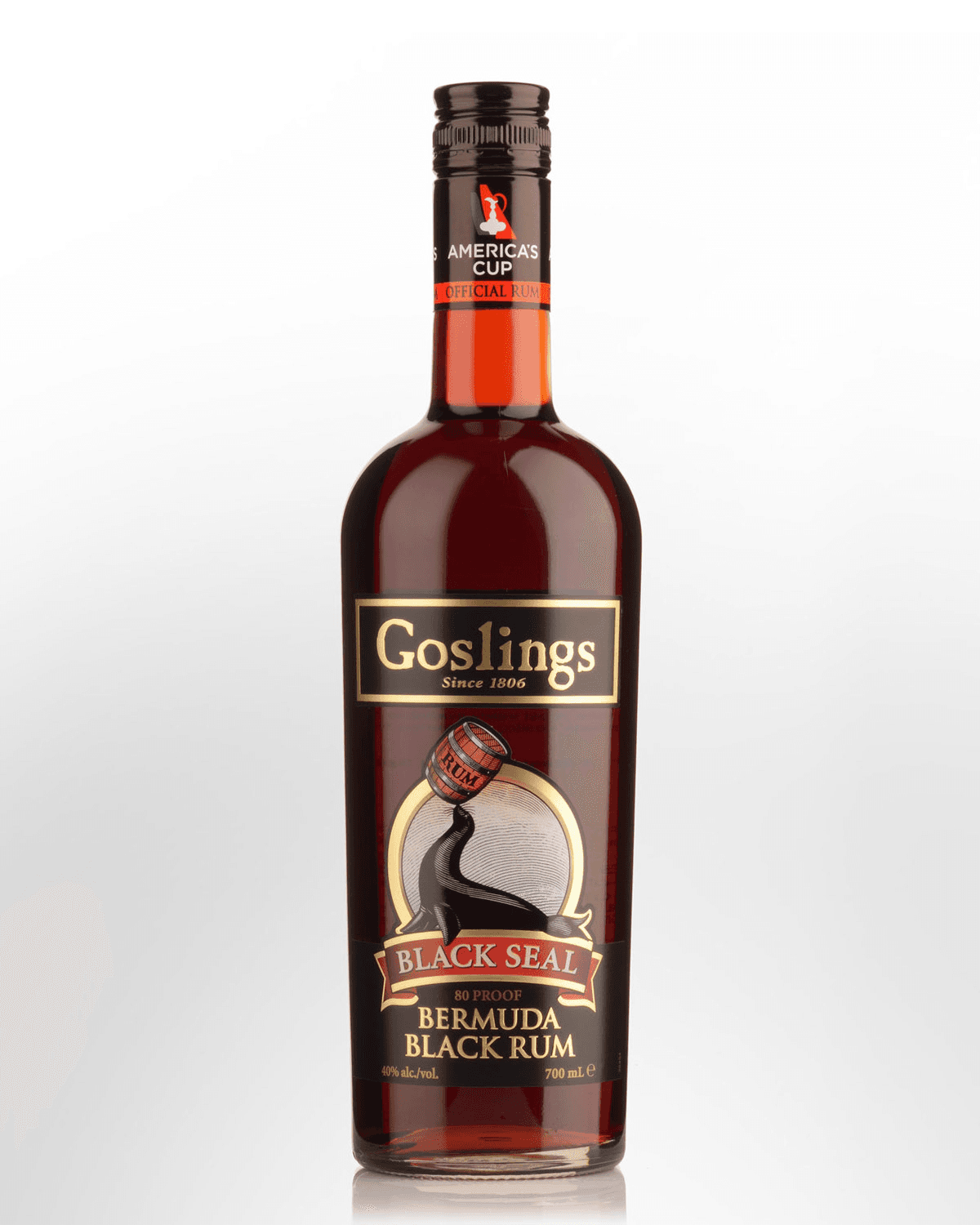
Goslings Black Seal Bermuda Black Rum
Gosling Brothers Ltd.
Goslings Black Seal is one of the most important rums in the world — not because it's rare or expensive, but because it's been blended to the same recipe by the same family on the same island for over 160 years. It's the rum that invented the Dark 'n' Stormy (Goslings actually trademarked the cocktail), and for good reason: the molasses-rich depth and spiced complexity stand up to ginger beer in a way that lighter rums cannot. At around $22, it might be the single best value in today's lineup — and proof that a great bottle doesn't need a high price tag, just a family that refuses to change the recipe. Cocktail — "The Dark 'n' Stormy" (trademarked by Goslings): Fill a highball glass with ice. Pour 4 oz Goslings Stormy Ginger Beer (or any quality ginger beer). Float 2 oz Goslings Black Seal on top by pouring slowly over the back of a spoon. Garnish with a lime wedge. Do not stir — let the dark rum cascade through the ginger beer.
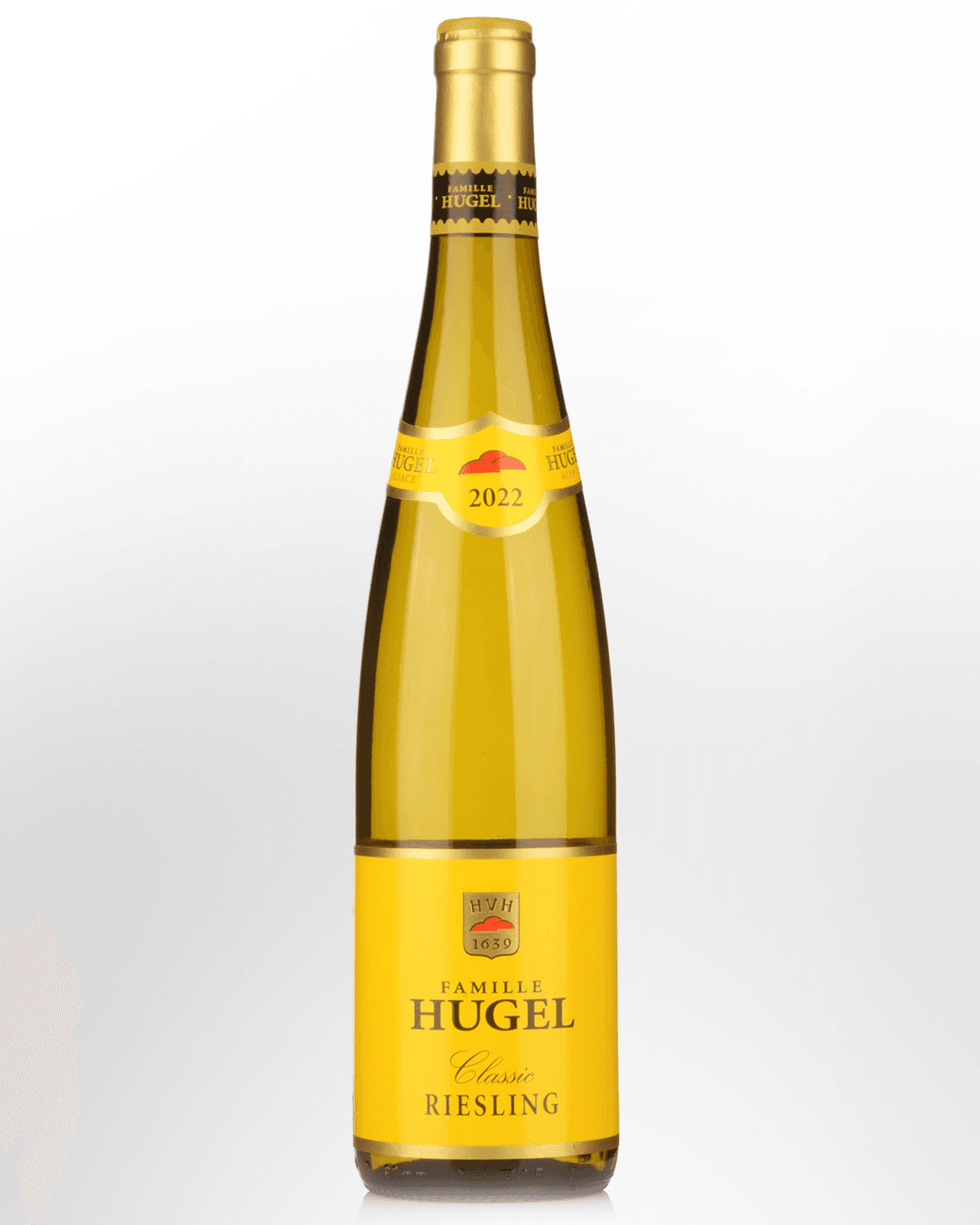
Famille Hugel Riesling Classic Alsace 2022
Famille Hugel
Famille Hugel has been making wine in Riquewihr since 1639, and their Classic Riesling is a distillation of everything they have learned across thirteen generations. This is Alsatian Riesling at its most pure.
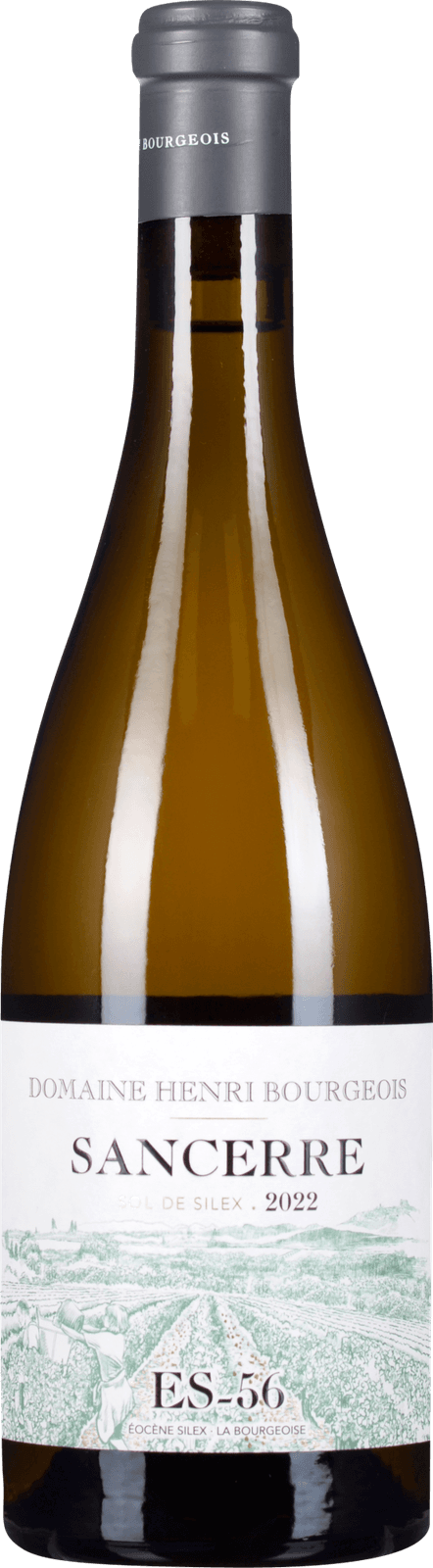
Henri Bourgeois Sancerre La Bourgeoise 2022
Henri Bourgeois
The Bourgeois family has been cultivating Sancerre vines for more than ten generations, and La Bourgeoise is the expression that captures everything the appellation stands for. When people discover that Sauvignon Blanc this complex and age-worthy exists in France, their relationship with the grape changes permanently. This is the wine that makes you understand why Loire Valley Sauvignon Blanc occupies a category of its own — one that rewards patience and educated appreciation in equal measure. Serve at 10°C with nothing in the way.
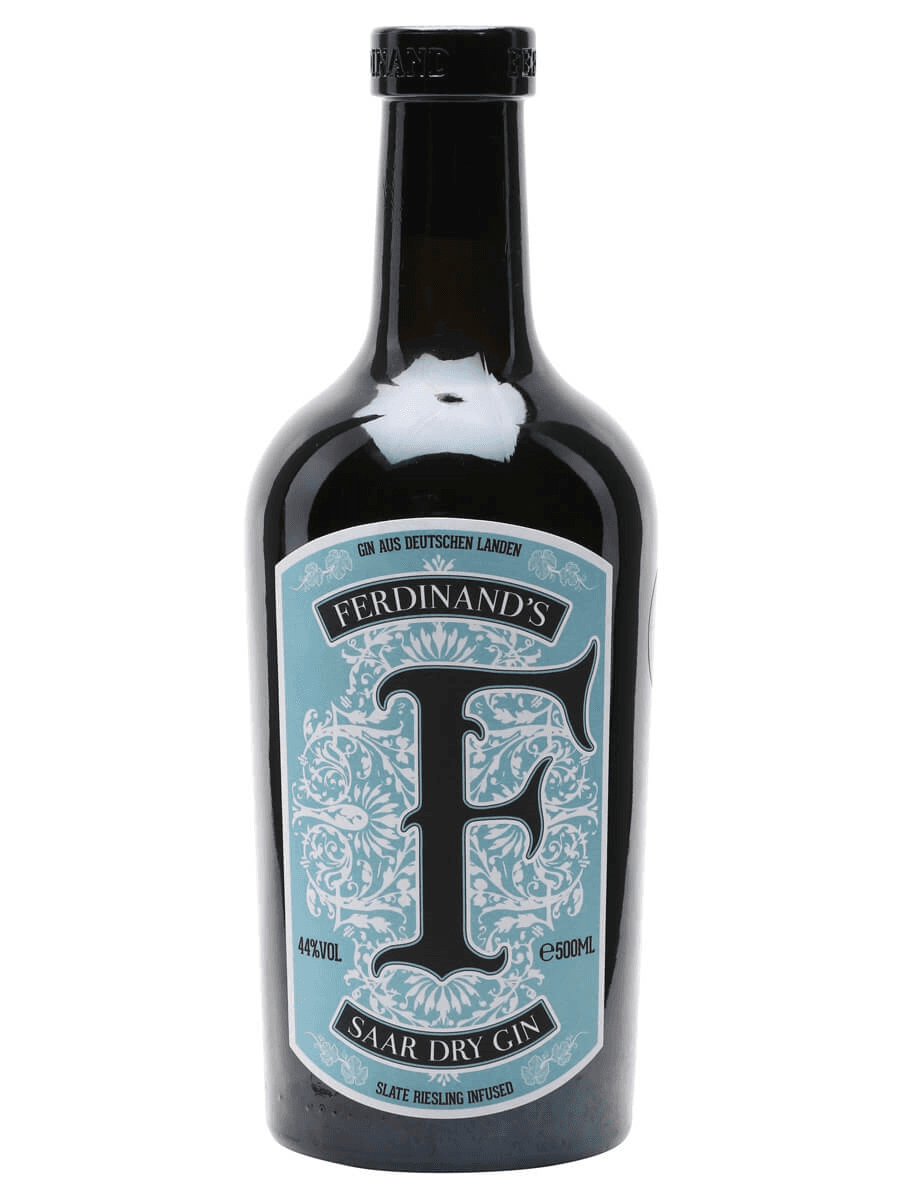
Ferdinand’s Saar Dry Gin
Avadis Distillery GmbH
Ferdinand’s Saar Dry Gin is the rare bottle whose catalyst is literally an ingredient no one else has thought to add. The Riesling infusion does not make this a wine-flavored gin — it is subtler and more structural than that. The wine contributes acidity, a floral lift, and a mineral backbone that unifies over thirty disparate botanicals into a coherent whole. Juniper leads as it should, but the Riesling gives the gin a vinous complexity that makes it equally compelling neat, in a Martini, or in a G&T. At under forty-five dollars, Ferdinand’s offers something unlike anything else on the gin shelf — and that novelty is backed by impeccable distilling craft.
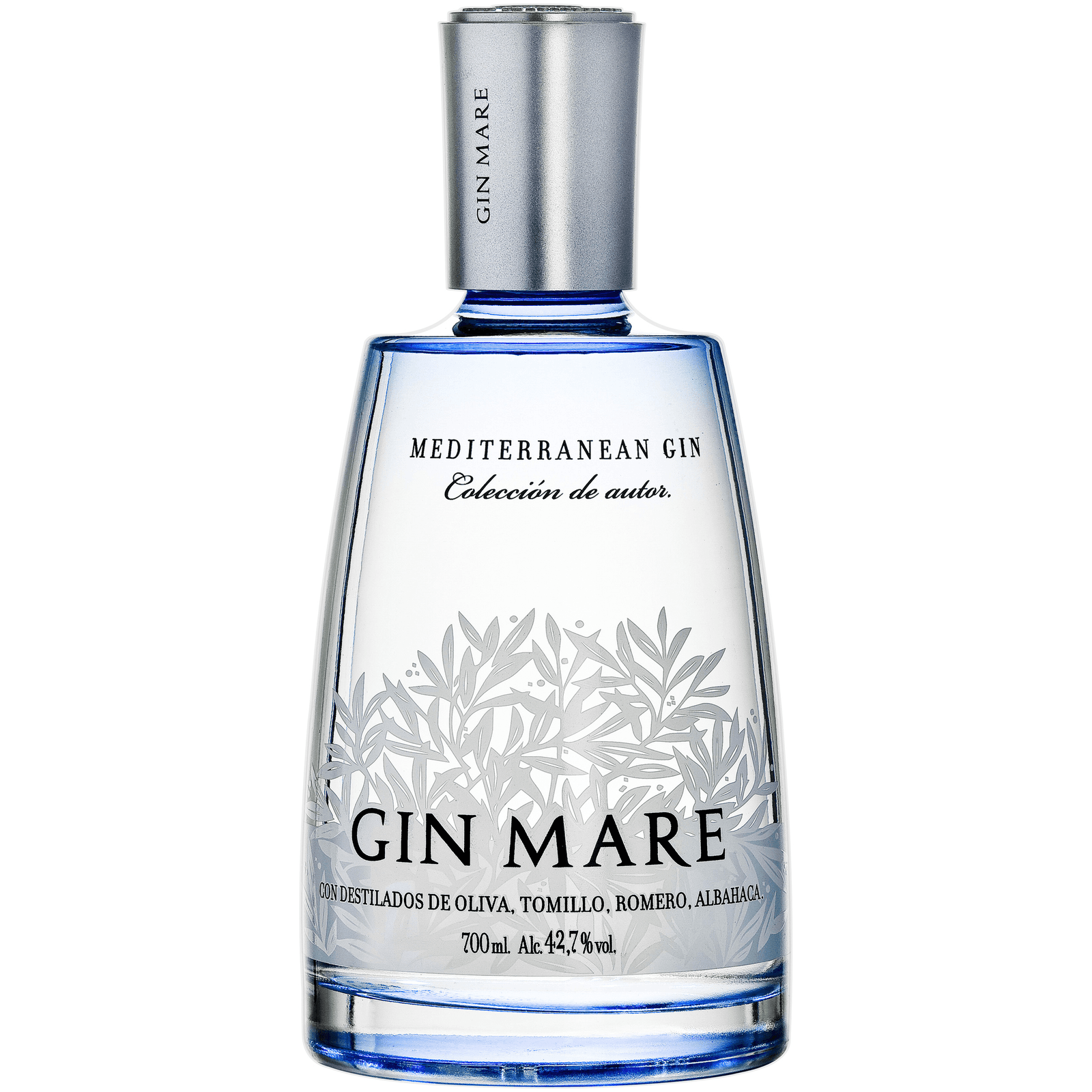
Gin Mare
Vantguard / Brown-Forman
Gin Mare is botanical architecture at its most deliberate. Where most gins start with juniper and build outward, Mare's designers flipped the blueprint: they began with the flavors of a Mediterranean table — olive, thyme, rosemary, basil — and built juniper around them as structural support rather than the main event. Each botanical is distilled individually to capture its purest expression, then blended with the precision of a perfumer. The result is a gin that tastes like the Catalan coast on a warm evening — savory, herbal, bright, utterly unlike anything from London.
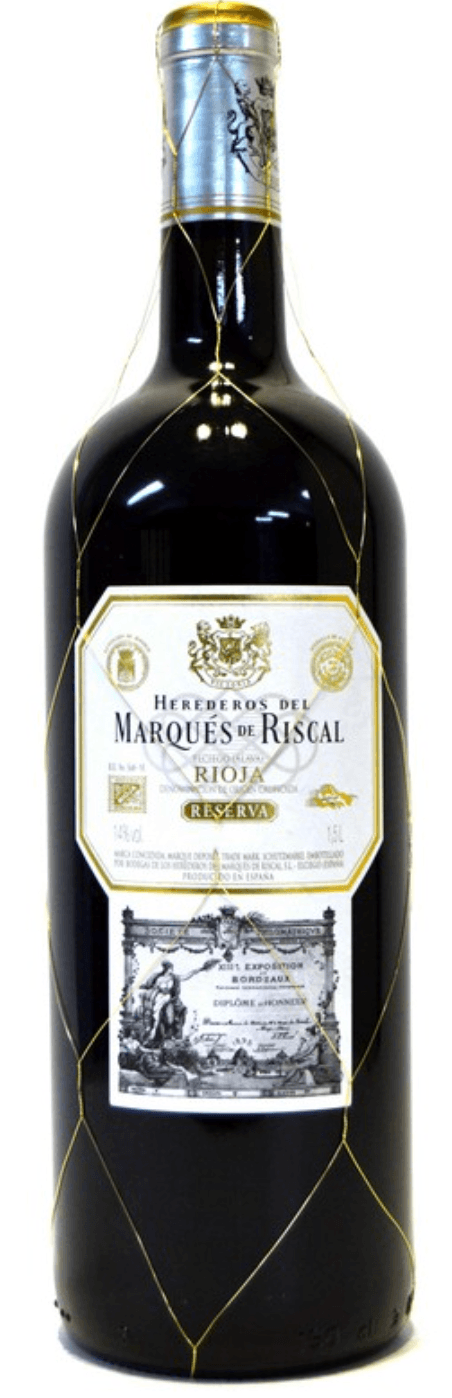
Marqués de Riscal Reserva 2019
Herederos del Marqués de Riscal (est. 1858)
Marqués de Riscal went against the grain before “going against the grain” was even a concept in Spanish wine. When Camilo Hurtado de Amézaga founded the winery in 1858, he did something heretical: he brought a French cellar master from Château Lanessan in the Médoc to teach Rioja producers Bordeaux techniques. He imported French grape varieties alongside the native Tempranillo. The result was Spain’s first modern winery, and in 1895, Marqués de Riscal became the first non-French wine to receive an Honorific Diploma at the International Wine Exposition of Bordeaux. The 2019 Reserva — 94% Tempranillo, 21 months in American oak — is a masterclass in Rioja’s unique marriage of Spanish soul and Bordelais discipline. At $20–$25, it’s one of the great values in European wine.
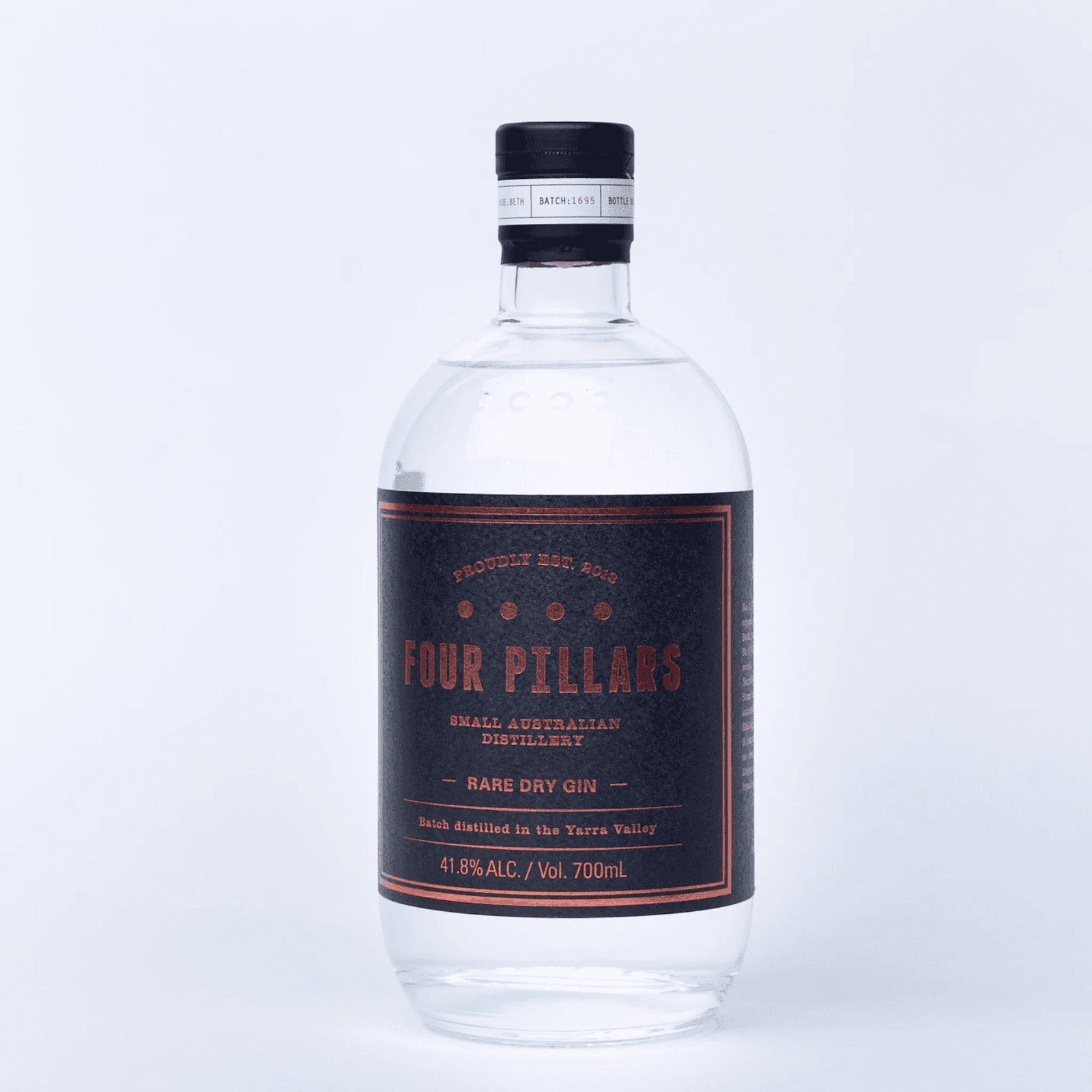
Four Pillars Rare Dry Gin
Four Pillars Gin Pty Ltd
Four Pillars Rare Dry Gin redefined what the world expected from Australian distilling. Cameron Mackenzie's decision to use whole fresh oranges in the still rather than dried peel was a technically daring choice — and the result is a gin with a citrus character that is genuinely alive.
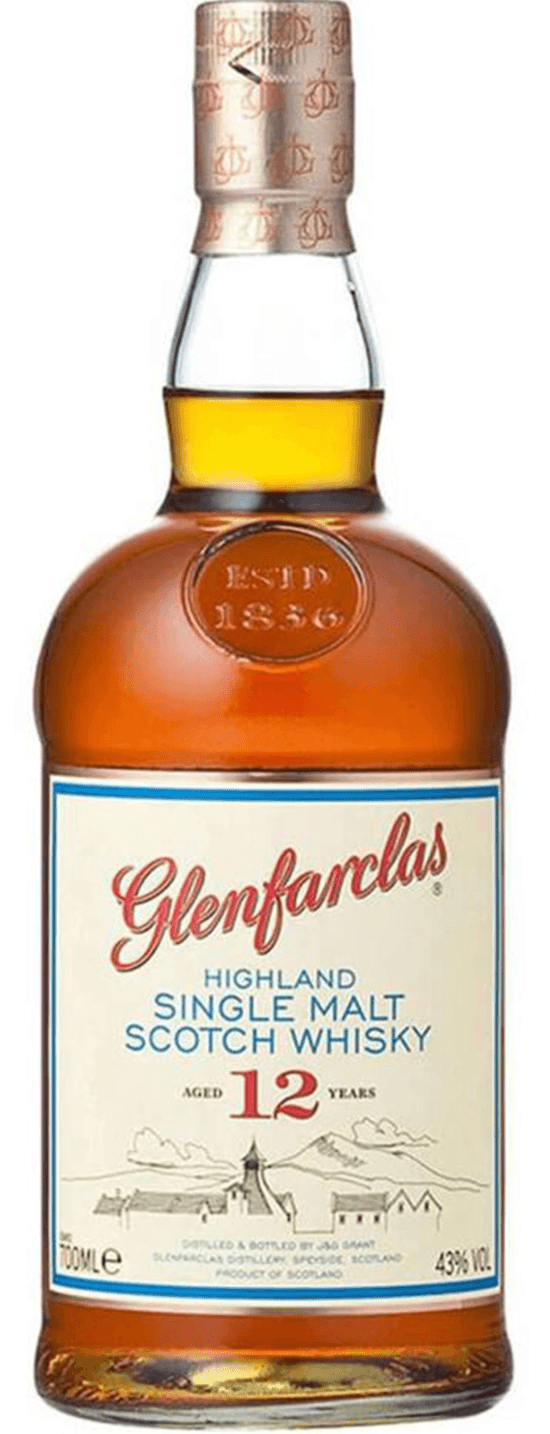
Glenfarclas 12 Year Old
J. & G. Grant (family-owned, 6th generation)
Glenfarclas is what happens when a family says “no” to trends. While other Speyside distilleries have chased younger consumers with NAS releases and cask finishes, the Grants have stayed stubbornly committed to sherry cask maturation and generous age statements. The 12 Year Old is the gateway — unapologetically sherried, rich, and full-bodied at a price that makes the big-name competitors look overpriced. The fact that they’ve resisted every takeover offer for 160 years tells you everything about their priorities.
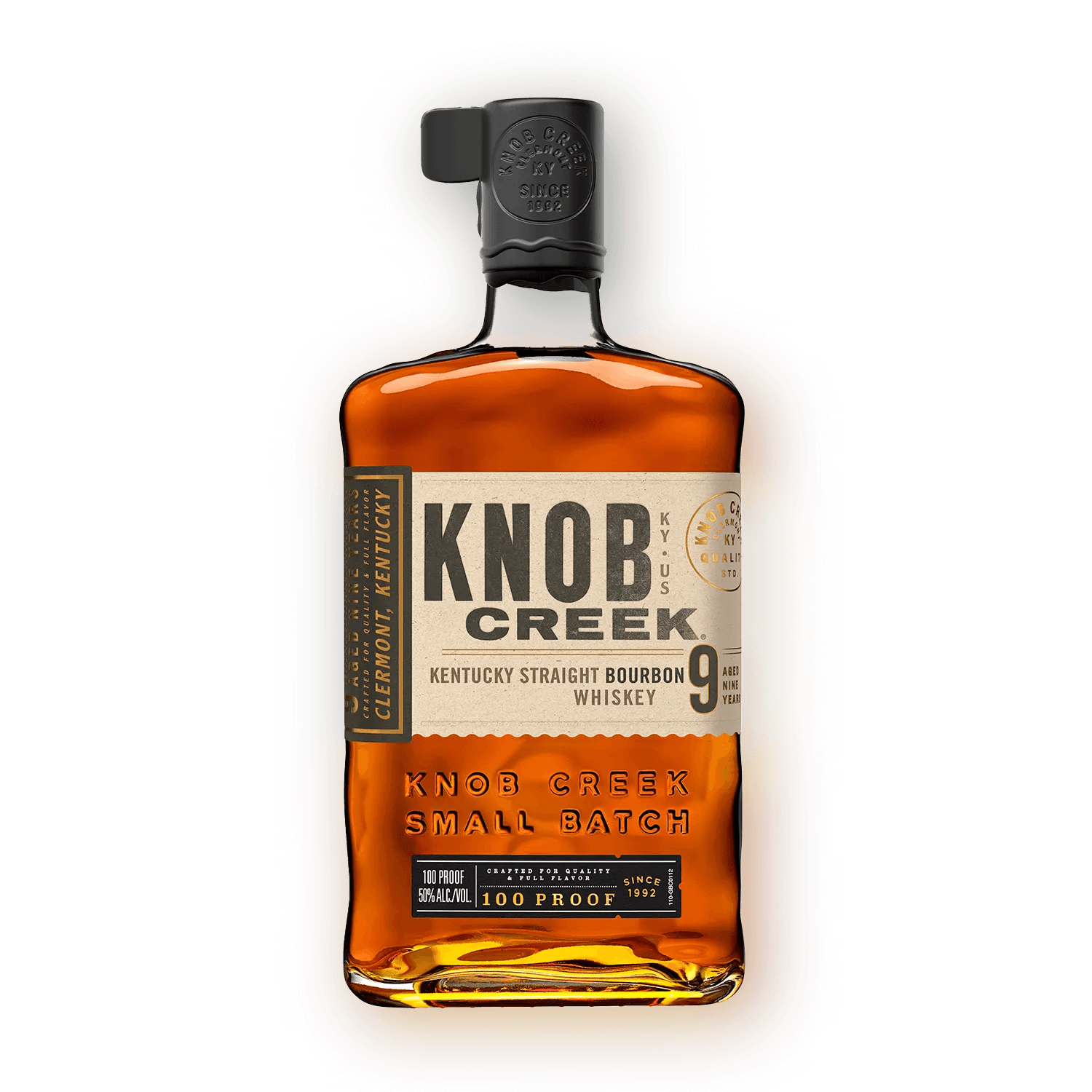
Knob Creek 9 Year Old
Beam Suntory
Knob Creek 9 Year Old is a masterclass in resilience bottled at 100 proof. In the 1980s, when American whiskey was in freefall and distilleries chased lightness, Booker Noe bet everything on going the opposite direction.
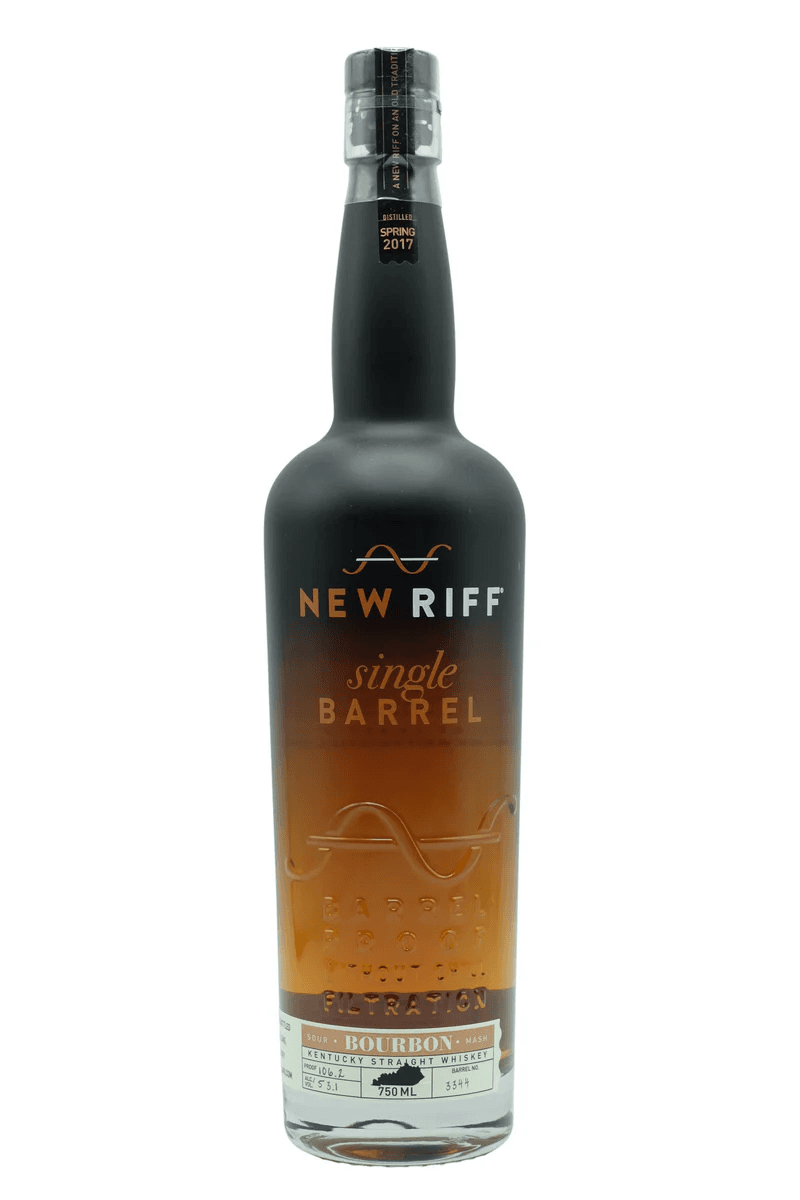
New Riff Single Barrel Bourbon
New Riff Distilling
New Riff’s single barrel program is the purest expression of what happens when a distillery uses transparency as its catalyst. By committing to Bottled-in-Bond from barrel one — no blending, no filtration, no dilution — they stripped away every safety net and bet on the quality of their distillate. The high-rye mash bill delivers assertive spice and complexity that barrel proof amplifies rather than masks. Every barrel is different, and that is precisely the point: you are tasting the unedited conversation between grain, yeast, wood, and time. At under fifty-five dollars for barrel-proof single barrel bourbon of this quality, New Riff does not just compete with Kentucky’s legacy houses — it challenges them to explain why they ever reached for the blending tank.
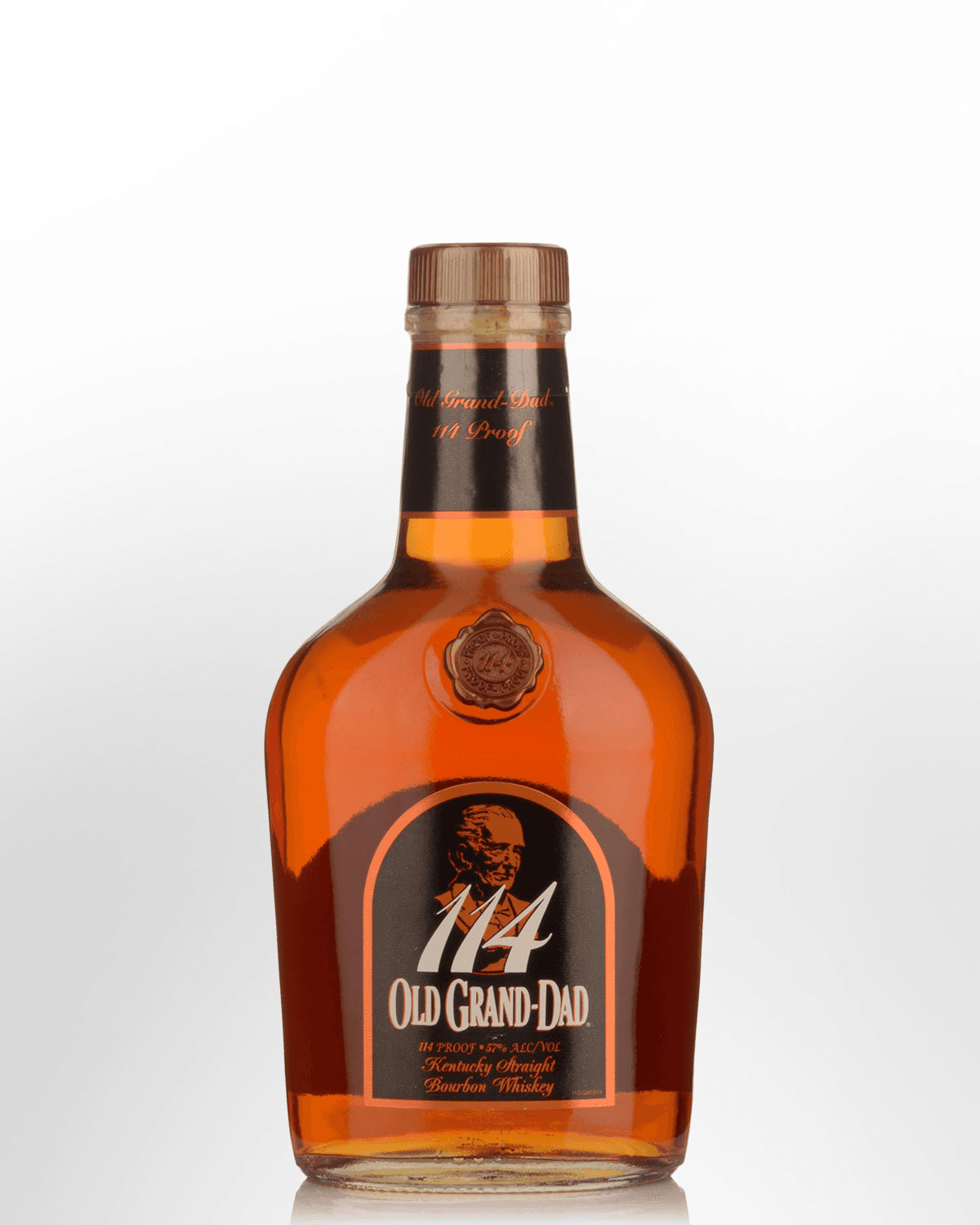
Old Grand-Dad 114
Beam Suntory
Old Grand-Dad 114 is the thinking drinker's value bourbon — a bottle that punches so far above its price point it almost feels like a mistake. That 27% rye mash bill, nearly double the industry average, gives it a backbone of spice that would overwhelm a lesser whiskey, but here it serves as architecture for layers of caramel, chocolate, and charred oak to hang upon. The high proof isn't a gimmick — it's a magnifying glass, amplifying nuances that lower-proof expressions wash away. At under thirty-five dollars, this is a bottle that seasoned bourbon drinkers quietly recommend to one another.
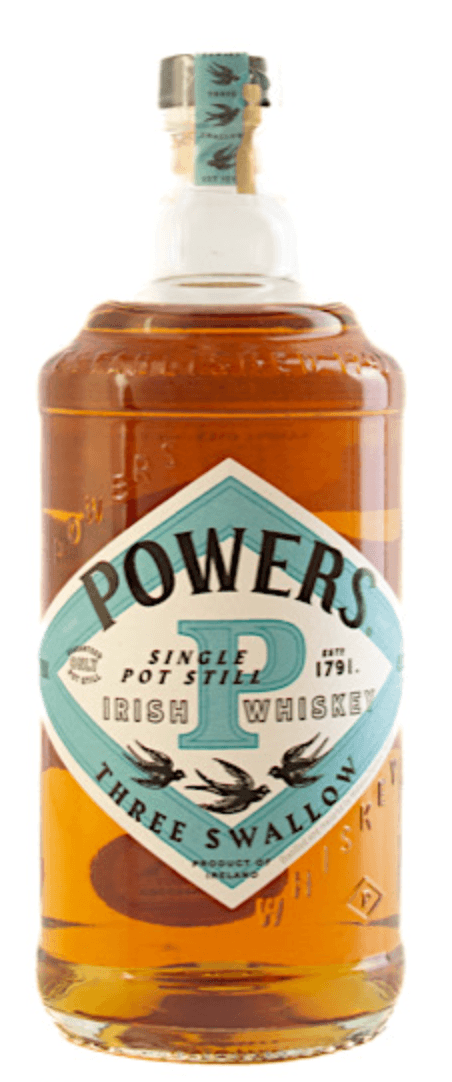
Powers Three Swallow Release
Irish Distillers / Pernod Ricard (Powers, est. 1791)
Powers’ obsession is pot still whiskey — the uniquely Irish style made from a mash of both malted and unmalted barley that produces a heavier, spicier, more characterful spirit than any other whiskey tradition on earth. When Irish whiskey collapsed in the twentieth century and blends took over, Powers never abandoned the pot still. The Three Swallow release takes its name from the quality mark that Powers’ tasters once stamped on approved casks — three swallows of whiskey, three stamps of approval. The 3% sherry component adds just enough dried fruit complexity to round the edges without softening the muscular pot still character. At $35–42, this is one of the most underpriced whiskeys in the world for what it delivers.
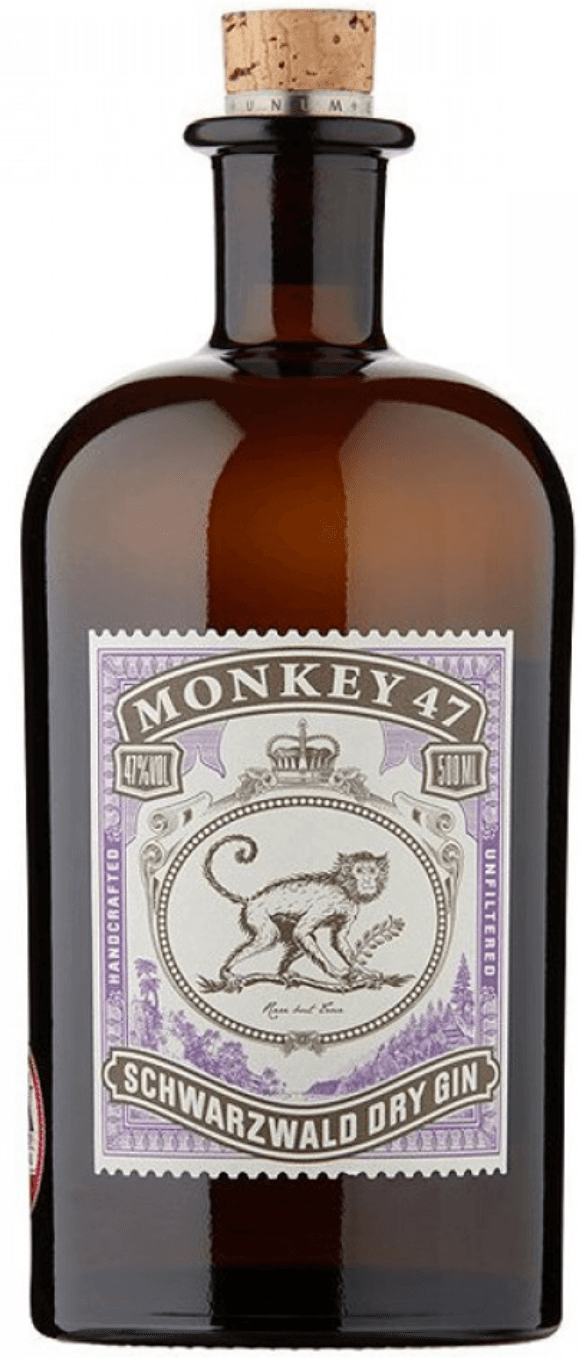
Monkey 47 Schwarzwald Dry Gin
Pernod Ricard (Monkey 47, est. 2010)
Monkey 47 is what happens when obsession meets the Black Forest. Alexander Stein, the founder, wasn’t content with the standard gin playbook of six to ten botanicals. He sourced forty-seven — roughly a third from the forest surrounding his distillery — including lingonberries, spruce shoots, bramble leaves, and acacia flowers. The result is aged three months in traditional earthenware crocks before bottling, a resting step almost no other gin producer bothers with. At 47% ABV (of course), it has the structure to support all that botanical complexity without collapsing into confusion. The fact that it comes in a 375 mL bottle at a premium price has done nothing to slow demand — proof that obsessive quality creates its own market.
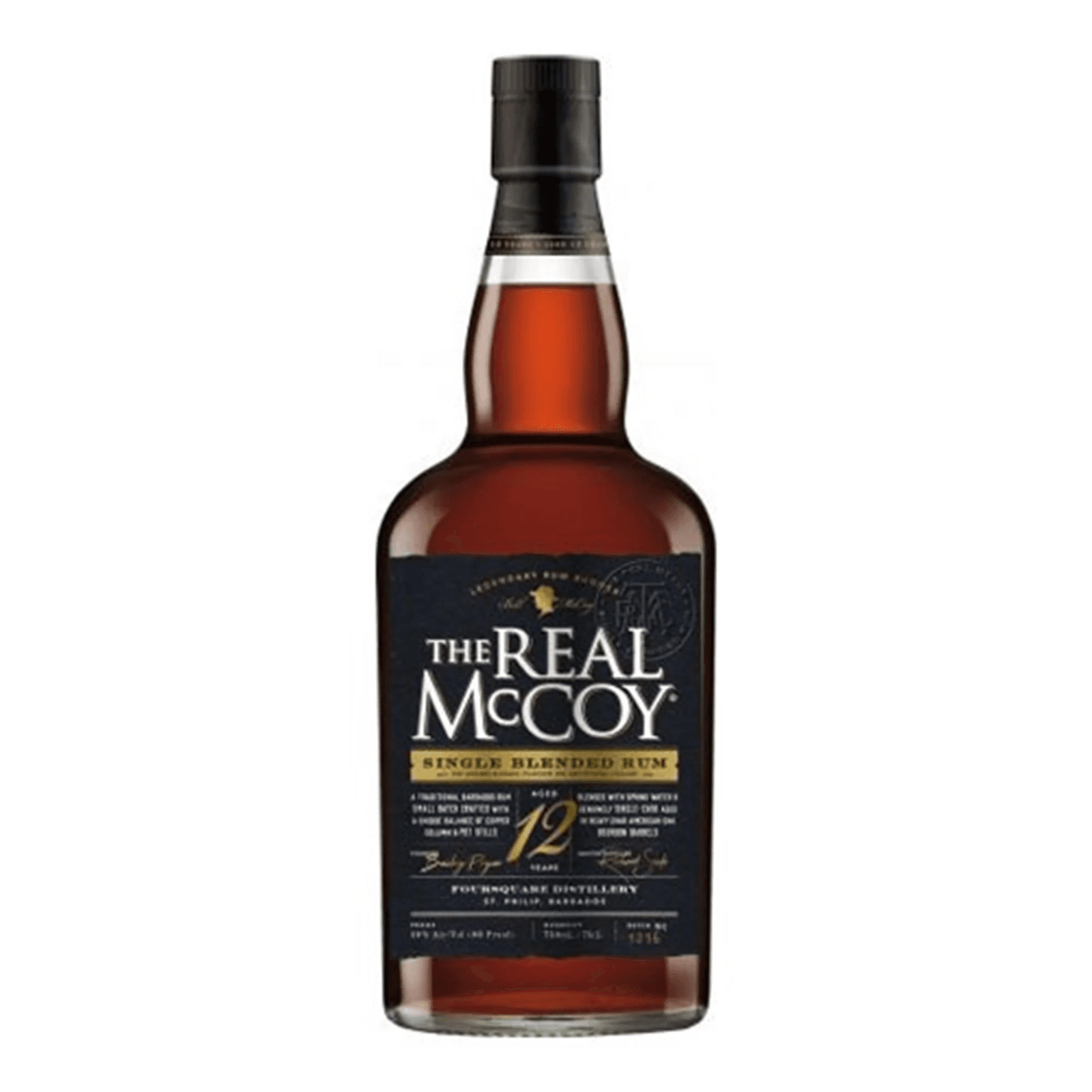
The Real McCoy 12 Year Old
The Real McCoy Rum Co.
The Real McCoy 12 is the Barbados rum that should be famous — and it would be, if it did not share a distillery with Foursquare’s own celebrated bottlings. Richard Seale blends pot and column still rums aged twelve years in ex-bourbon barrels, and bottles them with zero additives.