Price
Under $50
129 reviews
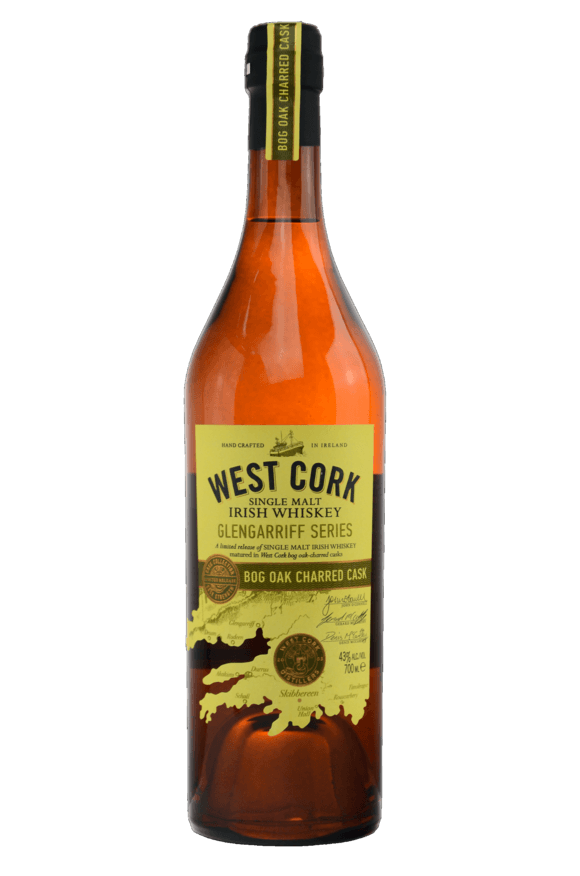
West Cork Glengarriff Series Bog Oak Charred Cask
West Cork Distillers
The experiment here is elemental: what happens when you char a cask with wood that has been buried in peat for three millennia? The answer is a flavor profile that exists nowhere else in Irish whiskey — a deep, minerally woodiness that isn't quite peat smoke and isn't quite standard oak char. It's something entirely its own. West Cork could have finished this whiskey in standard barrels and sold it for the same price, but they chose to dig into the bogs of Glengarriff and create a finishing process that no one else can replicate. At this price point, it's one of the most original experiments in Irish whiskey.
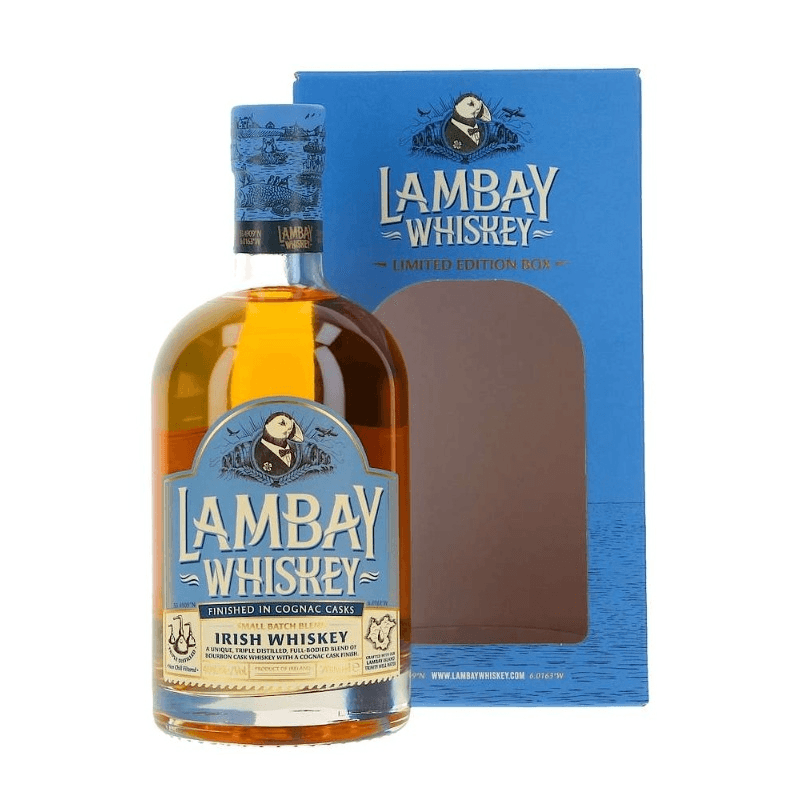
Lambay Small Batch Blend
Lambay Whiskey (Baring Family & Maison Camus)
Lambay Small Batch Blend is a whiskey born from an unlikely marriage — Irish triple-distilled spirit and French cognac cooperage, united by an island in the Irish Sea. The Cognac cask finish is not a gimmick; it adds a genuine floral and stone-fruit dimension that most blended Irish whiskeys lack entirely. And the sea-air finishing gives the whole package a maritime lightness that makes it dangerously easy to drink. At around $30, it's one of the most interesting experiments in Irish whiskey — and a reminder that where your casks breathe matters as much as what's inside them. Cocktail — "The Island Sour": Combine 2 oz Lambay Small Batch, 1 oz fresh lemon juice, 0.75 oz honey syrup, and 1 egg white. Dry shake vigorously, then shake with ice. Strain into a coupe and garnish with a few drops of Angostura on the foam. The honey and Cognac-cask character play beautifully against the citrus acid.
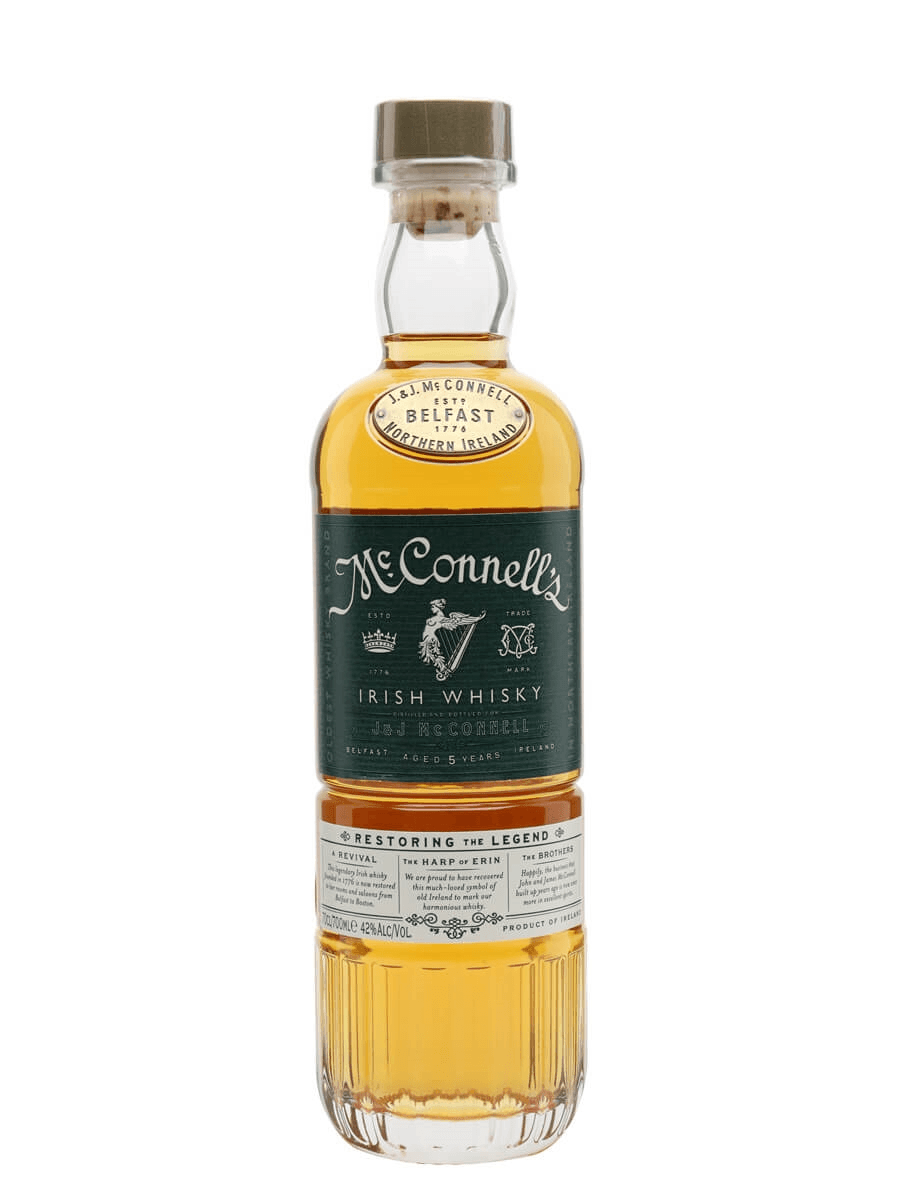
McConnell’s Irish Whisky 5 Year Old
Conecuh Brands
McConnell’s is proof that a resurrection can be its own catalyst. Rather than chasing the pot-still complexity of Dublin’s heritage brands or the peated novelty of Connemara, McConnell’s chose the most difficult path: a straightforward, well-made blend that stands on flavor rather than story. The five-year bourbon-cask maturation delivers approachable butterscotch sweetness without thinness, and the triple-distilled malt component adds just enough texture to hold your attention. At under thirty-five dollars, this is a bottle that earns its place not by trading on Belfast nostalgia but by being good whiskey at a price that invites exploration.
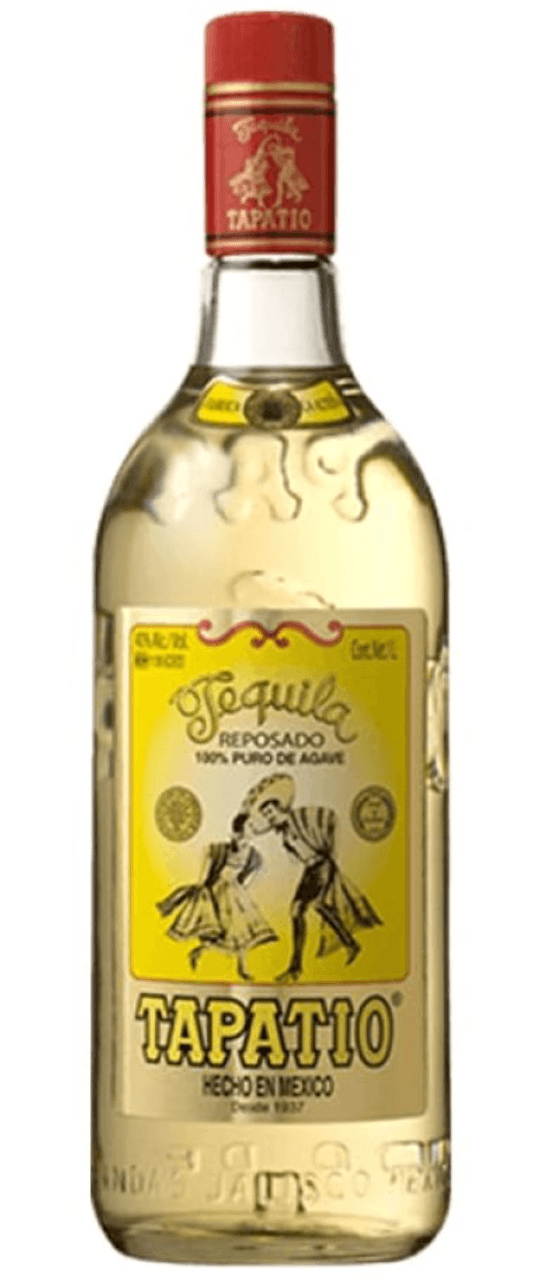
Tapatio Reposado
Tequila Tapatio S.A. de C.V. (Camarena family, 5th generation)
Tapatio is the tequila that tequila makers drink. The Camarena family — the same lineage that gave us El Tesoro and G4 — runs one of the most traditional operations in Jalisco. Carlos Camarena, the current master distiller, slow-roasts his highland agave for 48 hours in brick ovens, ferments with wild airborne yeasts and natural well water, and keeps production deliberately small. The reposado rests just four months — enough to round the edges without masking the agave. This is tequila for purists, and at around $45 it’s one of the best-kept secrets in the category.
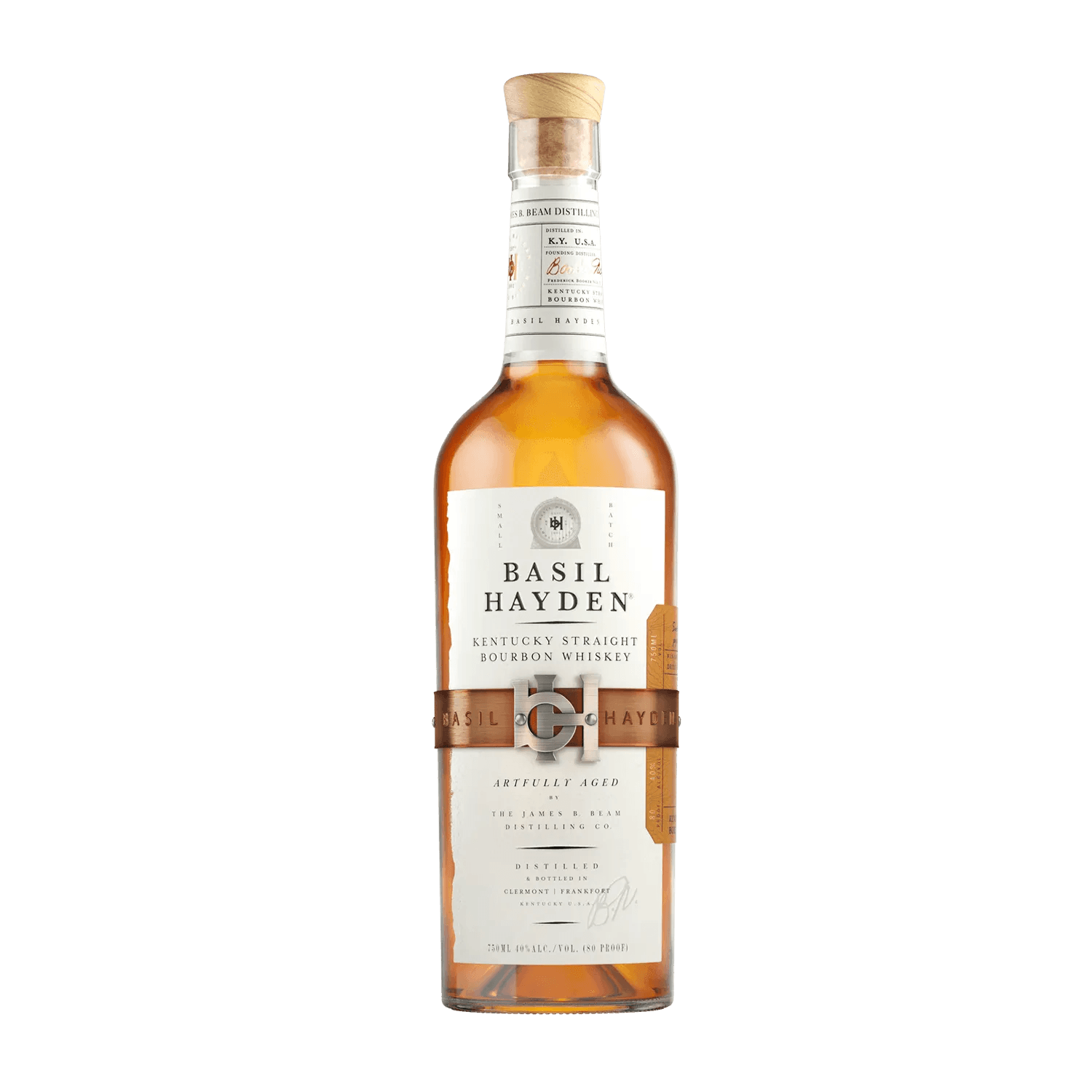
Basil Hayden’s Kentucky Straight Bourbon
Beam Suntory
Basil Hayden’s is a quiet argument for restraint. Where so many bourbons muscle their way forward with proof and sweetness, this one leads with the grain blend itself — that generous 27% rye lifting everything around it.
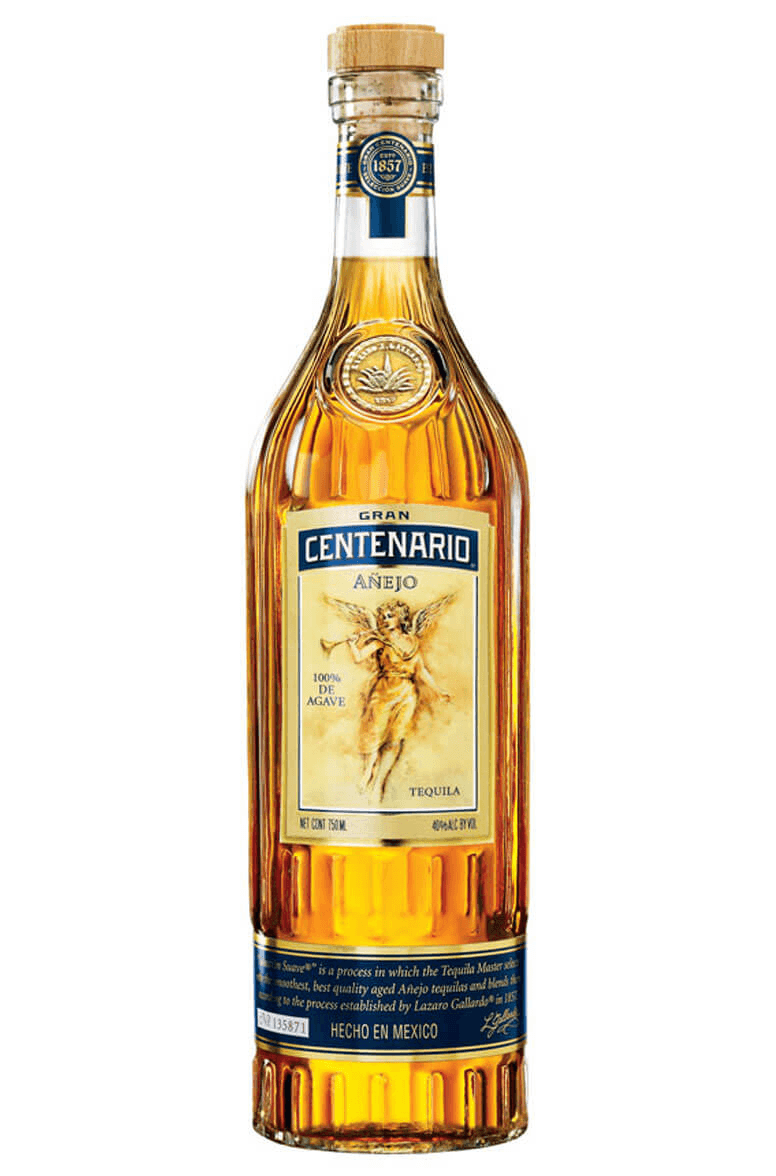
Gran Centenario Añejo
Casa Cuervo (Beckmann Family / Proximo Spirits)
Gran Centenario Añejo is a lesson in how thoughtful cask architecture transforms agave into something approaching luxury. The selección suave process — a solera-inspired blending method using French limousin oak and American white oak — creates a layered complexity that belies its approachable price point. The highland agave provides a clean, sweet foundation; the French oak adds refinement and tannic structure; the American oak contributes vanilla warmth. The result is a tequila with the kind of deliberate design you typically find at two or three times the price.
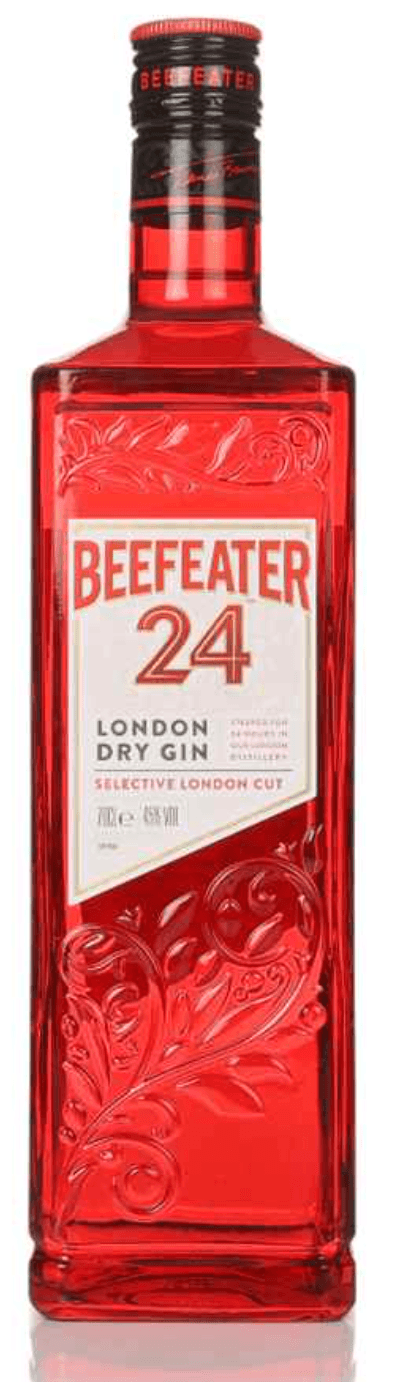
Beefeater 24
Pernod Ricard (Beefeater, est. 1863)
Beefeater 24 is what happens when the world's most experienced gin distiller gives botanicals more time.

Aviation American Gin
Diageo
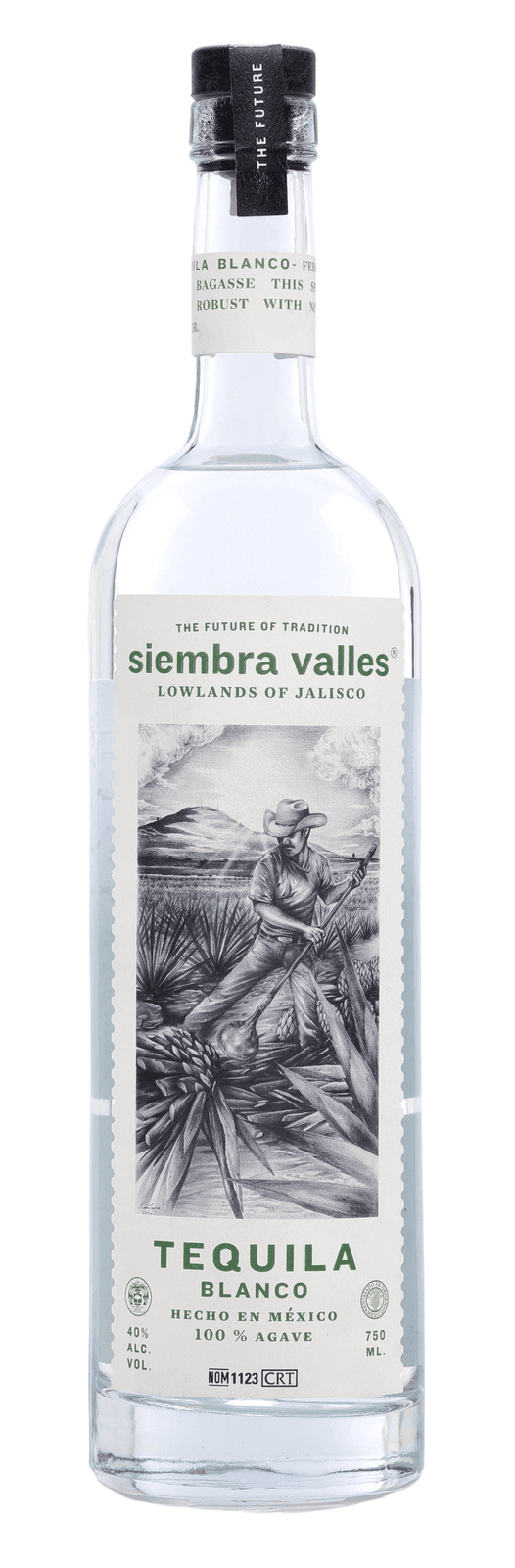
Siembra Valles Blanco
Siembra Spirits
Siembra Valles is the tequila that bartenders drink after their shift — the one they recommend when you ask for something real. David Suro-Piñera is not just a brand owner; he is a tequila scholar and advocate who founded the Tequila Interchange Project to promote transparency in the industry.
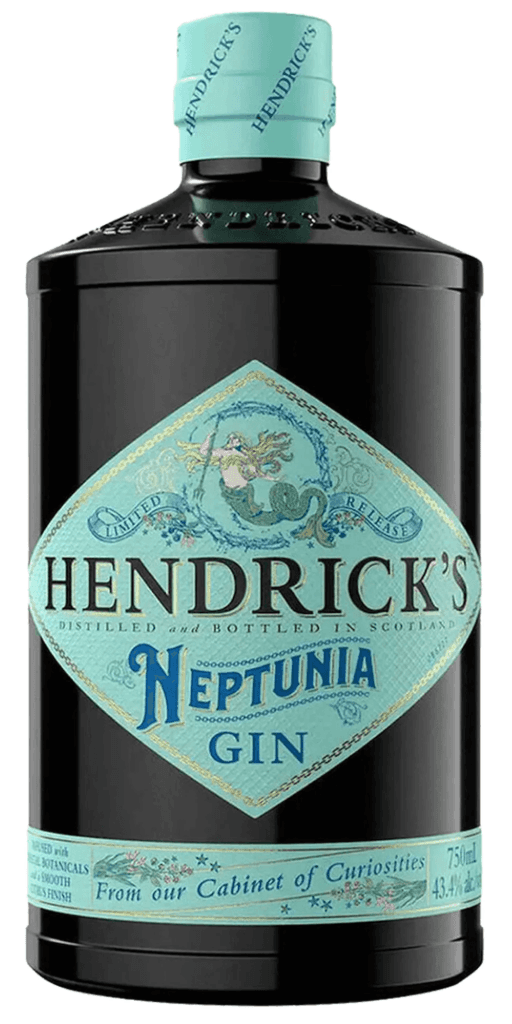
Hendrick’s Neptunia
William Grant & Sons
Neptunia takes the familiar Hendrick’s template and tilts it toward the sea. The coastal botanicals — kelp, thyme, lime — add a saline freshness that makes this gin feel like a walk on a Scottish shoreline. It’s not a gimmick; the sea influence is real but restrained, adding a new dimension rather than overwhelming the juniper and floral base that Hendrick’s fans expect.
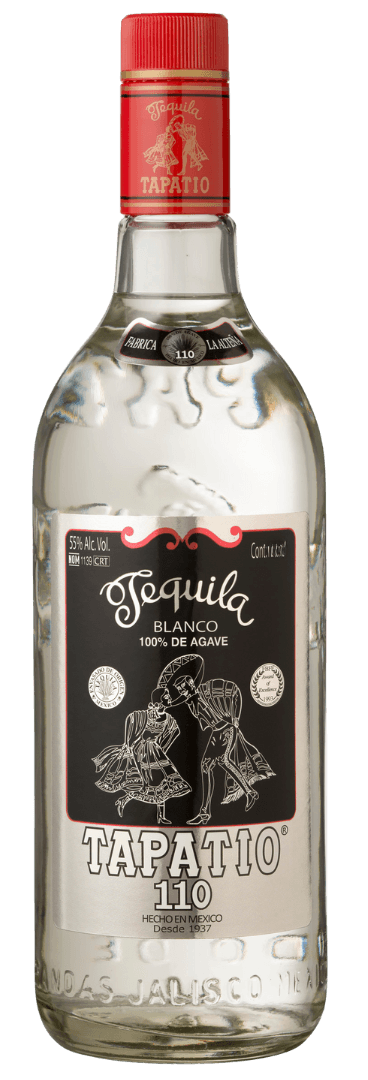
Tapatío 110 Blanco
Tequila Tapatío (Camarena family, La Alteña Distillery)
Tapatío 110 is the still-strength expression of the Camarena family's Tapatío Blanco — bottled without any water cut at the 55% ABV it reaches in the still. Verified additive-free by Tequila Matchmaker.
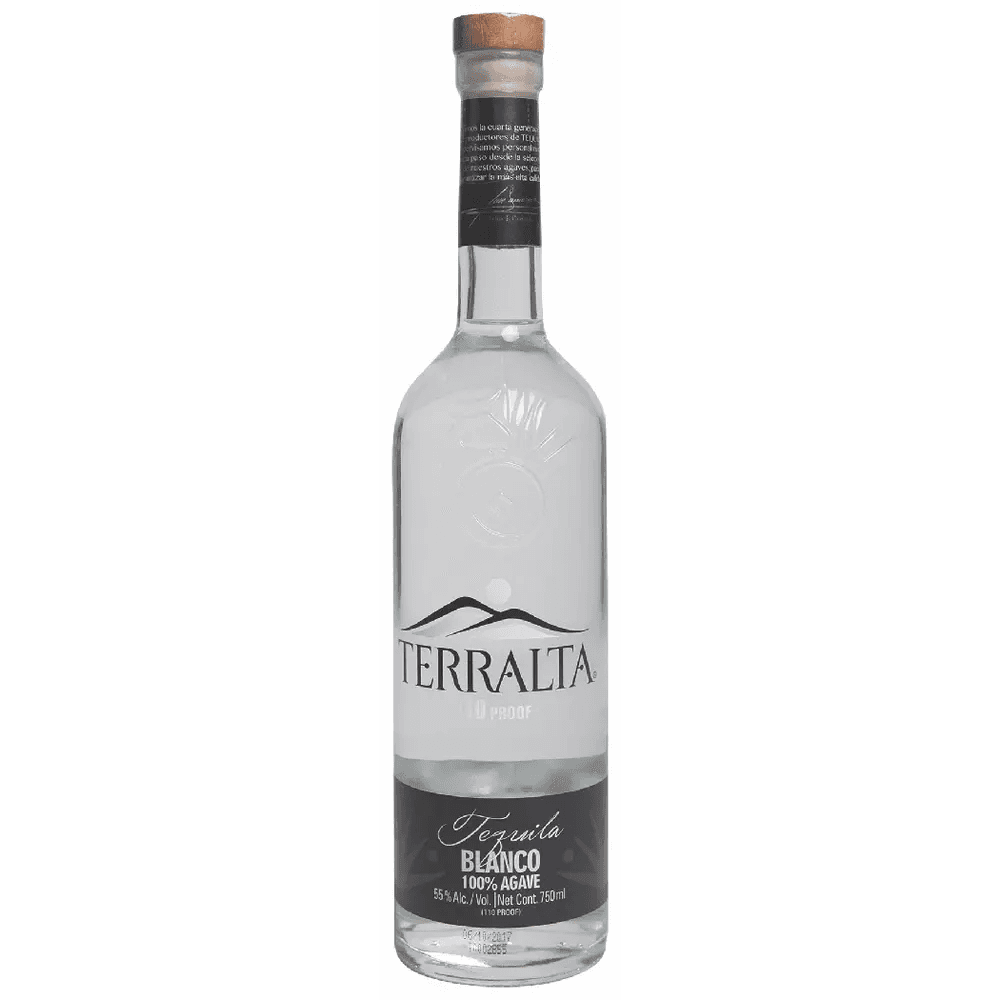
Terralta Blanco Extra Strength 110 Proof
Tequila Terralta (Felipe Camarena)
Terralta 110 is what happens when you remove the single most common intervention in tequila production — water — and let the distillate speak for itself. Felipe Camarena’s catalyst was the refusal to dilute, and the result is a blanco that carries the full weight of highland agave, volcanic mineral water, and an eighty-year-old yeast strain in every sip. The proof sounds aggressive on paper, but the execution is anything but: the texture is silky, the flavors are amplified rather than burned, and the finish is cleaner than most 80-proof tequilas. At under sixty dollars, this is a masterclass in what blanco tequila can be when a maker trusts his raw materials completely.
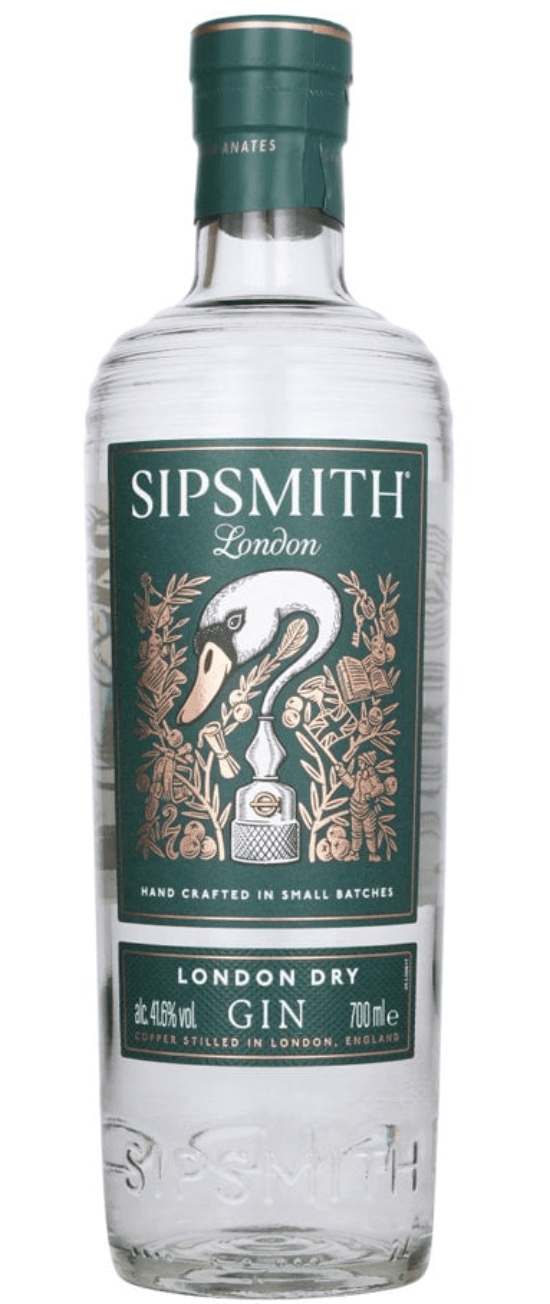
Sipsmith London Dry Gin
Beam Suntory (founded by Fairfax Hall, Sam Galsworthy & Jared Brown)
Sipsmith didn’t just make a great gin — they changed the law to do it. In 2009, London had no small-batch copper pot gin distilleries because regulations required stills ten times larger than what craft producers could use. Hall and Galsworthy lobbied Parliament, got the law changed, and installed a tiny 300-liter copper pot still they named Prudence. The gin that came out was a love letter to London Dry — juniper-led, citrus-bright, and unapologetically classic. It launched a thousand craft gins, and it’s still one of the best.
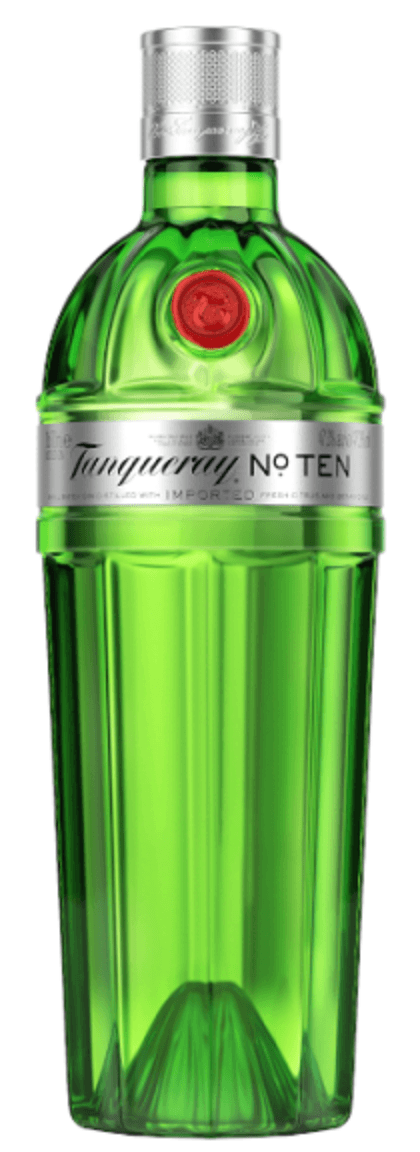
Tanqueray No. Ten
Diageo (Tanqueray, est. 1830)
Tanqueray No. Ten broke the gin rules by asking a simple question: what if we used fresh whole citrus fruits instead of dried peels? The answer came from a 1950s-era 500-liter pot still that the team nicknamed “Tiny Ten” — small enough for careful, small-batch distillation of fresh grapefruit, lime, orange, and chamomile flowers. The result created a new category: citrus-forward, cocktail-ready gin at a time when gin was considered your grandmother’s drink. At 47.3% ABV, it has the backbone to stand up in any cocktail without disappearing. The San Francisco World Spirits Competition put it in their Hall of Fame — the only gin to earn that distinction.
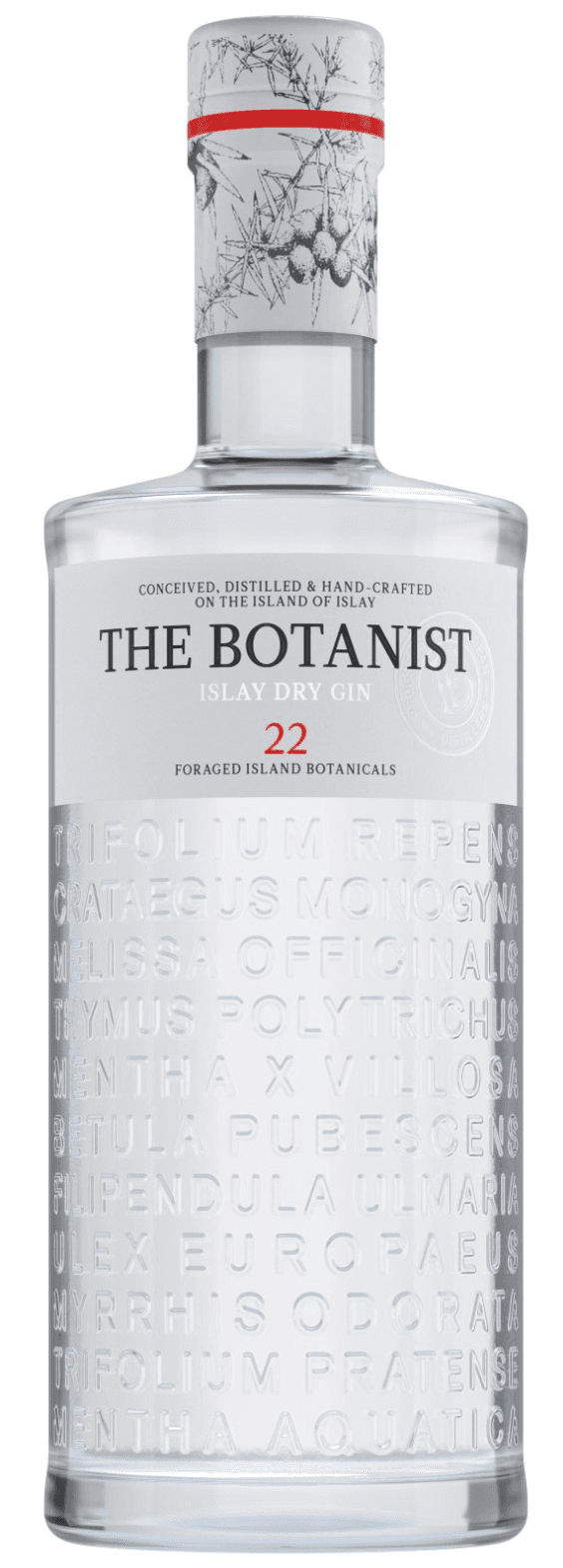
The Botanist Islay Dry Gin
Rémy Cointreau (Bruichladdich Distillery)
The Botanist is the gin that proves terroir isn’t just a wine concept. Those 22 wild Islay botanicals — foraged by hand over 30 weeks each year from bogs, shores, and hillsides — give it a sense of place that no factory gin can replicate. The rescued Lomond still allows a 17-hour distillation, four times longer than whisky, extracting complexity that faster methods miss entirely. At 46% ABV and under $40, it’s one of the most characterful gins on the planet, and the subtle coastal salinity at the finish reminds you that this spirit was born on an island battered by the Atlantic.
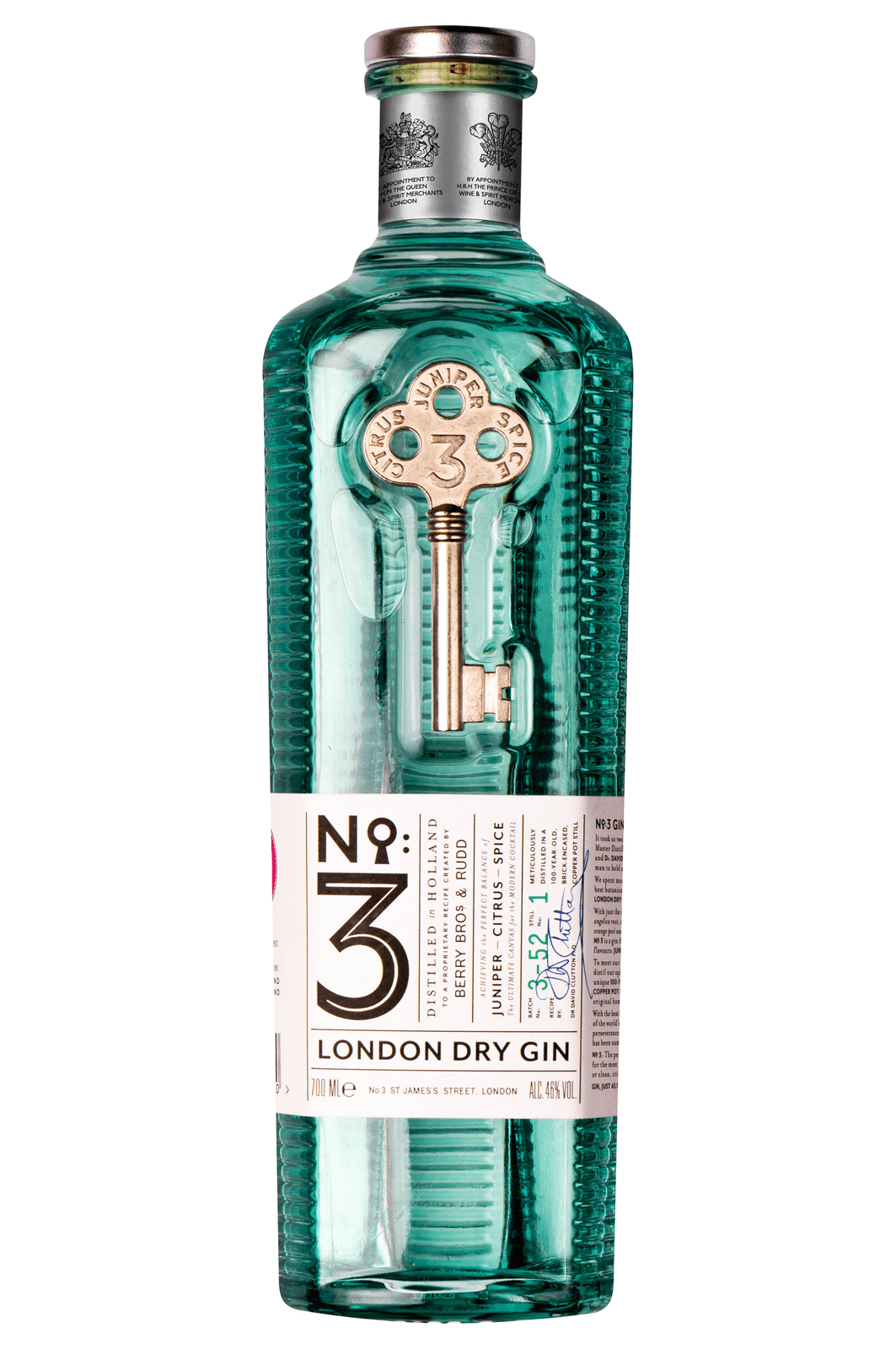
No. 3 London Dry Gin
Berry Bros. & Rudd
No. 3 London Dry Gin is resilience through reduction. While the gin world races to add more botanicals, Berry Bros. asked: what if six botanicals are all you need?
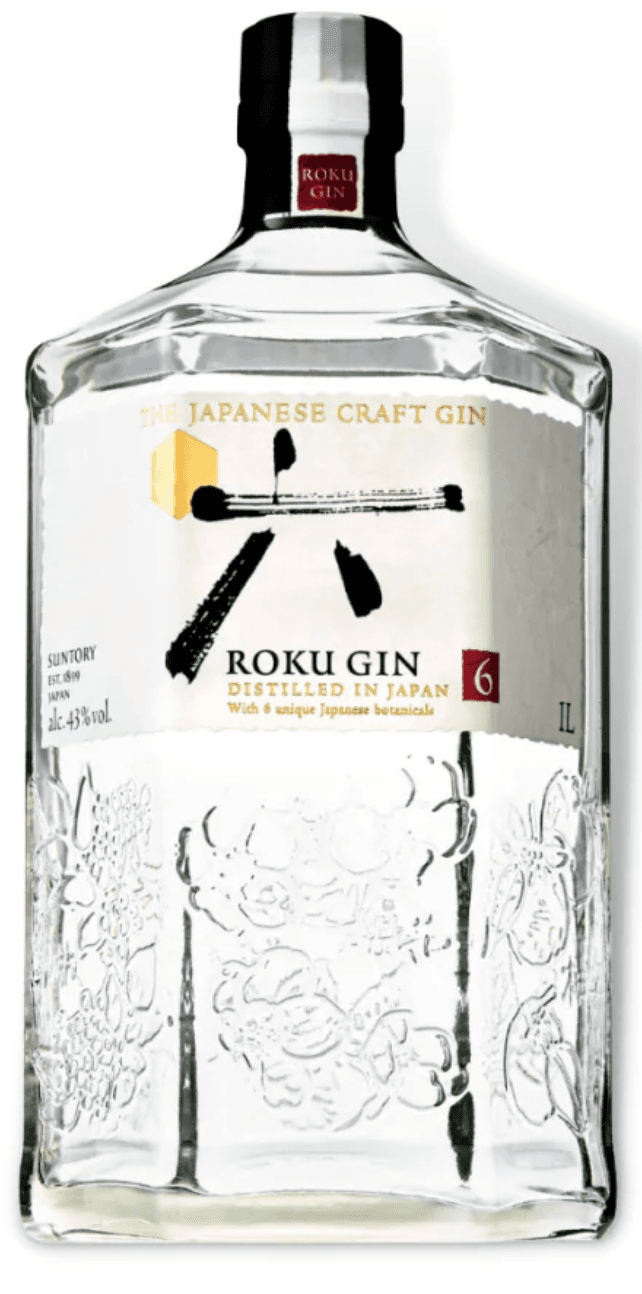
Roku Japanese Craft Gin
Beam Suntory (Suntory Spirits, est. 1899)
Roku means 'six' in Japanese, and those six native botanicals — sakura flower, sakura leaf, yuzu, sencha, gyokuro, and sansho pepper — are what elevate this gin from competent to contemplative. Suntory harvests each botanical at its peak season, meaning the production cycle spans an entire year before blending even begins. Each botanical group is then distilled separately in different still types to extract its optimal character. It's the Japanese philosophy of monozukuri — the art of making things with care and patience — applied to gin. The result is a spirit where East meets West in genuine harmony: the juniper backbone is clearly there, but the yuzu, tea, and sakura create a flavor profile unlike any Western gin. At under $35, Roku offers a masterclass in how patience in production translates to complexity in the glass.
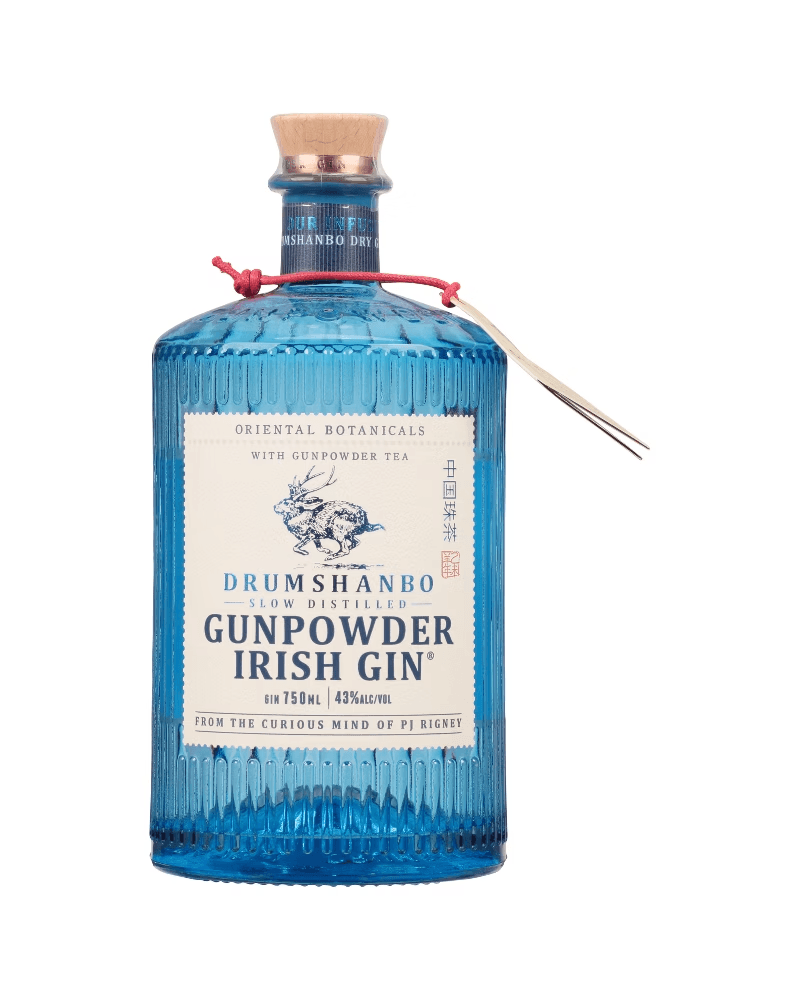
Drumshanbo Gunpowder Irish Gin
The Shed Distillery
The Gunpowder tea botanical is the masterstroke here — it binds the citrus and juniper elements into something cohesive and unmistakably different from any London Dry. Drumshanbo Gunpowder is the gin that makes craft spirit sceptics take a second look. The distinctive spherical bottle is famous in Irish bars, but the real story is inside it: a carefully developed recipe, an unexpected Chinese tea leaf, and a distillery that chose character over convention at every turn. Serve in a copa glass over ice with tonic, sliced pink grapefruit, and a twist of lime.
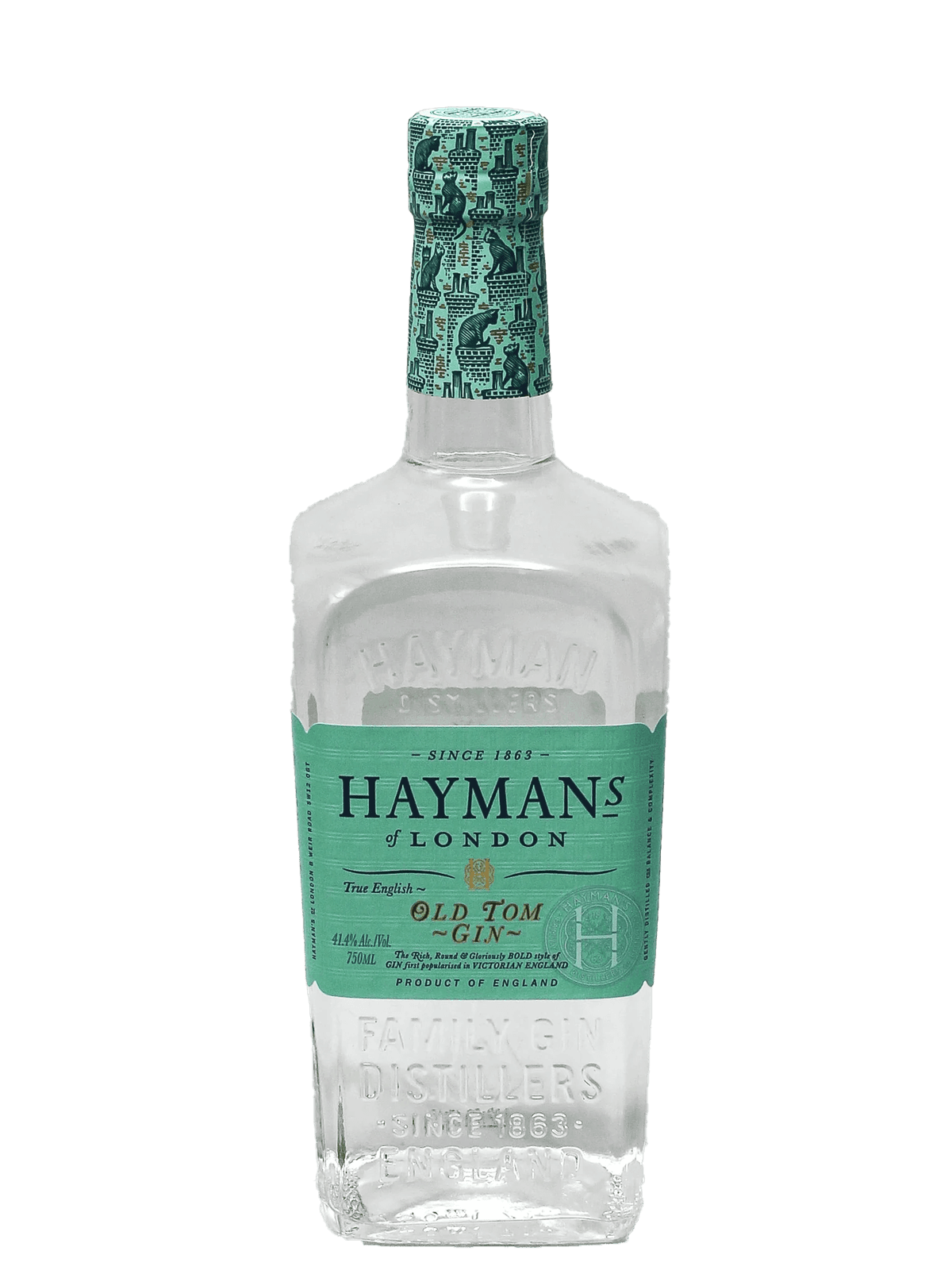
Hayman's Old Tom Gin
Hayman Distillers Ltd
Old Tom gin was the taste of Victorian London — sweeter than London Dry, the bridge between Dutch genever and the bone-dry gins we know today. It vanished for nearly a century until the Hayman family resurrected it.
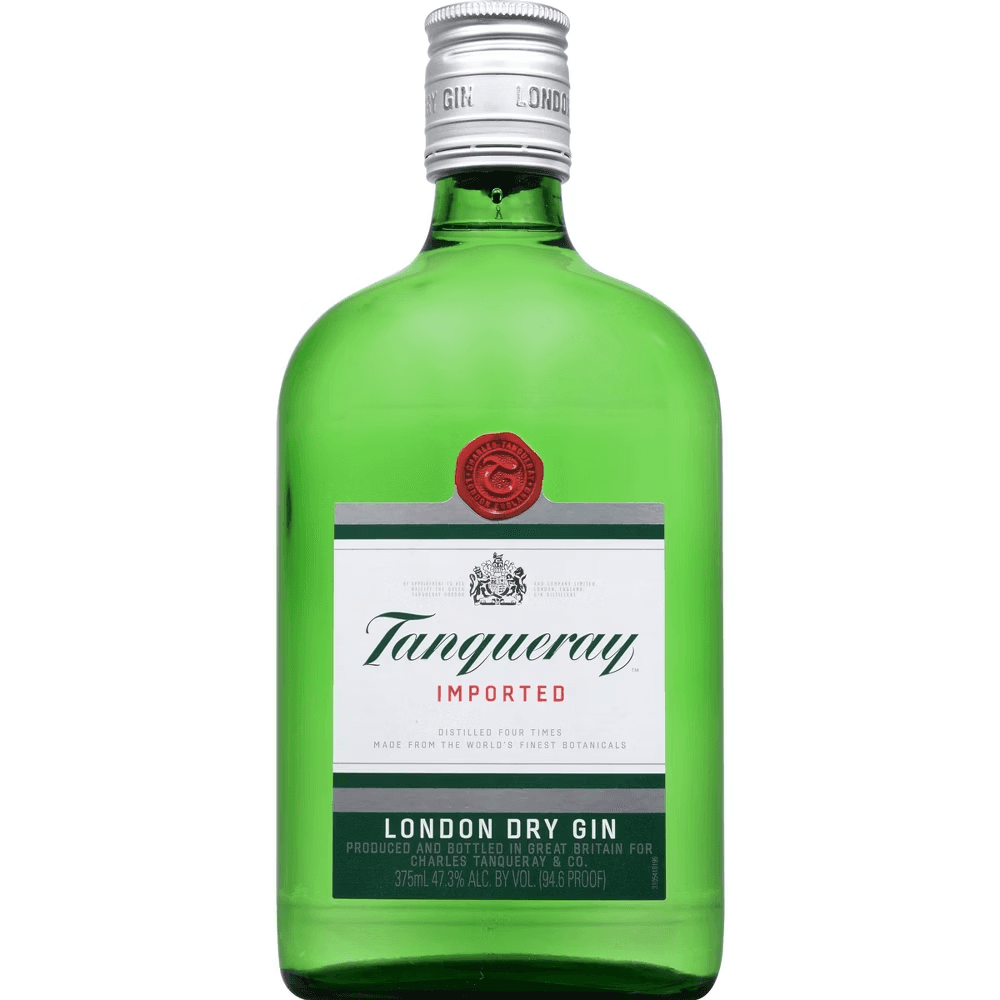
Tanqueray London Dry Gin
Diageo
Tanqueray London Dry is the benchmark against which other London Dry gins are measured. Charles Tanqueray's four-botanical formula, created in 1830, has endured because it works — bold juniper, balanced spice, and a higher proof that stands up in any cocktail.
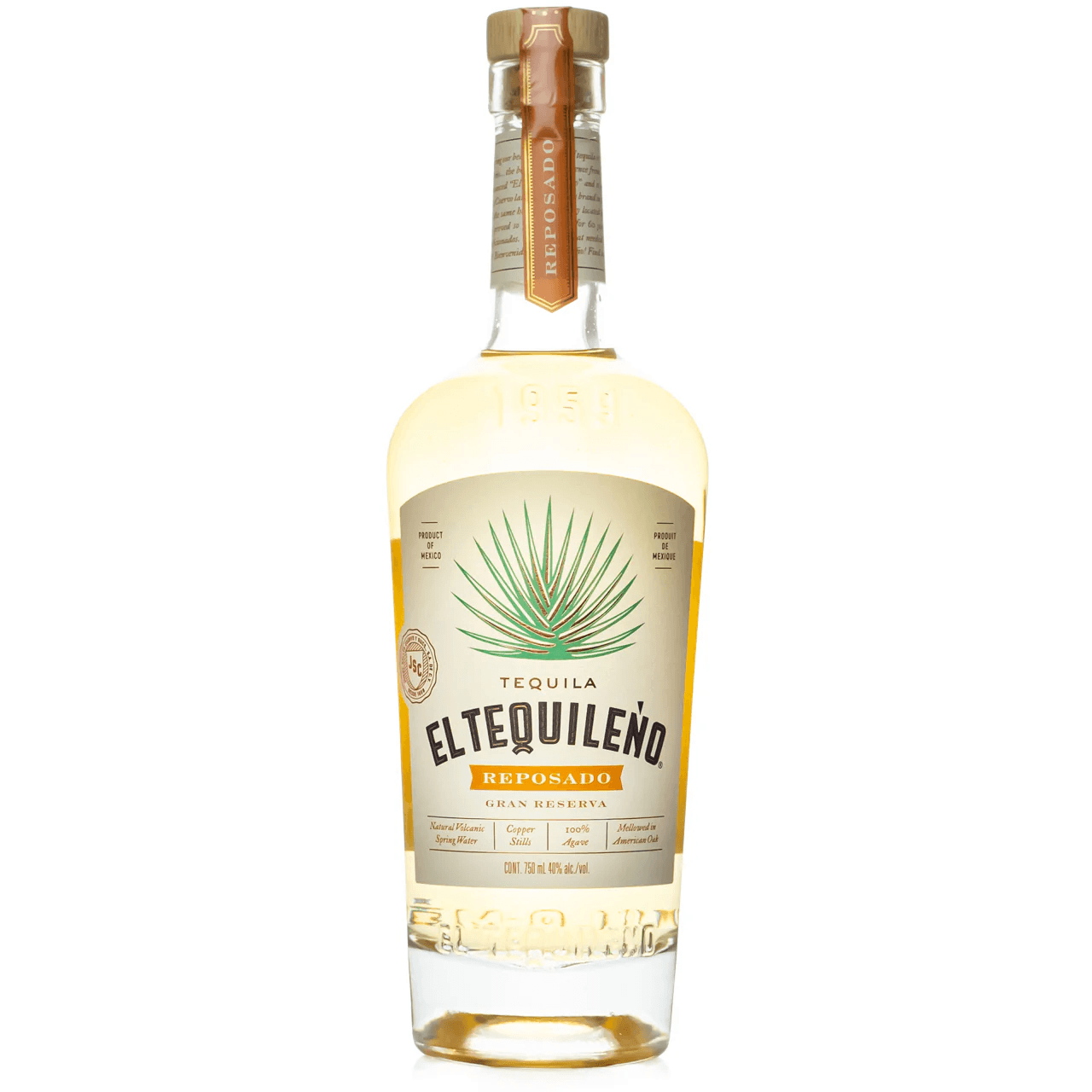
El Tequileno Reposado Gran Reserva
Destiladora Tequileña (Salles Family)
El Tequileño Reposado Gran Reserva is the proving ground for single-estate, family-driven tequila production. In an industry where celebrity-branded bottles and corporate acquisitions dominate shelf space, the Salles family has spent sixty-five years proving that one distillery, one recipe, and three generations of accumulated wisdom can produce something no marketing budget can replicate. The Gran Reserva's secret is its blend of reposado and añejo, creating a complexity that belies its approachable price. This is tequila with a lineage you can taste. Cocktail — The Proving Paloma: 2 oz El Tequileño Reposado Gran Reserva, 1 oz fresh grapefruit juice, 0.5 oz fresh lime juice, 0.25 oz agave nectar, top with grapefruit soda. Build in a salt-rimmed Collins glass over ice. Garnish with a grapefruit wedge. The reposado's caramel and honey notes elevate the citrus.
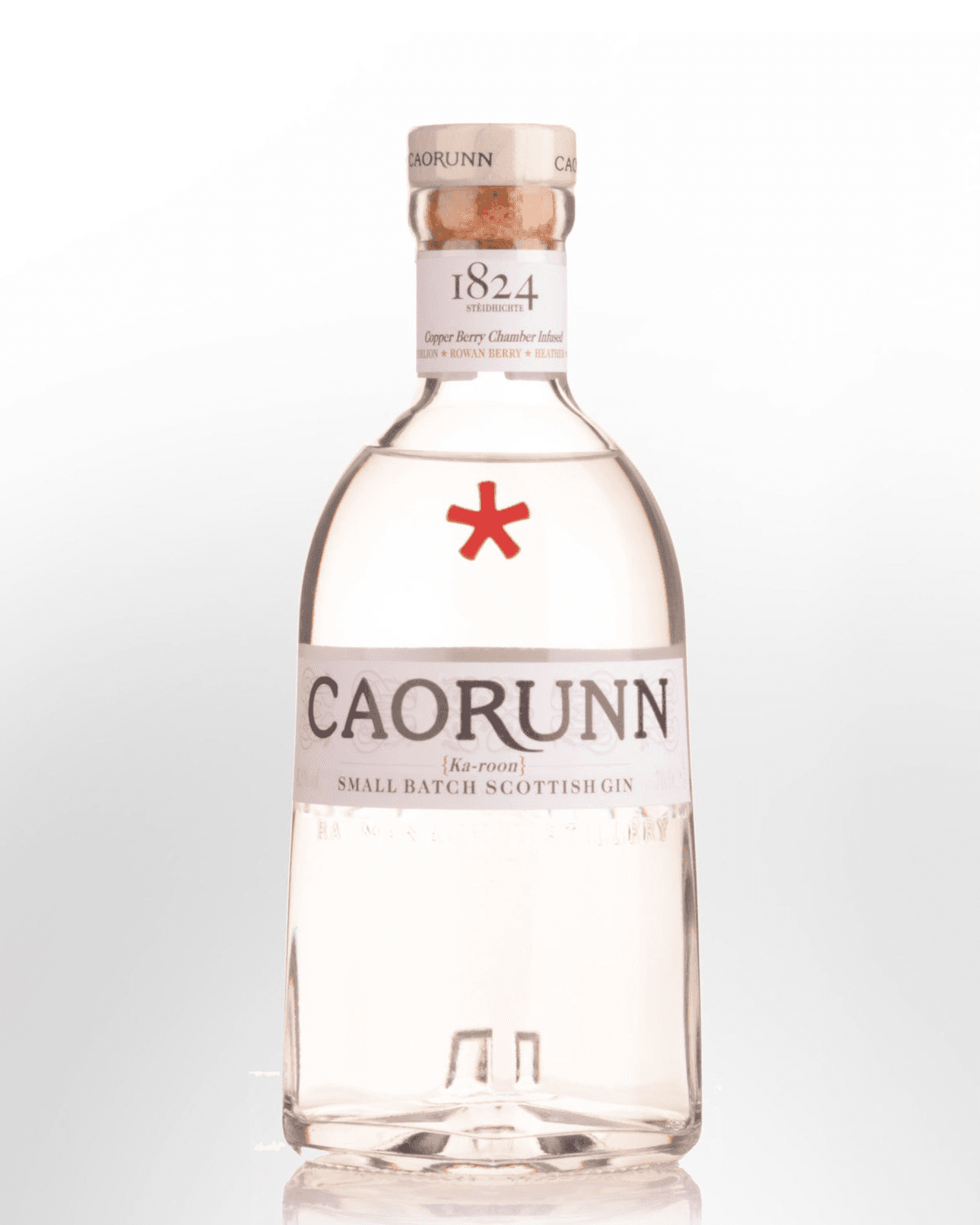
Caorunn Small Batch Scottish Gin
International Beverage Holdings (ThaiBev)
Caorunn is what happens when gin grows up in the Scottish Highlands instead of London.
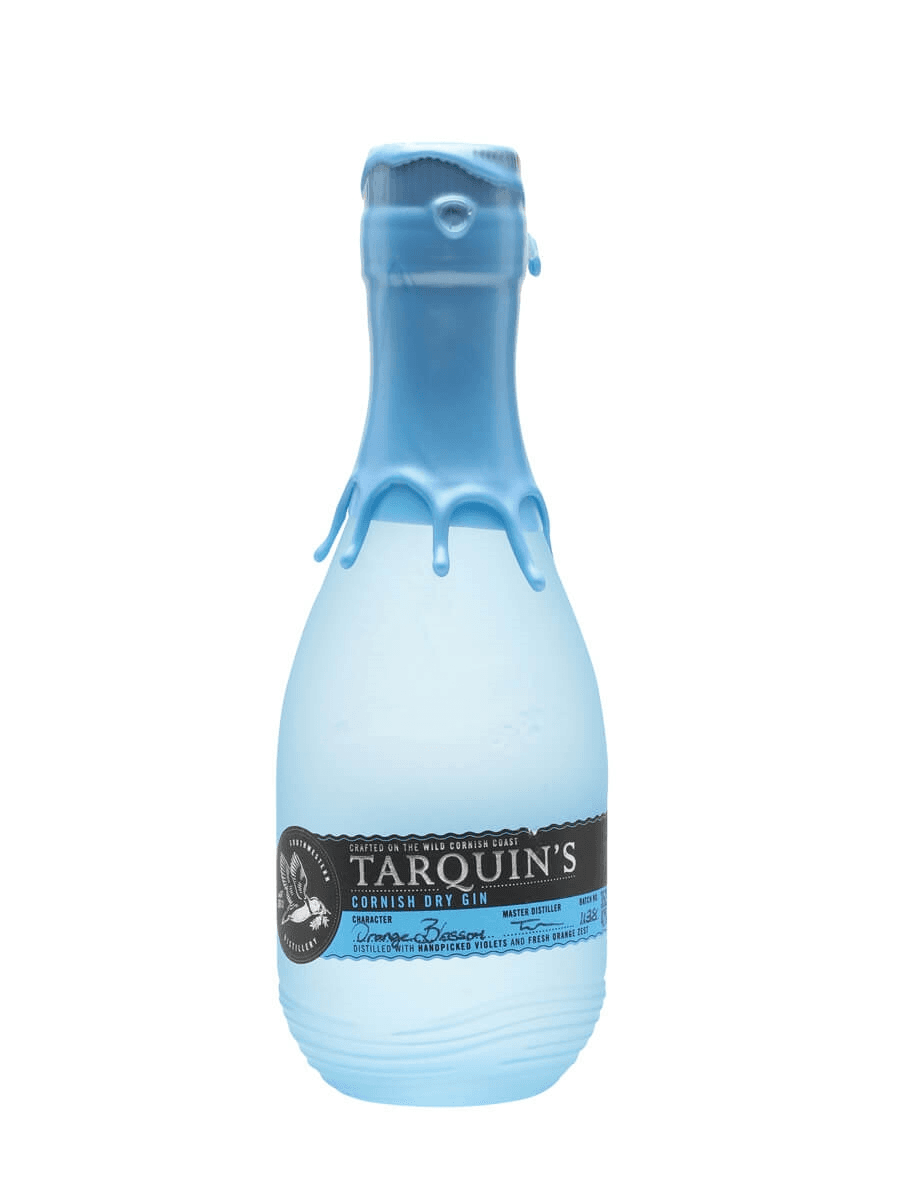
Tarquin's Cornish Dry Gin
Southwestern Distillery (Independent)
Tarquin's is among the very few gins in Britain still distilled over naked flame — and you can taste the difference. Direct-fire distillation gives the distiller less control than steam-heated stills, but rewards the skilled hand with a richer, more textured spirit.
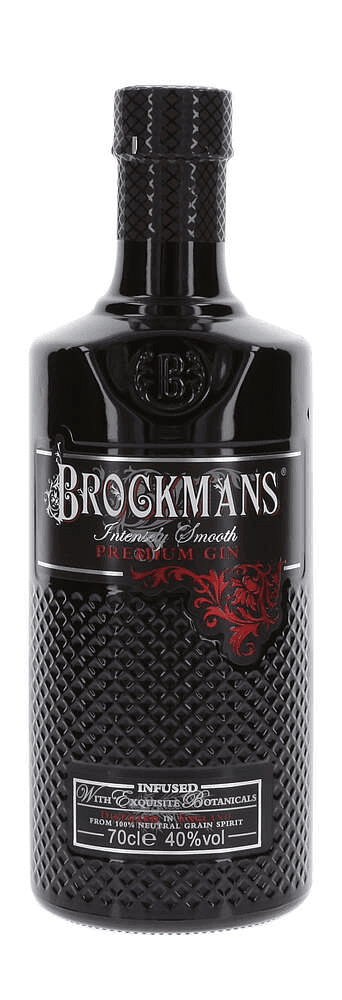
Brockmans Intensely Smooth Premium Gin
Brockmans Gin Ltd.
Brockmans asked a question the gin world wasn't asking: what happens when you build a botanical bill around dark berries instead of amplifying juniper? The answer divided purists — some argued it wasn't really gin — but the market voted with its wallet. The blueberries and blackberries create a textural smoothness and a berry-forward aromatic profile that no other gin had attempted at this scale. Critically, it still works as gin: the juniper is there, the botanical complexity is there, the spirit is dry. Brockmans proved you could expand the definition without breaking it.