Price
Under $50
129 reviews
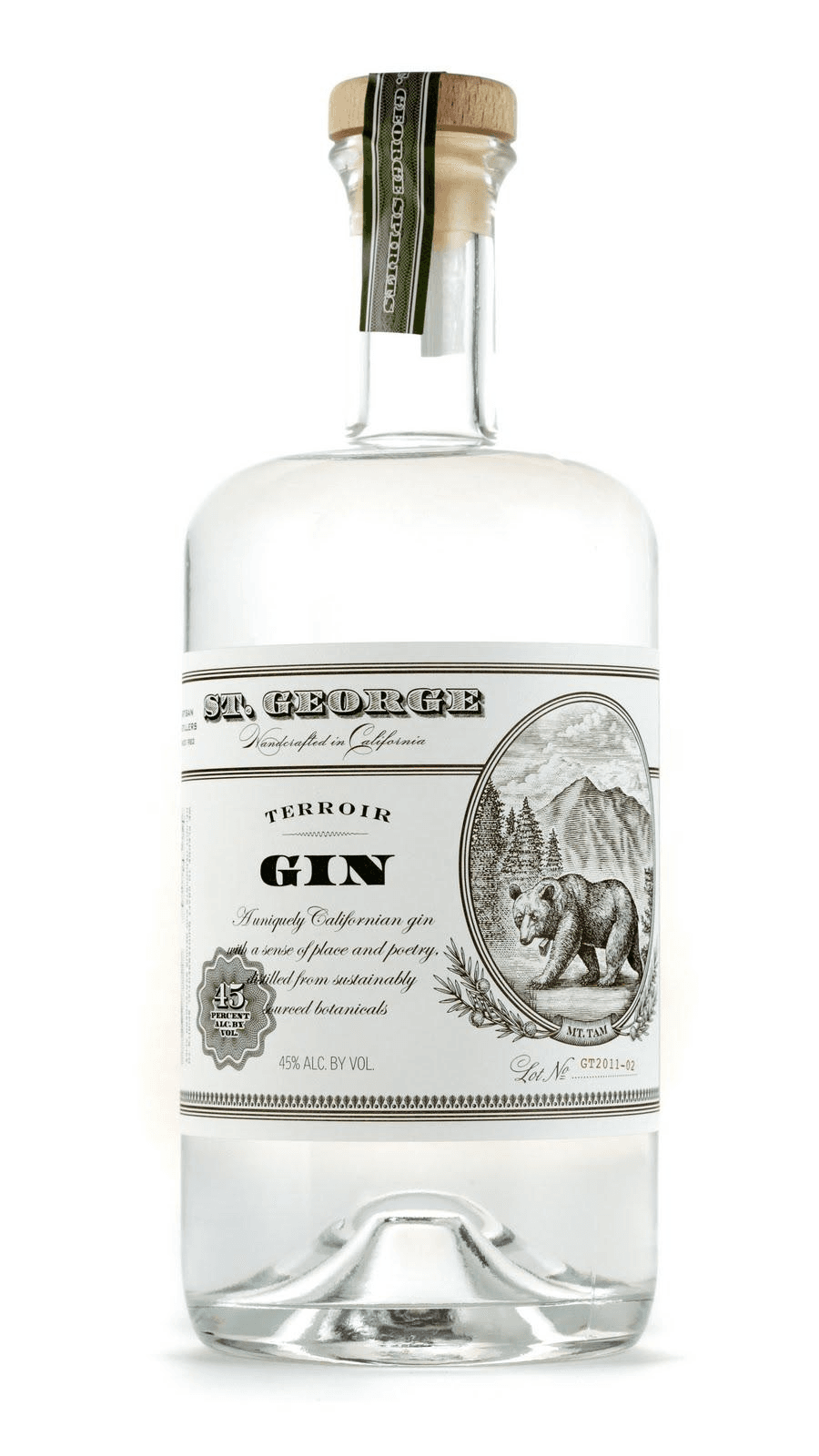
St. George Terroir Gin
St. George Spirits
St. George Terroir Gin is unlike any other gin in the world. While most gins lead with juniper and citrus, Terroir leads with Douglas fir, California bay laurel, and coastal sage — botanicals wildcrafted from the hills around San Francisco Bay.
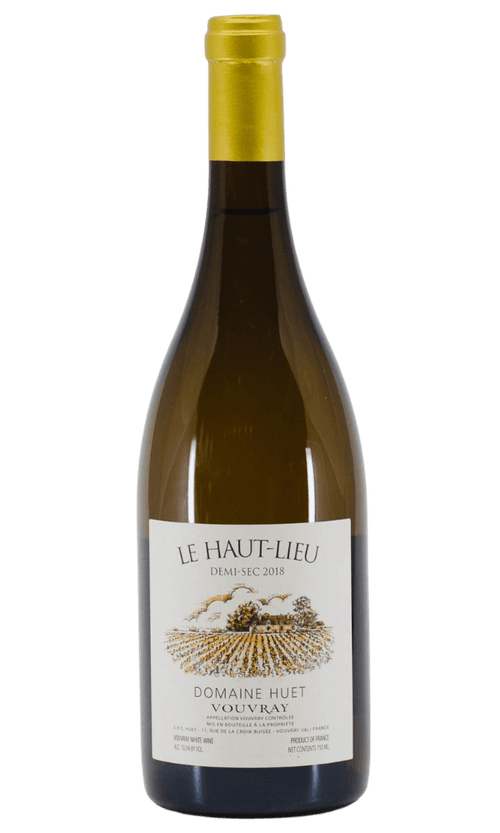
Domaine Huet Vouvray Le Haut-Lieu Sec 2021
Domaine Huet
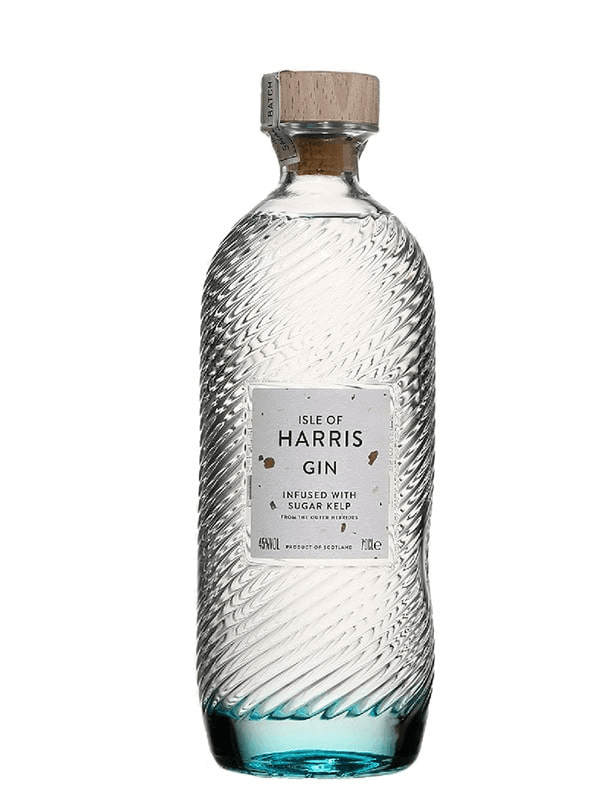
Isle of Harris Gin
Isle of Harris Distillers
Isle of Harris Gin is what happens when a community decides to bottle its home. The sugar kelp is not a novelty — it fundamentally changes the gin's texture and flavor profile, adding a savory richness and maritime minerality that no juniper-and-citrus combination can achieve alone. At 45% ABV, it has the strength to stand up in cocktails, but it's best sipped with just a splash of tonic to let the kelp and juniper shine. This is a gin that tastes like a place — wild, remote, and utterly distinctive. It's also a beautiful story: a distillery built to keep a community alive, making something no one else in the world can make. Cocktail — "The Harris G&T": Pour 2 oz Isle of Harris Gin over ice in a copa glass. Add 4 oz premium tonic water (Fever-Tree Mediterranean works beautifully). Garnish with a twist of grapefruit peel and a small piece of sugar kelp or a sprig of fresh rosemary. The maritime character of the gin deserves a garnish that echoes the sea.
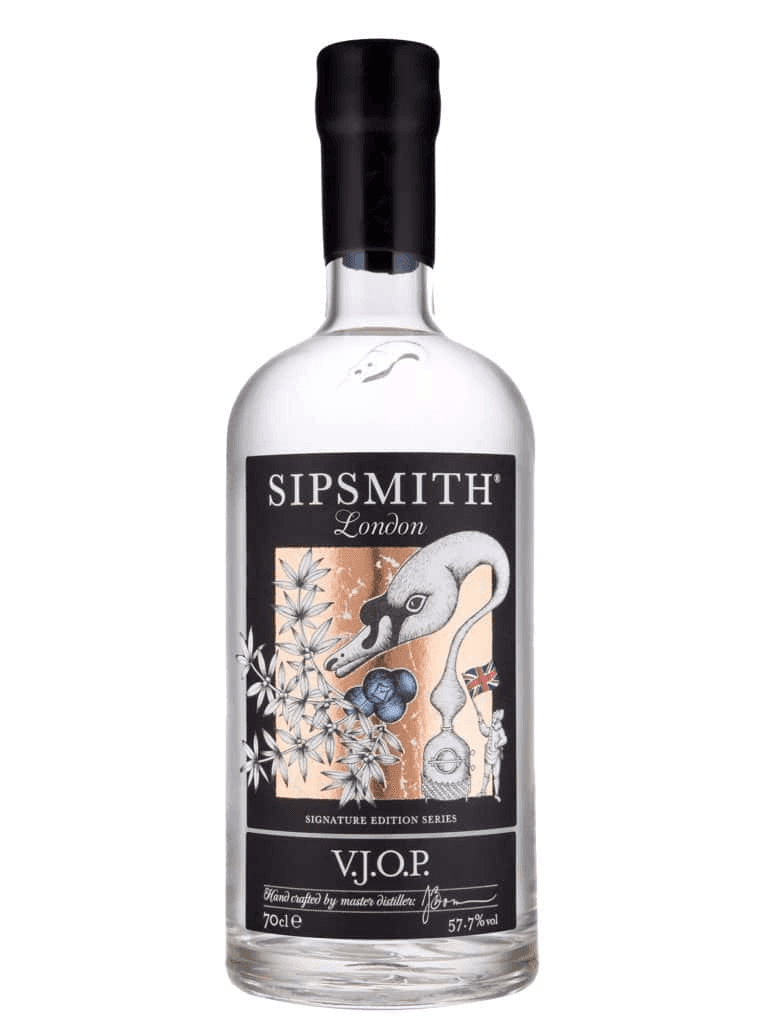
Sipsmith V.J.O.P. (Very Junipery Over Proof)
Sipsmith Distillery (Beam Suntory)
Sipsmith V.J.O.P. triples the juniper bill of the standard Sipsmith London Dry and introduces juniper at three distinct stages of distillation. The most uncompromising London Dry under fifty dollars.
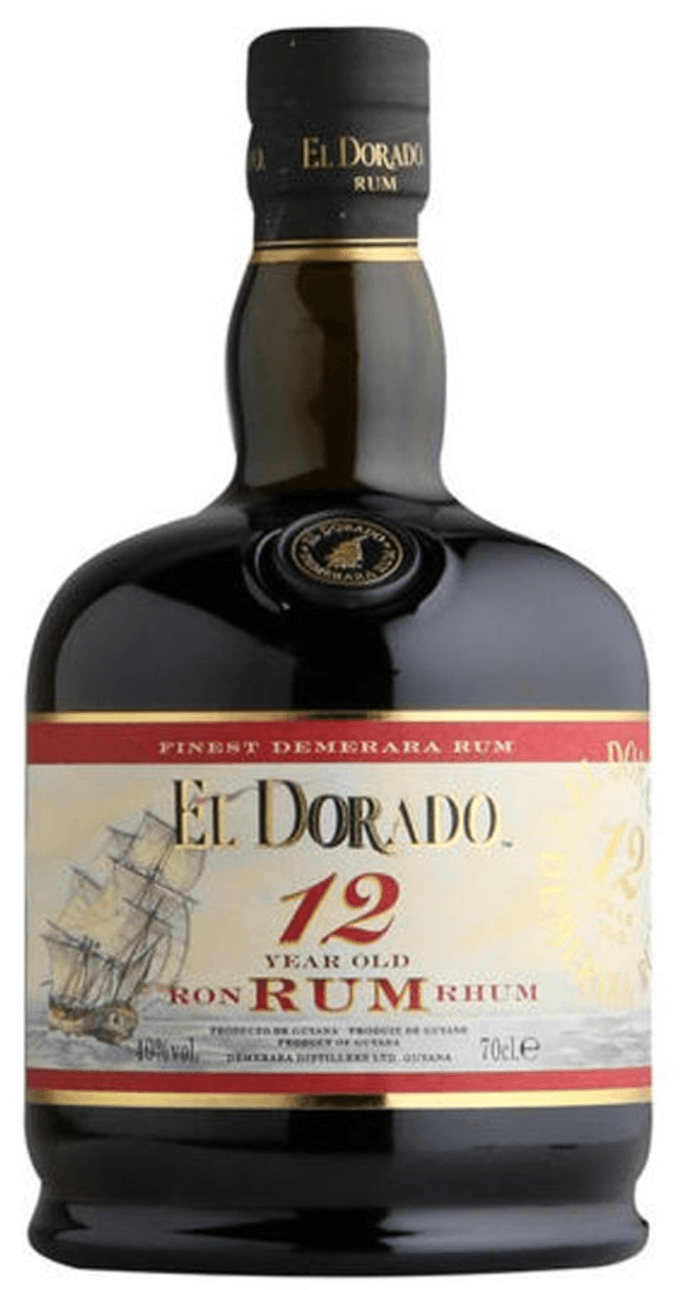
El Dorado 12 Year Old
Demerara Distillers Limited (El Dorado)
El Dorado 12 is distilled from history. The Diamond Distillery in Guyana houses wooden stills that exist nowhere else in the world — including the Port Mourant double wooden pot still, built from Guyanese greenheart hardwood in 1732, and the Enmore wooden Coffey still from 1880, the last wooden continuous still on earth. These stills produce “marques” — distinct rum styles named for the now-closed sugar estates where the stills originated. The obsession is in the preservation: Demerara Distillers has maintained these irreplaceable stills for centuries, blending their outputs into El Dorado’s remarkably complex range. The 12 Year Old marries pot still richness with column still elegance, delivering a rum that tastes like three hundred years of accumulated knowledge. At $35–42, it’s one of the great bargains in aged spirits.
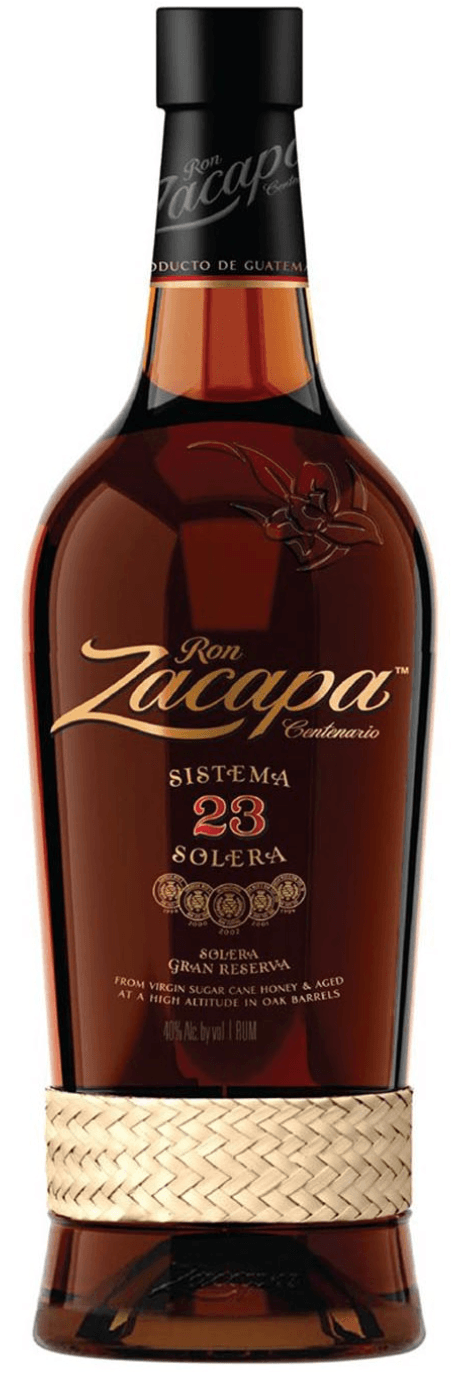
Ron Zacapa Centenario 23 Solera
Industrias Licoreras de Guatemala / Diageo (Ron Zacapa)
Ron Zacapa broke nearly every rule in rum-making. Start with the raw material: virgin sugarcane honey instead of the molasses most rum producers use. Then defy tropical aging conventions by aging at 2,300 meters above sea level, where cool mountain temperatures and higher humidity slow evaporation to a fraction of what it would be at sea level. Finally, use a solera blending system — borrowed from the sherry houses of Jerez — to marry rums aged 6 to 23 years across four different barrel types. The result tastes like no other rum on earth: rich enough to sip like Cognac, complex enough to hold your attention glass after glass. Voted the world’s number one premium rum at the International Rum Festival for five consecutive years.
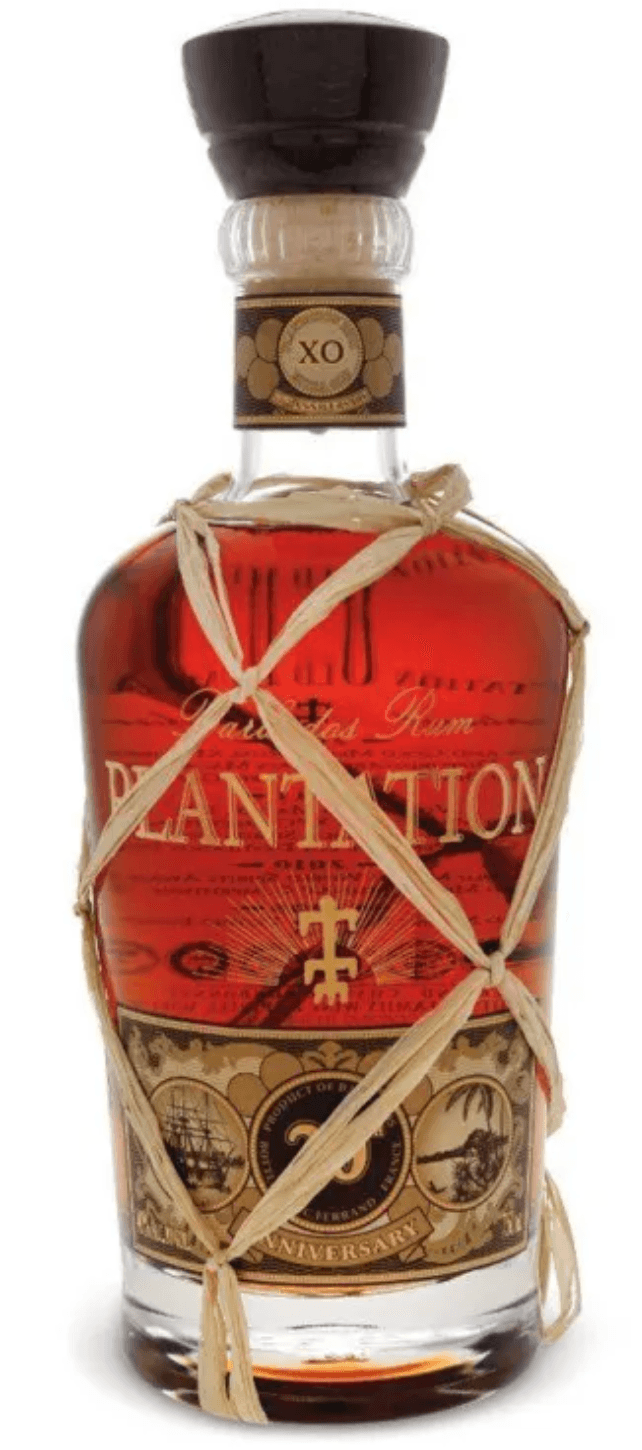
Plantation XO 20th Anniversary
Maison Ferrand (Plantation Rum, est. 1996)
Plantation XO is the purest expression of patience in the rum world — a spirit aged twice, on two continents, over the course of up to 23 years. Alexandre Gabriel's method borrows from his day job as a Cognac producer: he takes aged Barbadian rum and re-barrels it in spent Cognac casks at his château in Ars, France. The tropical aging in Barbados accelerates extraction and concentrates the rum's character; the continental aging in France slows everything down, adding finesse and floral complexity. The result is a rum that drinks like a fine Cognac — but with the warmth, sweetness, and tropical soul of Barbados intact. At $50, it competes with spirits twice its price. The 20th Anniversary label commemorates two decades of this double-aging philosophy, and the rum itself is the best argument for its continued patience.
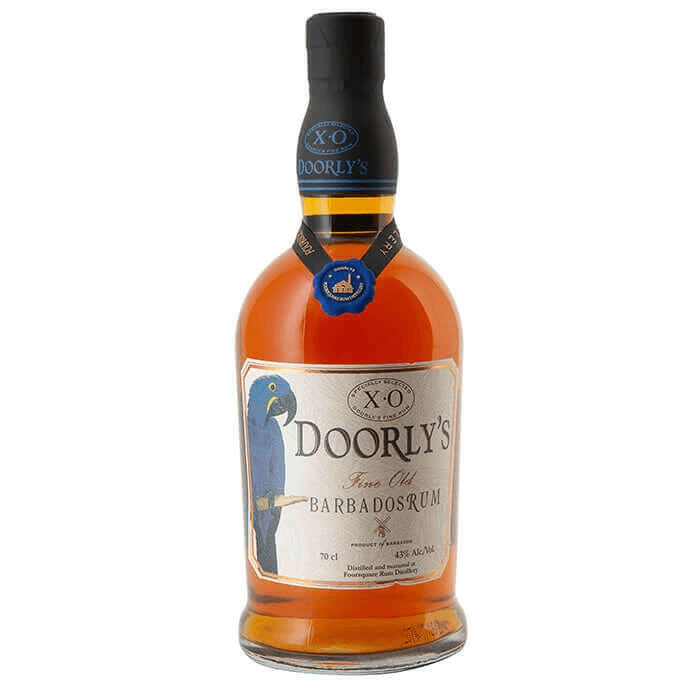
Doorly's XO Barbados Rum
R.L. Seale and Co. Ltd.
Doorly's XO is the insider's choice from Foursquare — the same distillery, the same master blender, the same dedication, at a price that makes you wonder if the industry has got its pricing backwards. It outperforms rums at twice its cost and rewards anyone patient enough to nose it properly before sipping. This is the rum that converts whisky drinkers. Serve neat or over a single large cube, take your time, and don't be surprised when you reach for a second glass.
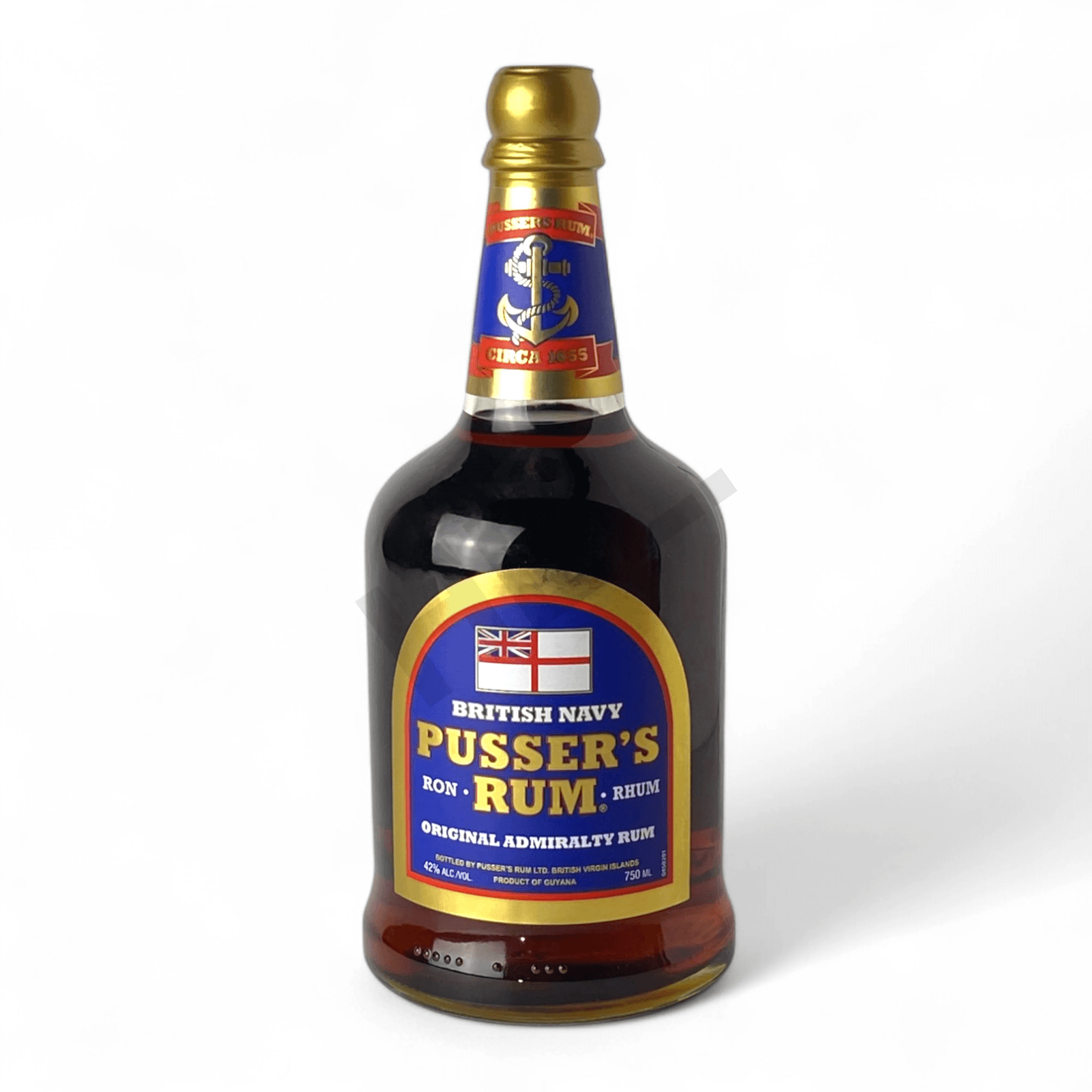
Pusser’s British Navy Rum
Pusser’s Rum Ltd.
Pusser’s is a definitive blended rum. Charles Tobias secured the original Admiralty blending recipe in 1979 and brought it back to life.
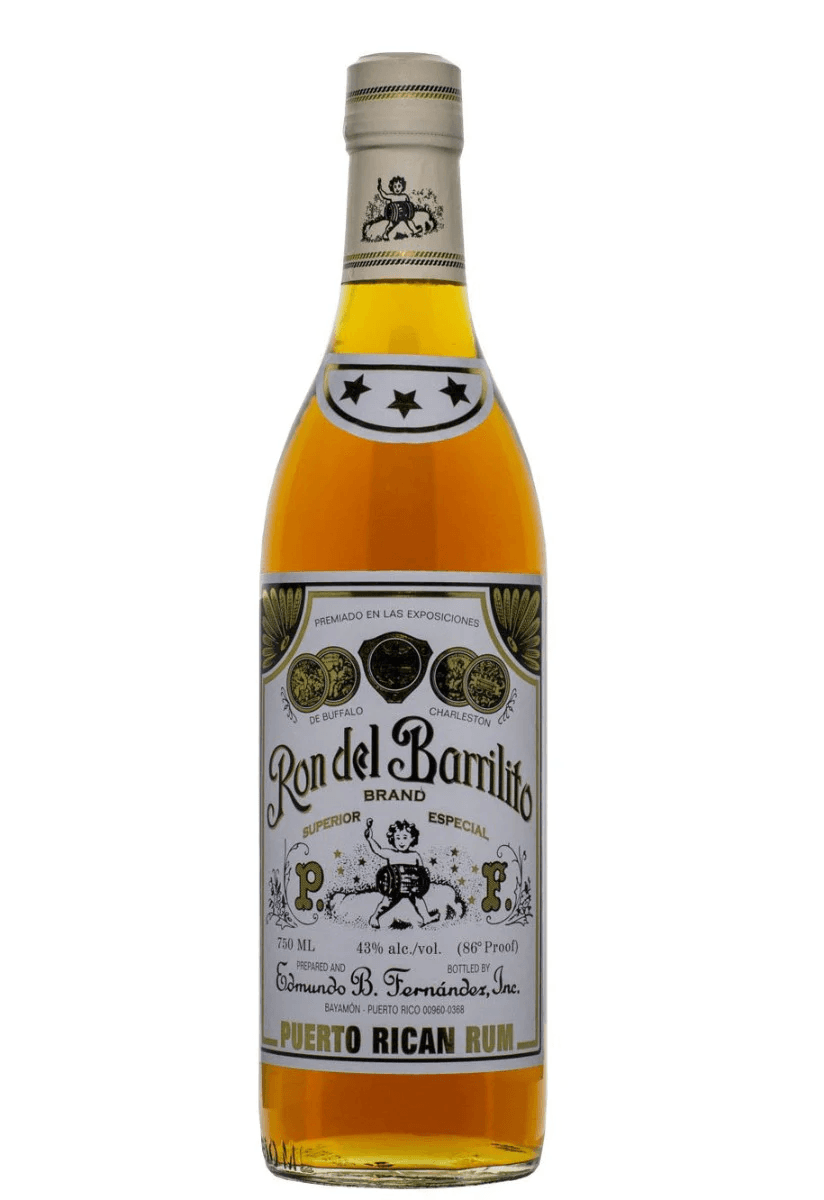
Ron del Barrilito Three Star Rum
Fernández Family (Private Estate)
Ron del Barrilito is Puerto Rico's best-kept secret — a rum that has never left family hands since 1880. The Fernández family survived every upheaval the island threw at them and simply kept blending.
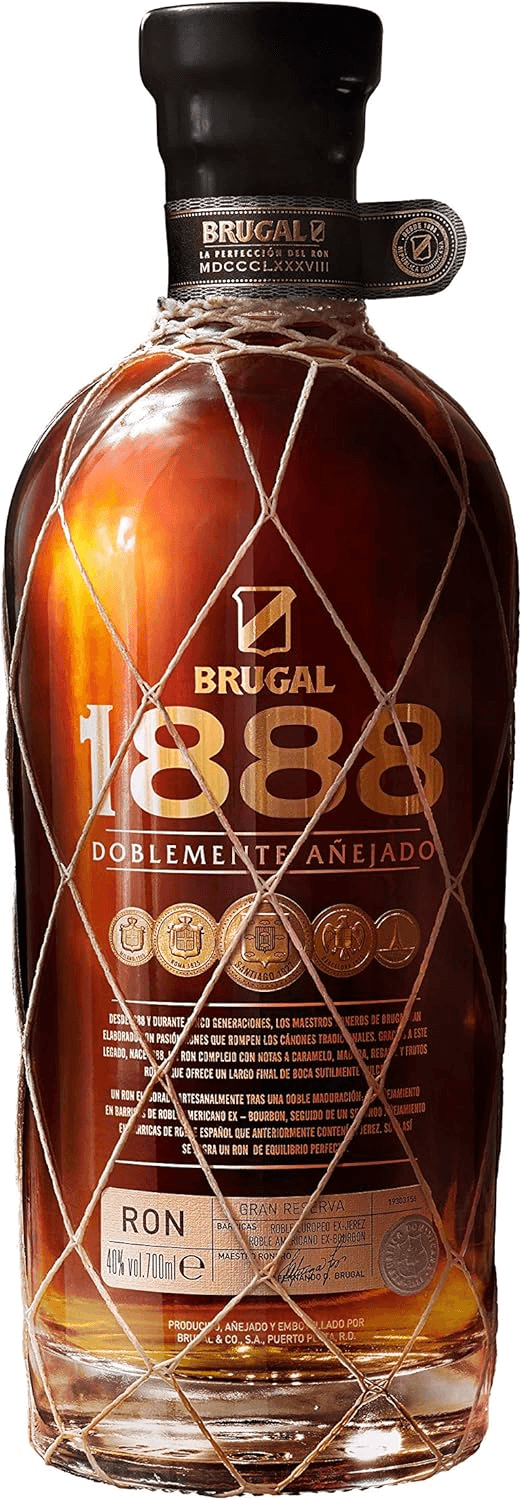
Brugal 1888
Brugal and Co. (Edrington Group)
Brugal 1888 is the rum that converts whisky drinkers.
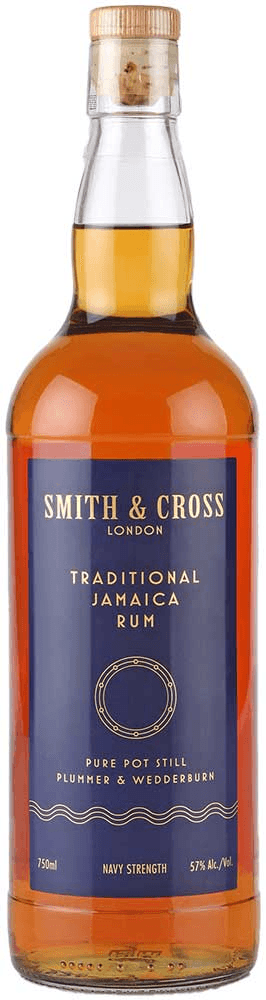
Smith & Cross Traditional Jamaica Rum
Hayman Ltd. (UK)
Smith & Cross is rum with its gloves off. Bottled at a scorching 57% — the old British proof strength — the point at which spirit-soaked gunpowder would still ignite, a benchmark used by the Royal Navy to verify their rum had not been watered down.
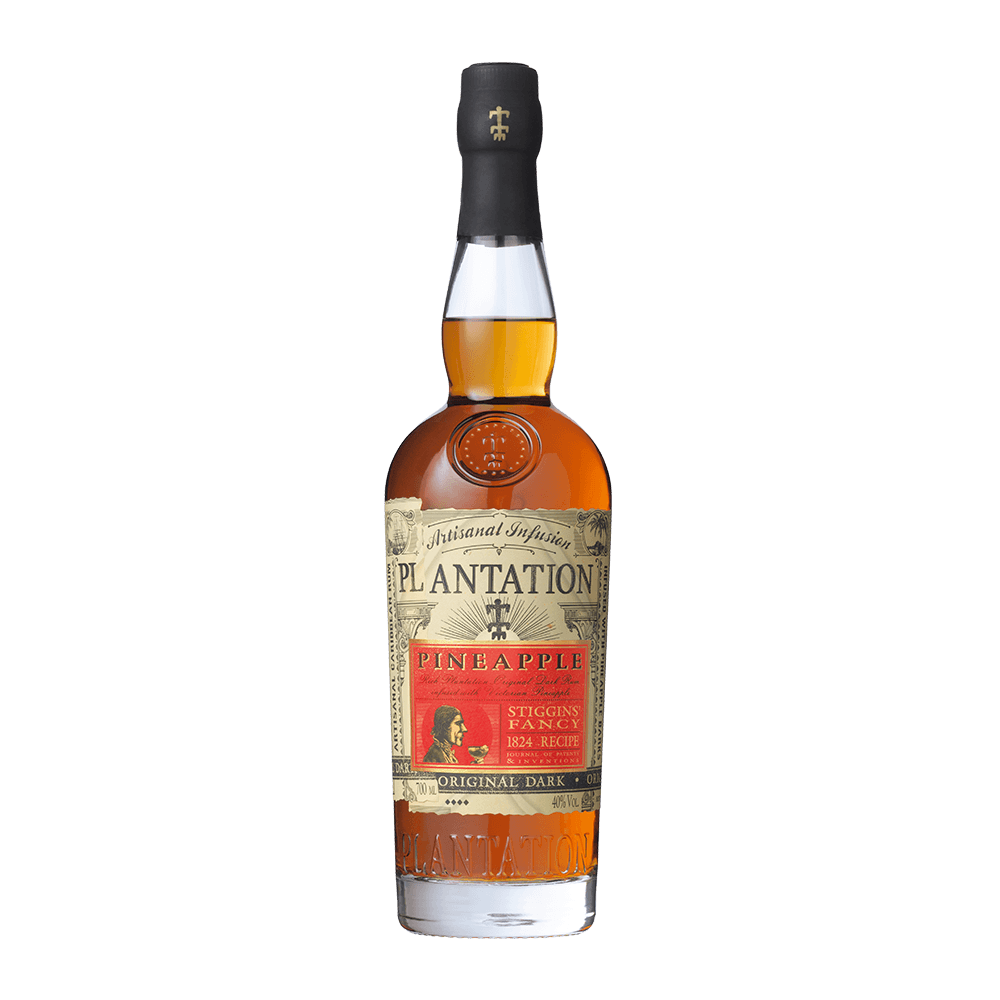
Plantation Stiggins' Fancy Pineapple
Maison Ferrand
Before Stiggins' Fancy, flavored rum meant artificial sweeteners and neon colors. Alexandre Gabriel and David Wondrich's experiment asked a different question: what if you used real fruit, real distillation, and treated infusion as seriously as barrel aging? The dual-infusion method — rinds distilled for bright aromatics, fruit macerated in dark rum for depth — is an engineering solution to a flavor problem. The result is a rum that tastes genuinely of pineapple without tasting like a pineapple candy. It proved that the flavored spirits category could be legitimate, and it changed the conversation for every brand that followed.
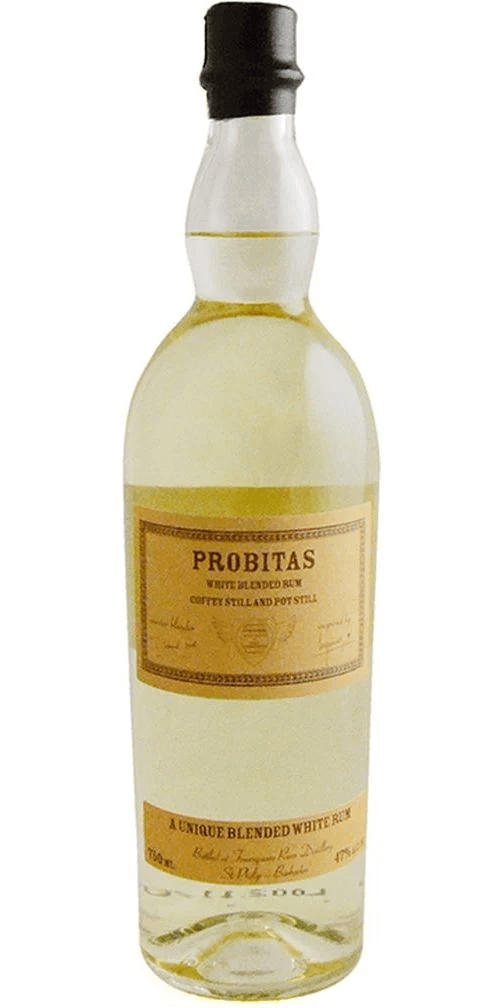
Foursquare Probitas White Rum
R.L. Seale & Company × Hampden Estate
Probitas — Latin for 'honesty' — pairs Barbados column distillate with high-ester Jamaican pot still rum, bottled unaged at 47% ABV, nothing added. The finest bar-back white rum under thirty dollars.
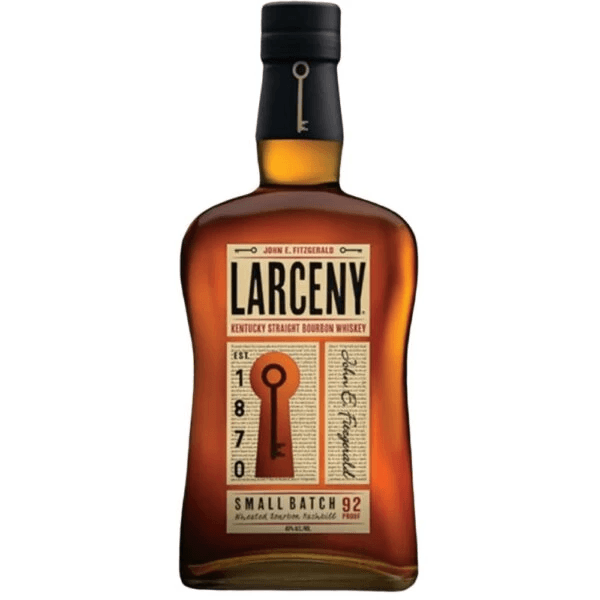
Larceny Small Batch
Heaven Hill Brands
Larceny Small Batch is the proving ground for a simple but powerful proposition: wheat belongs in bourbon. While the industry built its identity around rye's sharp, spicy bite, Heaven Hill quietly perfected a recipe that replaces assertiveness with grace. At 92 proof and under thirty dollars, this is a bourbon that punches above its price with a texture and drinkability that more expensive bottles struggle to match. It is living proof that softness is not weakness — it is a choice, and a confident one. Cocktail — The Fitzgerald Sour: 2 oz Larceny Small Batch, 0.75 oz fresh lemon juice, 0.5 oz honey syrup, 2 dashes Angostura bitters. Shake with ice and strain into a coupe. Garnish with a lemon wheel. The wheat bourbon's natural sweetness marries beautifully with the honey, creating a sour that is all silk.
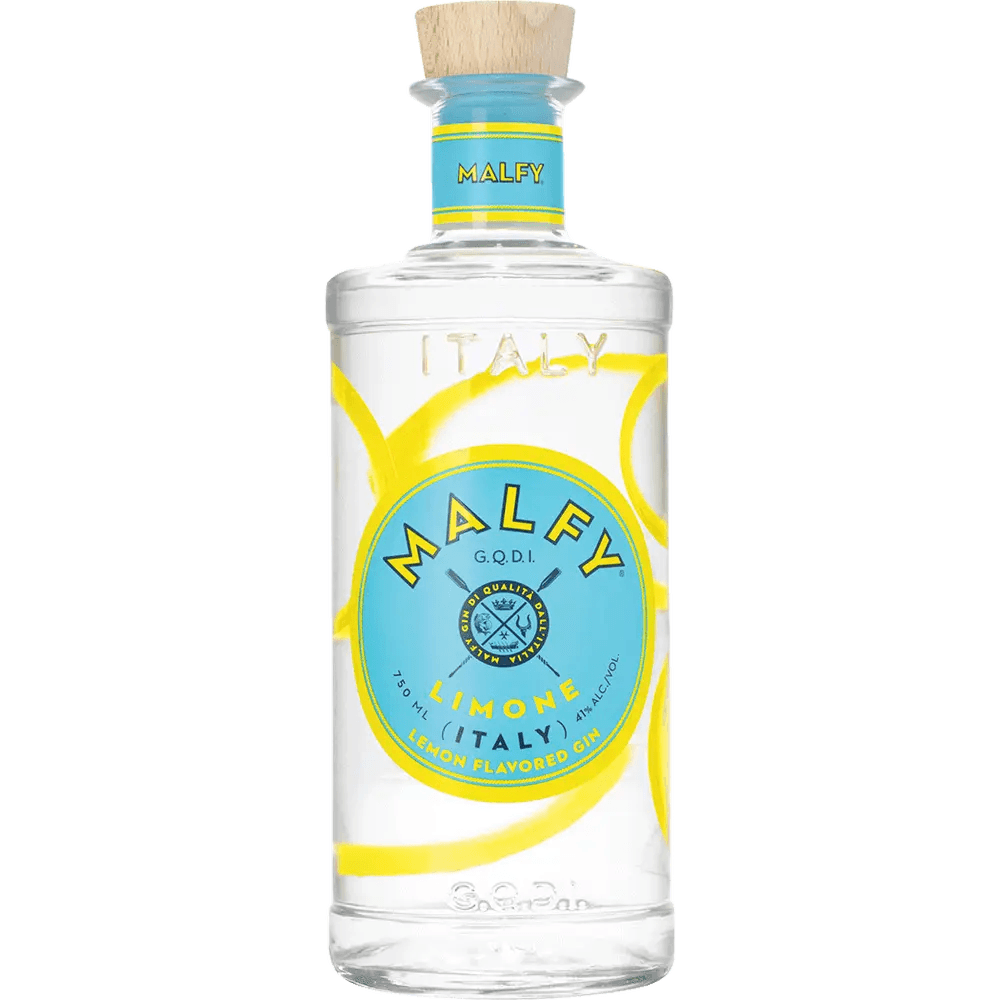
Malfy Con Limone
Biggar and Leith (Pernod Ricard)
Malfy Con Limone is the proving ground for Italian gin as a category. When Torino Distillati released it, the idea that Italy — a country defined by wine, amaro, and grappa — could produce a world-class gin built around Amalfi lemons seemed audacious. It proved not only possible but wildly successful, opening the door for an entire generation of Mediterranean-inspired gins. The vacuum distillation preserves the sfusato lemon's delicate oils with remarkable fidelity, and the result is a gin that tastes like the Amalfi Coast smells. At under thirty-five dollars, it has nothing left to prove. Cocktail — The Amalfi Spritz: 2 oz Malfy Con Limone, 1 oz Aperol, 0.75 oz fresh lemon juice, top with prosecco. Build in a wine glass over ice. Garnish with a lemon wheel and a sprig of basil. The gin's bright citrus lifts the Aperol's bittersweet warmth into something effervescent and Mediterranean.
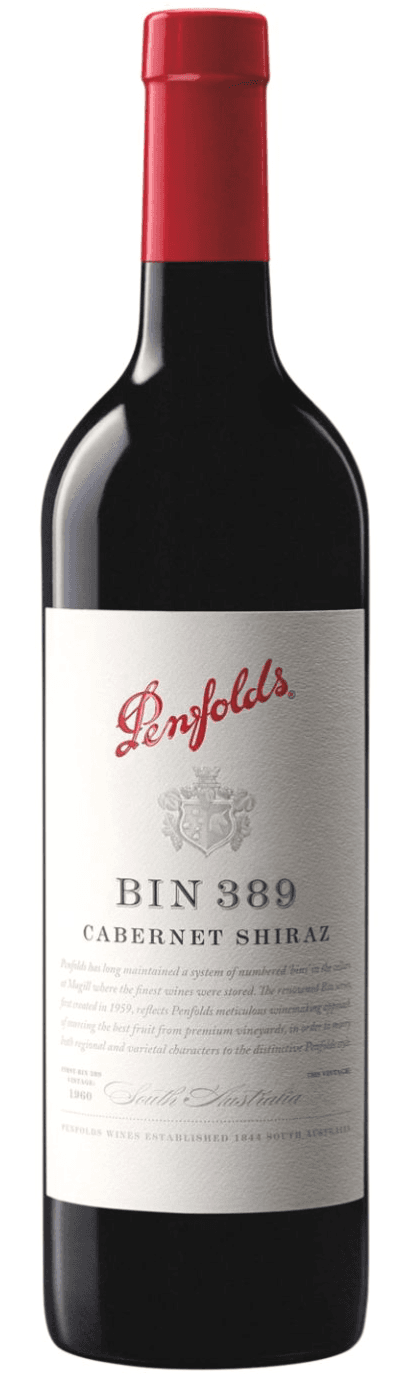
Penfolds Bin 389 Cabernet Shiraz 2021
Treasury Wine Estates (Penfolds, est. 1844)
Bin 389 is known as “Baby Grange” for a reason: the wine is matured in the same American oak hogsheads that previously held Penfolds Grange, Australia’s most celebrated wine. That secondhand Grange influence — a ghost of Shiraz complexity — adds depth you can’t get any other way. Max Schubert created the first Bin 389 in 1960, and it’s been in continuous production ever since, blending Cabernet’s structure with Shiraz’s generosity. At $40–55, it delivers a taste of the Penfolds house style at a fraction of Grange’s price. This is arguably Australia’s greatest value red.
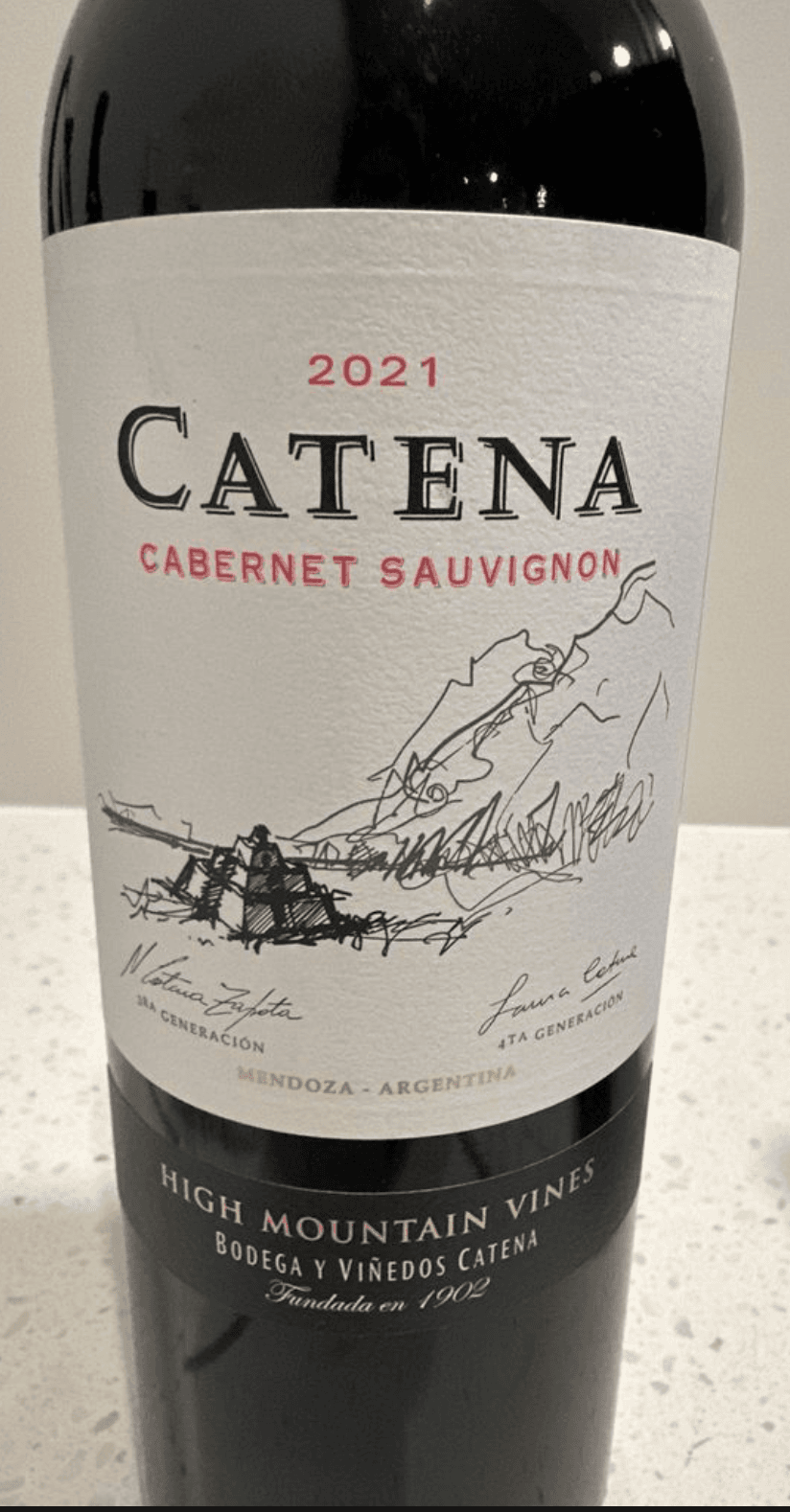
Catena Zapata Malbec High Mountain Vines 2021
Bodega Catena Zapata (est. 1902, fourth generation)
Nicolás Catena’s obsession was altitude. When he visited Napa in the 1980s, he returned to Argentina with a radical question: what if Malbec — a grape Bordeaux had largely abandoned — was being planted too low? He spent the next three decades pushing vineyards higher into the Andes foothills, from 920 to 1,450 meters, discovering that extreme altitude produced wines with deeper color, more complex aromatics, and a bright acidity that lower vineyards couldn’t match. The High Mountain Vines bottling blends fruit from four altitude-specific sites: 80-year-old vines in Lunlunta for texture, Agrelo for spice, Altamira for acidity, and Gualtallary for explosive floral aromatics. At $22–28, this is Argentina’s answer to the question of whether great wine has to be expensive.
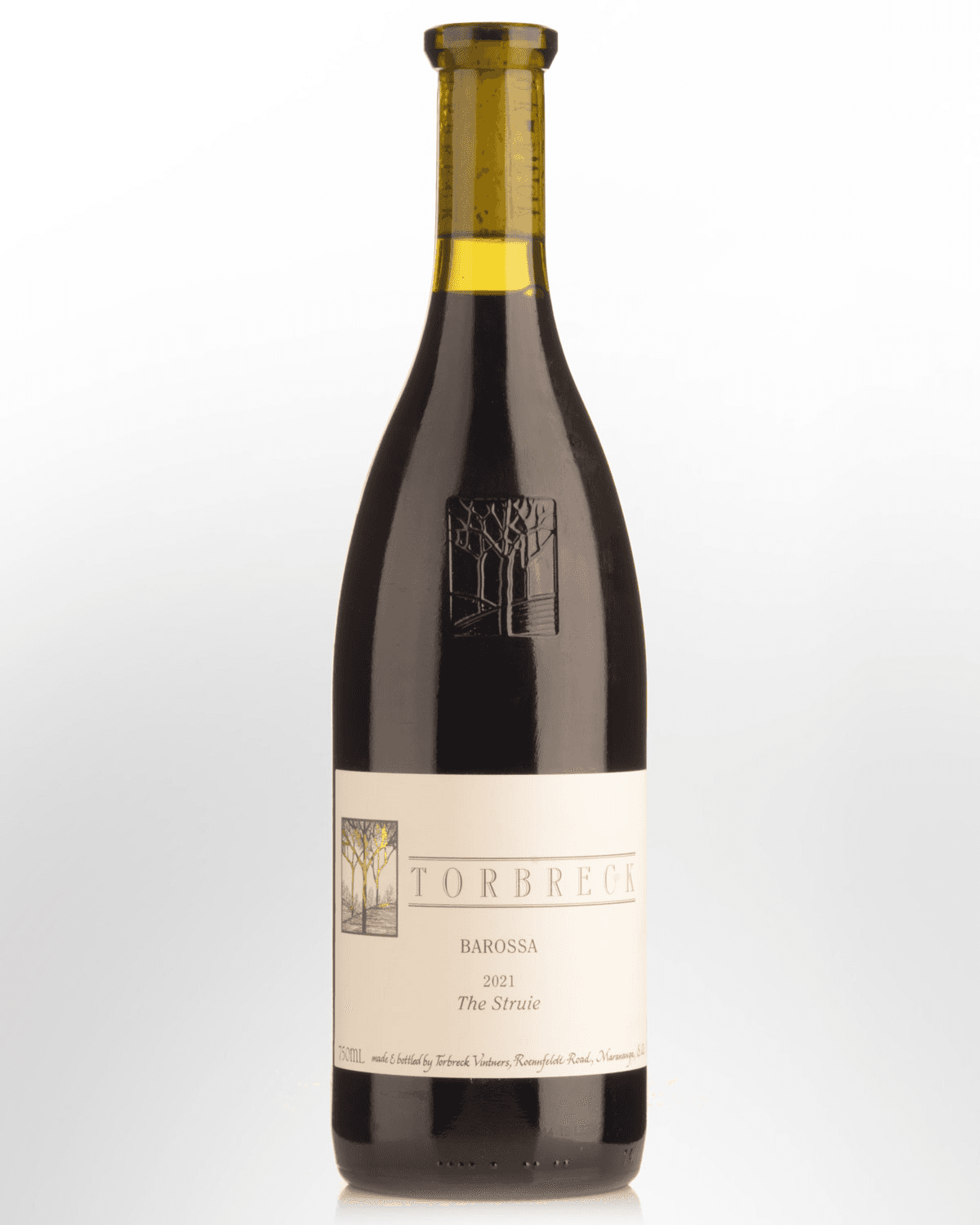
Torbreck The Struie Shiraz 2021
Torbreck Vintners
Torbreck's The Struie is the Barossa wine that converts sceptics — people who dismiss Australian Shiraz as jammy and overblown take one sip of this and reassess everything. Powell's commitment to old vine fruit and French oak restraint produces a wine with both the power of the Barossa and the elegance of a great Southern Rhône. It over-delivers at its price point and ages beautifully for a decade. Decant for 45 minutes before serving and watch it open up in layers.
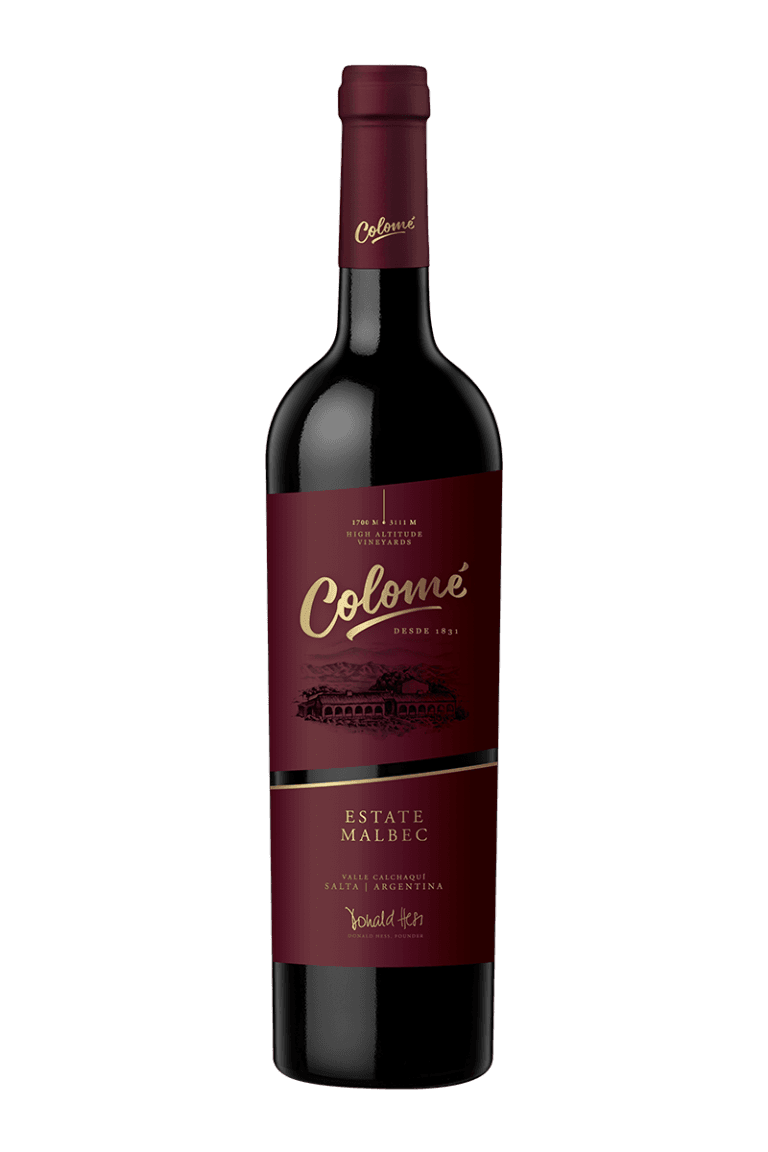
Bodega Colome Estate Malbec 2021
Bodega Colome (Hess Family Wine Estates)
Bodega Colome is the proof that altitude is not a gimmick — it is a winemaking tool as powerful as any barrel or blend.
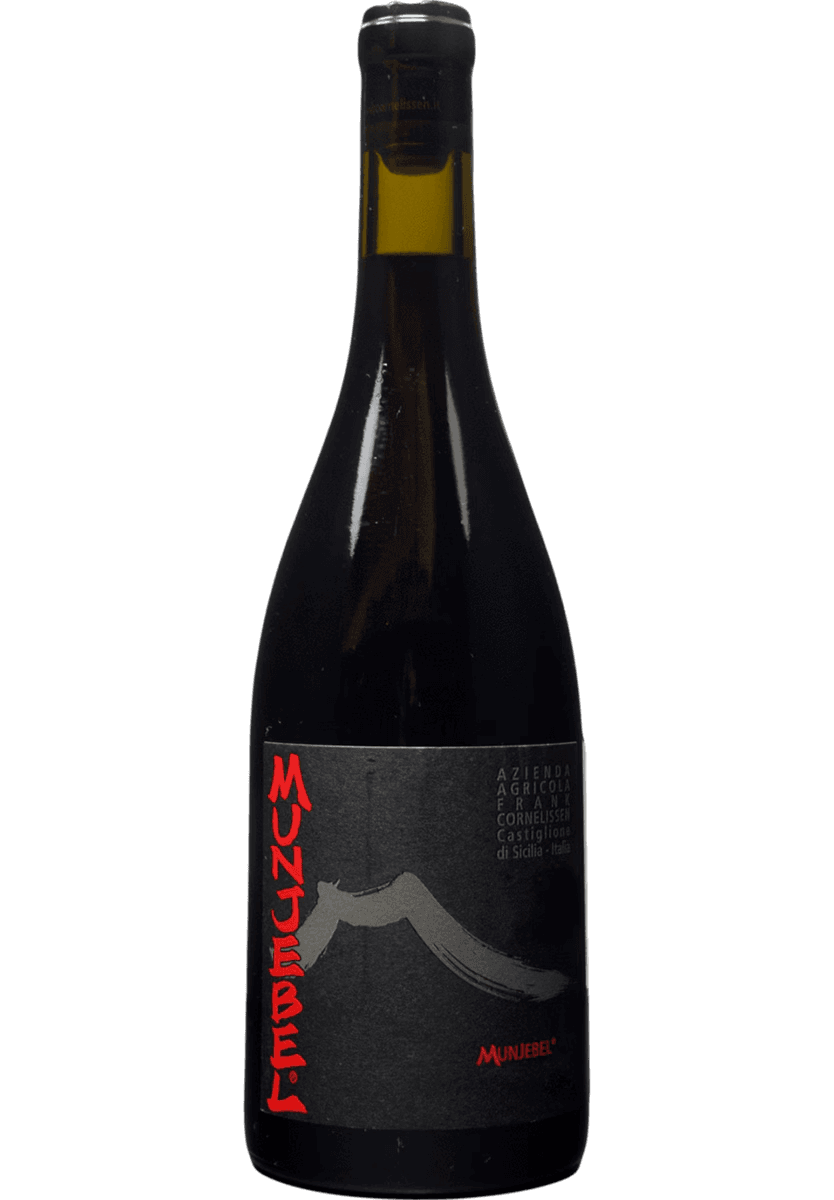
Frank Cornelissen Munjebel Rosso 2021
Azienda Agricola Frank Cornelissen
Cornelissen's thesis: transport the vineyard to the glass without adding or removing anything. Munjebel Rosso is fermented with native yeast in inert vessels, unfined, unfiltered, minimal SO₂.
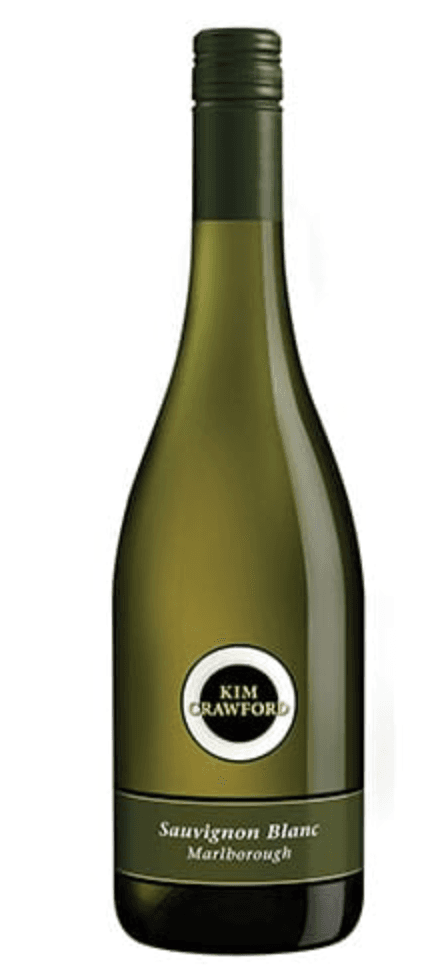
Kim Crawford Sauvignon Blanc, Marlborough 2023
Constellation Brands
Kim Crawford Marlborough Sauvignon Blanc is the definition of reliable excellence. Vintage after vintage, it delivers exactly what New Zealand Sauvignon Blanc should be: explosive aromatics, razor-sharp acidity, and tropical fruit that makes you want another glass immediately. The 2023 vintage is no exception. At under $18, it’s one of the smartest buys in white wine — a daily drinker that doesn’t taste like one.
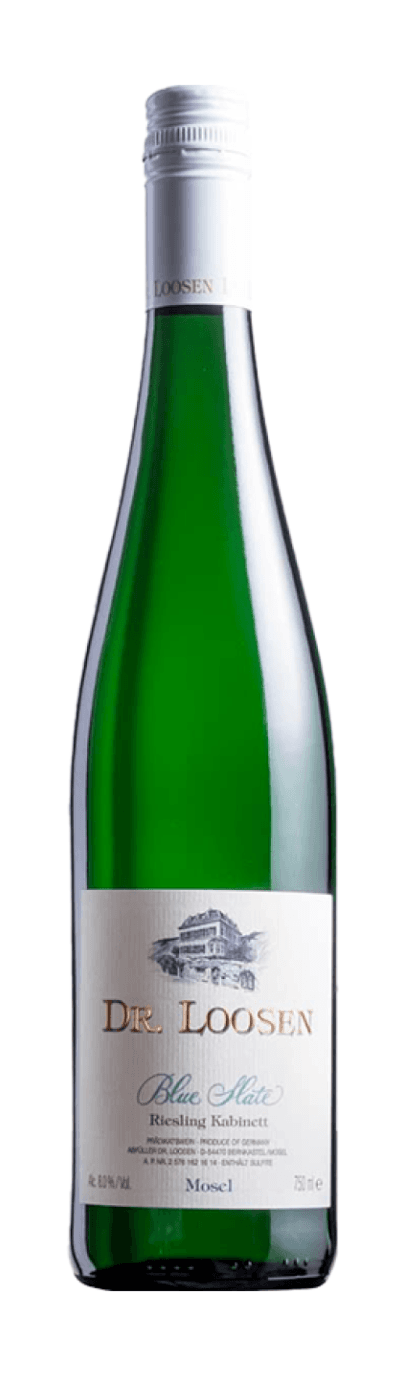
Dr. Loosen Blue Slate Riesling Kabinett 2022
Weingut Dr. Loosen (Ernst Loosen, family-owned since early 1800s)
At 8.5% alcohol and under $20, this is one of the most food-friendly wines on earth — and one of the most misunderstood. The “Kabinett” designation means the grapes were picked at the first level of ripeness, giving a wine with gentle sweetness that’s balanced by razor-sharp acidity from the Mosel’s cool climate and blue slate soils. Ernst Loosen’s genius was recognizing that his family’s old, ungrafted vines — many over a century old, their roots drilling deep into fractured slate — produced wines of extraordinary mineral intensity that no young vineyard could match. The blue slate literally flavors the wine.
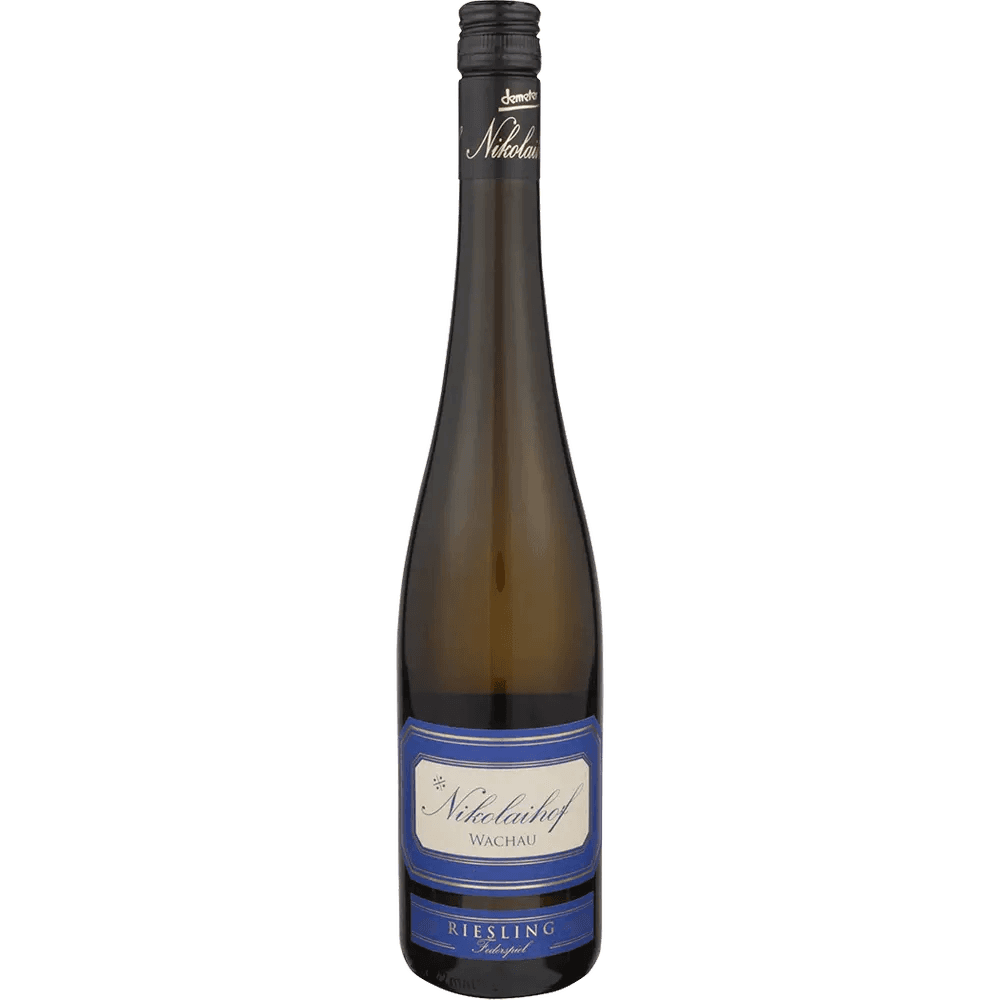
Nikolaihof Riesling Federspiel Vom Stein 2021
Nikolaihof Wein (Saahs Family)
Nikolaihof Riesling Federspiel Vom Stein is resilience measured in centuries. The Saahs family has been farming biodynamically since 1971.