Price
Under $50
129 reviews
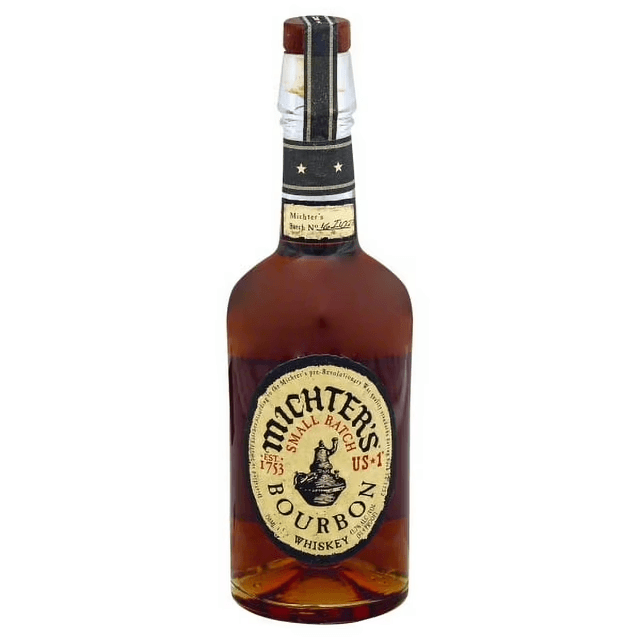
Michter's US*1 Small Batch Bourbon
Michter's Distillery LLC
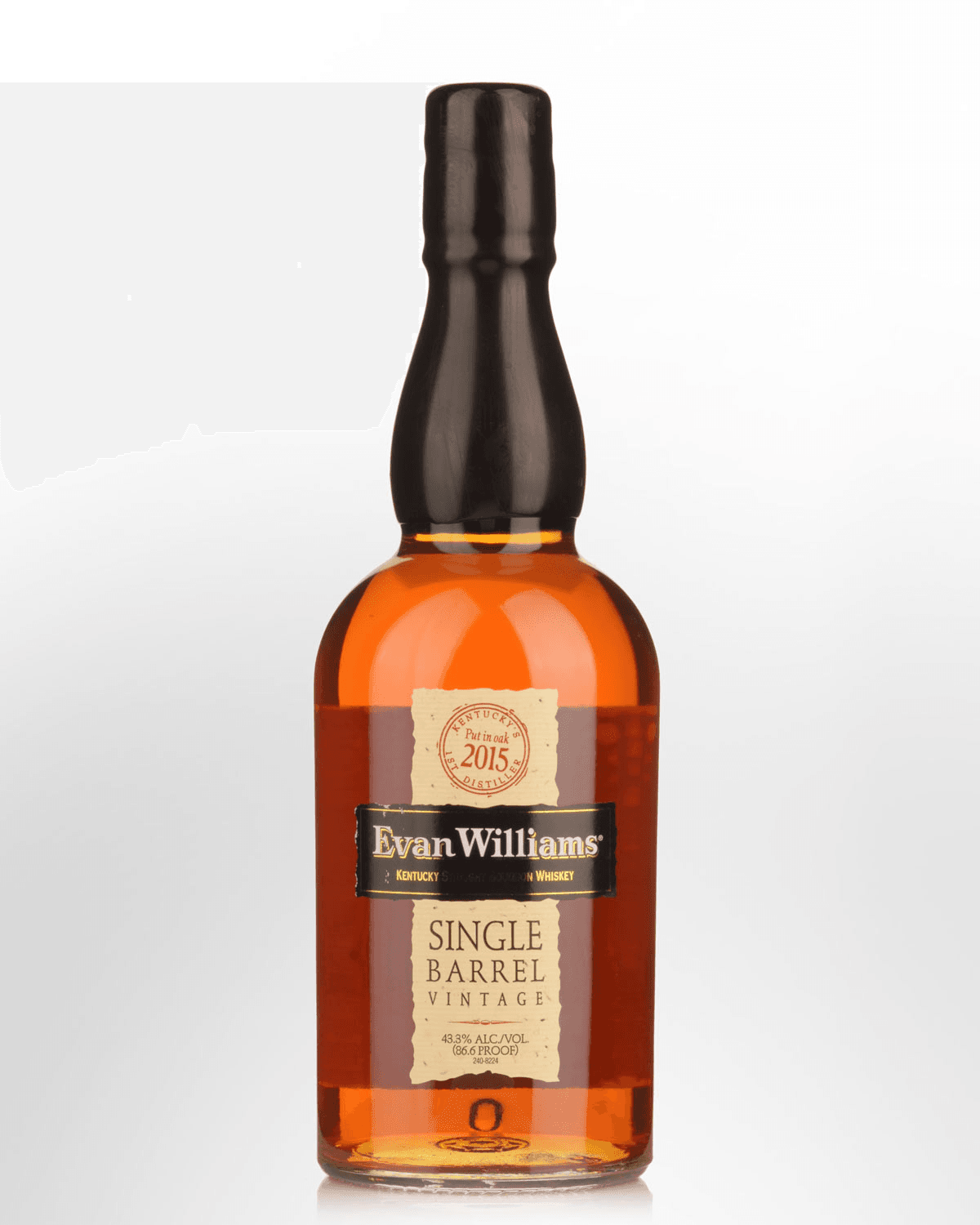
Evan Williams Single Barrel Vintage
Heaven Hill Brands
Evan Williams Single Barrel proves that extraordinary bourbon doesn't require an extraordinary price tag. Heaven Hill's barrel selection program is an exercise in architectural precision — each vintage is chosen from specific warehouse positions where temperature swings and airflow create optimal aging conditions. The result is a bourbon with the kind of coherent structure you'd expect at twice the price: honeyed sweetness scaffolded by oak, grain character providing the foundation, spice adding the finishing detail. It's a blueprint for what single-barrel selection can accomplish.
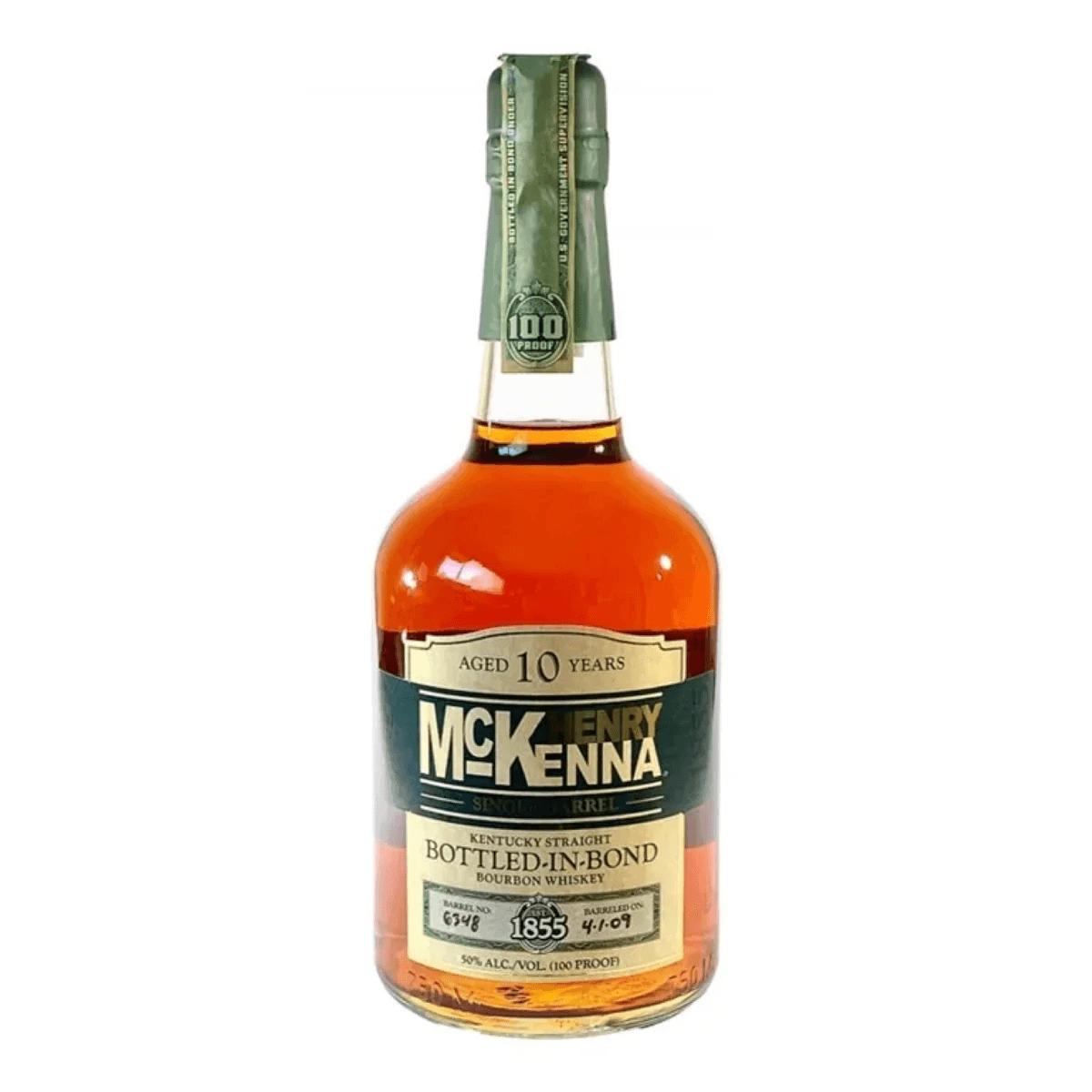
Henry McKenna 10 Year Old Single Barrel
Heaven Hill Brands
Henry McKenna 10 is the quiet overachiever of American whiskey — a bottled-in-bond single barrel that costs less than many blended bourbons.
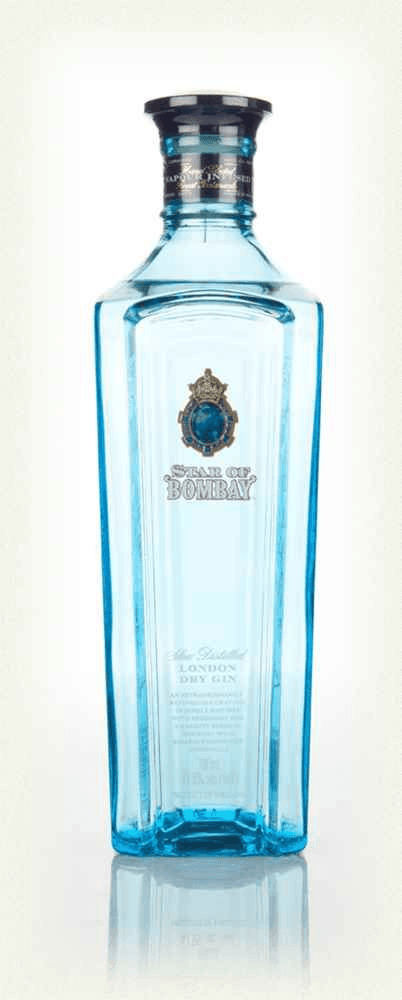
Star of Bombay
Bacardi (Bombay Spirits Company)
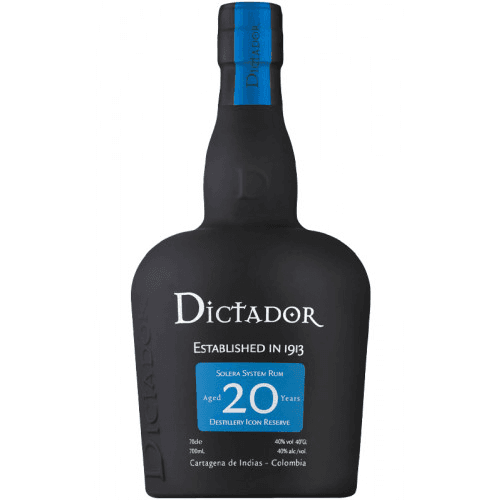
Dictador 20 Year Old
Dictador
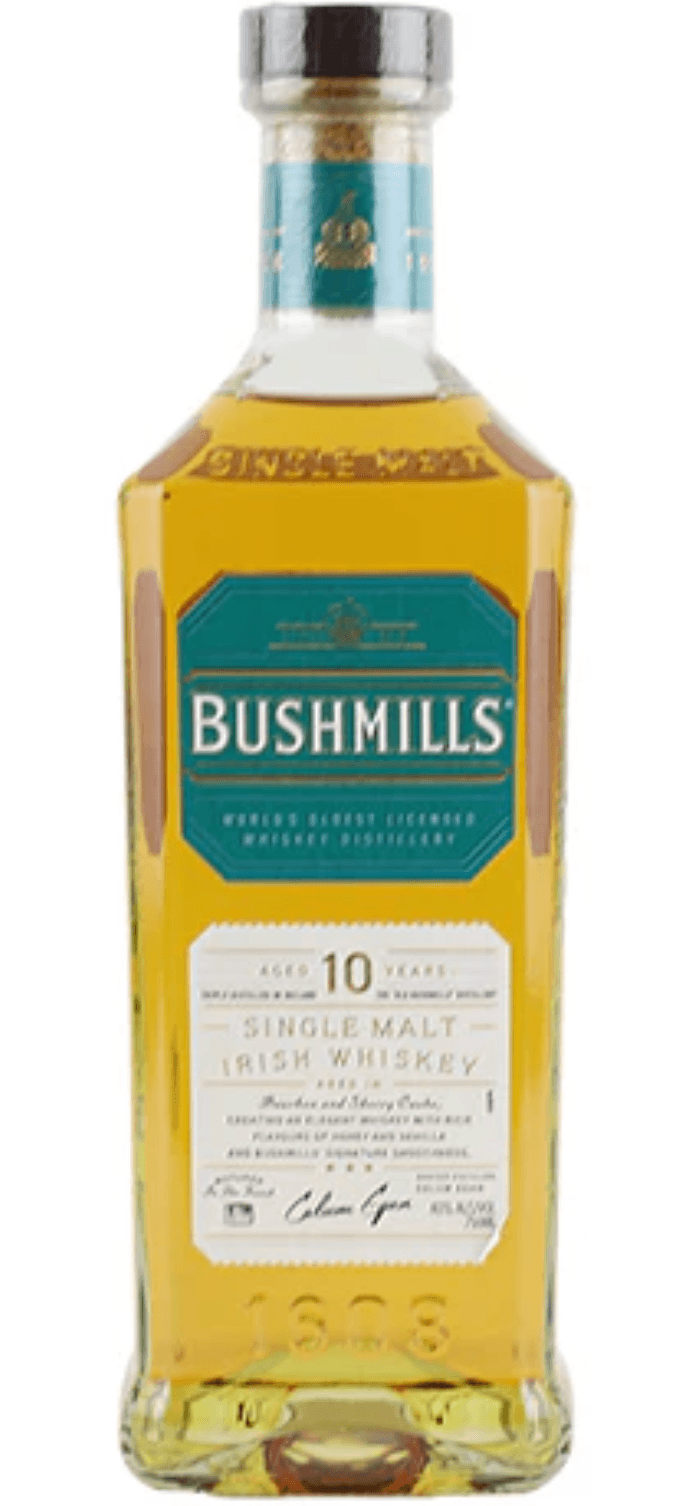
Bushmills 10 Year Old Single Malt
Proximo Spirits (Bushmills, est. 1608)
Bushmills 10 is the quiet aristocrat of Irish whiskey.
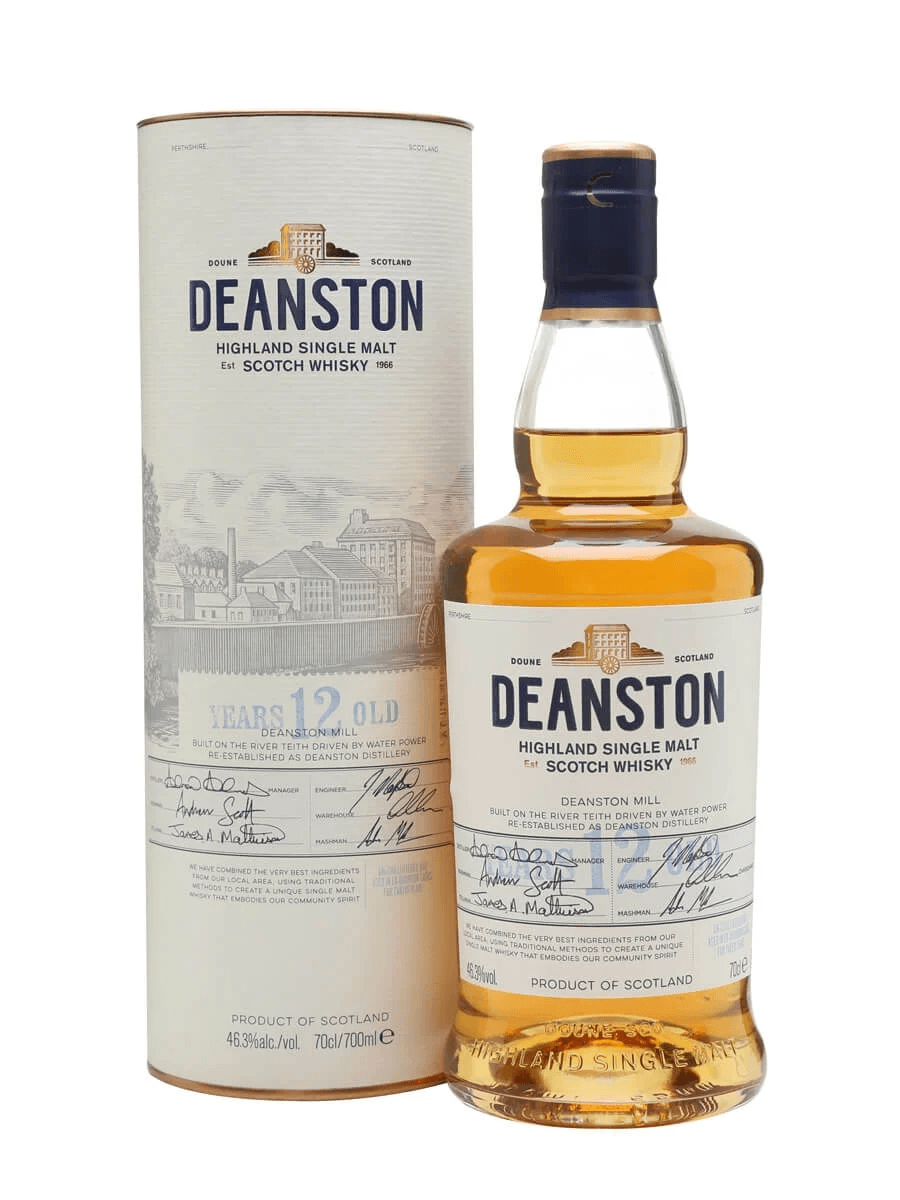
Deanston 12 Year Old
Distell Group (Burn Stewart Distillers)
Deanston 12 is a masterclass in what unchillfiltered bottling unlocks. Most Highland malts at this age and price point arrive at 40% with caramel coloring and chill filtration that polishes away the very textures that make single malt interesting. Deanston’s catalyst — the decision to skip those cosmetic shortcuts — delivers a whisky with a weight and mouthfeel that punches well above its price bracket. The creamy, honeyed malt character is unmistakably Highland, but the fuller texture gives it a dimension that filtered competitors simply cannot match. For under fifty-five dollars, this is one of the most honest single malts on any shelf.
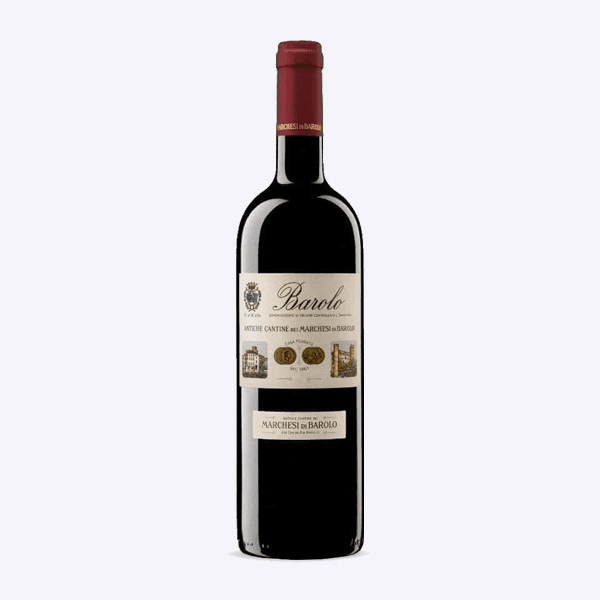
Marchesi di Barolo Barolo DOCG 2019
Marchesi di Barolo
The Marchesi di Barolo estate is where Barolo wine was born. In the 1840s, Marchesa Giulia Falletti commissioned the first dry Nebbiolo wines from these vineyards.
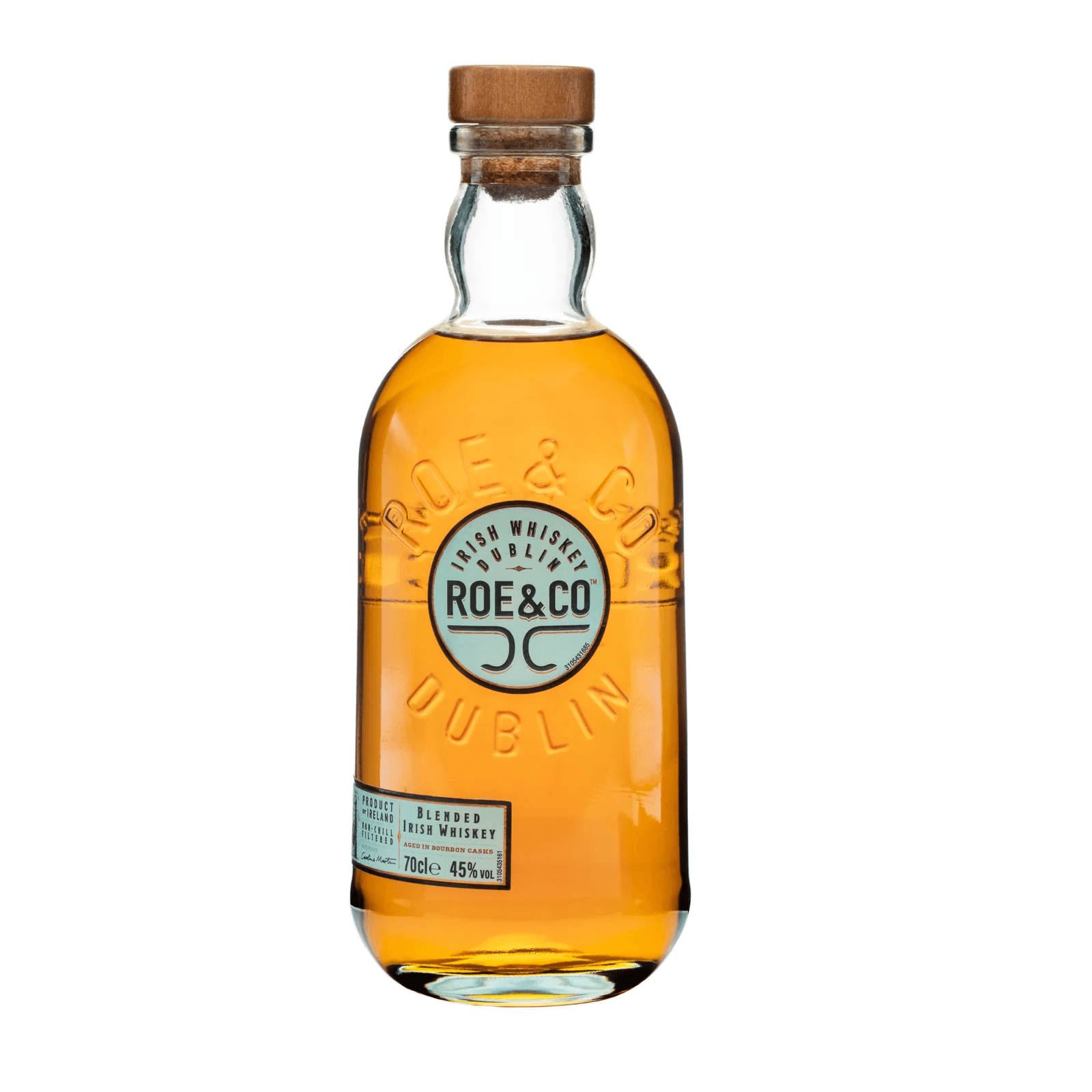
Roe & Co Blended Irish Whiskey
Diageo
Roe & Co is the resurrection of a name that once meant more to Irish whiskey than Jameson or Bushmills. George Roe’s original distillery was the largest in Europe, yet today most drinkers have never heard of him. Diageo’s revival blends rich malt and smooth grain whiskeys matured in a high proportion of first-fill bourbon barrels, then bottles at 45% ABV without chill filtration — a level of care that belies its modest price tag. At roughly thirty-five dollars, Roe & Co delivers the kind of creamy, spice-driven complexity that invites comparison with bottles twice its price.
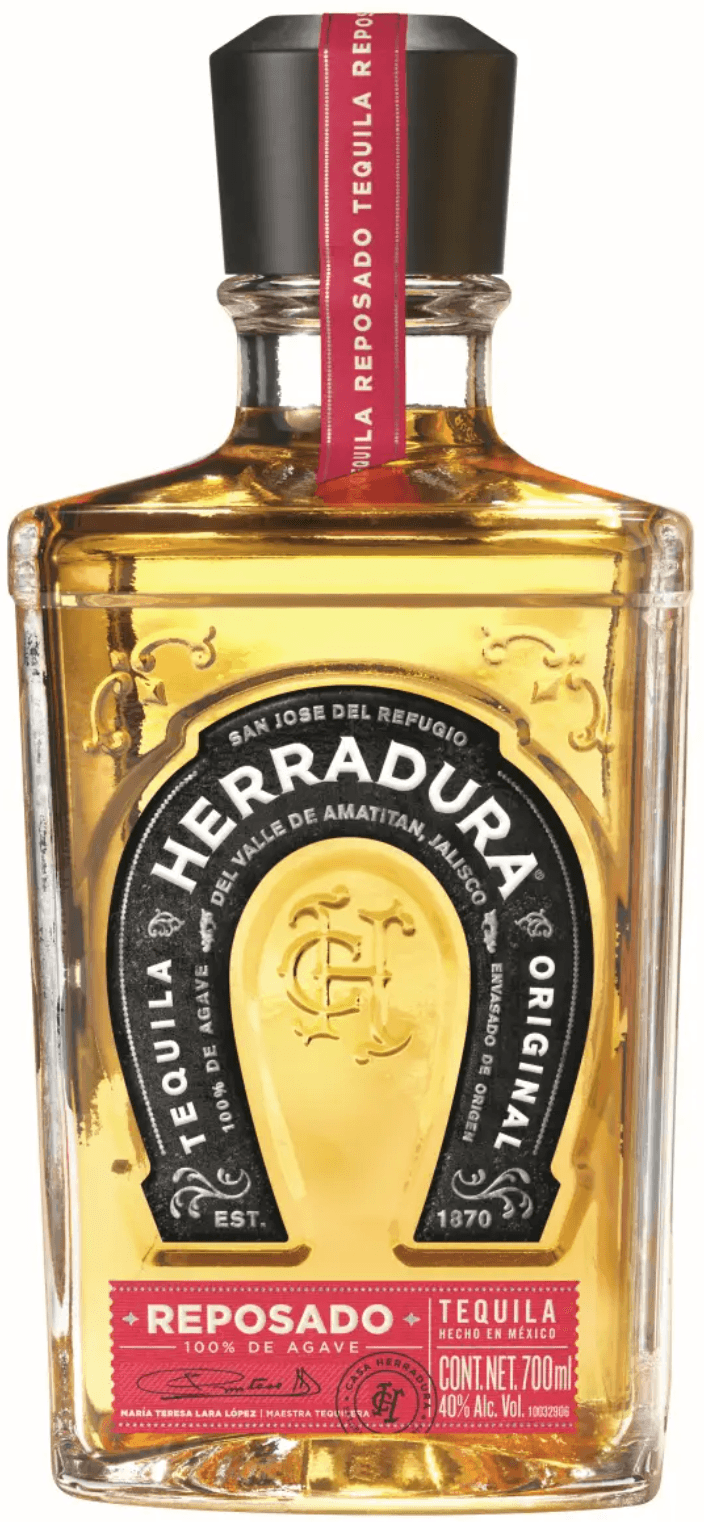
Herradura Reposado
Brown-Forman (Casa Herradura, est. 1870)
Herradura didn't just make this Reposado — it invented the category (1974).
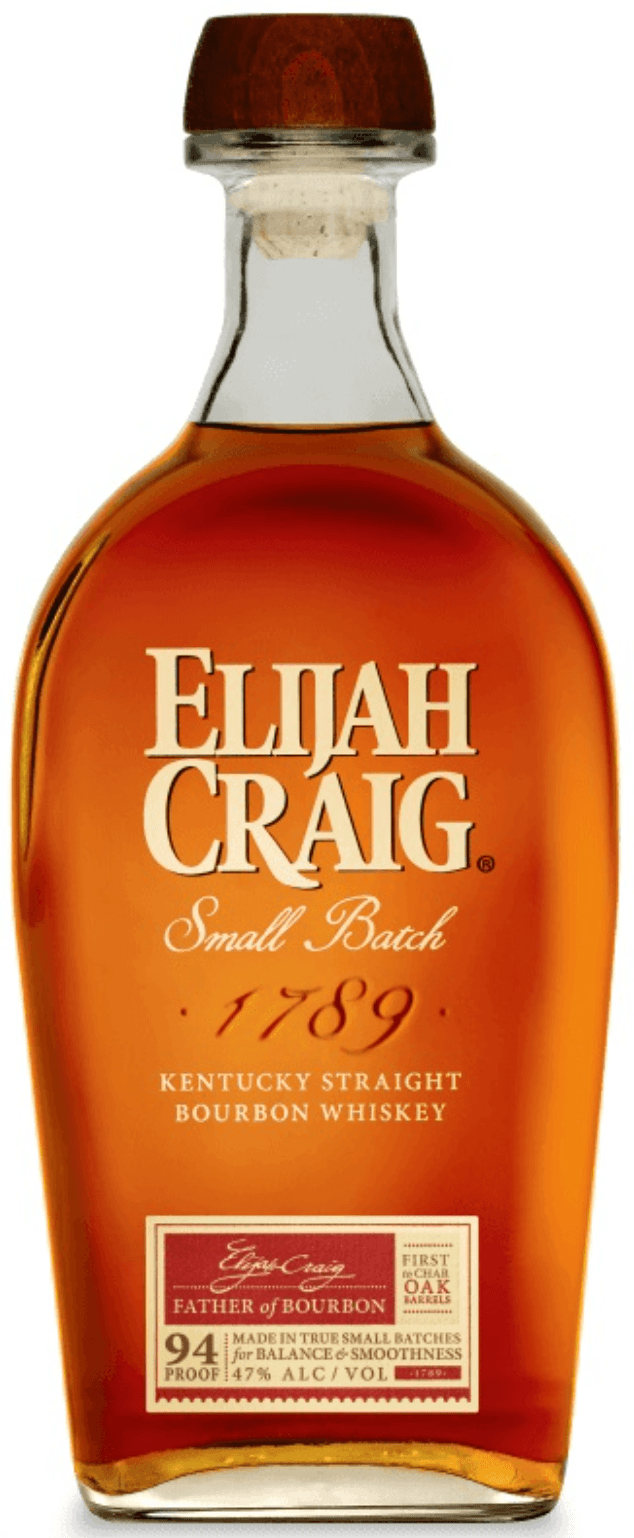
Elijah Craig Small Batch
Heaven Hill Distillery (Elijah Craig, est. 1986)
Elijah Craig Small Batch is the bourbon that punches so far above its price point that it makes you wonder what everyone else is doing with their money. Heaven Hill’s corn-heavy mash bill (78%) creates a sweet, approachable base, but the real story is the aging: barrels are drawn from multiple floors of Heaven Hill’s Bardstown rickhouses, where summer temperatures in the top floors can exceed 130°F while ground-floor barrels barely reach 80°F. This temperature differential means each barrel develops a different flavor profile — more caramel and char from the heat, more fruit and grain from the cool — and the blender’s job is to combine them into something greater than any single barrel. At 94 proof and 8–12 years old, the result is a bourbon with the complexity of bottles costing twice as much. The deep char (Heaven Hill uses a Number 3 char) gives it a distinctive smoky backbone that separates it from sweeter, lighter bourbons.
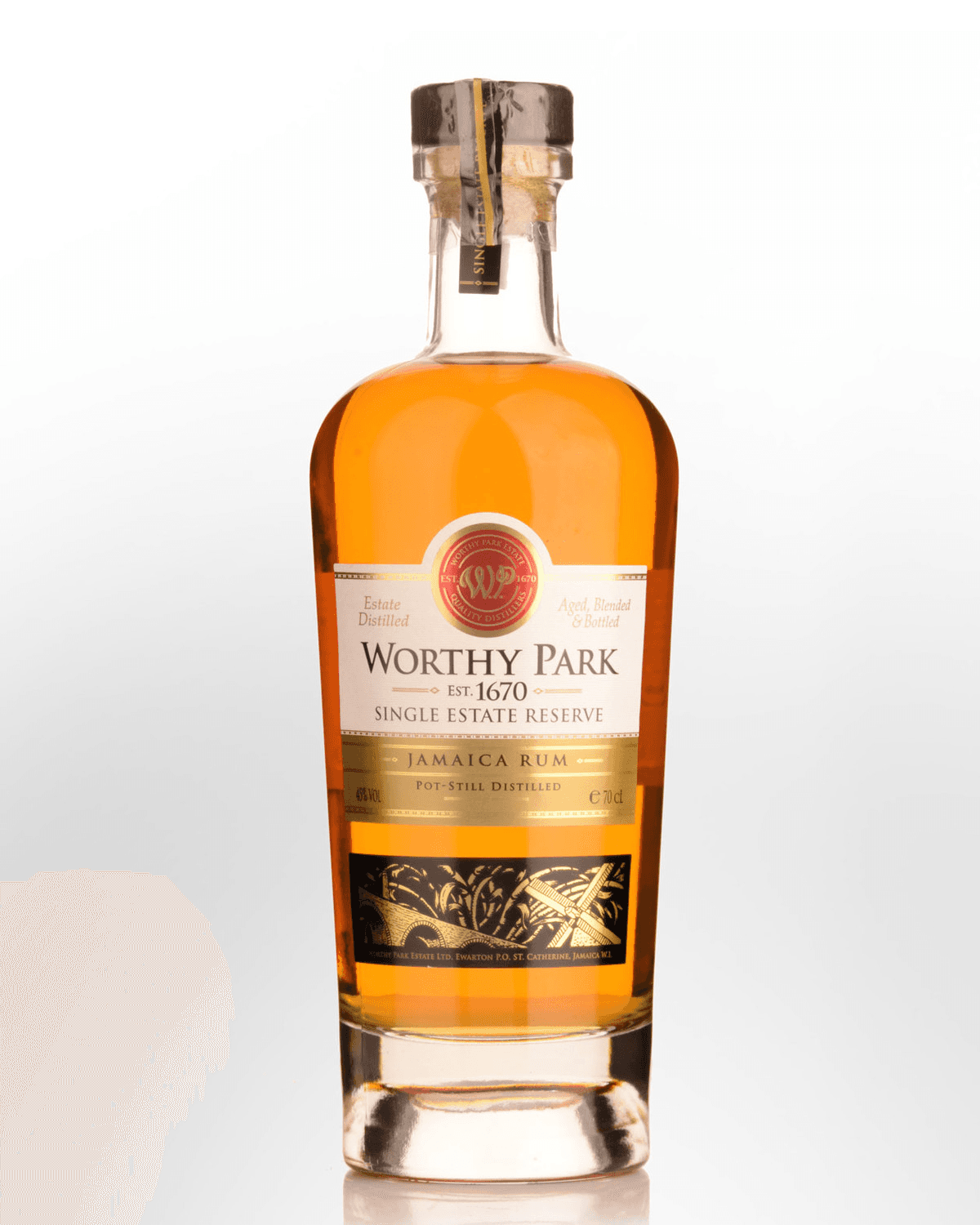
Worthy Park Single Estate Reserve
Worthy Park Estate
Worthy Park Single Estate Reserve is the architectural argument for vertical integration in rum. Most rum producers buy molasses from commodity markets, distill in one location, and age wherever they can find warehouse space. Worthy Park controls every variable: their own sugarcane fields, their own molasses production, their own double-retort pot still, their own barrel-aging warehouses — all on a single Jamaican estate where rum production dates to 1741. The result is a rum with total structural coherence. The funky Jamaican ester character — that distinctive tropical-overripe note that divides the uninitiated but thrills the connoisseur — has a foundation to stand on: molasses depth, pot still richness, bourbon-barrel vanilla. Every element was designed to work together from the ground up.
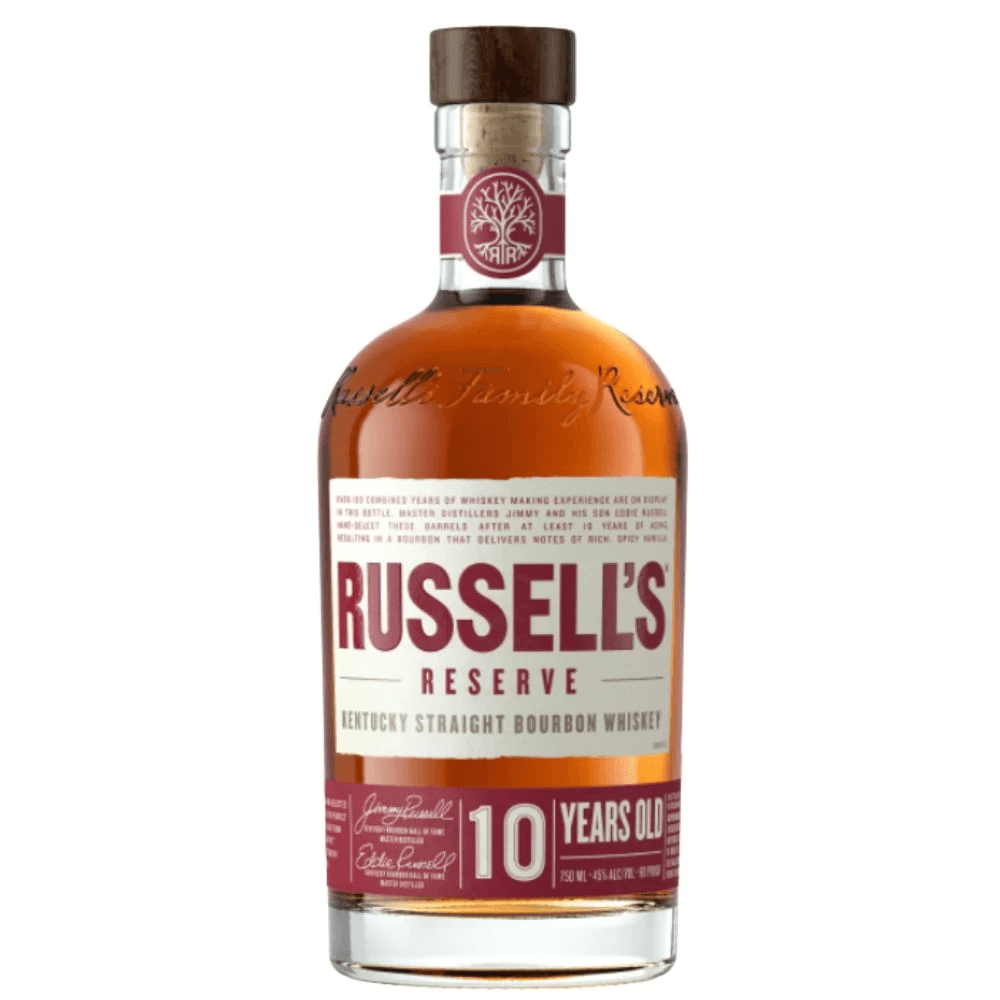
Russell's Reserve 10 Year Old
Campari Group
Jimmy Russell has been making bourbon at Wild Turkey for over six decades — the longest-tenured master distiller in the world. Russell's Reserve 10 Year Old is the quiet embodiment of that resilience.
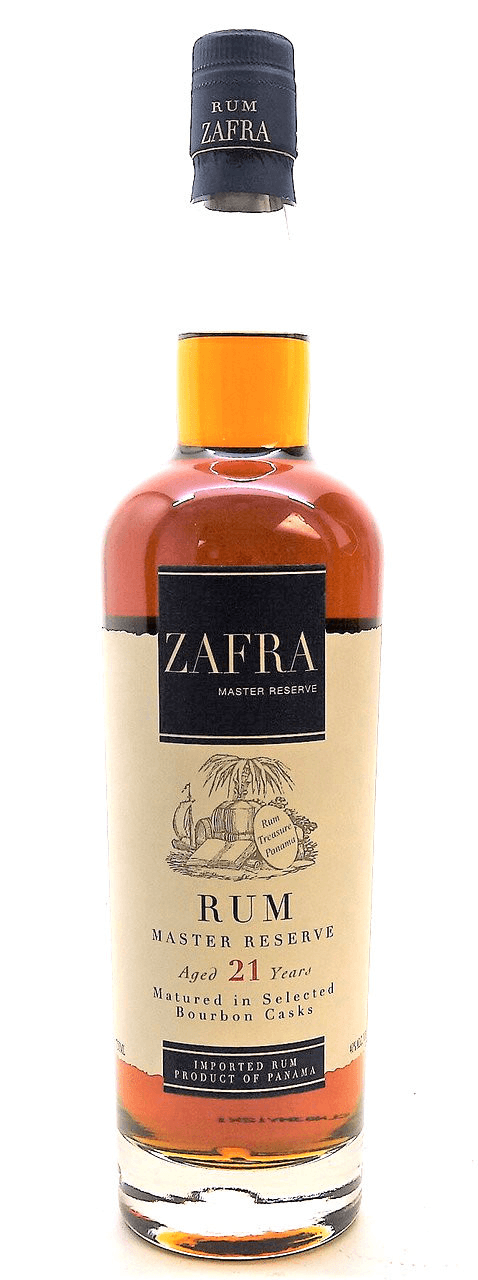
Zafra Master Reserve 21 Year Old
Las Cabras S.A. / Don Pancho Origenes
Zafra Master Reserve 21 is the proving ground for Panamanian rum as a serious category and for Don Pancho Fernandez as one of the great spirits minds of his generation. Exiled from Cuba, Fernandez rebuilt his craft in Panama and proved that two decades of patient bourbon-barrel aging under tropical heat could produce a rum of extraordinary depth and sophistication. At its price point — often under fifty dollars for a twenty-one-year-old spirit — Zafra remains one of the most remarkable values in aged spirits. It is proof that mastery, once earned, cannot be taken away. Cocktail — The Don Pancho Old Fashioned: 2 oz Zafra 21, 0.25 oz demerara syrup, 2 dashes Angostura bitters, 1 dash orange bitters. Stir over a large ice cube in a rocks glass. Express an orange peel and drop it in. The rum's toffee and spice complexity transforms the Old Fashioned into something profoundly layered.
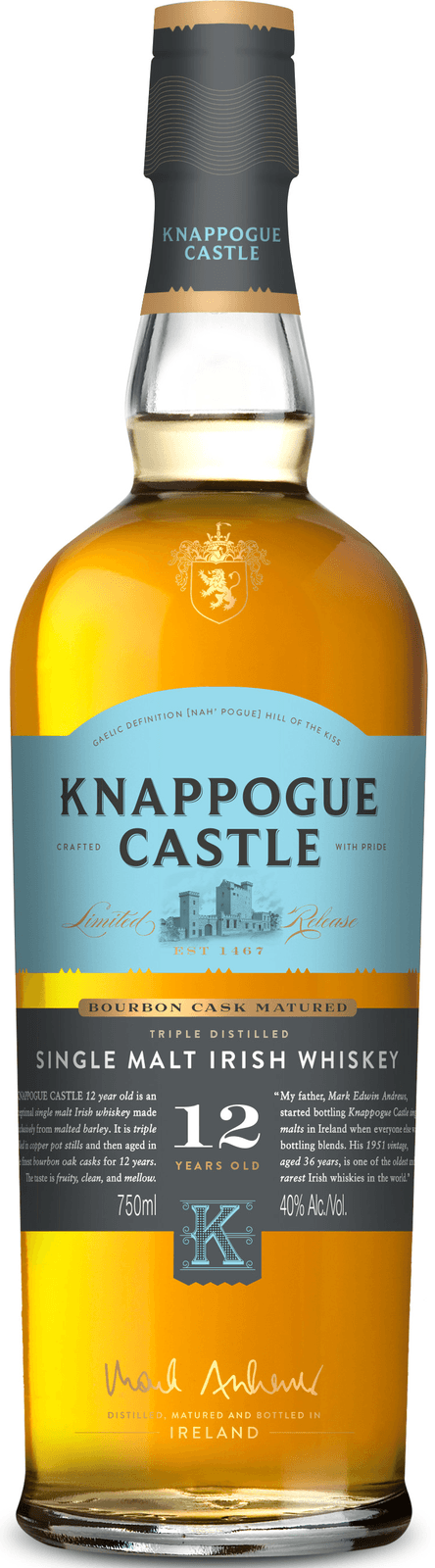
Knappogue Castle 12 Year Old
Cobblestone Brands
Knappogue Castle 12 is the proving ground for Irish single malt itself. When Mark Edwin Andrews began bottling these whiskies in the 1960s, Irish whiskey was synonymous with blends, and the idea that Ireland could produce world-class single malts seemed improbable to most. This 12-year-old, triple-distilled and aged entirely in bourbon oak, demonstrates the quiet power of Irish malt at its most elegant: smooth without being simple, gentle without being hollow. It proved that patience and purity were all Irish whiskey ever needed. Cocktail — The Castle Sour: 2 oz Knappogue Castle 12, 0.75 oz fresh lemon juice, 0.5 oz green apple syrup, 1 egg white. Dry shake, then shake with ice and strain into a coupe. Garnish with a thin apple slice. The whiskey's orchard fruit character shines through the frothy citrus.
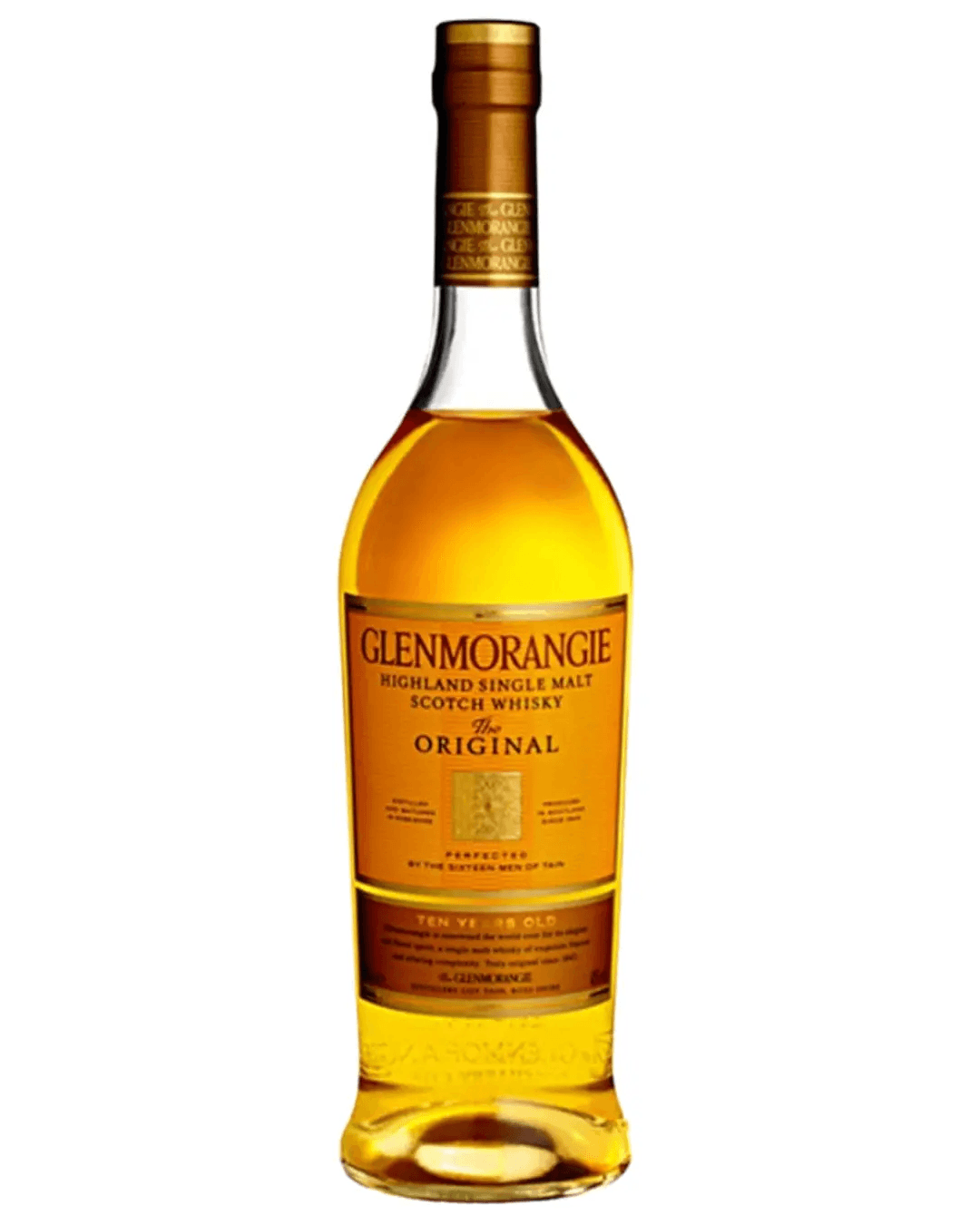
Glenmorangie The Original 10 Year Old
The Glenmorangie Company (LVMH)
Glenmorangie The Original is a masterclass in the Highland style — delicate, fruity, and approachable without sacrificing depth. Those famously tall stills, the tallest in Scotland, strip away heavier compounds and deliver a spirit of unusual purity.
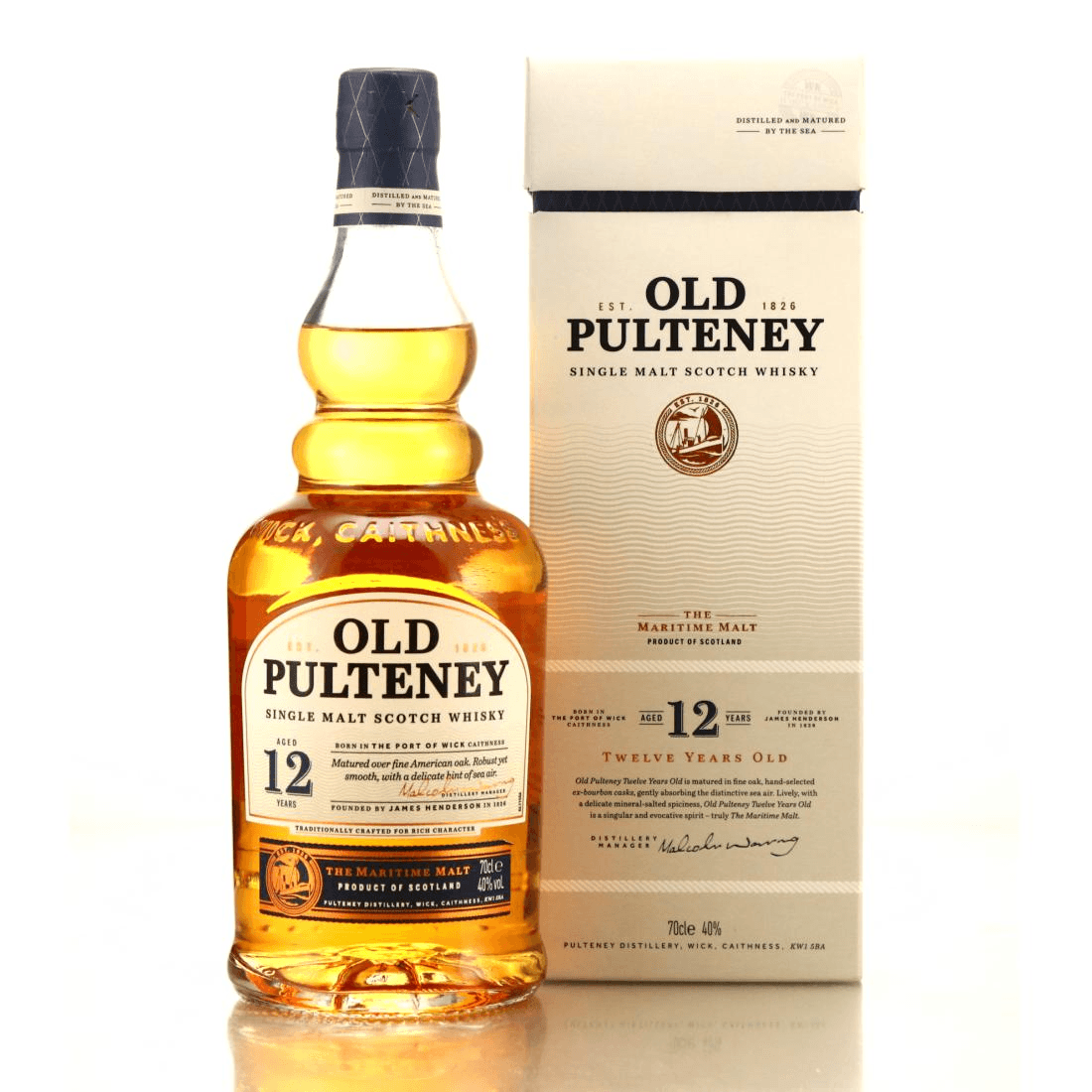
Old Pulteney 12 Year Old
Inver House Distillers (Thai Beverages)
Old Pulteney 12 is one of the great bargains in single malt Scotch — a whisky whose coastal provenance is not a marketing story but a flavor you can taste in every sip. That brine-and-honey combination on the nose is unmistakable, and the dry, mineral finish makes it one of the most food-friendly drams in Scotland. It won't overpower you with peat or sherry, and that's exactly the point: this is a whisky that lets its geography do the talking. At around $45, it embarrasses bottles that cost three times as much. Cocktail — "The Wick Highball": Pour 2 oz Old Pulteney 12 over ice in a tall glass. Top with 4 oz chilled soda water and a squeeze of fresh lemon. Garnish with a lemon wheel and a sprig of fresh dill. The maritime malt shines in a highball — the effervescence lifts the honey and salt notes beautifully.
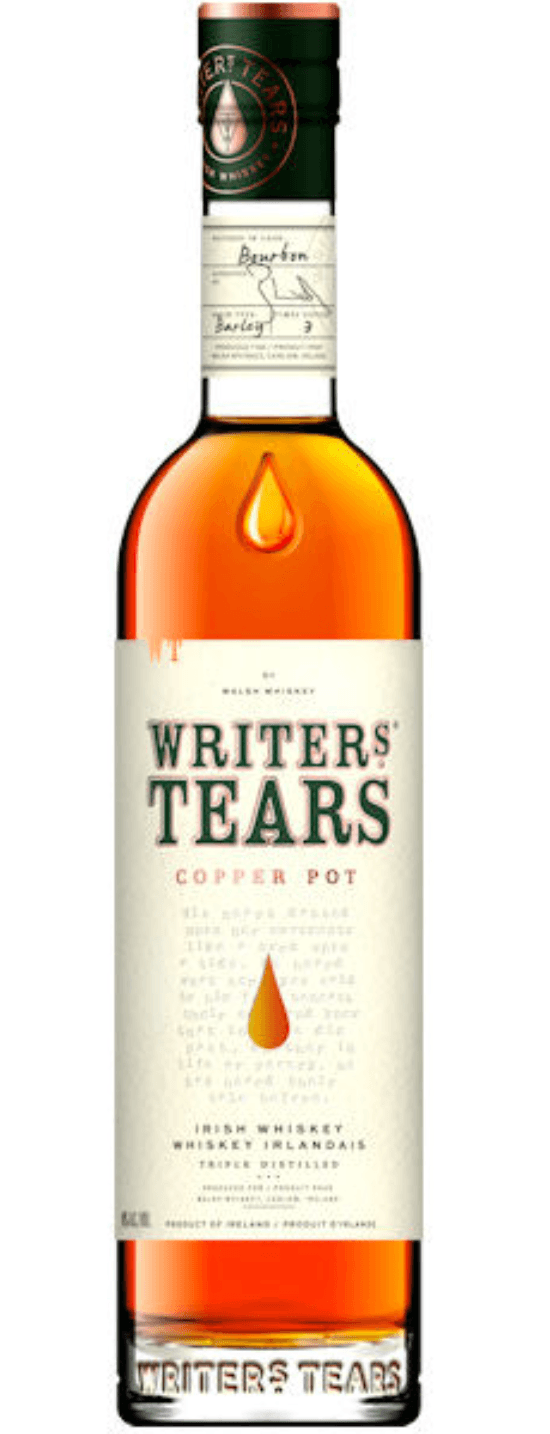
Writers’ Tears Copper Pot
Walsh Whiskey Distillery (Bernard & Rosemary Walsh, founders)
Writers’ Tears earns its literary name. Oscar Wilde, James Joyce, Brendan Behan — Irish writers and Irish whiskey have been inseparable for centuries, and the Walshes bottled that romance into something genuinely beautiful. The blend of single pot still and single malt creates a texture that’s both silky and spiced, with the unmalted barley adding the characteristic Irish “pot still bite” that gives it backbone. At under $40, it punches well above its price point and serves as a perfect introduction to what makes Irish whiskey different from Scotch.
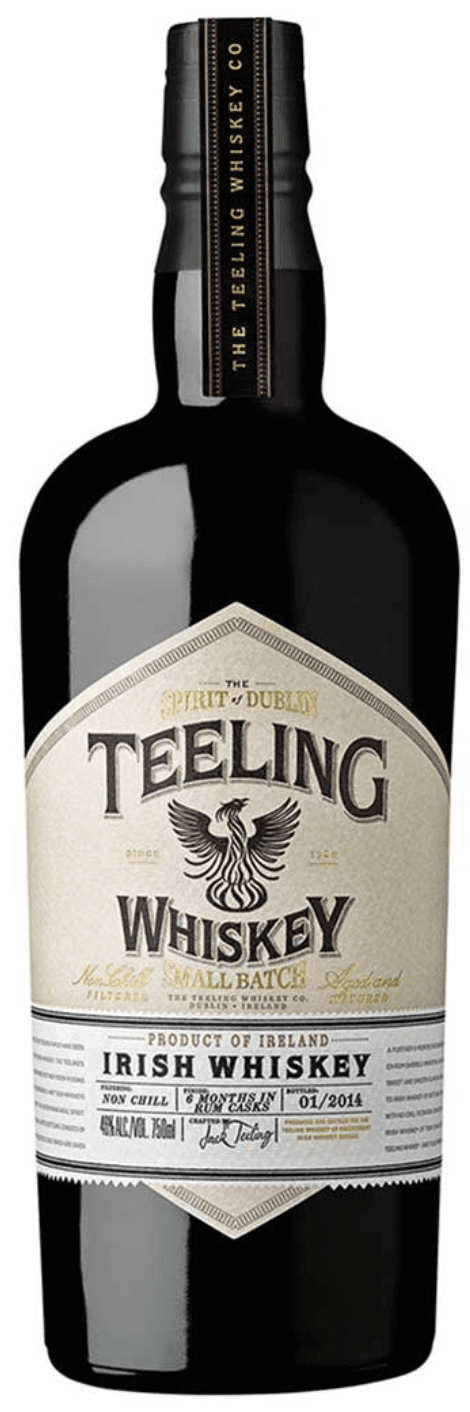
Teeling Small Batch
Teeling Whiskey Company (est. 2012)
The Teelings’ terroir isn’t soil — it’s Dublin itself. Jack and Stephen Teeling built their distillery in the Liberties, a neighborhood that had been the beating heart of Irish whiskey for two centuries before the industry collapsed. The Liberties once held more distilleries per square mile than anywhere on earth. The Teelings’ bet was that Dublin’s whiskey DNA still mattered — that making whiskey in the city, near the original water sources and in the cultural context that shaped Irish whiskey, would produce something different from the industrial parks where most Irish whiskey is now made. The Small Batch expression showcases their innovation: finishing in Central American rum barrels adds a tropical sweetness that no other Irish whiskey offers, while bottling at 46% ABV (non-chill filtered) preserves the full texture. It’s a whiskey that tastes like a city reclaiming its birthright.
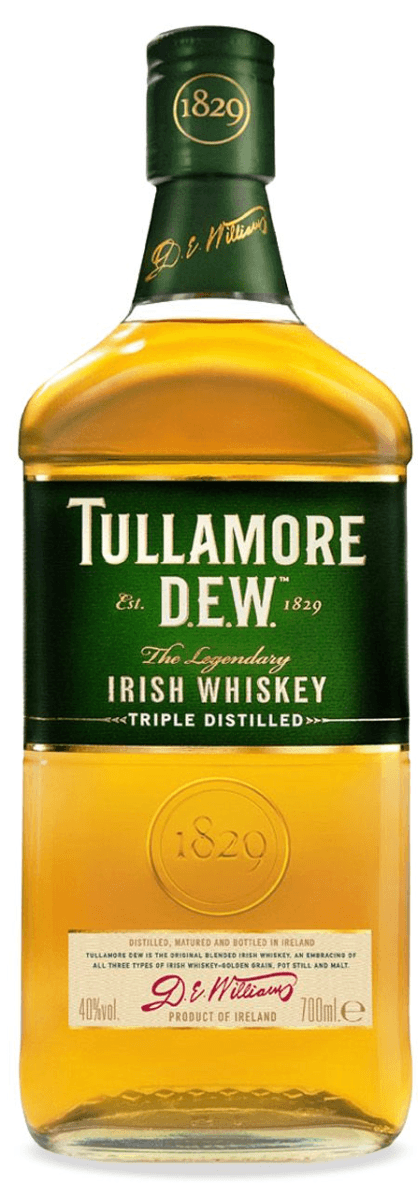
Tullamore D.E.W. Original
William Grant & Sons (Tullamore D.E.W., est. 1829)
Tullamore D.E.W. went against the grain in the most dramatic way possible: it came back from the dead. When the old Tullamore distillery closed in 1954, the brand survived as a label without a home, its whiskey sourced from other distilleries for sixty years. Then in 2014, William Grant & Sons built a brand-new €35 million distillery in Tullamore — the first new greenfield distillery in Ireland in over a century — bringing whiskey-making back to the town whose name is literally on the bottle. The triple blend of pot still, malt, and grain — triple distilled and triple cask matured — delivers surprising complexity at a price point that makes it one of the best introductions to Irish whiskey on the market.
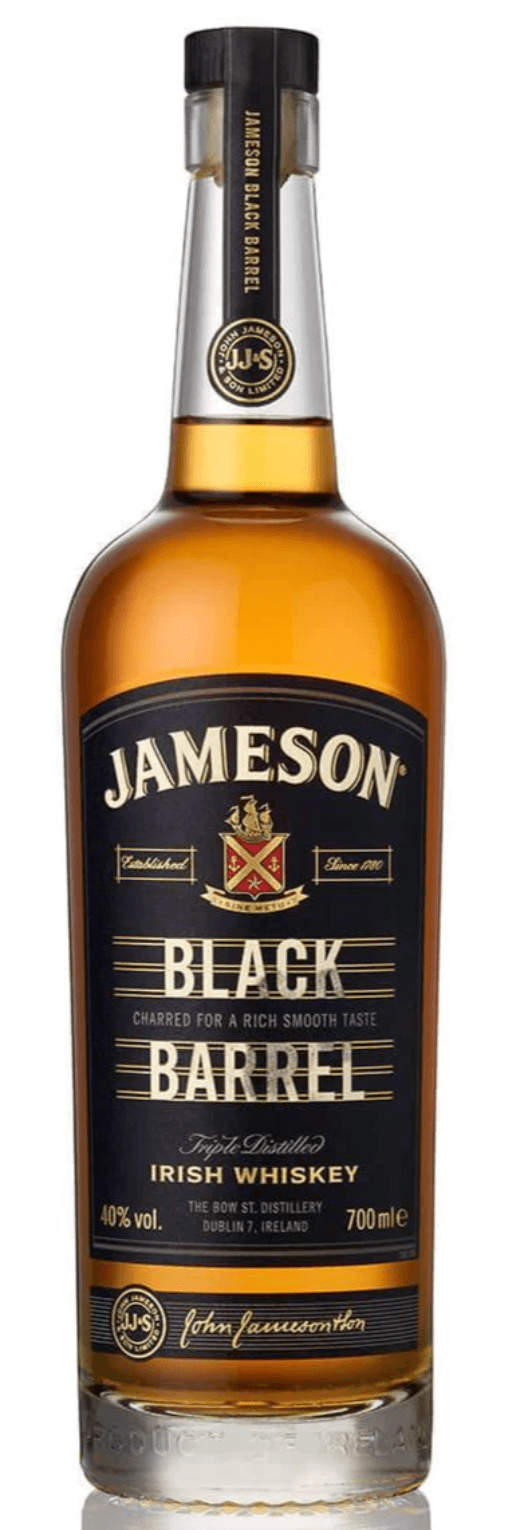
Jameson Black Barrel
Irish Distillers (Pernod Ricard; Jameson, est. 1780)
Jameson Black Barrel is what happens when the world's most approachable Irish whiskey gets a lesson in patience. The key difference from standard Jameson is the double-charred bourbon barrels — a process where spent barrels are re-charred before the whiskey goes in, reactivating the wood's sugars and deepening the flavor extraction. It's an extra step that takes extra time, and the result is a whiskey with noticeably more weight, complexity, and character. The pot still component adds a creamy, spicy backbone that the grain whiskey alone couldn't provide, and the char gives everything a toasty, caramelized edge. At its price point, Black Barrel may be the best value in Irish whiskey — complex enough to sip neat, versatile enough for cocktails, and proof that patience in the cooperage pays dividends in the glass.
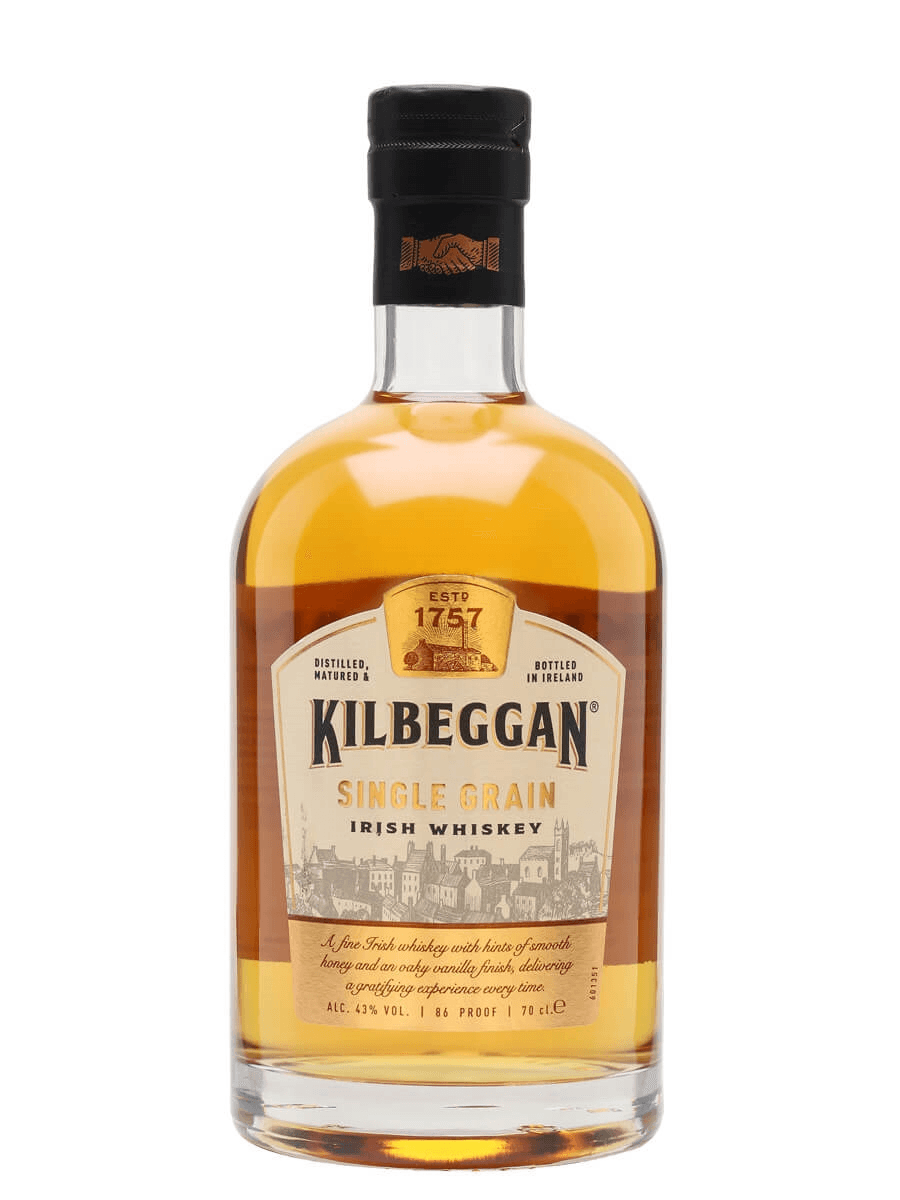
Kilbeggan Single Grain Irish Whiskey
Beam Suntory
The Kilbeggan distillery nearly vanished. After closing in 1957, it sat derelict until a group of local volunteers began restoring it in 1982 — cleaning pot stills by hand, patching stone walls, preserving equipment.
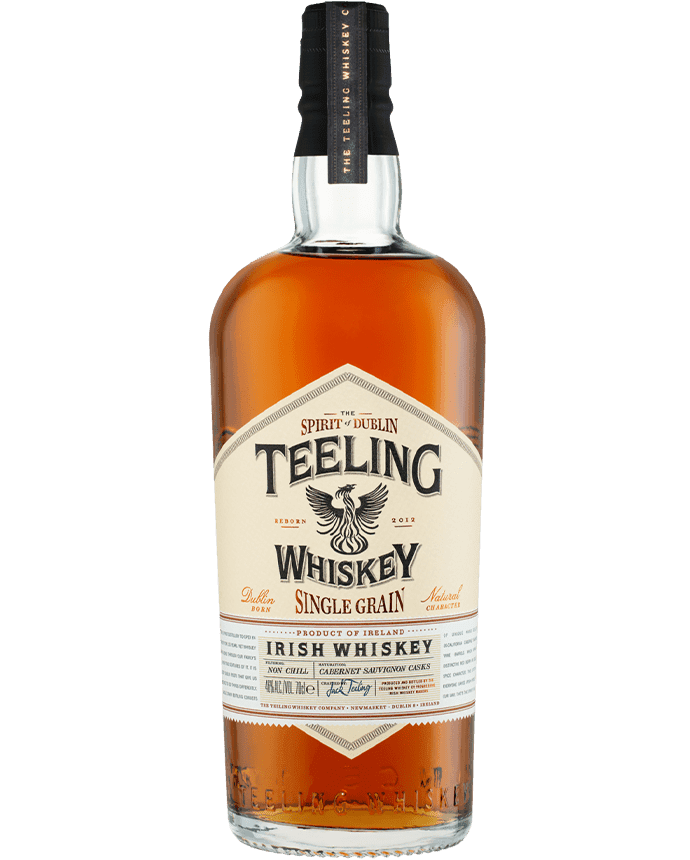
Teeling Single Grain Irish Whiskey
Teeling Whiskey Company
Grain whiskey gets little respect until you taste Teeling's version. Matured in Californian Cabernet Sauvignon casks, this single grain has the silkiness of a premium spirit and the depth of a well-aged whiskey. It's the secret that every Irish blend drinker has been unknowingly appreciating for decades, now bottled on its own terms. Serve it slightly chilled, neat, to anyone who claims Irish whiskey is predictable — this changes the conversation immediately.
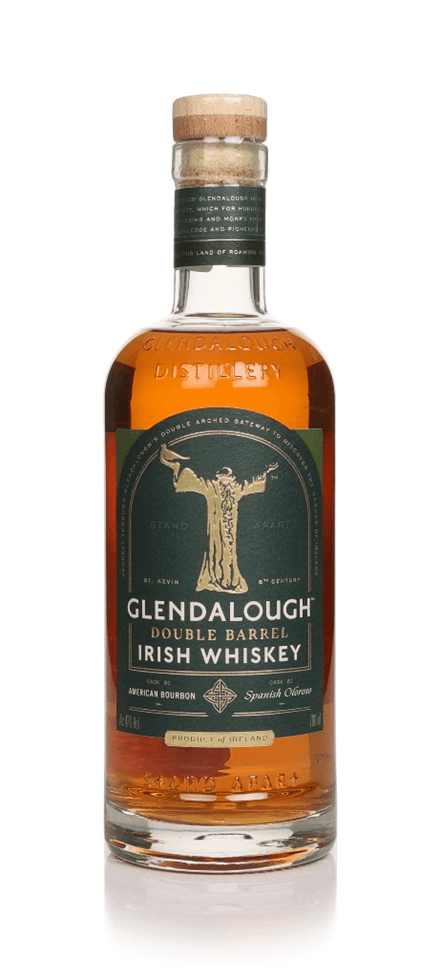
Glendalough Double Barrel
Glendalough Distillery (Mark Anthony Brands)
The double barrel treatment here is a study in how fire shapes wood, and wood shapes whiskey. The first-fill bourbon barrels — charred by fire before they ever held spirit — give the Glendalough its vanilla and caramel backbone. The Oloroso sherry casks — toasted to a different specification — add dried fruit and chocolate complexity.