Price
$50 – $100
78 reviews
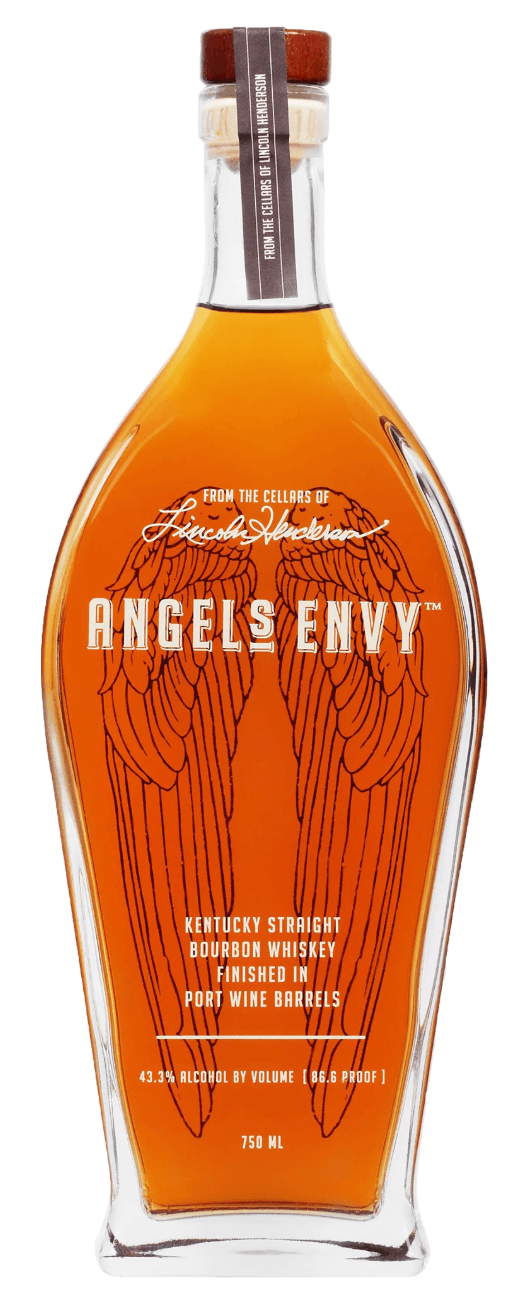
Angel's Envy Kentucky Straight Bourbon
Louisville Distilling Company (Angel's Envy, est. 2010)
Angel's Envy is a monument to patience — Lincoln Henderson's patience in waiting until age 72 to build the bourbon he'd always imagined, and the liquid patience of that port barrel finish, where months of quiet resting transform a solid Kentucky straight bourbon into something altogether more layered and contemplative. The port casks, sourced from Portugal, add a ruby-hued sweetness and dried fruit complexity without obscuring the corn-forward bourbon character underneath. At 86.6 proof, it's gentle enough for newcomers but complex enough to hold the attention of seasoned whiskey drinkers. Henderson passed away in 2013, but his son Wes carries the vision forward — and every bottle remains a reminder that the best things often come from those willing to wait.
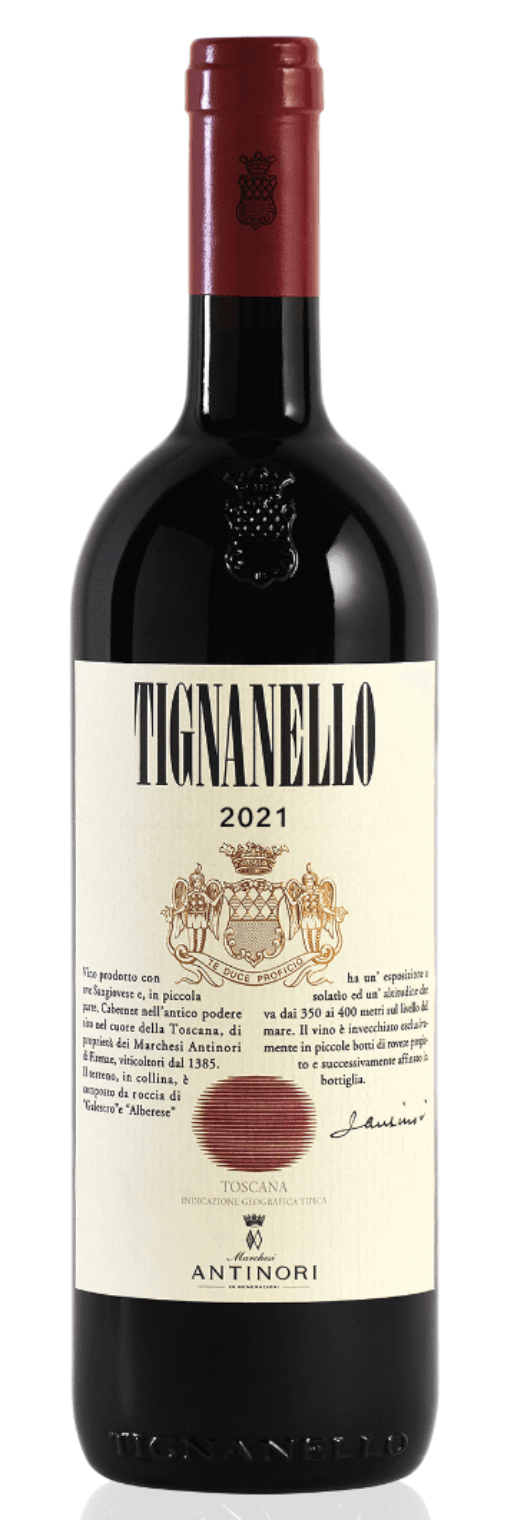
Antinori Tignanello 2021
Marchesi Antinori (est. 1385, 26th generation)
Tignanello is the wine that proved terroir could be revolutionary. When Piero Antinori released the 1971 vintage — a Sangiovese-Cabernet blend aged in French barriques, made outside every regulation that governed Chianti — the Italian wine establishment was outraged. The wine was declassified to “Vino da Tavola,” Italy’s lowest designation. Antinori didn’t care. He believed the Tignanello vineyard’s galestro and albarese soils (a mix of calcium-rich marl and hard limestone found only in central Tuscany) could produce wines that rivaled Bordeaux — if freed from rules requiring white grapes in a red wine. History proved him right. The 2021 vintage benefits from a warm but balanced growing season, with the Sangiovese delivering its characteristic sour cherry and herbal complexity while the Cabernet adds structure and depth. At 26 generations and 640 years, Antinori is the oldest family-owned wine company on earth — and Tignanello remains their most radical creation.
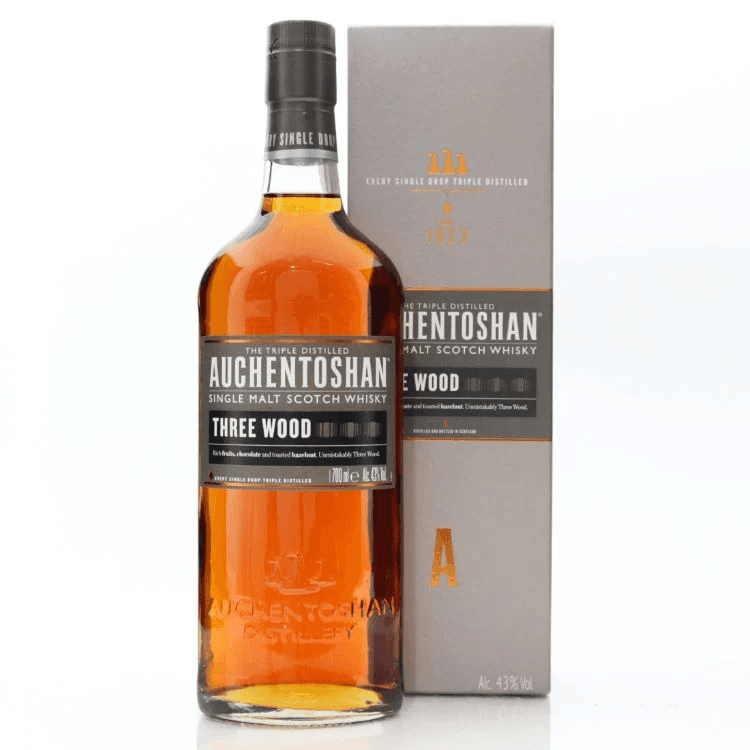
Auchentoshan Three Wood
Beam Suntory
Auchentoshan Three Wood is structural engineering in liquid form. The blueprint is deceptively simple — triple distillation for smoothness, then three deliberate cask chapters that each add a specific dimension. Bourbon barrels lay the vanilla-toffee foundation. Oloroso sherry casks introduce dried fruit depth and nutty complexity. Then Pedro Ximénez barrels — those treacly-sweet Spanish dessert wine casks — apply the final coat of dark fruit richness. The architecture works because each layer is legible: you can taste the bourbon sweetness, the oloroso depth, the PX finish, all integrated but distinct, like the floors of a well-designed building.
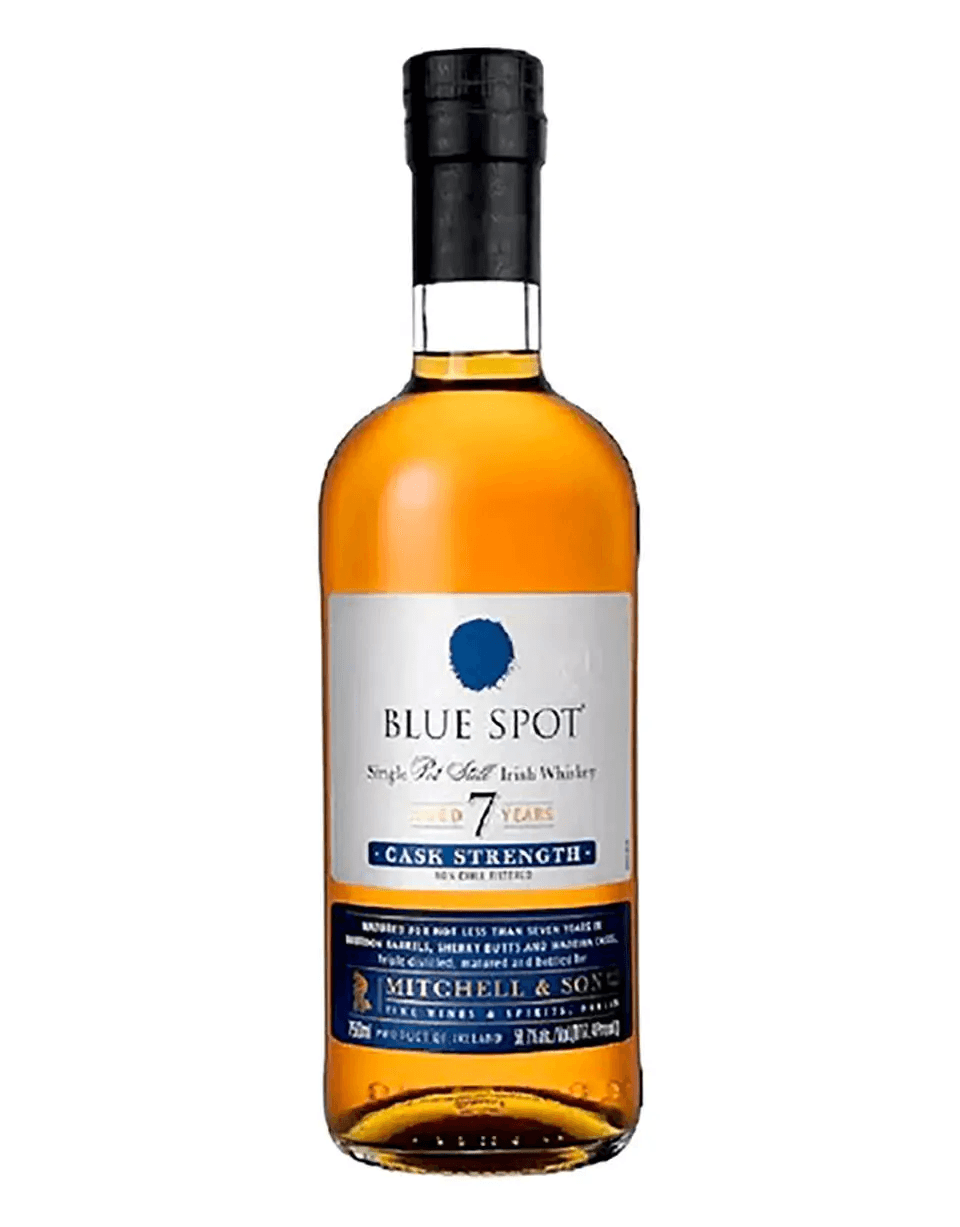
Blue Spot 7 Year Old
Irish Distillers (Pernod Ricard)
Blue Spot is the most structurally ambitious of the Spot family — and the most rewarding to decode. Where Green Spot uses one cask type and Yellow Spot uses three, Blue Spot deploys four distinct cask influences and bottles at cask strength, letting you experience the full architectural plan without dilution. The bourbon cask lays the vanilla-cream foundation. Sherry butts add dried fruit weight. Marsala casks bring an unexpected Italian sweetness. And the Madeira finish — those Portuguese fortified wine barrels — apply a tropical, honeyed glaze that ties everything together. At cask strength, the pot still spice cuts through all that sweetness, giving the whiskey a backbone as strong as its complexity is wide.
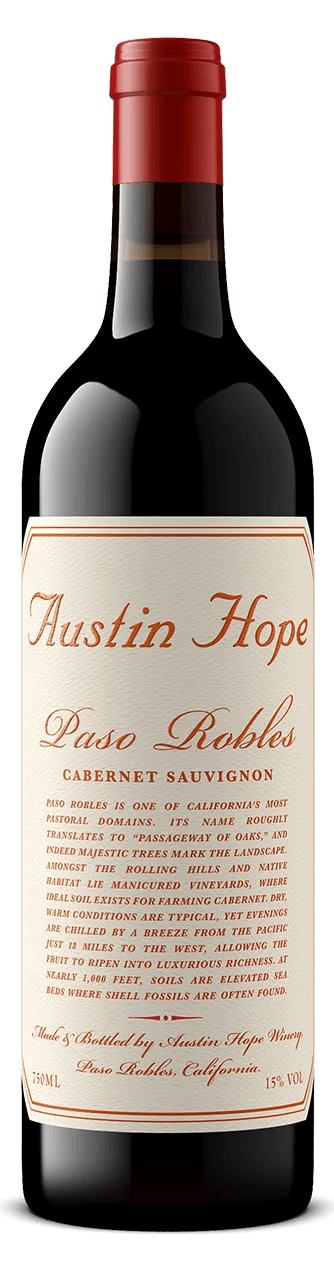
Austin Hope Cabernet Sauvignon Paso Robles 2022
Hope Family Wines
Paso Robles is a region forged by fire — and not just metaphorically. Daytime temperatures that soar past 100°F followed by dramatic nighttime drops create a thermal intensity that forces the vines to concentrate their sugars and develop deep, complex flavors.
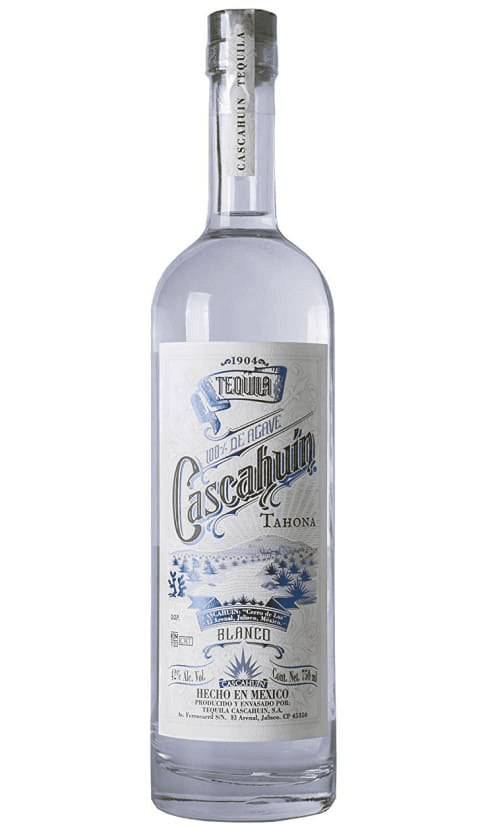
Cascahuin Tahona Blanco
Destilería Cascahuin (Grupo Cascahuin)
Tahona production is brutally inefficient — the volcanic stone wheel extracts less juice, takes longer, and demands more labour than a mechanical shredder. Cascahuin does it anyway because the result is a blanco with a weight and mineral complexity that industrial methods cannot replicate. This is tequila at its most expressive — unaged, unfiltered, unapologetic. Drink it neat with a slice of orange and understand why the Rosales family has kept this process unchanged for generations.
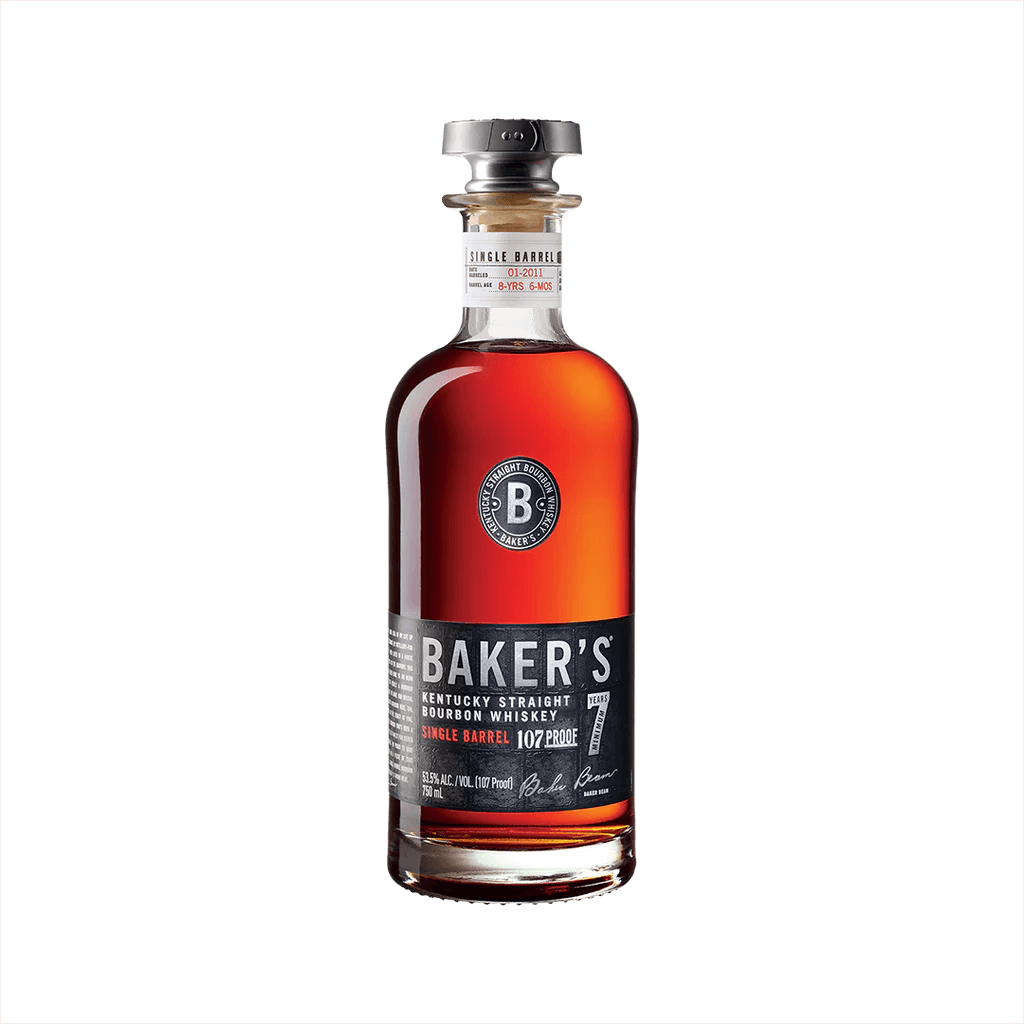
Baker's 7 Year Old Single Barrel
Beam Suntory
Baker's 7 is the bourbon that proves the Beam family's small batch experiment was not a marketing exercise. While Knob Creek went for age, Booker's for barrel proof, and Basil Hayden's for approachability, Baker Beam chose texture — a uniquely full-bodied, oily mouthfeel that feels like liquid velvet at 107 proof.
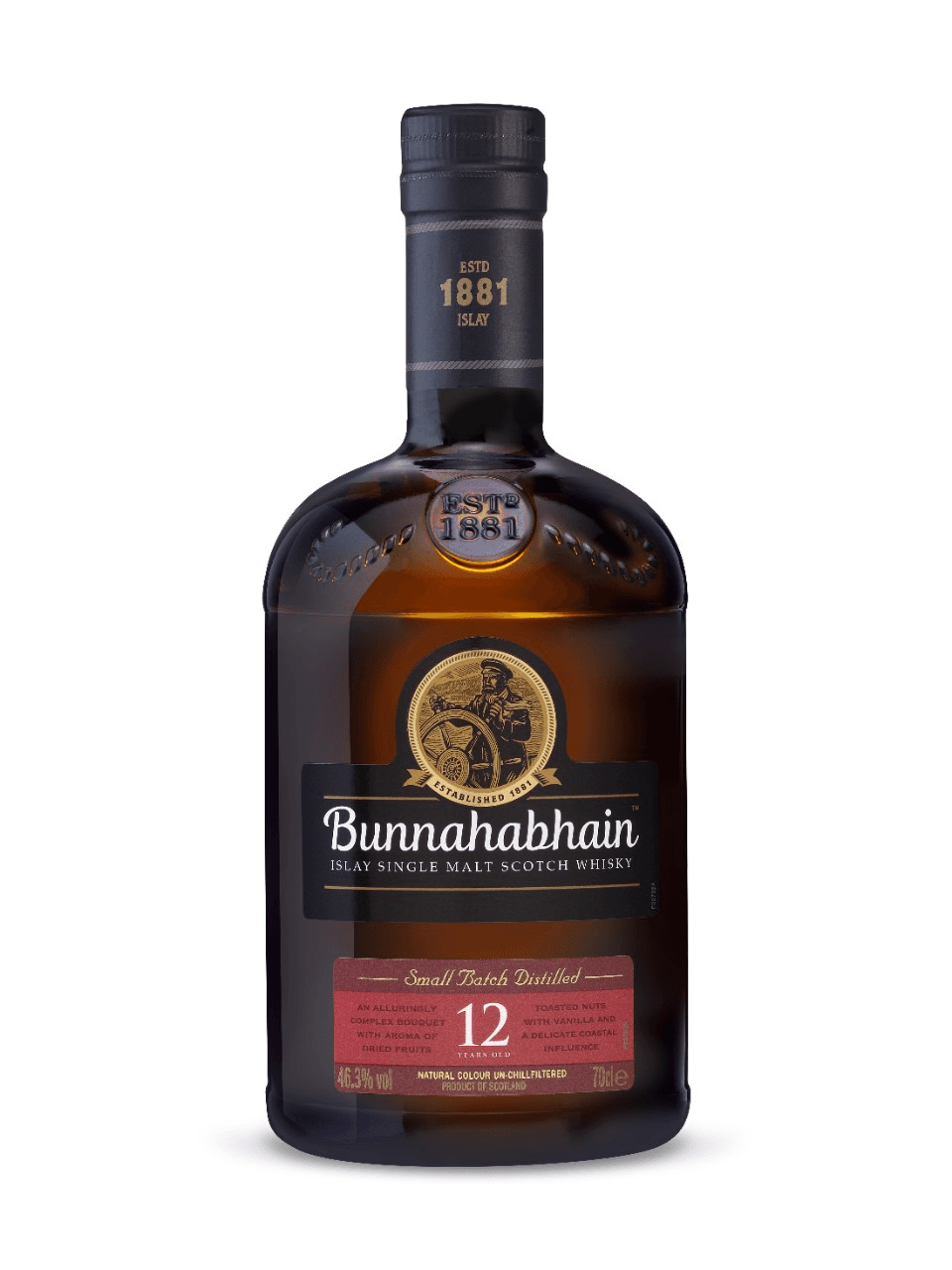
Bunnahabhain 12 Year Old Islay Single Malt
Distell International
Bunnahabhain is Islay's best-kept secret precisely because it refuses to play the smoke card. While its neighbours compete on peat levels, Bunnahabhain builds complexity through sherry cask maturation and an unpeated spirit that lets the malt character breathe. The 12 Year Old is the entry point to a distillery that rewards loyalty — drink it beside a heavily peated Islay malt and you'll understand the full range of what this island can do. The contrast is revelatory.
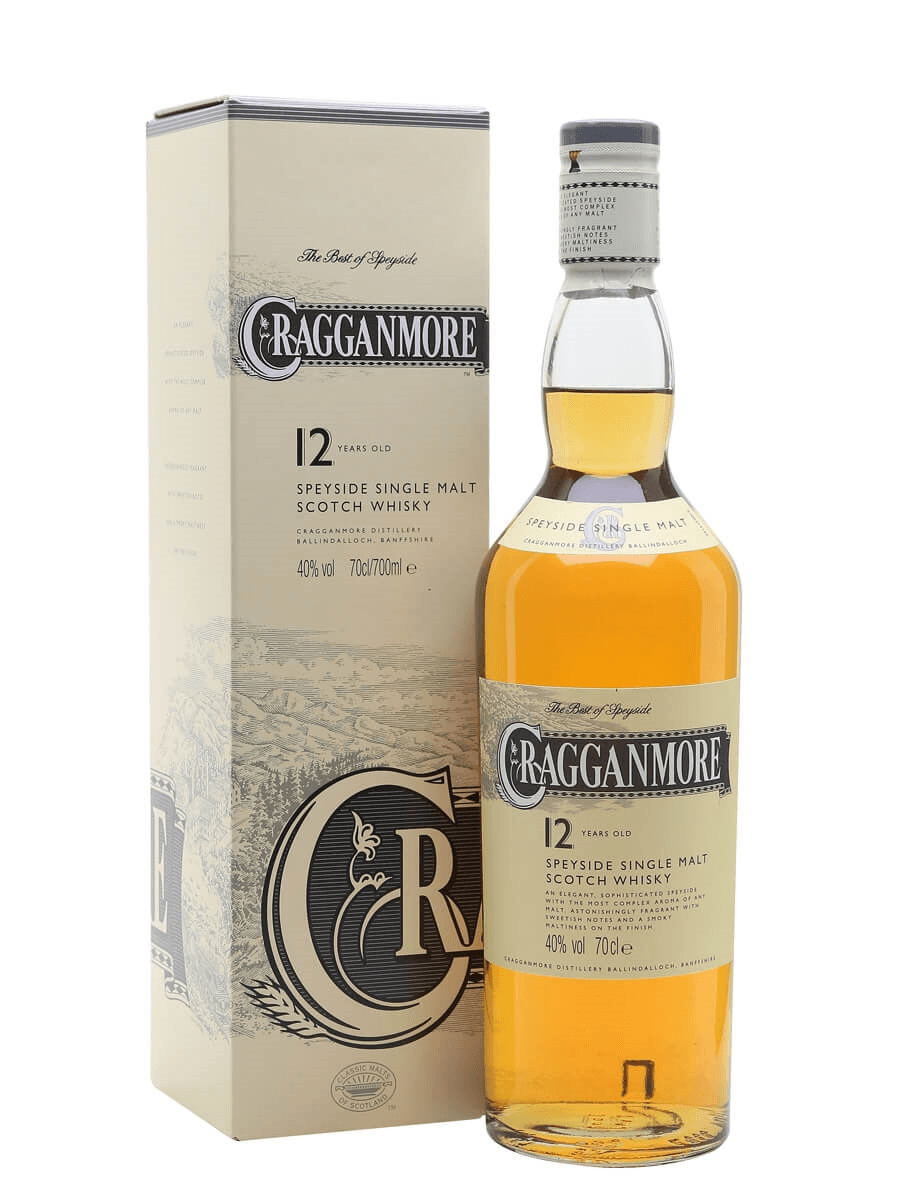
Cragganmore 12 Year Old
Diageo
Cragganmore 12 is the Speyside malt that rewards the patient nose. Where many single malts deliver their story in one dramatic chapter, Cragganmore reads like a novel with slow-building subplots. Those unique T-shaped lyne arms create a spirit of genuine complexity that unfolds over an hour in the glass.
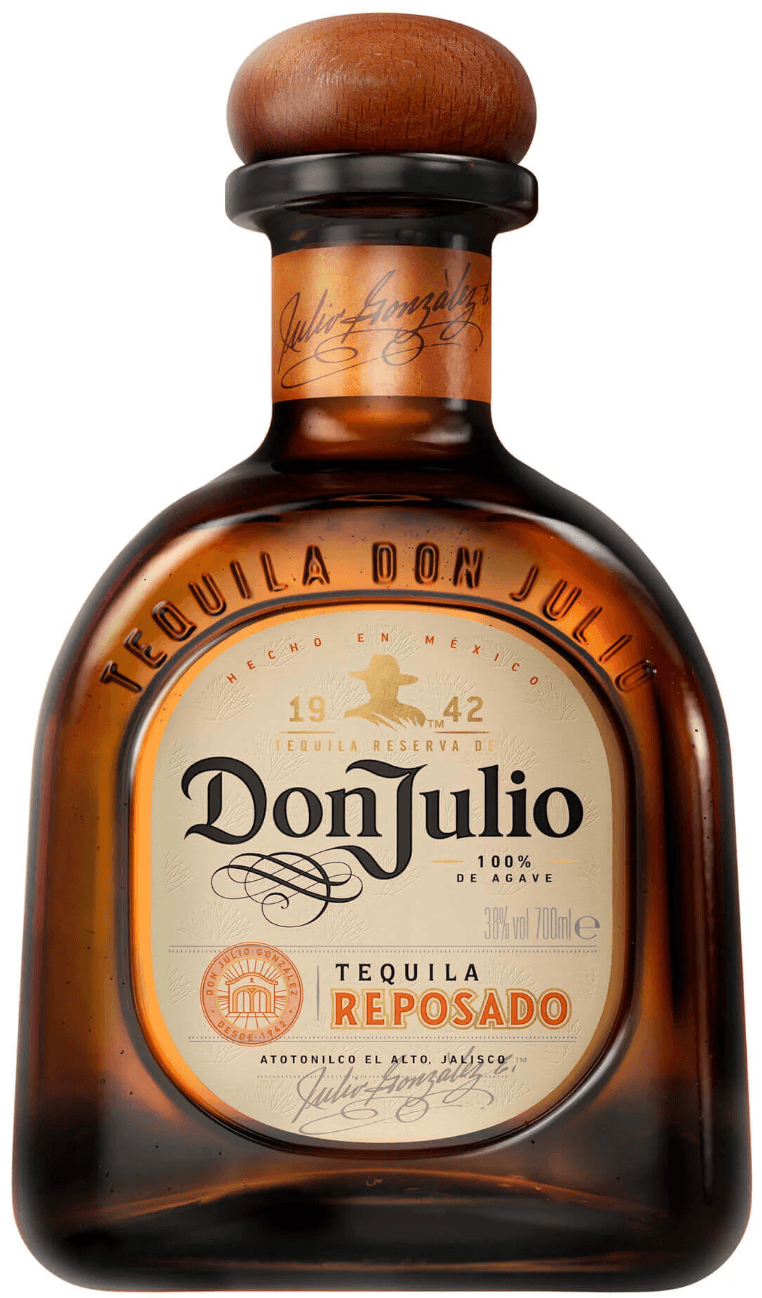
Don Julio Reposado
Diageo (Don Julio, est. 1942)
Don Julio invented the luxury tequila category. Before Don Julio, tequila was a commodity — cheap, harsh, and destined for margarita mixes. Julio González changed the rules by treating agave like fine wine grapes: planting further apart for full maturity, slow-roasting in 72-hour brick oven cycles, and aging in fine oak. When his sons created a tequila to honor his 60th birthday in 1985, it became the first tequila marketed as a premium sipping spirit. The Reposado expression — eight months in American white oak — strikes the ideal balance: enough barrel time to add complexity without masking the highland agave character that made the brand famous.
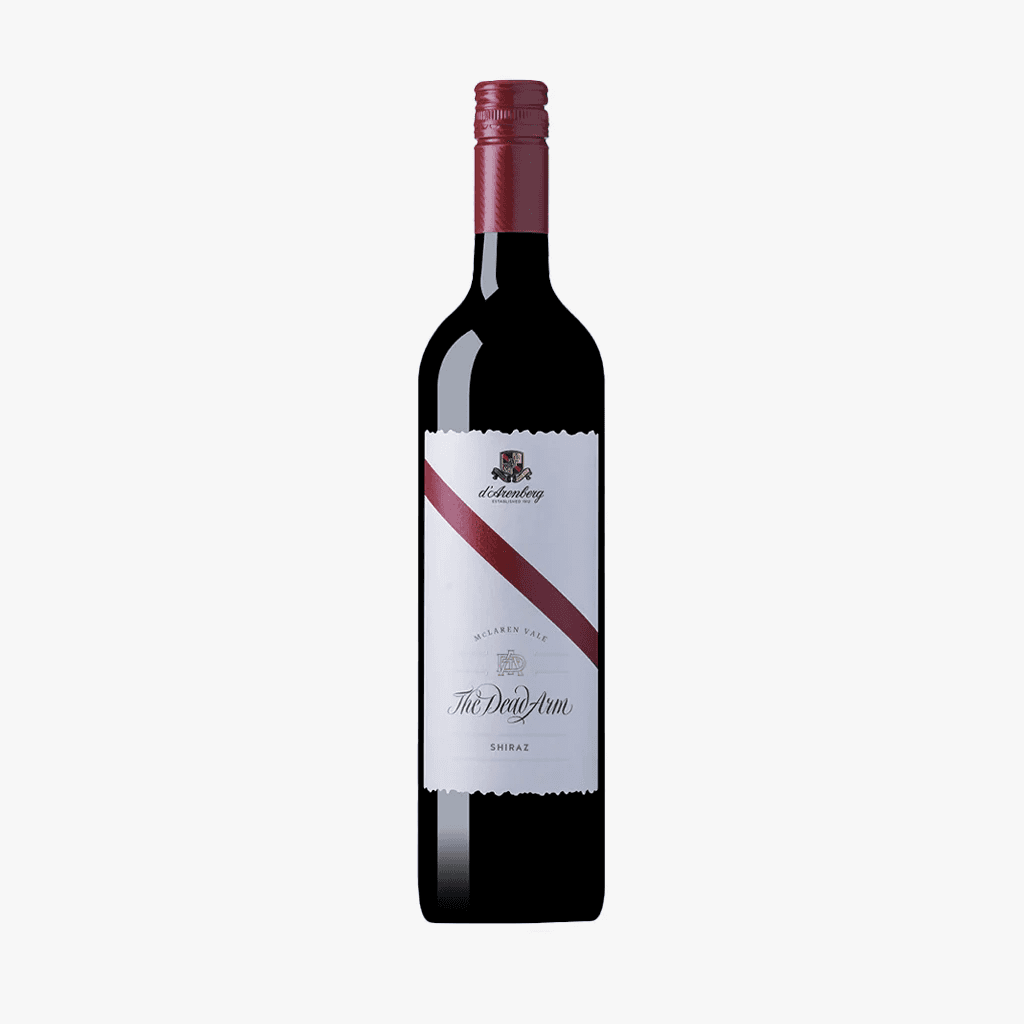
d'Arenberg The Dead Arm Shiraz 2019
d'Arenberg Pty Ltd
The Dead Arm is an experiment in turning disaster into distinction. Most growers would rip out vines afflicted with Eutypa lata, but Chester Osborn saw what the disease did to the surviving fruit — concentrated it, intensified it, made it something a healthy vine could never produce. The resulting wine is enormously concentrated without being heavy, packed with dark fruit and cedar but retaining the savory, earthy character that marks great McLaren Vale Shiraz. It's a reminder that some of the best things in wine happen when nature forces the maker's hand.
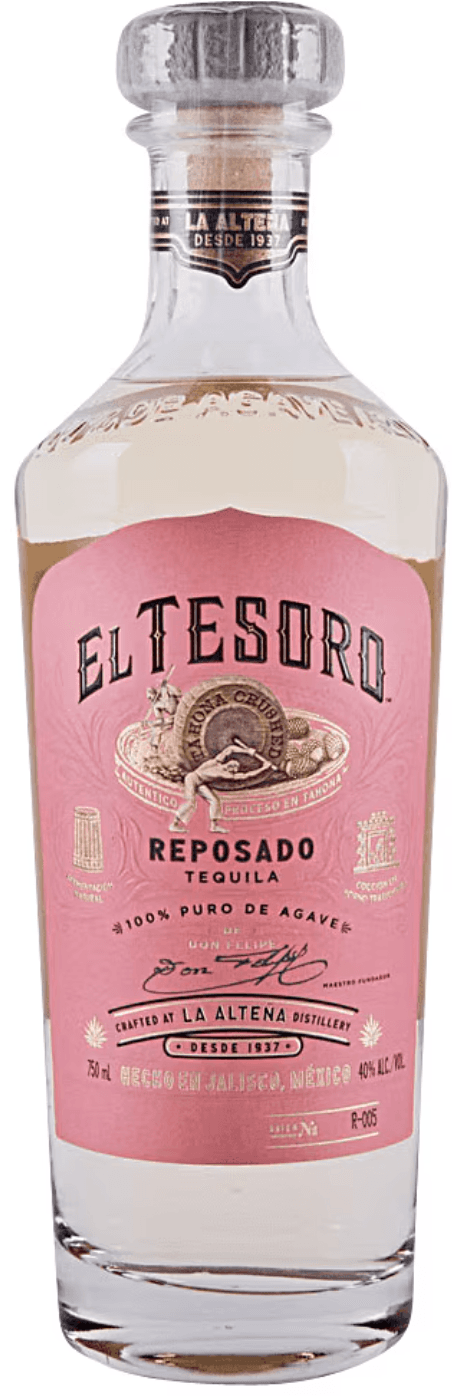
El Tesoro Reposado
Camarena Family / Beam Suntory (El Tesoro, est. 1937)
El Tesoro is the tequila nerd’s tequila. The Camarena family’s obsession starts with the tahona — a two-ton volcanic stone wheel that slowly crushes roasted agave hearts, extracting sugars along with fibers that go into the fermentation tank, adding savory complexity that roller mills strip away. Then there’s the distillation: El Tesoro is one of the only tequilas distilled to proof, meaning no water is added after distillation. What comes out of the still is what goes in the barrel. The Reposado spends 9–11 months in ex-bourbon barrels — long enough to add vanilla and caramel, short enough to let the agave and tahona character remain front and center. This is tequila that tastes like the earth it came from.
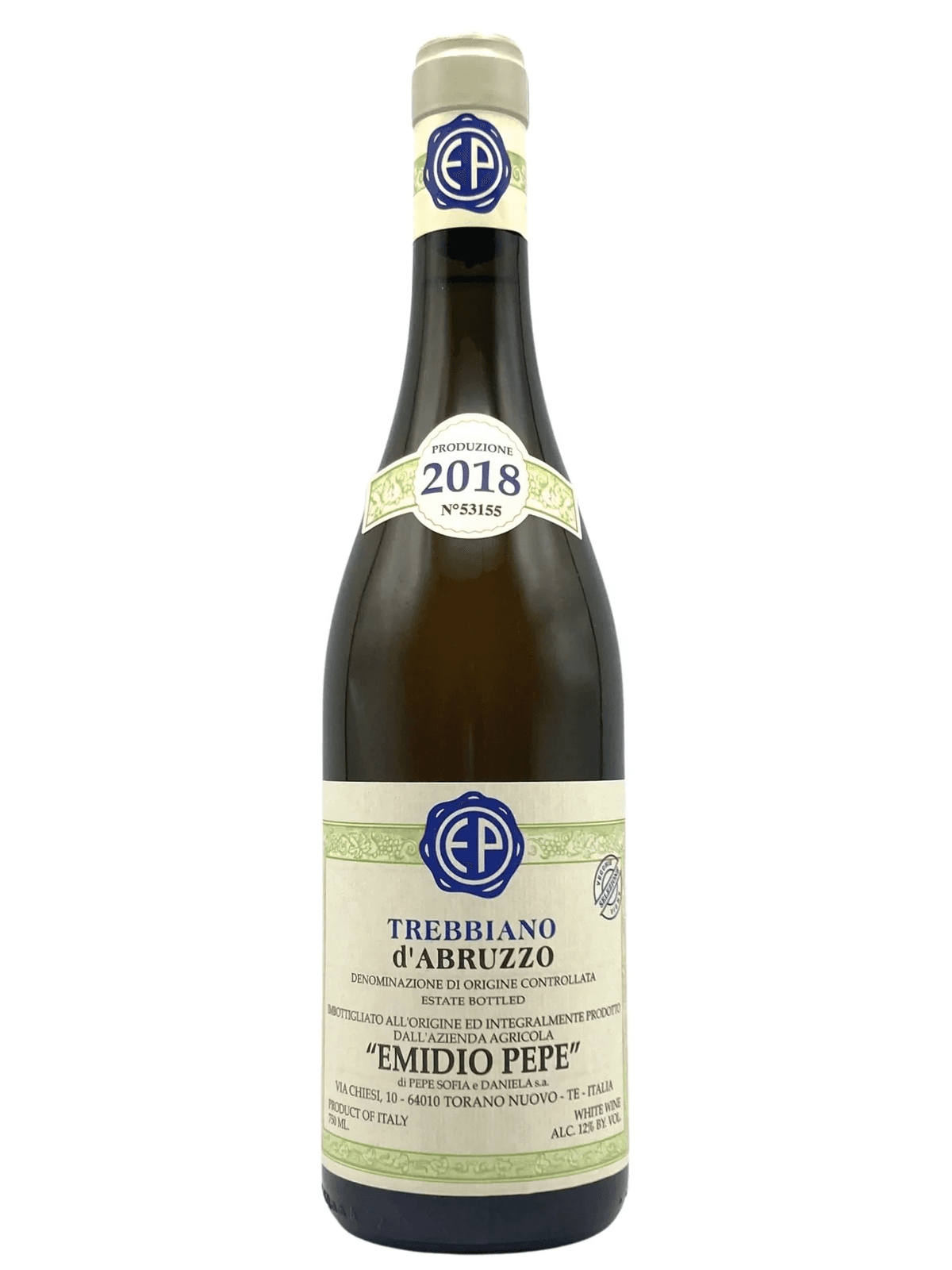
Emidio Pepe Trebbiano d’Abruzzo 2018
Azienda Agricola Emidio Pepe
Emidio Pepe’s Trebbiano is the ultimate argument that subtraction can be a catalyst. In a world where winemakers add cultured yeast, sulfur, enzymes, oak chips, and a dozen other interventions to control outcomes, Pepe removed them all — and produced a wine that consistently ranks among Italy’s finest whites. The 2018 vintage is extraordinary: the warmth of the year gave the Trebbiano grape a concentration it rarely achieves, while the cement-tank aging and bottle maturation added layers of honey, toasted almond, and waxy texture that make this taste nothing like the thin, neutral Trebbiano most people know. This is a wine that makes you reconsider what you thought you knew about a grape — and that reconsideration is Pepe’s greatest legacy.
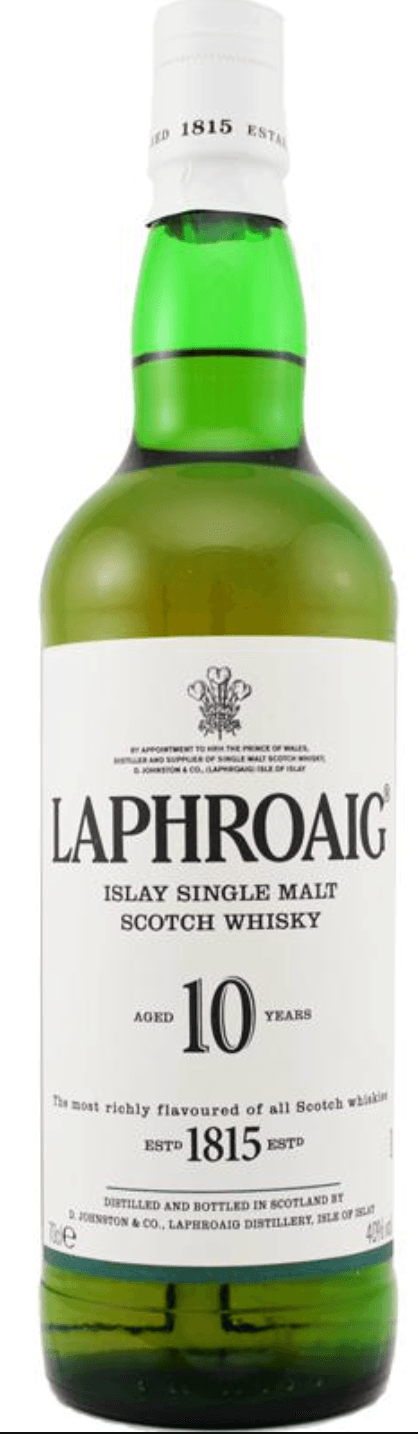
Laphroaig 10 Year Old
Suntory Global Spirits (Laphroaig Distillery, est. 1815)
Laphroaig 10 is the whisky that people either love or hate — and that’s exactly the point. While most Scotch distilleries have softened their profiles to broaden appeal, Laphroaig has doubled down on everything that makes it divisive: the medicinal peat smoke, the seaweed, the iodine. They still floor-malt roughly 20% of their barley on-site, drying it over local Islay peat — a labor-intensive practice almost every other distillery abandoned decades ago. The result is a whisky with a sense of place so vivid you can taste the Atlantic. Prince Charles liked it so much he granted it a Royal Warrant in 1994. You’ll either get it or you won’t, and Laphroaig is perfectly fine with that.
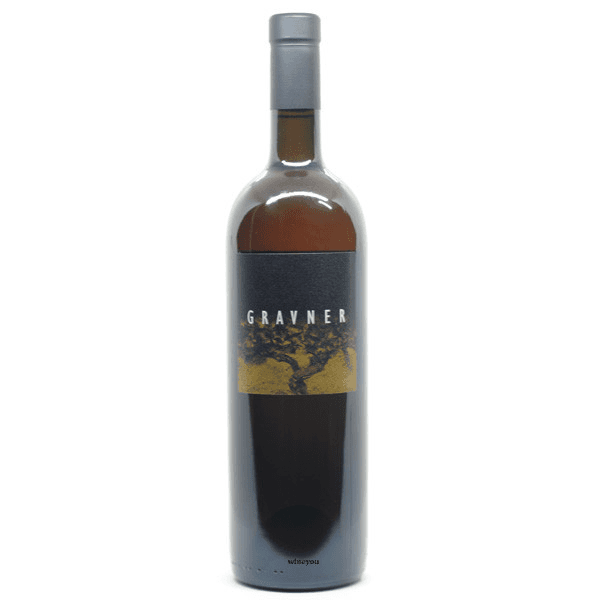
Gravner Ribolla Gialla 2015
Gravner
Gravner's experiment was the most radical in this lineup: he didn't tweak a process or add an ingredient — he threw away thirty years of modern winemaking and started over with seven-thousand-year-old technology. The Ribolla Gialla spends months on its skins in buried amphorae, developing a tannic structure and amber color that no conventional white wine possesses. Then it rests for six years in large oak before release. The result is a wine that defies categorization — not white, not red, not rosé, but something ancient and entirely its own. It proved that the oldest methods in winemaking weren't primitive — they were ahead of their time.
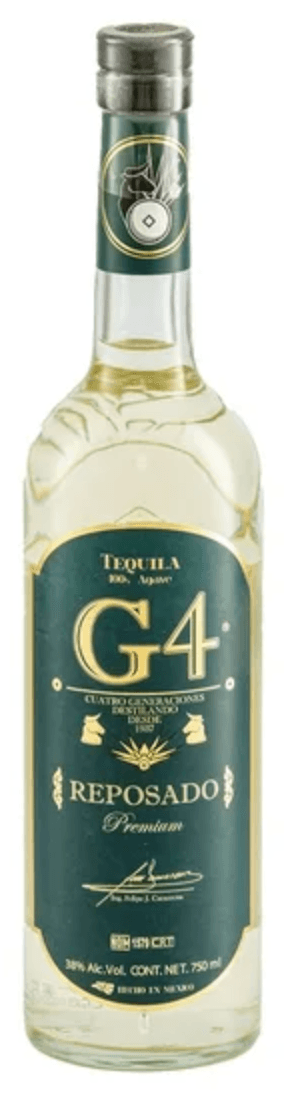
G4 Reposado
El Pandillo (Felipe Camarena)
G4 is what happens when a family’s fourth generation refuses to cut corners. Felipe Camarena’s dedication to stone ovens, natural fermentation, and unhurried aging produces a reposado where the agave stays front and center. The six months in bourbon barrels add warmth and spice without covering up the plant. This is a tequila for people who want to taste where it came from — the stone oven method preserves complex agave sugars that modern autoclaves simply can’t replicate.
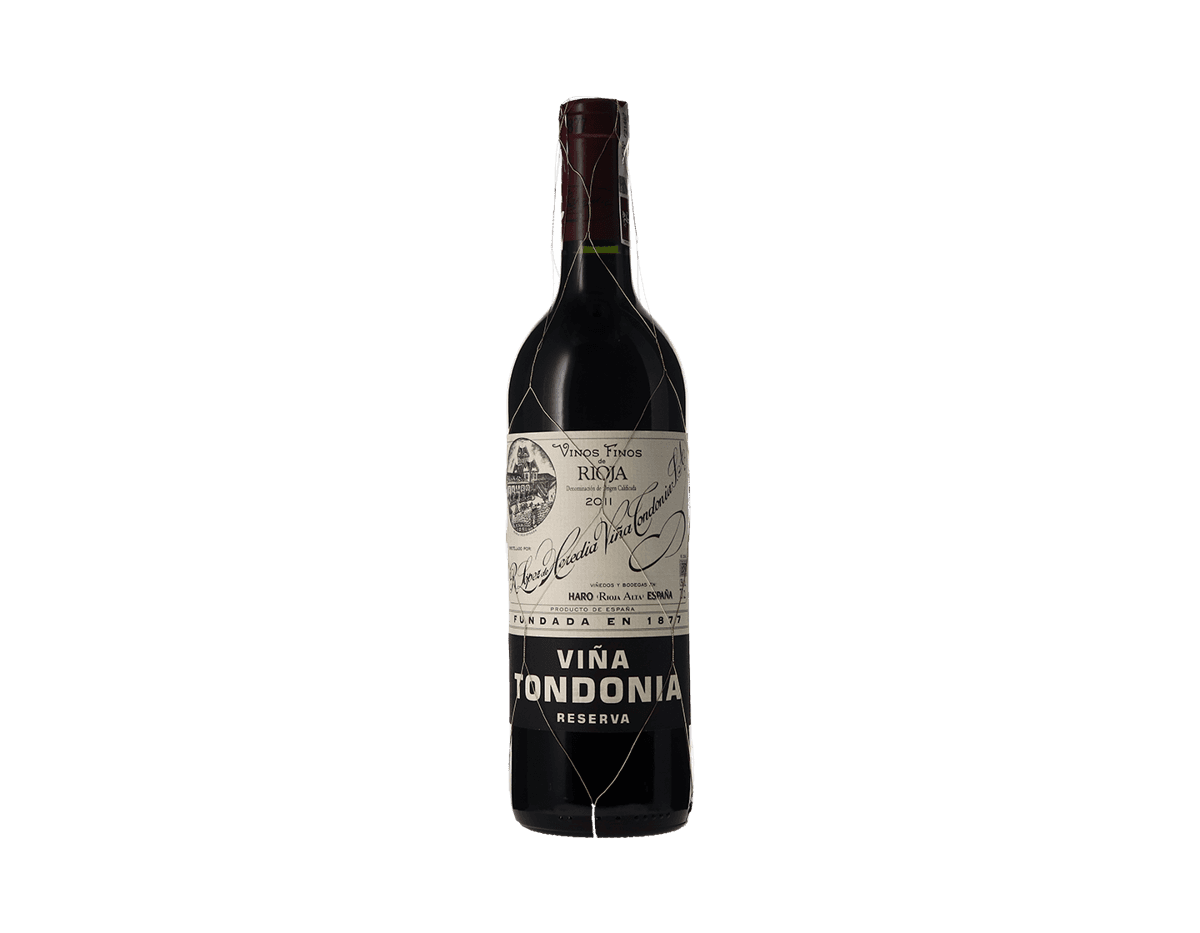
López de Heredia Viña Tondonia Reserva 2011
R. López de Heredia Viña Tondonia S.A.
Viña Tondonia Reserva is the ultimate slow-reveal wine — a bottle that spent six years in barrel and still isn't done evolving when you pour it.
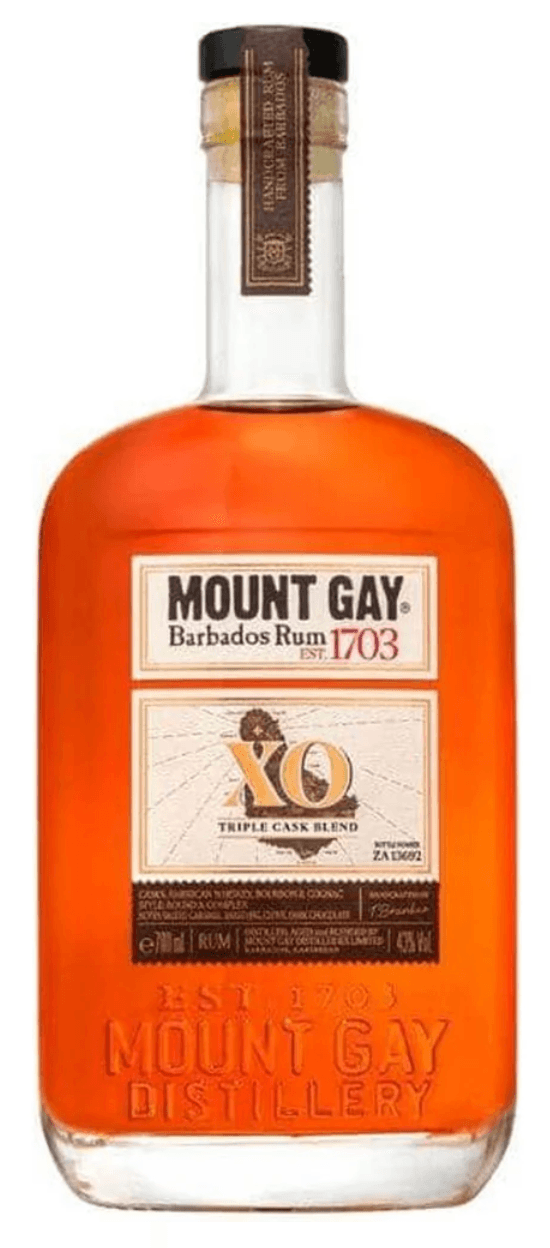
Mount Gay XO
Remy Cointreau
Mount Gay XO carries 323 years of history in every sip. The artesian well dug in 1703 still supplies the distillery today, its water filtered through Barbados’ coral bedrock — a natural purification system that adds subtle minerality to the spirit. The triple cask maturation (whiskey, bourbon, and Cognac barrels) creates layers of complexity that unfold over minutes in the glass. Master Blender Jerry Edwards created the original XO expression in 1991, and it was the first XO in the rum category. This is sipping rum at its finest — no mixer needed, no apologies required.
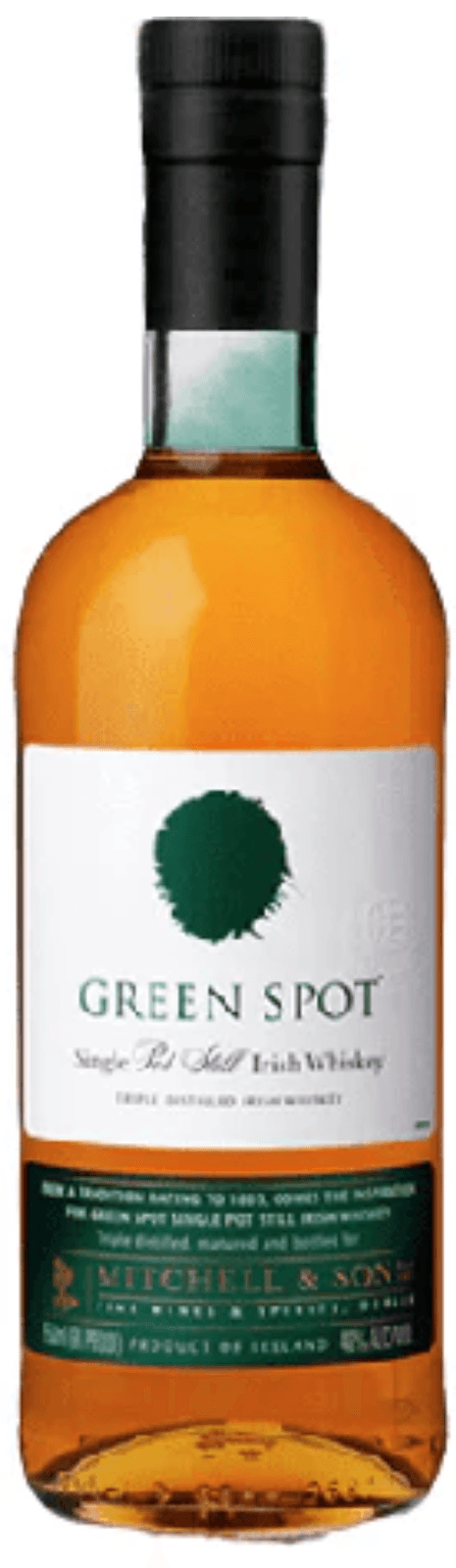
Green Spot Single Pot Still
Pernod Ricard (Irish Distillers) — bonded for Mitchell & Son
Green Spot is the whiskey equivalent of a hidden gem that everyone secretly knows about. The name comes from the colored spots Mitchell & Son dabbed on barrels to indicate age — green for youngest, yellow and red for older. What makes it special is the single pot still method: both malted and unmalted barley distilled together in copper pot stills, creating that signature creamy, spicy texture that defines great Irish whiskey. At this price, it punches well above its weight.
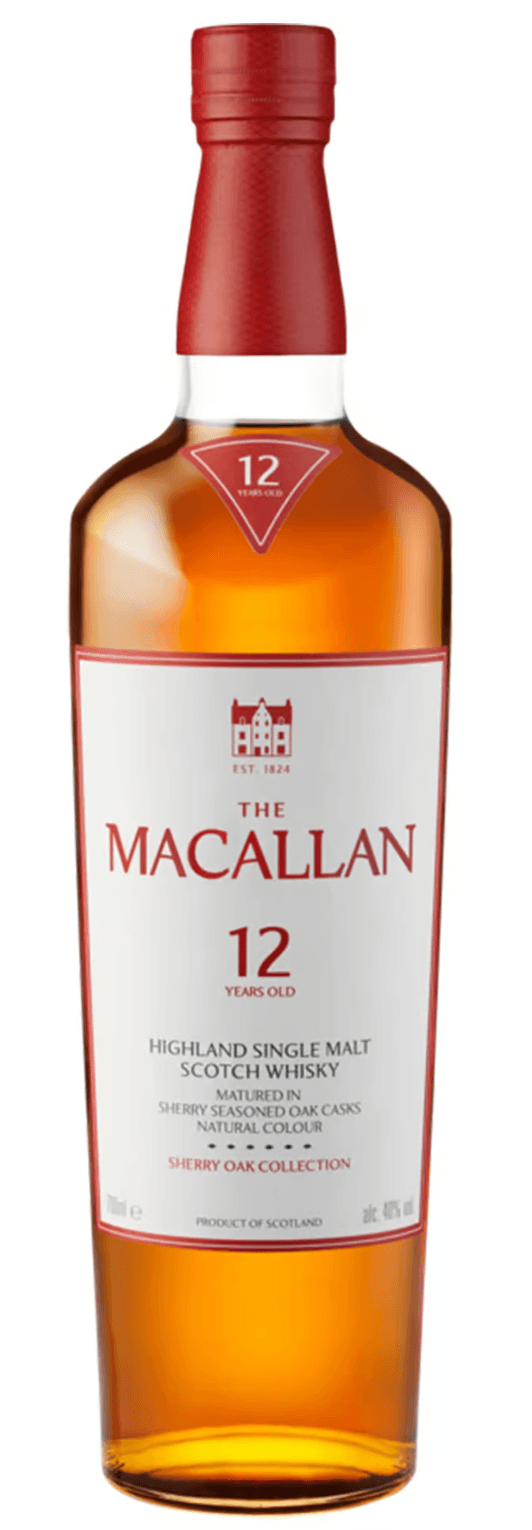
Macallan 12 Year Old Sherry Oak
Edrington Group (The Macallan, est. 1824)
The Macallan 12 Sherry Oak is a masterclass in the patience of wood. While most distilleries treat cask selection as a purchasing decision, Macallan treats it as an art — commissioning their own sherry-seasoned casks in Jerez, waiting two years for the sherry to condition the wood, then waiting another twelve years for the whisky to mature inside it. That's fourteen years of patience before a single drop reaches a bottle. The result is a whisky where the cask and the spirit are in perfect dialogue: neither dominates, and the sherry influence reads as complexity, not sweetness. Macallan's tiny copper stills — the smallest on Speyside — concentrate the new make spirit, giving it the heft to stand up to such assertive wood. This is the benchmark against which all sherry-matured Scotch is measured, and it earns that status through the simplest and most difficult virtue: time.
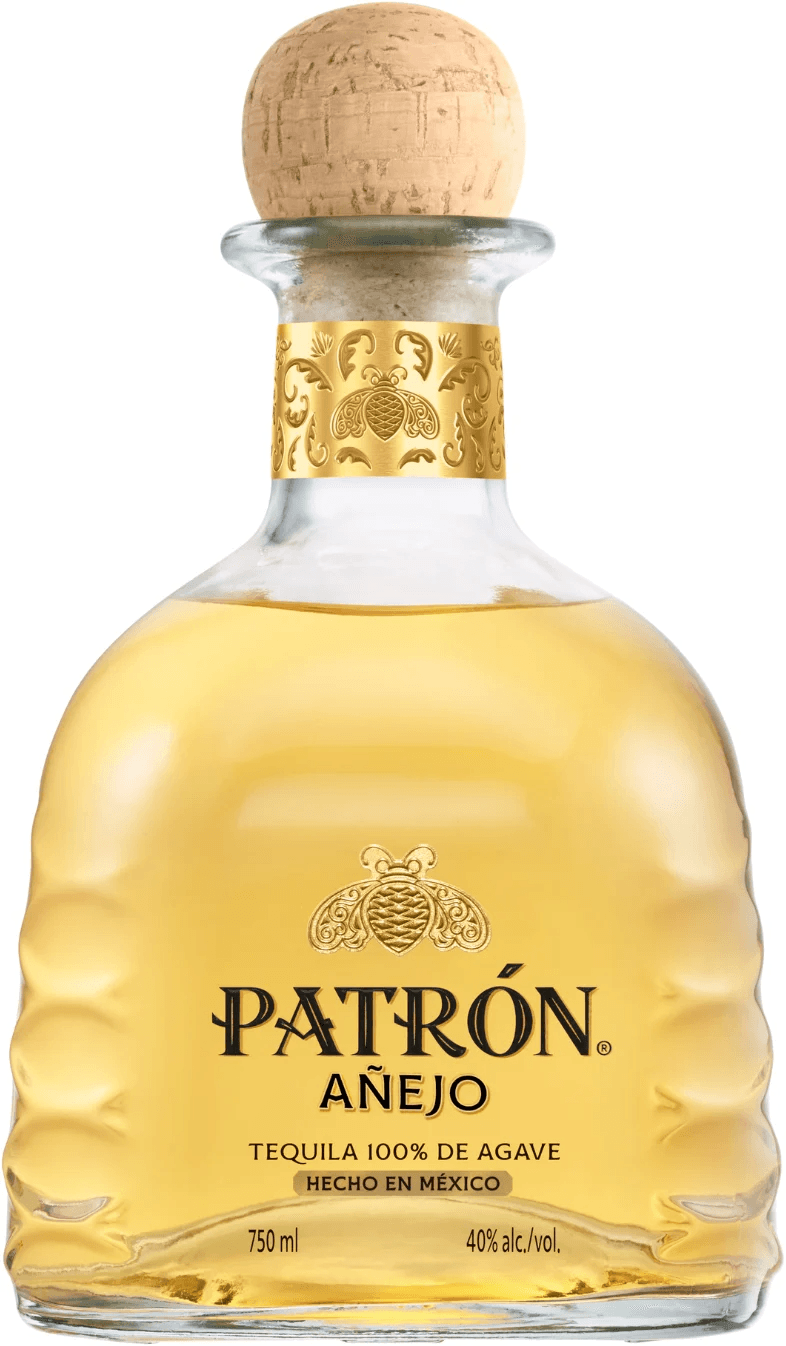
Patrón Añejo
Patrón Spirits International (Bacardi Limited)
Patrón Añejo is proof that popularity and quality are not mutually exclusive. In an era of marketing-driven premium spirits, Patrón remains rooted in Francisco Alcaraz's original vision: 100% blue agave, proper resting time, and honest craftsmanship. The Añejo is the expression that rewards patient sipping.
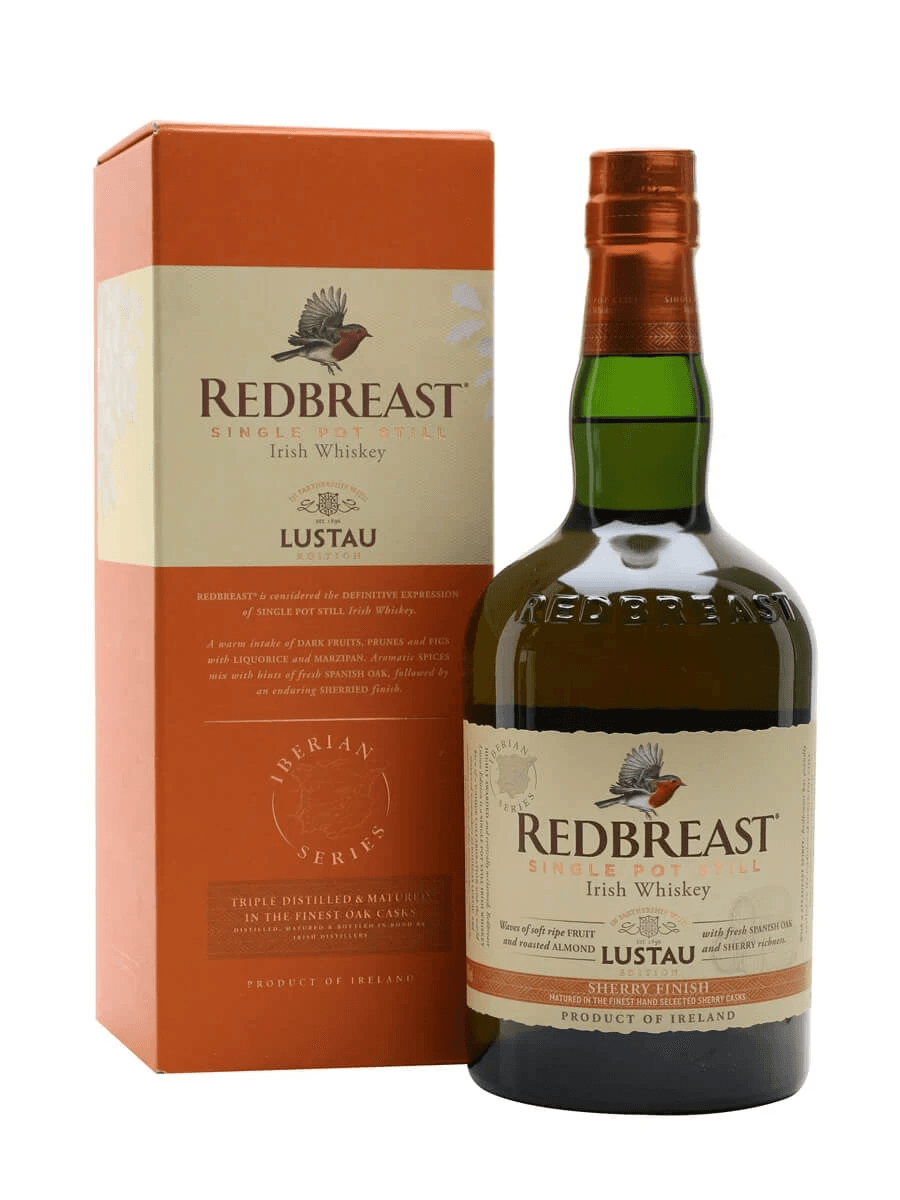
Redbreast Lustau Edition
Irish Distillers (Pernod Ricard)
The Lustau Edition is Redbreast's most layered expression — a whiskey that seems to change shape in the glass. That final year in Lustau's first-fill Oloroso butts doesn't overpower the pot still character; it adds a last chapter to an already complex story.

Sagamore 7 Year Old Bottled in Bond Rye Whiskey
Sagamore Spirit
Sagamore's 7-year bottled-in-bond release is a showcase for what Maryland rye can be when given time and discipline. The extra age compared to their standard offerings adds depth and complexity without losing the vibrant, spice-forward character that defines the style. At 100 proof, it has the muscle for cocktails but the refinement to reward slow, contemplative sipping.

Sentinel of the Desert Bourbon Whiskey Del Bac Mesquited Barrel Staves Finish
Del Bac
Hamilton Distillers continues to carve out a singular identity in American whiskey, and this mesquite-finished expression is a compelling argument for terroir-driven bourbon. The mesquite stave finish adds genuine depth without gimmickry — it feels intentional and well-integrated. A worthy pour for anyone looking to explore what happens when bourbon meets the desert Southwest.