Price
$50 – $100
78 reviews
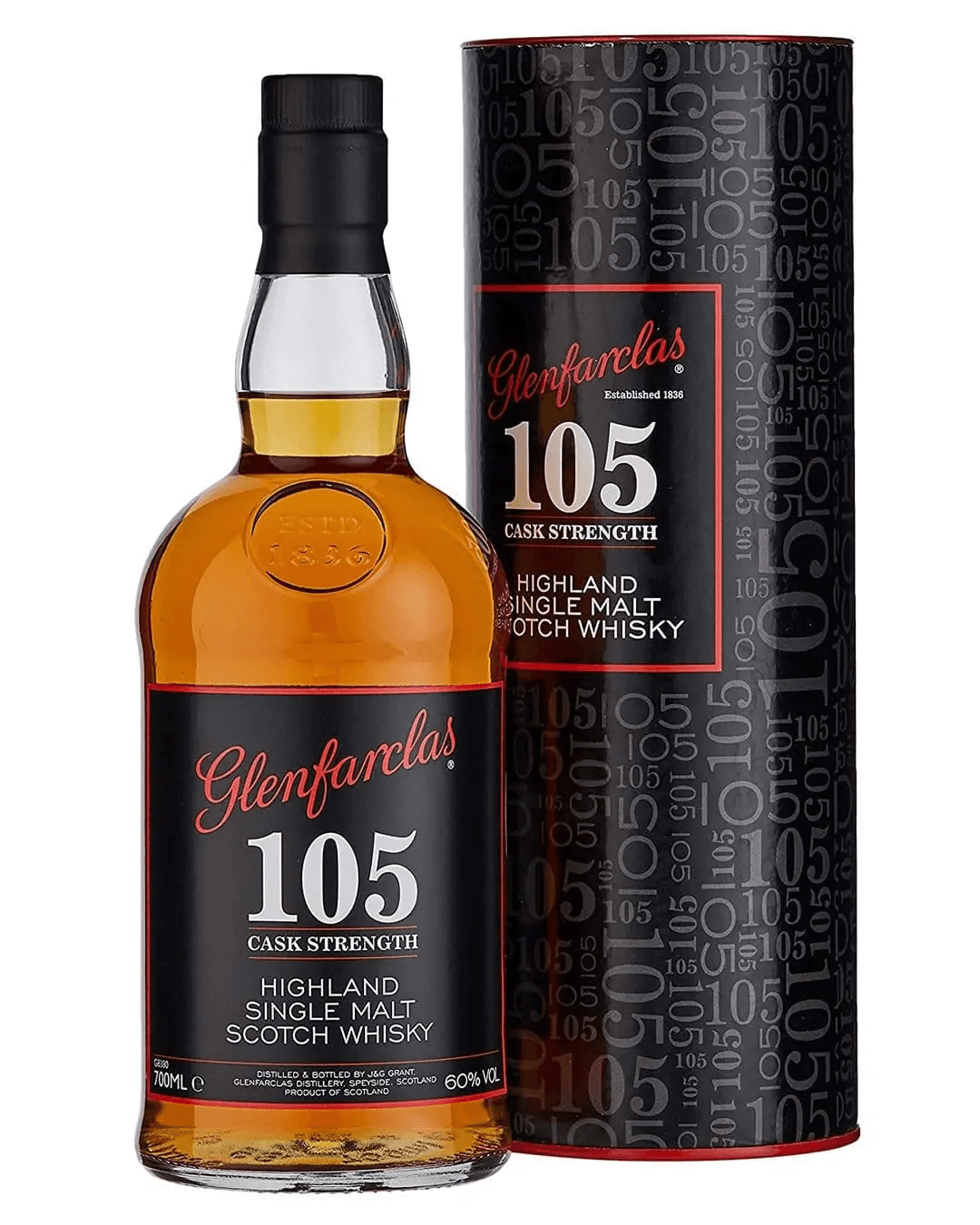
Glenfarclas 105 Cask Strength
J. & G. Grant (Grant family, sixth generation)
Glenfarclas 105 is one of the longest-running cask-strength single malts on the market — the distillery released it in 1968. The Grant family have never chill-filtered, colored, or cut it with water.
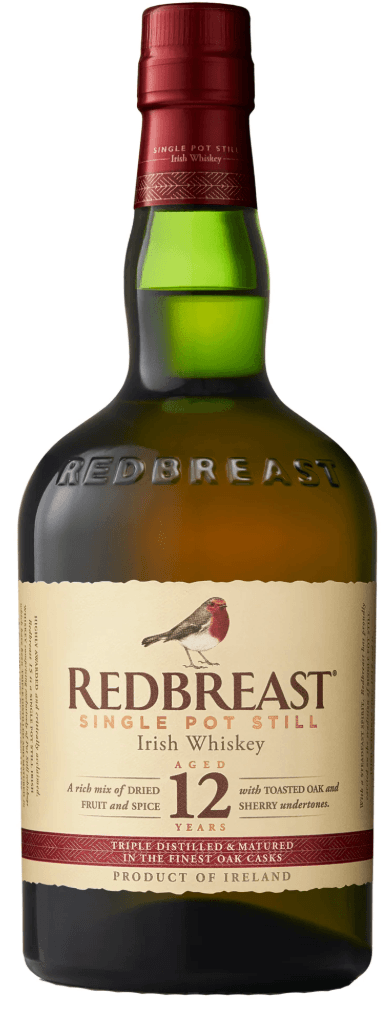
Redbreast 12 Year Old
Pernod Ricard (Irish Distillers)
Redbreast 12 is the definitive pot still Irish whiskey — the one that shows you what the fuss is about. The 50/50 split of malted and unmalted barley creates a texture that’s impossible to achieve with malt alone: creamy, spicy, and full-bodied in a way that triple distillation normally smooths out. The combination of ex-bourbon honey and sherry dried fruit is seamless. The name comes from a bird-loving Gilbeys chairman in 1912, but the whiskey itself has roots stretching back much further — it’s one of only two single pot still brands produced nearly continuously since the early 1900s.
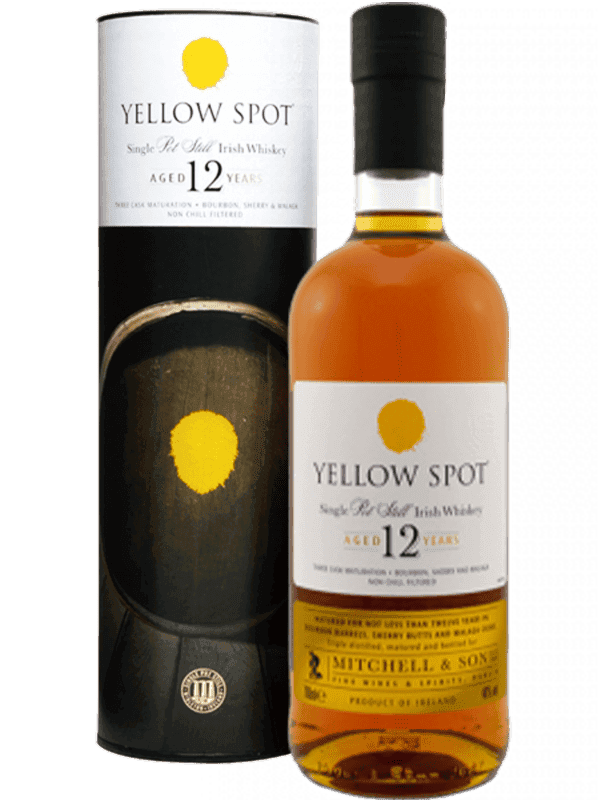
Yellow Spot 12 Year Old
Irish Distillers (Pernod Ricard)
Yellow Spot is the middle child of the Spot range, and arguably the most balanced. Three-cask blend: bourbon, sherry, and Malaga.
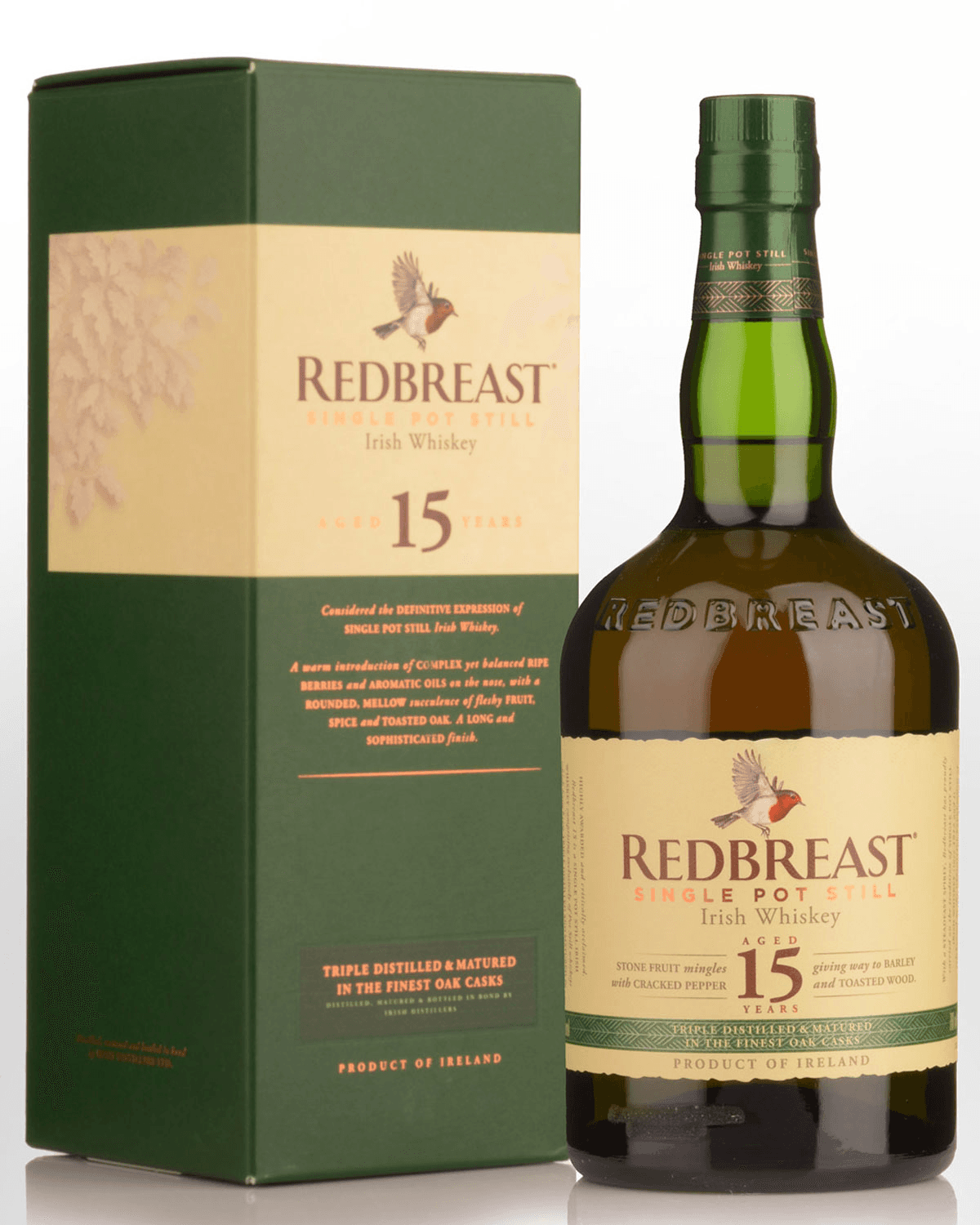
Redbreast 15 Year Old
Irish Distillers (Pernod Ricard)
Redbreast 15 is where Irish whiskey proves its claim to greatness. Every additional year beyond the 12-year expression adds another dimension — more dried fruit, deeper oak integration, and a creaminess that recalls the finest aged spirits from anywhere in the world.
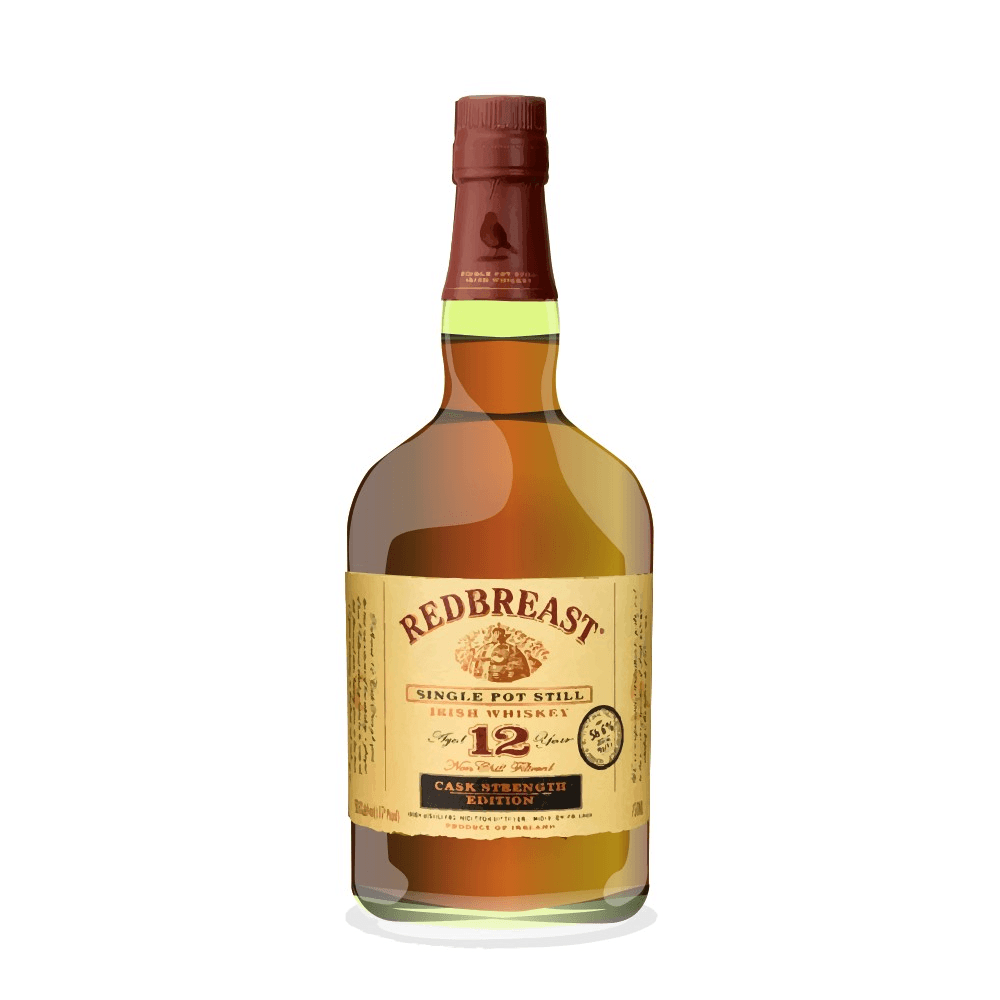
Redbreast 12 Year Old Cask Strength
Irish Distillers (Pernod Ricard)
Redbreast 12 Cask Strength is the uncut, non-chill-filtered expression of the whiskey that revived Irish single pot still as a serious category. Midleton bottles it batch by batch at each cask's natural proof.
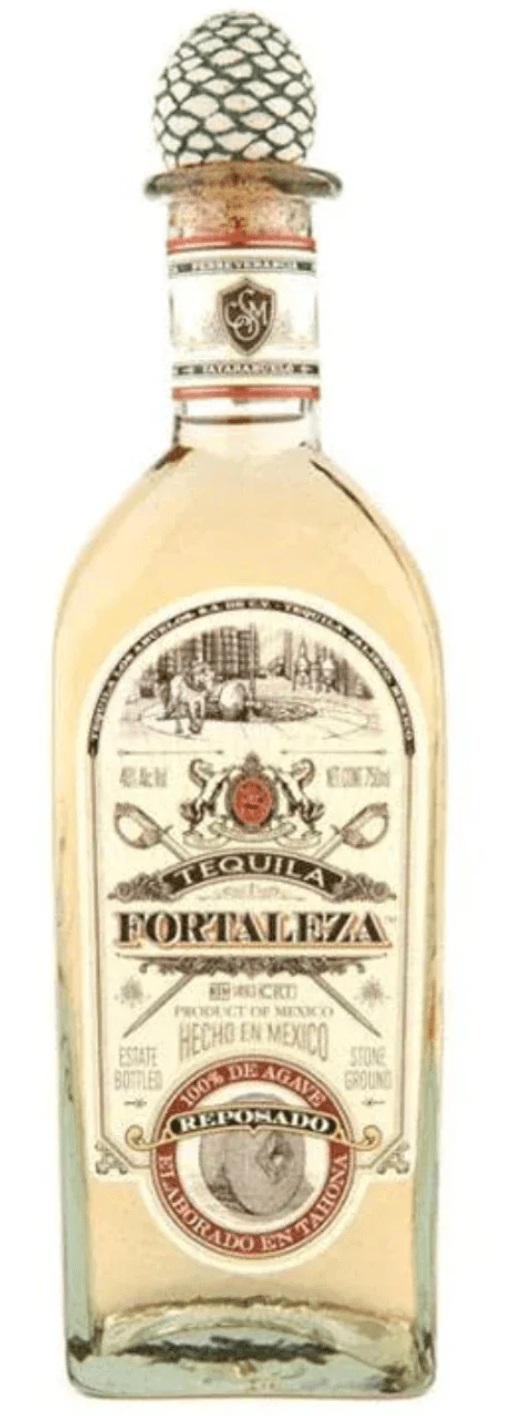
Fortaleza Reposado
Destilería La Fortaleza (Guillermo Erickson Sauza)
Fortaleza is tequila made the way it was meant to be made. While most modern producers use autoclaves and diffusers for speed and efficiency, Guillermo Sauza — great-great-grandson of Don Cenobio Sauza, the “Father of Tequila” — insists on the tahona, the brick oven, and the wooden fermentation tanks. The volcanic spring water that feeds the distillery carries minerals from deep within the stratovolcano, and you can taste the terroir in every sip. The reposado rests just long enough to gain warmth and vanilla from the barrel without losing the agave’s voice.
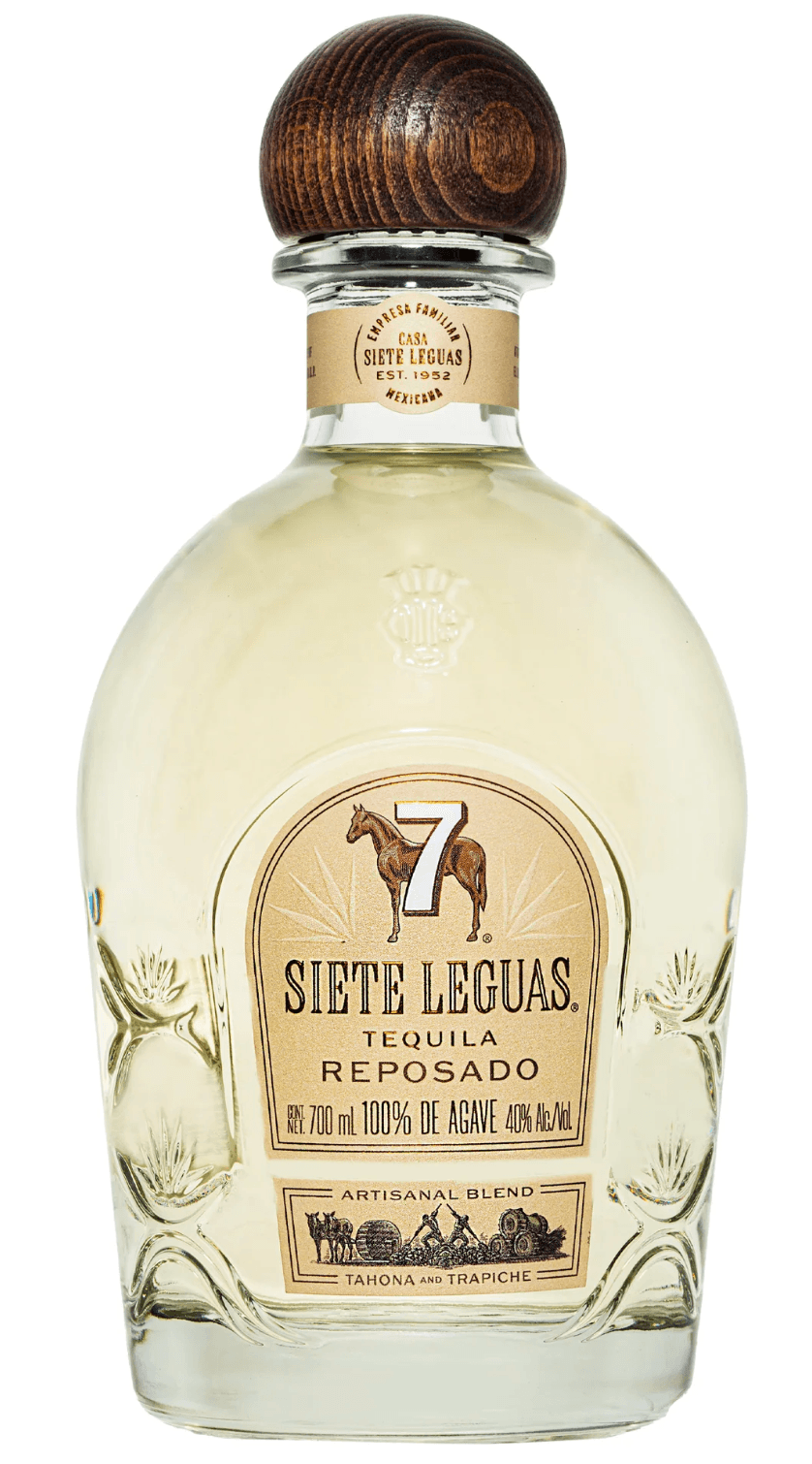
Siete Leguas Reposado
Casa Siete Leguas (est. 1952)
If El Tesoro is the tequila nerd’s tequila, Siete Leguas is the tequila maker’s tequila. This is the distillery where Don Julio González originally made his tequila before launching his own brand — yes, Don Julio tequila was born at Siete Leguas. The family has refused every shortcut the modern tequila industry has embraced: they still use brick ovens when autoclaves are faster, tahona stones when roller mills are cheaper, wooden fermentation tanks when stainless steel is easier to clean, and copper pot stills when column stills would be more efficient. The result is a tequila with a mineral complexity and savory depth that industrial methods simply cannot replicate. The Reposado’s eight months in American oak adds just enough vanilla and warmth without obscuring the agave and terroir. When tequila professionals talk about “the old way,” this is what they mean.
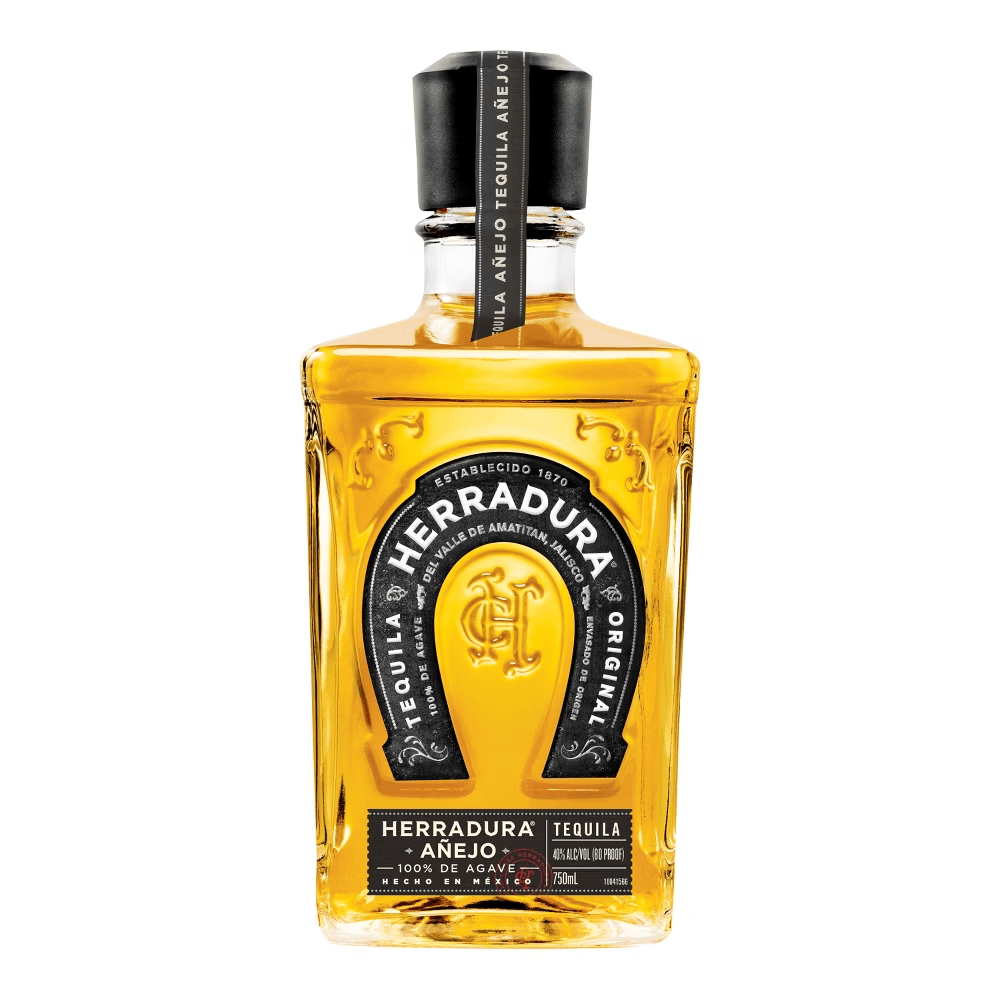
Herradura Añejo
Brown-Forman Corporation
Herradura Añejo is tequila heritage in a glass. Casa Herradura has been making tequila at the Hacienda San José del Refugio since 1870, and this añejo — aged 25 months, well beyond the 12-month minimum — shows the patience that comes with long experience.
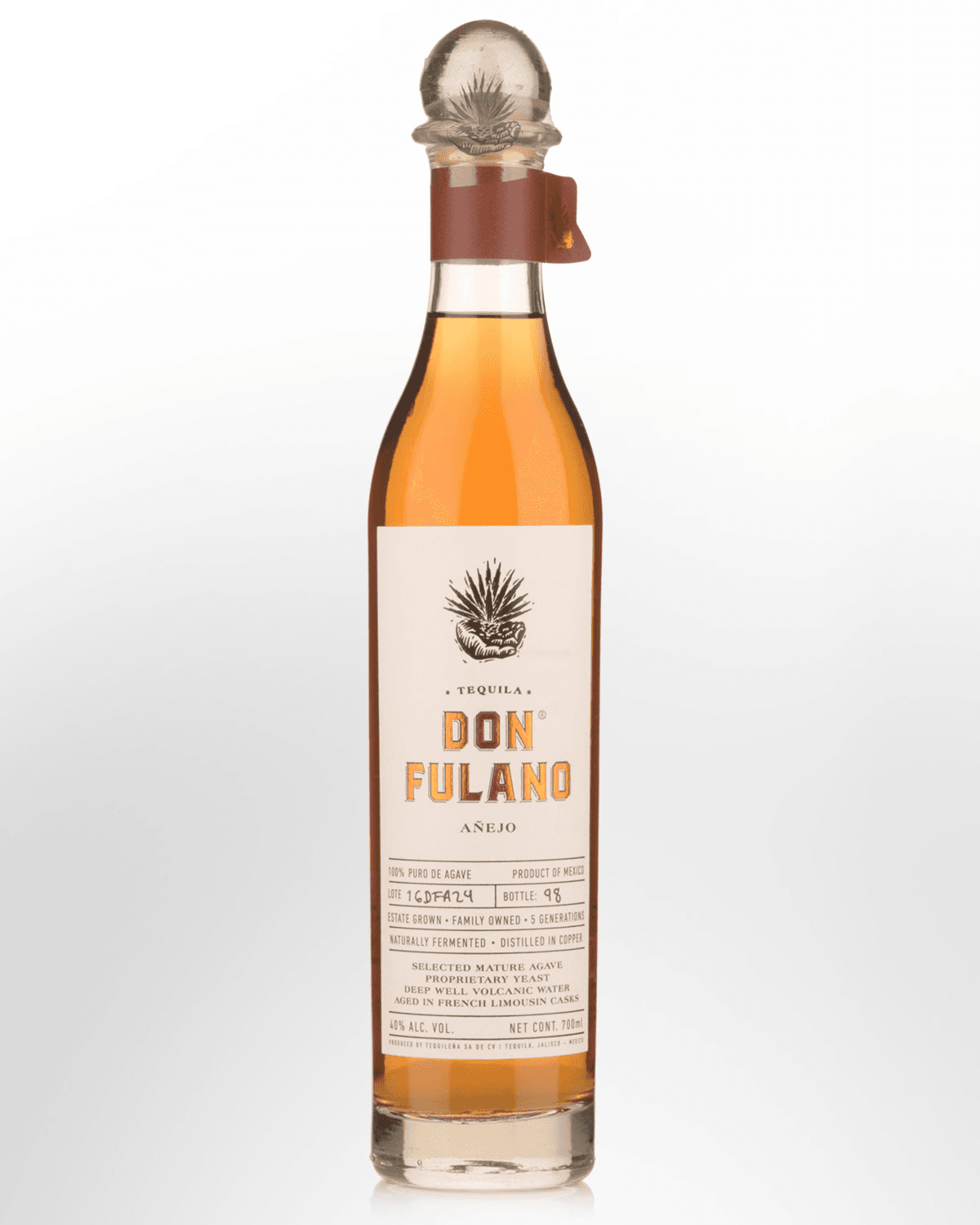
Don Fulano Anejo
Tequila Fonseca
Don Fulano Anejo is highland tequila at its most refined.
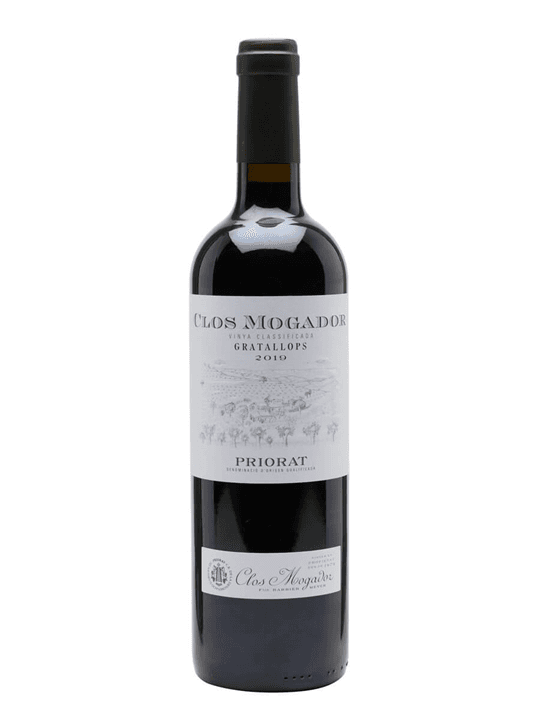
Clos Mogador Priorat 2019
Clos Mogador (Barbier Family)
Clos Mogador 2019 is the proving ground for an entire wine region. When René Barbier III planted vines on these abandoned Catalan terraces in 1979, Priorat was a ghost — its ancient vineyards reclaimed by scrub and silence. Barbier proved that the llicorella slate, the punishing altitude, and the Mediterranean heat were not obstacles but ingredients, and Clos Mogador became one of the five founding wines that transformed Priorat from obscurity into one of Spain's two DOQ-classified regions. The 2019 vintage is everything Priorat promises: power tempered by minerality, concentration balanced by freshness, and a finish that won't let you forget where it came from. Cocktail — The Priorat Sangria (serves 4): 1 bottle Clos Mogador 2019, 2 oz brandy, 1 oz orange liqueur, 2 oz fresh orange juice, sliced stone fruits and citrus. Combine in a pitcher and refrigerate for 4 hours. Serve over ice. A luxurious take on sangria that honors the wine's dark fruit and spice.
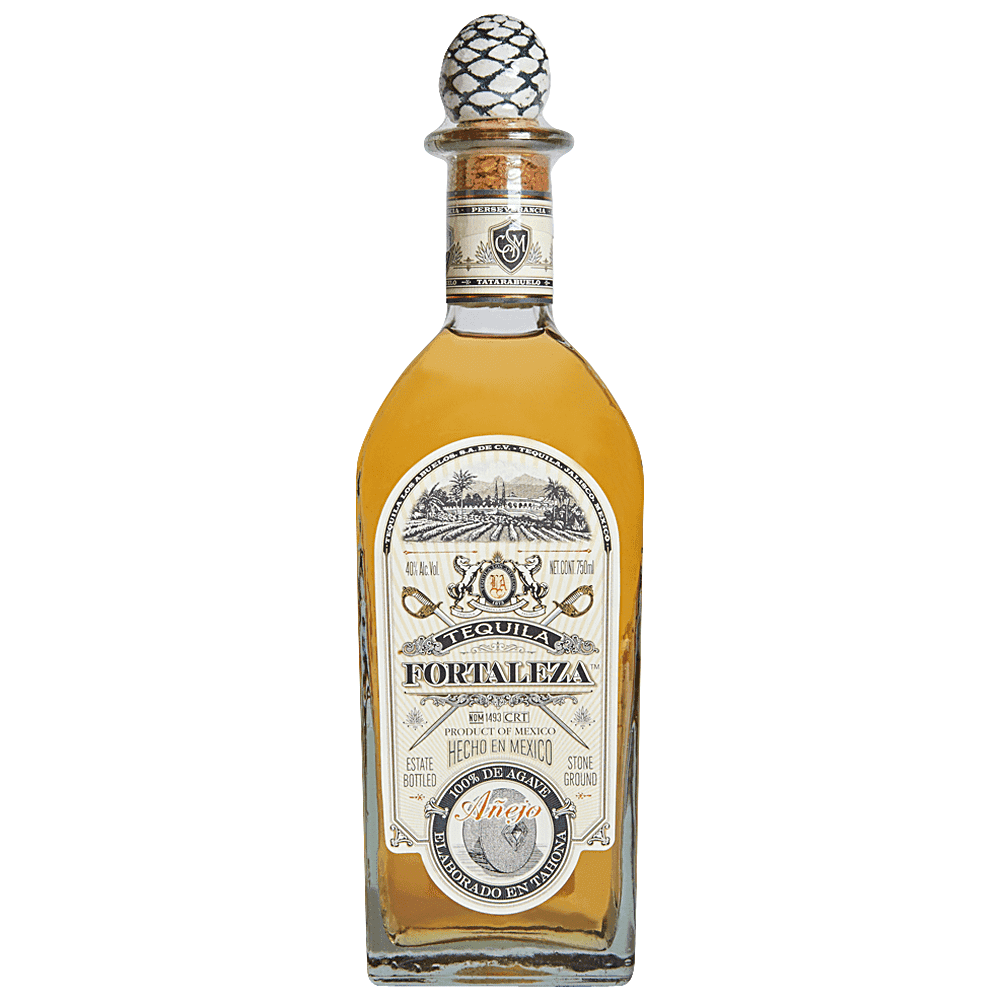
Fortaleza Añejo
Tequila Los Abuelos (NOM 1493)
Fortaleza Añejo is what happens when traditional methods meet patient barrel aging — and neither rushes the other. The tahona wheel produces a spirit with more texture and mineral complexity than a modern roller mill, and eighteen months in oak adds caramel depth without burying the agave.
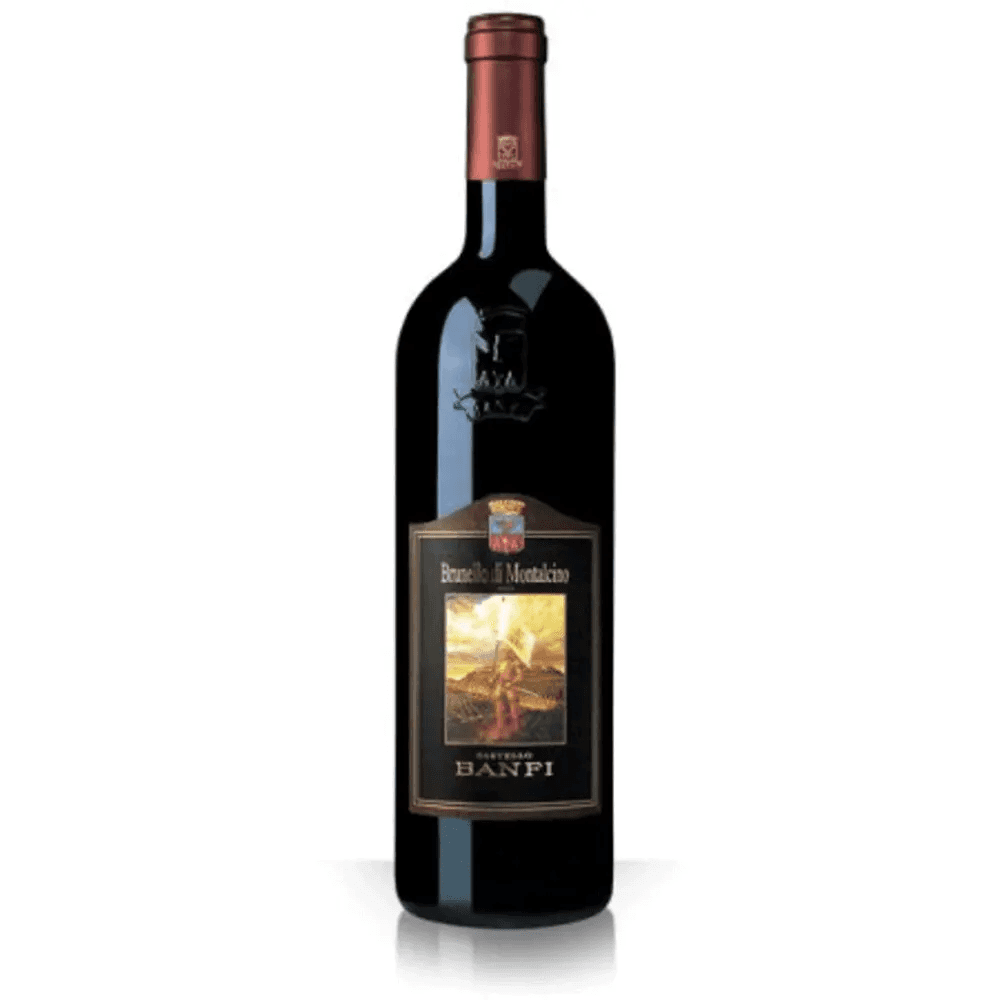
Banfi Brunello di Montalcino 2019
Banfi Vintners
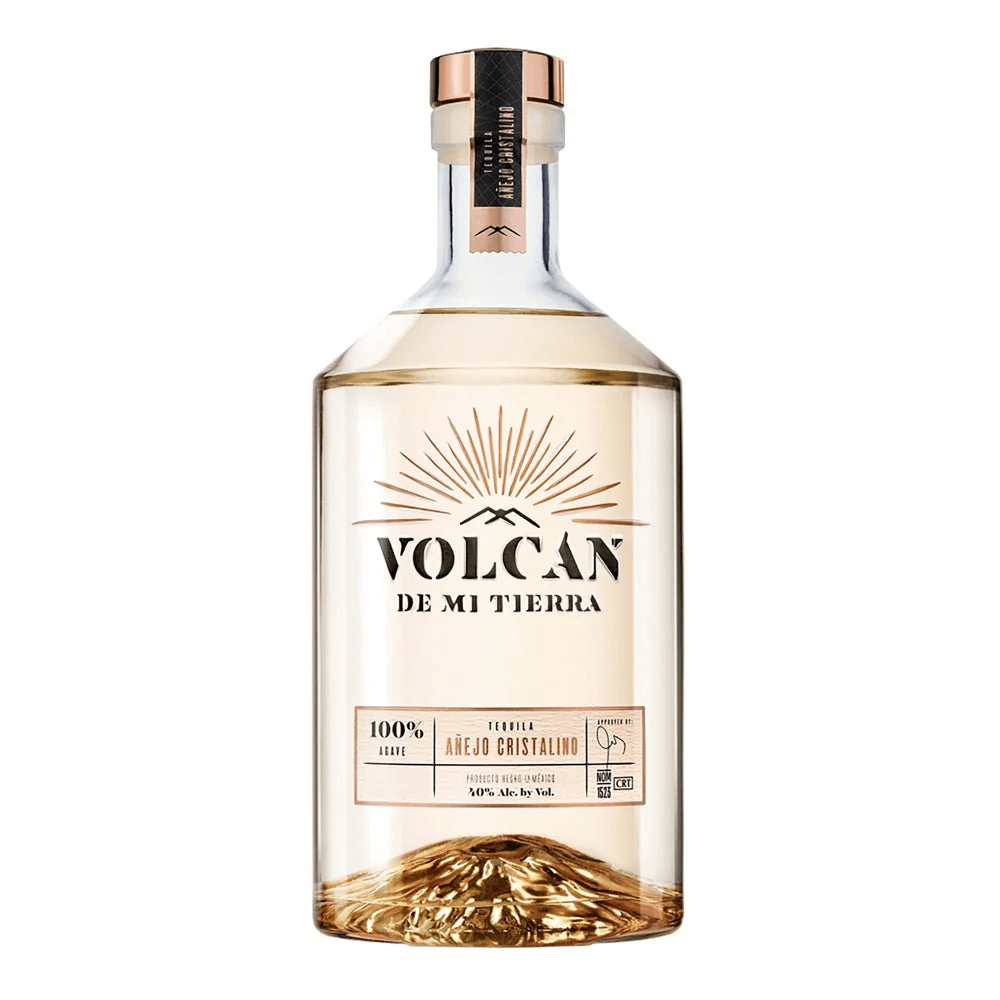
Volcán De Mi Tierra Cristalino
Moët Hennessy (LVMH)
The cristalino category is itself an experiment — the proposition that you can age a tequila for years, develop all that barrel complexity, then strip away the amber color through charcoal filtration without losing what the barrels gave you. Volcán De Mi Tierra pushes the experiment further by blending two different aged expressions from two different barrel types before filtering. The result is a tequila that looks like a blanco but drinks like an añejo — an optical illusion in a glass, and a compelling argument that color tells you far less about a spirit than you think.
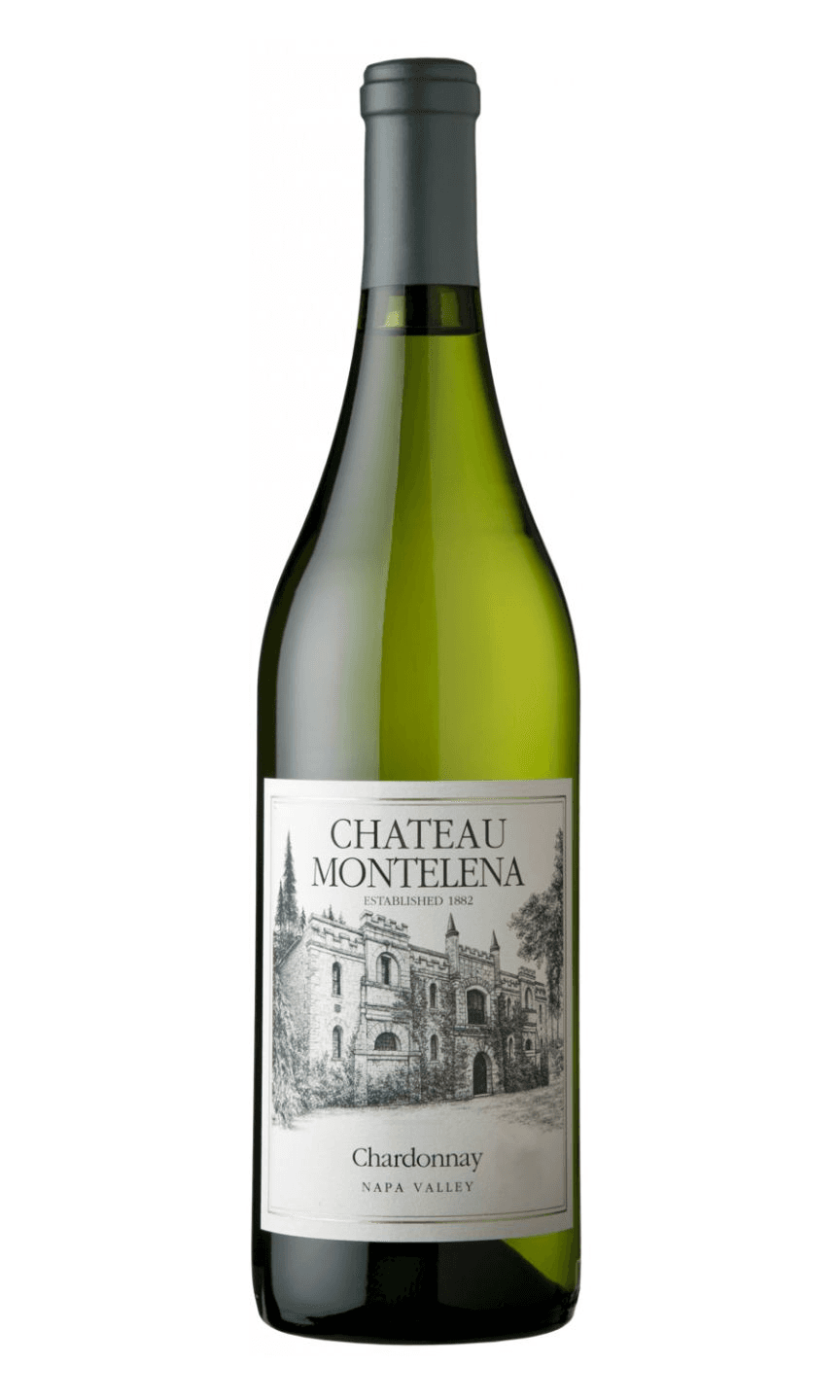
Château Montelena Chardonnay Napa Valley 2022
Château Montelena Winery (Barrett Family)
Château Montelena Chardonnay 2022 is the proving ground that changed the wine world — and then kept going. The 1976 Judgment of Paris proved that California could rival Burgundy; every vintage since has proved that the result was no accident. Under winemaker Matt Crafton, the 2022 continues Montelena's signature style: restrained, precise, and unapologetically built for purity over power. The blocked malolactic and early picking deliver a Chardonnay of exceptional freshness and focus — a wine that lets the fruit speak rather than the oak. For a house with a Smithsonian bottle to its name, that kind of quiet confidence is the most powerful statement of all. Cocktail — The Judgment Spritz: 4 oz Château Montelena Chardonnay, 1 oz elderflower liqueur, 2 oz sparkling water, squeeze of fresh lemon. Build in a wine glass over ice. Garnish with a lemon twist and a sprig of thyme. A light, elegant spritz that preserves the wine's delicate aromatics.
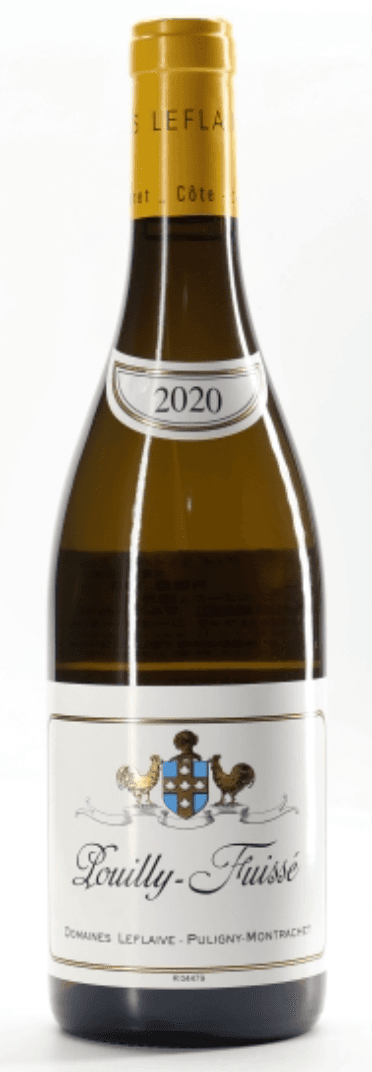
Domaine Leflaive Pouilly-Fuissé 2020
Domaine Leflaive (est. 1717)
The 2020 Domaine Leflaive Pouilly-Fuissé represents Burgundian Chardonnay at its most elegant.
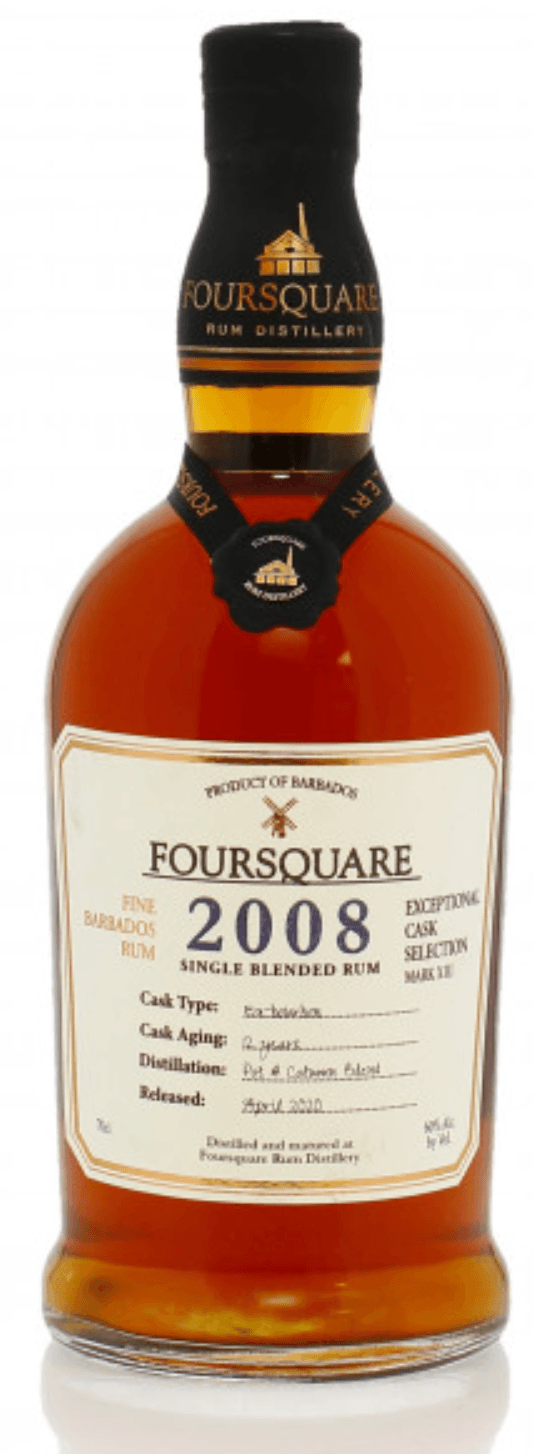
Foursquare 2008 Exceptional Cask Selection
R.L. Seale & Company (Foursquare, est. 1996)
Foursquare's ECS series has done for rum what single malt did for Scotch.
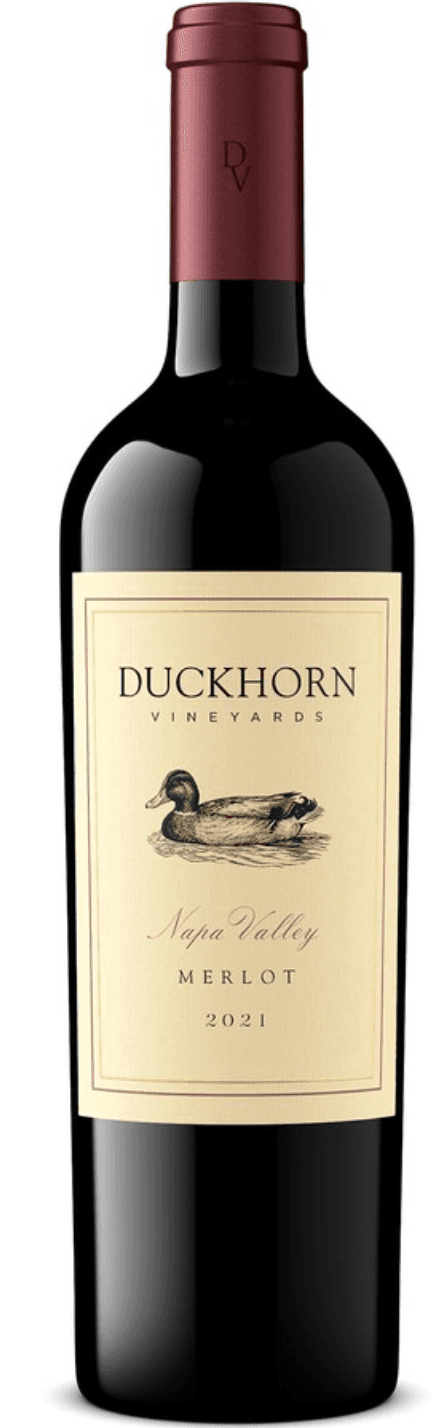
Duckhorn Vineyards Napa Valley Merlot 2021
The Duckhorn Portfolio, Inc.
Duckhorn didn’t just survive the “Sideways effect” — they thrived through it, because their Merlot was always too good to be dismissed. The 2021 vintage is a textbook example of why Napa Merlot deserves its place at the table: lush and approachable, but with enough Cabernet Sauvignon in the blend (22%) to provide structure and aging potential. This is the bottle that changes minds about Merlot.
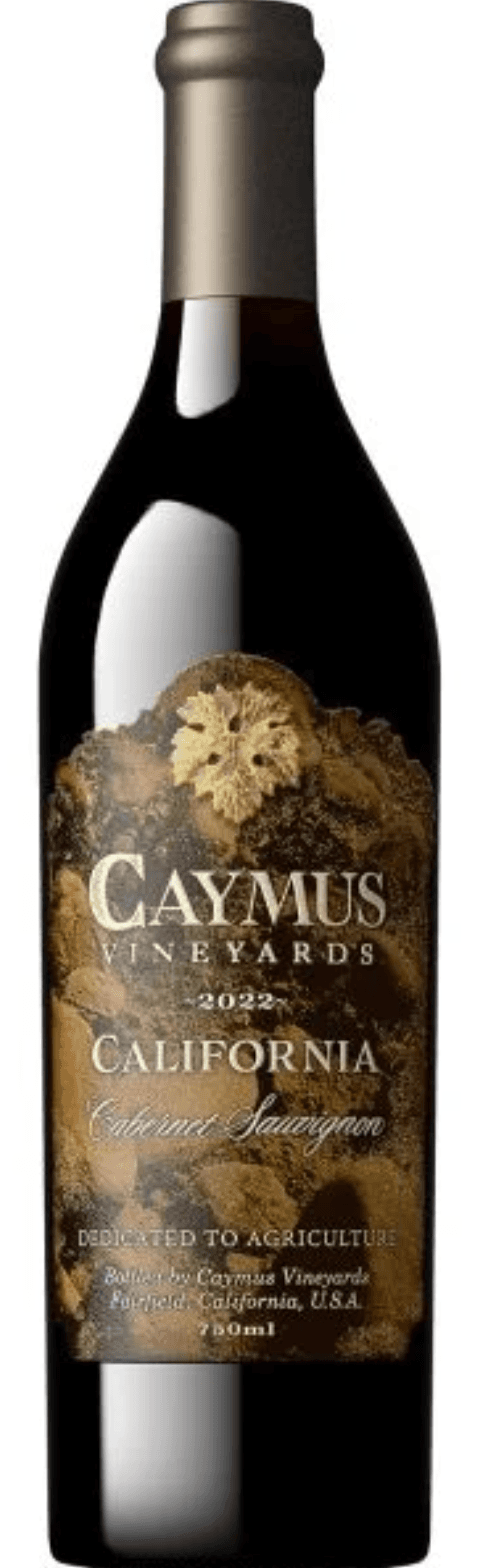
Caymus Vineyards Cabernet Sauvignon Napa Valley 2022
Wagner Family of Wine (Caymus Vineyards, est. 1972)
Caymus Cabernet Sauvignon is what happens when five decades of patience in the vineyard meet an unwavering commitment to a single vision. Chuck Wagner's approach is simple in concept and demanding in execution: wait for the fruit to reach perfect ripeness, blend across multiple Napa sub-appellations for complexity, and give the wine enough oak to frame the fruit without overwhelming it. Critics have debated the Caymus style for years — some find it too ripe, too rich, too crowd-pleasing — but the marketplace has settled the argument: this is one of the most consistently sought-after California Cabernets in existence. The 2022 vintage continues the tradition — dark, plush, generous, and built for the table rather than the cellar. Wagner's genius is making a wine that feels effortless, but that effortlessness comes from 50 years of learning what patience in the vineyard actually means.
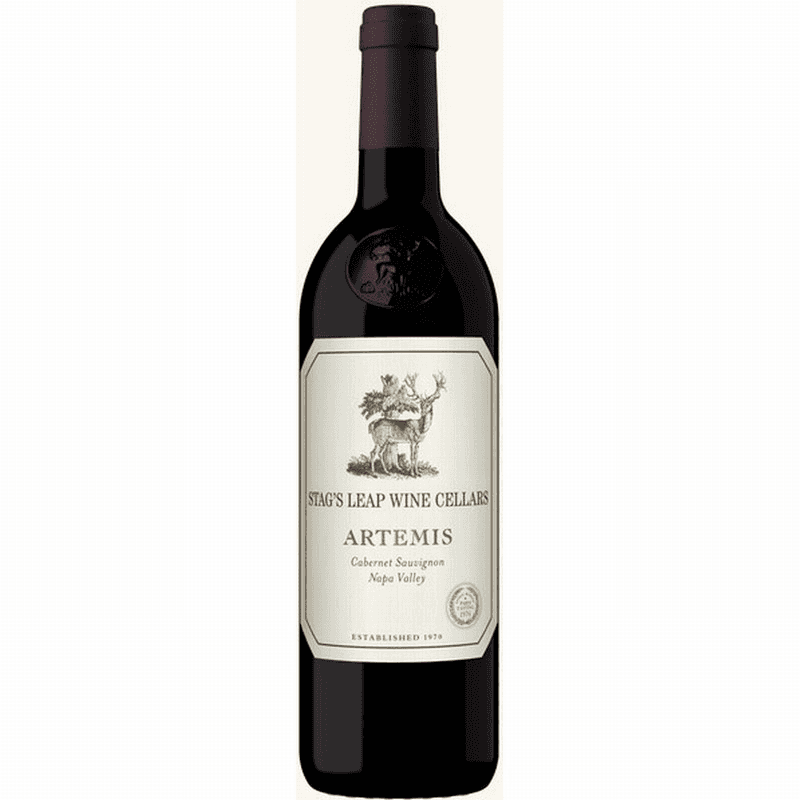
Stag's Leap Wine Cellars Artemis Cabernet Sauvignon 2021
Marchesi Antinori
Artemis is the more approachable sibling of the legendary CASK 23, but don't mistake accessibility for simplicity. The winemaking architecture is rigorous: fruit sourced from across Napa Valley with a heavy lean toward the Stags Leap District's volcanic soils, then aged in a calibrated mix of French and American oak that adds complexity without overwhelming the fruit. The name references the Greek goddess of the hunt — and there is something purposeful about this wine, a sense that every element has been placed with intention. The tannins are fine-grained and structural, the fruit is concentrated but not overblown, and the oak integration suggests design, not accident.

Lagavulin 16 Year
Lagavulin
Lagavulin 16 is the benchmark by which heavily peated Islay malts are measured, and it earns that status through balance rather than brute force. The interplay between smoke, sweetness, and maritime character is meticulously calibrated after 16 years of patient maturation. This is a bottle that belongs on every serious whisky shelf — not as a trophy, but as a teacher.
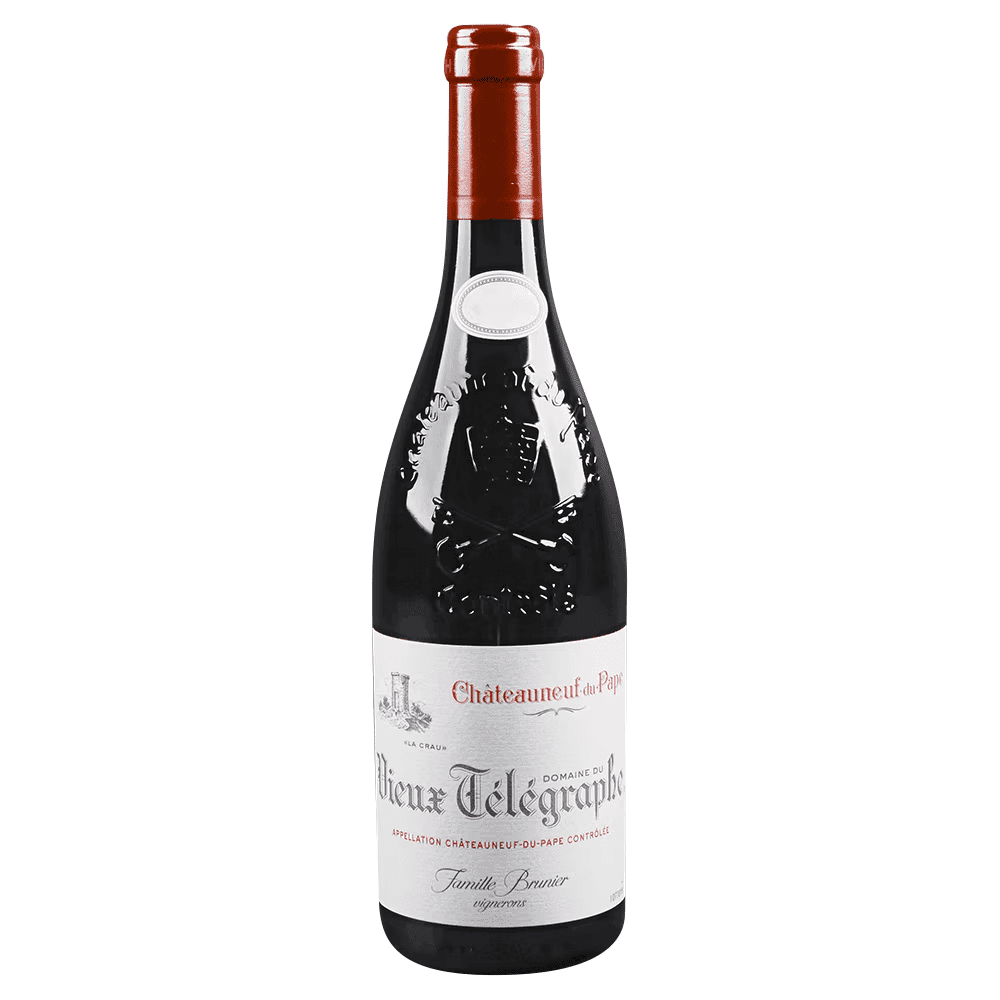
Domaine du Vieux Télégraphe La Crau 2020
Famille Brunier
Domaine du Vieux Télégraphe La Crau 2020 is the Châteauneuf-du-Pape that serious collectors buy by the case while everyone else chases Beaucastel and Rayas. The Brunier family has farmed the La Crau plateau since 1898.
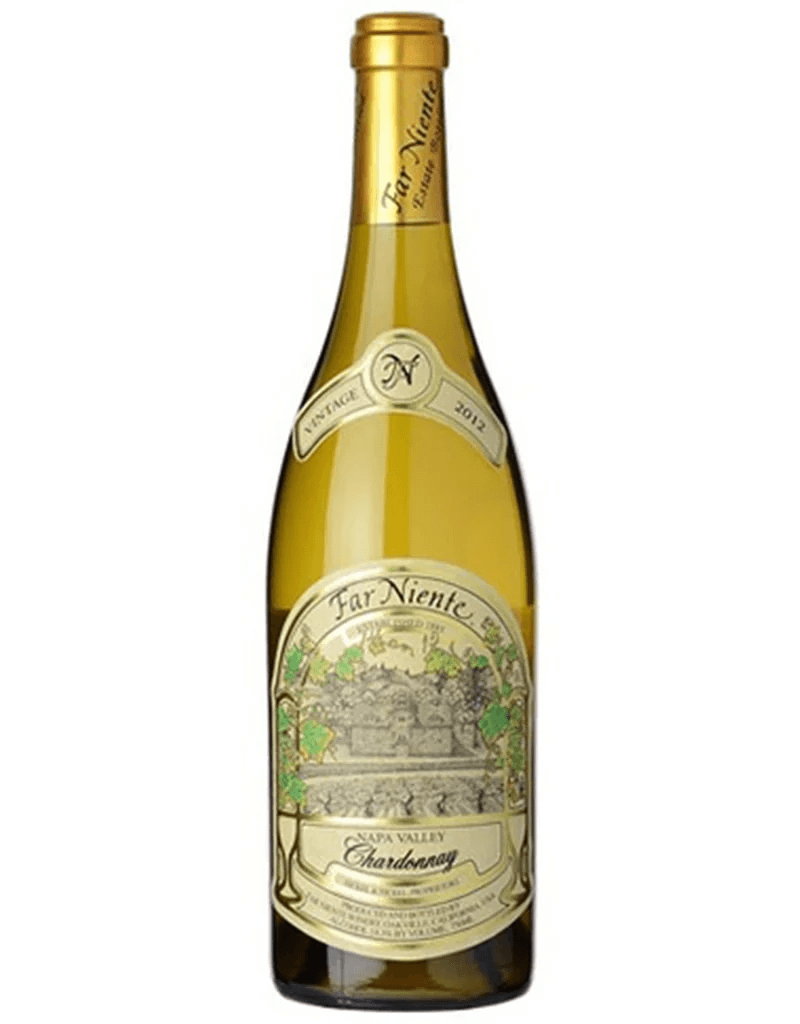
Far Niente Chardonnay Napa Valley 2022
Far Niente Winery
Far Niente Chardonnay is a Napa Valley institution — a wine that has set the standard for California Chardonnay since the estate's revival in 1979. Nicole Marchesi's winemaking philosophy is clear: every decision, from vineyard selection to barrel fermentation to malolactic aging, is made in service of balance rather than power.
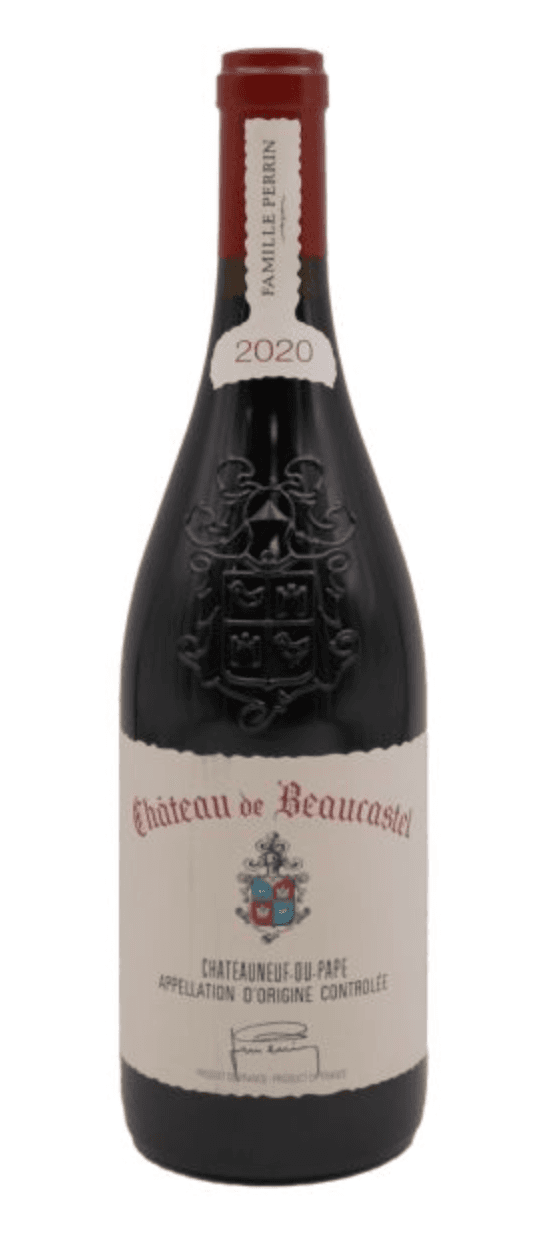
Château de Beaucastel Châteauneuf-du-Pape 2020
Famille Perrin (5th generation)
Beaucastel is Châteauneuf-du-Pape at its most complete. While most producers lean heavily on Grenache, the Perrins give Mourvèdre equal billing — and it shows in the wine’s structure, depth, and remarkable aging potential. The galets roulés — those iconic smooth river stones that carpet the vineyards — are more than photogenic; they store daytime heat and release it at night, pushing grapes to full phenolic ripeness. Organic since the 1950s and biodynamic since 1974, Beaucastel was farming this way decades before it was fashionable. The 2020 vintage scored 97 points from Robert Parker’s Wine Advocate.
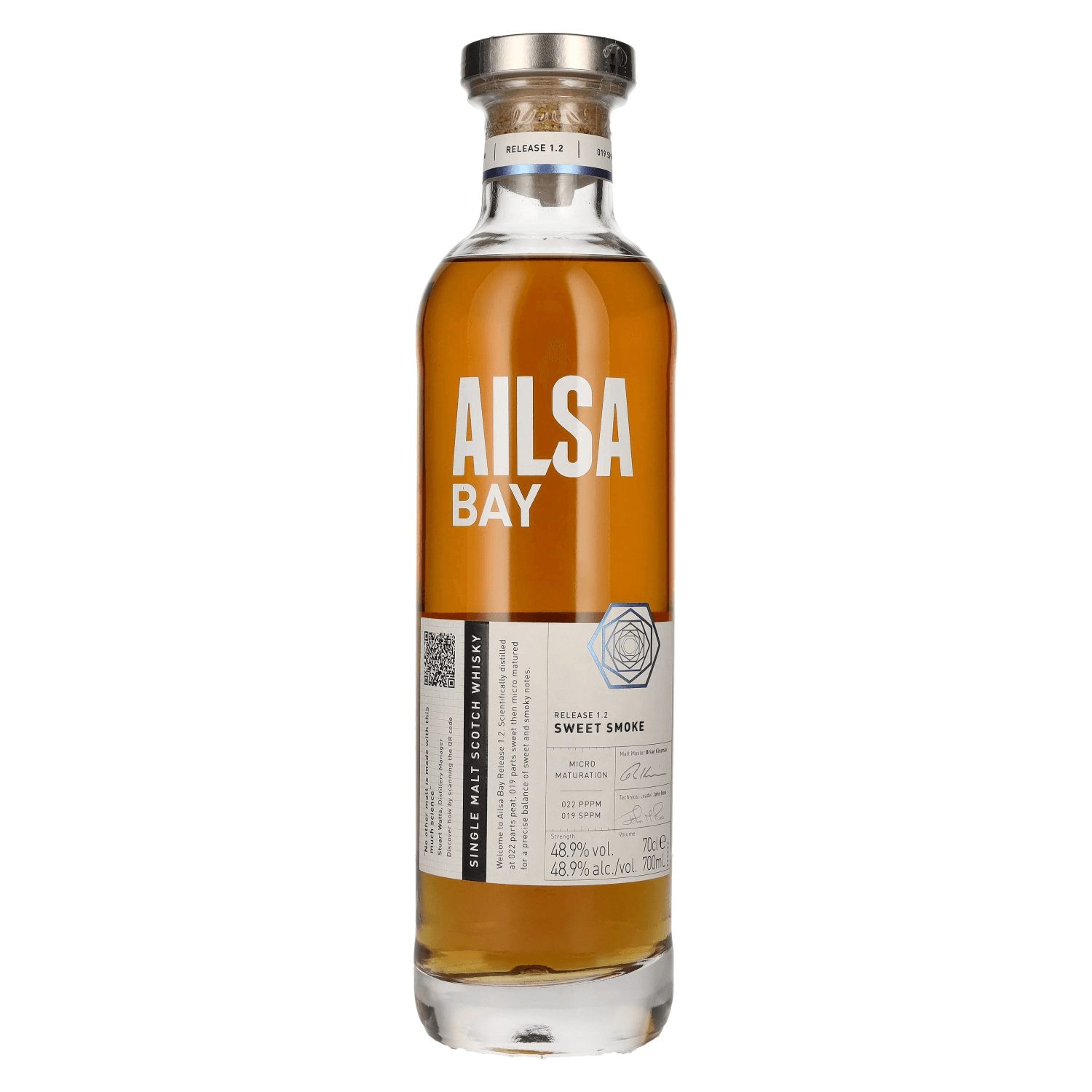
Ailsa Bay Sweet Smoke
William Grant & Sons
Ailsa Bay is a whisky designed by measurement. Malt Master Brian Kinsman assigned each batch a sweetness score (measured in SPPM — sweet parts per million) and a smoke score (measured in phenol PPM), then balanced the two until they achieved equilibrium — a concept he calls Sweet Smoke. The result is unlike heavily peated Islay malts or gentle Speyside drams. It occupies a middle ground that didn't exist before Kinsman built it: controlled peat that enhances rather than dominates, supported by vanilla and honey from the micro-maturation protocol in small Hudson Baby Bourbon barrels. This is Scotch as controlled experiment.