Aroma
Citrus (Lemon, Lime, Orange, Grapefruit)
79 bottles with this note
Train this aroma
Tequila Aroma Kit
Develop your palate with the canonical reference for citrus (lemon, lime, orange, grapefruit) and related notes.

Volcán De Mi Tierra Blanco Tequila
Volcán De Mi Tierra
Volcán Blanco is tequila that wears its terroir. Made from agave grown in the rich volcanic soils near the Volcán de Tequila, it balances sweetness and minerality with precision. This is a blanco that works beautifully in cocktails but has enough complexity to sip on its own.

Siembra Azul Reposado
Siembra Azul
A quietly excellent reposado that proves restraint and traditional methods still deliver the most honest expression of Jalisco agave — an ideal sipping tequila that never overreaches.

Tequila Ocho Reposado 2023 Single Estate
Tequila Ocho
Ocho's single-estate approach delivers terroir-driven tequila with unusual transparency. The 2023 vintage reposado walks the line between blanco freshness and oak influence beautifully — just enough barrel time to add dimension, never enough to mask the land. This is tequila for people who want to taste the field.

Volans Blanco Tequila
Volans
A highland blanco that punches well above its price — precise, mineral-driven, and unmistakably a product of altitude. This is tequila that tastes like the mountain it came from.

Siembra Valles High Proof Blanco
Siembra Valles
A masterclass in high-proof tension: nothing loose, nothing loud. Siembra Valles High Proof is where traditional Valles craft meets amplified expression, and it rewards the drinker who leans in rather than backs away.

Terralta Blanco 110 Proof Limited Edition
Terralta
Master distiller Felipe Camarena crafts this overproof blanco with the same precision he brings to his standard expressions, but the elevated proof reveals layers that lower-proof versions only hint at. This is a tequila for sipping neat or anchoring serious cocktails. Not a novelty — a statement.

Partida Añejo
Partida
A textbook example of balanced añejo craftsmanship — oak-mature and richly textured, yet buoyed by agave clarity and citrus brightness. It embodies 'Weight Meets Lift' as cleanly as any tequila on the shelf.

El Tesoro 70th Aniversario Mature Blanco
El Tesoro
A textbook expression of Los Altos highland terroir at 6,900 feet — Carlos Camarena's tahona-and-roller-mill blend rendered at full strength of character. It's a blanco that trades bombast for precision and reminds you why El Tesoro remains a benchmark.

Fortaleza Winter Blend Still Strength
Fortaleza
A masterclass in blending from one of tequila's most revered estates — Winter Blend distills the essence of Fortaleza's three core expressions into a single, sunlit pour that rewards contemplative sipping.

Cascahuín Plata 48
Cascahuín
One of the most transparent expressions of lowland terroir on the market — Cascahuín Plata 48 strips away every softening influence and lets the agave, the soil, and the still speak plainly. Essential for any serious blanco flight.

Fuenteseca Cosecha 2016 Blanco
Fuenteseca
A vintage-dated blanco that captures a single moment in the agave's life — proof that unaged tequila can carry as much complexity and contradiction as any extra añejo.

Chinaco Blanco
Chinaco
A living piece of tequila history — the first 100% agave brand imported to the US, still made with integrity by the González family. Chinaco Blanco is idiosyncratic, terroir-driven, and utterly worth keeping on the shelf.

Chamucos Reposado
Chamucos
A poised, quietly confident reposado that rewards contemplative sipping — proof that highland tequila can express both delicacy and depth without additive shortcuts.

Tapatío Gran Reserva Añejo
Tapatío
A quietly authoritative highland añejo that rewards patience — proof that traditional methods, unhurried aging, and restraint produce beauty no shortcut can imitate.

Tequila Ocho Reposado 2022 Single Estate
Tequila Ocho
The 2022 vintage showcases Ocho's commitment to single-estate terroir — each year's release tastes different because the agave comes from a different rancho. The brief reposado rest adds just enough roundness without masking the agave's voice. This is tequila that respects its raw material above all.

ArteNOM Selección de 1414 Blanco
ArteNOM
A blanco that rewards patience: what first reads as elegant restraint slowly reveals dense layers of terroir, technique, and highland character. One of the most transparent windows into what El Pandillo does best.

Tequila Ocho Blanco 2021 Los Corrales
Tequila Ocho
Ocho's single-estate vintage model is the tequila world's answer to terroir-driven wine. The Los Corrales rancho delivers a mineral-driven profile that shows how much geography matters, even within the same region. This is a blanco built for contemplation rather than cocktail drowning, though it excels in either context.

La Gritona Reposado
La Gritona
A reposado that refuses to shout — Melly Barajas lets the agave and terroir carry the conversation. Understated, elegant, and one of the great values in agave spirits.

Tequila Ocho Single Estate Reposado Los Mangos 2020
Tequila Ocho
Ocho's single-estate model is tequila's most articulate argument for terroir. The Los Mangos expression channels the red clay and iron-rich soil of its specific plot with clarity that two months of barrel rest enhances without obscuring. This is a reposado for people who want to taste the field, not the furniture.

Tequila Ocho Curado Espadín
Tequila Ocho
This is a fascinating bridge between the worlds of tequila and mezcal, executed with Ocho's trademark terroir focus. The espadín infusion doesn't turn this into a mezcal impersonation — it adds a smoky dimension while the highland agave character remains firmly in the driver's seat. A conversation starter with substance behind it.

Herradura Ultra Añejo Cristalino Tequila
Herradura
Cristalino tequilas polarize purists, but Herradura's version makes a compelling case for the category. The añejo base provides genuine depth — cooked agave and oak influence survive the charcoal filtration — while the clarity and smoothness open doors for sipping occasions where a heavy reposado might feel out of place. Style with substance.

Gran Centenario Plata Tequila
Gran Centenario
Gran Centenario Plata demonstrates that entry-level tequila need not sacrifice character. The selección suave process—a brief rest in new American oak—adds a whisper of complexity without masking the agave. This is an honest blanco that works beautifully in cocktails but merits straight sipping on its own.

Fuenteseca Cosecha 2020 Blanco
Fuenteseca
Enrique Fonseca's Cosecha series is built on the idea that agave harvested in a specific year has a unique terroir signature worth preserving. The 2020 Cosecha is bright and precise, showcasing how slow-roasted highland agave can produce a blanco of uncommon depth. No additives, no shortcuts—just agave, time, and fire.

ArteNOM Selección de 1549 Blanco
ArteNOM
ArteNOM's 1549 expression captures the highlands terroir in a way that feels unmanipulated and direct. This is agave-forward blanco with no need for embellishment, demonstrating what additive-free production and careful distillation can achieve at a fair price.

Pueblo Viejo Blanco Tequila
Pueblo Viejo
Pueblo Viejo proves that integrity doesn't require a premium price tag. This is an honest, additive-free blanco that punches well above its weight class. It's the kind of tequila that makes you question what you're paying for elsewhere — direct, expressive, and built for both sipping and mixing.

El Tequileño Platinum
El Tequileño
A masterclass in blending — El Tequileño Platinum proves that joinery between young and rested tequila, done with restraint, can yield something greater than either part alone. A versatile, food-friendly pour that punches well above its price.

Gran Centenario Reposado
Gran Centenario
Gran Centenario Reposado sits in a sweet spot — accessible enough for mixing but with enough agave-forward character to sip thoughtfully. The selección suave process, where the distillate is briefly rested in new American oak before its standard reposado aging, gives it a polish that belies its price point. Excellent value.

LALO Blanco Tequila
LALO
A purist's blanco — unaged, additive-free, and built on disciplined choices. The tension between bright highland fruit and earthy mineral grip is exactly what makes it memorable.

Calle 23 Criollo Reposado Tequila
Calle 23
French-born chemist Sophie Decobecq brings scientific rigor to traditional tequila production, and this Criollo Reposado shows it. The heritage Criollo agave strain produces a distinctly different flavor profile from standard blue Weber, and the restrained aging lets that difference shine. A tequila for people who want to taste the plant.

Don Pilar Reposado Tequila
Don Pilar
Don Pilar's reposado demonstrates remarkable discipline in barrel aging — six months is enough to round the edges and add warmth without burying the agave. This is highland tequila that respects its raw material and rewards sipping neat. A well-executed bridge between blanco vibrancy and añejo depth.

Cimarrón Blanco Tequila
Cimarrón
Cimarrón is the tequila bartenders reach for when they want agave character without pretension or price gouging. It's certified additive-free, highlands-grown, and unapologetically straightforward. The rough edge here is the point: this is tequila that tastes like the plant it comes from, not the boardroom that approved it.

Arette Artesanal Suave Reposado
Arette
Arette's Artesanal Suave line represents their elevated expression, using a tahona-and-roller mill process that captures more agave complexity. This reposado finds the sweet spot between agave purity and oak influence. At its price, it outperforms bottles costing twice as much.

Fuenteseca Cosecha 2019 Blanco
Fuenteseca
Fuenteseca's vintage blancos are exercises in terroir expression, and the 2019 Cosecha is a study in mineral-fruit tension. It drinks more like a serious mezcal than a commercial tequila, rewarding patient sipping. For those who believe blanco tequila can be a contemplative spirit, this is your proof.

Terralta Blanco 80 Proof
Terralta
Terralta's standard-proof blanco is often overshadowed by its high-proof sibling, but this 80-proof expression is a study in highland elegance. Felipe Camarena's work at the family distillery in the highlands of Jalisco produces tequila with remarkable mineral clarity. At this accessible price, it's one of the best entry points into serious craft tequila.

Tequila Ocho Reposado 2021
Tequila Ocho
The 2021 vintage from Tequila Ocho demonstrates why this brand's single-estate, vintage-dated approach matters. The oak influence is deliberate and restrained — just enough to add structure without masking the agave. This is reposado as punctuation, not transformation. One of the most honest expressions of rested tequila available.

Lote Maestro Blanco
Lote Maestro
Lote Maestro's blanco is an exercise in agave transparency. The Rubio family distillery uses traditional brick ovens and a slow fermentation that allows the raw material to speak. This is a straightforward, additive-free blanco that does exactly what it should — put the agave first.

El Tesoro Blanco
El Tesoro
El Tesoro Blanco is a textbook expression of traditional highland tequila production. The tahona-crushed agave and copper pot distillation create a blanco with unusual depth and texture — the kind of bottle that converts skeptics.

Cascahuin Reposado Tequila
Cascahuin
Cascahuin has operated in El Arenal since 1904, and this reposado demonstrates their philosophy of minimal intervention. Four months is just enough oak to polish the spirit without burying the agave. It's a textbook example of letting the plant speak.

Siembra Valles Ancestral
Siembra Valles
An uncompromising traditionalist tequila that rewards attention and water in equal measure. Ancestral is less a sipping spirit than a study in agave terroir — for drinkers ready to listen.

El Tequileno Blanco Gran Reserva
El Tequileño
El Tequileño Blanco Gran Reserva is a textbook example of what traditional Tequila valley production yields — rounder, more cooked-agave-forward, with none of the diffuser flatness that plagues the category's industrial end. At its price point, this is one of the best value blancos available, equally suited to sipping or mixing.

Fortaleza Still Strength Blanco
Fortaleza
Fortaleza Still Strength takes an already excellent blanco and dials the volume to reveal what the agave has been saying all along. The additional proof isn't about heat — it's about clarity. Every element is sharper, more defined, more honest. A tequila that rewards attention.

Calle 23 Criollo Blanco Tequila
Calle 23
French-born master distiller Sophie Decobecq brings scientific rigor to this expression, using a proprietary criollo agave varietal she cultivated herself. The result is a blanco that's both technically fascinating and genuinely delicious — herbaceous, complex, and utterly distinctive. This is terroir-driven tequila at its most compelling.

Don Fulano Blanco Tequila
Don Fulano
Don Fulano's blanco is a study in discipline. Nothing shouts, nothing hides. The agave is allowed to speak clearly, supported by a clean distillation that lets varietal character shine. An exceptional mixing tequila that's equally compelling neat.

Calle 23 Reposado Tequila
Calle 23
French biochemist Sophie Decobecq's scientific precision shows in every sip. Calle 23 Reposado manages to honor both the raw power of lowland agave and the mellowing effect of French oak aging, creating a reposado where neither wood nor spirit dominates. The result is tequila as dialogue.

ArteNOM Selección de 1123 Blanco
ArteNOM
ArteNOM's concept is simple and brilliant: showcase different NOM distilleries through their blanco expressions. The 1123 bottling comes from Cascahuin, a family-run distillery in the valley of El Arenal. This is tequila stripped to its essentials — no barrel influence, no additives, just agave and terroir in vivid focus.

Tapatio Blanco Tequila
Tapatio
Tapatio Blanco is a masterclass in what highland tequila should taste like when nothing interferes with the agave. Carlos Camarena uses traditional tahona and roller mill extraction, brick ovens, and no additives. This is benchmark blanco tequila at a price that should embarrass the competition.

Arette Artesanal Suave Blanco
Arette
The Arette Artesanal Suave line represents the distillery's old-school approach at an approachable price. The Suave Blanco balances fruit, spice, and earth with an effortless poise that puts many bottles twice its price to shame. A terroir-driven tequila for daily enjoyment.

Cascahuin Plata Tequila
Cascahuin
Cascahuin's Plata is an object lesson in what unaged tequila can be when the raw materials and process are right. At this price, it outperforms bottles costing three times as much. The mineral backbone gives it a serious, contemplative quality that rewards sipping neat, though it's also one of the finest cocktail bases you'll find.

Don Fulano Reposado
Don Fulano
Don Fulano's reposado demonstrates the power of restraint. Six months in French Limousin oak is just enough to round the edges without burying the agave. The Fonseca family's fifth-generation commitment to estate-grown agave shows in the purity of flavor. This is a reposado for people who want oak as a supporting actor, not a lead.

Siete Leguas Blanco
Siete Leguas
Siete Leguas Blanco is a benchmark unaged tequila. The traditional tahona and roller mill combination extracts maximum character from highland agave, and the result is a spirit that's both pristine and deeply flavored. Essential for any serious tequila shelf.

Pasote Blanco Tequila
Pasote
Pasote Blanco demonstrates that great blanco tequila doesn't need to shout. Felipe Camarena's tahona-and-roller-mill hybrid approach produces a spirit that's layered but never overwrought. It works brilliantly in a Paloma or Margarita, but sipping it neat reveals the precision behind every choice.

Siembra Valles Reposado
Siembra Spirits
Siembra Valles Reposado sits at the intersection of tradition and transparency. The brand's commitment to terroir-driven tequila is evident here — the valley-grown agave delivers a rounder, sweeter profile than highland expressions. It is a tequila that educates as it entertains.

Fuenteseca Cosecha 2018 Blanco
Fuenteseca
Fuenteseca's Cosecha series emphasizes vintage-dated agave, and the 2018 harvest delivers a blanco that tastes like terroir in a glass. This is a tequila for sipping — unhurried and unapologetic about its complexity. Not a mixer, not a party pour. A conversation piece.

Terralta Reposado
Terralta
Terralta's Reposado demonstrates restraint — six months in barrel is just enough to sand the edges without burying the highland agave character underneath. Made by the legendary Don Felipe Camarena, this bottling prioritizes balance. It is a tequila that respects the ratio between fruit, earth, and wood.

G4 Blanco Tequila
G4
Felipe Camarena's G4 Blanco is a testament to traditional tahona and roller-mill production yielding a spirit of uncommon clarity and depth. This is terroir-driven tequila — you taste the highlands clay in every sip. Essential drinking for anyone serious about agave.

Siembra Azul Blanco
Siembra Azul
Siembra Azul Blanco is a transparency project in liquid form — co-founded by tequila educator David Suro specifically to showcase terroir and traditional production. It delivers highland agave character without distraction, making it an essential reference blanco.
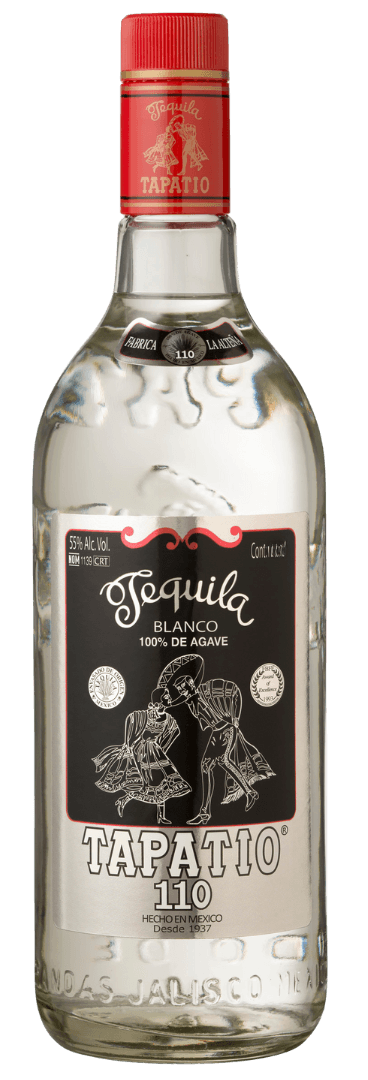
Tapatío 110 Blanco
Tequila Tapatío (Camarena family, La Alteña Distillery)
Tapatío 110 is the still-strength expression of the Camarena family's Tapatío Blanco — bottled without any water cut at the 55% ABV it reaches in the still. Verified additive-free by Tequila Matchmaker.
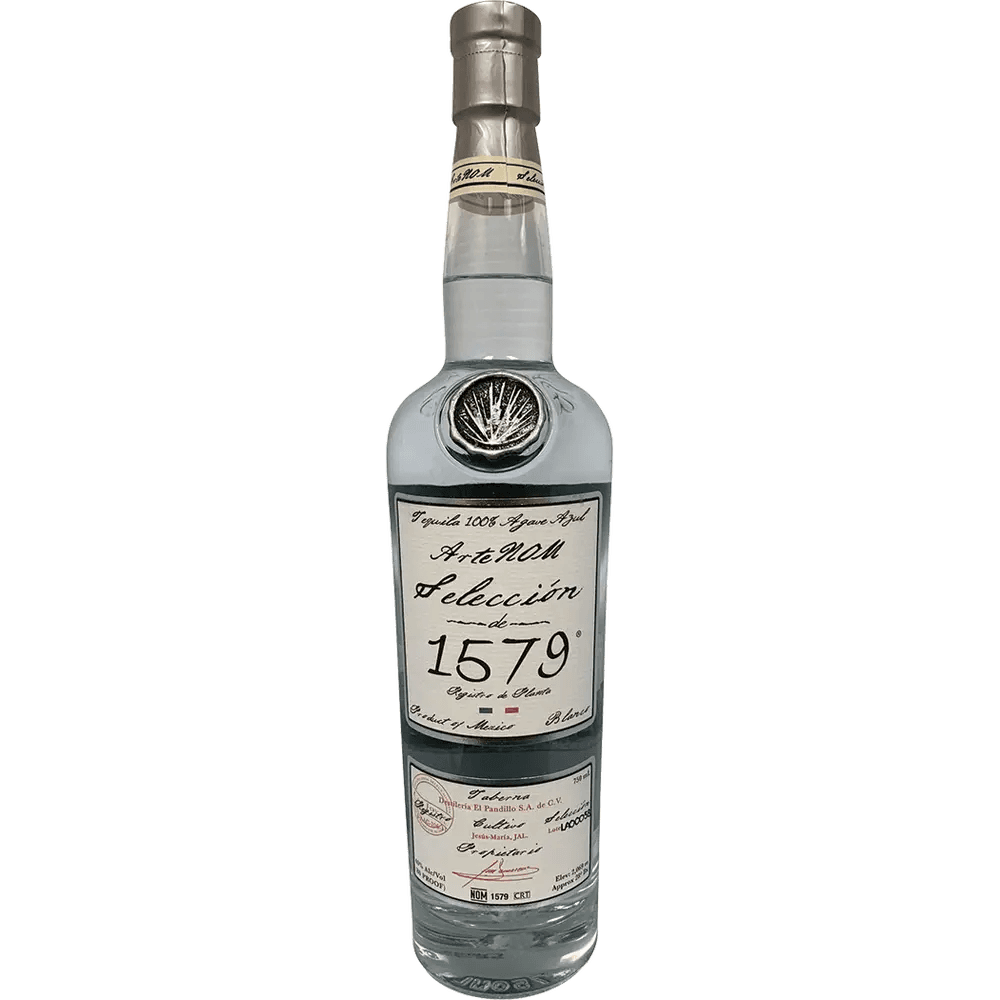
ArteNOM Seleccion de 1579 Blanco
ArteNOM (Grover Sanschagrin)
ArteNOM 1579 Blanco is a masterclass in tequila terroir. Felipe Camarena's highland agave, grown in volcanic red clay at elevation, produces a spirit with a mineral depth and citrus brightness that lowland blancos simply cannot match. This is not a tequila designed to disappear into a margarita — though it makes an extraordinary one — it's designed to be sipped and studied. The volcanic soil writes itself into the glass as clearly as limestone writes itself into bourbon. At its price point, it's one of the finest expressions of place in the entire tequila category. Cocktail — "The Highland Paloma": Combine 2 oz ArteNOM 1579 Blanco, 1 oz fresh grapefruit juice, 0.5 oz fresh lime juice, and 0.25 oz agave nectar. Shake with ice and strain into a salt-rimmed Collins glass over fresh ice. Top with 2 oz Topo Chico mineral water. The mineral character of both the tequila and the sparkling water creates a Paloma of uncommon depth.
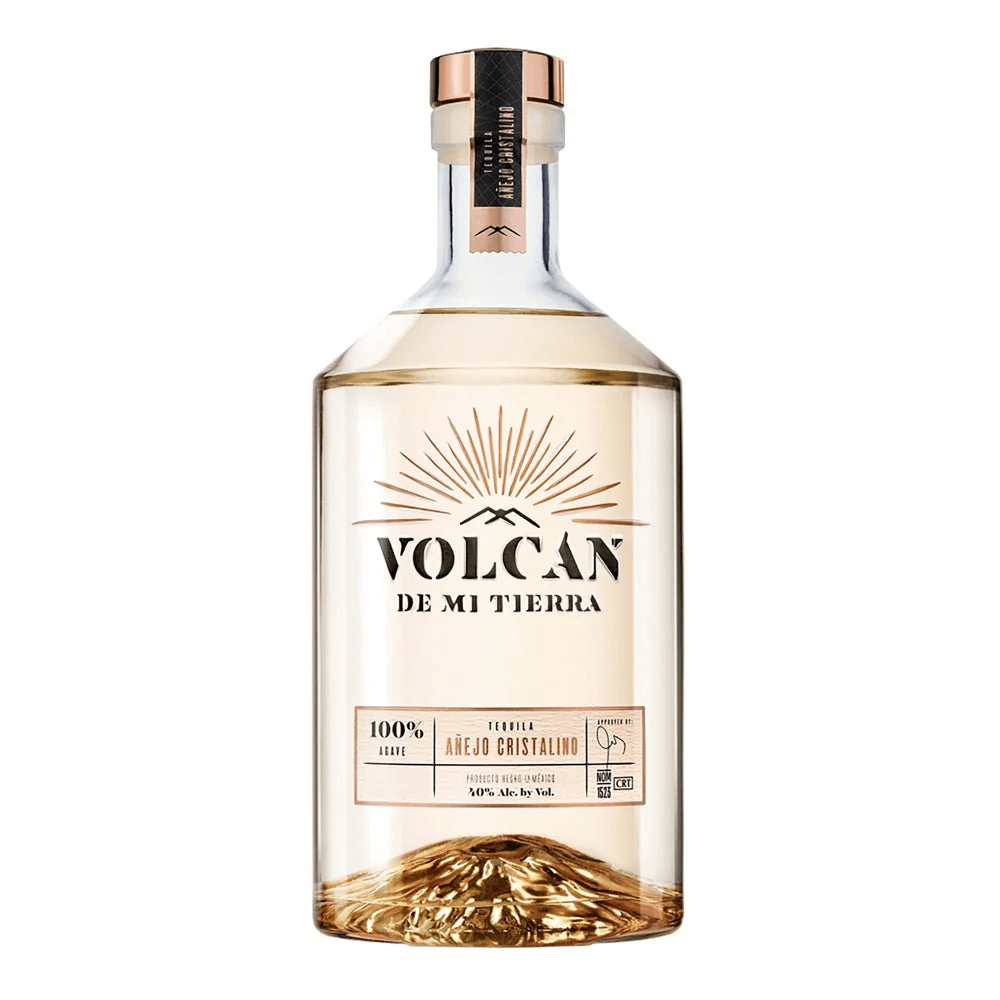
Volcán De Mi Tierra Cristalino
Moët Hennessy (LVMH)
The cristalino category is itself an experiment — the proposition that you can age a tequila for years, develop all that barrel complexity, then strip away the amber color through charcoal filtration without losing what the barrels gave you. Volcán De Mi Tierra pushes the experiment further by blending two different aged expressions from two different barrel types before filtering. The result is a tequila that looks like a blanco but drinks like an añejo — an optical illusion in a glass, and a compelling argument that color tells you far less about a spirit than you think.
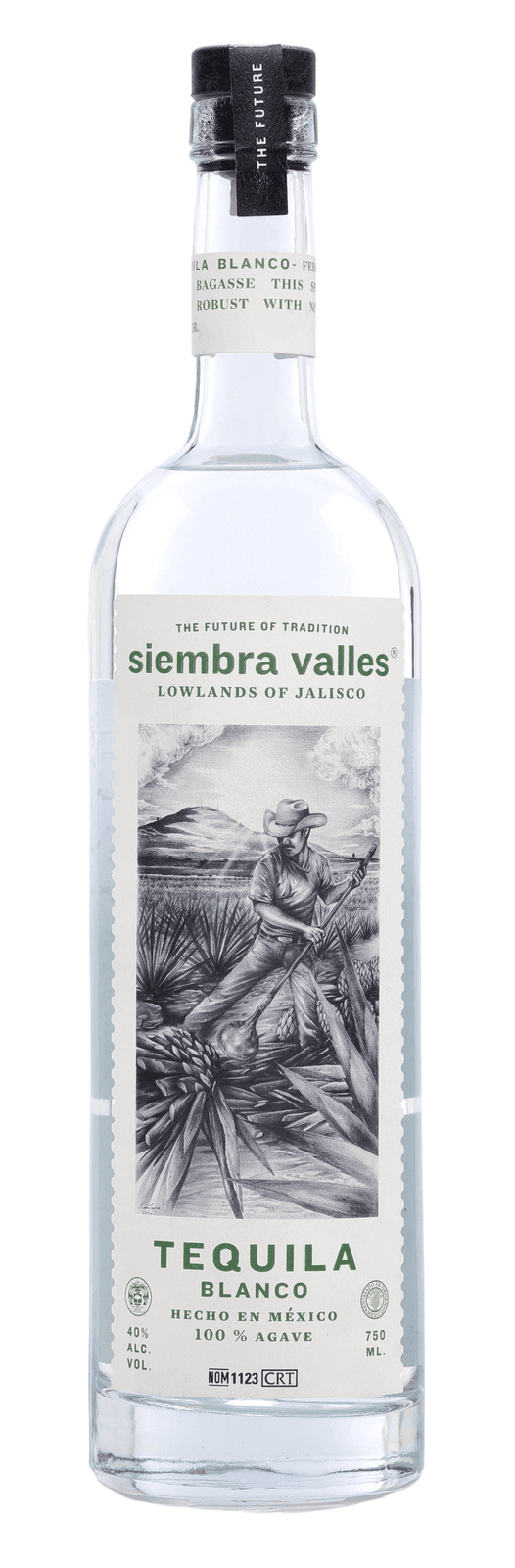
Siembra Valles Blanco
Siembra Spirits
Siembra Valles is the tequila that bartenders drink after their shift — the one they recommend when you ask for something real. David Suro-Piñera is not just a brand owner; he is a tequila scholar and advocate who founded the Tequila Interchange Project to promote transparency in the industry.
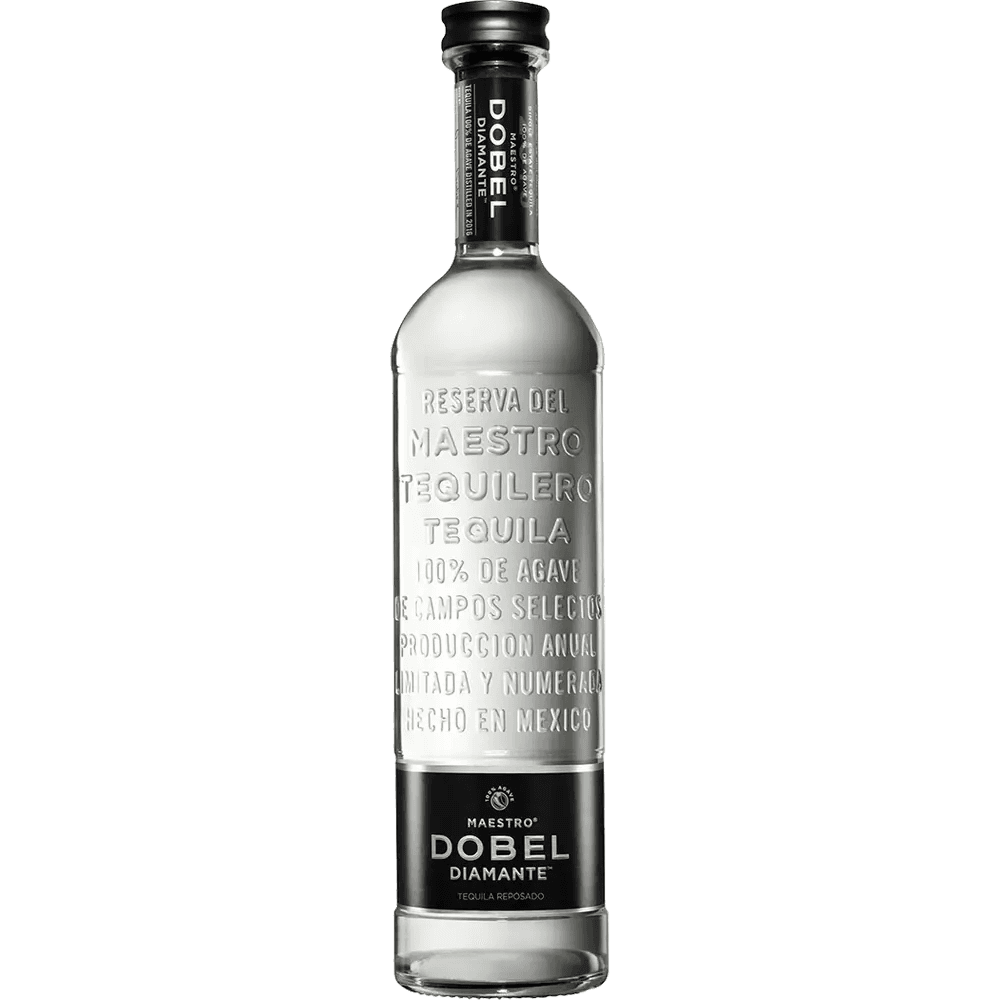
Maestro Dobel Diamante
Proximo Spirits / Beckmann Family
Maestro Dobel Diamante didn’t just create a tequila—it created a category.
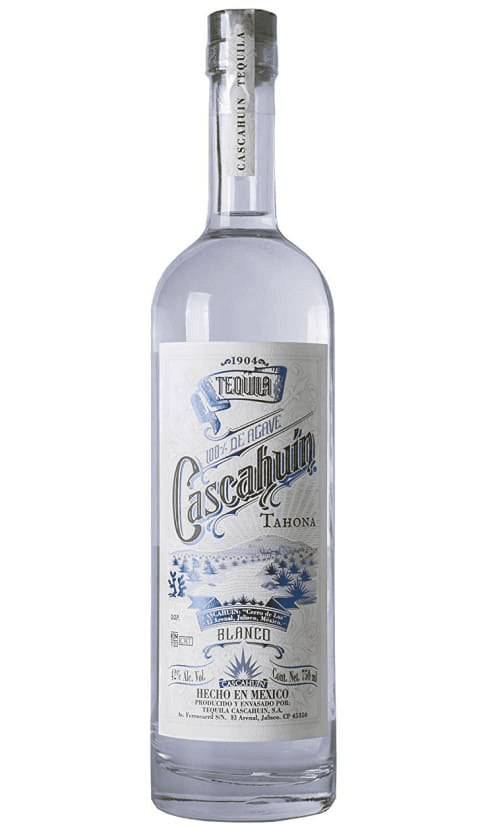
Cascahuin Tahona Blanco
Destilería Cascahuin (Grupo Cascahuin)
Tahona production is brutally inefficient — the volcanic stone wheel extracts less juice, takes longer, and demands more labour than a mechanical shredder. Cascahuin does it anyway because the result is a blanco with a weight and mineral complexity that industrial methods cannot replicate. This is tequila at its most expressive — unaged, unfiltered, unapologetic. Drink it neat with a slice of orange and understand why the Rosales family has kept this process unchanged for generations.
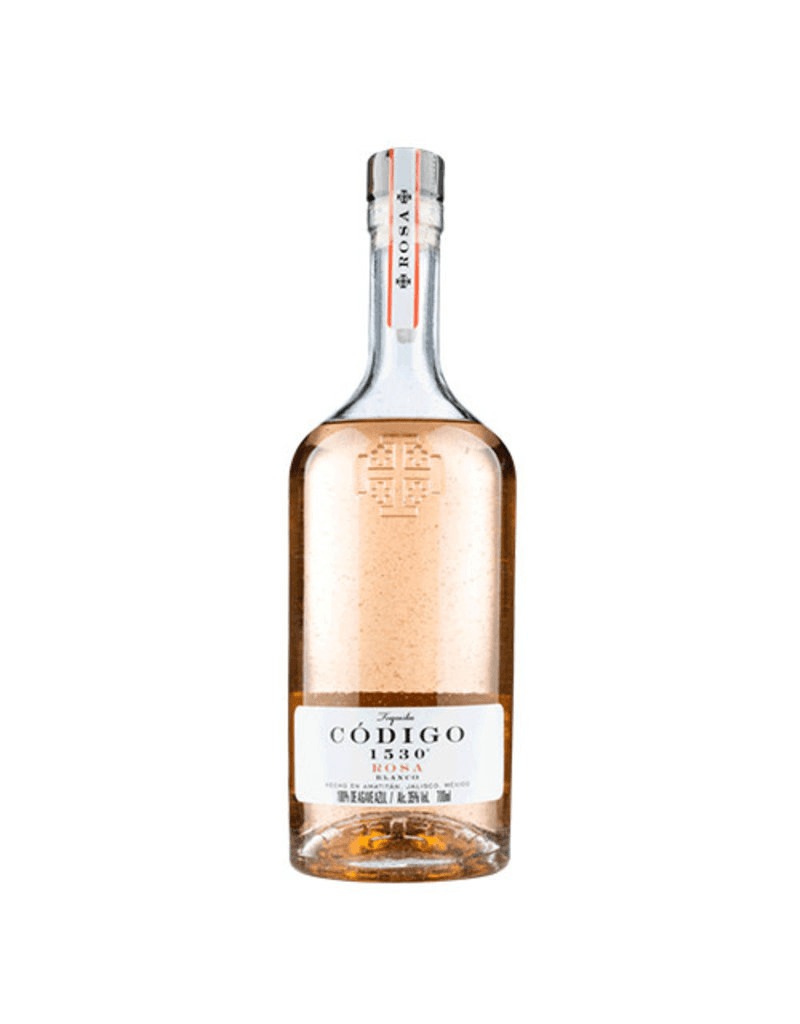
Código 1530 Rosa
Código 1530
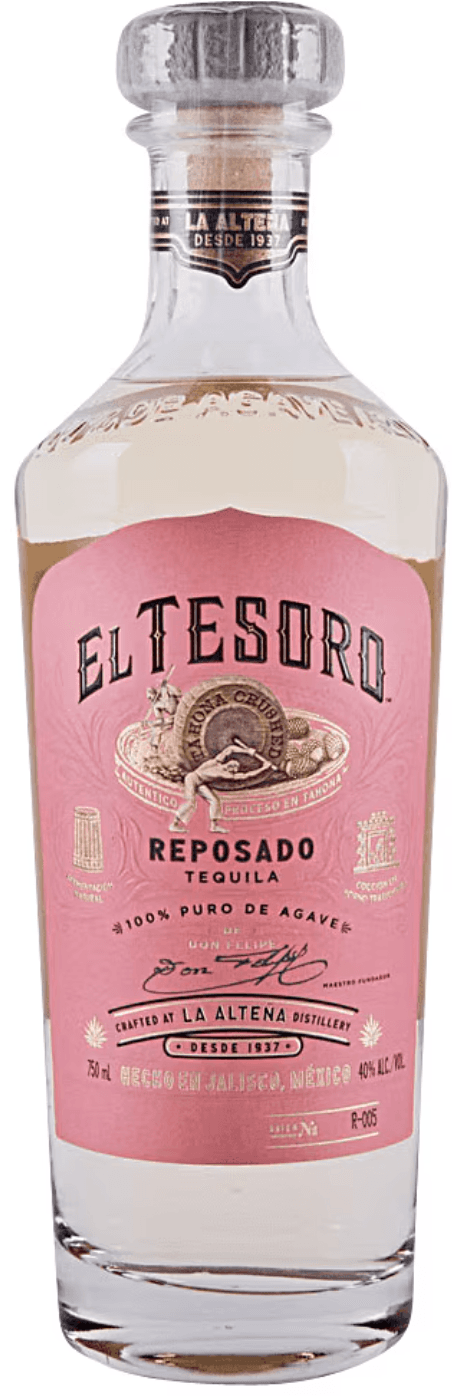
El Tesoro Reposado
Camarena Family / Beam Suntory (El Tesoro, est. 1937)
El Tesoro is the tequila nerd’s tequila. The Camarena family’s obsession starts with the tahona — a two-ton volcanic stone wheel that slowly crushes roasted agave hearts, extracting sugars along with fibers that go into the fermentation tank, adding savory complexity that roller mills strip away. Then there’s the distillation: El Tesoro is one of the only tequilas distilled to proof, meaning no water is added after distillation. What comes out of the still is what goes in the barrel. The Reposado spends 9–11 months in ex-bourbon barrels — long enough to add vanilla and caramel, short enough to let the agave and tahona character remain front and center. This is tequila that tastes like the earth it came from.
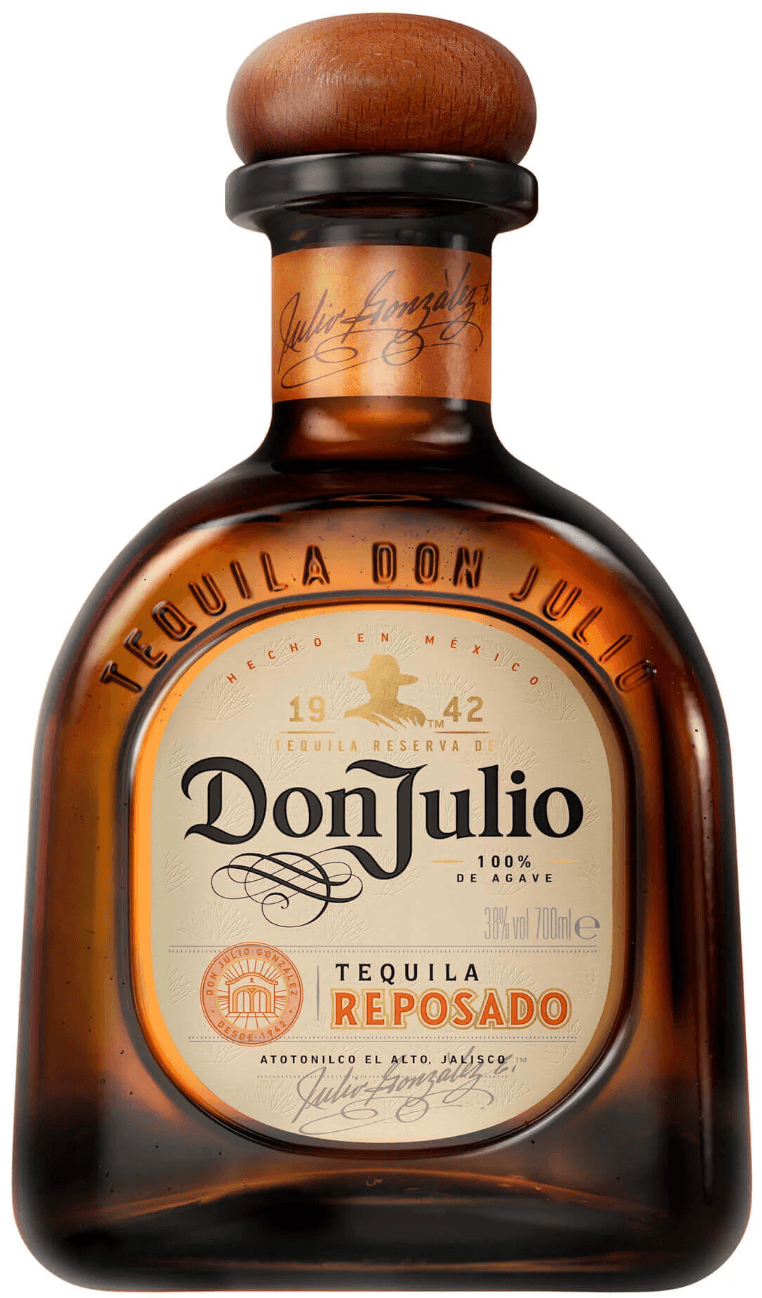
Don Julio Reposado
Diageo (Don Julio, est. 1942)
Don Julio invented the luxury tequila category. Before Don Julio, tequila was a commodity — cheap, harsh, and destined for margarita mixes. Julio González changed the rules by treating agave like fine wine grapes: planting further apart for full maturity, slow-roasting in 72-hour brick oven cycles, and aging in fine oak. When his sons created a tequila to honor his 60th birthday in 1985, it became the first tequila marketed as a premium sipping spirit. The Reposado expression — eight months in American white oak — strikes the ideal balance: enough barrel time to add complexity without masking the highland agave character that made the brand famous.
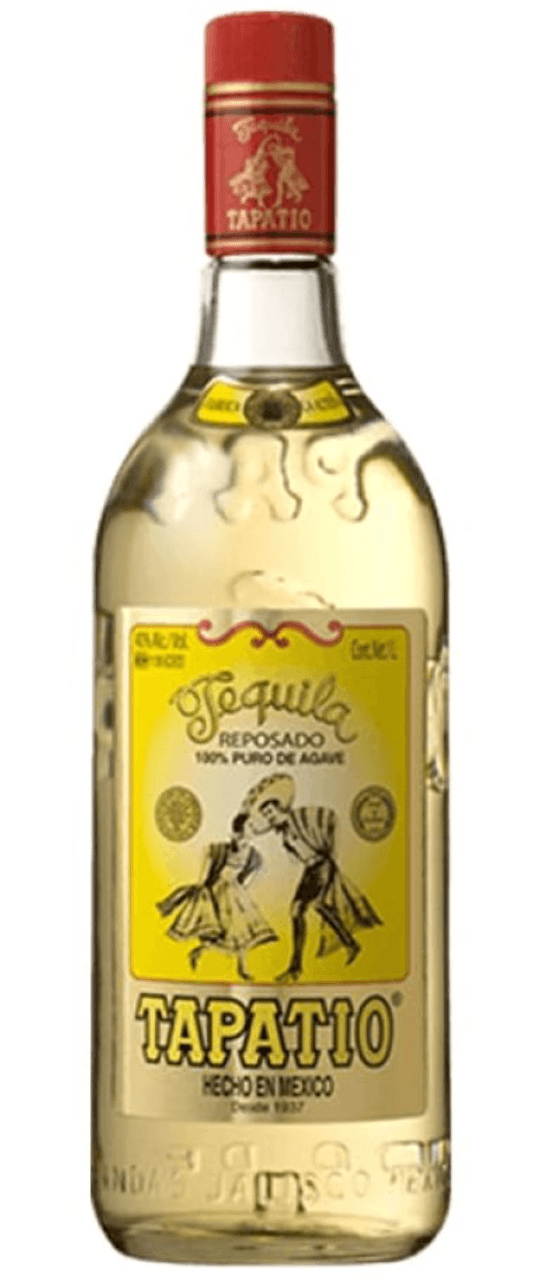
Tapatio Reposado
Tequila Tapatio S.A. de C.V. (Camarena family, 5th generation)
Tapatio is the tequila that tequila makers drink. The Camarena family — the same lineage that gave us El Tesoro and G4 — runs one of the most traditional operations in Jalisco. Carlos Camarena, the current master distiller, slow-roasts his highland agave for 48 hours in brick ovens, ferments with wild airborne yeasts and natural well water, and keeps production deliberately small. The reposado rests just four months — enough to round the edges without masking the agave. This is tequila for purists, and at around $45 it’s one of the best-kept secrets in the category.
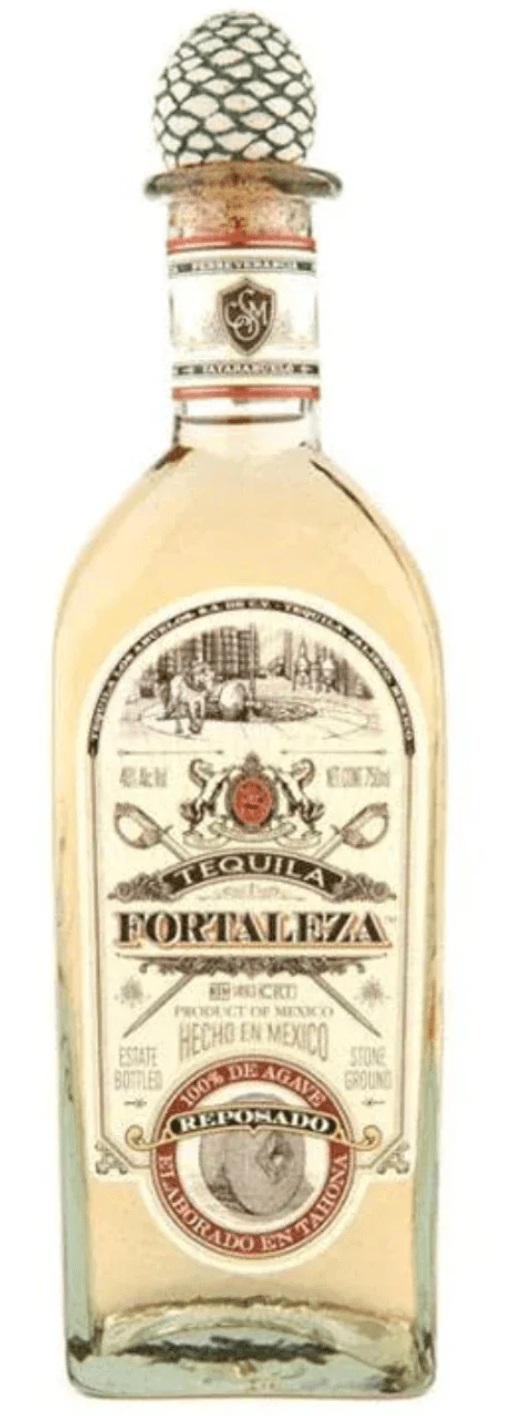
Fortaleza Reposado
Destilería La Fortaleza (Guillermo Erickson Sauza)
Fortaleza is tequila made the way it was meant to be made. While most modern producers use autoclaves and diffusers for speed and efficiency, Guillermo Sauza — great-great-grandson of Don Cenobio Sauza, the “Father of Tequila” — insists on the tahona, the brick oven, and the wooden fermentation tanks. The volcanic spring water that feeds the distillery carries minerals from deep within the stratovolcano, and you can taste the terroir in every sip. The reposado rests just long enough to gain warmth and vanilla from the barrel without losing the agave’s voice.

Tequila Ocho Blanco 2022 Los Mangos
Tequila Ocho
Ocho's single-estate approach yields blancos that genuinely taste different from vintage to vintage and field to field. The 2022 Los Mangos shows a particularly expressive mineral profile alongside bright fruit and clean agave. This is tequila that rewards the same kind of terroir-focused attention you'd give a good wine.

Tequila Ocho Blanco 2022 La Magueyera
Tequila Ocho
Ocho's single-estate blanco program is the closest tequila gets to grand cru thinking. The 2022 La Magueyera bottling captures a specific field in a specific year — mineral-driven, herbaceous, and pure. It's an argument for terroir made in agave rather than grape, and it's convincing.

ArteNOM Selección de 1549 Reposado
ArteNOM
ArteNOM's terroir-focused approach — selecting a different NOM for each expression — yields a reposado that prioritizes agave character over barrel presence. The 1549 source produces a remarkably balanced spirit that proves you don't need extra añejo age to achieve complexity.

El Pandillo Reposado
El Pandillo
A textbook Los Altos reposado from one of the region's most idiosyncratic distillers — agave-forward, exquisitely balanced, and priced fairly for the craft on display.

Ar'te Blanco Tequila
Ar'te
Ar'te strips the blanco category back to essentials: well-grown agave, careful cooking, and no barrel influence whatsoever. Without oak to lean on, the spirit's quality is laid bare. This one holds up — the agave speaks clearly and the production is clean without being sterile.

Tapatío Blanco 88 Proof
Tapatío
The tequila that helped define what highland agave tastes like — understated, precise, and endlessly referenced by peers who won't say it out loud. If Fortaleza is the whispered name of the Valley, Tapatío is its highland counterpart, and this 88-proof expression is Carlos Camarena's quiet manifesto.

Terralta Blanco 110 Proof
Terralta
Master distiller Felipe Camarena produces this high-proof reposado at the highlands distillery that also supplies the agave for many celebrated brands. The brief resting period in American oak adds structure without masking the raw agave intensity. This is a tequila built for sipping and cocktails alike.

Cascahuín Lágrimas
Cascahuín
Cascahuín Lágrimas is a distillate of conviction — the 'tears' collected from the still at their most concentrated and flavorful. This is a blanco that rewards sipping neat and demands attention from anyone who thinks unaged tequila is simple. A benchmark for what small-batch, traditionally crafted tequila can achieve at full strength.

El Pandillo La Ventana Blanco
La Ventana
An unfussy, transparent highland blanco from one of tequila's most respected distilling minds — a bright, early-morning expression of Los Altos agave that punches well above its price.

Tequila Ocho Reposado 2022 Single Estate Los Nopales
Tequila Ocho
Ocho's vintage and single-estate approach reveals how a specific rancho's soil and elevation shape agave flavor. The Los Nopales 2022 is a textbook reposado — enough oak to add dimension without masking the agave's voice. This is terroir-driven tequila at its most transparent.

Tequila Ocho Blanco 2022 Los Nopales
Tequila Ocho
Ocho's single-estate philosophy mirrors wine's terroir obsession. This Los Nopales parcel delivers a blanco with unusual mineral density — heavier than many blancos in body, yet bright and transparent in flavor. It demonstrates that unaged tequila can carry the weight of place.

Tequila Ocho Plata 2022 Single Estate Los Nopales
Tequila Ocho
Ocho's single-estate approach lets terroir speak, and Los Nopales delivers a particularly mineral-driven expression. This is blanco tequila at its most transparent — no barrel influence to hide behind, just agave, earth, and craftsmanship. The 2022 vintage captures a bright, citrus-forward character that makes it equally compelling neat or in a cocktail.