Issue 30 · April 25, 2026
The Homesteaders
Theme: Single-Estate Production
Eight bottles born from complete vertical integration — barley to bottle, grain to glass, vine to cork — where every step happens on one property under one name.
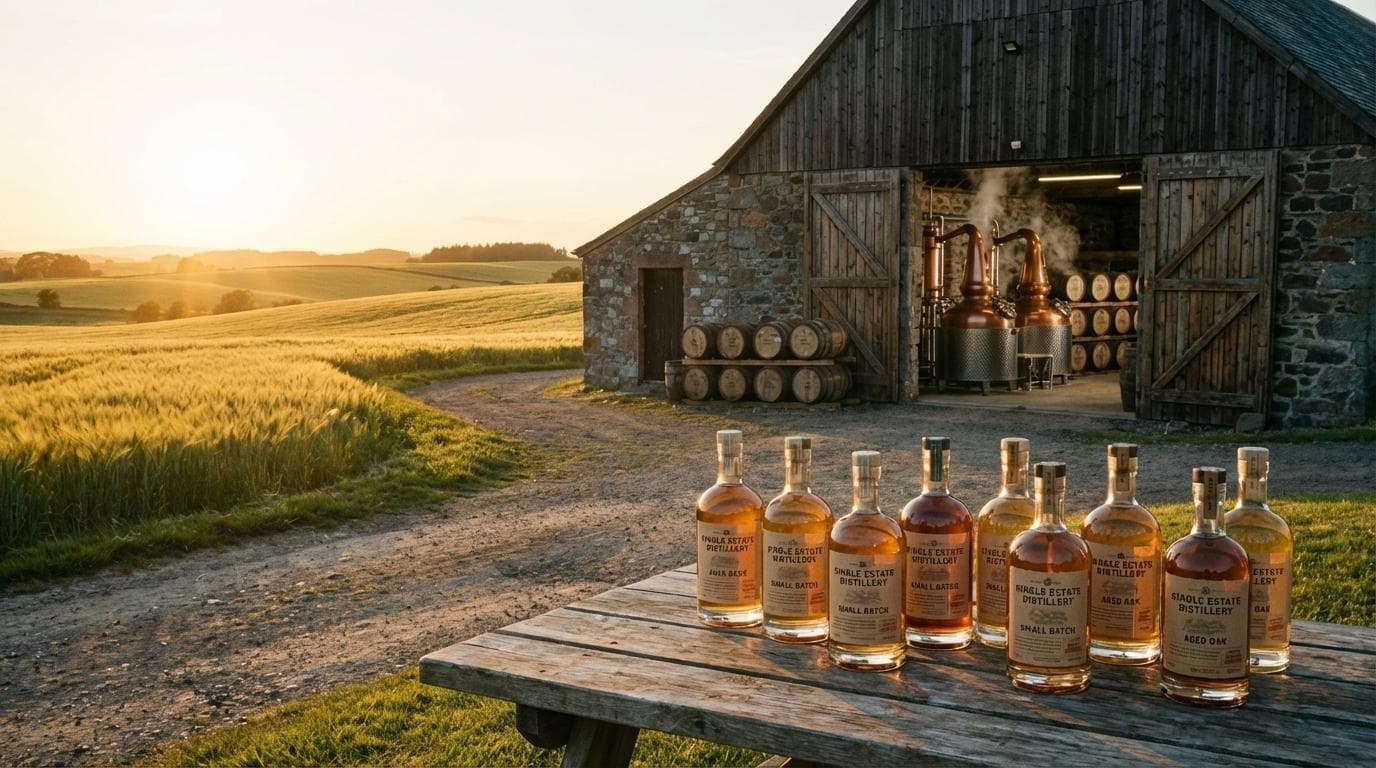

Most bottles you pour tonight were assembled. Barley grown on one continent, distilled on another, aged in barrels sourced from a third. Grapes trucked in from neighboring appellations. Agave bought by the ton from whoever had the best price that season. Grain shipped across state lines. The industrial model of drinks-making treats raw material as a commodity to be procured, not a story to be told — and for the majority of brands, that's a feature, not a bug. Scale demands it. Consistency requires it. Margins insist on it.
Today we pour eight bottles that refuse that model. From a Waco distillery that malts, ferments, and distills every drop under one roof to a Fife farm that plants the barley it distills, from a biodynamic Alsace estate where a single Grand Cru hillside becomes a single wine to a Martinique plantation pressing cane grown in its own volcanic soil — these are The Homesteaders. Every decision that can happen under one roof does. When you taste them, you are not tasting a supply chain. You are tasting a place, a family, and the refusal to outsource anything that matters.
Today's Selections
BOURBON • SCOTCH WHISKY • IRISH WHISKEY • TEQUILA • GIN • RUM • RED WINE • WHITE WINE
BOURBON Balcones Texas Pot Still Bourbon
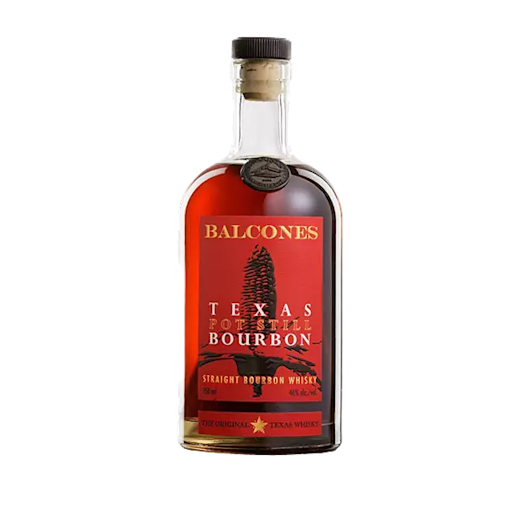
Waco, Texas is not where most bourbon drinkers expect to find an American craft distilling revolution, but since 2008 Balcones Distilling has treated its entire production chain as a single craft project. Founder Chip Tate and his successors built one of the few distilleries in the United States that malts its own grain on site — including heirloom roasted Hopi blue corn sourced from the American Southwest, alongside Texas-grown wheat and rye. Every remaining stage happens under one roof in Waco: malting, mashing, fermentation, double pot still distillation, and barrel aging in the brutal Texas climate where 100F summer days pull spirit in and out of oak at a pace Kentucky distilleries cannot match. The Texas Pot Still Bourbon is Balcones' flagship — a distilled argument that a grain-to-glass Texas bourbon can stand shoulder-to-shoulder with Kentucky's legacy houses. — where Balcones Texas Pot Still is what happens when a distillery decides that 'grain-to-glass' is a promise, not a slogan. Malting their own roasted blue corn in-house is not a shortcut anyone takes — it's expensive, labor-intensive, and demands expertise most distilleries don't have. The reward is a bourbon with a genuinely unmistakable profile: the nutty, brown-sugar sweetness of roasted heirloom corn that you simply cannot buy from an industrial malt house. At under fifty dollars, this is estate-distilled Texas bourbon from a distillery that controls every variable from seed to seal.
Classification: Texas Straight Bourbon Whiskey
Company: Balcones Distilling
Distillery: Balcones Distillery, Waco, Texas
Proof: 92 (46% ABV)
Age: No Age Statement (estimated 2–3 years)
Mash Bill: At least 51% Roasted Blue Corn, Texas Wheat, Texas Rye, Malted Barley
Color: Rich copper with warm amber highlights
MSRP: $40–$50
Nose: Warm cornbread and toasted pecan lead, followed by dark caramel, baking spice, and a distinctive note of roasted blue corn tortilla that tells you immediately this isn't a Kentucky bourbon. Brown sugar and a whisper of charred oak round out the picture.
Palate: Full-bodied and richly textured. Sweet corn and caramel hit first, then yield to dried fig, cinnamon, and the signature nuttiness of roasted heirloom corn. A warm, almost mole-like spice builds mid-palate, grounded by soft Texas wheat.
Finish: Long and warming with lingering pecan, baked brown sugar, and a final note of toasted grain. The Texas aging shows itself as an extra depth of oak that belies the youth in the glass.
Cocktail — The Texas Tradition: Combine 2 oz Balcones Texas Pot Still, 0.25 oz mesquite honey syrup, 2 dashes Angostura bitters, and 1 dash chocolate bitters in a mixing glass. Stir with ice for thirty seconds, strain over a large cube in a rocks glass, and garnish with an expressed orange peel. The mesquite honey leans into the bourbon's roasted-grain character rather than fighting it.
Pair with: Smoked brisket rubbed with coffee and ancho chile — the roasted corn and pecan in the bourbon echo the dark bark on the meat, while the soft wheat and caramel tame the heat.
Awards: Double Gold, San Francisco World Spirits Competition; 94 points, Wine Enthusiast; Named World Whiskey of the Year finalist, Jim Murray's Whisky Bible.
SCOTCH WHISKY Daftmill 2011 Summer Batch Release
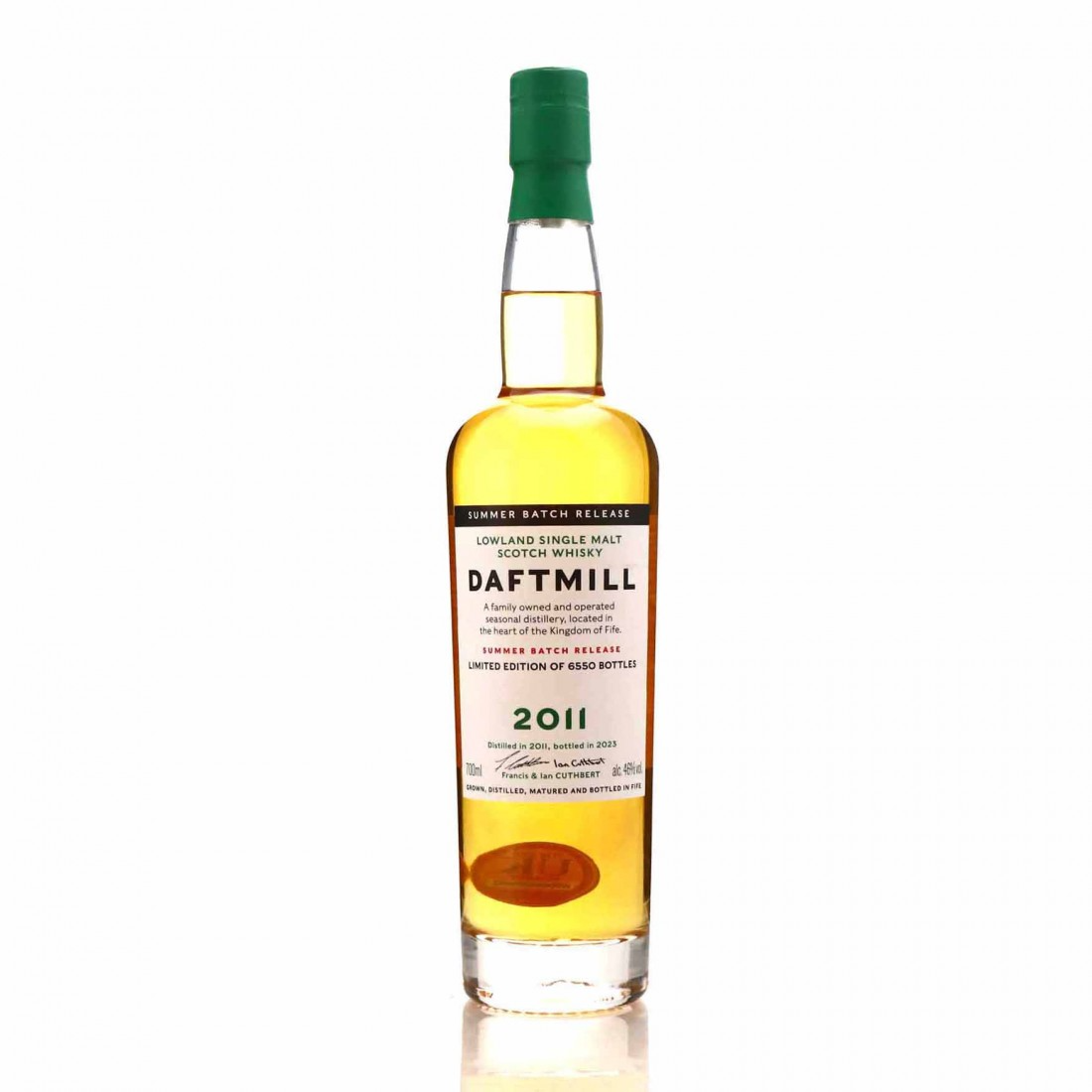
In the Lowlands of Fife, a working farm called Daftmill has been in the Cuthbert family for six generations. In 2005, brothers Francis and Ian Cuthbert began distilling single malt whisky on the side, using barley grown in their own fields and water from their own spring. For the first eight years they sold nothing — every drop was laid down to age. Today Daftmill is one of the rarest and most authentically estate-produced single malts in Scotland: the Cuthberts grow their own barley, malt it at Crisp Maltings in Alloa, distill it in their farmyard still house, and age every cask in their own warehouse on-farm. Production is miniature — a few hundred casks a year — and each release is a single vintage bottled without dilution of provenance. — where Daftmill is the quiet answer to the question of what single malt tastes like when every barley grain is grown within sight of the still. The Cuthbert brothers only distill when farm work allows, which means the spirit is made with the patience of people who already have a day job feeding them. The result is a whisky of remarkable poise — delicate, grain-forward, and utterly confident in what it is not. This is not bombastic Scotch. It is the opposite: a farm-scale meditation on barley, water, and time, made by a family that owns every variable and rushes none of them.
Classification: Single Malt Scotch Whisky (Lowland)
Company: Daftmill Distillery (Cuthbert family)
Distillery: Daftmill Distillery, Fife, Scotland
Proof: 92 (46% ABV)
Age: 12 Years
Mash Bill: 100% Daftmill farm-grown Scottish barley
Distillation: Double pot still distillation on-farm
Maturation: First-fill and refill American oak ex-bourbon barrels, aged on-farm
Filtered: Non-chill filtered, natural color
Color: Pale straw with delicate gold highlights
MSRP: $180–$220
Nose: Fresh hay, lemon zest, and green apple open the nose, followed by clotted cream, digestive biscuit, and a gentle honeysuckle note. A whisper of vanilla pod and subtle malted barley sweetness anchor the aromatic picture.
Palate: Elegant and restrained. Soft cereal and shortbread give way to orchard fruit — Granny Smith apple, pear drops, and a hint of pineapple — with clean malt running through the mid-palate. The texture is light but unmistakably oily, a quality that only unhurried farm-scale distillation delivers.
Finish: Medium length with lingering green apple, soft malt, and a clean almond sweetness that fades slowly.
Cocktail — Save it for the glass. Daftmill is a single-estate whisky of such delicate construction that mixing it would be misuse. Serve neat in a tulip glass at room temperature, with a few drops of still spring water added only after the first neat sip.
Pair with: A plate of aged Scottish cheddar, a drizzle of heather honey, and a slice of oat cake — mirroring the whisky's grain and orchard-fruit core without overwhelming it.
Awards: 94 points, Whisky Advocate; Gold Medal, International Wine & Spirit Competition; Consistently ranked among the best Lowland single malts released in the past decade.
IRISH WHISKEY Teeling Single Pot Still Irish Whiskey
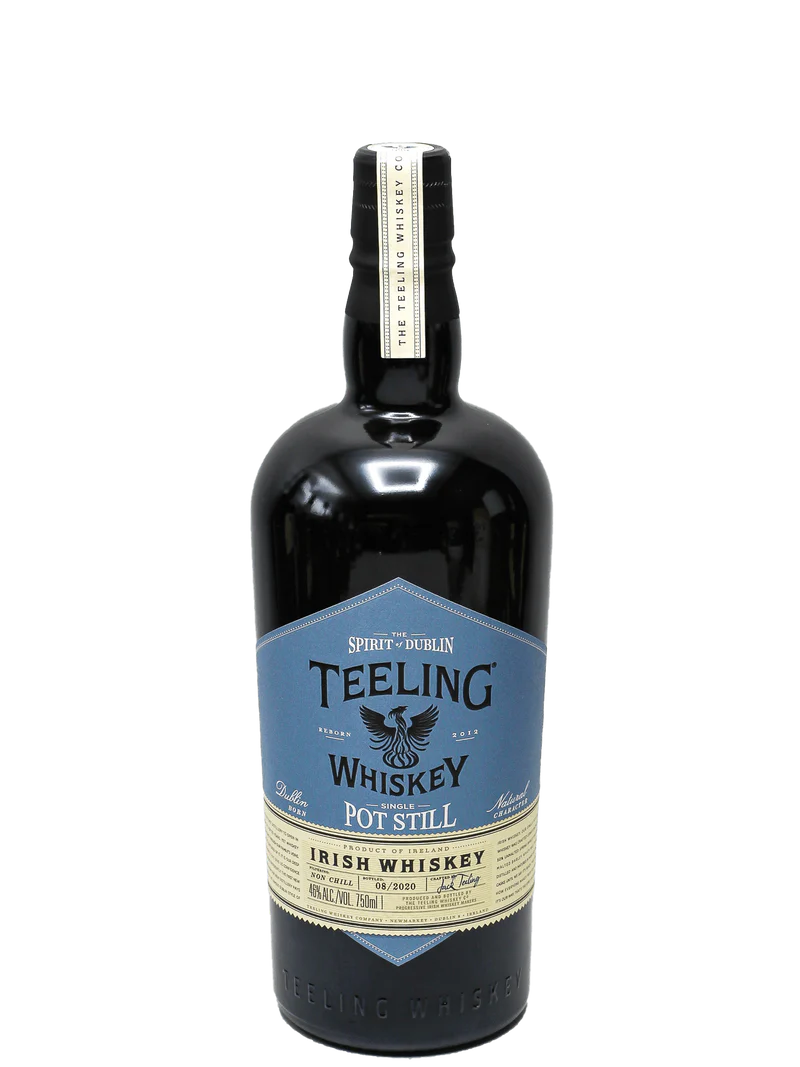
In Dublin's Newmarket Square, in the city's historic Liberties district, Teeling Distillery opened its doors in 2015 — the first new distillery to operate in Dublin in over 125 years. Stephen and Jack Teeling built it as a working city-center distillery with three pot stills, a mash house, fermenters, and bonded warehouses all under one roof on a single downtown site. Their Single Pot Still release is the first single pot still Irish whiskey in almost half a century to be fully distilled in Dublin — a category that once defined the city before the distilleries disappeared. The mash bill is the uniquely Irish 50% malted / 50% unmalted barley, triple-distilled in copper, matured in a combination of American Virgin Oak, bourbon, and sherry casks, and bottled on the same Dublin property where it was distilled. — where Teeling Single Pot Still is the first Dublin-distilled single pot still Irish whiskey in nearly fifty years. That alone is a historical achievement, but what sits in the glass is also simply good whiskey: the classic Irish creamy body from unmalted barley, the triple-distilled softness, the three-cask maturation program that Stephen Teeling designed for this expression. For a distillery that has been making spirit on this single site since 2015, the restraint and balance are remarkable. This is an Irish homecoming bottled in Dublin from barley to cork — a single pot still style returned to the city that invented it, made by one family in one building.
Classification: Single Pot Still Irish Whiskey, Dublin-Distilled
Company: Teeling Whiskey Company
Distillery: Teeling Distillery, Newmarket Square, Dublin
Proof: 92 (46% ABV)
Age: No Age Statement (minimum 4 years)
Mash Bill: 50% Malted Barley, 50% Unmalted Barley (traditional Irish pot still recipe)
Distillation: Triple pot still distillation at Teeling Distillery, Dublin
Maturation: Aged in a combination of American Virgin Oak, ex-Bourbon, and ex-Sherry casks on site in Dublin
Color: Rich gold with warm honey highlights
MSRP: $55–$70
Nose: Fresh orchard fruit leads — green apple and poached pear — layered with creamy vanilla, buttered shortbread, and a hint of toasted barley. A whisper of sweet oak spice and gentle honey round the nose.
Palate: Rich and creamy in the mouth. Oily texture from the unmalted barley carries waves of baked apple, vanilla cream, and malted barley biscuit, before sweet sherry-accented dried fruit emerges mid-palate. The triple distillation keeps the body silken, the new oak adds structure.
Finish: Medium-long with lingering vanilla, sweet oak, and a final note of creamy barley that fades slowly into a gentle spice warmth.
Cocktail — The Newmarket Sour: Combine 2 oz Teeling Single Pot Still, 0.75 oz fresh lemon juice, 0.5 oz honey syrup, and 1 egg white in a shaker. Dry shake, then shake with ice, strain into a chilled coupe, and top with three dashes of Angostura bitters. The creamy pot still texture marries beautifully with the whipped egg-white cloud.
Pair with: Aged Irish cheddar with a drizzle of heather honey and oat biscuits — the whiskey's barley-forward creaminess melts into the cheese while the oak spice balances the sweetness of the honey.
Awards: Double Gold, San Francisco World Spirits Competition; 92 points, Whisky Advocate; Named to Whisky Advocate's Top 20 Whiskies of the Year.
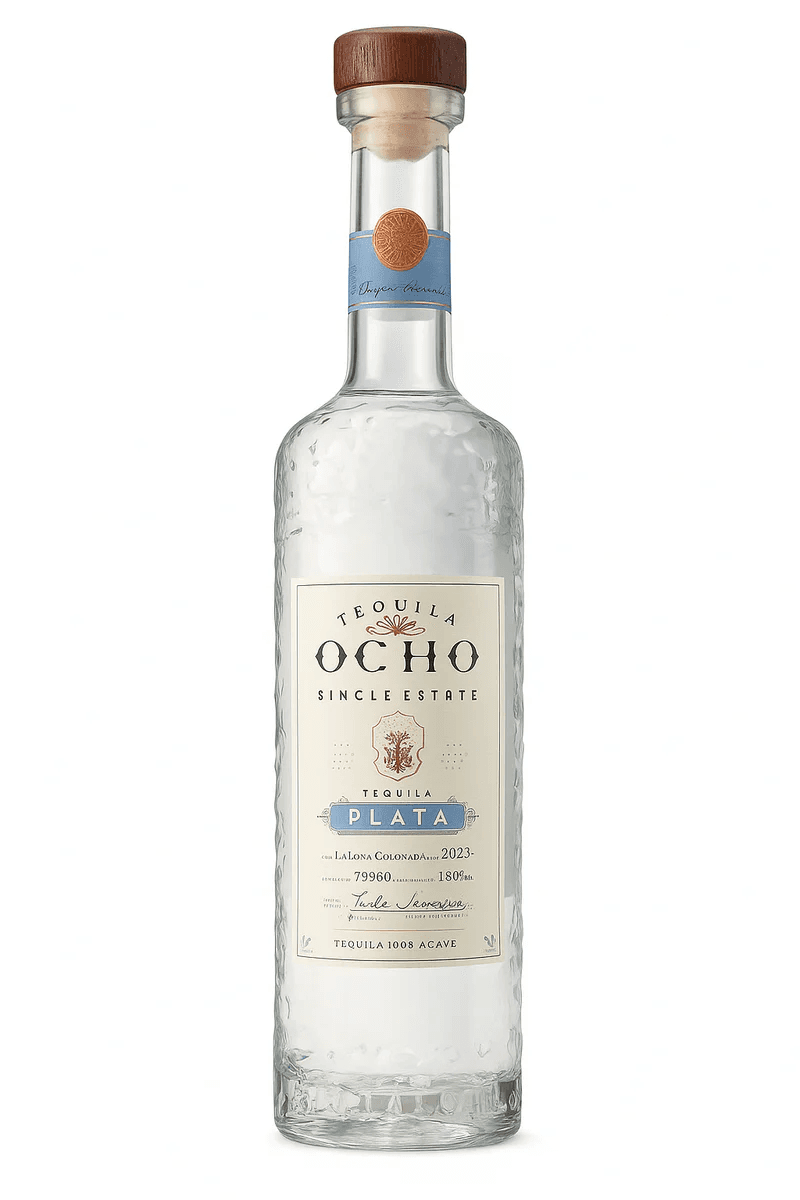
TEQUILA Tequila Ocho Plata
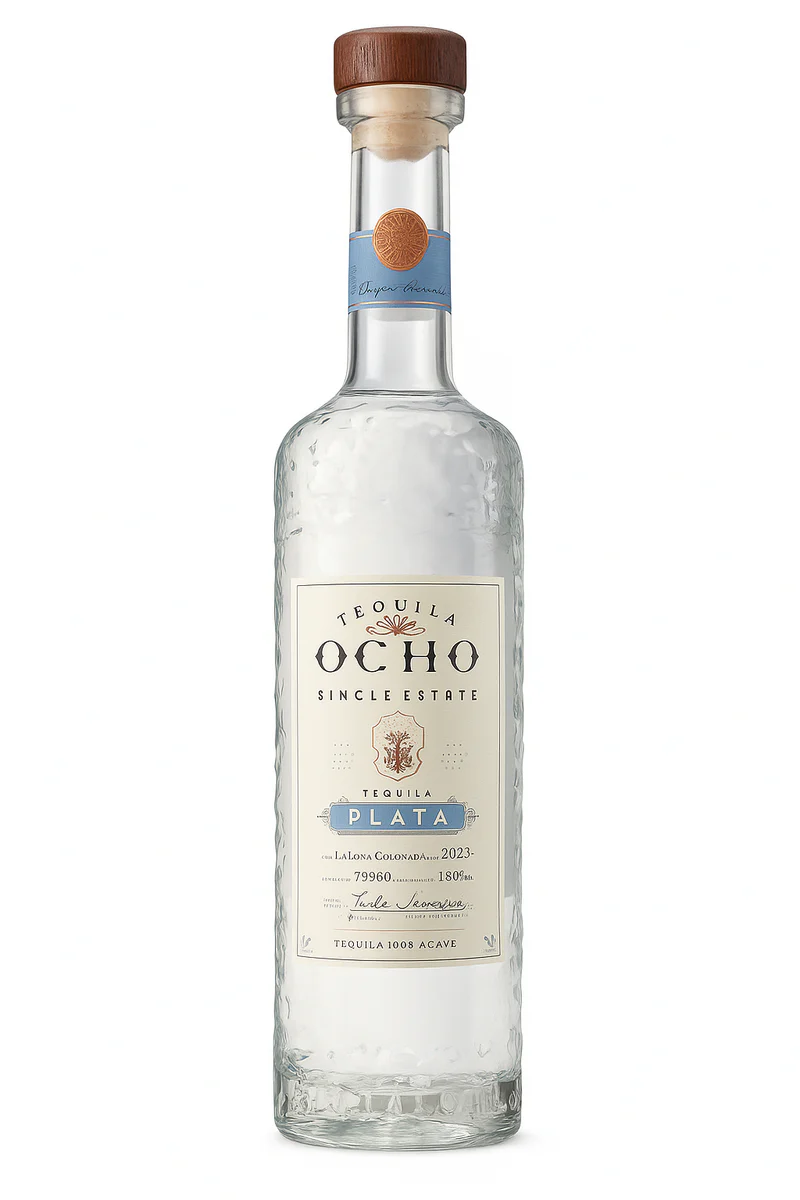
Tequila Ocho is the brainchild of Tomás Estes, Mexico's Official Tequila Ambassador to Europe, and Carlos Camarena, a third-generation Tequilero at La Alteña Distillery in the Jalisco Highlands. Launched in 2008, Ocho was the first tequila brand ever to release vintage-dated tequilas from single estates — labeling every bottling with the specific rancho that grew the agave and the year that agave was harvested. The Camarena family owns eleven ranchos across the Highlands, and each is farmed, harvested, and distilled independently so that the soil, elevation, and vintage of one piece of land lands untouched in the bottle. This is tequila as single-vineyard wine — same family, same distillery, same process, but the agave comes from one specific plot in one specific vintage. Each Ocho Plata is a snapshot of a particular piece of Highland land and soil, bottled at a fixed point in time. — where Ocho Plata is the only commercially available tequila that treats each bottling like a wine vintage from a specific vineyard. The Camarena family has been distilling in Arandas for five generations; the eleven ranchos Ocho sources from are all owned by the Camarena family. When you drink Ocho Plata, you are drinking a single piece of Highland Jalisco, harvested in a single year, by people whose name is on the label. No other tequila shows you estate and vintage this transparently — and very few at any price match its purity of cooked agave expression.
Classification: Tequila Blanco, 100% Blue Weber Agave, Single Estate Single Vintage
Company: Tequila Los Alambiques (Camarena family)
Distillery: La Alteña Distillery (NOM 1139), Arandas, Jalisco Highlands
Proof: 80 (40% ABV)
Age: Unaged (Blanco)
Agave: 100% Blue Weber Agave, matured 8–10 years, single rancho, single vintage
Production: Stone-oven (mampostería) cooking, open tank fermentation, double distillation in small copper pot stills
Color: Crystal clear
MSRP: $45–$55
Nose: Cooked agave leads, vibrant and sweet, followed by citrus blossom, white pepper, and a fresh herbaceous note of mint and wet stone. The single-estate agave brings a distinct mineral clarity.
Palate: Bright and expressive. Cooked agave sweetness meets lime zest, green pepper, and a savory earthiness that speaks to the specific highland soil. A gentle peppery warmth builds mid-palate, balanced by a creamy texture from long copper pot distillation.
Finish: Medium length with lingering cooked agave, citrus peel, and a clean mineral dryness that fades gracefully.
Cocktail — The Rancho Paloma: Combine 2 oz Tequila Ocho Plata, 0.5 oz fresh lime juice, 0.25 oz agave syrup, and 4 oz fresh pink grapefruit soda in a salt-rimmed highball glass over ice. Garnish with a grapefruit wheel. The bright citrus pulls the single-estate minerality forward.
Pair with: Ceviche of sea bass cured in lime, jalapeño, and red onion — the tequila's herbal and mineral notes echo the marinade while the cooked agave sweetness balances the heat.
Awards: 95 points, Tequila Matchmaker; Gold Medal, San Francisco World Spirits Competition; Named to Wine Enthusiast's Top 100 Spirits list.
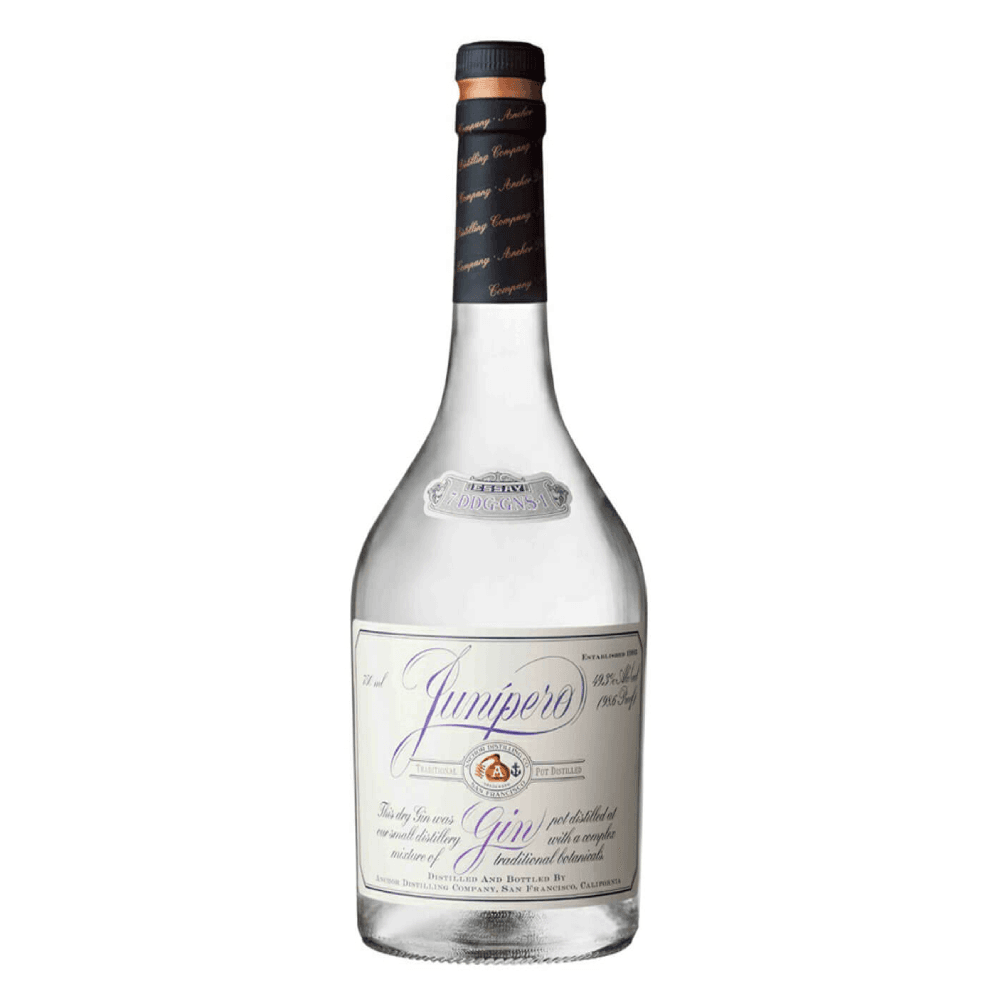
GIN Junípero Gin
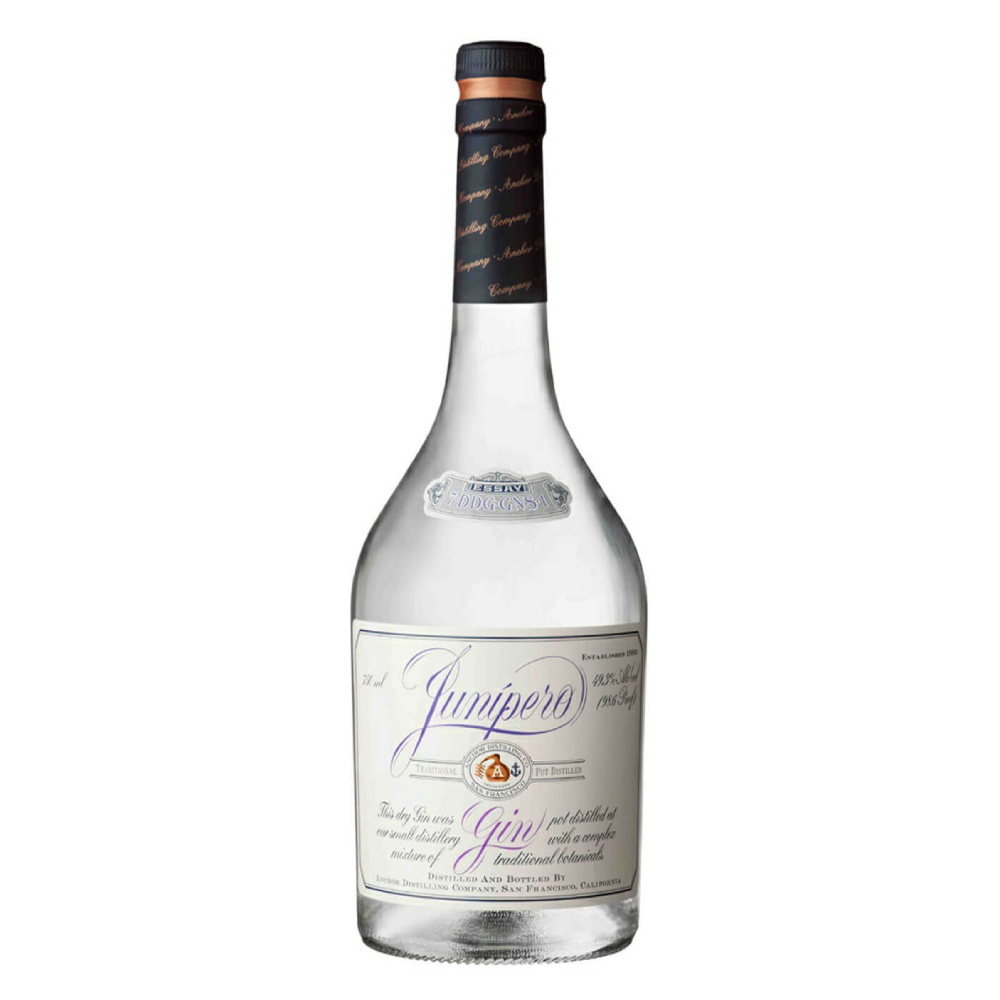
Junípero was the first American craft gin of the modern era, launched in 1996 by Anchor Distilling (now Hotaling & Co.) at their Potrero Hill distillery in San Francisco. At a time when American gin barely existed as a category, Fritz Maytag's Anchor Brewing team decided to make everything in-house: their own alcohol base distilled from American grain at Anchor's own small copper pot still, their own botanical blend of twelve hand-selected botanicals macerated and then redistilled in that same pot still, and their own bottling line. Every step from mash to bottle happens at the Potrero Hill distillery. Named for the Spanish Franciscan friar Junípero Serra (and for the Spanish word for juniper), Junípero is the original American estate-distilled gin. — where Junípero is the gin that started a movement. Three decades after its debut, it still represents the American craft gin gold standard — not because it chases trends, but because it doesn't need to. Every bottle is made entirely on Potrero Hill: grain-to-glass at a scale that most craft gins now claim but few actually deliver. The high proof, the juniper-forward profile, and the twelve hand-selected botanicals all come together in a gin of uncommon structural clarity. At thirty dollars, it is the finest estate-distilled American gin you can buy.
Classification: American Distilled Gin
Company: Hotaling & Co. (formerly Anchor Distilling)
Distillery: Anchor Distillery, Potrero Hill, San Francisco
Proof: 98.6 (49.3% ABV)
Botanicals: Twelve botanicals including juniper, coriander, angelica root, and citrus peels (full recipe proprietary)
Distillation: Single small-batch copper pot still distillation with direct botanical maceration
Base: Neutral grain spirit distilled in-house from American grain
Color: Crystal clear
MSRP: $30–$35
Nose: A confident wall of fresh juniper opens — pine, resin, and forest floor — followed by waves of coriander, angelica root, and bright citrus peel. Herbal and slightly peppery undertones give the nose a distinctive American confidence.
Palate: Bold and juniper-forward. The botanicals arrive in sequence: pine-forward juniper, bright lemon and orange peel, earthy angelica, then a warming spice from coriander and cardamom. The high proof delivers them all without dilution.
Finish: Long and warming with lingering juniper resin, dried citrus peel, and a peppery herbaceous dryness.
Cocktail — The San Francisco Martini: Combine 2.5 oz Junípero Gin and 0.5 oz dry vermouth in a mixing glass. Stir with ice for thirty seconds until well chilled, strain into a chilled coupe, and garnish with a lemon twist expressed over the surface. The high-proof juniper carries the vermouth rather than fighting it.
Pair with: A Meyer lemon tart with shortbread crust — the gin's bright citrus botanicals amplify the lemon while the juniper cuts through the richness of the shortbread.
Awards: Gold Medal, San Francisco World Spirits Competition; Listed among the 50 Best American Gins by Wine Enthusiast; Named a craft-gin category pioneer by the American Distilling Institute.
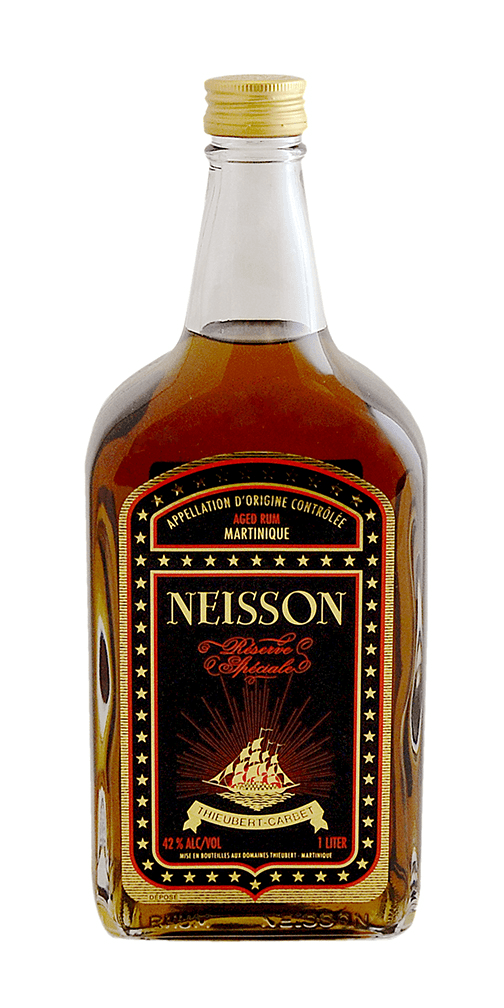
RUM Neisson Réserve Spéciale Rhum Agricole
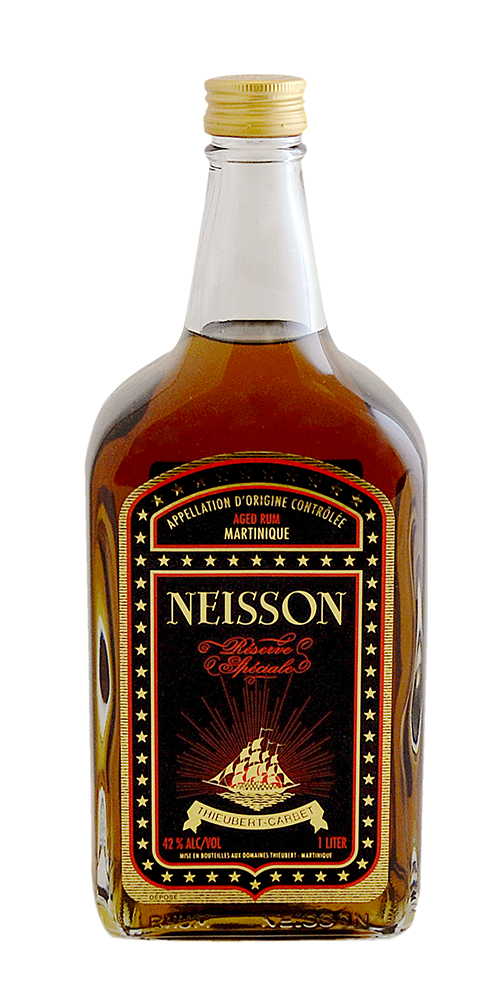
On the western coast of Martinique, in the parish of Le Carbet, the Neisson estate has been making rhum agricole since 1931. Adrien Neisson acquired the Thieubert dwelling with its twenty hectares of cane; his descendants have run the estate ever since, expanding the cane fields to nearly fifty hectares while keeping every step under the family name. They grow their own sugarcane on the estate's volcanic soil, press it within hours of harvest, and distill the fresh cane juice in their own Savalle-style single column creole still. Everything happens on the estate: cane fields, press, fermentation tanks, still house, and aging cellar. The Réserve Spéciale spends its initial months in French Limousin oak before moving into ex-Bourbon and ex-whiskey American oak casks, all resting on site where the maritime tropical climate accelerates maturation. Neisson remains one of the last fully independent, fully family-owned estate rhum producers in the French Antilles. — where Neisson Réserve Spéciale is the rhum that defines what estate-produced rhum agricole can be. From the cane fields the family plants to the still house their grandfather built to the cellars where the barrels rest, every decision sits under one roof. The AOC Martinique regulations already demand strict estate standards, but Neisson goes further — refusing expansion, refusing outside capital, refusing any cane from outside the estate. What lands in your glass is a rhum with the pure stamp of one family, one hillside, and one ocean view. At sixty dollars, it is an introduction to estate rhum agricole that drinks like a glimpse of a specific place on earth.
Classification: Rhum Agricole AOC Martinique, Réserve Spéciale
Company: Neisson (Hildevert Neisson family)
Distillery: Neisson Distillery, Le Carbet, Martinique
Proof: 84 (42% ABV)
Age: Minimum 4 Years (AOC Vieux; blend includes up to 8-year-old rhums)
Base: 100% Neisson estate-grown fresh sugarcane juice
Distillation: Single column creole still distillation on-estate; matured in French Limousin oak, then transferred to ex-Bourbon American oak casks
Color: Rich amber with warm copper highlights
MSRP: $55–$65
Nose: Grassy and floral first — the signature agricole signature of fresh-pressed cane — followed by tropical fruit, vanilla, honey, and a gentle oak warmth from tropical maturation. A whisper of green banana and coconut rounds the picture.
Palate: Rich and structured. Fresh sugarcane grass leads, then opens into tropical fruit, vanilla, and toasted coconut. A gentle oak tannin gives the mid-palate backbone, while the estate character — mineral, bright, clean — runs throughout.
Finish: Long and warming with lingering cane grass, vanilla, and a touch of sweet oak fading into tropical fruit and a clean mineral dryness.
Cocktail — The Le Carbet Ti' Punch: In a rocks glass, combine 2 oz Neisson Réserve Spéciale, 0.5 oz fresh lime juice, and 0.5 oz cane syrup (sirop de canne). Stir briefly without ice, add one large cube, and stir once more. The classic Martiniquais ritual — no garnish, no dilution, just cane, lime, and estate rhum.
Pair with: Grilled pineapple glazed with brown butter and dark muscovado sugar — the tropical fruit in the rhum mirrors the pineapple while the vanilla oak frames the caramelized sugars.
Awards: Gold Medal, International Rum Conference Madrid; 93 points, Wine Enthusiast; Named among the top agricole rhums of Martinique by Rum Howler.
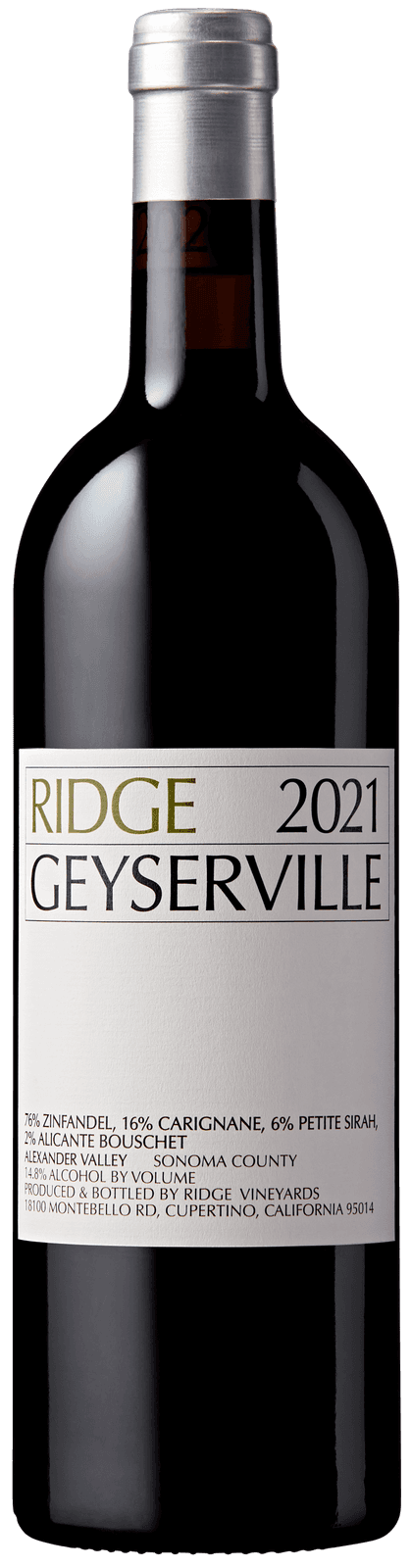
RED WINE Ridge Vineyards Geyserville 2021
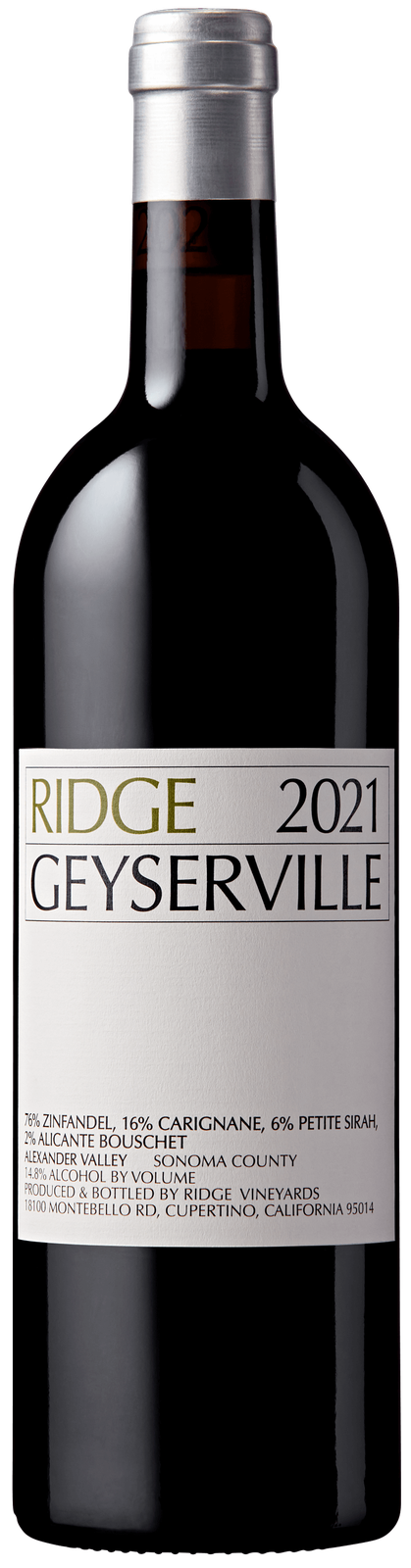
In Geyserville, at the northern end of Sonoma County's Alexander Valley, Ridge Vineyards has been bottling a field-blend red from the Trentadue Ranch since 1966. The vines are planted in the estate's gravelly benchland soils — the Old Patch section contains zinfandel and carignane vines more than 130 years old, plantings that Ridge has tended without replanting for nearly six decades. Everything happens at the estate: farming, harvesting, fermenting with native yeasts in open-top tanks, aging in air-dried American oak, and bottling on the same property. Paul Draper built Ridge's reputation on the radical idea that California wine should express a single vineyard's personality without winemaker interference. Geyserville is Ridge's Alexander Valley answer to that idea — a single-vineyard red that has been continuously made from the same blocks for nearly sixty vintages. — where Ridge Geyserville is what happens when a single vineyard, a single winemaking team, and a single philosophy come together over six decades of continuous vintages. The Trentadue Ranch is Ridge's estate laboratory — the same blocks, the same native-yeast fermentation, the same air-dried American oak for nearly sixty years. What lands in the glass is not just wine from Sonoma but a specific field, a specific bench, a specific cluster of 130-plus-year-old vines. Paul Draper's guiding principle was that the winemaker's job is to get out of the way; Ridge Geyserville is the clearest proof that when a single estate is trusted to speak for itself, the result is a California wine of genuine place.
Classification: California Red Wine, Alexander Valley
Company: Ridge Vineyards
Winery: Ridge Vineyards, Geyserville estate, Sonoma County, California
ABV: 14.4% ABV
Primary Varietal: Zinfandel field-blend
Blend: 76% Zinfandel, 16% Carignane, 6% Petite Sirah, 2% Alicante Bouschet
Vineyards: Trentadue Ranch, Geyserville — Alexander Valley benchland (Old Patch vines over 130 years old)
Maturation: 15 months in American oak (21% new), air-dried at the estate cooperage
Color: Deep ruby with purple highlights
MSRP: $45–$55
Nose: Ripe blackberry and black raspberry lead, layered with sweet baking spice, violet, sandalwood, and a meaty savory note that only old-vine field blends deliver. A whisper of dried herb and cedar rounds the nose.
Palate: Rich and structured. Black fruit and dark cherry open the palate, followed by waves of blackberry jam, cracked black pepper, and a savory iron-like mineral note. The 130-plus-year-old carignane brings a wiry tannin backbone, while the Ridge house style keeps everything in elegant balance.
Finish: Long and layered with lingering black fruit, sweet oak spice, and a savory earthy note that fades gradually into a dry, peppery finish.
Cocktail — Serve it straight. Ridge Geyserville is a single-vineyard field blend whose complexity deserves a Bordeaux glass at 62F. Decant 30 minutes before serving to allow the old-vine aromatics to open. No mixing.
Pair with: Grilled rib-eye with rosemary and cracked black pepper — the wine's savory spice and peppery old-vine structure echo the herbs while the ripe black fruit balances the char.
Awards: 94 points, Wine Spectator; 95 points, Vinous; 94 points, Wine Enthusiast — consistently among the highest-rated zinfandel-based blends in California.
WHITE WINE Domaine Ostertag Muenchberg Grand Cru Riesling 2021
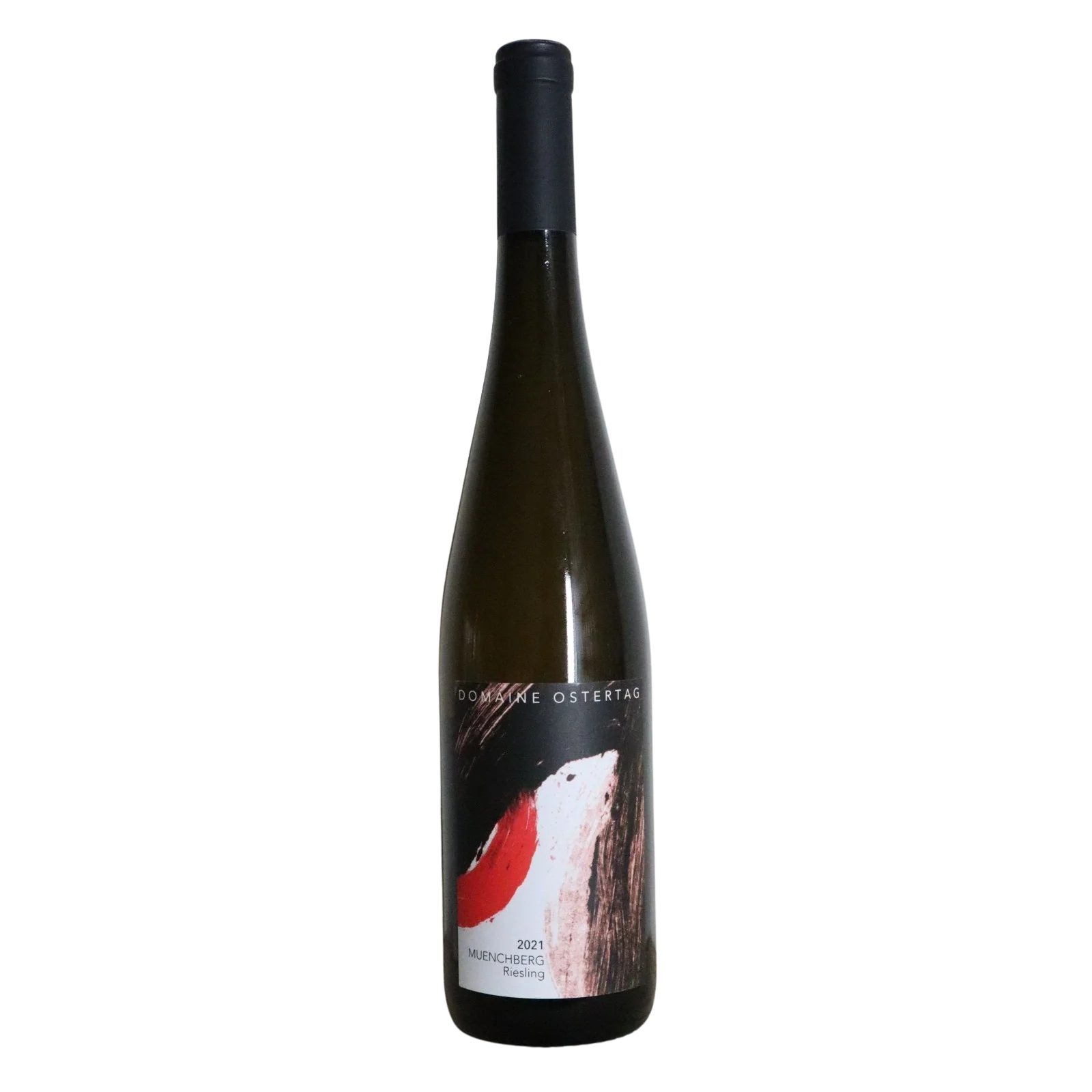
In the Alsace village of Epfig, André Ostertag — and now his son Arthur — farm roughly fifteen hectares of vines across some of Alsace's most distinctive terroirs. Ostertag has been working biodynamically since the late 1990s: every decision, from plowing with a horse when the tractor is too heavy for the soil to bottling by hand, happens under one family's stewardship. The Muenchberg Grand Cru is a south-facing amphitheater in the village of Nothalten whose soils combine volcanic sediment with pink Vosges sandstone and a touch of limestone — a single cru whose name means 'Monk's Mountain,' planted by Cistercians in the twelfth century. Ostertag farms it with total devotion, letting the vineyard speak for itself through biodynamic cultivation, wild-yeast fermentation, and long aging on the lees. No chaptalization, no acidification, no commercial yeast. Just one family, one hillside, one wine. — where Ostertag's Muenchberg Grand Cru is estate wine at its most uncompromising. André Ostertag built his reputation on refusing every shortcut modern winemaking offers, and his son Arthur has kept that line intact. The Muenchberg hillside is farmed by the same family that ferments, ages, and bottles its wine — and the Grand Cru designation means nothing is blended away from other plots. When you pour this Riesling, you are pouring one family, one south-facing slope of volcanic and sandstone soil, one vintage, with zero dilution of any of those three variables. This is what estate-scale biodynamic Alsace Riesling tastes like when no one along the way is asking for a compromise.
Classification: Alsace Grand Cru, Dry Riesling (Biodynamic)
Company: Domaine Ostertag (Ostertag family)
Winery: Domaine Ostertag, Epfig, Alsace
ABV: 12.5% ABV
Primary Varietal: Riesling
Blend: 100% Riesling
Vinification: Biodynamic farming, hand-harvested, whole-cluster pressed, wild-yeast fermentation in old oak foudres, extended lees aging, unfined
Color: Pale gold with brilliant clarity
MSRP: $65–$80
Nose: Elegant and layered. White peach, Meyer lemon, and honeysuckle open the nose, followed by a distinctive smoky-flinty note from the volcanic and pink-sandstone soils, a whisper of fresh herbs, and a savory saline undertone that only Grand Cru Alsace delivers.
Palate: Precise and linear. Stone fruit and citrus zest lead, underpinned by a vibrant acidity that carries a wave of mineral — crushed rock, lemon pith, and a long savory saline thread. The biodynamic farming shows itself as textural depth: creamy lees, dry extract, and a sense of coiled energy.
Finish: Very long with lingering stone fruit, lemon peel, and a persistent mineral drive that fades slowly into a dry, honeyed warmth.
Cocktail — Not a mixer. This is a Grand Cru bottling from a biodynamic estate, and the honest answer is to open it, serve at 52F in a Riesling glass, and let the first pour be drunk alone. Reconsider only after a plate of food calls for it.
Pair with: Alsace choucroute garnie — the classic pairing with dry Alsace Riesling. The wine's stone fruit and mineral drive cut through the richness of pork and sausages while the acidity refreshes each bite.
Awards: 94 points, Wine Advocate; 93 points, Vinous; featured among the top biodynamic white wines of Alsace by Wine & Spirits Magazine.
Train Your Nose: Today's Aroma Spotlight
Single-Estate Aromas: Training Your Nose to Taste a Place
When everything happens on one estate, the distinctive fingerprint of that place sharpens into focus. The same grain variety, the same water, the same microclimate, the same hands — all amplify the signature aromas until they become the bottle's signature itself. Training your nose on these estate wines and spirits means training your nose to recognize place.
Pour the Balcones Texas Pot Still Bourbon and the Teeling Single Pot Still side by side. Balcones malts and distills its grain on one Waco site; Teeling is the first single pot still Irish whiskey in over half a century to be fully distilled in Dublin, at Teeling's own city-center distillery. Notice how the grain character in each feels crisp and un-muddied — nothing blended in from elsewhere to smooth rough edges. That clarity is what vertical integration tastes like.
Now compare Neisson Réserve Spéciale Rhum Agricole with Ridge Geyserville. Both come from estate-grown raw material pressed within hours of harvest — sugarcane in Martinique, zinfandel vines in Sonoma. Notice the vibrancy, the sense that nothing has traveled far. Estate bottlings share an electric freshness that procured raw material simply cannot replicate.
Today's Kit Reference
| Today's Product | Key Aromas | Train With |
|---|---|---|
| Balcones Texas Pot Still Bourbon | Corn, Caramel, Pecan, Brown Spices, Charred Oak, Vanilla | Bourbon Aroma Masterclass Kit |
| Daftmill 2011 Summer Batch Release | Malt, Almond, Honey, Vanilla, Green (Cut Grass), Peach | Whisky Aroma Masterclass Kit |
| Teeling Single Pot Still Irish Whiskey | Vanilla, Honey, Malt, Dried Fruit, Peach, Almond | Whiskey Aroma Masterclass Kit |
| Tequila Ocho Plata | Agave (Cooked), Citrus (Lemon, Lime, Orange, Grapefruit), Pepper, Earth (Mineral, Soil Notes), Herbal (Mint, Thyme, Eucalyptus), Floral (Lavender, Rose, Violet) | Tequila & Mezcal Aroma Masterclass Kit |
| Junípero Gin | Juniper (Pine), Juniper (Woody/Resinous), Coriander, Orange, Lemon, Peppery | Gin Aroma Masterclass Kit |
| Neisson Réserve Spéciale Rhum Agricole | Agricole, Vanilla, Coconut, Tropical Fruits, Oak, Caramel | Rum Aroma Masterclass Kit |
| Ridge Vineyards Geyserville 2021 | Berry (Generic), Cherry, Blackcurrant, Cedar, Violet, Toasted | Wine Aroma Masterclass Kit |
| Domaine Ostertag Muenchberg Grand Cru Riesling 2021 | Apple (Green), Citrus (Generic), Honey, Floral (Rose), Melon, Nut (Almond/Coconut) | Wine Aroma Masterclass Kit |
Explore the School of Wine and Spirits
Today's eight selections are a study in place — and what place reveals. Our books on Amazon take you deeper into those places — from the grain-to-glass distilleries of Texas and Waco in America's Spirit, the misty farm distilleries of Scotland's Spirit and Ireland's Spirit, the volcanic highlands of The Tequila y Mezcal Revolution, the ancient vineyards of The Ultimate Northern Italian Wine Journey, and the fossilized seabeds of Burgundy in our The Definitive Pocket Guide to Chablis and The Definitive Pocket Guide to the Côte d'Or pocket guides.
Explore our Aroma Masterclass kits and books at schoolofwineandspirits.com
Join the School of Wine and Spirits Community
Connect with fellow connoisseurs, share tasting notes, and go deeper into every pour. Sign up at skool.com/schoolofwineandspirits
Our kits make the perfect gift for the curious drinker in your life — because once you learn to identify aromas, you never taste the same way again.
Know someone who would enjoy The Still & The Vine? Forward this issue to a fellow enthusiast — or share it on social media and tag @SchoolofWineandSpirits. We grow by word of mouth.
Until tomorrow's pour — cheers.
Robert R. Mohr, CPA, CGMA, WSET Level 3, WSG Certified Spirits Specialist — author of America's Spirit, Scotland's Spirit, Ireland's Spirit, The Ultimate Northern Italian Wine Journey, The Tequila y Mezcal Revolution, The Definitive Pocket Guide to Chablis, The Definitive Pocket Guide to the Côte d'Or, and Strategic Tuning. Published author of the Aroma Academy Tequila/Mezcal and Distiller's training kits.
The Still & The Vine is a daily publication of the School of Wine and Spirits.
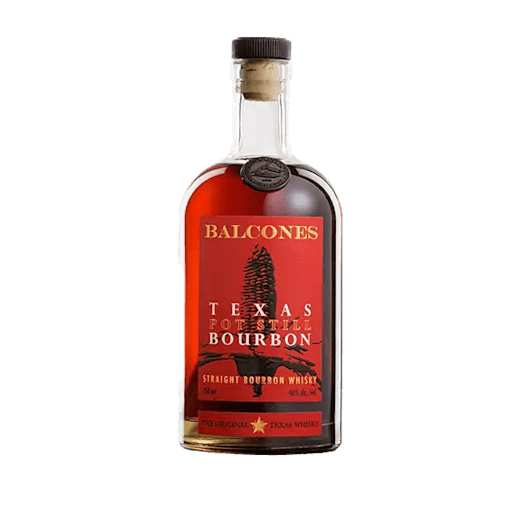
Balcones Texas Pot Still Bourbon
Balcones Distilling
Balcones Texas Pot Still is what happens when a distillery decides that 'grain-to-glass' is a promise, not a slogan. Malting their own roasted blue corn in-house is not a shortcut anyone takes — it's expensive, labor-intensive, and demands expertise most distilleries don't have. The reward is a bourbon with a genuinely unmistakable profile: the nutty, brown-sugar sweetness of roasted heirloom corn that you simply cannot buy from an industrial malt house. At under fifty dollars, this is estate-distilled Texas bourbon from a distillery that controls every variable from seed to seal.
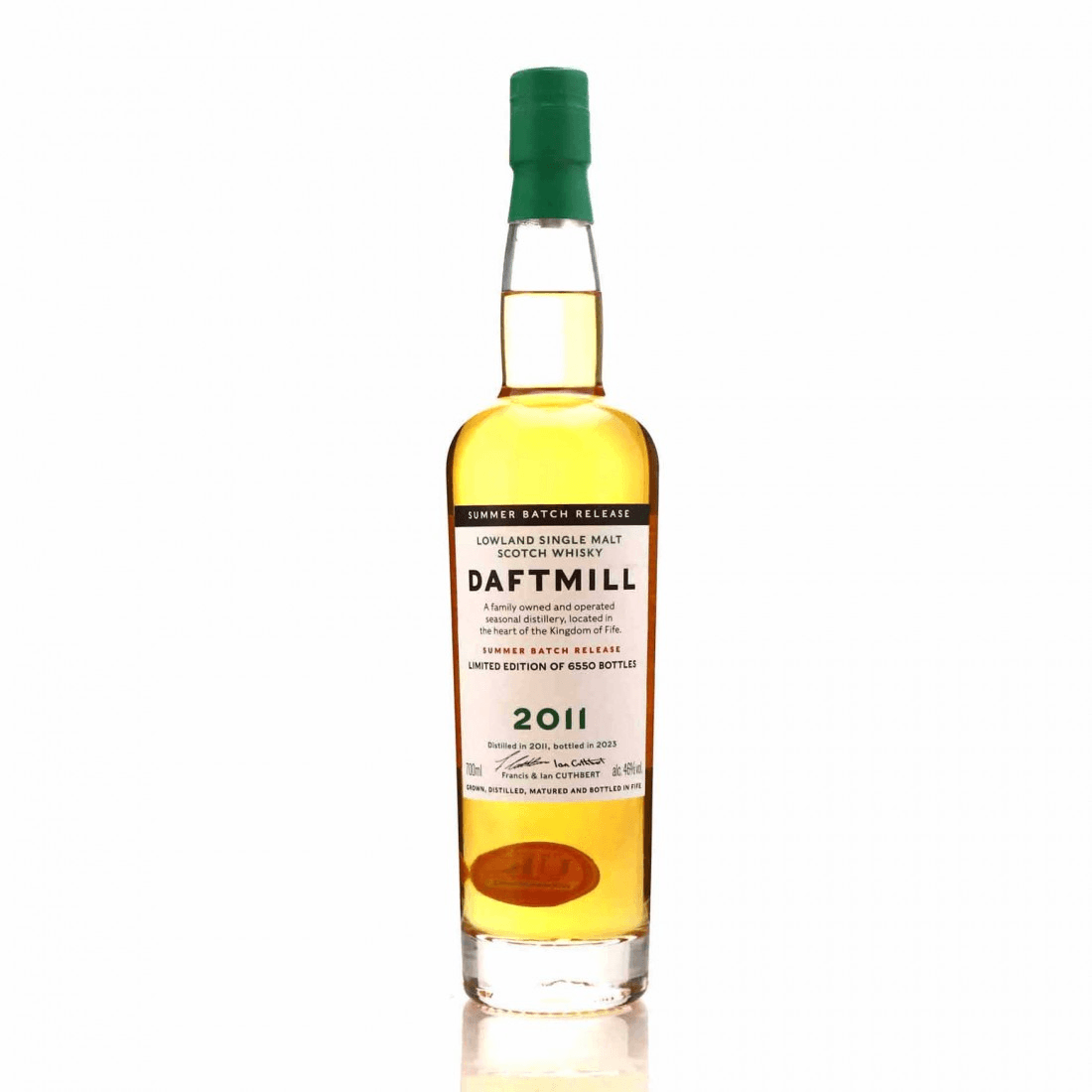
Daftmill 2011 Summer Batch Release
Daftmill Distillery (Cuthbert family)
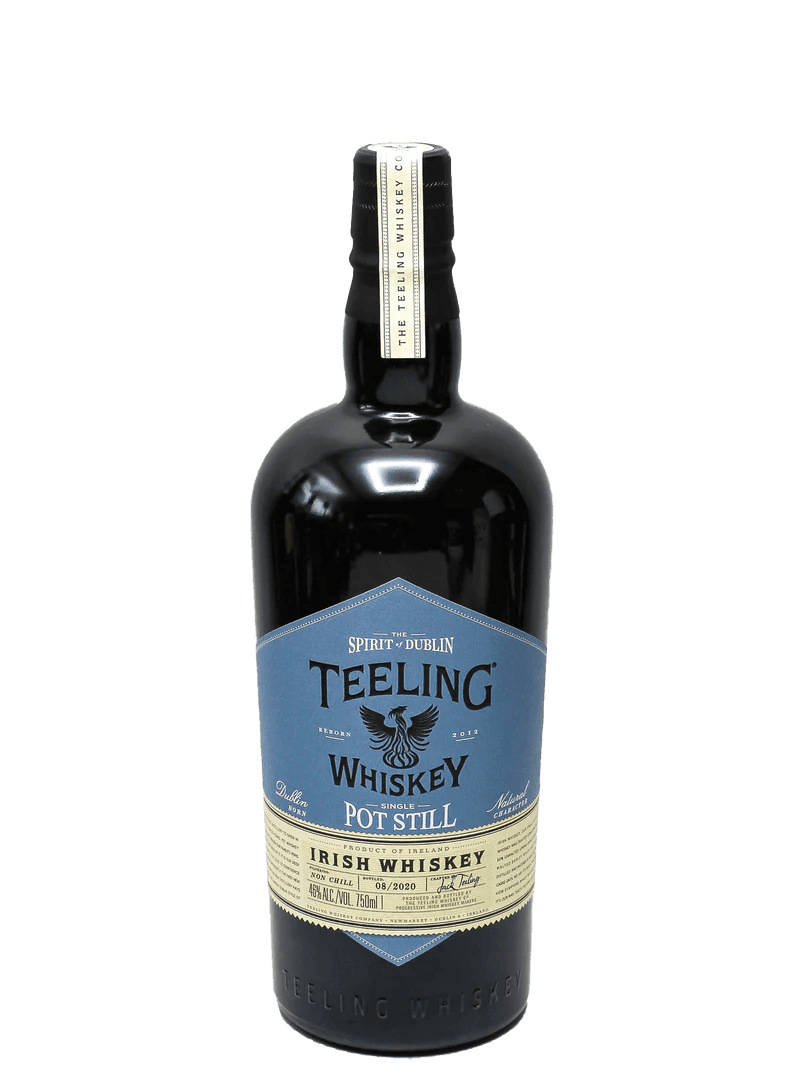
Teeling Single Pot Still Irish Whiskey
Teeling Whiskey Company
Tequila Ocho Plata
Tequila Los Alambiques (Camarena family)
Junípero Gin
Hotaling & Co. (formerly Anchor Distilling)
Neisson Réserve Spéciale Rhum Agricole
Neisson (Hildevert Neisson family)
Ridge Vineyards Geyserville 2021
Ridge Vineyards
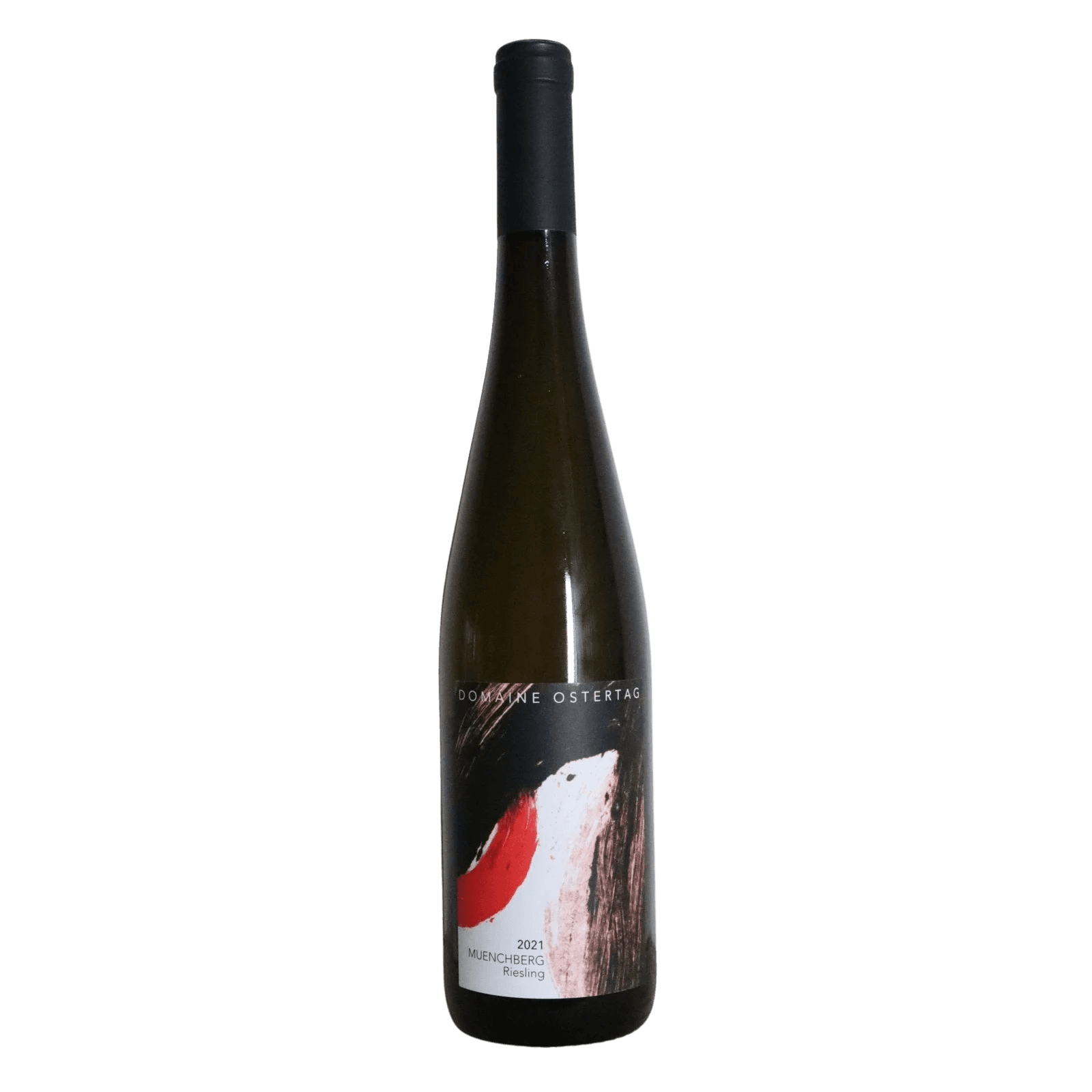
Domaine Ostertag Muenchberg Grand Cru Riesling 2021
Domaine Ostertag (Ostertag family)
Be the first to comment.