Issue 29 · April 24, 2026
The Catalyst
Theme: The Single Variable That Changed Everything
Eight bottles defined by one catalytic decision — from Bottled-in-Bond transparency and unchillfiltered purity to still-strength tequila, Riesling-infused gin, Grand Arome rum blending, Bordeaux philosophy in Napa, and the radical subtraction of every modern winemaking tool.
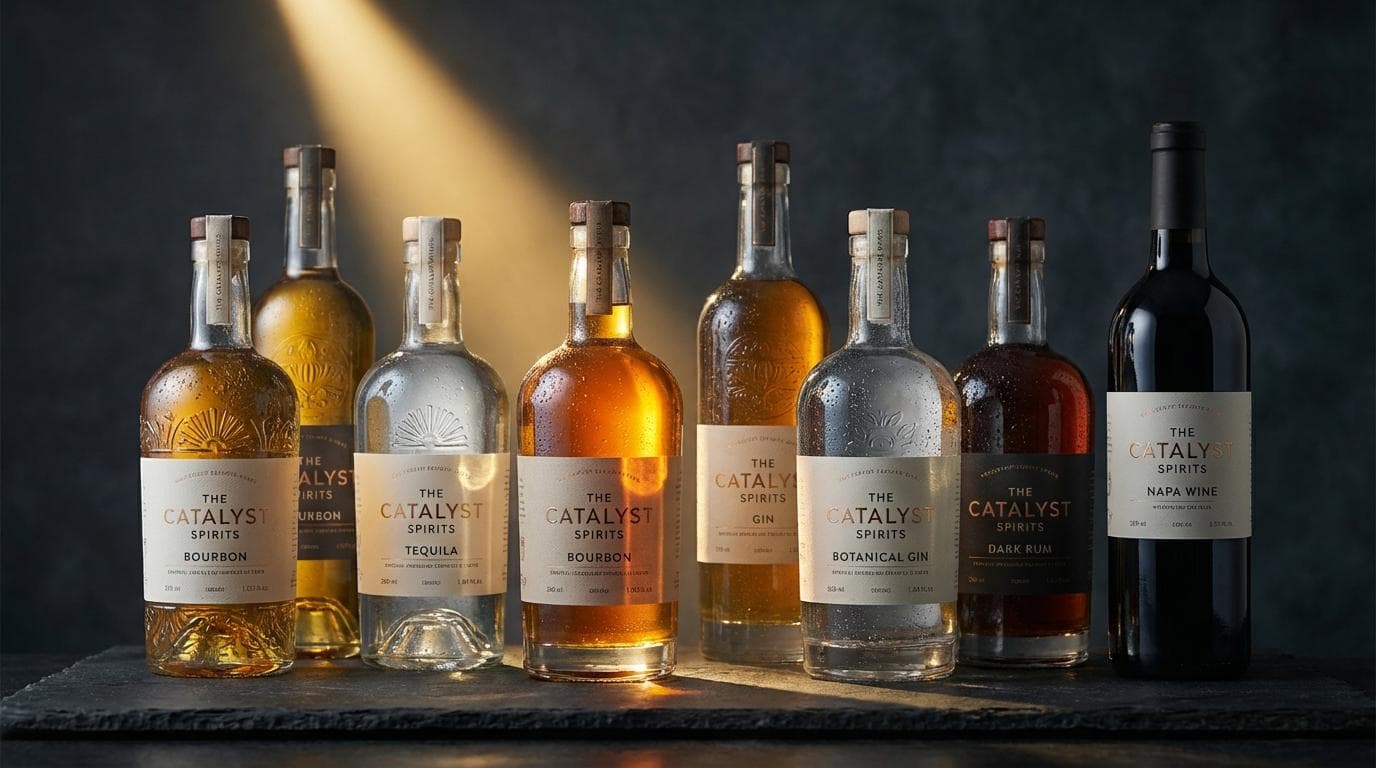

Every bottle begins the same way — grain, grape, agave, cane — raw material that could become anything or nothing at all. What separates the extraordinary from the merely competent is almost never a grand overhaul. It is one catalytic decision: a yeast strain kept alive for eighty years, a Riesling infusion no gin had ever attempted, a choice to bottle at barrel proof when everyone else diluted, a commitment to foot-stomp grapes in an age of pneumatic presses. Tonight we trace that single variable across eight remarkable bottles.
From a Newport distillery that staked its identity on Bottled-in-Bond transparency, to a fourth-generation tequilero who distills at still strength to preserve every molecule of agave, to a Bordeaux legend who transplanted his philosophy to Napa Valley — each maker found the one lever that changed everything. Some catalysts are ingredients. Some are techniques. Some are simply the courage to say no to convention. All of them prove that greatness hides in a single, deliberate choice.
Today's Selections
BOURBON SCOTCH WHISKY IRISH WHISKEY TEQUILA GIN RUM RED WINE WHITE WINE
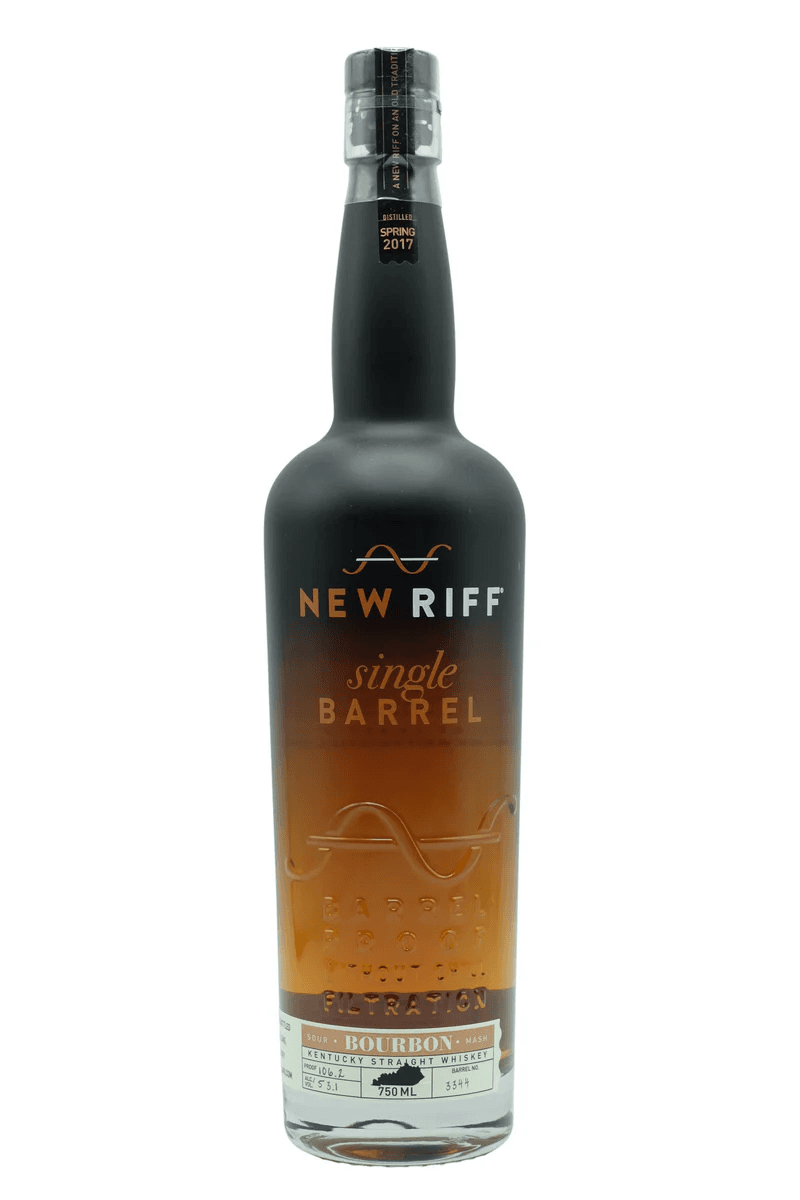
BOURBON New Riff Single Barrel Bourbon
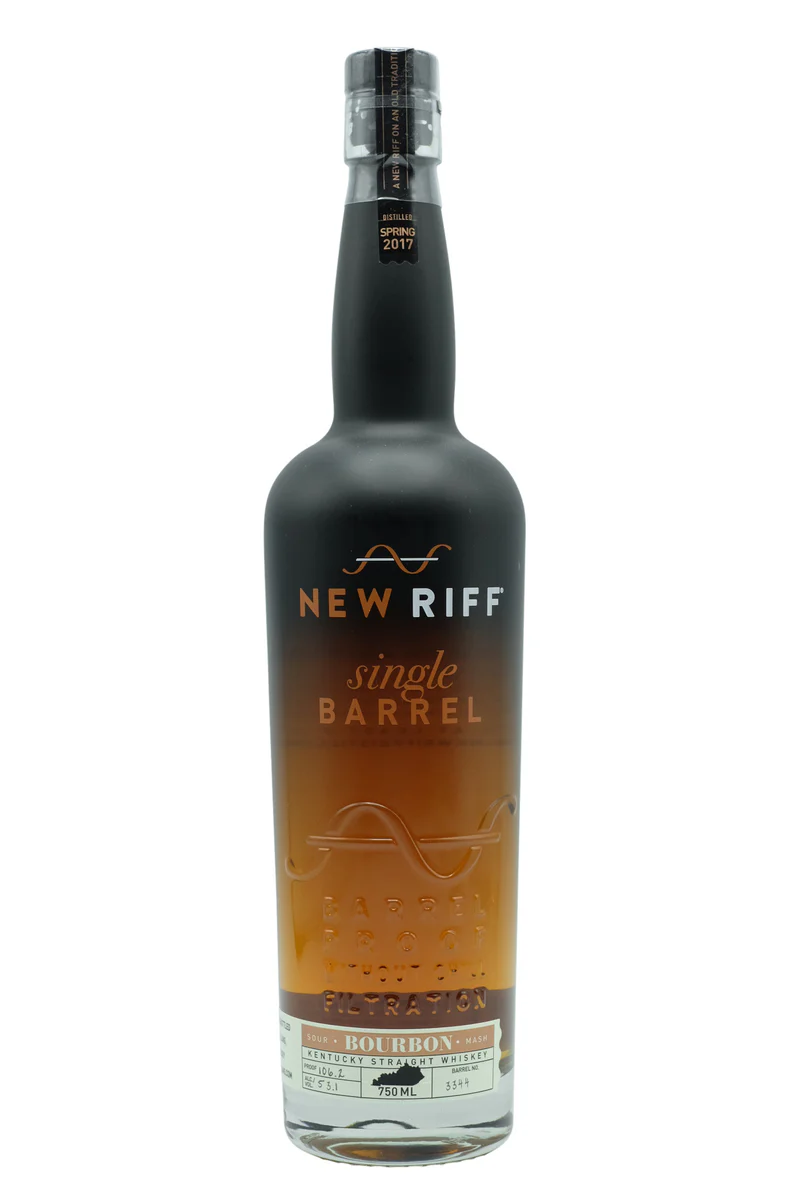
Newport, Kentucky sits just across the Ohio River from Cincinnati, in a corridor once thick with bourbon distilleries that vanished during Prohibition and never returned. In 2014, New Riff Distilling opened its doors with a radical promise for a startup: every barrel would be Bottled-in-Bond from day one. No blending to smooth rough edges, no chill filtration, no color adjustment — just the naked truth of their distillate, four-plus years in new charred oak, and 100 proof. That commitment was the catalyst. It meant every flaw would be visible and every triumph undeniable. — where New Riff's single barrel program is the purest expression of what happens when a distillery uses transparency as its catalyst. By committing to Bottled-in-Bond from barrel one — no blending, no filtration, no dilution — they stripped away every safety net and bet on the quality of their distillate. The high-rye mash bill delivers assertive spice and complexity that barrel proof amplifies rather than masks. Every barrel is different, and that is precisely the point: you are tasting the unedited conversation between grain, yeast, wood, and time. At under fifty-five dollars for barrel-proof single barrel bourbon of this quality, New Riff does not just compete with Kentucky's legacy houses — it challenges them to explain why they ever reached for the blending tank.
Classification: Kentucky Straight Bourbon Whiskey, Single Barrel, Barrel Proof
Company: New Riff Distilling
Distillery: New Riff Distillery, Newport, Kentucky
Proof: Barrel Proof (typically 108–118 proof)
Age: 4+ years (Bottled-in-Bond, single season)
Mash Bill: 65% Corn, 30% Rye, 5% Malted Barley
Color: Deep amber with burnished copper edges
MSRP: $49–$55
Nose: Caramel and toasted oak lead, followed by dark cherry, baking spices, and a bright rye-driven pepperiness. Underneath, butterscotch and a hint of charred wood.
Palate: Full-bodied and boldly structured. Rich caramel and vanilla coat the tongue, giving way to cinnamon-spiced rye grain, toasted pecan, and dark fruit. The high rye asserts itself with a vibrant, almost electric spice.
Finish: Long and warming. Charred oak, leather, and lingering butterscotch fade slowly alongside a dry, peppery rye spice that builds rather than retreats.
Cocktail — "The Newport Old Fashioned": Muddle one sugar cube with three dashes of Angostura bitters and a splash of water. Add 2 oz New Riff Single Barrel Bourbon and stir with a large ice cube for 30 seconds. Express an orange peel over the glass and drop it in. The barrel proof stands up beautifully to dilution, opening layers of caramel and spice as the ice slowly melts.
Pair with: Slow-smoked pork belly with a brown sugar and black pepper glaze. The bourbon's caramel sweetness mirrors the glaze while its rye spice cuts through the richness of the pork fat.
Awards: Gold Medal, San Francisco World Spirits Competition 2023; 92 Points, Wine Enthusiast; Best Kentucky Bourbon, New York International Spirits Competition 2022.
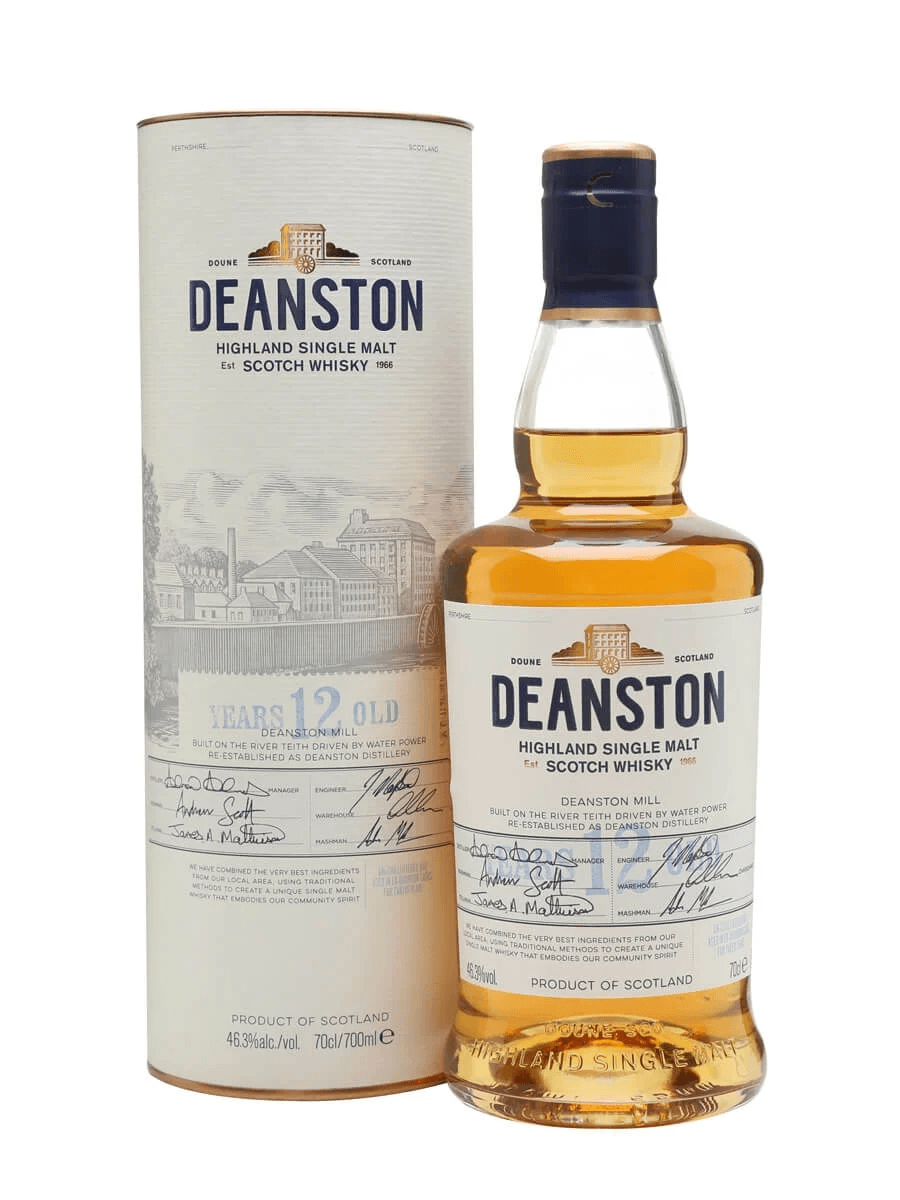
SCOTCH WHISKY Deanston 12 Year Old
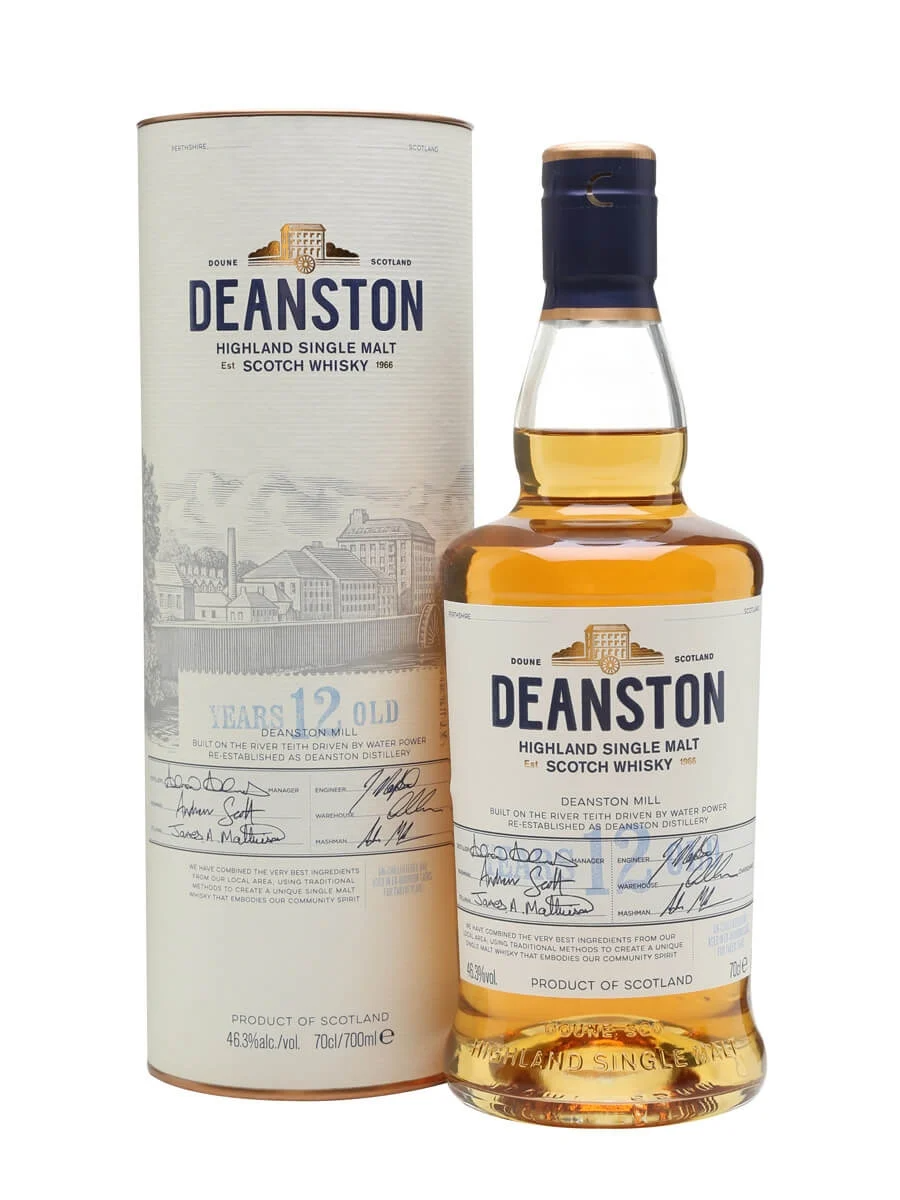
The Deanston Distillery sits inside a converted cotton mill on the banks of the River Teith in the Scottish Highlands, a building that once powered its looms with the same soft river water that now makes whisky. When the mill closed in 1965, the distillery opened the next year, inheriting an industrial-scale water supply and massive stone walls that provide natural temperature stability for aging. Deanston’s catalyst is its refusal to compromise on presentation: unchillfiltered, no artificial color, and bottled at 46.3% — a strength chosen to preserve every trace of texture and flavor that lesser bottlings strip away for cosmetic clarity. — where Deanston 12 is a masterclass in what unchillfiltered bottling unlocks. Most Highland malts at this age and price point arrive at 40% with caramel coloring and chill filtration that polishes away the very textures that make single malt interesting. Deanston's catalyst — the decision to skip those cosmetic shortcuts — delivers a whisky with a weight and mouthfeel that punches well above its price bracket. The creamy, honeyed malt character is unmistakably Highland, but the fuller texture gives it a dimension that filtered competitors simply cannot match. For under fifty-five dollars, this is one of the most honest single malts on any shelf.
Classification: Highland Single Malt Scotch Whisky
Company: Distell Group (Burn Stewart Distillers)
Distillery: Deanston Distillery, Doune, Perthshire
Proof: 92.6 proof (46.3% ABV)
Age: 12 years
Mash Bill: 100% Malted Barley (unpeated)
Distillation: Double distilled in copper pot stills
Maturation: Ex-bourbon casks, unchillfiltered, natural color
Filtered: Unchillfiltered, natural color
Color: Pale gold with a greenish tint
MSRP: $45–$55
Nose: Honey-drenched malt and fresh-baked shortbread lead, supported by orchard fruit — green apple and pear — with a gentle lemon zest and light vanilla from the bourbon casks.
Palate: Creamy and full-textured thanks to the unchillfiltered bottling. Rich honeycomb, toasted almonds, and a gentle malty sweetness. Midpalate brings citrus peel and a whisper of white pepper.
Finish: Medium-long, clean, and malty. Lemon curd and toasted grain linger alongside a subtle nutty dryness.
Cocktail — "The Teith Highball": Pour 2 oz Deanston 12 over a single tall ice column in a highball glass. Top with 4 oz chilled soda water and garnish with a lemon twist. The unchillfiltered texture remains intact even with dilution, giving this highball a richness that most Scotch highballs lose.
Pair with: Warm apple tart with a crumble topping and a drizzle of salted caramel. The whisky's honeyed malt amplifies the baked fruit while its nutty dryness contrasts the caramel's sweetness.
Awards: Gold Medal, International Wine & Spirit Competition 2022; 90 Points, Whisky Advocate; Gold, Scotch Whisky Masters 2023.
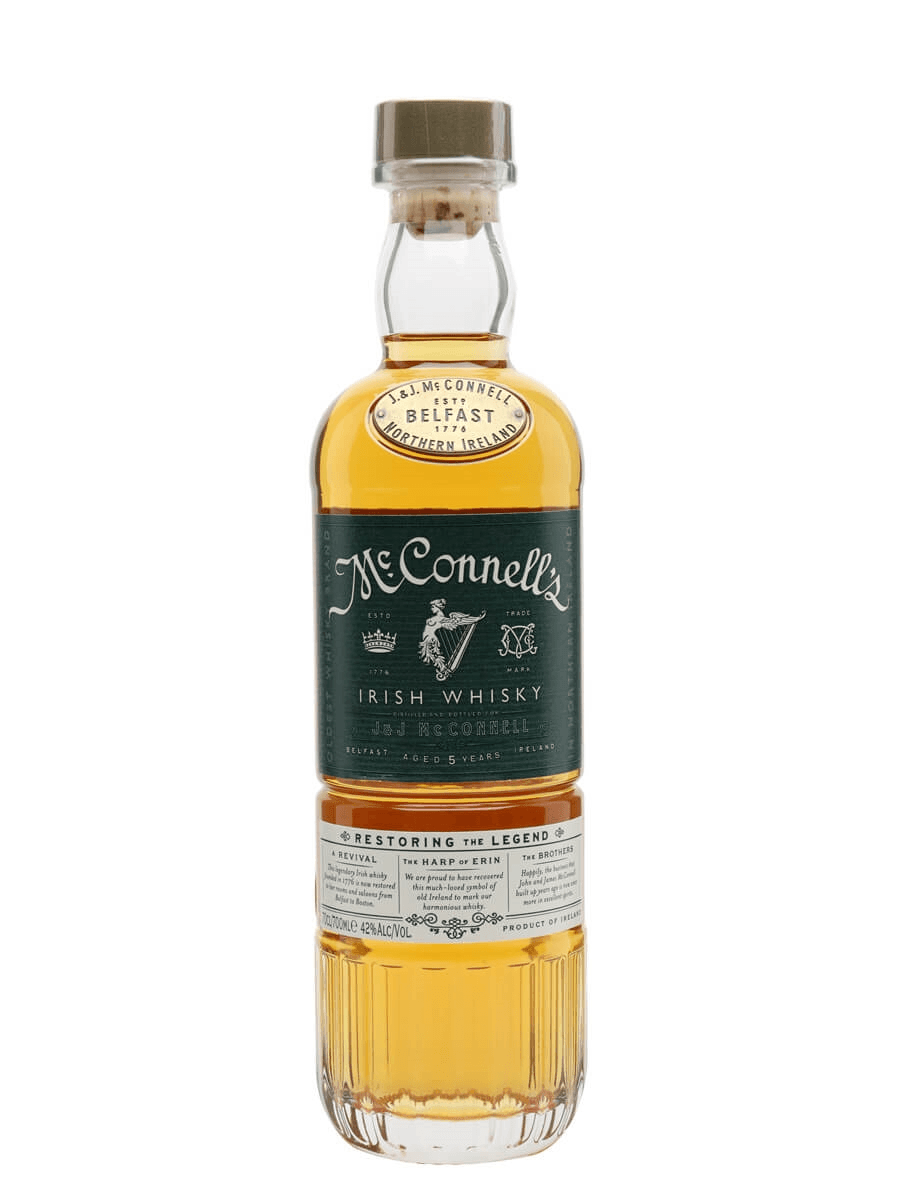
IRISH WHISKEY McConnell's Irish Whisky 5 Year Old
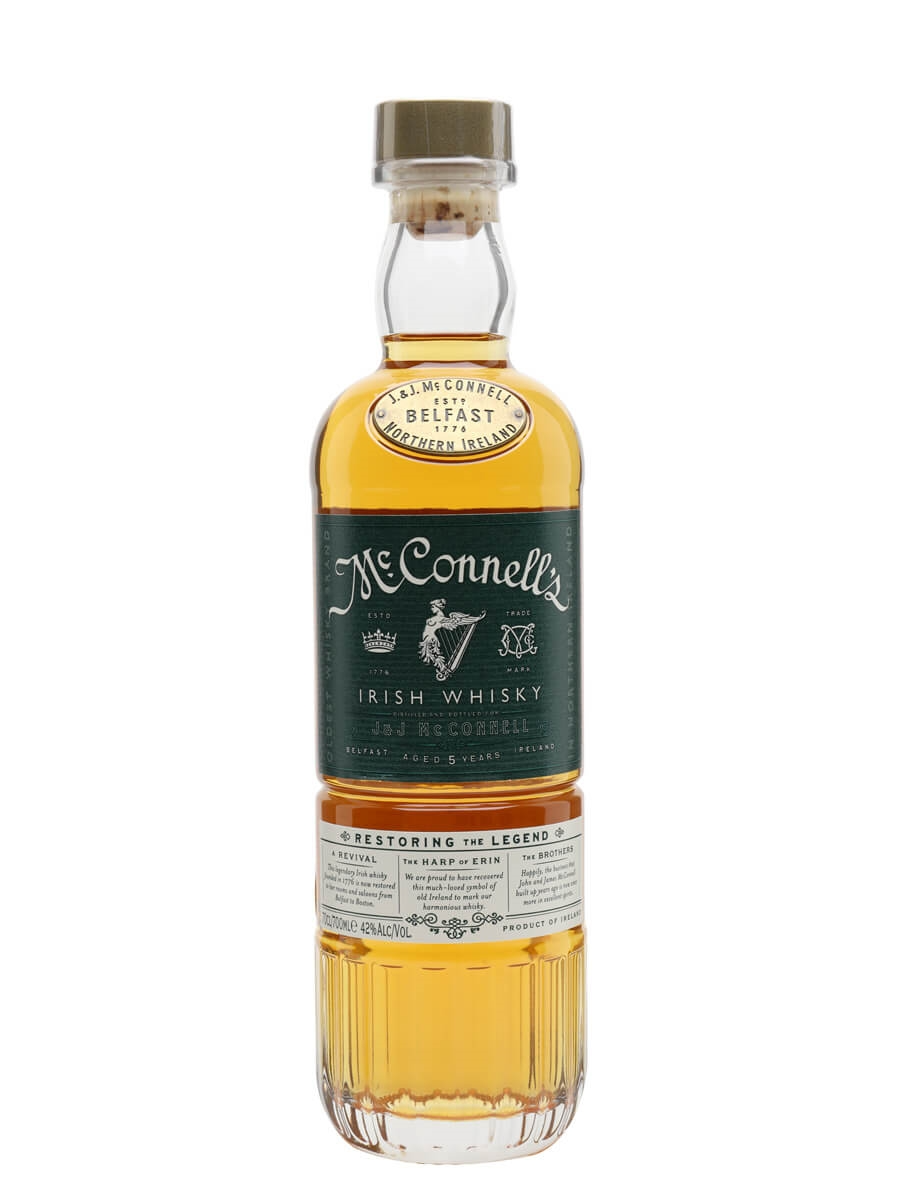
Belfast was once a powerhouse of Irish whiskey — home to massive distilleries that rivaled anything in Dublin or Cork. But by 1930, a combination of Prohibition’s collapse of the American export market, Irish independence-era trade wars with Britain, and the rise of blended Scotch had shuttered them all. The McConnell’s brand, founded in 1776 by brothers John and James McConnell, went silent in 1958. Six decades later, Conecuh Brands resurrected it with a single catalytic bet: that Belfast whiskey could return not as a novelty but as a legitimate expression of place, blending malt and grain aged five years in hand-selected bourbon casks. — where McConnell's is proof that a resurrection can be its own catalyst. Rather than chasing the pot-still complexity of Dublin's heritage brands or the peated novelty of Connemara, McConnell's chose the most difficult path: a straightforward, well-made blend that stands on flavor rather than story. The five-year bourbon-cask maturation delivers approachable butterscotch sweetness without thinness, and the triple-distilled malt component adds just enough texture to hold your attention. At under thirty-five dollars, this is a bottle that earns its place not by trading on Belfast nostalgia but by being good whiskey at a price that invites exploration.
Classification: Blended Irish Whiskey
Company: Conecuh Brands
Distillery: Sourced (transitioning to Belfast Distillery Company)
Proof: 84 proof (42% ABV)
Age: 5 years
Mash Bill: Blend of Irish malt and grain whiskeys
Distillation: Triple distilled (malt), column distilled (grain)
Maturation: 5 years in first-fill bourbon barrels
Color: Bright gold
MSRP: $28–$35
Nose: Light and inviting — citrus peel, vanilla, and a peppery spice note. Behind it, soft butterscotch and a faint floral lift.
Palate: Smooth and gently sweet. Butterscotch and vanilla from the bourbon casks dominate, with earthy fruit, a touch of white pepper, and subtle oak woodiness building through the midpalate.
Finish: Clean and medium-length. Sweet spice, toasted oak, and lingering ripe stone fruit fade gracefully.
Cocktail — "The Belfast Revival": Combine 2 oz McConnell's, 0.75 oz honey syrup, and 0.75 oz fresh lemon juice in a shaker with ice. Shake vigorously and strain into a coupe. Garnish with a lemon twist. The whiskey's gentle sweetness makes it a natural Gold Rush variant that drinks above its price.
Pair with: Smoked salmon on soda bread with a squeeze of lemon and cracked black pepper. The whiskey's butterscotch warmth complements the smoke while its citrus notes echo the lemon.
Awards: Double Gold, San Francisco World Spirits Competition 2021; Gold, International Spirits Challenge 2022; 93 Points, Ultimate Spirits Challenge 2023.
TEQUILA Terralta Blanco Extra Strength 110 Proof
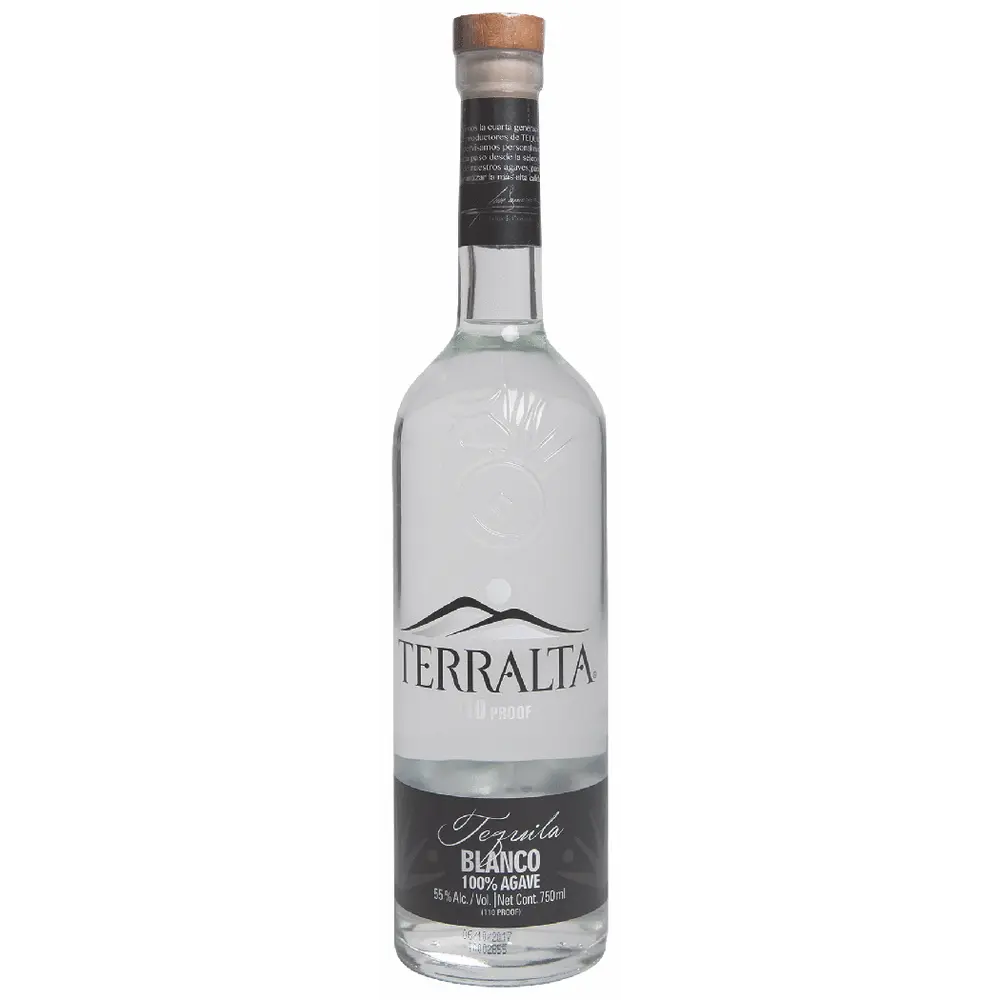
In the red-earth highlands of Jalisco, above the town of Jesús María, Felipe Camarena operates El Pandillo — a small distillery built by his great-grandfather and powered by the same deep-well water drawn from 150 meters below the volcanic soil. Camarena is a fourth-generation master distiller, and his catalyst was a decision that most producers would call reckless: bottling blanco tequila at still strength, 110 proof, with zero dilution. Where others add water to bring the spirit to a marketable 80 proof, Camarena believed that every molecule of flavor the agave had to give was already in the distillate — and that adding water would only take it away. — where Terralta 110 is what happens when you remove the single most common intervention in tequila production — water — and let the distillate speak for itself. Felipe Camarena's catalyst was the refusal to dilute, and the result is a blanco that carries the full weight of highland agave, volcanic mineral water, and an eighty-year-old yeast strain in every sip. The proof sounds aggressive on paper, but the execution is anything but: the texture is silky, the flavors are amplified rather than burned, and the finish is cleaner than most 80-proof tequilas. At under sixty dollars, this is a masterclass in what blanco tequila can be when a maker trusts his raw materials completely.
Classification: Blanco Tequila (Still Strength)
Company: Tequila Terralta (Felipe Camarena)
Distillery: El Pandillo Distillery (NOM 1579), Jesús María, Jalisco
Proof: 110 proof (55% ABV)
Age: Unaged (Blanco)
Agave: 100% Blue Weber Agave, highland-grown, 7–10 years maturity
Production: Stone-oven roasted agave; crushed on a mechanical tahona; fermented with an 80-year-old native yeast strain; double-distilled in small copper pot stills; bottled at still strength with no dilution
Color: Crystal clear with silvery legs
MSRP: $48–$60
Nose: Intensely aromatic — wet stone and mineral earth lead, followed by roasted agave sweetness, fresh cracked black pepper, and bright citrus. The higher proof amplifies every note without harshness.
Palate: Rich and viscous with a silky texture that belies the proof. Cooked agave, slate minerality, sweet roasted peppers, and a honeyed quality that blooms at midpalate. Lime zest and herbal brightness cut through the richness.
Finish: Remarkably long and clean. Mineral earth, white pepper, and a fading sweetness of agave nectar. The finish is dry and precise, with no burn despite the proof.
Cocktail — "The Catalyst Margarita": Combine 2 oz Terralta 110, 1 oz fresh lime juice, and 0.75 oz agave nectar in a shaker with ice. Shake hard and strain into a salt-rimmed rocks glass over fresh ice. The still-strength tequila punches through the citrus and sweetener with an agave intensity that a standard-proof blanco cannot match.
Pair with: Grilled carne asada with charred lime, fresh pico de gallo, and warm corn tortillas. The tequila's mineral backbone and peppery heat stand up to the char while its agave sweetness complements the lime.
Awards: 95 Points, Tequila Matchmaker; Additive-Free Verified; Gold Medal, SIP Awards 2023.
GIN Ferdinand's Saar Dry Gin
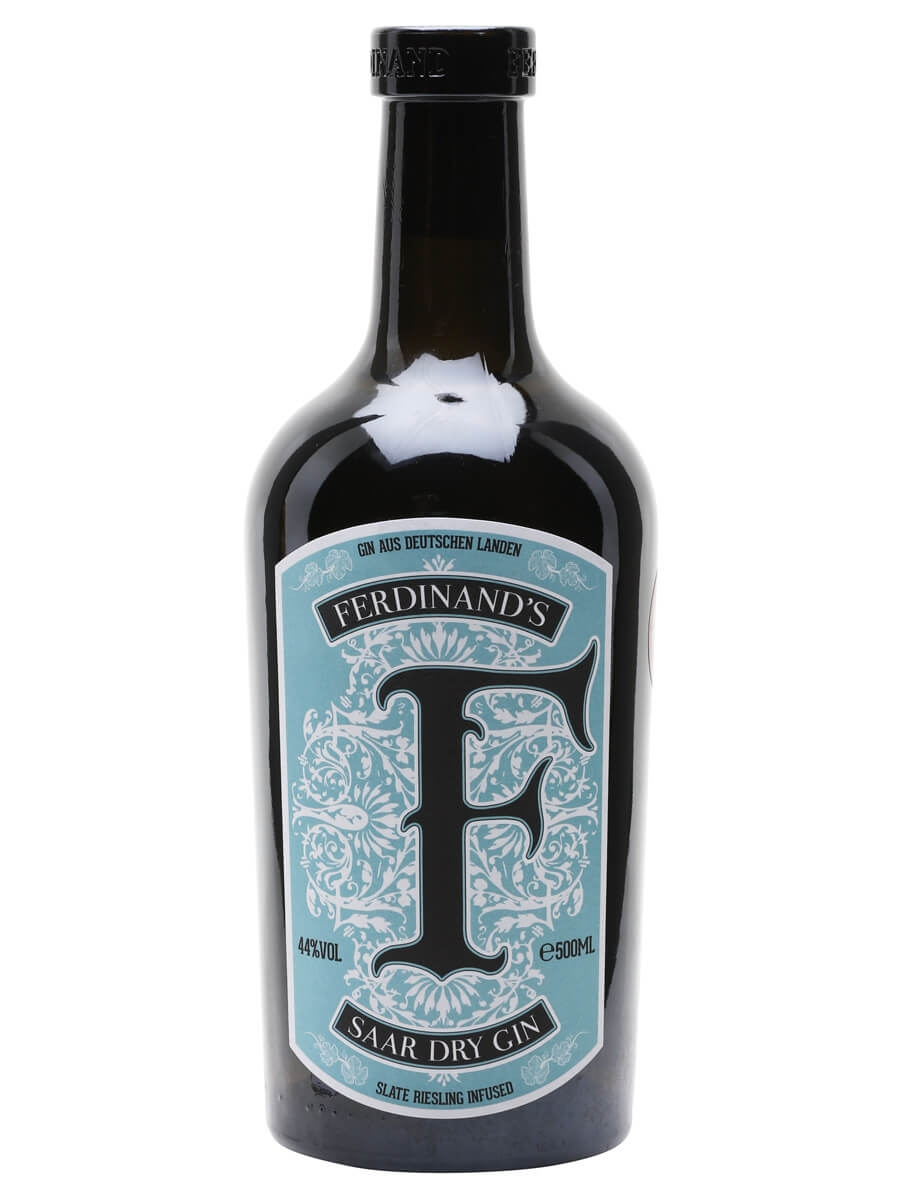
The Saar Valley in western Germany is one of the world’s great Riesling regions — steep slate hillsides, cold river winds, and winemakers who have cultivated these vines for centuries. A team of regional enthusiasts — Denis Reinhardt, Erik Wimmers, master distiller Andreas Vallendar, and Dorothee Zilliken of the famed Zilliken wine estate — looked at this landscape and saw a catalyst that no gin had ever tried: infusing the finished distillate with Riesling wine from the Zilliken estate, one of the Saar’s finest producers. It is not a flavored gin and not a genever — it is a London Dry-style spirit with over thirty botanicals, macerated and vapor-infused, then married with a precise measure of Schiefer Riesling and rested four weeks in stoneware before bottling. The wine does not dominate. It catalyzes — adding a vinous acidity and floral complexity that binds the botanicals in a way juniper alone cannot. — where Ferdinand's Saar Dry Gin is the rare bottle whose catalyst is literally an ingredient no one else has thought to add. The Riesling infusion does not make this a wine-flavored gin — it is subtler and more structural than that. The wine contributes acidity, a floral lift, and a mineral backbone that unifies over thirty disparate botanicals into a coherent whole. Juniper leads as it should, but the Riesling gives the gin a vinous complexity that makes it equally compelling neat, in a Martini, or in a G&T. At under forty-five dollars, Ferdinand's offers something unlike anything else on the gin shelf — and that novelty is backed by impeccable distilling craft.
Classification: Dry Gin (Riesling-infused)
Company: Avadis Distillery GmbH
Distillery: Avadis Distillery, Wincheringen, Saar Valley, Germany
Proof: 88 proof (44% ABV)
Botanicals: Over 30 regional botanicals including juniper, sloe berries, rosehip, angelica, hop blossom, lavender, quince, lemon thyme, almond shell, coriander, ginger, plus Riesling grape infusion from the Zilliken estate
Distillation: Small-batch pot still with maceration and vapor infusion; Riesling infusion; 4-week stoneware rest
Base: Grain spirit
Color: Crystal clear with a faint straw tint
MSRP: $38–$45
Nose: Juniper and lavender open cleanly, followed by rose petal, citrus zest, and a distinctive vinous note — the Riesling adding a honeyed, almost petrol-tinged complexity that sets this apart from any London Dry.
Palate: Silky and layered. Juniper remains the backbone, but the Riesling infusion adds a floral-acid brightness and grapey sweetness that weaves through the botanicals. Midpalate reveals coriander warmth, sloe berry tartness, and a gentle herbal bitterness.
Finish: Medium-long and elegant. Lavender and rose linger alongside a clean, slate-like minerality that echoes the Saar Valley's terroir. The finish is dry but not austere.
Cocktail — "The Saar Martini": Stir 2.5 oz Ferdinand's Saar Dry Gin with 0.5 oz dry vermouth and a dash of grapefruit bitters over ice for 30 seconds. Strain into a chilled coupe and garnish with a grapefruit twist. The Riesling's acidity replaces the need for extra vermouth, making this a beautifully balanced, almost wine-like Martini.
Pair with: Pan-seared trout with brown butter, capers, and a squeeze of lemon. The gin's herbal-floral notes complement the fish while its Riesling acidity mirrors the caper brine.
Awards: Gold Medal, International Wine & Spirit Competition 2019; World's Best Gin (Country Winner — Germany), World Gin Awards 2020; 94 Points, Ultimate Spirits Challenge.
RUM Denizen Merchant's Reserve 8 Year Old
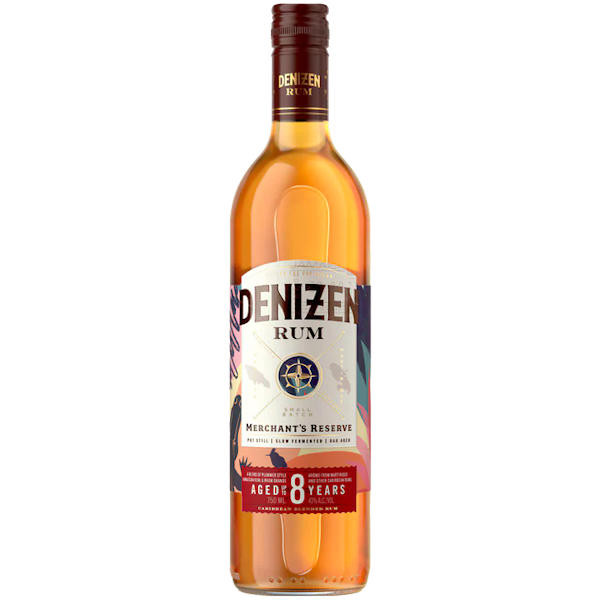
Denizen Rum was born from a spirits veteran’s vision. Founder Nicholas Pelis consulted with legendary tiki bartender Martin Cate and realized that no single rum could deliver what classic tiki cocktails demanded: the funk of Jamaican pot still, the elegance of aged column still, and the exotic intensity of Rhum Grand Arome from Martinique. The catalyst was the decision to blend rums from four Jamaican distilleries — Clarendon, Hampden, New Yarmouth, and Worthy Park — with a rare high-ester Grand Arome from Martinique’s Le Galion distillery. The result was not a compromise but a new category: a rum built to be the backbone of cocktails that also rewards sipping neat. — where Denizen Merchant's Reserve proves that the right blend can be its own catalyst. Most aged rums offer either elegance or funk — rarely both. By combining the high-ester intensity of Jamaican pot-still rum with the exotic Grand Arome from Martinique and aging the blend for eight years, Denizen created a rum with cocktail-ready versatility and sipping-neat complexity. The Grand Arome component is the secret weapon: a rare, fermentation-driven distillate that adds an intensity no amount of barrel aging can replicate. At under thirty-five dollars for eight-year-old blended rum of this quality, Denizen Merchant's Reserve is one of the great values in spirits.
Classification: Blended Aged Rum (Jamaica and Martinique)
Company: Denizen Rum / Hotaling & Co.
Distillery: Blended: Clarendon, Hampden, New Yarmouth, Worthy Park (Jamaica) and Le Galion (Martinique)
Proof: 86 proof (43% ABV)
Age: 8 years (majority aged in ex-bourbon barrels)
Base: Molasses (Jamaica) and sugarcane juice Grand Arome (Martinique)
Distillation: Pot still and column still (Jamaica); Grand Arome extended fermentation (Martinique)
Color: Rich amber with reddish-copper highlights
MSRP: $28–$35
Nose: Tropical fruit — ripe banana and mango — mingles with Jamaican funk, brown sugar, and a distinctive overripe fruit intensity from the Grand Arome component. Underneath, butterscotch and toasted oak.
Palate: Bold and layered. Dark toffee, caramelized banana, and baking spice lead, with the Martinique Grand Arome adding an exotic, almost savory funk that deepens the midpalate. Oak and dried fruit emerge as it develops.
Finish: Long and complex. Molasses sweetness, oak char, and a lingering tropical fruitiness that keeps evolving. The Jamaican pot still character asserts itself in the finale with a dry, slightly funky close.
Cocktail — "The Merchant's Mai Tai": Combine 2 oz Denizen Merchant's Reserve, 0.75 oz fresh lime juice, 0.5 oz orange curaao, and 0.25 oz orgeat in a shaker with crushed ice. Shake briefly and pour unstrained into a double rocks glass. Garnish with a spent lime shell and a mint sprig. This rum was literally designed for this cocktail — and it shows.
Pair with: Jerk chicken with mango chutney and coconut rice. The rum's Jamaican funk amplifies the jerk spice while its caramel sweetness complements the mango.
Awards: 94 Points, Rum Ratings; Gold Medal, Miami Rum Renaissance Festival; Recommended by Martin Cate (author of Smuggler's Cove) for classic tiki cocktails.
RED WINE Dominus Estate Napa Valley 2019
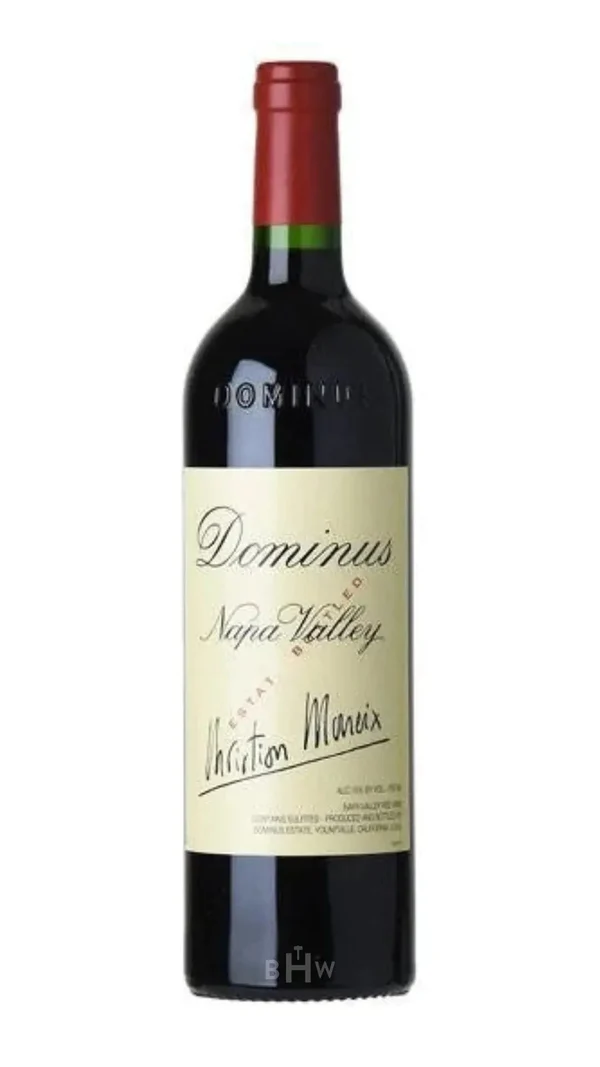
In 1982, Christian Moueix — the man behind Chteau Pétrus and Trotanoy in Pomerol — crossed the Atlantic and acquired the historic Napanook Vineyard in Yountville, Napa Valley. The vineyard had been planted in 1838 by George Yount himself, making it one of Napa’s oldest sites. Moueix’s catalyst was not a new technique but an imported philosophy: treat the vineyard as a Bordeaux First Growth, with the same obsessive attention to terroir, the same restraint in winemaking, and the same faith that great wine comes from great land rather than great intervention. Four decades later, Dominus is the proof that a philosophy, transplanted, can be a catalyst as powerful as any ingredient. — where Dominus 2019 is Christian Moueix's forty-year argument that philosophy is the ultimate catalyst. While most Napa Cabernets pursue concentration, extraction, and new-oak opulence, Dominus pursues structure, restraint, and the expression of a specific piece of ground. The 2019 vintage — widely regarded as one of Napa's finest recent years — gave Moueix exceptional raw material, and his response was characteristically disciplined: 40% new oak rather than 100%, blending in Petit Verdot and Cabernet Franc for aromatic complexity rather than concentration. The result is a wine that drinks like a great Left Bank Bordeaux that happens to carry Napa's sun-ripened generosity. At its price, it competes not with Napa cult wines but with Bordeaux First Growths — and holds its own.
Classification: Napa Valley Proprietary Red Wine
Company: Dominus Estate (Christian Moueix)
Winery: Dominus Estate, Yountville, Napa Valley
ABV: 14.5%
Primary Varietal: Cabernet Sauvignon (90%)
Blend: 90% Cabernet Sauvignon, 6% Petit Verdot, 4% Cabernet Franc
Vineyards: Napanook Vineyard, Yountville, Napa Valley (planted 1838)
Maturation: 18 months in French oak barrels (40% new)
Color: Deep garnet with violet rim
MSRP: $185–$225
Nose: Blackcurrant and blackberry lead with restraint, followed by violet, graphite, and cedar. A savory undertone — dried herbs and iron — adds Bordelais complexity that separates this from most Napa Cabernets.
Palate: Elegant and structured rather than opulent. Dark fruit is present but held in check by firm, fine-grained tannins. Midpalate reveals cedar, tobacco leaf, and a mineral thread that runs the length of the wine. The 40% new oak integrates seamlessly.
Finish: Exceptionally long. Graphite, blackcurrant, and a persistent mineral quality that recalls the gravelly Yountville soil. The tannins resolve slowly, promising decades of development.
Cocktail — This wine deserves to be appreciated on its own terms. If you must mix, a simple red wine spritz works: 3 oz Dominus, 2 oz sparkling water, served over ice with an orange slice. But honestly, just pour it into a proper Bordeaux glass and give it thirty minutes to open.
Pair with: Grilled lamb rack with a rosemary-thyme crust and a side of roasted root vegetables. The wine's herbal complexity mirrors the rosemary while its tannin structure stands up to the lamb's richness.
Awards: 98 Points, Wine Advocate (Robert Parker); 97 Points, James Suckling; 96 Points, Wine Spectator.
WHITE WINE Emidio Pepe Trebbiano d'Abruzzo 2018
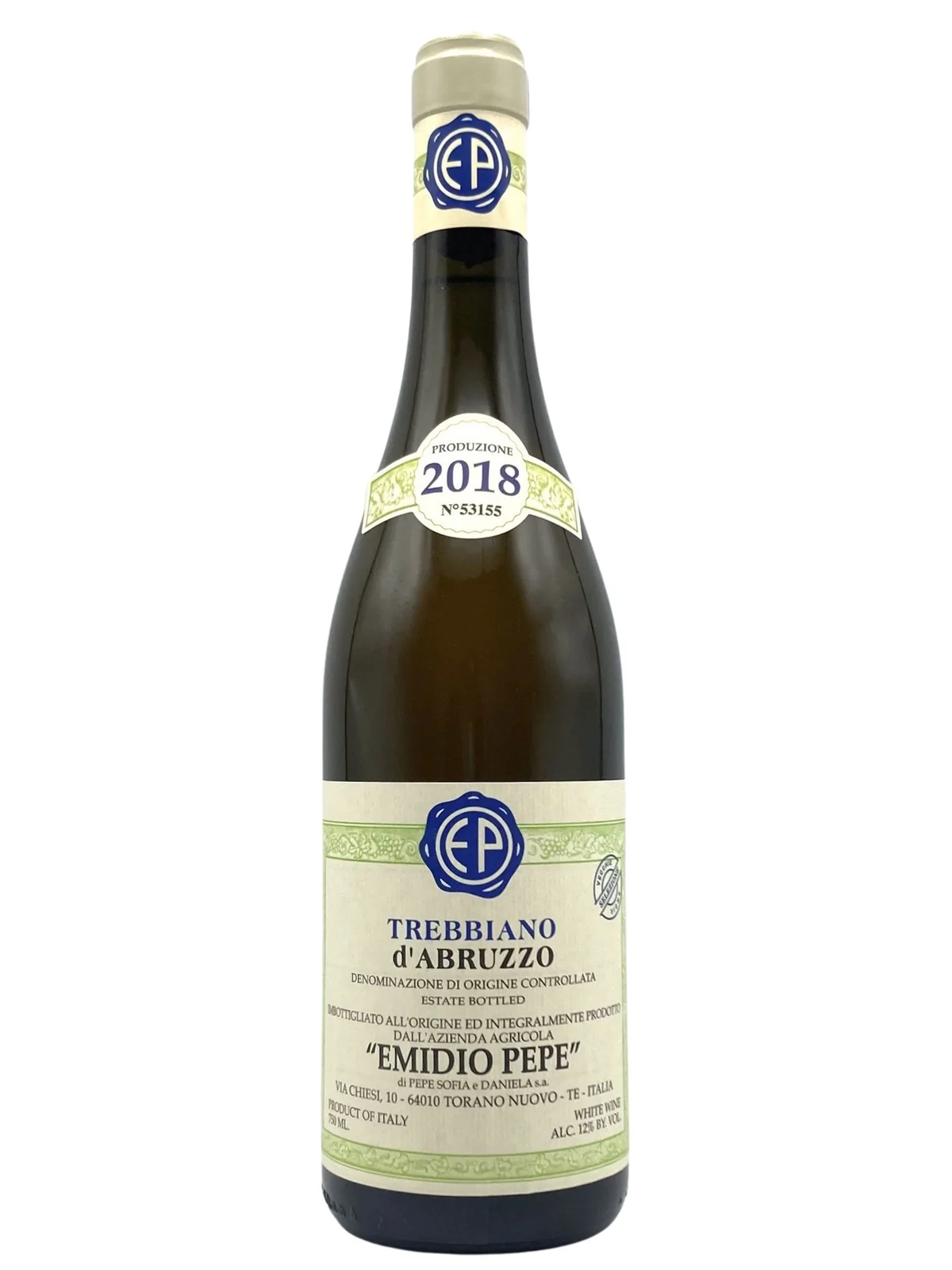
In the hills of Abruzzo, east of Rome, the Pepe family has been making wine since 1964 — and making it as if the twentieth century never happened. Emidio Pepe, the visionary patriarch now in his nineties, built his reputation on a single catalytic refusal: no oak, no stainless steel, no temperature control, no commercial yeast, no fining, no filtration. Grapes are foot-stomped, fermented in glass-lined cement tanks with native yeast, and aged in bottle for years before release. Every modern tool designed to make winemaking predictable, Pepe rejected. The catalyst was not what he added but what he subtracted — and the result is a white wine unlike anything else on earth. — where Emidio Pepe's Trebbiano is the ultimate argument that subtraction can be a catalyst. In a world where winemakers add cultured yeast, sulfur, enzymes, oak chips, and a dozen other interventions to control outcomes, Pepe removed them all — and produced a wine that consistently ranks among Italy's finest whites. The 2018 vintage is extraordinary: the warmth of the year gave the Trebbiano grape a concentration it rarely achieves, while the cement-tank aging and bottle maturation added layers of honey, toasted almond, and waxy texture that make this taste nothing like the thin, neutral Trebbiano most people know. This is a wine that makes you reconsider what you thought you knew about a grape — and that reconsideration is Pepe's greatest legacy.
Classification: Trebbiano d'Abruzzo DOC
Company: Azienda Agricola Emidio Pepe
Winery: Emidio Pepe, Torano Nuovo, Abruzzo
ABV: 13%
Primary Varietal: Trebbiano d'Abruzzo (100%)
Blend: 100% Trebbiano d'Abruzzo
Vinification: Hand-harvested, foot-stomped, vertical-pressed; spontaneous fermentation in glass-lined cement tanks; aged 18–24 months in cement; bottled unfined and unfiltered; further aged in bottle before release
Color: Deep golden yellow with amber glints
MSRP: $60–$85
Nose: Ripe pear and baked apple open into toasted sesame, raw honey, and dried chamomile. There is a waxy, almost lanolin quality that signals the wine's extended aging and minimal intervention.
Palate: Round and generous, with a weight that defies the Trebbiano grape's lightweight reputation. Honeycomb, poached quince, and toasted almond fill the midpalate, lifted by a grapefruit-like acidity that keeps everything focused. The unfined, unfiltered texture adds a gravelly, almost tactile dimension.
Finish: Long and evolving. Citrus pith, toasted grain, and a persistent mineral bitterness that recalls the clay soils of Abruzzo. The finish dries slowly, leaving a saline, almost savory quality.
Cocktail — A wine this singular should not be mixed. Serve it at cellar temperature (55F) in a wide-bowled white wine glass and let it evolve over an hour. As it warms, the Honey and Toasted notes will amplify and the acidity will soften into something almost unctuous.
Pair with: Seared scallops with brown butter, toasted hazelnuts, and a drizzle of aged balsamic. The wine's nutty, honeyed richness mirrors the brown butter while its acidity cuts through the scallops' sweetness.
Awards: 92 Points, CellarTracker community average (top 1% of all wines globally for the 2018 vintage); Three Glasses, Gambero Rosso (multiple vintages); featured in The World's Greatest Wines by Robert Parker.
Train Your Nose: Today's Aroma Spotlight
The Catalyst in Your Glass
Every bottle in today's issue was shaped by a single catalyst — and your nose can be trained to detect the specific aromatic fingerprints those catalytic decisions leave behind. An unchillfiltered Scotch carries a waxy texture you can smell. A still-strength tequila concentrates aromas that diluted versions only hint at. A Riesling-infused gin adds a floral-acid note no amount of juniper alone can produce. The exercises below use your School of Wine and Spirits Aroma Masterclass Kits to isolate these catalytic signatures.
Comparative Exercise — Proof as Catalyst: Pour a small measure of a standard 80-proof bourbon and the Terralta 110 Proof Blanco. Nose both at the same distance. Notice how the higher proof amplifies the Agave (Cooked) and Pepper aromas in the tequila — notes that a diluted version would present as faint whispers. Now open your Bourbon Kit's Caramel and Charred Oak vials and your Tequila Kit's Agave (Cooked) and Pepper vials. Compare: the kit aromas are at full concentration, just like the Terralta. Proof is the catalyst that determines how much of the original aroma survives the journey from distillate to glass.
Comparative Exercise — Filtration as Catalyst: If you have access to both a chill-filtered and an unchillfiltered whisky (Deanston 12 works perfectly for the latter), pour equal amounts side by side. Nose the chill-filtered version first: clean, smooth, perhaps a bit one-dimensional. Now nose the Deanston 12. Notice the Honey, Malt, and a waxy quality that the filtered version lacks. Open your Scotch Whisky Kit's Honey and Malt vials and compare. The unchillfiltered whisky carries these aromas with more weight and complexity because filtration removes the fatty acid esters that give malt whisky its texture. The absence of filtration is the catalyst that preserves what would otherwise be lost.
Today's Kit Reference
| Today's Product | Key Aromas | Train With |
|---|---|---|
| New Riff Single Barrel Bourbon | Caramel, Charred Oak, Cherry, Rye, Pecan, Butterscotch | Bourbon Aroma Masterclass Kit |
| Deanston 12 Year Old | Honey, Malt, Vanilla, Nut (Hazelnut), Peach, Floral (Rosewater) | Whisky Aroma Masterclass Kit |
| McConnell's Irish Whisky 5 Year Old | Vanilla, Buttery, Honey, Floral (Rosewater), Orange, Malt | Whiskey Aroma Masterclass Kit |
| Terralta Blanco Extra Strength 110 Proof | Agave (Cooked), Pepper, Honey, Vanilla, Grass, Oak | Tequila & Mezcal Aroma Masterclass Kit |
| Ferdinand's Saar Dry Gin | Juniper (Green), Lavender, Floral (Rose), Grapefruit, Coriander, Juniper (Herbaceous/Waxy) | Gin Aroma Masterclass Kit |
| Denizen Merchant's Reserve 8 Year Old | Banana, Toffee, Tropical Fruits, Molasses, Oak, Spice (Generic) | Rum Aroma Masterclass Kit |
| Dominus Estate Napa Valley 2019 | Blackcurrant, Cedar, Violet, Cherry, Toasted, Mint | Wine Aroma Masterclass Kit |
| Emidio Pepe Trebbiano d'Abruzzo 2018 | Honey, Apple (Green), Citrus (Generic), Nut (Almond/Coconut), Toasted, Floral (Rose) | Wine Aroma Masterclass Kit |
Explore the School of Wine and Spirits
Today's eight selections prove that the best producers are architects first. Our books on Amazon take you deeper into those places — from the limestone hollows of Kentucky in America's Spirit, the misty distilleries of Scotland's Spirit and Ireland's Spirit, the volcanic highlands of The Tequila y Mezcal Revolution, the ancient vineyards of The Ultimate Northern Italian Wine Journey, and the fossilized seabeds of Burgundy in our Chablis and Cte d'Or pocket guides.
Explore our Aroma Masterclass kits and books at schoolofwineandspirits.com
Join the School of Wine and Spirits Community
Connect with fellow connoisseurs, share tasting notes, and go deeper into every pour. Sign up at skool.com/schoolofwineandspirits
Our kits make the perfect gift for the curious drinker in your life — because once you learn to identify aromas, you never taste the same way again.
Know someone who would enjoy The Still & The Vine? Forward this issue to a fellow enthusiast — or share it on social media and tag @SchoolofWineandSpirits. We grow by word of mouth.
Until tomorrow's pour — cheers.
Robert R. Mohr, CPA, CGMA, WSET Level 3, WSG Certified Spirits Specialist — author of America's Spirit, Scotland's Spirit, Ireland's Spirit, The Ultimate Northern Italian Wine Journey, The Tequila y Mezcal Revolution, The Definitive Pocket Guide to Chablis, The Definitive Pocket Guide to the Cte d'Or, and Strategic Tuning. Published author of the Aroma Academy Tequila/Mezcal and Distiller's training kits.
The Still & The Vine is a daily publication of the School of Wine and Spirits.
New Riff Single Barrel Bourbon
New Riff Distilling
New Riff’s single barrel program is the purest expression of what happens when a distillery uses transparency as its catalyst. By committing to Bottled-in-Bond from barrel one — no blending, no filtration, no dilution — they stripped away every safety net and bet on the quality of their distillate. The high-rye mash bill delivers assertive spice and complexity that barrel proof amplifies rather than masks. Every barrel is different, and that is precisely the point: you are tasting the unedited conversation between grain, yeast, wood, and time. At under fifty-five dollars for barrel-proof single barrel bourbon of this quality, New Riff does not just compete with Kentucky’s legacy houses — it challenges them to explain why they ever reached for the blending tank.
Deanston 12 Year Old
Distell Group (Burn Stewart Distillers)
Deanston 12 is a masterclass in what unchillfiltered bottling unlocks. Most Highland malts at this age and price point arrive at 40% with caramel coloring and chill filtration that polishes away the very textures that make single malt interesting. Deanston’s catalyst — the decision to skip those cosmetic shortcuts — delivers a whisky with a weight and mouthfeel that punches well above its price bracket. The creamy, honeyed malt character is unmistakably Highland, but the fuller texture gives it a dimension that filtered competitors simply cannot match. For under fifty-five dollars, this is one of the most honest single malts on any shelf.
McConnell’s Irish Whisky 5 Year Old
Conecuh Brands
McConnell’s is proof that a resurrection can be its own catalyst. Rather than chasing the pot-still complexity of Dublin’s heritage brands or the peated novelty of Connemara, McConnell’s chose the most difficult path: a straightforward, well-made blend that stands on flavor rather than story. The five-year bourbon-cask maturation delivers approachable butterscotch sweetness without thinness, and the triple-distilled malt component adds just enough texture to hold your attention. At under thirty-five dollars, this is a bottle that earns its place not by trading on Belfast nostalgia but by being good whiskey at a price that invites exploration.
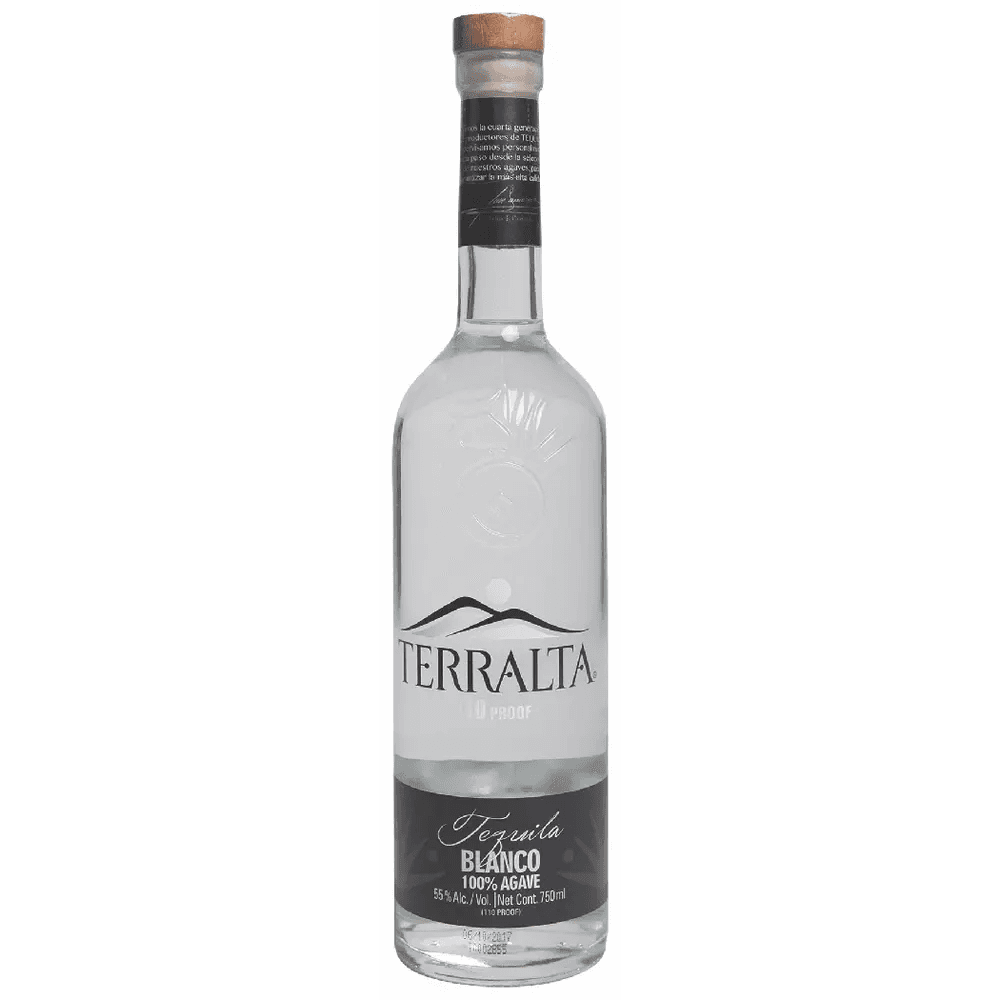
Terralta Blanco Extra Strength 110 Proof
Tequila Terralta (Felipe Camarena)
Terralta 110 is what happens when you remove the single most common intervention in tequila production — water — and let the distillate speak for itself. Felipe Camarena’s catalyst was the refusal to dilute, and the result is a blanco that carries the full weight of highland agave, volcanic mineral water, and an eighty-year-old yeast strain in every sip. The proof sounds aggressive on paper, but the execution is anything but: the texture is silky, the flavors are amplified rather than burned, and the finish is cleaner than most 80-proof tequilas. At under sixty dollars, this is a masterclass in what blanco tequila can be when a maker trusts his raw materials completely.
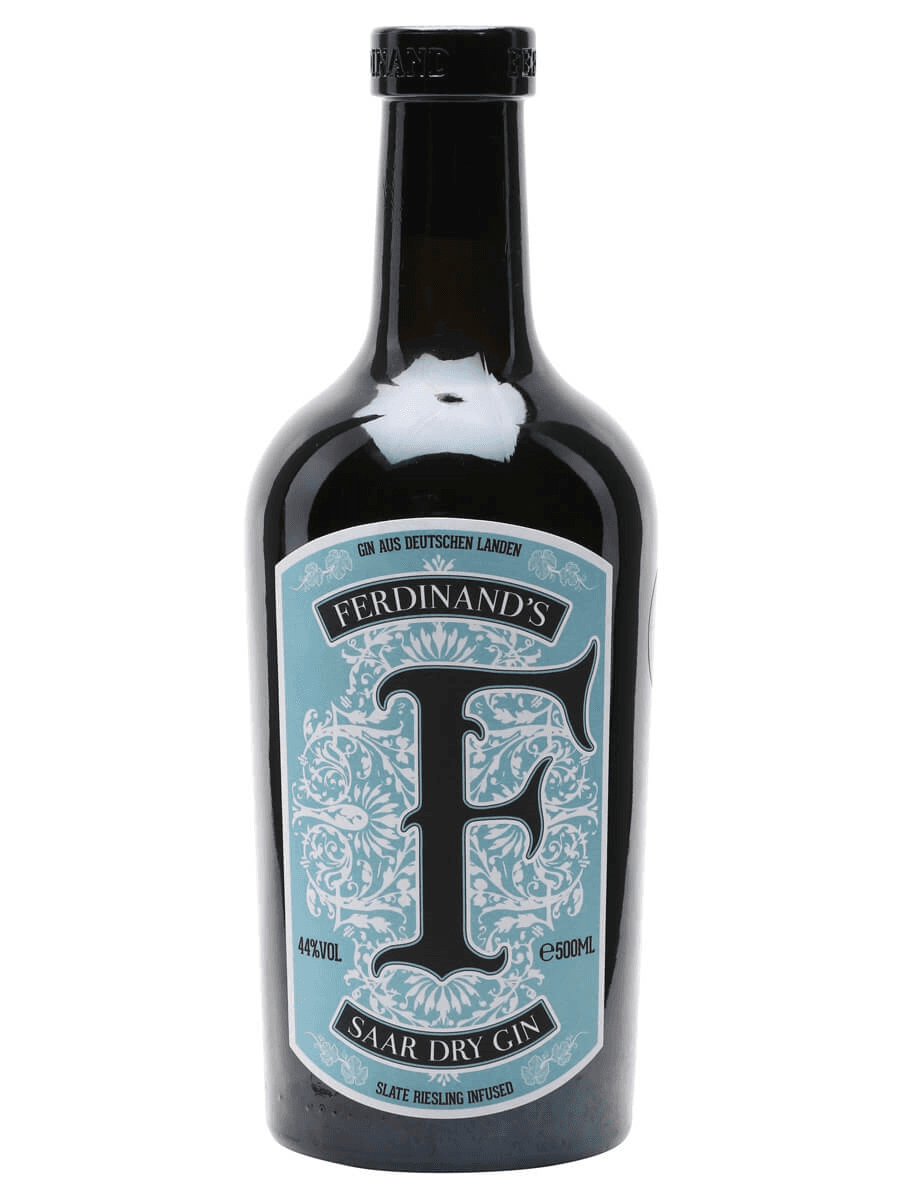
Ferdinand’s Saar Dry Gin
Avadis Distillery GmbH
Ferdinand’s Saar Dry Gin is the rare bottle whose catalyst is literally an ingredient no one else has thought to add. The Riesling infusion does not make this a wine-flavored gin — it is subtler and more structural than that. The wine contributes acidity, a floral lift, and a mineral backbone that unifies over thirty disparate botanicals into a coherent whole. Juniper leads as it should, but the Riesling gives the gin a vinous complexity that makes it equally compelling neat, in a Martini, or in a G&T. At under forty-five dollars, Ferdinand’s offers something unlike anything else on the gin shelf — and that novelty is backed by impeccable distilling craft.
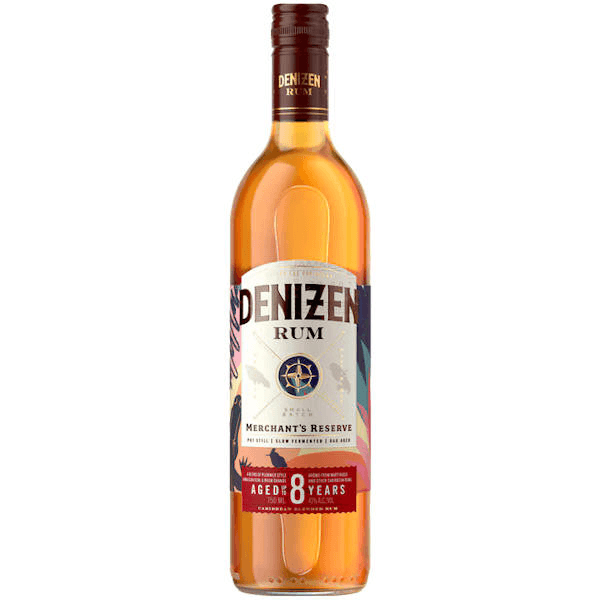
Denizen Merchant’s Reserve 8 Year Old
Denizen Rum / Hotaling & Co.
Denizen Merchant’s Reserve proves that the right blend can be its own catalyst. Most aged rums offer either elegance or funk — rarely both. By combining the high-ester intensity of Jamaican pot-still rum with the exotic Grand Arome from Martinique and aging the blend for eight years, Denizen created a rum with cocktail-ready versatility and sipping-neat complexity. The Grand Arome component is the secret weapon: a rare, fermentation-driven distillate that adds an intensity no amount of barrel aging can replicate. At under thirty-five dollars for eight-year-old blended rum of this quality, Denizen Merchant’s Reserve is one of the great values in spirits.
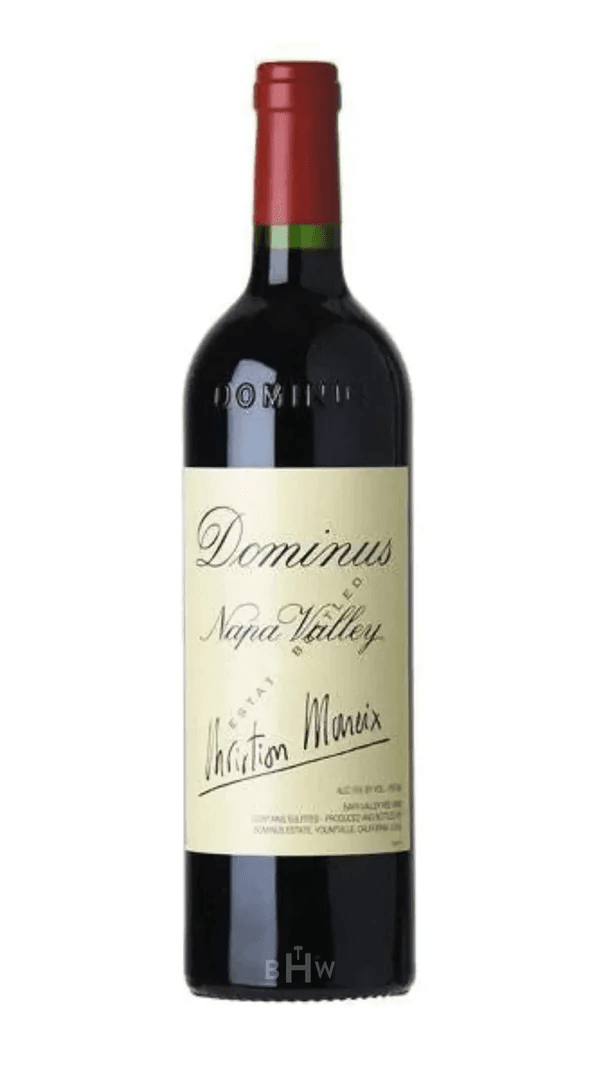
Dominus Estate Napa Valley 2019
Dominus Estate (Christian Moueix)
Dominus 2019 is Christian Moueix’s forty-year argument that philosophy is the ultimate catalyst. While most Napa Cabernets pursue concentration, extraction, and new-oak opulence, Dominus pursues structure, restraint, and the expression of a specific piece of ground. The 2019 vintage — widely regarded as one of Napa’s finest recent years — gave Moueix exceptional raw material, and his response was characteristically disciplined: 40% new oak rather than 100%, blending in Petit Verdot and Cabernet Franc for aromatic complexity rather than concentration. The result is a wine that drinks like a great Left Bank Bordeaux that happens to carry Napa’s sun-ripened generosity. At its price, it competes not with Napa cult wines but with Bordeaux First Growths — and holds its own.
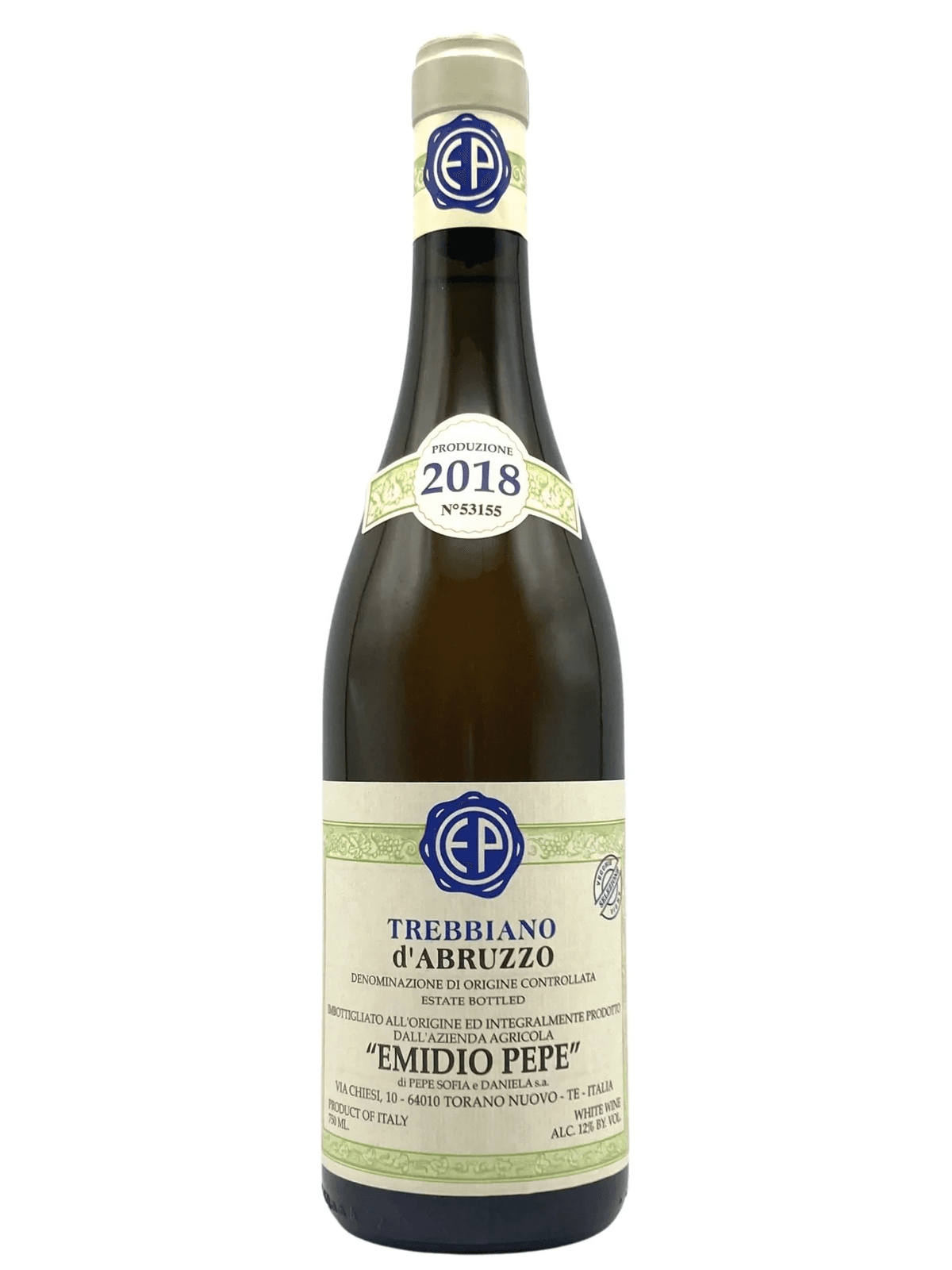
Emidio Pepe Trebbiano d’Abruzzo 2018
Azienda Agricola Emidio Pepe
Emidio Pepe’s Trebbiano is the ultimate argument that subtraction can be a catalyst. In a world where winemakers add cultured yeast, sulfur, enzymes, oak chips, and a dozen other interventions to control outcomes, Pepe removed them all — and produced a wine that consistently ranks among Italy’s finest whites. The 2018 vintage is extraordinary: the warmth of the year gave the Trebbiano grape a concentration it rarely achieves, while the cement-tank aging and bottle maturation added layers of honey, toasted almond, and waxy texture that make this taste nothing like the thin, neutral Trebbiano most people know. This is a wine that makes you reconsider what you thought you knew about a grape — and that reconsideration is Pepe’s greatest legacy.
Be the first to comment.