Aroma
Woody
11 bottles with this note
Train this aroma
Scotch Whisky Aroma Kit
Develop your palate with the canonical reference for woody and related notes.
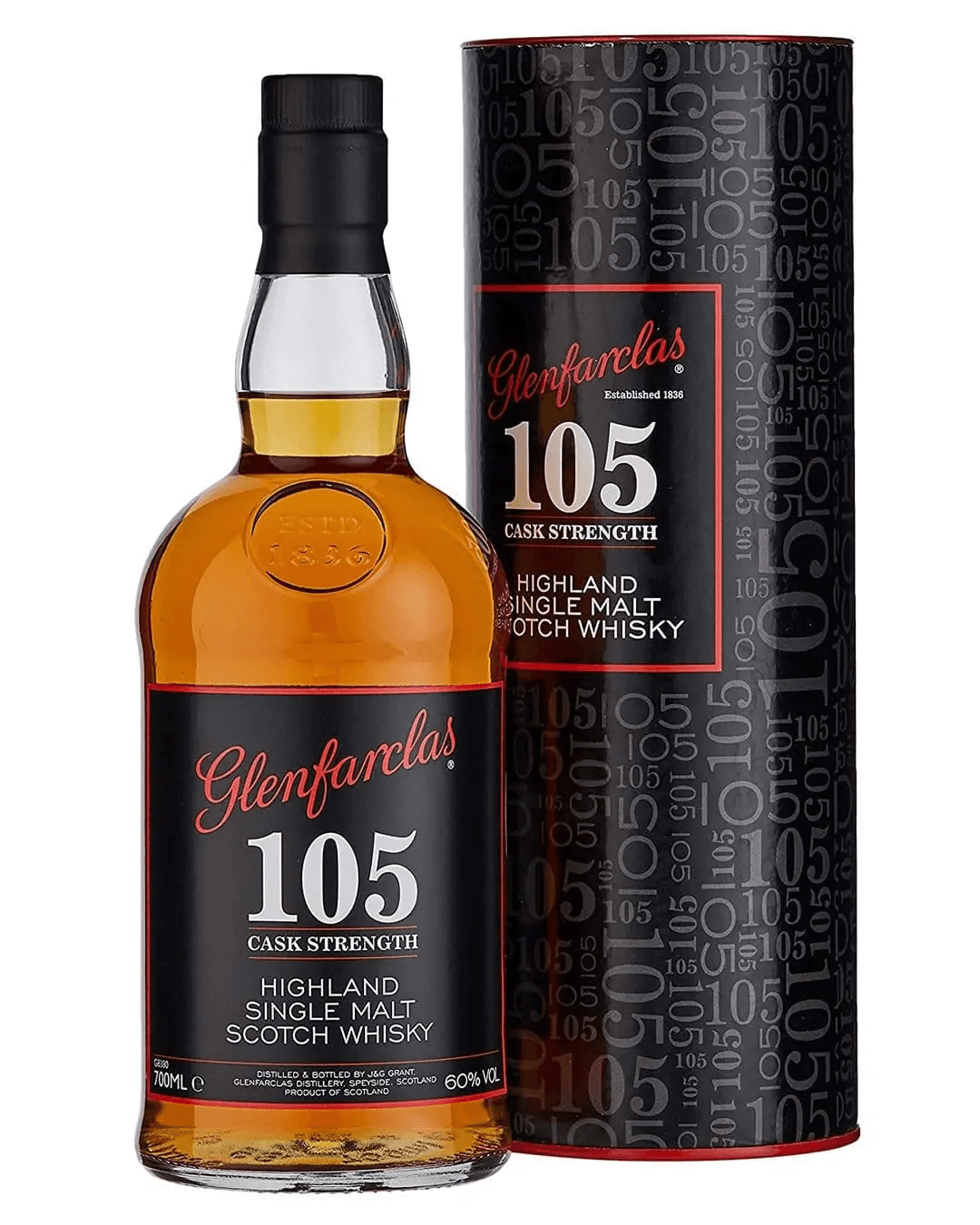
Glenfarclas 105 Cask Strength
J. & G. Grant (Grant family, sixth generation)
Glenfarclas 105 is one of the longest-running cask-strength single malts on the market — the distillery released it in 1968. The Grant family have never chill-filtered, colored, or cut it with water.
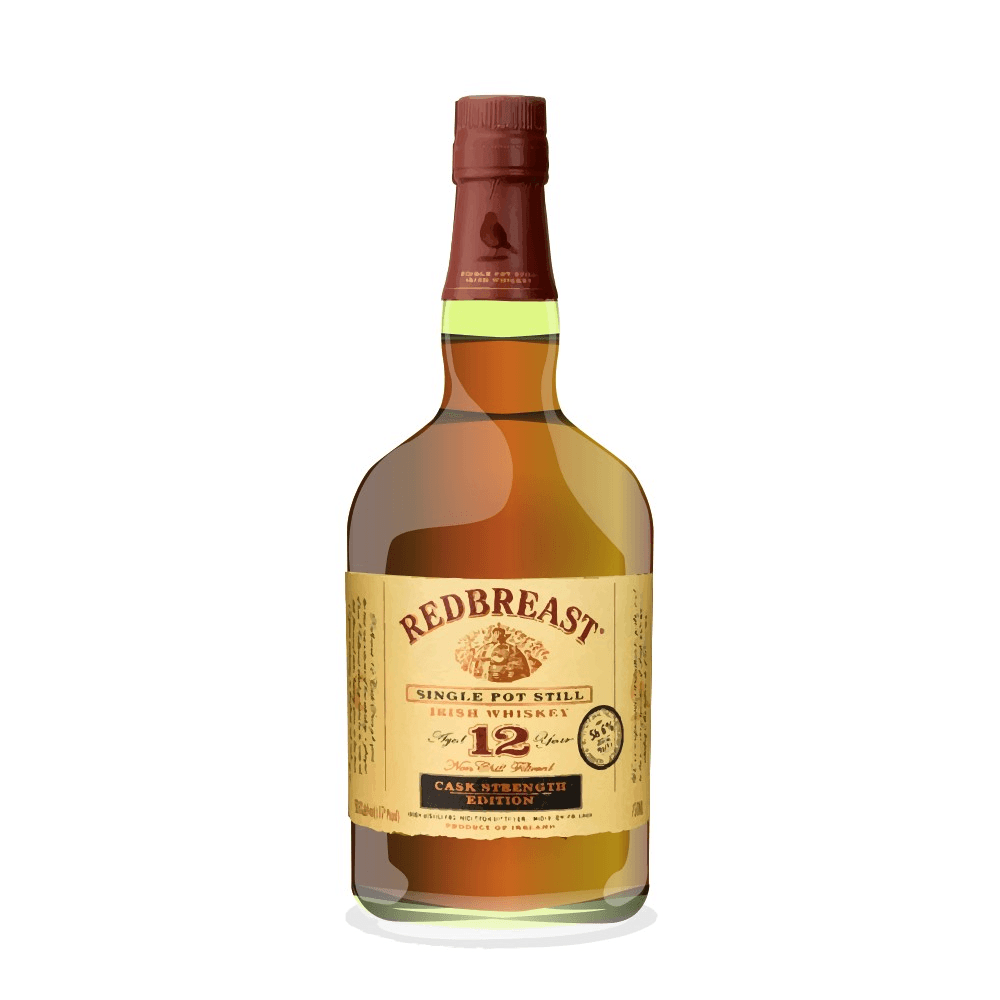
Redbreast 12 Year Old Cask Strength
Irish Distillers (Pernod Ricard)
Redbreast 12 Cask Strength is the uncut, non-chill-filtered expression of the whiskey that revived Irish single pot still as a serious category. Midleton bottles it batch by batch at each cask's natural proof.
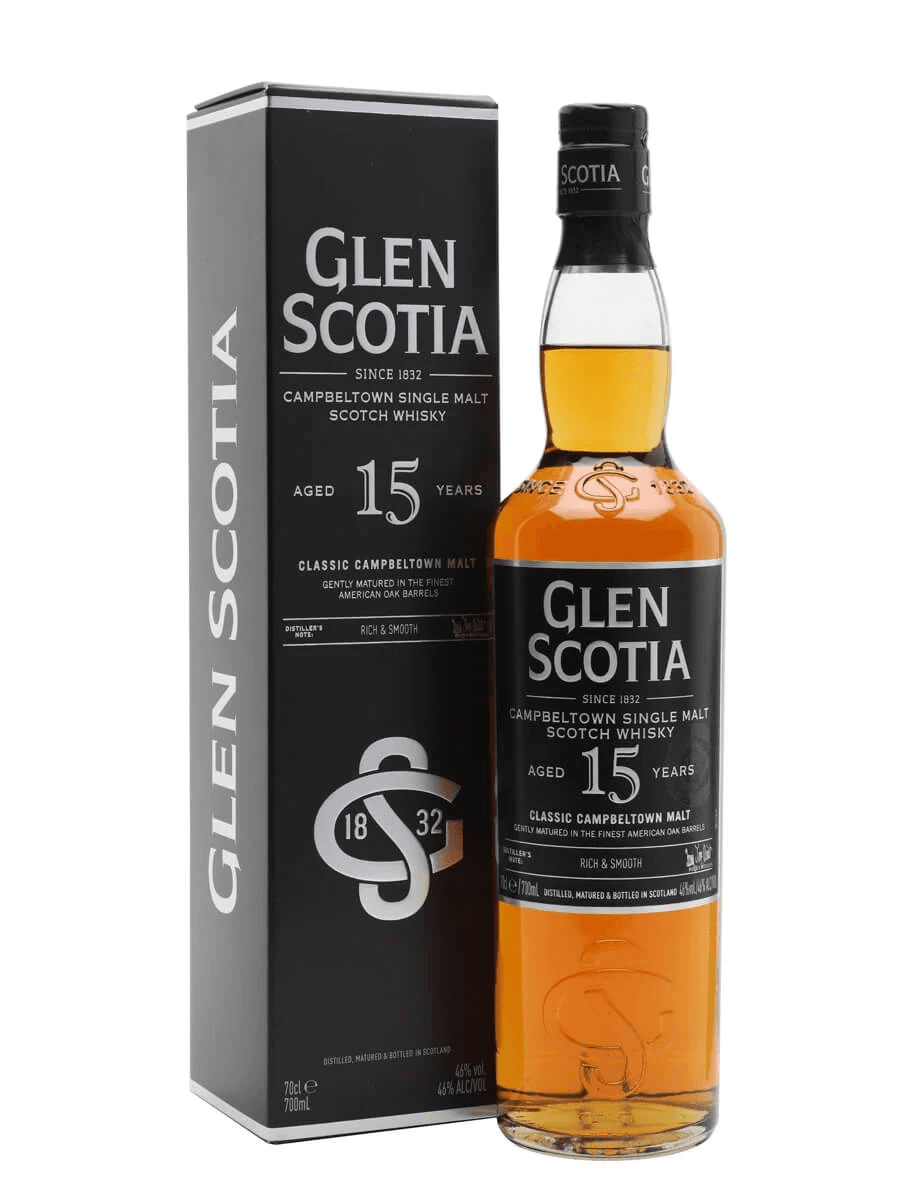
Glen Scotia 15 Year Old
Loch Lomond Group
Glen Scotia 15 is the proving ground for an entire whisky region. Campbeltown's story is one of spectacular decline — from over thirty distilleries to just three — and Glen Scotia has been there through nearly all of it, distilling since 1832. This 15-year-old bottling, presented at a confident 46% ABV without chill filtration, demonstrates exactly what has been worth preserving: a style that is uniquely Campbeltown, maritime and honeyed, with a brininess you simply cannot replicate elsewhere. It is proof that survival is its own kind of excellence. Cocktail — The Campbeltown Mist: 2 oz Glen Scotia 15, 0.5 oz honey syrup, 3 dashes orange bitters. Stir over a large ice cube in a rocks glass. Express a lemon peel over the surface and discard. The honey amplifies the whisky's natural sweetness while the citrus lifts its maritime edges.
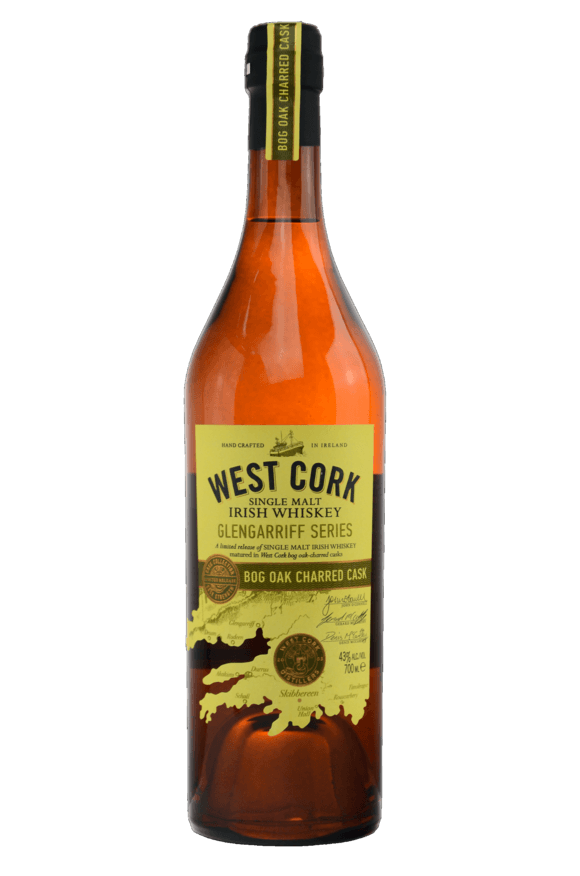
West Cork Glengarriff Series Bog Oak Charred Cask
West Cork Distillers
The experiment here is elemental: what happens when you char a cask with wood that has been buried in peat for three millennia? The answer is a flavor profile that exists nowhere else in Irish whiskey — a deep, minerally woodiness that isn't quite peat smoke and isn't quite standard oak char. It's something entirely its own. West Cork could have finished this whiskey in standard barrels and sold it for the same price, but they chose to dig into the bogs of Glengarriff and create a finishing process that no one else can replicate. At this price point, it's one of the most original experiments in Irish whiskey.
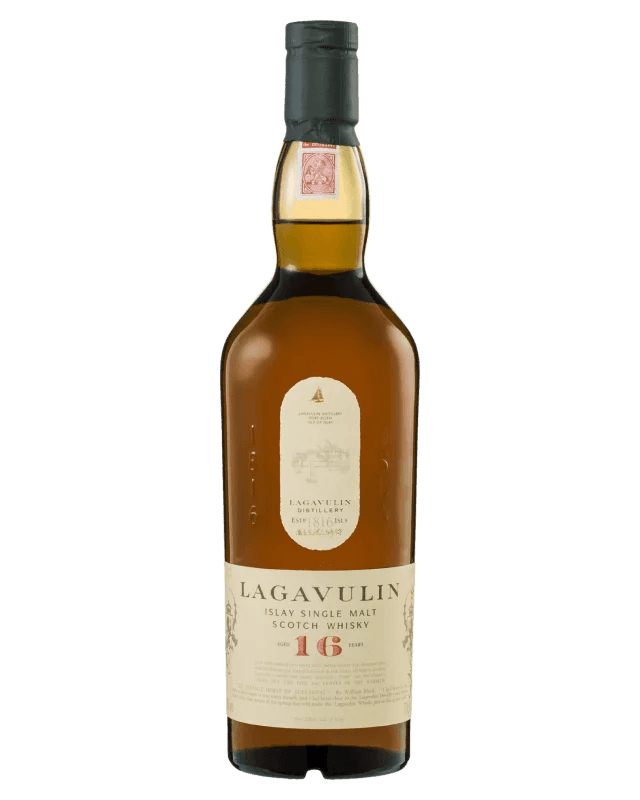
Lagavulin 16 Year Old
Diageo plc
If bourbon taught you to love whisky, Lagavulin 16 will teach you to love Scotch. This is the definitive Islay expression — complex enough to reward repeated exploration but immediately compelling to any drinker willing to meet it halfway. The 16-year age statement matters: it's the minimum time needed for Lagavulin's peat to resolve into this degree of integrated complexity.
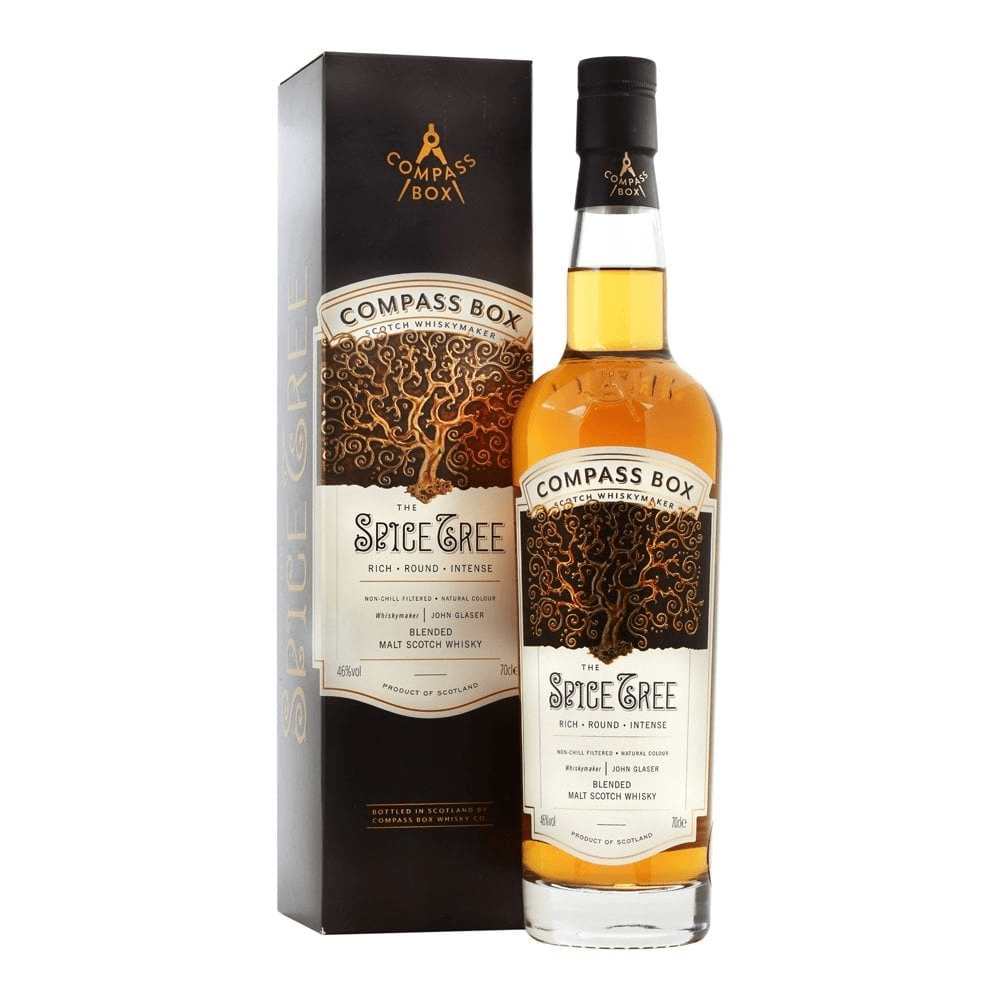
Compass Box Spice Tree
Compass Box Whisky Company
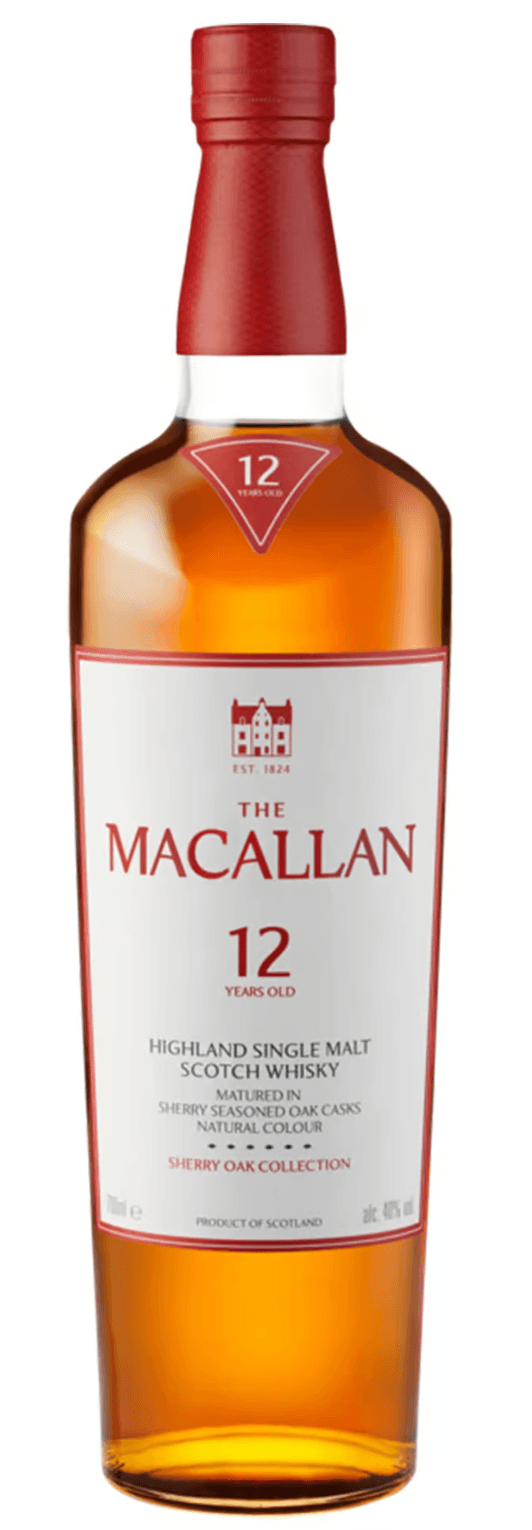
Macallan 12 Year Old Sherry Oak
Edrington Group (The Macallan, est. 1824)
The Macallan 12 Sherry Oak is a masterclass in the patience of wood. While most distilleries treat cask selection as a purchasing decision, Macallan treats it as an art — commissioning their own sherry-seasoned casks in Jerez, waiting two years for the sherry to condition the wood, then waiting another twelve years for the whisky to mature inside it. That's fourteen years of patience before a single drop reaches a bottle. The result is a whisky where the cask and the spirit are in perfect dialogue: neither dominates, and the sherry influence reads as complexity, not sweetness. Macallan's tiny copper stills — the smallest on Speyside — concentrate the new make spirit, giving it the heft to stand up to such assertive wood. This is the benchmark against which all sherry-matured Scotch is measured, and it earns that status through the simplest and most difficult virtue: time.
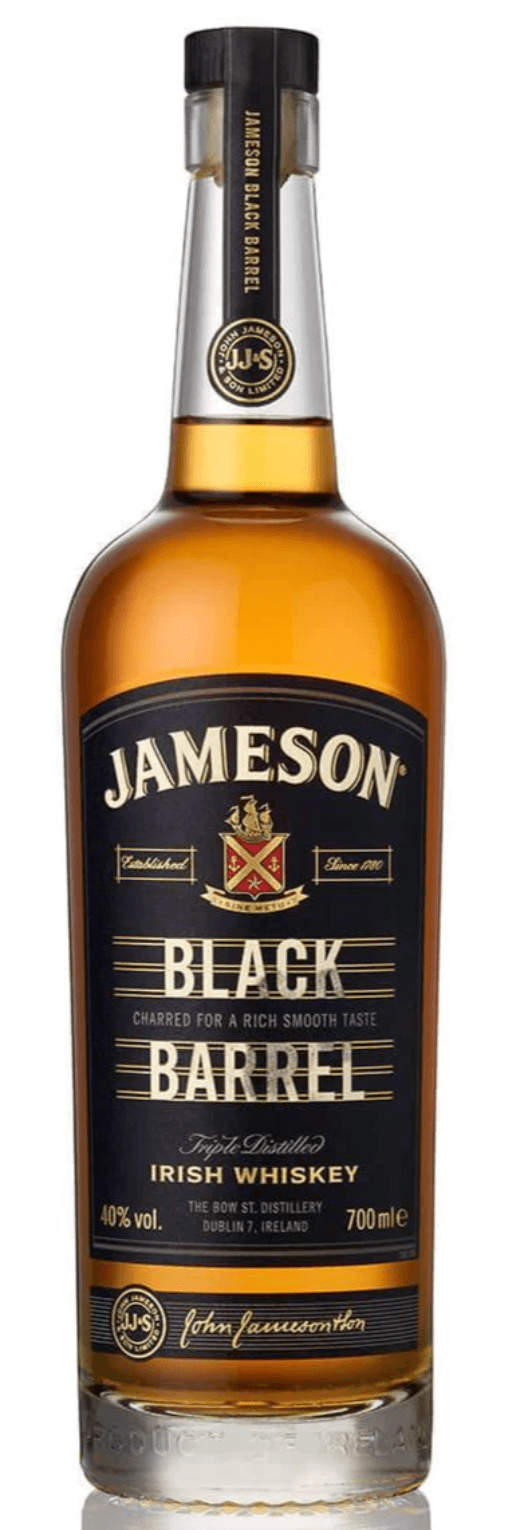
Jameson Black Barrel
Irish Distillers (Pernod Ricard; Jameson, est. 1780)
Jameson Black Barrel is what happens when the world's most approachable Irish whiskey gets a lesson in patience. The key difference from standard Jameson is the double-charred bourbon barrels — a process where spent barrels are re-charred before the whiskey goes in, reactivating the wood's sugars and deepening the flavor extraction. It's an extra step that takes extra time, and the result is a whiskey with noticeably more weight, complexity, and character. The pot still component adds a creamy, spicy backbone that the grain whiskey alone couldn't provide, and the char gives everything a toasty, caramelized edge. At its price point, Black Barrel may be the best value in Irish whiskey — complex enough to sip neat, versatile enough for cocktails, and proof that patience in the cooperage pays dividends in the glass.
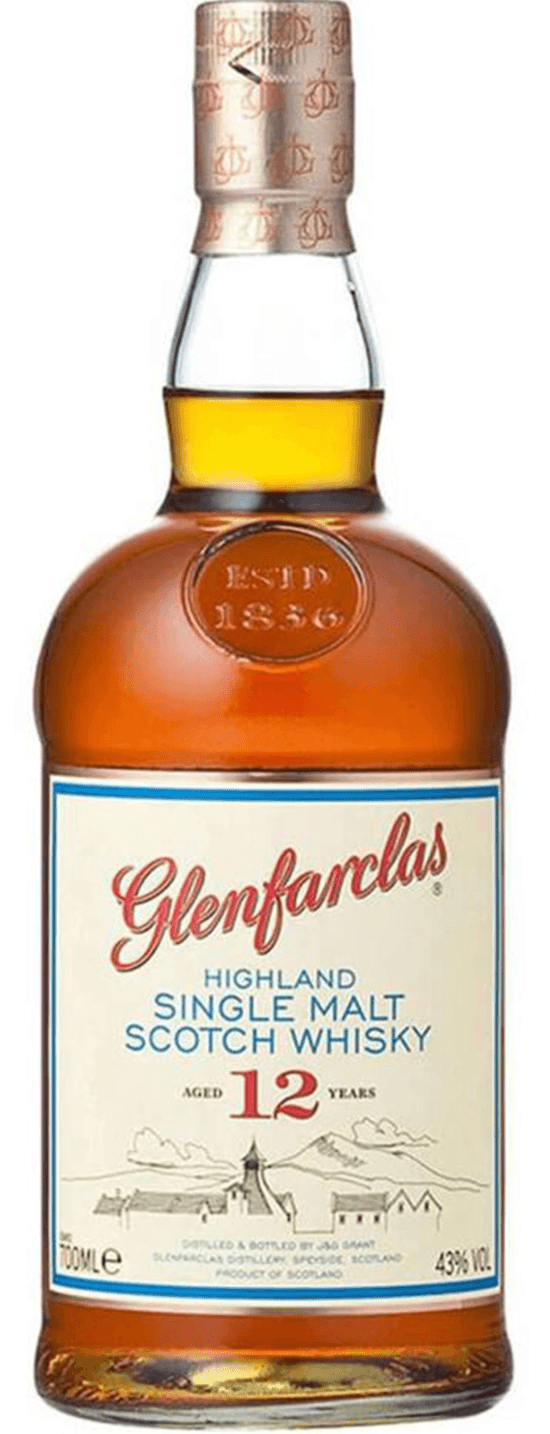
Glenfarclas 12 Year Old
J. & G. Grant (family-owned, 6th generation)
Glenfarclas is what happens when a family says “no” to trends. While other Speyside distilleries have chased younger consumers with NAS releases and cask finishes, the Grants have stayed stubbornly committed to sherry cask maturation and generous age statements. The 12 Year Old is the gateway — unapologetically sherried, rich, and full-bodied at a price that makes the big-name competitors look overpriced. The fact that they’ve resisted every takeover offer for 160 years tells you everything about their priorities.
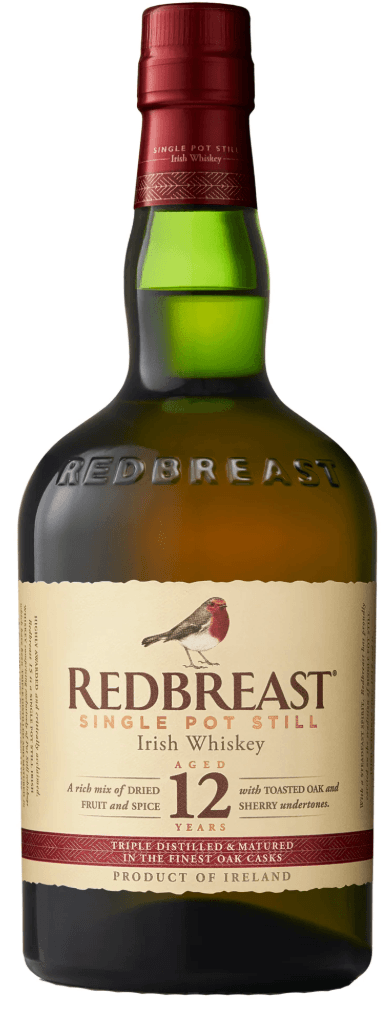
Redbreast 12 Year Old
Pernod Ricard (Irish Distillers)
Redbreast 12 is the definitive pot still Irish whiskey — the one that shows you what the fuss is about. The 50/50 split of malted and unmalted barley creates a texture that’s impossible to achieve with malt alone: creamy, spicy, and full-bodied in a way that triple distillation normally smooths out. The combination of ex-bourbon honey and sherry dried fruit is seamless. The name comes from a bird-loving Gilbeys chairman in 1912, but the whiskey itself has roots stretching back much further — it’s one of only two single pot still brands produced nearly continuously since the early 1900s.
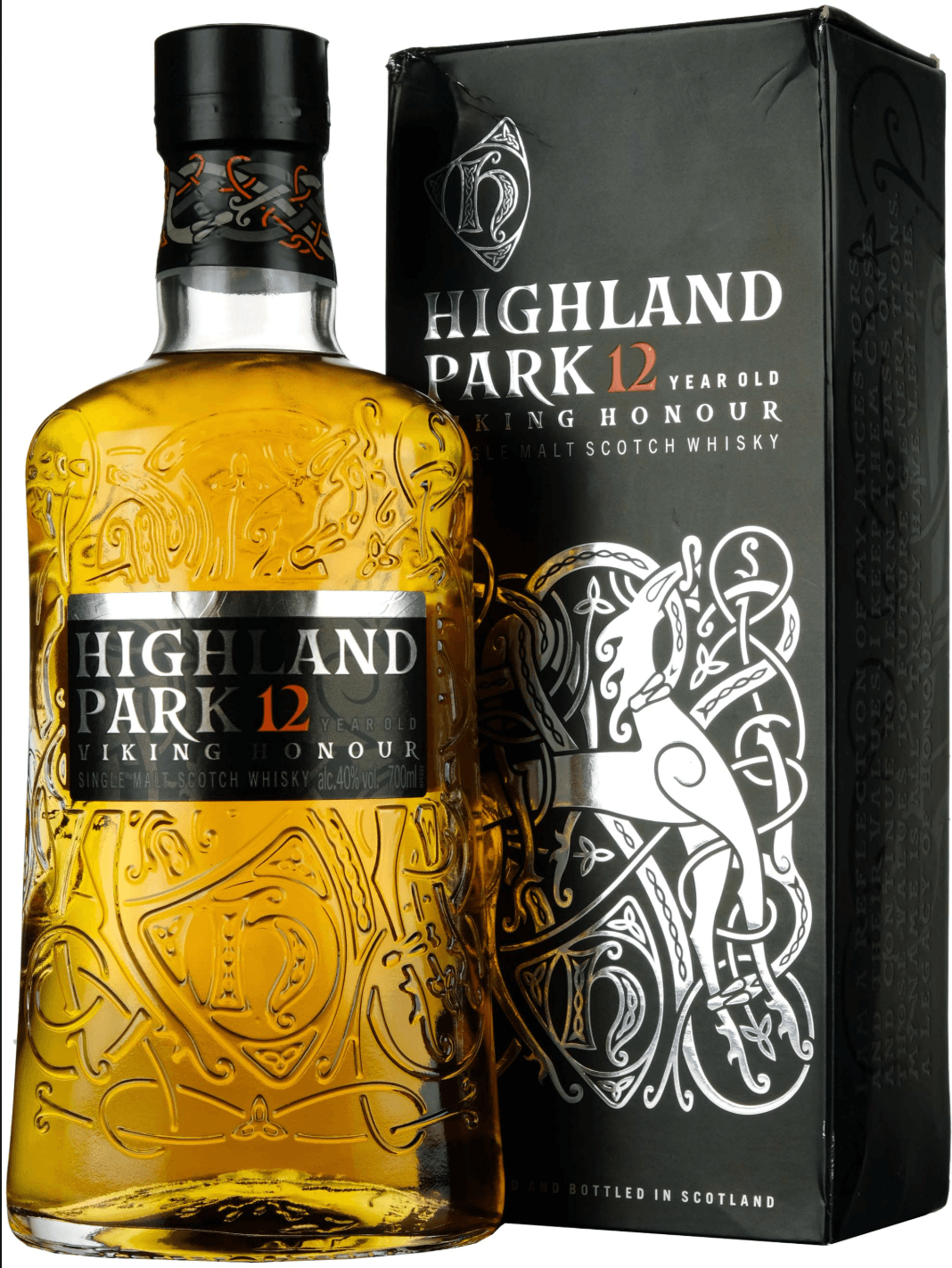
Highland Park 12 Year Old
The Edrington Group
Highland Park 12 is the great balancing act in Scotch whisky. It’s peated but not aggressively so, because Orkney’s peat is infused with heather rather than the woody roots found on Islay — the result is floral smoke rather than campfire smoke. Add in the sherry cask sweetness and the unmistakable coastal salinity from water drawn from Cattie Maggie’s Spring for over two centuries, and you get a whisky that bridges the gap between Speyside smoothness and Island intensity. It’s the single malt that converts people who think they don’t like peat.