Aroma
Vanilla
21 bottles with this note
Train this aroma
Tequila Aroma Kit
Develop your palate with the canonical reference for vanilla and related notes.

Tapatio Añejo
Tapatio
Tapatio Añejo is the work of Carlos Camarena, a fifth-generation distiller who refuses shortcuts. The tahona-crushed agave and slow fermentation produce an añejo that tastes like intention rather than decoration. At this price, it competes with bottles twice its cost.
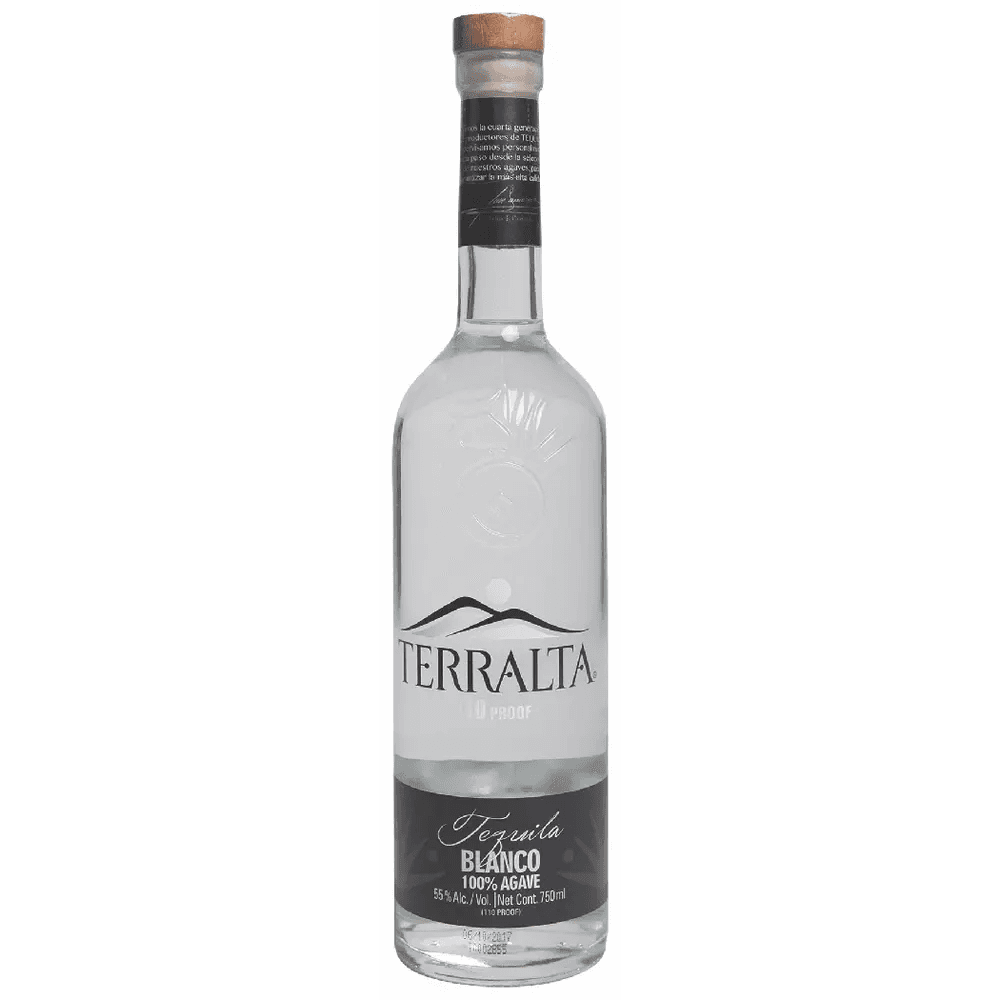
Terralta Blanco Extra Strength 110 Proof
Tequila Terralta (Felipe Camarena)
Terralta 110 is what happens when you remove the single most common intervention in tequila production — water — and let the distillate speak for itself. Felipe Camarena’s catalyst was the refusal to dilute, and the result is a blanco that carries the full weight of highland agave, volcanic mineral water, and an eighty-year-old yeast strain in every sip. The proof sounds aggressive on paper, but the execution is anything but: the texture is silky, the flavors are amplified rather than burned, and the finish is cleaner than most 80-proof tequilas. At under sixty dollars, this is a masterclass in what blanco tequila can be when a maker trusts his raw materials completely.
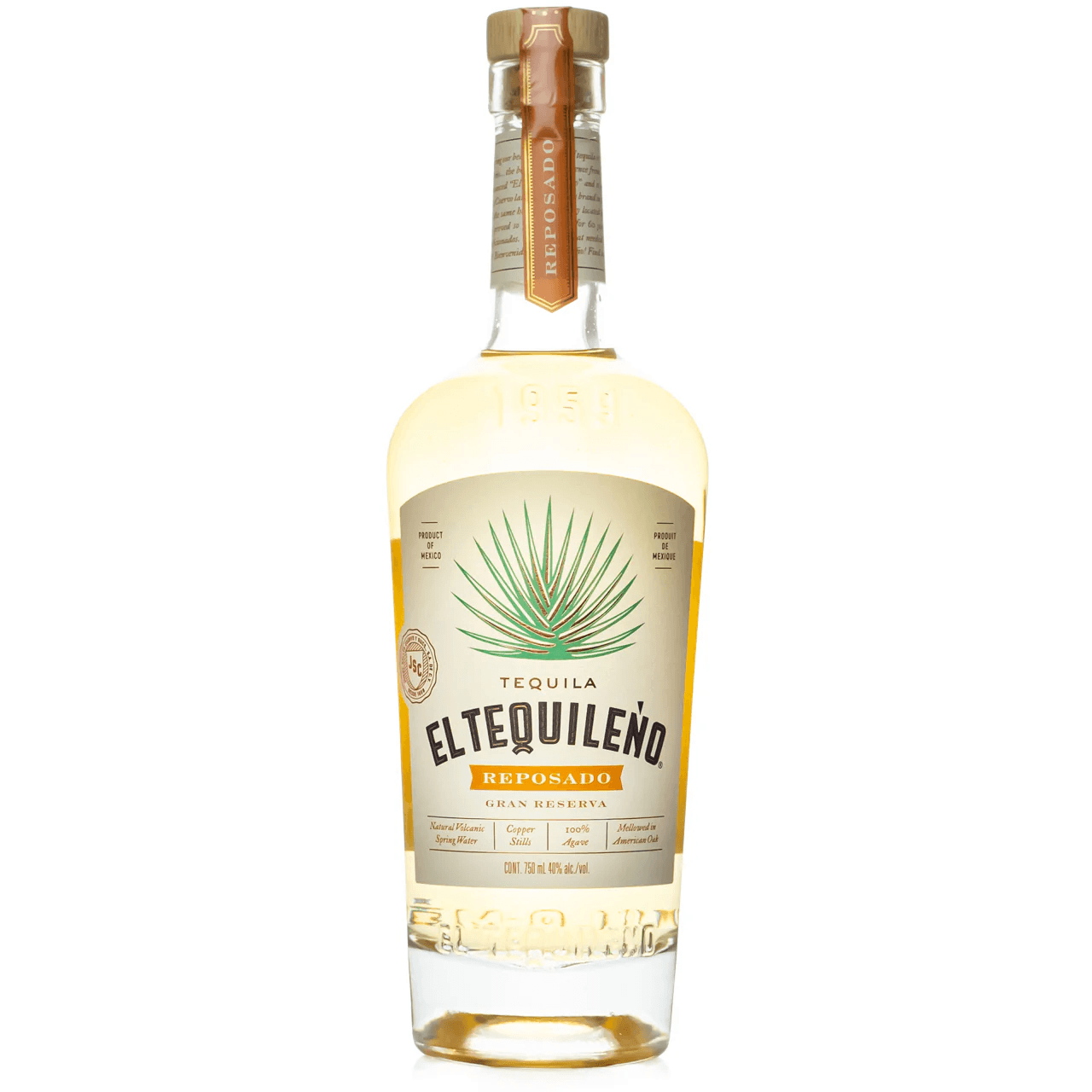
El Tequileno Reposado Gran Reserva
Destiladora Tequileña (Salles Family)
El Tequileño Reposado Gran Reserva is the proving ground for single-estate, family-driven tequila production. In an industry where celebrity-branded bottles and corporate acquisitions dominate shelf space, the Salles family has spent sixty-five years proving that one distillery, one recipe, and three generations of accumulated wisdom can produce something no marketing budget can replicate. The Gran Reserva's secret is its blend of reposado and añejo, creating a complexity that belies its approachable price. This is tequila with a lineage you can taste. Cocktail — The Proving Paloma: 2 oz El Tequileño Reposado Gran Reserva, 1 oz fresh grapefruit juice, 0.5 oz fresh lime juice, 0.25 oz agave nectar, top with grapefruit soda. Build in a salt-rimmed Collins glass over ice. Garnish with a grapefruit wedge. The reposado's caramel and honey notes elevate the citrus.
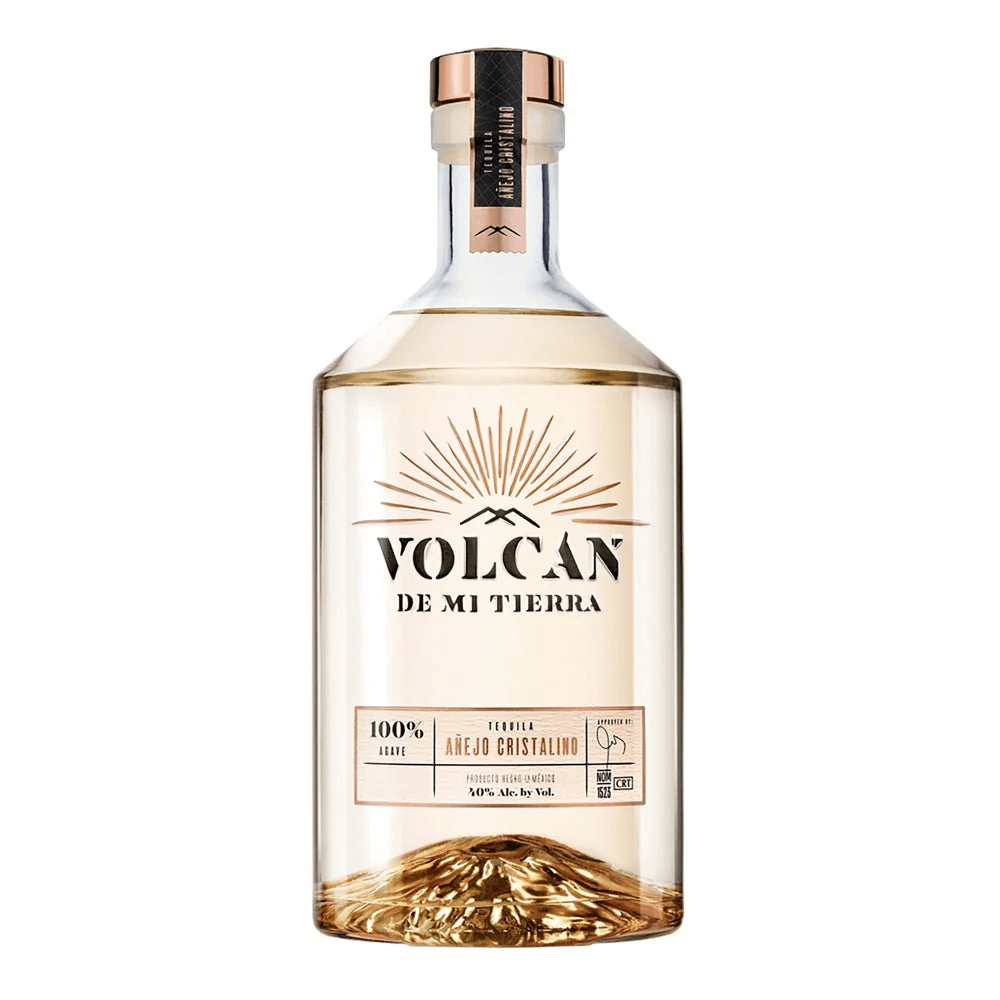
Volcán De Mi Tierra Cristalino
Moët Hennessy (LVMH)
The cristalino category is itself an experiment — the proposition that you can age a tequila for years, develop all that barrel complexity, then strip away the amber color through charcoal filtration without losing what the barrels gave you. Volcán De Mi Tierra pushes the experiment further by blending two different aged expressions from two different barrel types before filtering. The result is a tequila that looks like a blanco but drinks like an añejo — an optical illusion in a glass, and a compelling argument that color tells you far less about a spirit than you think.
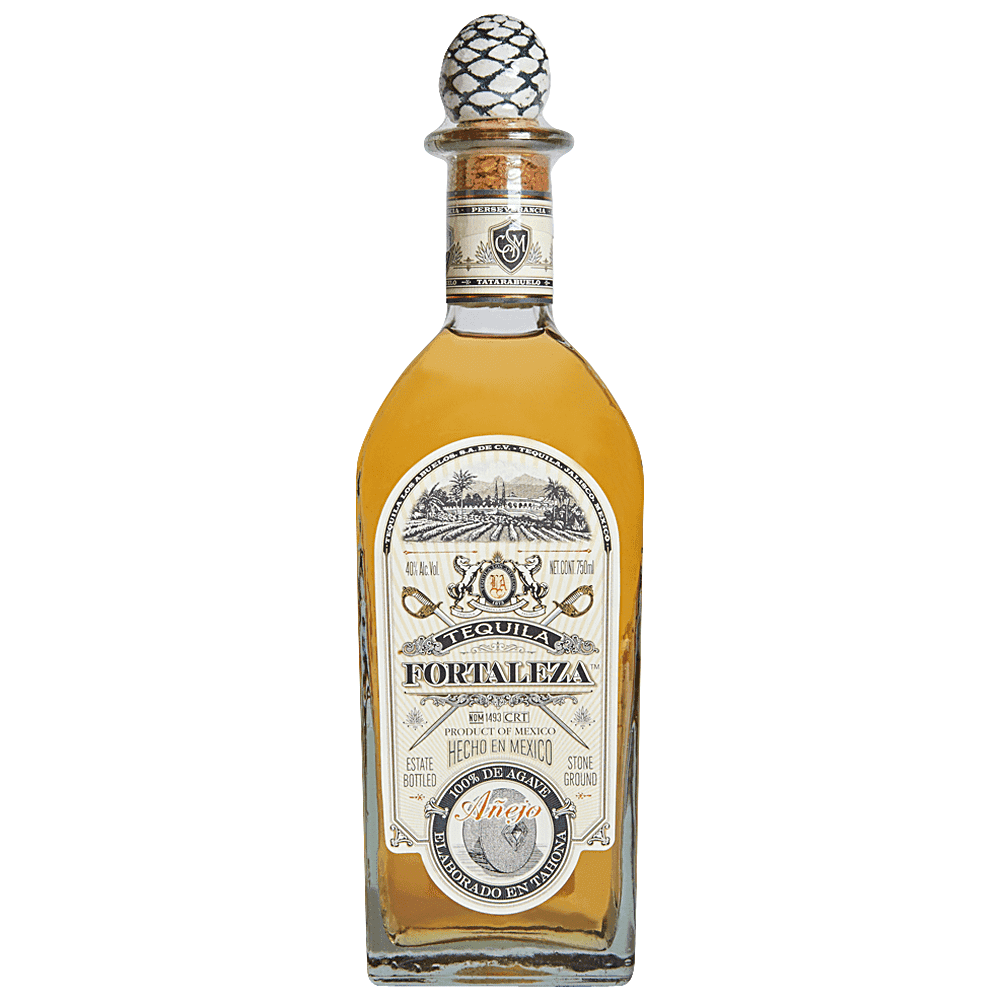
Fortaleza Añejo
Tequila Los Abuelos (NOM 1493)
Fortaleza Añejo is what happens when traditional methods meet patient barrel aging — and neither rushes the other. The tahona wheel produces a spirit with more texture and mineral complexity than a modern roller mill, and eighteen months in oak adds caramel depth without burying the agave.
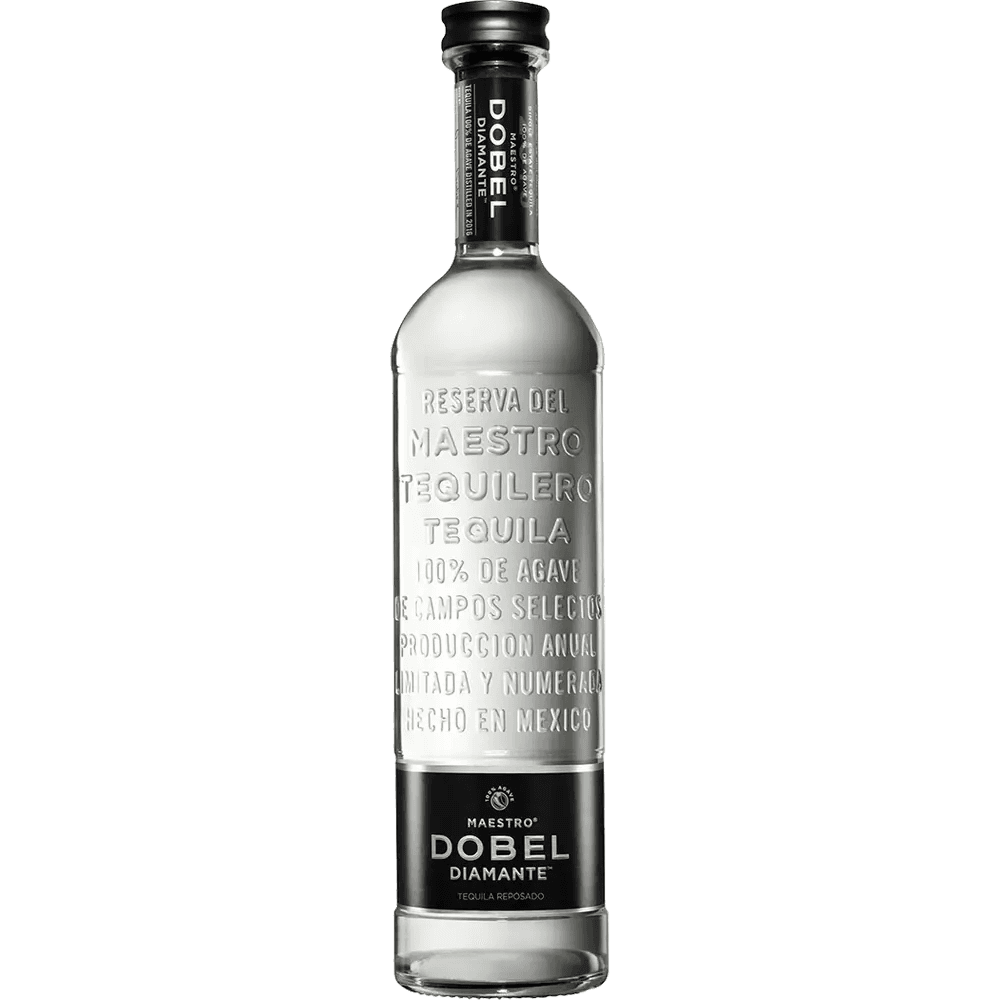
Maestro Dobel Diamante
Proximo Spirits / Beckmann Family
Maestro Dobel Diamante didn’t just create a tequila—it created a category.
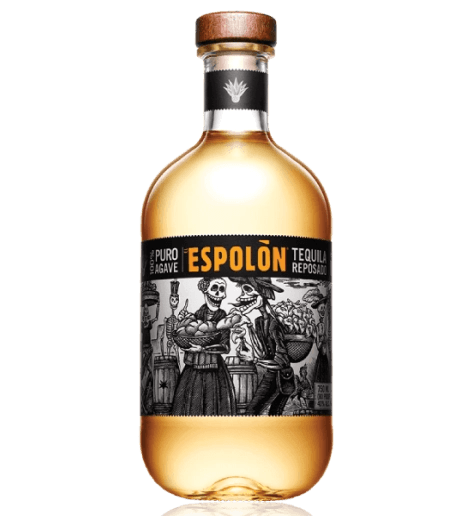
Espolòn Reposado
Campari Group
Espolòn is proof that applied heat, carefully controlled, separates good tequila from great tequila. Cirilo Oropeza's decision to quarter the piñas — doubling the surface area exposed to the autoclave's heat — extracts more sweetness and complexity from the agave than conventional methods.
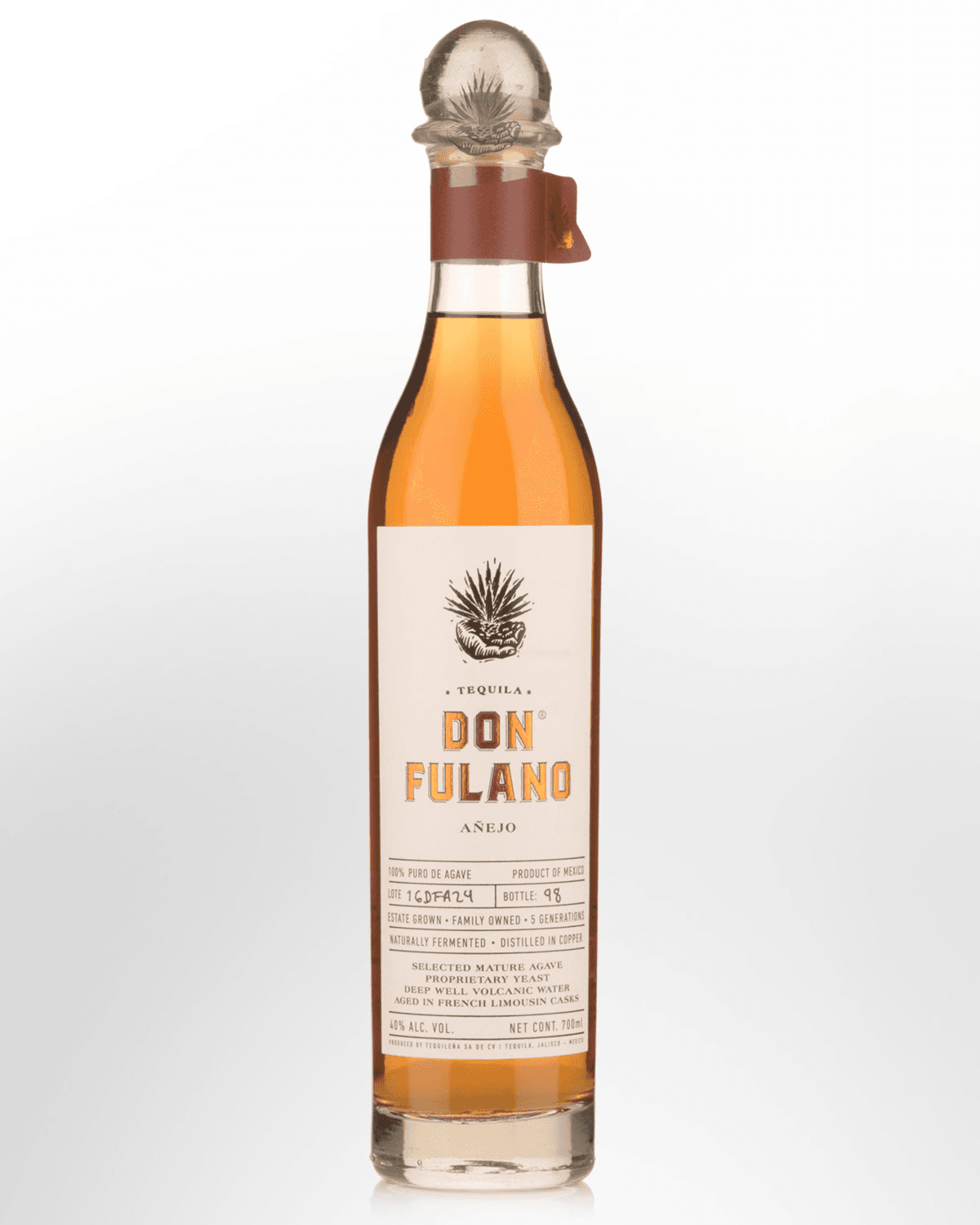
Don Fulano Anejo
Tequila Fonseca
Don Fulano Anejo is highland tequila at its most refined.
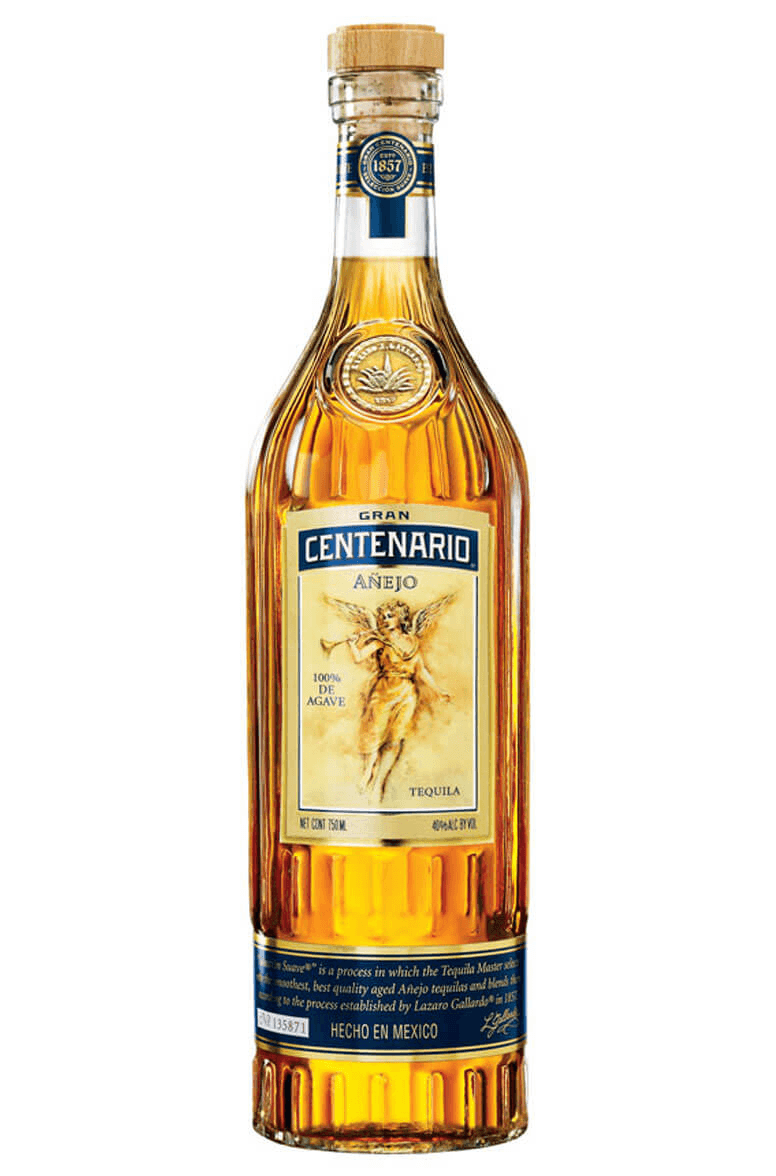
Gran Centenario Añejo
Casa Cuervo (Beckmann Family / Proximo Spirits)
Gran Centenario Añejo is a lesson in how thoughtful cask architecture transforms agave into something approaching luxury. The selección suave process — a solera-inspired blending method using French limousin oak and American white oak — creates a layered complexity that belies its approachable price point. The highland agave provides a clean, sweet foundation; the French oak adds refinement and tannic structure; the American oak contributes vanilla warmth. The result is a tequila with the kind of deliberate design you typically find at two or three times the price.
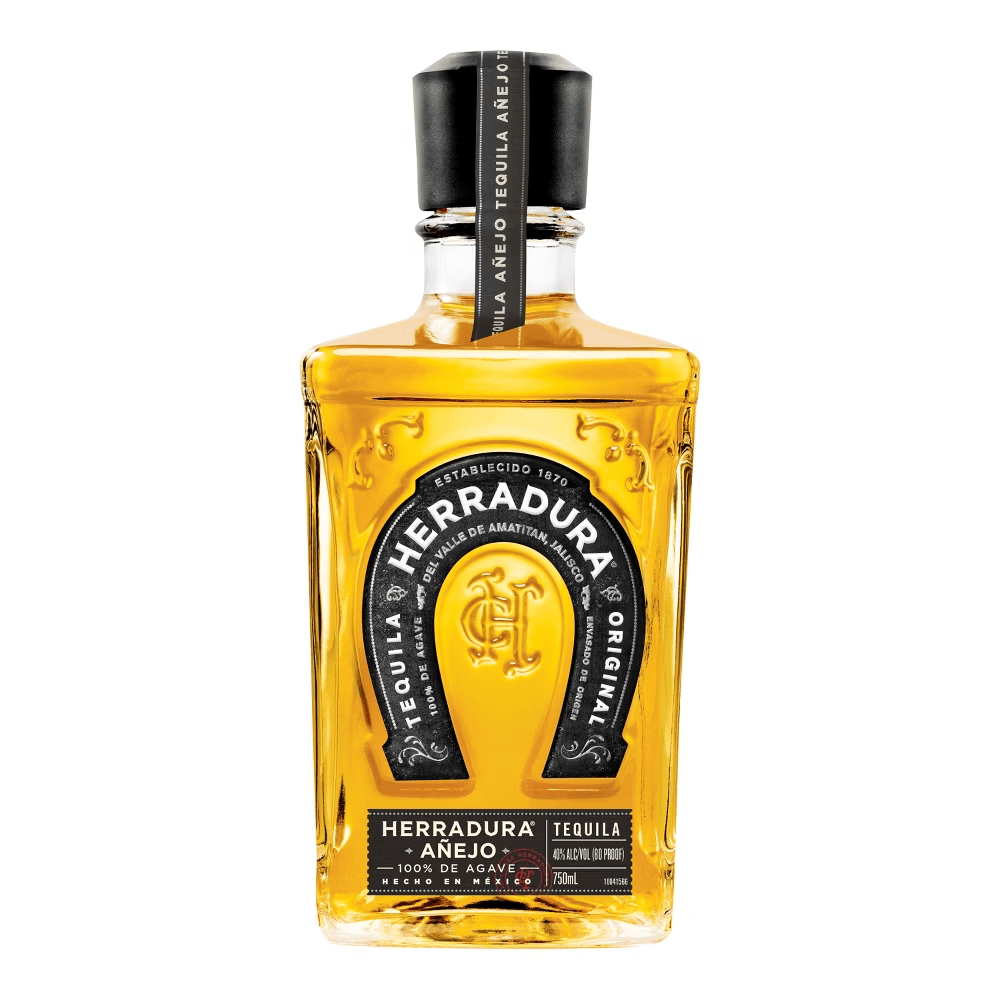
Herradura Añejo
Brown-Forman Corporation
Herradura Añejo is tequila heritage in a glass. Casa Herradura has been making tequila at the Hacienda San José del Refugio since 1870, and this añejo — aged 25 months, well beyond the 12-month minimum — shows the patience that comes with long experience.
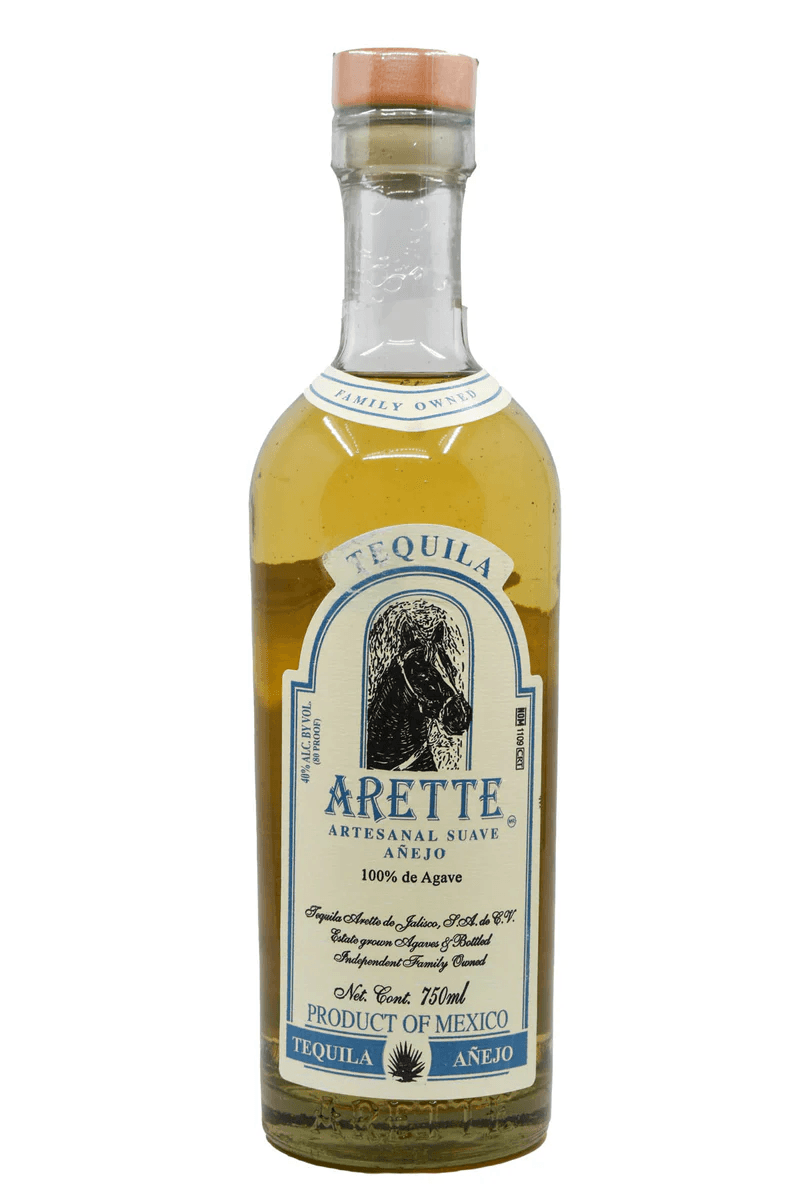
Arette Añejo
Tequila Arette de Jalisco S.A. de C.V.
Arette is one of those brands that connoisseurs pass around like a secret. The Orendain family has been in the tequila business for generations, but Arette was their deliberate reinvention.
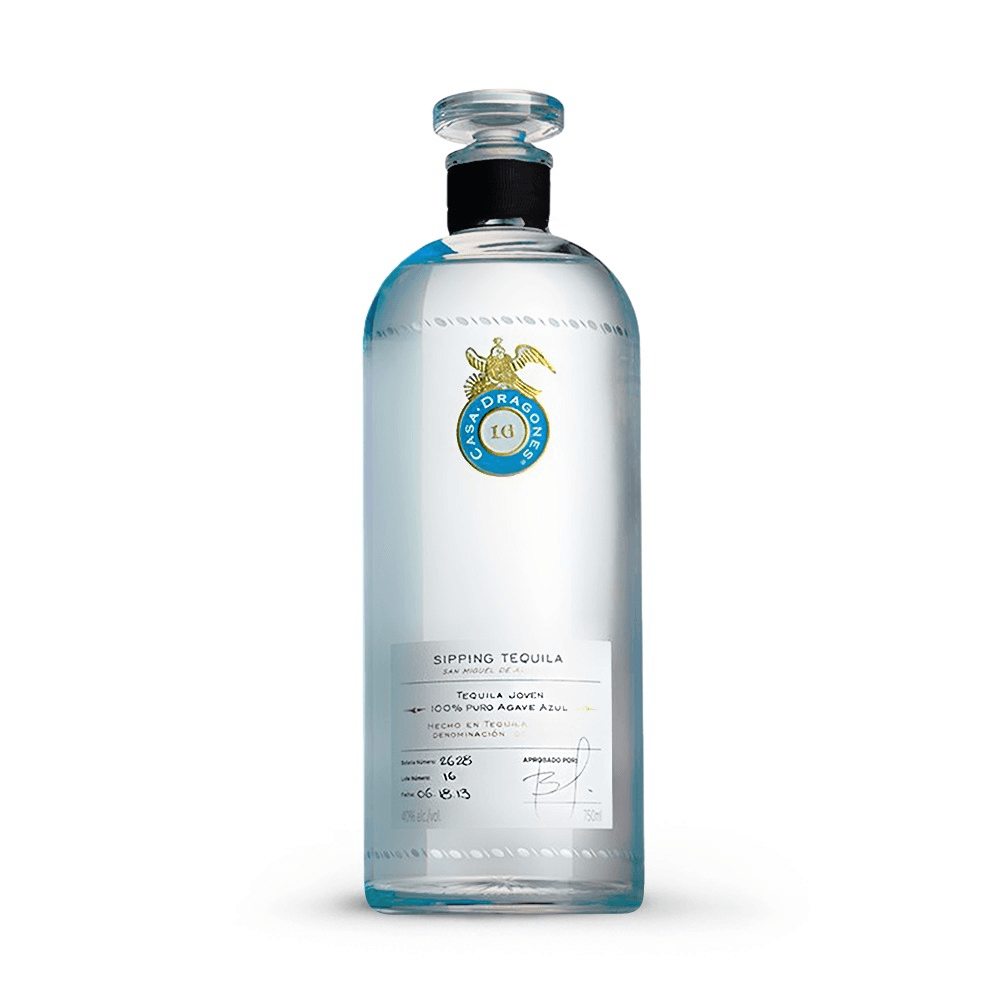
Casa Dragones Joven
Casa Dragones
Casa Dragones Joven is among the purest expressions of tequila-as-blend on the market. Silver for freshness, extra añejo for depth.
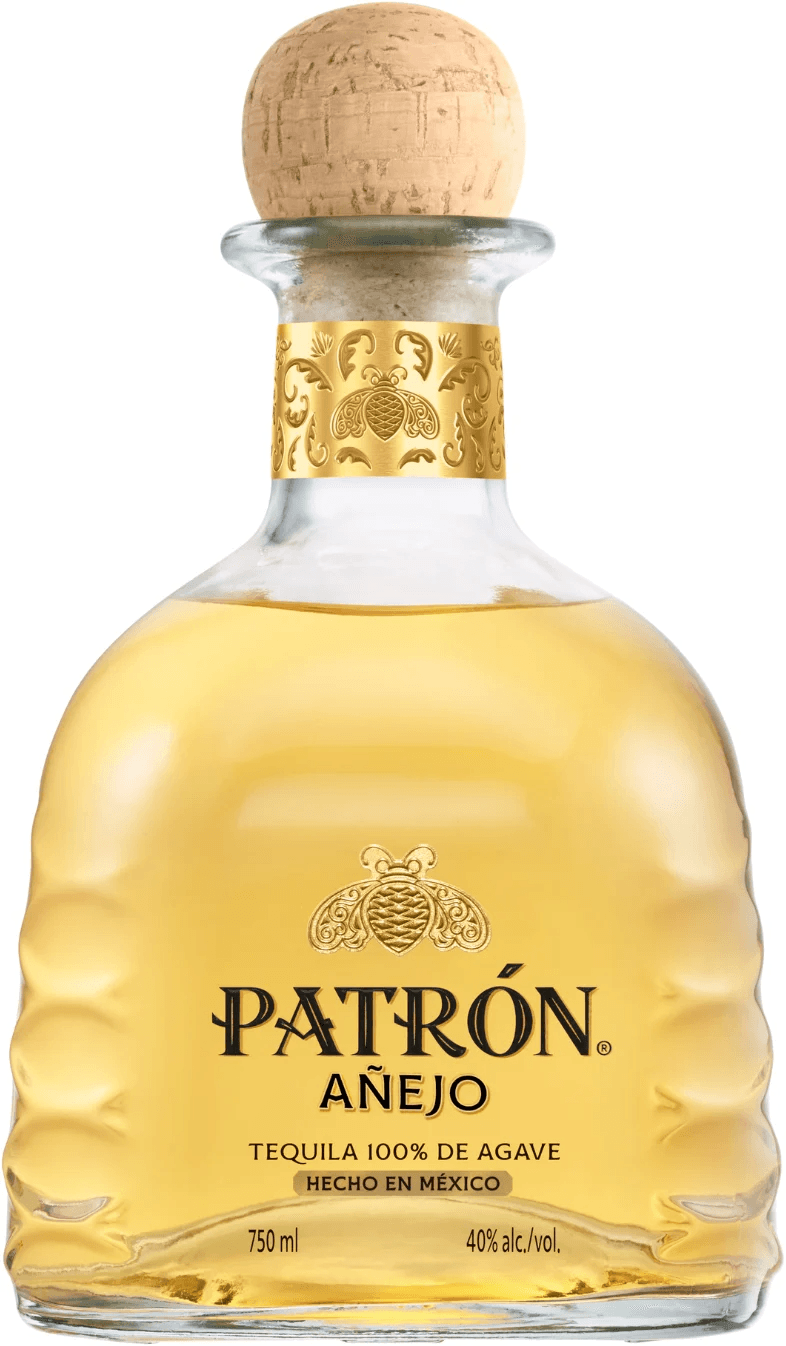
Patrón Añejo
Patrón Spirits International (Bacardi Limited)
Patrón Añejo is proof that popularity and quality are not mutually exclusive. In an era of marketing-driven premium spirits, Patrón remains rooted in Francisco Alcaraz's original vision: 100% blue agave, proper resting time, and honest craftsmanship. The Añejo is the expression that rewards patient sipping.
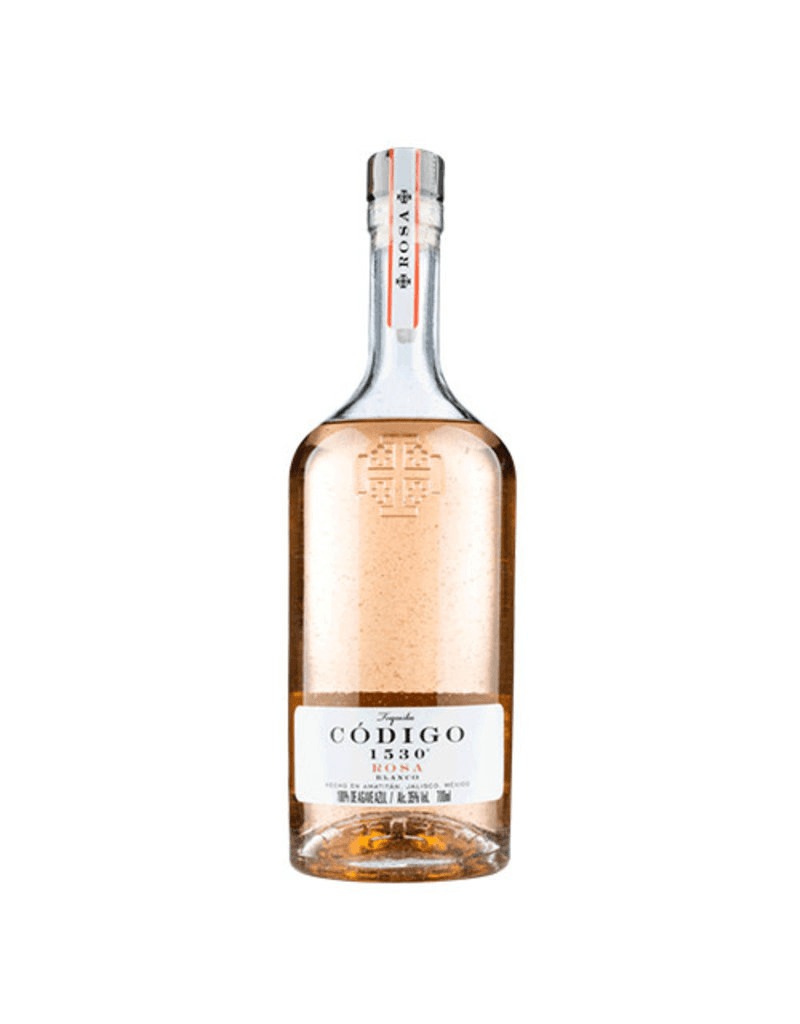
Código 1530 Rosa
Código 1530
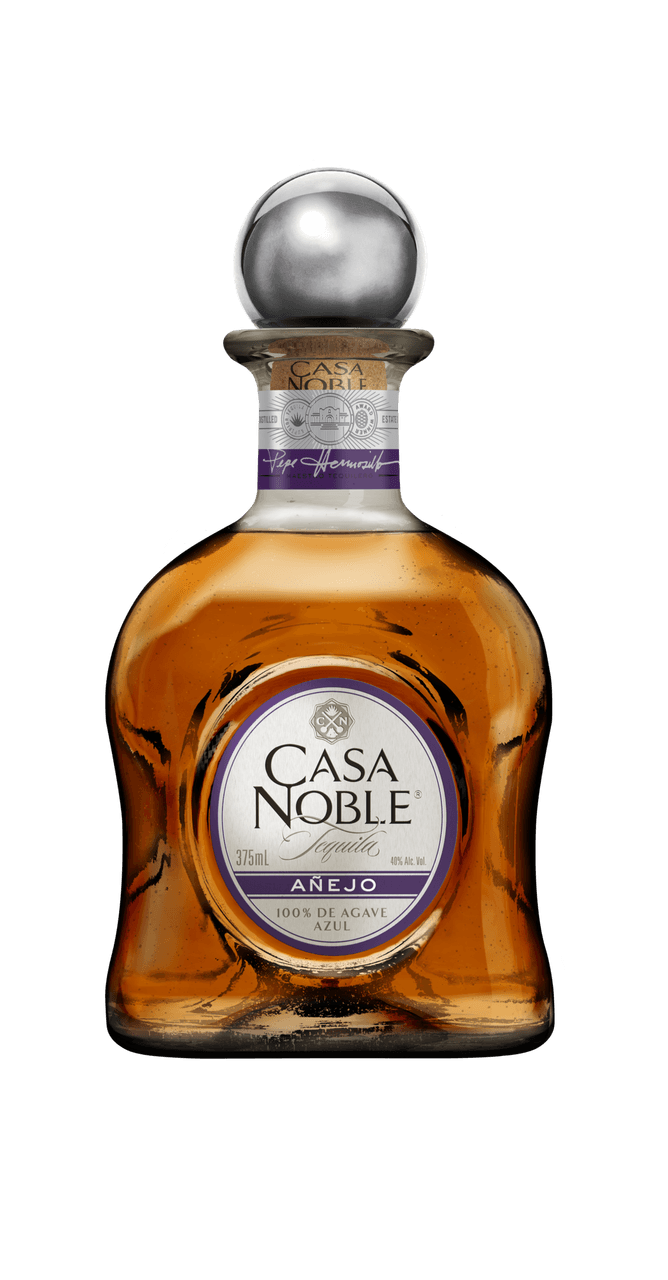
Casa Noble Anejo
Constellation Brands
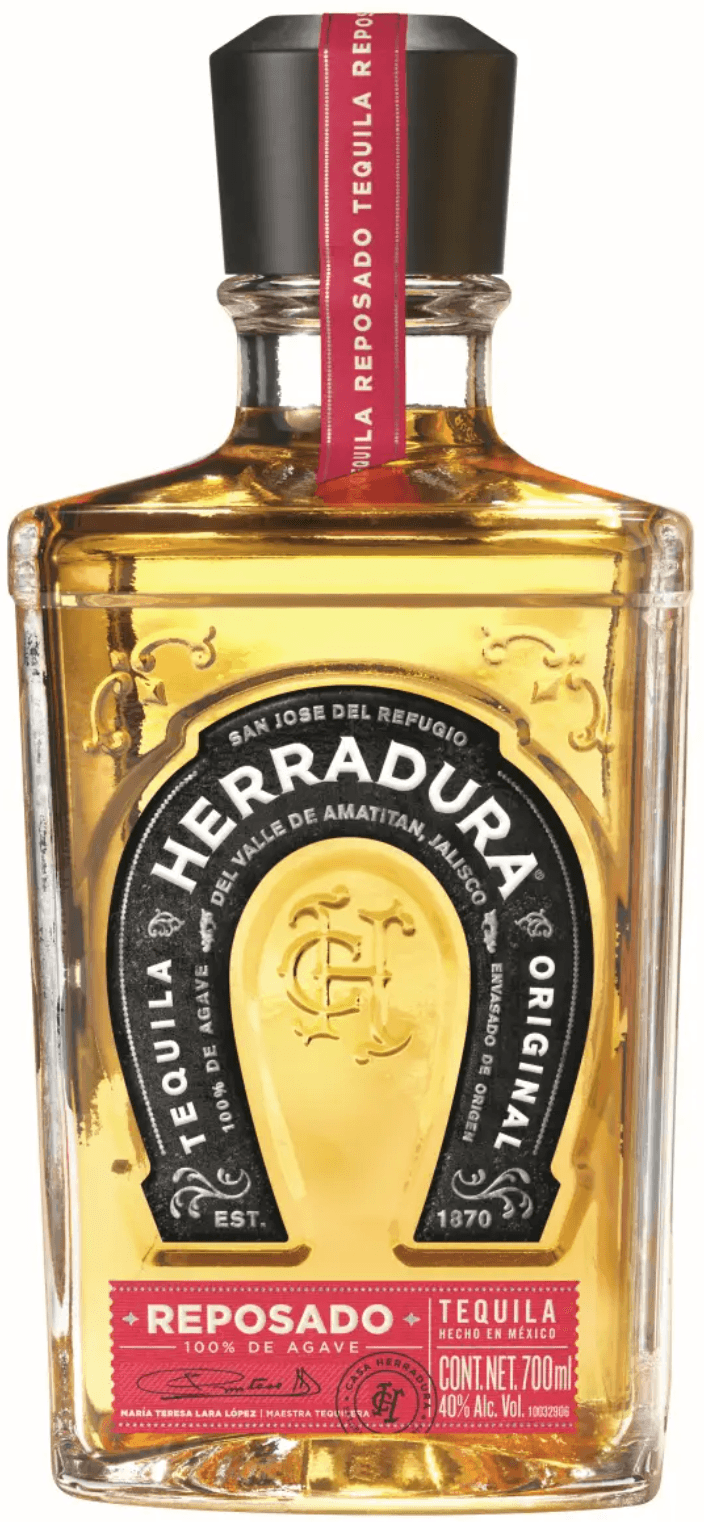
Herradura Reposado
Brown-Forman (Casa Herradura, est. 1870)
Herradura didn't just make this Reposado — it invented the category (1974).
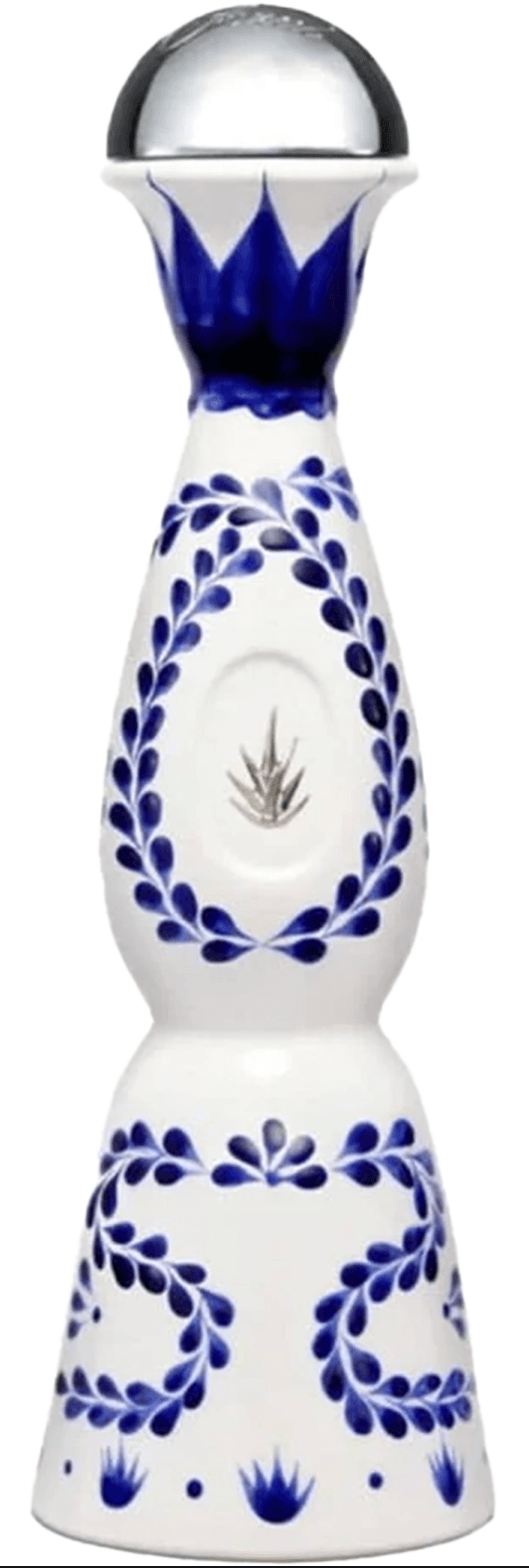
Clase Azul Reposado
Clase Azul México (est. 1997)
Clase Azul Reposado is an exercise in patience at every level. The agave waits 7 to 9 years before harvest. The piñas cook for 72 hours — three times longer than most industrial tequilas. The reposado rests 8 months in whiskey casks. And each hand-painted ceramic decanter takes two weeks to complete. In an industry increasingly dominated by celebrity brands and additive-laden shortcuts, Clase Azul represents something rare: a luxury tequila that earns its price through craft rather than marketing. The liquid inside is genuinely exceptional — sweet but not cloying, oaky but not heavy, and agave-forward in a way that honors the plant's nearly decade-long journey to maturity. Yes, you're paying for the bottle too. But when the tequila inside is this good, the bottle becomes less a gimmick and more a fitting vessel.
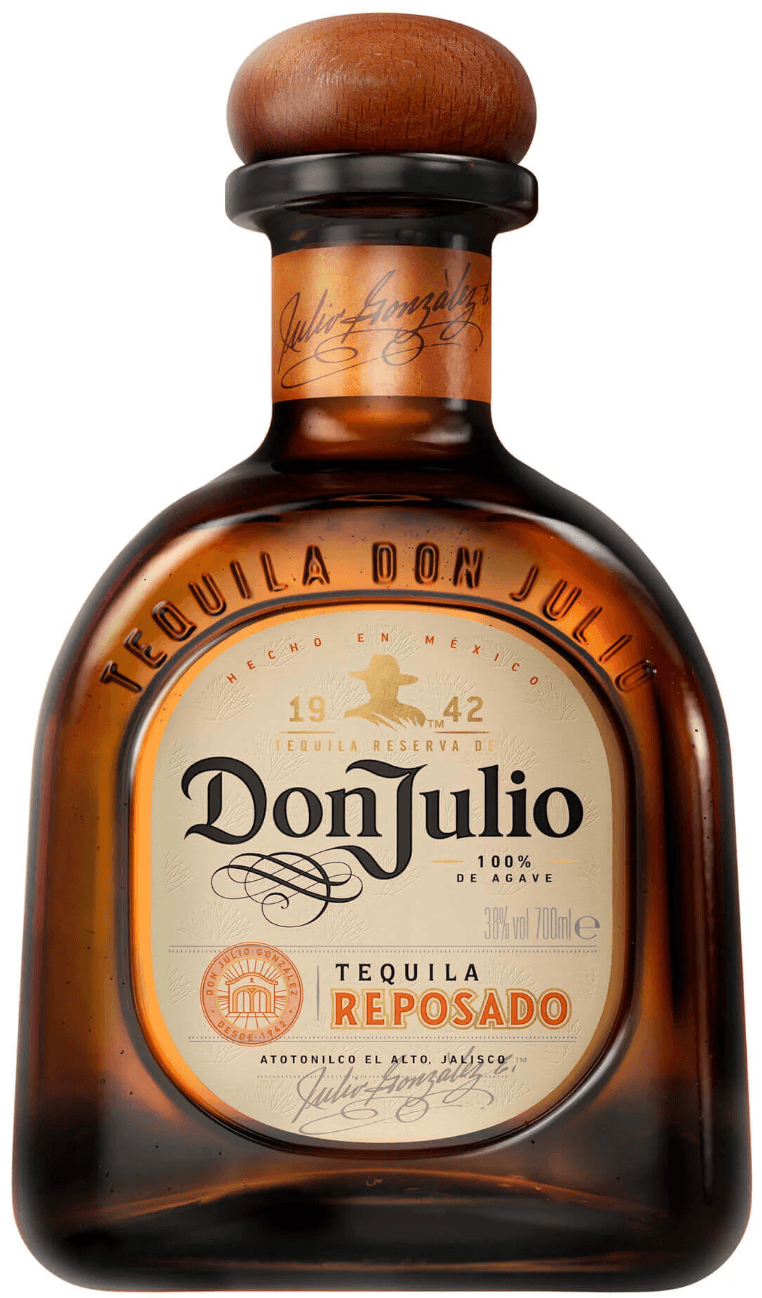
Don Julio Reposado
Diageo (Don Julio, est. 1942)
Don Julio invented the luxury tequila category. Before Don Julio, tequila was a commodity — cheap, harsh, and destined for margarita mixes. Julio González changed the rules by treating agave like fine wine grapes: planting further apart for full maturity, slow-roasting in 72-hour brick oven cycles, and aging in fine oak. When his sons created a tequila to honor his 60th birthday in 1985, it became the first tequila marketed as a premium sipping spirit. The Reposado expression — eight months in American white oak — strikes the ideal balance: enough barrel time to add complexity without masking the highland agave character that made the brand famous.
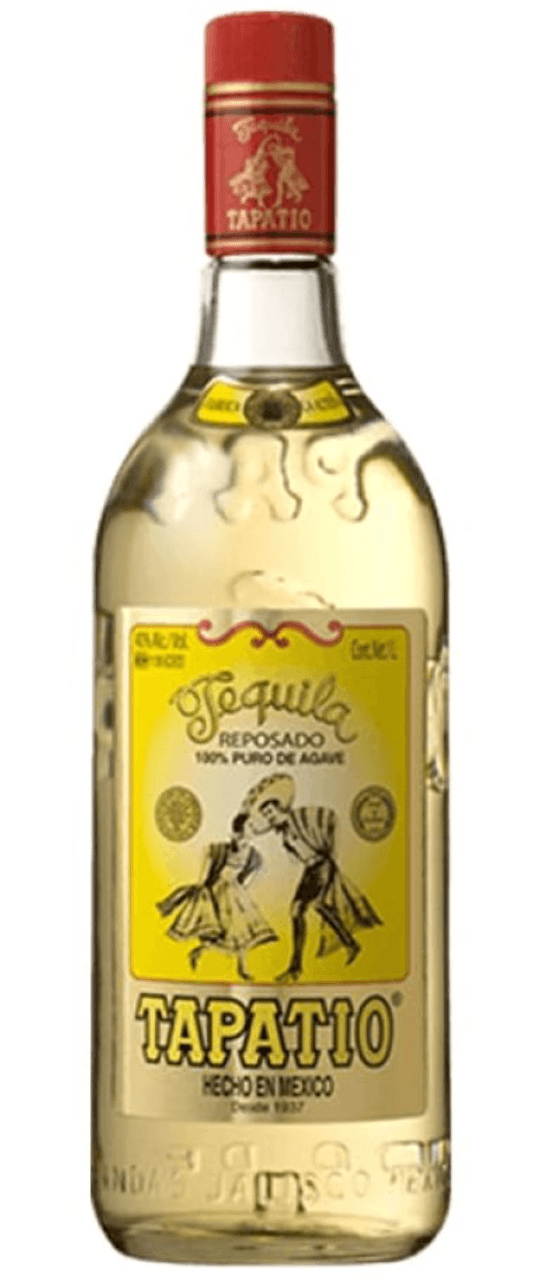
Tapatio Reposado
Tequila Tapatio S.A. de C.V. (Camarena family, 5th generation)
Tapatio is the tequila that tequila makers drink. The Camarena family — the same lineage that gave us El Tesoro and G4 — runs one of the most traditional operations in Jalisco. Carlos Camarena, the current master distiller, slow-roasts his highland agave for 48 hours in brick ovens, ferments with wild airborne yeasts and natural well water, and keeps production deliberately small. The reposado rests just four months — enough to round the edges without masking the agave. This is tequila for purists, and at around $45 it’s one of the best-kept secrets in the category.
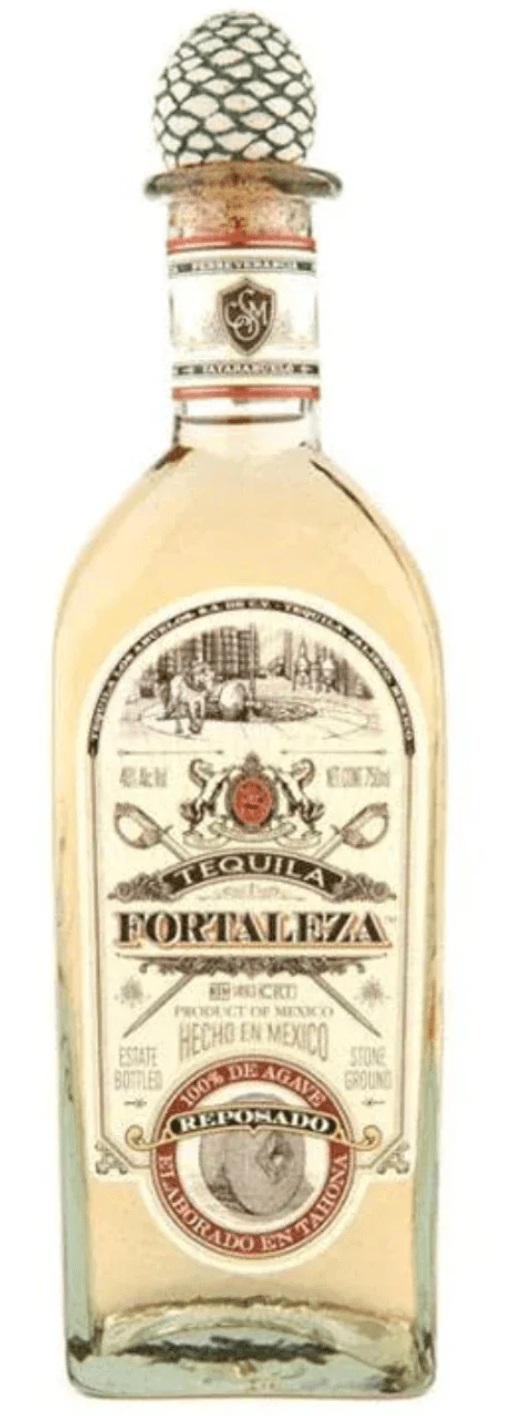
Fortaleza Reposado
Destilería La Fortaleza (Guillermo Erickson Sauza)
Fortaleza is tequila made the way it was meant to be made. While most modern producers use autoclaves and diffusers for speed and efficiency, Guillermo Sauza — great-great-grandson of Don Cenobio Sauza, the “Father of Tequila” — insists on the tahona, the brick oven, and the wooden fermentation tanks. The volcanic spring water that feeds the distillery carries minerals from deep within the stratovolcano, and you can taste the terroir in every sip. The reposado rests just long enough to gain warmth and vanilla from the barrel without losing the agave’s voice.
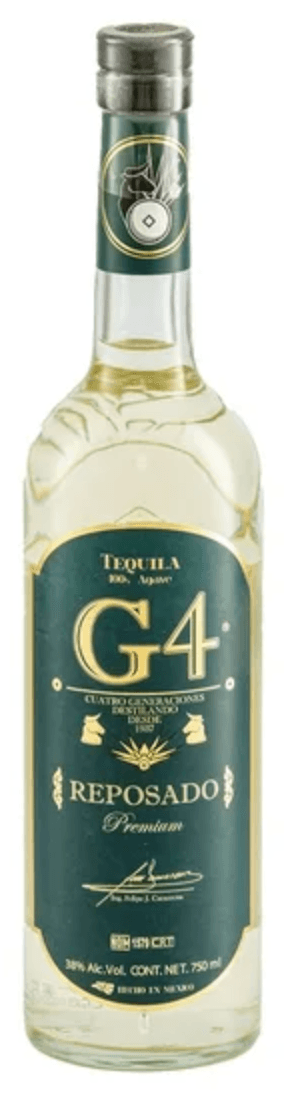
G4 Reposado
El Pandillo (Felipe Camarena)
G4 is what happens when a family’s fourth generation refuses to cut corners. Felipe Camarena’s dedication to stone ovens, natural fermentation, and unhurried aging produces a reposado where the agave stays front and center. The six months in bourbon barrels add warmth and spice without covering up the plant. This is a tequila for people who want to taste where it came from — the stone oven method preserves complex agave sugars that modern autoclaves simply can’t replicate.