Aroma
Nut (Almond/Coconut)
51 bottles with this note
Train this aroma
Wine Aroma Kit
Develop your palate with the canonical reference for nut (almond/coconut) and related notes.

Domaine des Huards Cour-Cheverny AOC Romo 2023
Domaine des Huards
Cour-Cheverny is the only AOC in France dedicated to the ancient Romorantin grape, and Domaine des Huards is its finest ambassador. This is a wine of place — the chalky soils and continental climate write themselves into every glass. If you've never tried Romorantin, this is where to start.

Pietradolce Etna Bianco DOC 2023
Pietradolce
Pietradolce's Carricante vines grow at 700 meters on Etna's north face, rooted in millennia of lava flow. Winemaker Michele Faro handles the fruit with restraint — stainless steel only, no malolactic — letting the grape and the volcano speak. The result is one of Italy's most compelling white wines at a price that borders on absurd for this level of quality.

Benanti Etna Bianco Superiore Pietra Marina 2022
Benanti
Pietra Marina is arguably Sicily's greatest white wine, and the 2022 vintage continues the tradition. Carricante from Etna's highest vineyards delivers a rare combination of power and precision — it has the depth to age but the freshness to drink now. If you want to understand what volcanic soil tastes like in a glass, start here.

Bodega Cerro Chapeu Tannat Brut Nature Blanc de Noirs 2023
Domaine Wachau
Smaragd is the top tier of Wachau classification, reserved for wines with the most body and concentration. This 2023 Terrassen Grüner Veltliner balances power with precision — the terraced granite and gneiss slopes above the Danube produce a wine with both generosity and tension. It's a white that can age, but drinks beautifully now.

Bielle Rhum Vieux Agricole 3 Ans
Bielle
One of the most quietly excellent aged agricoles on the market — Bielle's 3 Ans punches well above its age statement, offering the mineral tension of Marie-Galante's limestone terroir wrapped in beautifully judged oak. A benchmark for what tropical maturation can do in just three years.

Donnafugata Anthìlia Sicilia Bianco DOC 2023
Donnafugata
Donnafugata consistently delivers one of southern Italy's best-value whites with Anthìlia. The Catarratto and Ansonica blend achieves a balance that many more expensive bottles struggle with: aromatic generosity paired with structural discipline. At this price point, it's a refrigerator staple for anyone who drinks wine seriously.

Domaine de la Pépière Muscadet Sèvre et Maine sur Lie Clisson 2022
Domaine de la Pépière
The Clisson cru designation requires a minimum of 24 months on the lees, and Marc Ollivier's vines — some over 70 years old — deliver the concentration to make that extended aging worthwhile. This is Muscadet reimagined: serious, site-specific, and profoundly undervalued. One of the great white wine bargains in the world.

Movia Lunar Ribolla 2022
Movia
A masterclass in controlled wildness: ancient technique yielding a wine that is simultaneously primal and polished — the definition of opposites in harmony.

Barrell Craft Spirits Seagrass Bourbon Whiskey
Barrell Craft Spirits
Barrell's Seagrass is a master class in multi-cask finishing done with restraint. The three cask influences don't compete — they collaborate, each contributing a distinct frequency to the final chord. At cask strength, it rewards patient sipping and a splash of water.

Avuá Amburana Cachaça
Avuá
A gateway into artisanal cachaça that showcases how one distinctly Brazilian wood can transform sugarcane spirit into something haunting and unforgettable. Rough sugarcane origins, refined by native timber — beauty earned through untamed materials.

Domaine Vincent Dauvissat Chablis Premier Cru La Forest 2022
Domaine Vincent Dauvissat
Dauvissat is the gold standard for premier cru Chablis, and La Forest is among the finest plots in the appellation. The 2022 vintage delivered concentration without losing Chablis's essential tension. This is a wine about restraint and focus — mineral precision without any extraneous noise. Drink it now for its nerve, or cellar it and watch it gain complexity.

Rhum Barbancourt 4 Year Old Three Star
Barbancourt
One of the great value benchmarks in world rum: a disciplined, terroir-driven Haitian expression that punches far above its price and rewards both neat sipping and serious cocktail work.

Radikon Slatnik 2022
Radikon
An accessible entry point into Radikon's uncompromising vision — proof that raw, patient decisions in the cellar yield wines of extraordinary depth and honesty.

Domaine de la Mordorée Lirac Blanc La Reine des Bois 2023
Domaine de la Mordorée
Mordorée's white Lirac is one of the southern Rhône's best-kept secrets — a serious white from an appellation most drinkers overlook entirely. The 2023 vintage captures the estate's knack for balancing richness with freshness, delivering complexity that belies its modest price. Drink it now through 2027.

Domaine Weinbach Pinot Blanc Réserve 2023
Domaine Weinbach
Weinbach's Pinot Blanc Réserve is one of Alsace's great quiet achievements — a wine that rarely makes headlines but consistently delivers more complexity and pleasure than most bottles at twice the price. The 2023 vintage brings exceptional freshness and precision. It's a reminder that Pinot Blanc in the right hands can rival many a Burgundy blanc for sheer drinkability.

Damoiseau Rhum Vieux Agricole 5 Year Old
Damoiseau
A benchmark aged rhum agricole that rewards patient sipping. Damoiseau's five-year expression bridges the vegetal brightness of the style with genuine barrel maturity, offering exceptional value for anyone exploring French Caribbean rums beyond Martinique.

Domaine de la Mordorée Tavel Rosé La Dame Rousse 2022
Domaine de la Mordorée
Tavel is the only French appellation dedicated exclusively to rosé, and Mordorée's La Dame Rousse shows why it deserves a seat at the serious wine table. This isn't a poolside sipper — it's a structured, gastronomic rosé with the weight and complexity of a light red. Pair it with grilled meats or Mediterranean fare and it will surprise anyone who underestimates pink wine.

Domaine Comte Abbatucci Vermentinu Cuvée Collection 2023
Domaine Comte Abbatucci
Jean-Charles Abbatucci is one of Corsica's most uncompromising biodynamic producers, and this Vermentinu shows why the grape and the island are inseparable. The granite soils and Mediterranean winds forge a white wine of rare mineral intensity, while the indigenous yeast fermentation preserves every nuance of place. It drinks like a postcard from a wild coast.

Ciro Picariello Fiano di Avellino DOCG 2023
Ciro Picariello
Ciro Picariello's Fiano is one of southern Italy's most compelling white wines — volcanic soil, old vines, and zero shortcuts. The 2023 is electric and precise, with the kind of mineral depth that makes you reconsider what Campanian whites can achieve. This is a wine that tastes like the rough, beautiful terrain it comes from.

Inama Vin Soave Classico DOC 2023
Inama
Inama has been one of the key estates in Soave's quality revolution, proving that Garganega on volcanic soil can produce wines of genuine complexity and ageability. This 2023 vintage is drinking beautifully now—precise, mineral-driven, and effortlessly refreshing. A reminder that great white wine doesn't need to cost a fortune or carry a famous appellation.

Cascina degli Ulivi Nibiô Terre Bianche Monferrato Rosso DOC 2020
Cascina degli Ulivi
An honest, unvarnished expression of Dolcetto Nibiô that trades polish for soul — a wine that celebrates its quirks rather than hiding them.

Kuentz-Bas Alsace Riesling Grand Cru Pfersigberg 2022
Kuentz-Bas
Kuentz-Bas has quietly produced exceptional Alsatian wines since 1795, and this Grand Cru Riesling from the south-facing Pfersigberg vineyard is a compelling argument for the house's patience and precision. Dry, taut, and deeply mineral, it is Riesling that asks you to wait — give it thirty minutes of air, or better yet, a year or two in your cellar, and it will repay you generously.

Domaine des Héritiers du Comte Lafon Mâcon-Milly-Lamartine 2023
Héritiers du Comte Lafon
When Dominique Lafon—the man behind some of Burgundy's most coveted Meursaults—turned his attention to the Mâconnais in 1999, the results were predictably excellent. This entry-level white delivers a compelling push-pull between ripe fruit generosity and limestone-driven tension. It's Burgundy Chardonnay at its most honest and accessible.

Hampden Estate Rum Fire Overproof
Hampden Estate
Rum Fire is Hampden Estate's most unapologetic expression — a high-ester, unaged pot-still rum that captures the full spectrum of Jamaican funk. At this price, it's one of the great values in spirits. Essential for serious daiquiris and rum punches, but also deeply rewarding neat for those who appreciate the conversation.

Clairin Communal Vaval
Clairin
Clairin Communal Vaval is rum stripped to its most honest expression — no aging, no blending across distilleries, no additives. Fritz Vaval's small operation in Cavaillon uses native yeast fermentation and direct-fire distillation to produce a spirit that tastes of exactly where it comes from. It's a masterclass in terroir-driven rum.

Graci Etna Bianco Arcurìa 2022
Graci
A vivid expression of high-elevation Carricante — austere, lifted, and built for the cellar.

Domaine Zind-Humbrecht Pinot Gris Clos Windsbuhl 2022
Domaine Zind-Humbrecht
Clos Windsbuhl is a monopole site on limestone-rich Muschelkalk soils in Hunawihr, and its wines always carry a tension between richness and minerality. The 2022 vintage captures this duality perfectly — the warmth of the year gives generous fruit, but the terroir's limestone backbone refuses to let the wine become lazy. Olivier Humbrecht's biodynamic approach and non-interventionist winemaking let the vineyard's personality fill the interval between vine and glass.

Cantina Terlano Terlaner Classico 2023
Cantina Terlano
Cantina Terlano's Classico blend is among the great value wines of northern Italy. The cooperative's vineyards sit on ancient porphyry rock at elevation, and you can taste every meter of altitude and every millennium of geology. The 2023 vintage is taut, focused, and effortlessly drinkable — a white wine that proves terroir doesn't require a luxury price tag.

Marjan Simčič Ribolla Gialla Cru Selekcija 2022
Marjan Simčič
A masterclass in how transition — from grape to skin-contact maceration to extended élevage — can completely reshape what we expect from a white wine. Cerebral, ancient-feeling, and deeply rewarding.

Domaine Roulot Bourgogne Blanc 2022
Domaine Roulot
Jean-Marc Roulot's regional Bourgogne Blanc routinely embarrasses wines twice its classification. Sourced from vines around Meursault, this is Burgundy distilled to its essence — tension, minerality, and chardonnay fruit in perfect balance. The terroir of the Côte de Beaune's limestone soils is unmistakable.

Mullineux Old Vines White 2022
Mullineux Family Wines
A masterclass in patient winemaking from the Swartland — restrained on release, but already telegraphing the gravitas of a wine built for the cellar.

Domaine Leflaive Bourgogne Blanc 2022
Domaine Leflaive
This is what overflow fruit from some of Burgundy's greatest Chardonnay vineyards tastes like in the hands of a biodynamic master. Domaine Leflaive's Bourgogne Blanc routinely outperforms wines at twice its price. It's a lesson in what terroir and discipline can achieve at the most humble appellation level.

Domaine Barmès-Buecher Pinot Blanc Rosenberg 2022
Domaine Barmès-Buecher
Geneviève and François Barmès-Buecher converted to biodynamic farming in the early 2000s, and the results speak through wines of crystalline clarity. This Pinot Blanc from the Rosenberg lieu-dit is proof that Alsace's 'simple' grapes, in committed hands, can produce wines of genuine depth and character at an astonishing value.

Domaine Huet Vouvray Le Clos du Bourg Sec 2022
Domaine Huet
Le Clos du Bourg is Huet's most structured vineyard, and the 2022 sec demonstrates why Chenin Blanc from Vouvray's clay-over-tuffeau slopes deserves comparison with the world's great whites. Biodynamic farming since the 1990s has amplified the transparency of this site. The wine will evolve beautifully for a decade or more, but it's already compelling in its youth — electric with energy and rooted in place.

Domaine Huet Vouvray Le Mont Sec 2022
Domaine Huet
Huet's Le Mont vineyard sits on clay and silex over tuffeau limestone, and biodynamic farming since 1990 has only deepened the site's voice. The 2022 sec is a stunning expression of Chenin Blanc's ability to be simultaneously generous and razor-sharp. Age it or drink it now — both paths reward.

Domaine des Comtes Lafon Meursault Clos de la Barre 2021
Domaine des Comtes Lafon
Dominique Lafon's monopole Clos de la Barre is a masterclass in Meursault — generous but never heavy, oaked but never woody. The 2021 vintage captures a cooler year's tension, resulting in a wine that pulses with energy. Drink now through 2035.

Domaine Bott-Geyl Pinot Gris Sonnenglanz Grand Cru 2021
Domaine Bott-Geyl
Bott-Geyl's biodynamic approach in the Sonnenglanz vineyard allows Pinot Gris to express the clay-limestone terroir with unusual clarity. The 2021 vintage brought excellent acidity, which counters the natural richness of the grape. This is Alsatian Pinot Gris at its most serious — a wine that belongs at a dinner table with rich cuisine rather than an aperitif glass.

Kistler Vineyards Sonoma Mountain Chardonnay 2021
Kistler Vineyards
Kistler's Sonoma Mountain bottling shows what happens when multiple vineyard parcels are blended by a winemaker obsessed with site-specific texture. Steve Kistler's Burgundian approach — whole-cluster pressing, native ferment, sur lie aging — creates a Chardonnay where the blending of parcels yields complexity that no single block could achieve. This is California Chardonnay at its most purposeful.

Mâcon-Vergisson La Roche Domaine Daniel & Julien Barraud 2022
Domaine Daniel & Julien Barraud
From the limestone slopes of Vergisson beneath the famous Roche, this Chardonnay looks like simple Mâcon on the label. Beneath that humility is a wine with real terroir expression — mineral, layered, and built for the table. It changes character as it warms, revealing Burgundian depth at a fraction of the Côte d'Or price.

Tenuta delle Terre Nere Etna Bianco 2022
Tenuta delle Terre Nere
Marc de Grazia's Terre Nere has become the reference point for Etna wines, and this entry-level bianco demonstrates why. The Carricante grape grown on Etna's volcanic soils at altitude produces a white wine with an unmistakable smoky mineral signature you won't find anywhere else on earth. For under thirty dollars, this is a masterclass in terroir-driven winemaking.
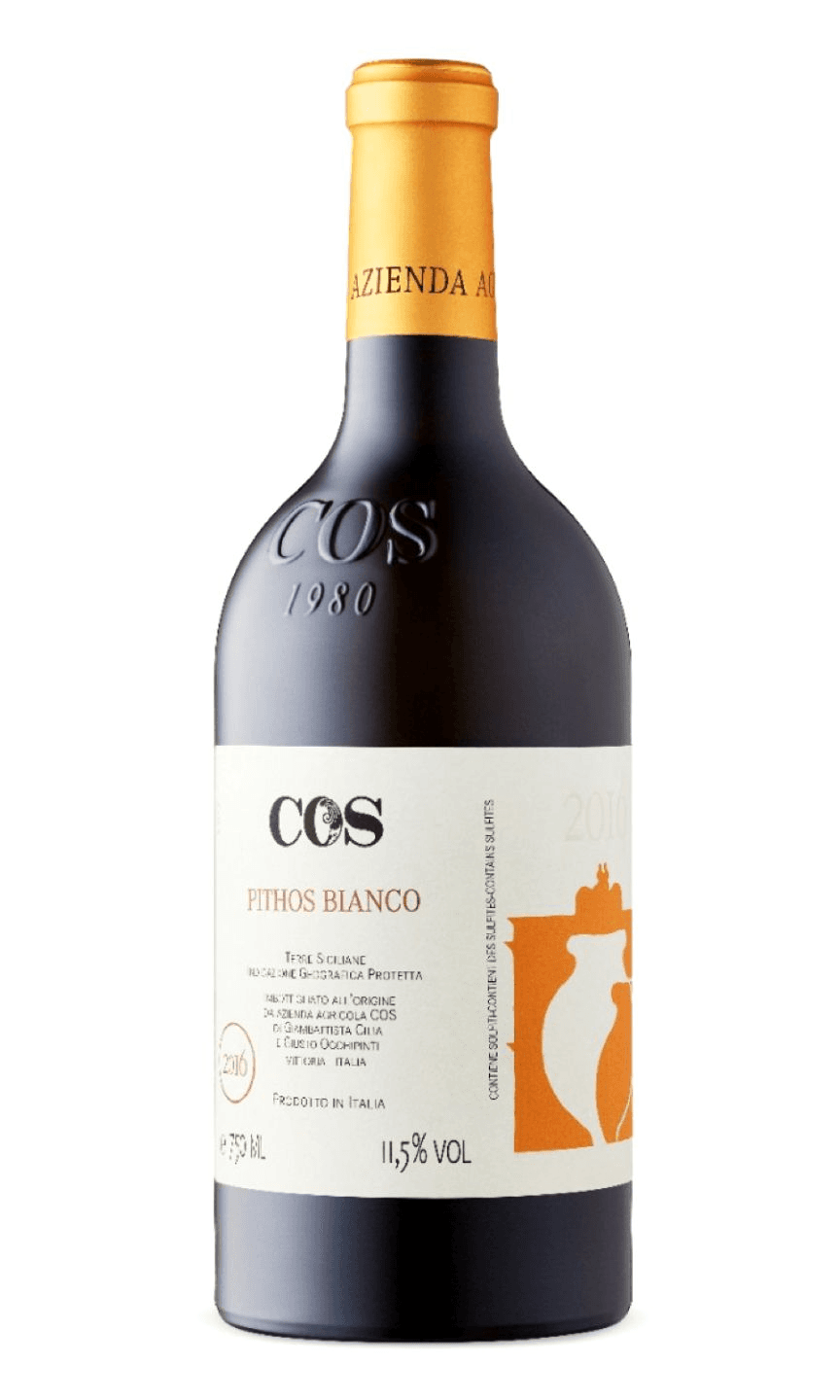
COS Pithos Bianco 2022
Azienda Agricola COS
COS Pithos Bianco is fermented and matured in buried terracotta amphorae — a Georgian-style technique predating stainless steel and oak barriques. 100% Grecanico translated through clay and skin contact.
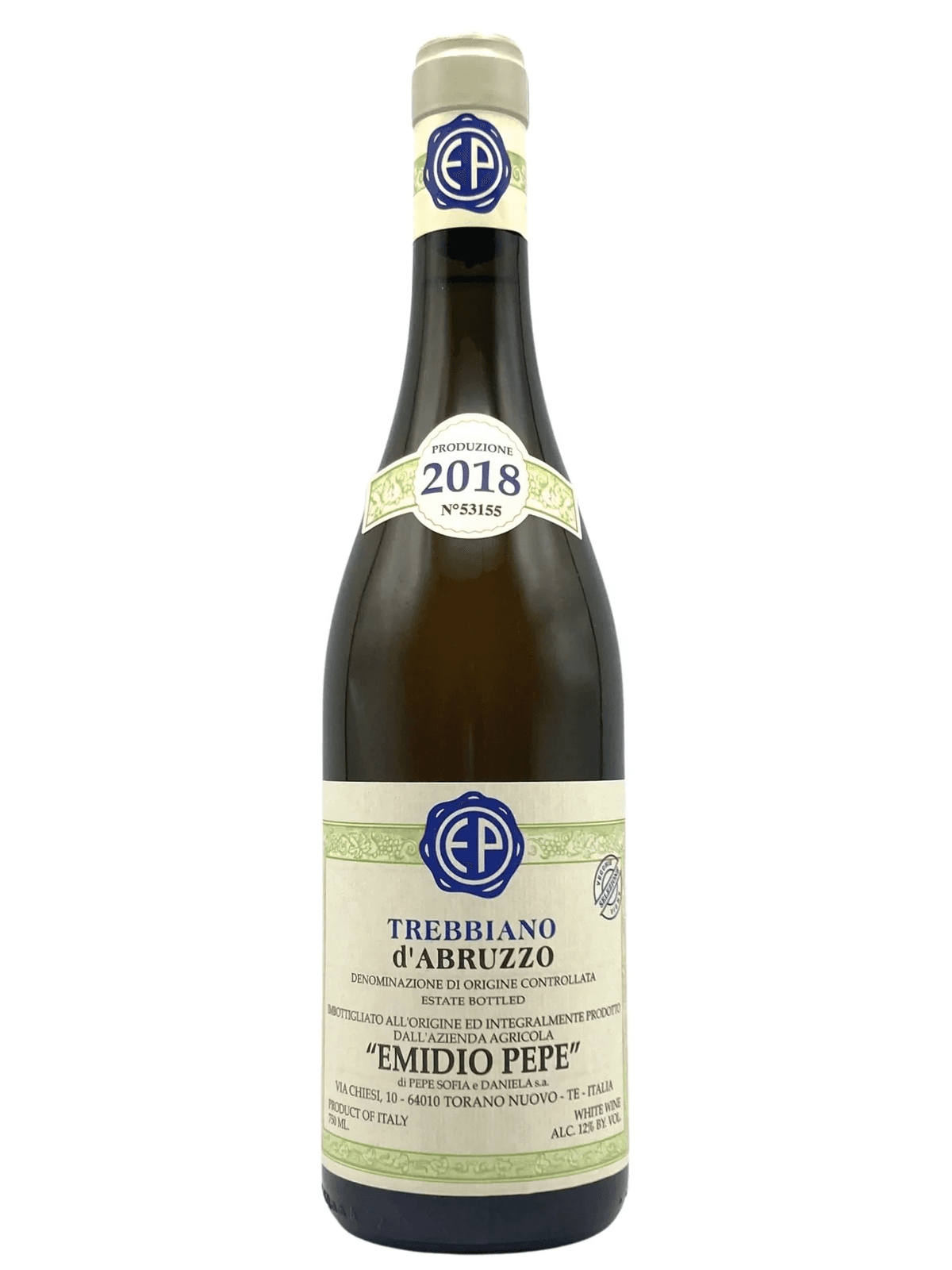
Emidio Pepe Trebbiano d’Abruzzo 2018
Azienda Agricola Emidio Pepe
Emidio Pepe’s Trebbiano is the ultimate argument that subtraction can be a catalyst. In a world where winemakers add cultured yeast, sulfur, enzymes, oak chips, and a dozen other interventions to control outcomes, Pepe removed them all — and produced a wine that consistently ranks among Italy’s finest whites. The 2018 vintage is extraordinary: the warmth of the year gave the Trebbiano grape a concentration it rarely achieves, while the cement-tank aging and bottle maturation added layers of honey, toasted almond, and waxy texture that make this taste nothing like the thin, neutral Trebbiano most people know. This is a wine that makes you reconsider what you thought you knew about a grape — and that reconsideration is Pepe’s greatest legacy.
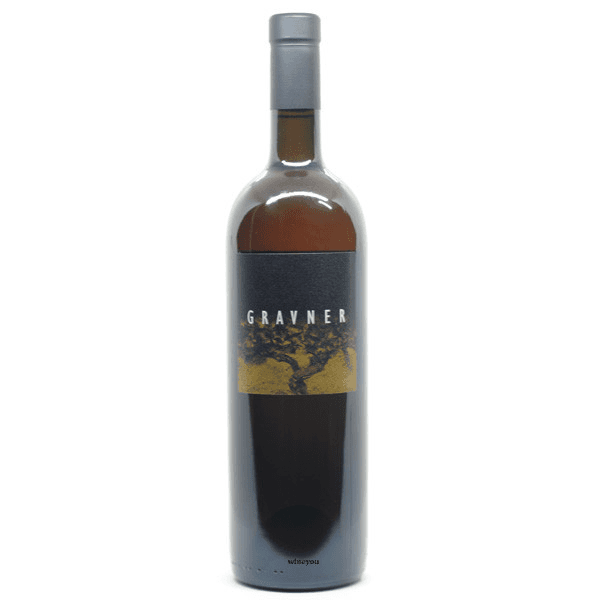
Gravner Ribolla Gialla 2015
Gravner
Gravner's experiment was the most radical in this lineup: he didn't tweak a process or add an ingredient — he threw away thirty years of modern winemaking and started over with seven-thousand-year-old technology. The Ribolla Gialla spends months on its skins in buried amphorae, developing a tannic structure and amber color that no conventional white wine possesses. Then it rests for six years in large oak before release. The result is a wine that defies categorization — not white, not red, not rosé, but something ancient and entirely its own. It proved that the oldest methods in winemaking weren't primitive — they were ahead of their time.
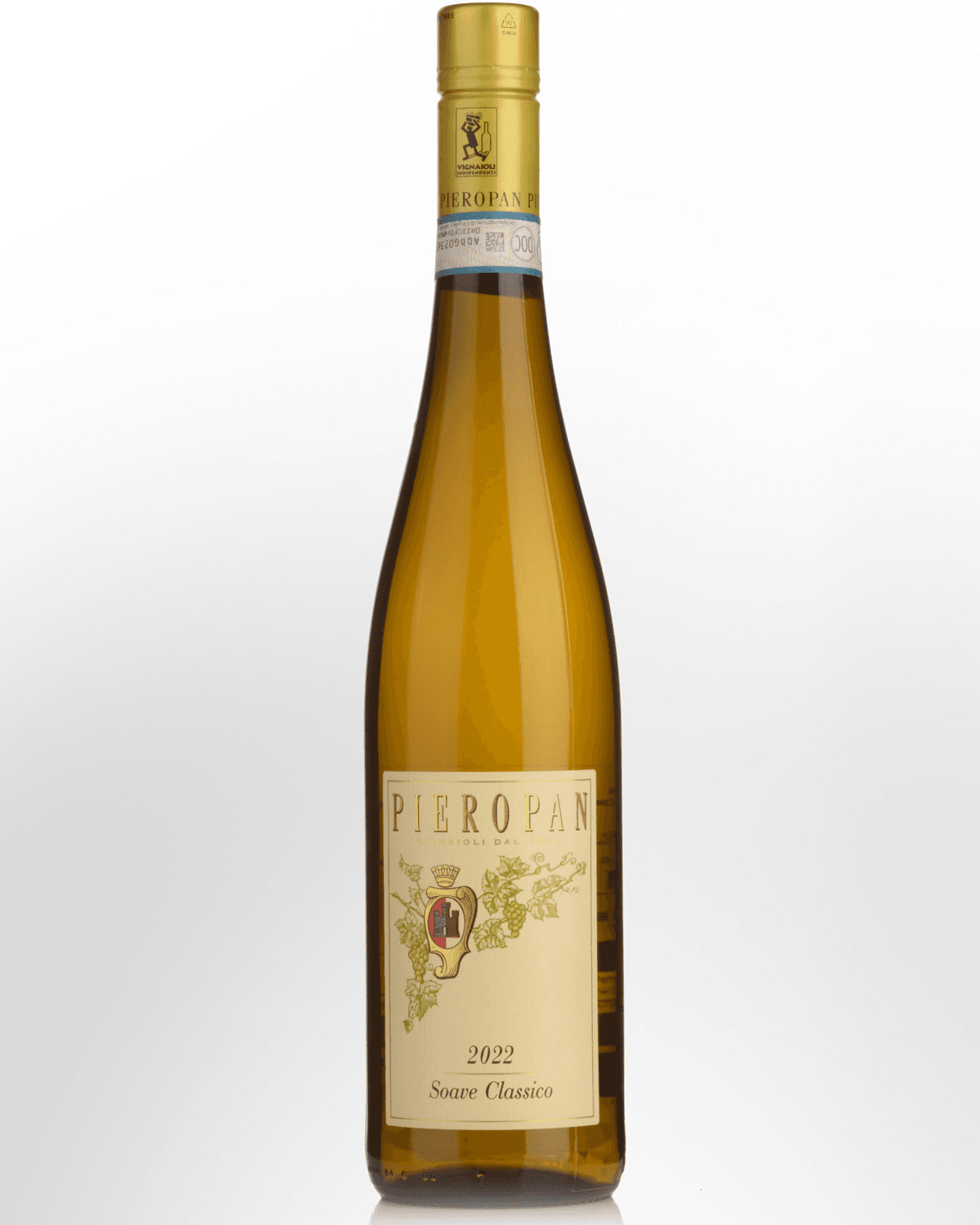
Pieropan Soave Classico 2022
Azienda Agricola Pieropan
Before Pieropan, Soave was a punchline — Nino Pieropan proved it could be world-class.
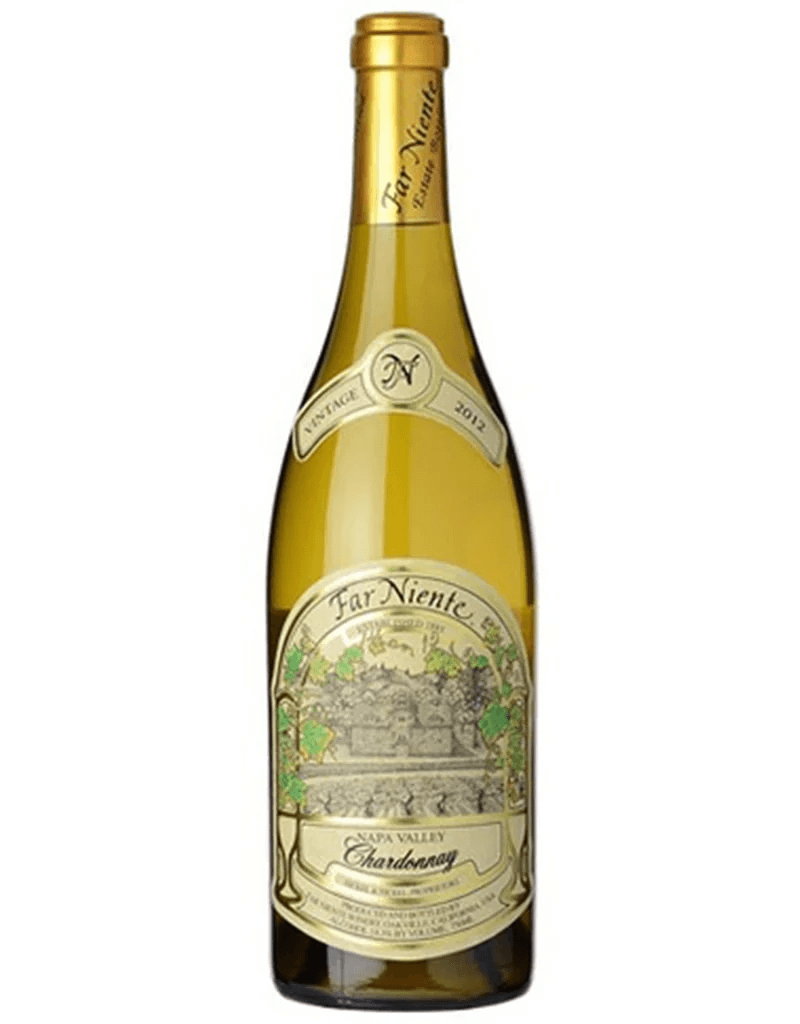
Far Niente Chardonnay Napa Valley 2022
Far Niente Winery
Far Niente Chardonnay is a Napa Valley institution — a wine that has set the standard for California Chardonnay since the estate's revival in 1979. Nicole Marchesi's winemaking philosophy is clear: every decision, from vineyard selection to barrel fermentation to malolactic aging, is made in service of balance rather than power.
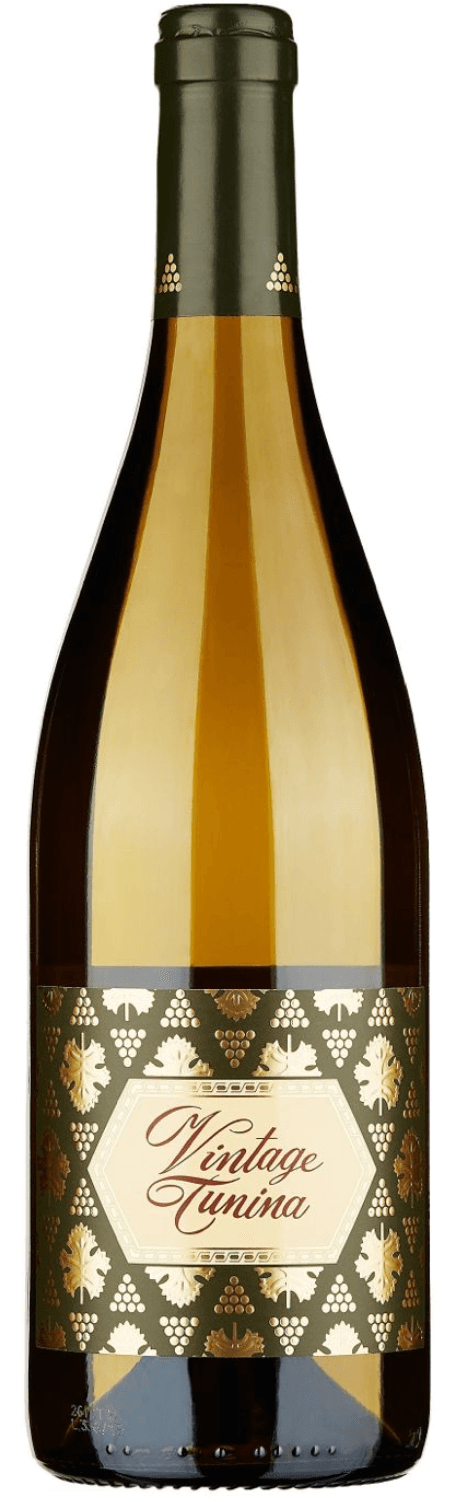
Jermann Vintage Tunina 2022
Jermann (est. 1881, fourth generation)
Vintage Tunina is Silvio Jermann’s obsessive masterpiece — a white wine assembled from five grapes, each harvested at a different moment of optimal ripeness, fermented separately, and blended only when Jermann decides each component has found its voice. Sauvignon Blanc brings aromatics and acidity. Chardonnay adds body and structure. Ribolla Gialla contributes mineral tension. Malvasía Istriana lends waxy texture and floral perfume. And Picolit — Friuli’s rare native dessert grape, used here in tiny proportion — adds a honeyed complexity that ties everything together. Most winemakers would simplify this into two or three varieties. Jermann insists on five because he believes the wine isn’t complete without all of them. At $38–48, this is one of Italy’s great white wines and a masterclass in the art of the blend.

Grogue Nascente Aguardente de Cana
Grogue Nascente
A raw, honest expression of Cape Verdean terroir — grogue at its most transparent. Not for the faint of heart, but for drinkers seeking the elemental beauty that emerges when tradition refuses compromise.

Cane Island Panama 12 Year Old Single Country Rum
Cane Island
A quietly confident sipper that rewards patience — proof that Panamanian rum, at full age and unhurried strength, can hold its own against louder neighbors without shouting.

Dario Prinčič Venezia Giulia Bianco Trebez 2023
Dario Prinčič
A benchmark Oslavian orange wine that rewards patience and food; profound, unhurried, and utterly transformative in the glass.

Domaine Marc Colin Saint-Véran Les Crèches 2023
Domaine Marc Colin
Marc Colin's Saint-Véran is a textbook example of why the Mâconnais deserves more serious attention. The Les Crèches lieu-dit sits on limestone soils that give this Chardonnay a taut, mineral profile that punches well above its price point. It drinks with the focus of a wine twice its cost.

Monte Tchota Grogue de Cabo Verde Reserva
Monte Tchota
A gaunt, sun-scorched beauty — grogue's terroir speaks louder than any cask ever could. For drinkers who prize character over polish.