Aroma
Malt
25 bottles with this note
Train this aroma
Scotch Whisky Aroma Kit
Develop your palate with the canonical reference for malt and related notes.

Tomatin 12 Year Old Highland Single Malt Scotch Whisky
Tomatin
Tomatin 12 is one of the Highlands' best-kept secrets — a distillery that once produced enormous volumes now focused on gentle, precise whisky. At this price, it over-delivers on subtlety and drinkability. It is a dram that asks nothing of you but rewards your full attention.
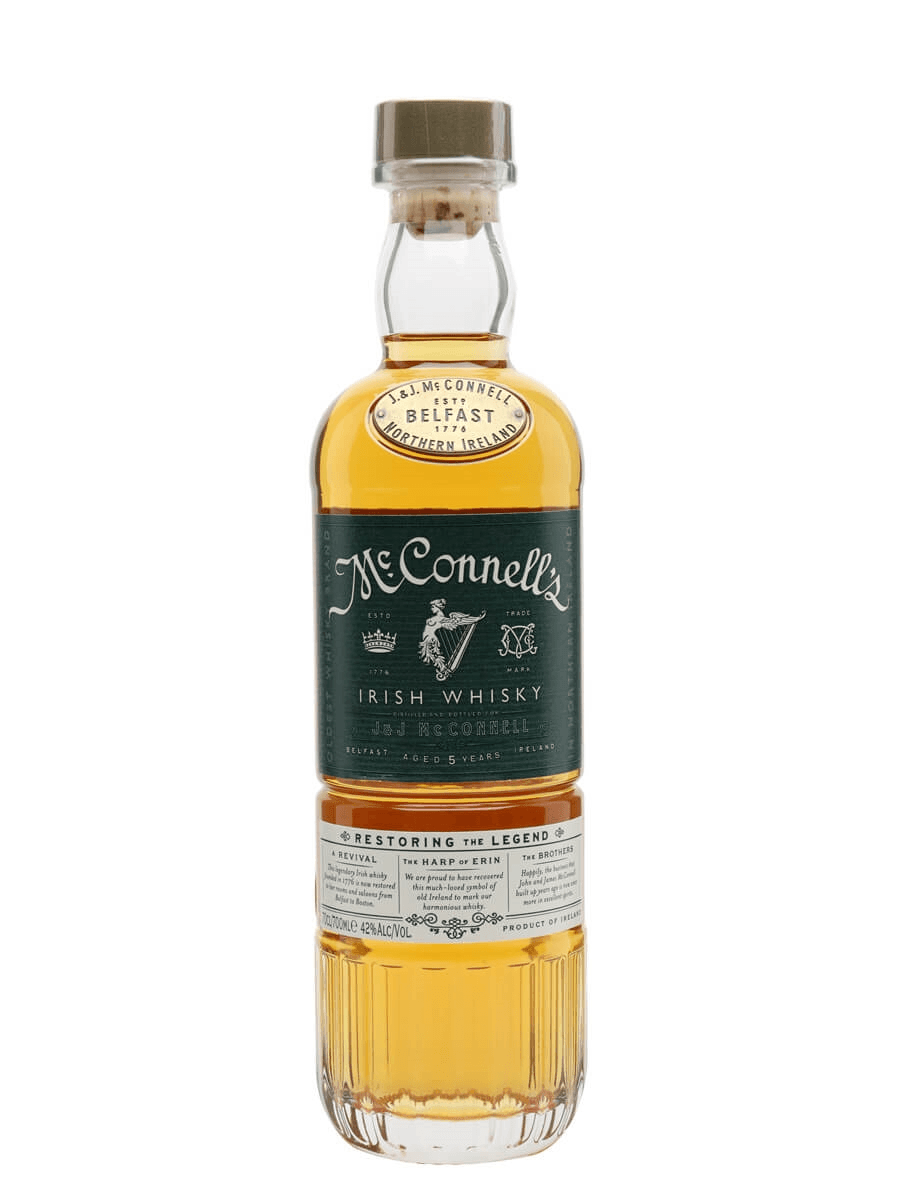
McConnell’s Irish Whisky 5 Year Old
Conecuh Brands
McConnell’s is proof that a resurrection can be its own catalyst. Rather than chasing the pot-still complexity of Dublin’s heritage brands or the peated novelty of Connemara, McConnell’s chose the most difficult path: a straightforward, well-made blend that stands on flavor rather than story. The five-year bourbon-cask maturation delivers approachable butterscotch sweetness without thinness, and the triple-distilled malt component adds just enough texture to hold your attention. At under thirty-five dollars, this is a bottle that earns its place not by trading on Belfast nostalgia but by being good whiskey at a price that invites exploration.
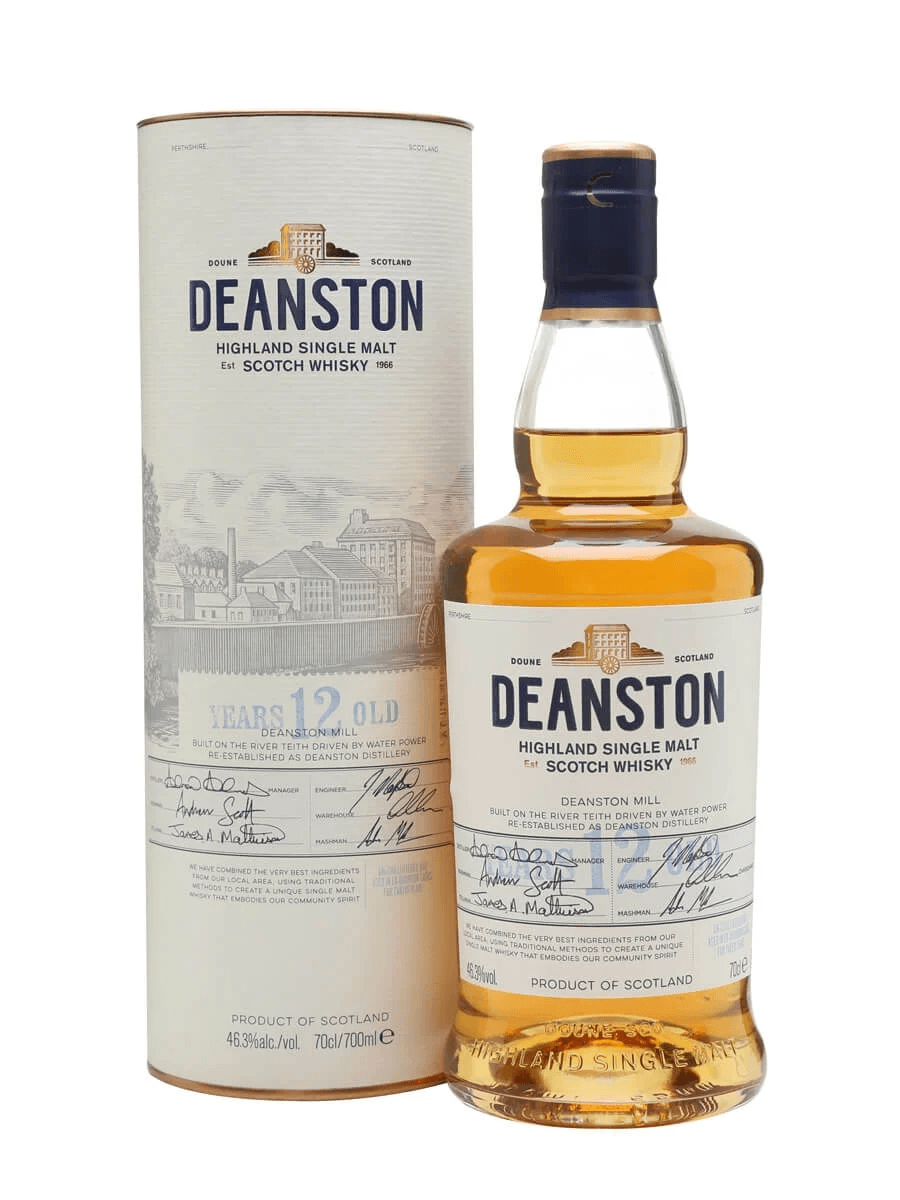
Deanston 12 Year Old
Distell Group (Burn Stewart Distillers)
Deanston 12 is a masterclass in what unchillfiltered bottling unlocks. Most Highland malts at this age and price point arrive at 40% with caramel coloring and chill filtration that polishes away the very textures that make single malt interesting. Deanston’s catalyst — the decision to skip those cosmetic shortcuts — delivers a whisky with a weight and mouthfeel that punches well above its price bracket. The creamy, honeyed malt character is unmistakably Highland, but the fuller texture gives it a dimension that filtered competitors simply cannot match. For under fifty-five dollars, this is one of the most honest single malts on any shelf.
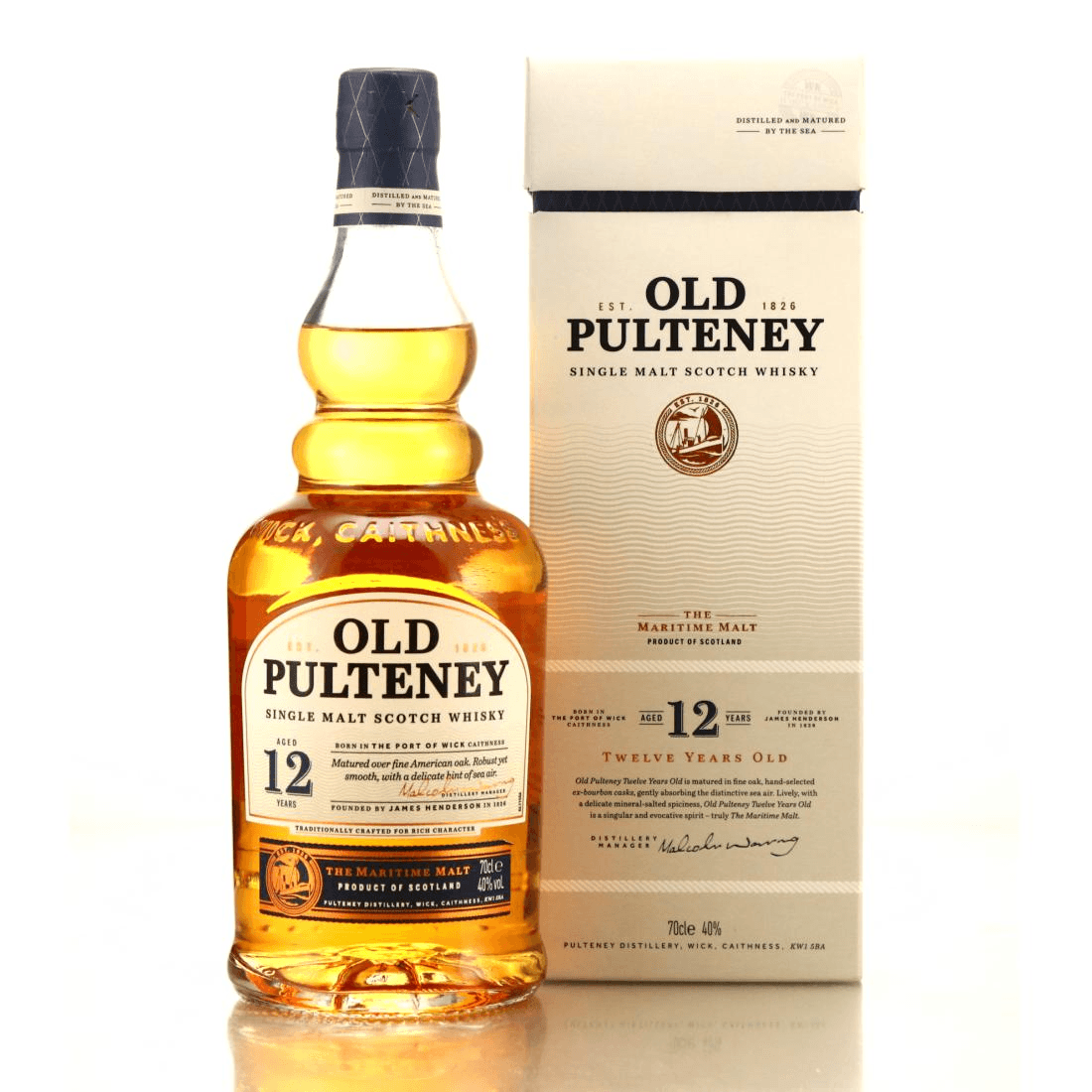
Old Pulteney 12 Year Old
Inver House Distillers (Thai Beverages)
Old Pulteney 12 is one of the great bargains in single malt Scotch — a whisky whose coastal provenance is not a marketing story but a flavor you can taste in every sip. That brine-and-honey combination on the nose is unmistakable, and the dry, mineral finish makes it one of the most food-friendly drams in Scotland. It won't overpower you with peat or sherry, and that's exactly the point: this is a whisky that lets its geography do the talking. At around $45, it embarrasses bottles that cost three times as much. Cocktail — "The Wick Highball": Pour 2 oz Old Pulteney 12 over ice in a tall glass. Top with 4 oz chilled soda water and a squeeze of fresh lemon. Garnish with a lemon wheel and a sprig of fresh dill. The maritime malt shines in a highball — the effervescence lifts the honey and salt notes beautifully.
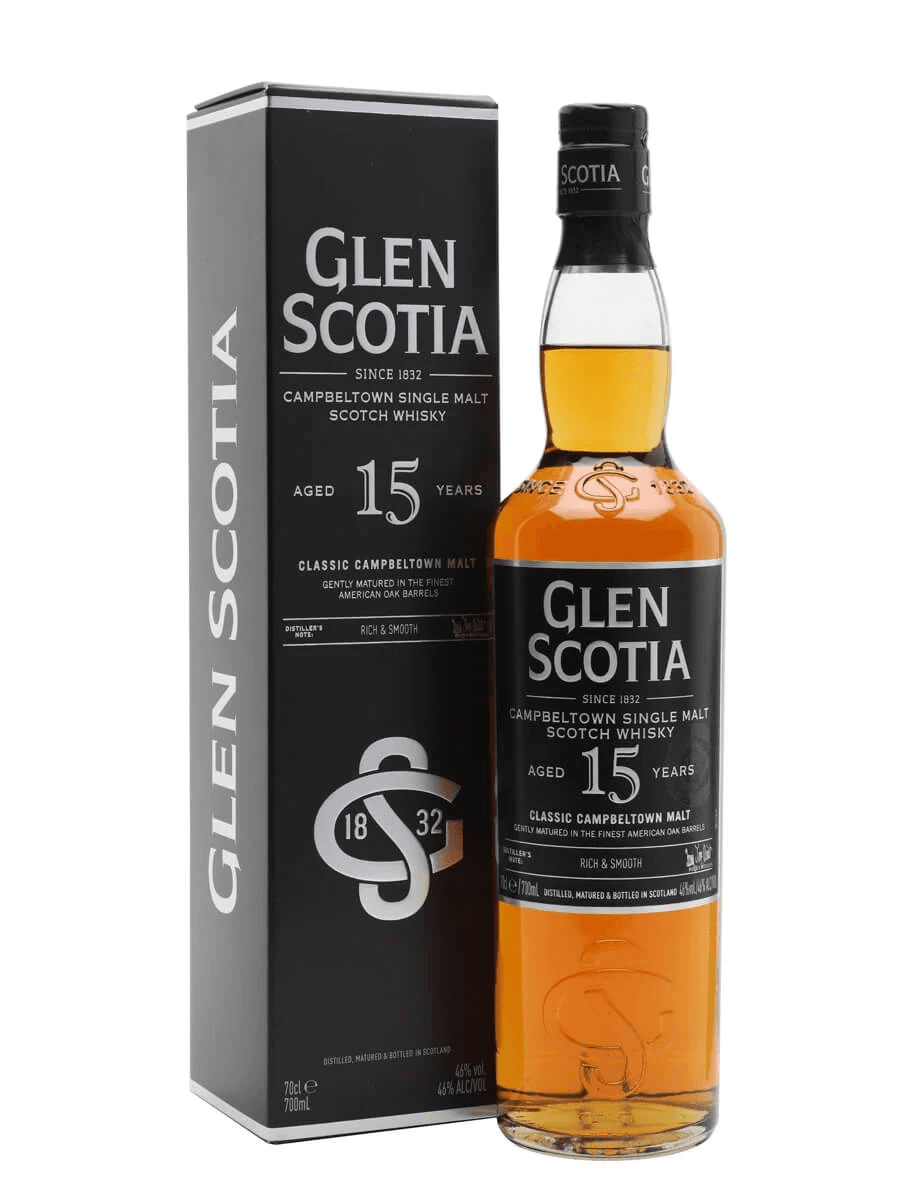
Glen Scotia 15 Year Old
Loch Lomond Group
Glen Scotia 15 is the proving ground for an entire whisky region. Campbeltown's story is one of spectacular decline — from over thirty distilleries to just three — and Glen Scotia has been there through nearly all of it, distilling since 1832. This 15-year-old bottling, presented at a confident 46% ABV without chill filtration, demonstrates exactly what has been worth preserving: a style that is uniquely Campbeltown, maritime and honeyed, with a brininess you simply cannot replicate elsewhere. It is proof that survival is its own kind of excellence. Cocktail — The Campbeltown Mist: 2 oz Glen Scotia 15, 0.5 oz honey syrup, 3 dashes orange bitters. Stir over a large ice cube in a rocks glass. Express a lemon peel over the surface and discard. The honey amplifies the whisky's natural sweetness while the citrus lifts its maritime edges.
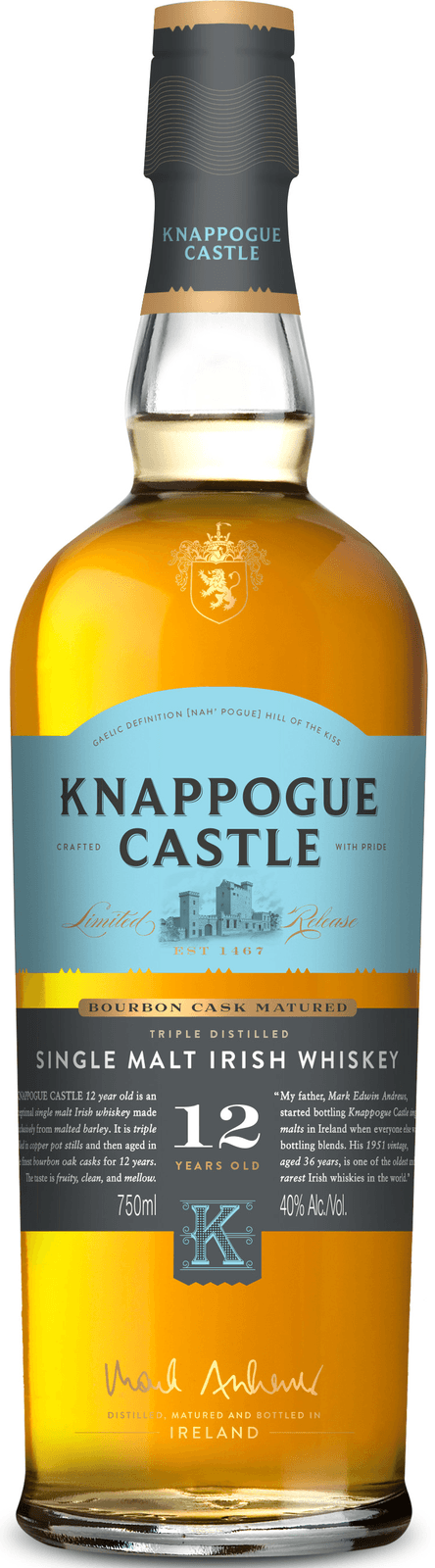
Knappogue Castle 12 Year Old
Cobblestone Brands
Knappogue Castle 12 is the proving ground for Irish single malt itself. When Mark Edwin Andrews began bottling these whiskies in the 1960s, Irish whiskey was synonymous with blends, and the idea that Ireland could produce world-class single malts seemed improbable to most. This 12-year-old, triple-distilled and aged entirely in bourbon oak, demonstrates the quiet power of Irish malt at its most elegant: smooth without being simple, gentle without being hollow. It proved that patience and purity were all Irish whiskey ever needed. Cocktail — The Castle Sour: 2 oz Knappogue Castle 12, 0.75 oz fresh lemon juice, 0.5 oz green apple syrup, 1 egg white. Dry shake, then shake with ice and strain into a coupe. Garnish with a thin apple slice. The whiskey's orchard fruit character shines through the frothy citrus.
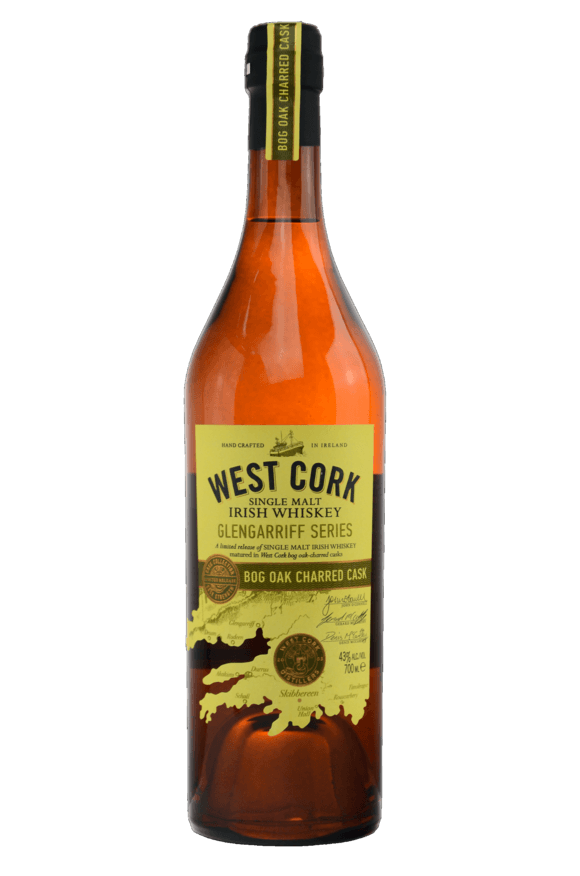
West Cork Glengarriff Series Bog Oak Charred Cask
West Cork Distillers
The experiment here is elemental: what happens when you char a cask with wood that has been buried in peat for three millennia? The answer is a flavor profile that exists nowhere else in Irish whiskey — a deep, minerally woodiness that isn't quite peat smoke and isn't quite standard oak char. It's something entirely its own. West Cork could have finished this whiskey in standard barrels and sold it for the same price, but they chose to dig into the bogs of Glengarriff and create a finishing process that no one else can replicate. At this price point, it's one of the most original experiments in Irish whiskey.
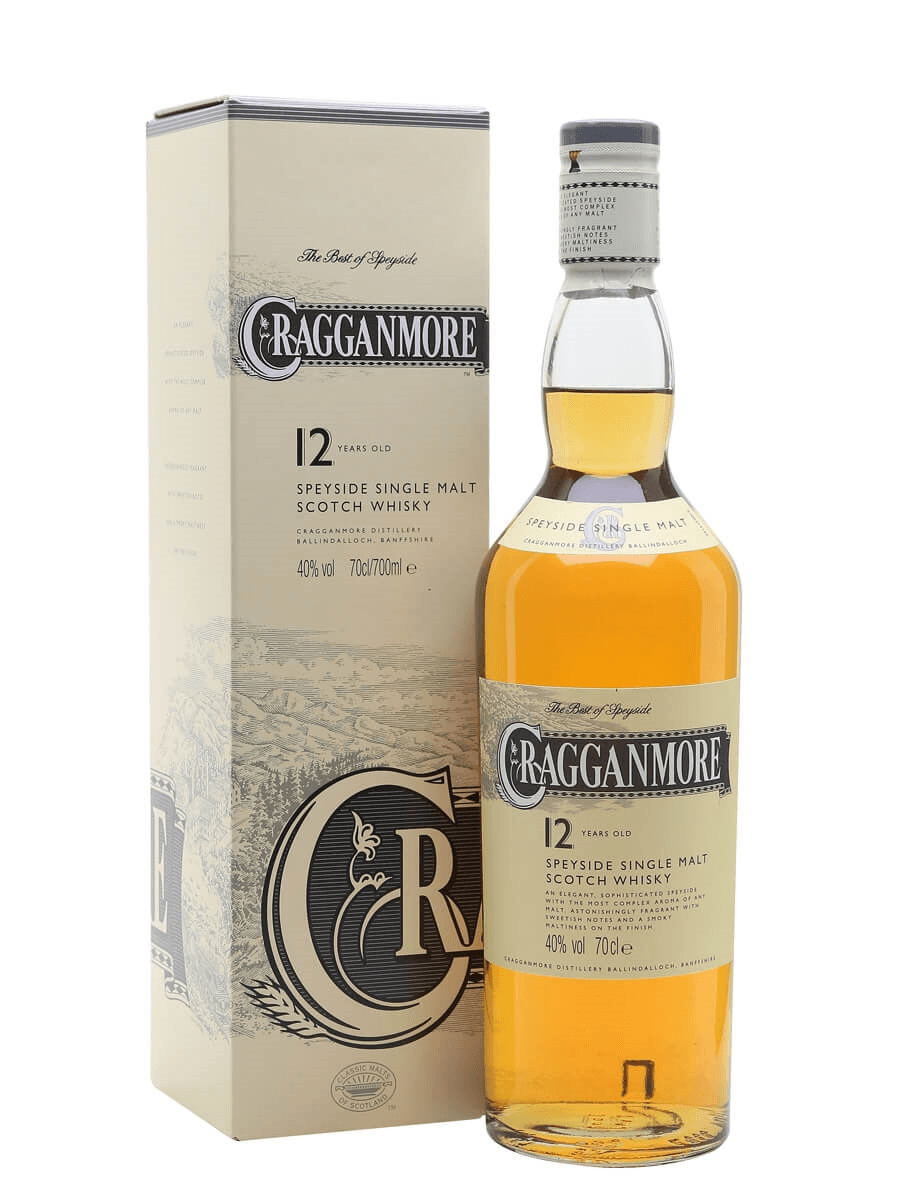
Cragganmore 12 Year Old
Diageo
Cragganmore 12 is the Speyside malt that rewards the patient nose. Where many single malts deliver their story in one dramatic chapter, Cragganmore reads like a novel with slow-building subplots. Those unique T-shaped lyne arms create a spirit of genuine complexity that unfolds over an hour in the glass.
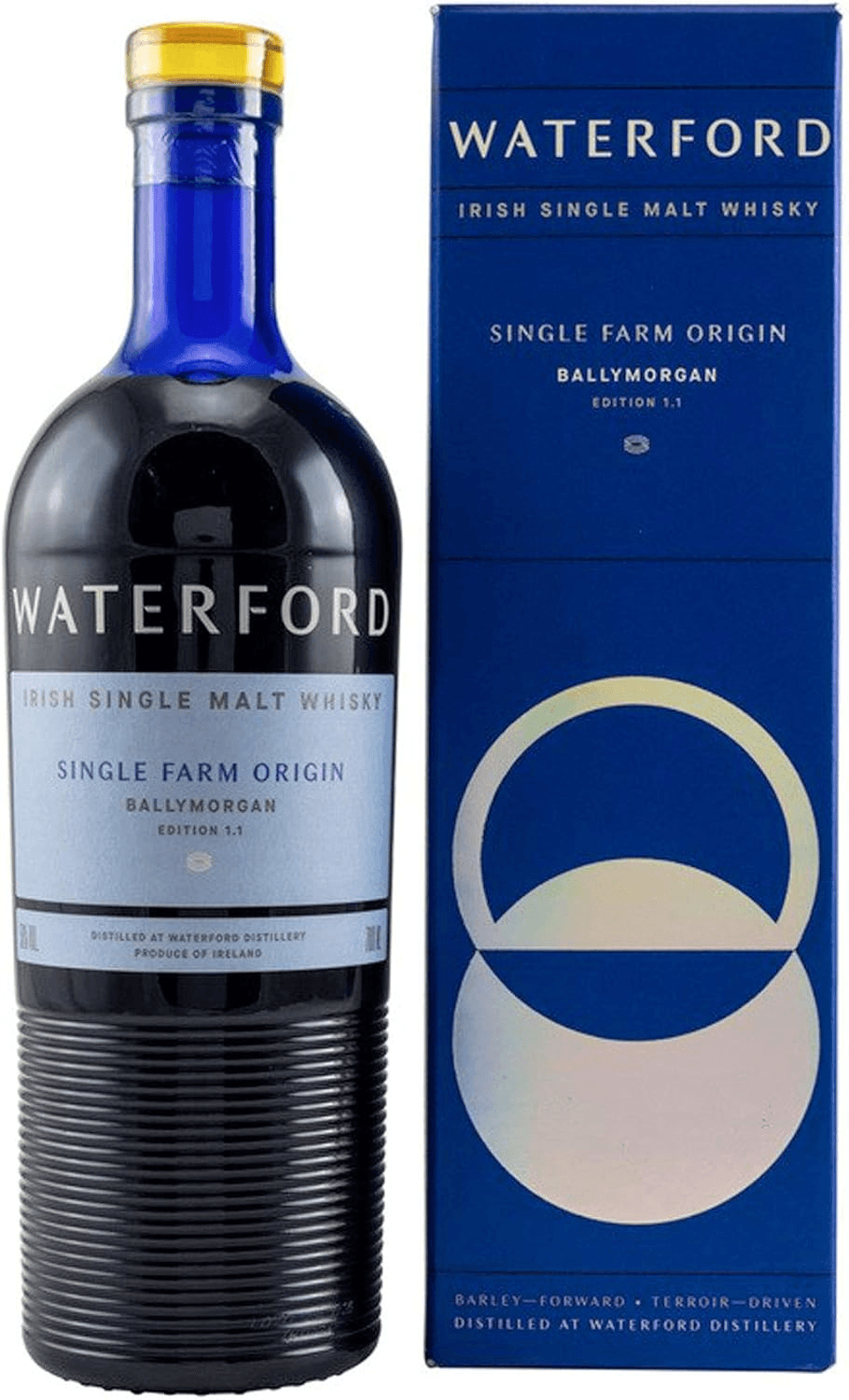
Waterford Single Farm Origin Ballymorgan 1.1
Waterford Distillery
Waterford is doing something no other Irish distillery has attempted at this scale: proving that barley grown on different soil types produces distinctly different whiskey.
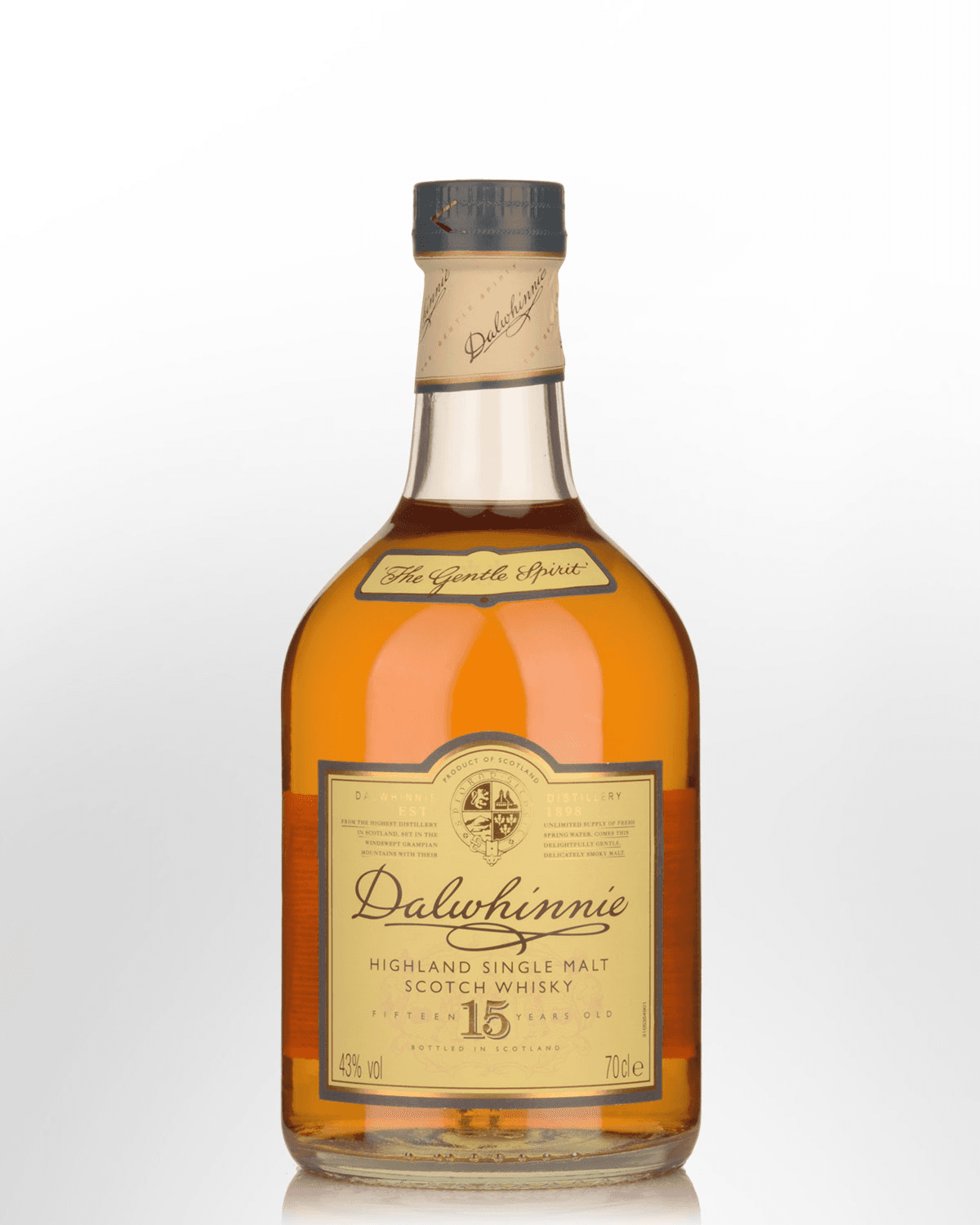
Dalwhinnie 15 Year Old
Diageo
Dalwhinnie 15 is the whisky world's best argument that altitude matters.
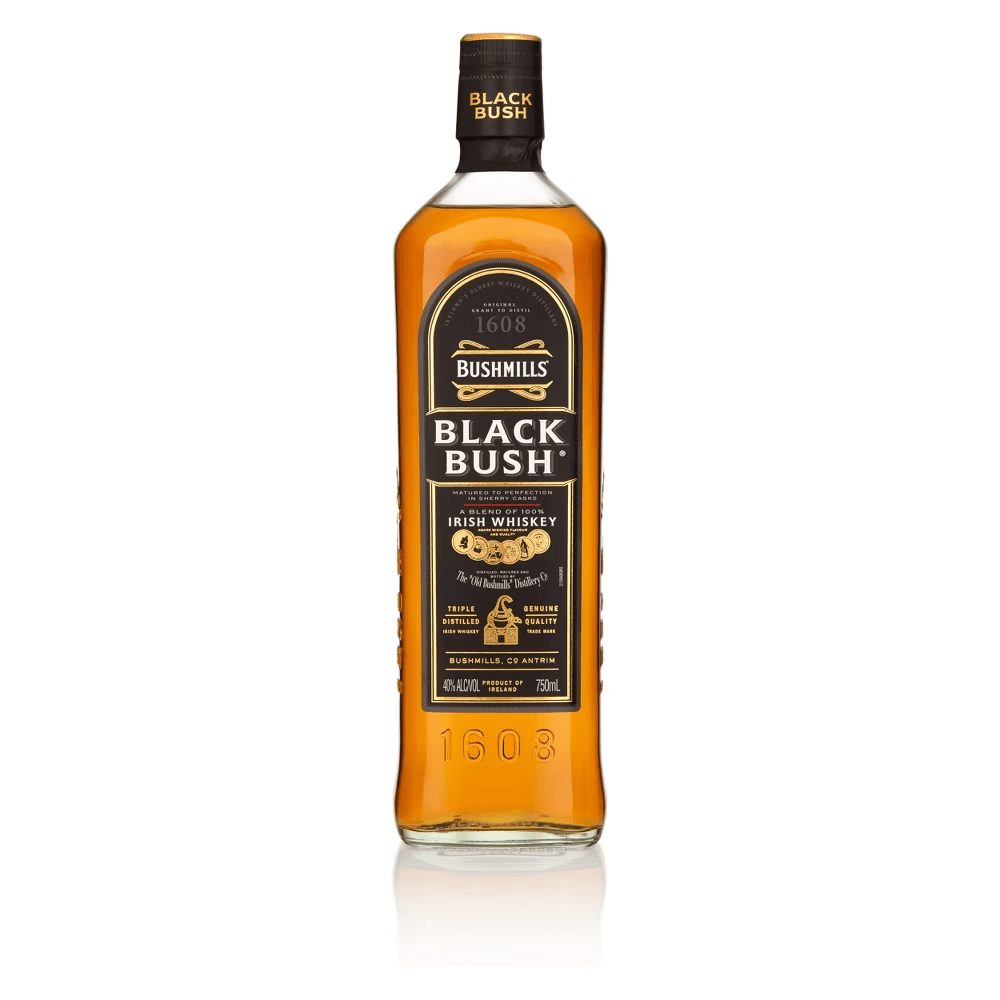
Bushmills Black Bush
Proximo Spirits (José Cuervo)
Bushmills Black Bush is one of the great values in Irish whiskey. The high proportion of sherry-cask-matured single malt in the blend gives it a richness and complexity that belies its modest price, and the Old Bushmills Distillery — whose site has held a distilling license since 1608 — brings centuries of craft to bear.
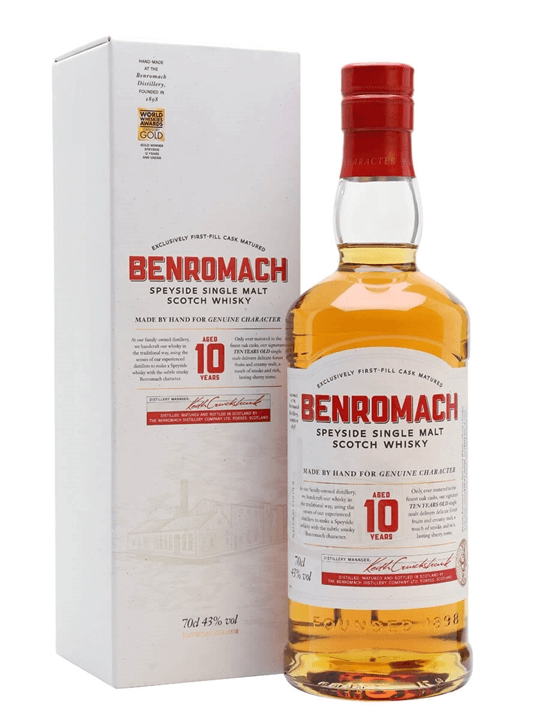
Benromach 10 Year Old
Gordon & MacPhail
Benromach sat silent for fifteen years. When Gordon & MacPhail brought it back to life in 1998, they didn't try to copy the old Speyside playbook. Instead, they introduced a light peat — unusual for the region — creating something that didn't exist before.
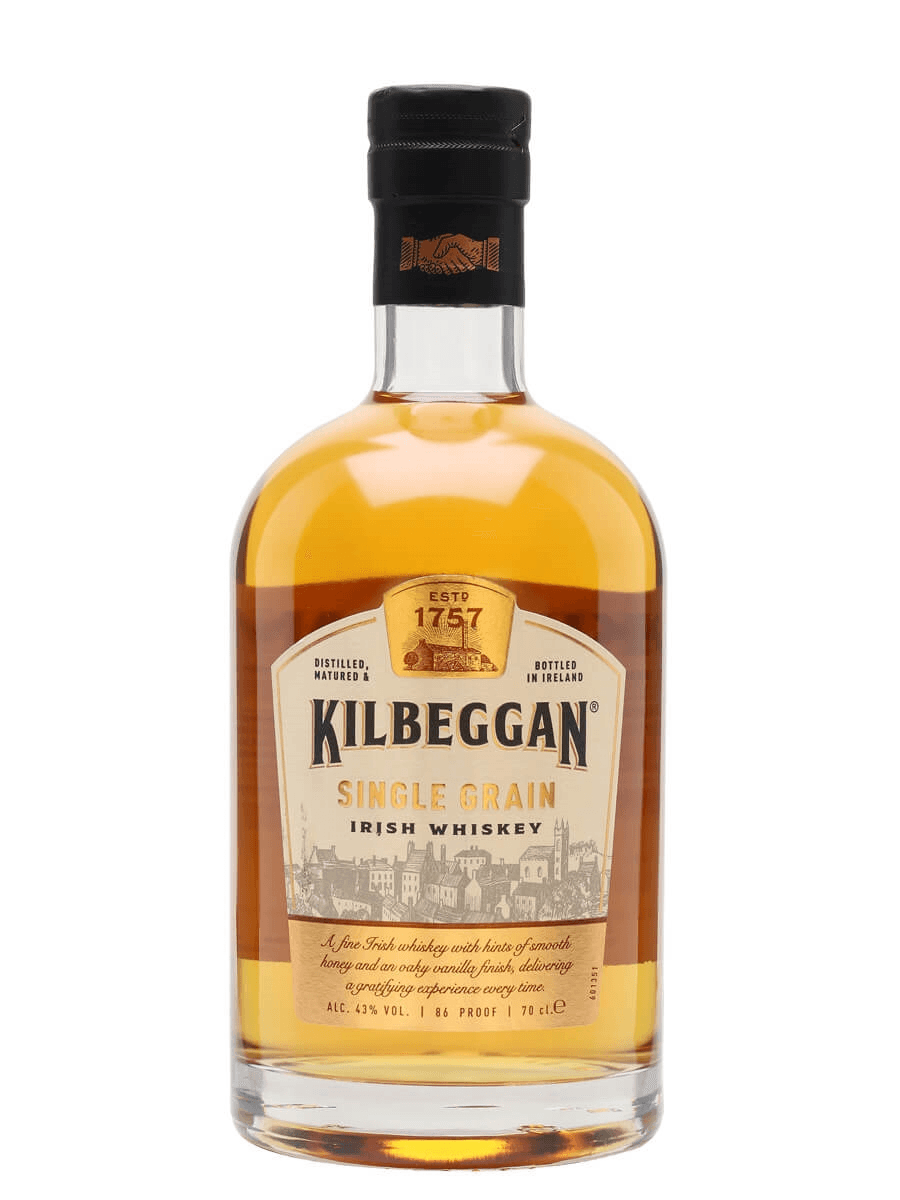
Kilbeggan Single Grain Irish Whiskey
Beam Suntory
The Kilbeggan distillery nearly vanished. After closing in 1957, it sat derelict until a group of local volunteers began restoring it in 1982 — cleaning pot stills by hand, patching stone walls, preserving equipment.
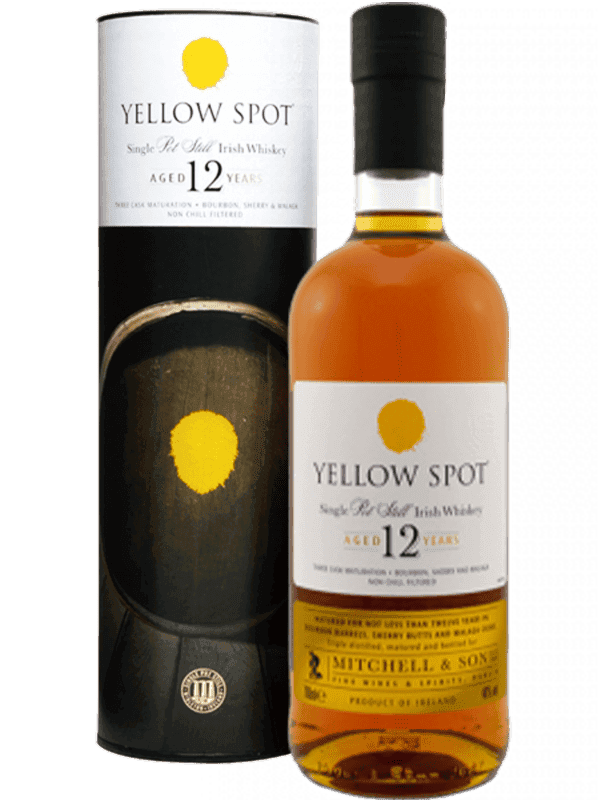
Yellow Spot 12 Year Old
Irish Distillers (Pernod Ricard)
Yellow Spot is the middle child of the Spot range, and arguably the most balanced. Three-cask blend: bourbon, sherry, and Malaga.
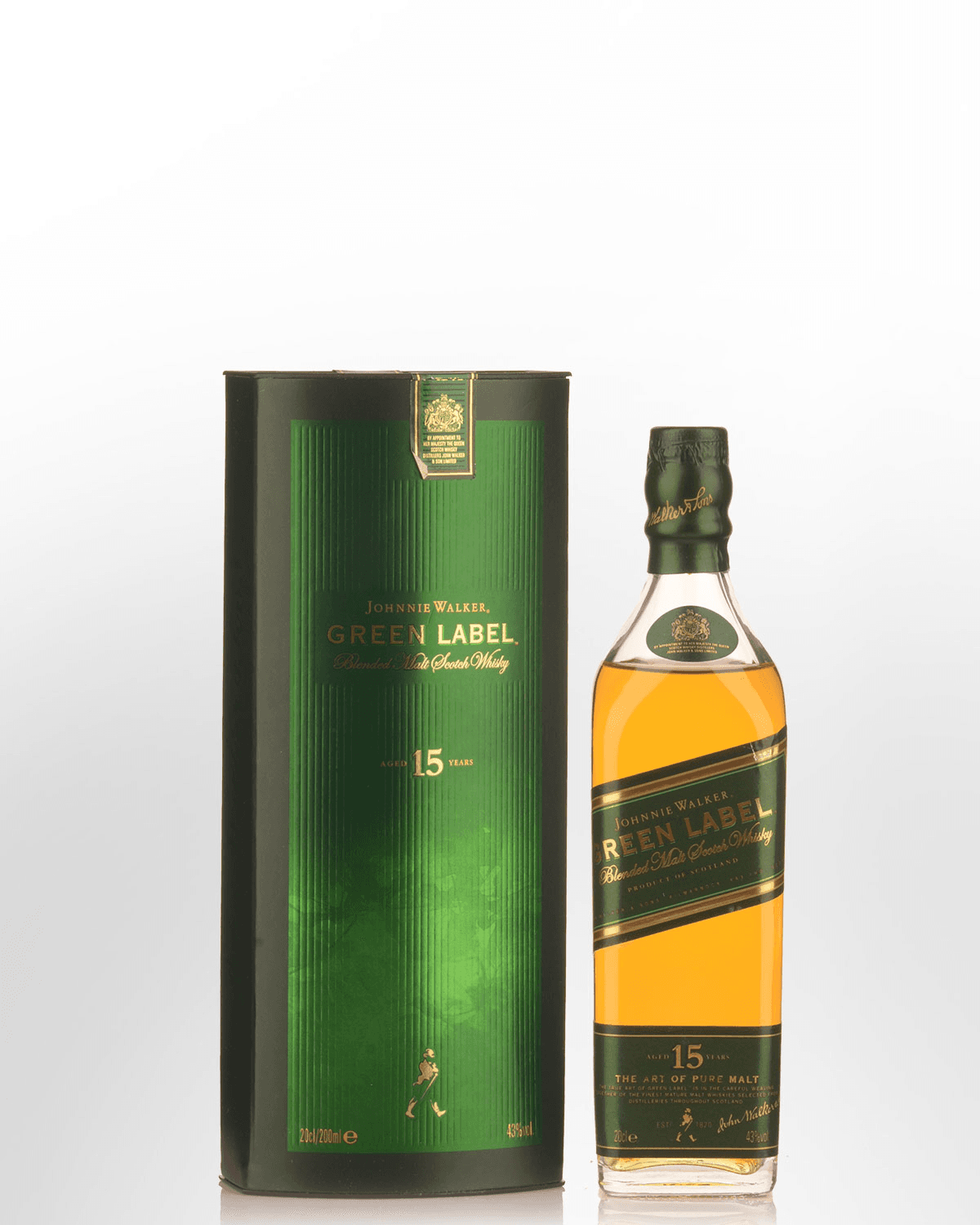
Johnnie Walker Green Label 15 Year Old
Diageo
Green Label is among the most underappreciated whiskies in the Johnnie Walker family. Pure malt — four single malts combined into one harmonious whole.
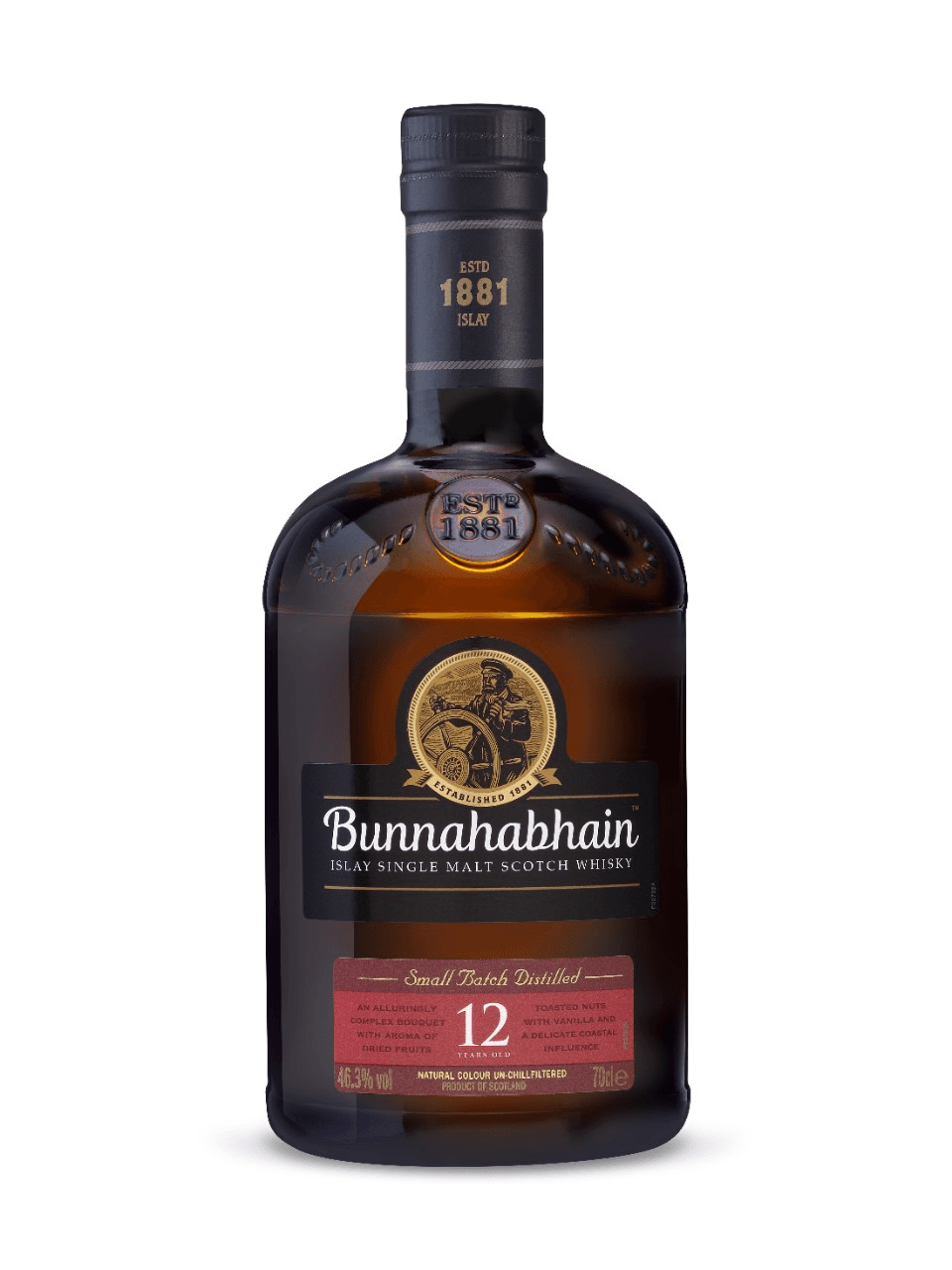
Bunnahabhain 12 Year Old Islay Single Malt
Distell International
Bunnahabhain is Islay's best-kept secret precisely because it refuses to play the smoke card. While its neighbours compete on peat levels, Bunnahabhain builds complexity through sherry cask maturation and an unpeated spirit that lets the malt character breathe. The 12 Year Old is the entry point to a distillery that rewards loyalty — drink it beside a heavily peated Islay malt and you'll understand the full range of what this island can do. The contrast is revelatory.
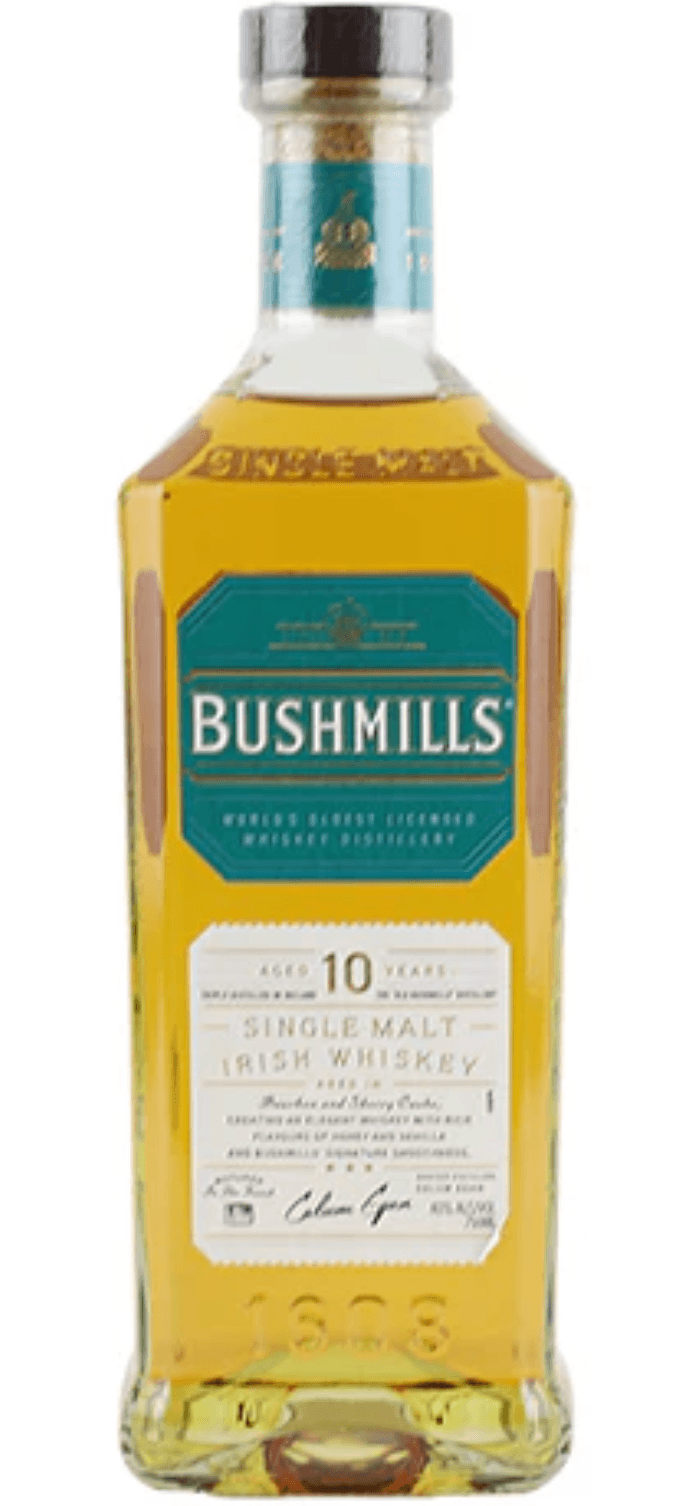
Bushmills 10 Year Old Single Malt
Proximo Spirits (Bushmills, est. 1608)
Bushmills 10 is the quiet aristocrat of Irish whiskey.
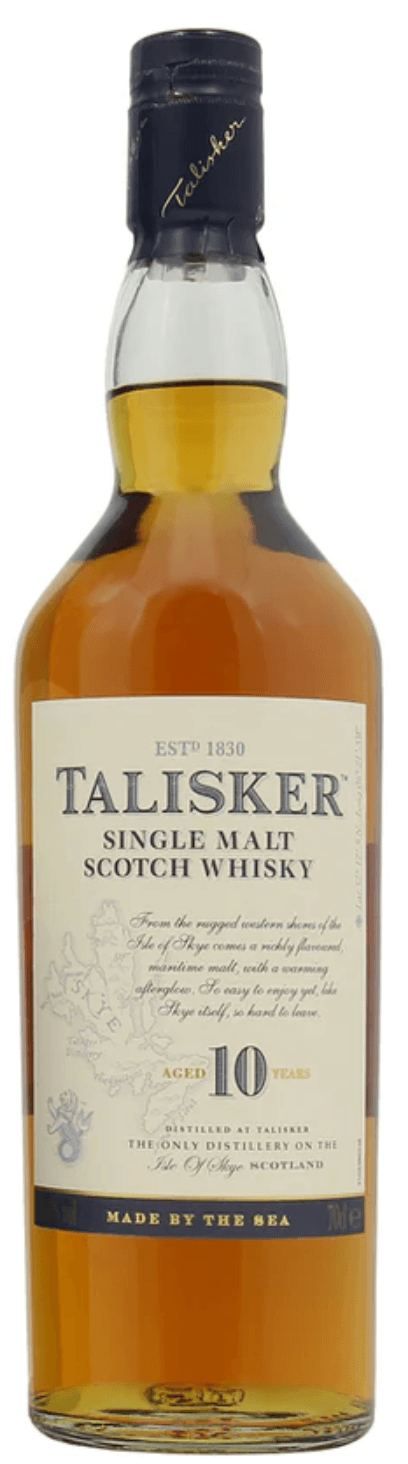
Talisker 10 Year Old
Diageo (Talisker Distillery, est. 1830)
Talisker doesn’t just taste like Skye — it tastes like it was made by the island itself. The distillery’s unique setup includes swan-neck lyne arms that loop back on themselves, sending heavier flavor compounds back through the still for a second pass of copper contact. This creates a spirit that’s simultaneously smoky and sweet, peaty and peppery. The peat used to dry the malt is local, carrying Skye’s distinctive maritime character into the smoke. And then there’s the maturation: sea air penetrates the warehouses year-round, the casks breathing in salt and iodine with every expansion and contraction. Diageo named Talisker one of their Classic Malts in 1988, representing the Islands — and there is no whisky that more completely embodies its geography. At 45.8% ABV (higher than most standard bottlings), it has the strength to deliver every ounce of that Skye character.
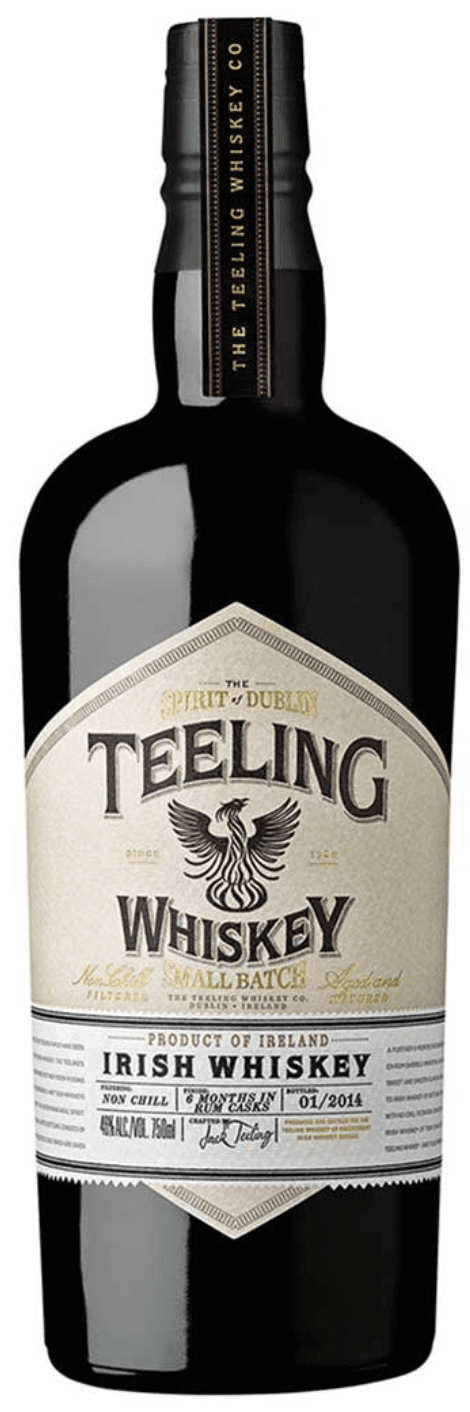
Teeling Small Batch
Teeling Whiskey Company (est. 2012)
The Teelings’ terroir isn’t soil — it’s Dublin itself. Jack and Stephen Teeling built their distillery in the Liberties, a neighborhood that had been the beating heart of Irish whiskey for two centuries before the industry collapsed. The Liberties once held more distilleries per square mile than anywhere on earth. The Teelings’ bet was that Dublin’s whiskey DNA still mattered — that making whiskey in the city, near the original water sources and in the cultural context that shaped Irish whiskey, would produce something different from the industrial parks where most Irish whiskey is now made. The Small Batch expression showcases their innovation: finishing in Central American rum barrels adds a tropical sweetness that no other Irish whiskey offers, while bottling at 46% ABV (non-chill filtered) preserves the full texture. It’s a whiskey that tastes like a city reclaiming its birthright.
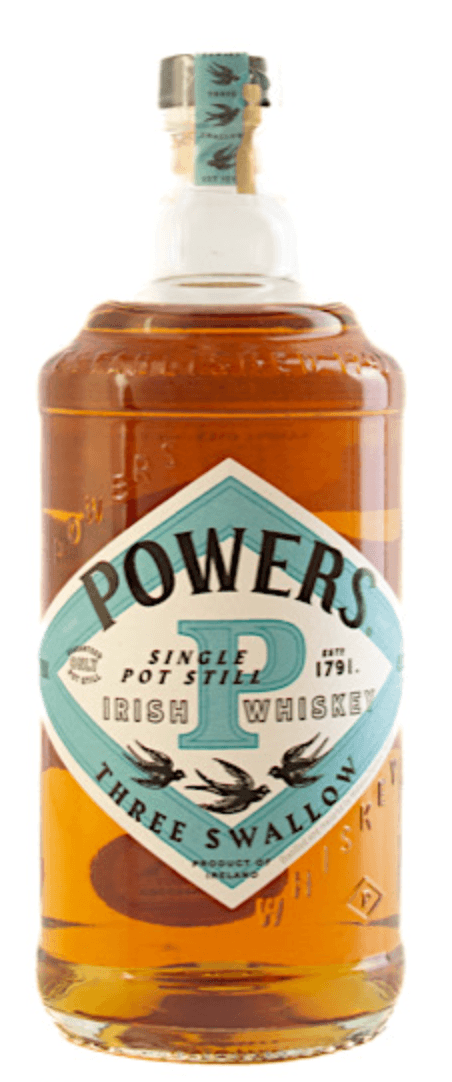
Powers Three Swallow Release
Irish Distillers / Pernod Ricard (Powers, est. 1791)
Powers’ obsession is pot still whiskey — the uniquely Irish style made from a mash of both malted and unmalted barley that produces a heavier, spicier, more characterful spirit than any other whiskey tradition on earth. When Irish whiskey collapsed in the twentieth century and blends took over, Powers never abandoned the pot still. The Three Swallow release takes its name from the quality mark that Powers’ tasters once stamped on approved casks — three swallows of whiskey, three stamps of approval. The 3% sherry component adds just enough dried fruit complexity to round the edges without softening the muscular pot still character. At $35–42, this is one of the most underpriced whiskeys in the world for what it delivers.
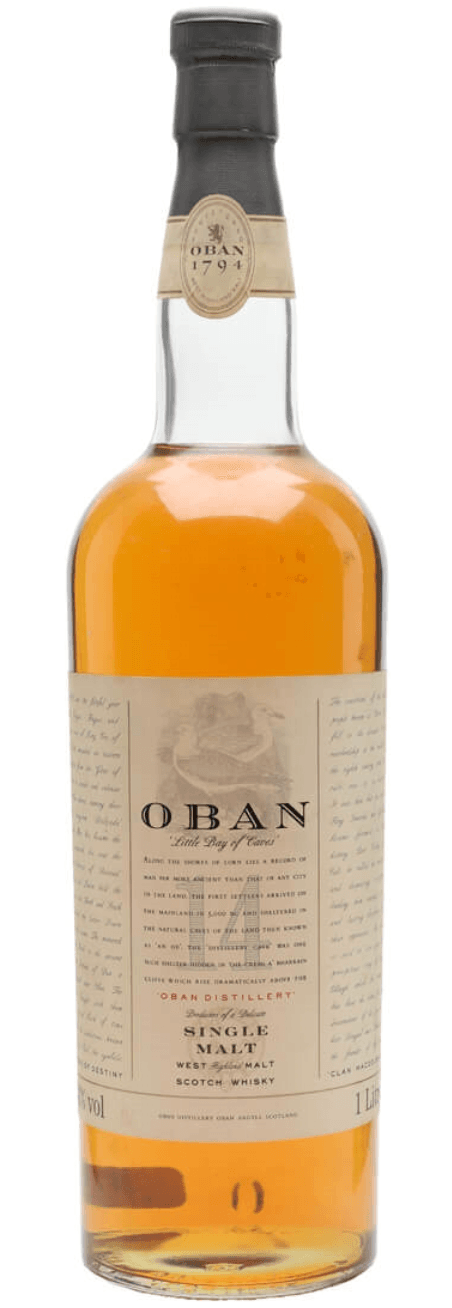
Oban 14 Year Old
Diageo (Oban Distillery, est. 1794)
Oban’s obsession is constraint. The distillery sits wedged between the harbor and a cliff — physically unable to expand — with just two of the smallest pot stills in Scotland. Where other distilleries chase scale, Oban has embraced its limitations: the tiny stills force a slow, careful distillation that produces a spirit with remarkable concentration. The lantern shape of those stills creates more copper contact, stripping away harsh sulfur compounds and leaving behind a whisky that bridges two worlds — the gentle honey and fruit of the Highlands with the maritime salt and smoke of the western coast. Diageo named it one of their six “Classic Malts” in 1988 for a reason: at 14 years old, it’s one of the most perfectly balanced whiskies in Scotland.
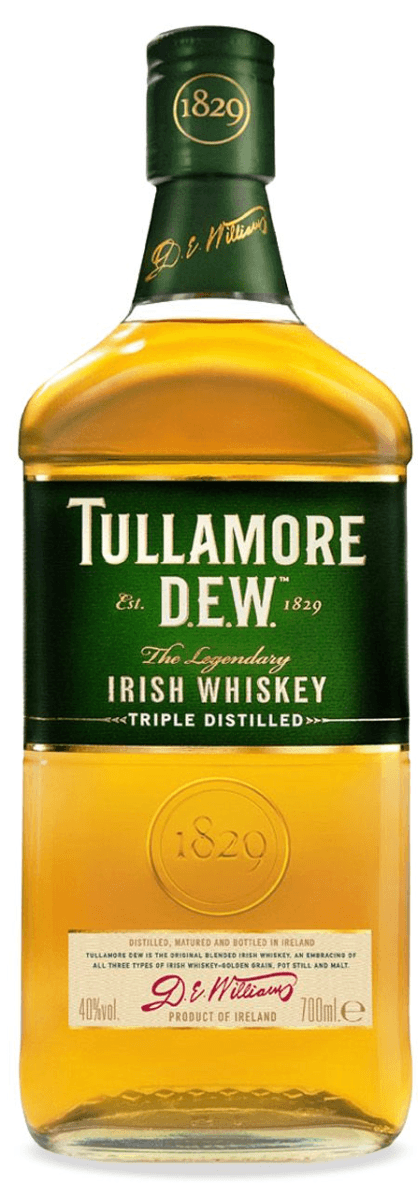
Tullamore D.E.W. Original
William Grant & Sons (Tullamore D.E.W., est. 1829)
Tullamore D.E.W. went against the grain in the most dramatic way possible: it came back from the dead. When the old Tullamore distillery closed in 1954, the brand survived as a label without a home, its whiskey sourced from other distilleries for sixty years. Then in 2014, William Grant & Sons built a brand-new €35 million distillery in Tullamore — the first new greenfield distillery in Ireland in over a century — bringing whiskey-making back to the town whose name is literally on the bottle. The triple blend of pot still, malt, and grain — triple distilled and triple cask matured — delivers surprising complexity at a price point that makes it one of the best introductions to Irish whiskey on the market.
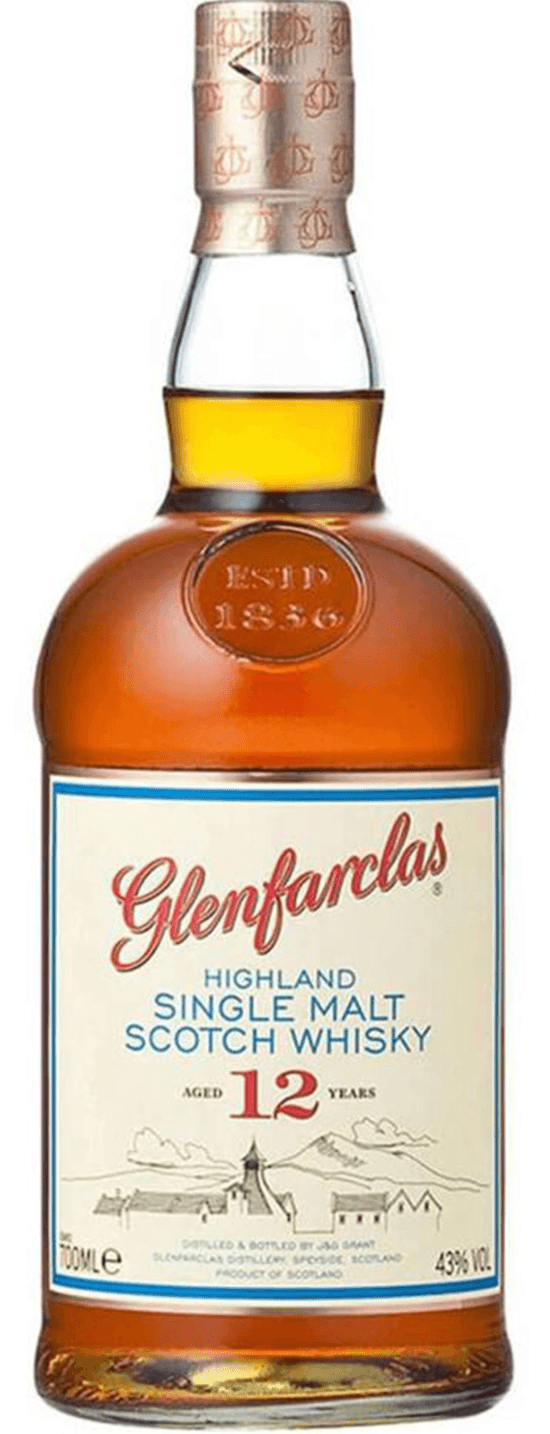
Glenfarclas 12 Year Old
J. & G. Grant (family-owned, 6th generation)
Glenfarclas is what happens when a family says “no” to trends. While other Speyside distilleries have chased younger consumers with NAS releases and cask finishes, the Grants have stayed stubbornly committed to sherry cask maturation and generous age statements. The 12 Year Old is the gateway — unapologetically sherried, rich, and full-bodied at a price that makes the big-name competitors look overpriced. The fact that they’ve resisted every takeover offer for 160 years tells you everything about their priorities.
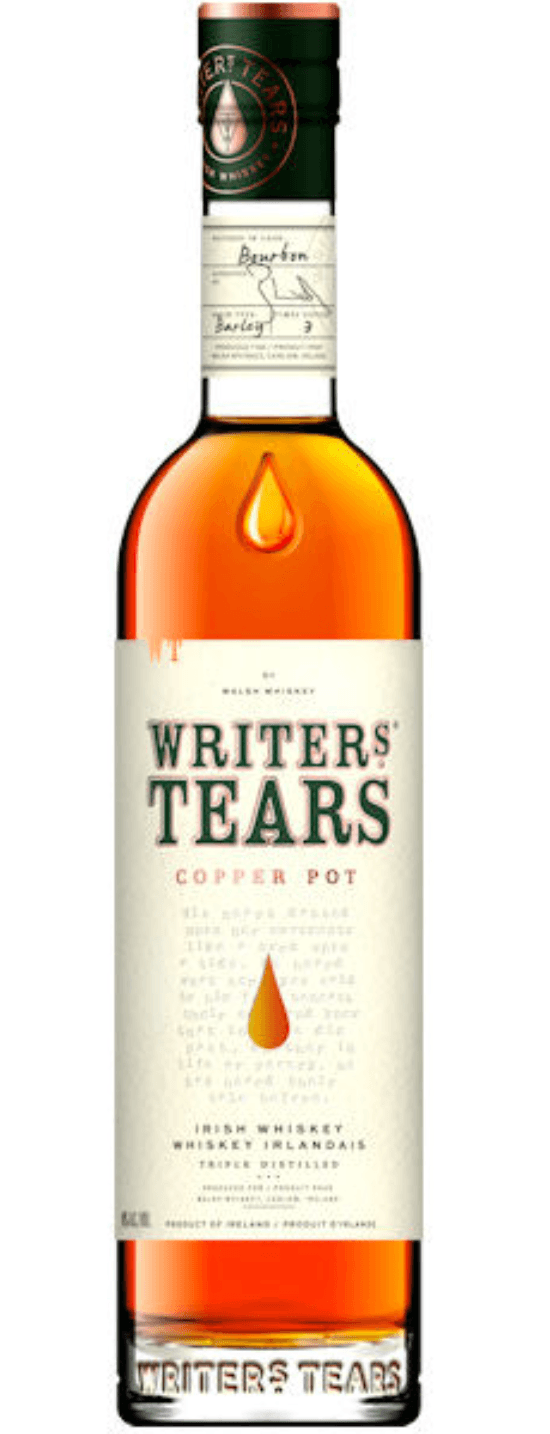
Writers’ Tears Copper Pot
Walsh Whiskey Distillery (Bernard & Rosemary Walsh, founders)
Writers’ Tears earns its literary name. Oscar Wilde, James Joyce, Brendan Behan — Irish writers and Irish whiskey have been inseparable for centuries, and the Walshes bottled that romance into something genuinely beautiful. The blend of single pot still and single malt creates a texture that’s both silky and spiced, with the unmalted barley adding the characteristic Irish “pot still bite” that gives it backbone. At under $40, it punches well above its price point and serves as a perfect introduction to what makes Irish whiskey different from Scotch.
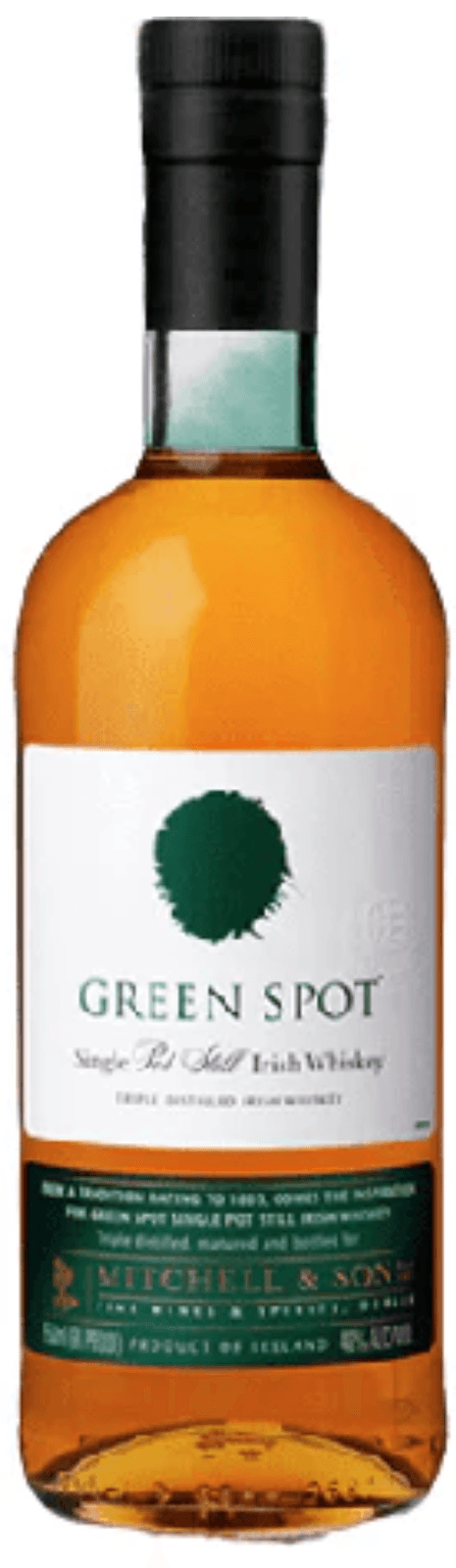
Green Spot Single Pot Still
Pernod Ricard (Irish Distillers) — bonded for Mitchell & Son
Green Spot is the whiskey equivalent of a hidden gem that everyone secretly knows about. The name comes from the colored spots Mitchell & Son dabbed on barrels to indicate age — green for youngest, yellow and red for older. What makes it special is the single pot still method: both malted and unmalted barley distilled together in copper pot stills, creating that signature creamy, spicy texture that defines great Irish whiskey. At this price, it punches well above its weight.