Aroma
Lavender
26 bottles with this note
Train this aroma
Gin Aroma Kit
Develop your palate with the canonical reference for lavender and related notes.

Companero Gin by Sacred Spirits
Sacred Spirits
Sacred's vacuum distillation technique preserves the freshest expression of each botanical — no boiling, no heat degradation. The result is a gin of unusual clarity and precision. Each botanical is distinct yet integrated, making it equally suited to a contemplative neat pour or a gin and tonic that reveals new layers with every sip.

Distillerie de Paris Gin
Distillerie de Paris
Distillerie de Paris produces a gin that feels like an editorial — tightly curated, nothing wasted, every botanical earning its place. This is a city gin in the best sense: refined without being fussy, expressive without being loud. The heat of distillation is used with restraint, capturing brightness rather than extracting heaviness.

Applewood Gin
Applewood
Applewood sources over twenty native Australian botanicals — from strawberry gum to Tasmanian pepperberry — but the result never reads as gimmick. This is a gin with clear juniper leadership and genuine complexity, where the weight of unusual botanicals meets an airy, distinctly Australian lift. Excellent in a martini or a simple G&T.

Tinkerman's Curiously Bright Gin
Tinkerman's
Tinkerman's channels the same Philadelphia Distilling lineage that produced Bluecoat but aims for an even more citrus-driven profile. The threshold lives in the juniper — present enough to call it gin, bright enough to feel like something new. An excellent warm-weather gin that works beautifully in a Collins or a simple tonic serve.

Beefeater London Garden Gin
Beefeater
This extension of the Beefeater line adds garden botanicals without losing the London Dry backbone that defines the brand. The result is a gin that works equally well in a classic martini or a warm-weather spritz. Solid craftsmanship at an approachable price.

Hernö High Coast Terroir Gin 2023 Edition
Hernö
Hernö has built its reputation on textbook juniper-forward gins, and this terroir-focused edition is no exception. The Swedish botanicals give it a distinctly Nordic character — clean, herbal, and slightly wild — while the distillation technique ensures every ingredient reads clearly on the palate. A gin for gin lovers.

Cotswolds Dry Gin
Cotswolds
Cotswolds delivers a classically structured gin with enough personality to stand on its own. The lavender is present but never perfumed, and the juniper backbone keeps everything anchored. It's a gin that makes a strong Martini and an even better Negroni.

Capreolus Garden Swift Gin
Capreolus Distillery
Capreolus is better known for its eau de vie work, and that fruit distillation expertise shows in how cleanly each botanical is rendered here. Garden Swift doesn't chase novelty — it pursues clarity. A gin that trusts juniper to lead and lets supporting botanicals earn their place.

Tanqueray Bloomsbury London Dry Gin
Tanqueray
A limited revival of an archival Tanqueray recipe that predates the modern London Dry style. Bloomsbury dials up the juniper and botanical complexity while keeping the trademark Tanqueray structure. It's an education in what London Dry can be at its most articulate.

Inverroche Classic Gin
Inverroche
Inverroche Classic demonstrates that terroir is not limited to wine. The wild fynbos botanicals hand-foraged from the Cape coastline give this gin a genuinely unique aromatic fingerprint. It is simultaneously familiar enough for a juniper-focused gin drinker and distinctive enough to reward close attention.

Lind & Lime Gin
Lind & Lime
Named for Dr. James Lind, who proved citrus could prevent scurvy in the 18th century, this gin lives up to its namesake's clarity of purpose. The botanical balance is precise, with juniper and lime in perfect tension. It's a gin built for the G&T but interesting enough for contemplation.

Berliner Brandstifter Berlin Dry Gin
Berliner Brandstifter
Berliner Brandstifter uses an all-organic wheat base and a restrained botanical bill that favors Berlin's urban terroir — elderflower and woodruff among them. The result is a gin that's both classical in structure and distinctly Central European in personality. It rewards drinking neat as much as it does in a well-made Martini.

Silent Pool Gin
Silent Pool
Silent Pool's 24-botanical recipe could easily become a mess, but it doesn't. The distillers achieve a rare thing: complexity that reads as coherence rather than clutter. Each botanical contributes without shouting, and the overall impression is one of carefully orchestrated agreement. The bottle's as striking as the liquid, but the gin earns attention on its own terms.

Filliers Dry Gin 28 Pine Blossom
Filliers
Filliers brings five generations of Belgian distilling expertise to a gin that is both traditional and distinctive. The pine blossom addition sets it apart without turning it into a novelty — the backbone is pure London Dry rigor. Excellent in a Martini.

Citadelle Jardin d'Été Gin
Citadelle
Citadelle's summer garden expression takes the 19-botanical base recipe and infuses it with lemon verbena, yuzu, and chamomile flowers. It works because the foundation is sound — the juniper and angelica core is strong enough to hold the floral additions in check. This is a gin that rewards a simple tonic serve where the botanicals can speak clearly.

Procera Red Dot Gin
Procera
Procera proves terroir isn't a concept limited to wine. The wild-harvested Juniperus procera from Kenya's highlands gives this gin a character unlike anything from the London or European tradition. It's juniper-forward, but a different juniper — and that distinction is worth exploring.

Uncle Val's Botanical Gin
Uncle Val's
Uncle Val's takes its inspiration from an Italian immigrant's garden, and that provenance shows. This is a gin that prioritizes freshness and balance over juniper muscle. It performs beautifully in a gin and tonic but is nuanced enough for a contemplative Martini.

Brockman's Orange Kiss Gin
Brockmans
Brockmans Orange Kiss takes the brand's fruit-forward philosophy and sharpens it around a single citrus theme. It's a gin that works brilliantly in a spritz but has enough botanical structure to stand up in a Martini variation. The lower proof keeps it sessionable without diluting the aromatics.

Nordés Atlantic Galician Gin
Nordés
Nordés upends London Dry expectations by leading with Galician florals and Atlantic botanicals rather than juniper. Its Albariño grape base spirit lends a vinous roundness that sets it apart. Best explored in a simple gin and tonic with a grapefruit twist to let the terroir sing.
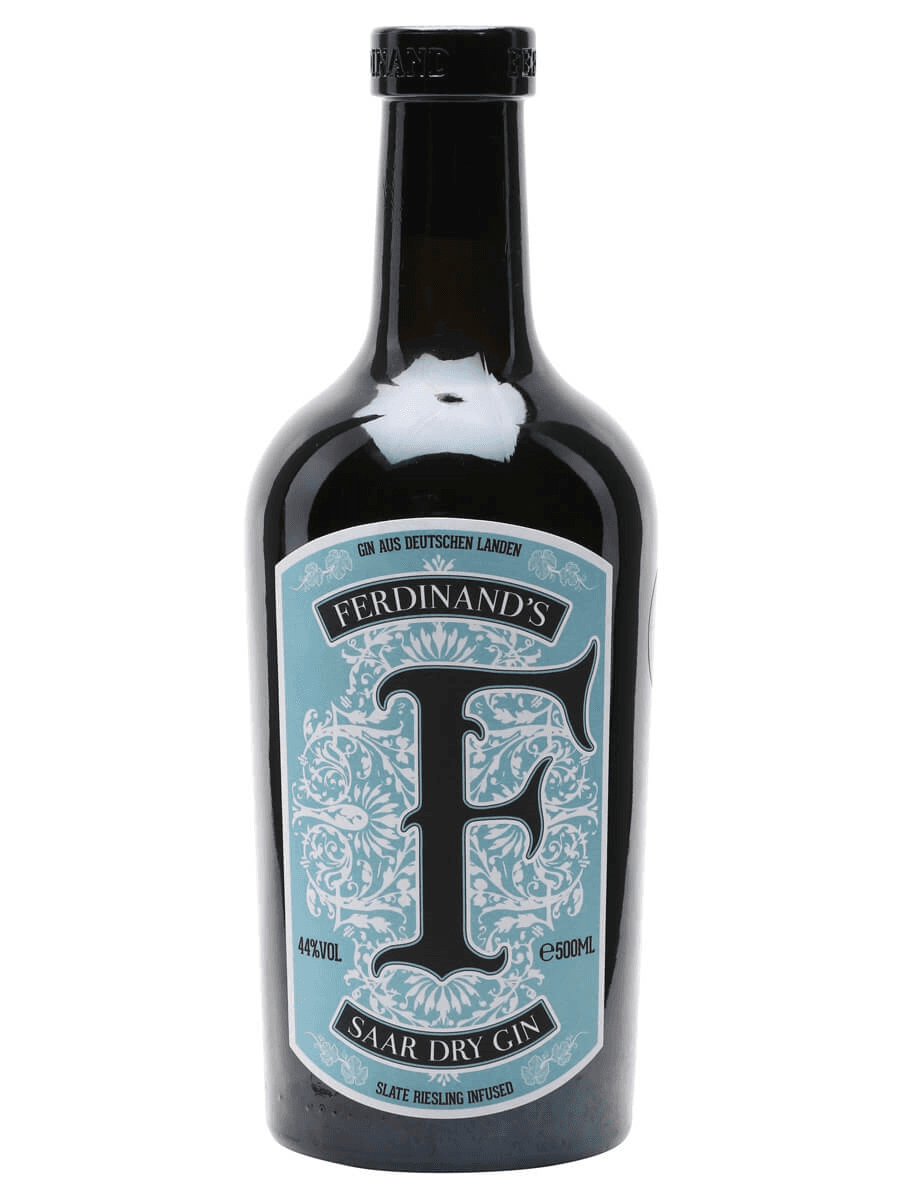
Ferdinand’s Saar Dry Gin
Avadis Distillery GmbH
Ferdinand’s Saar Dry Gin is the rare bottle whose catalyst is literally an ingredient no one else has thought to add. The Riesling infusion does not make this a wine-flavored gin — it is subtler and more structural than that. The wine contributes acidity, a floral lift, and a mineral backbone that unifies over thirty disparate botanicals into a coherent whole. Juniper leads as it should, but the Riesling gives the gin a vinous complexity that makes it equally compelling neat, in a Martini, or in a G&T. At under forty-five dollars, Ferdinand’s offers something unlike anything else on the gin shelf — and that novelty is backed by impeccable distilling craft.
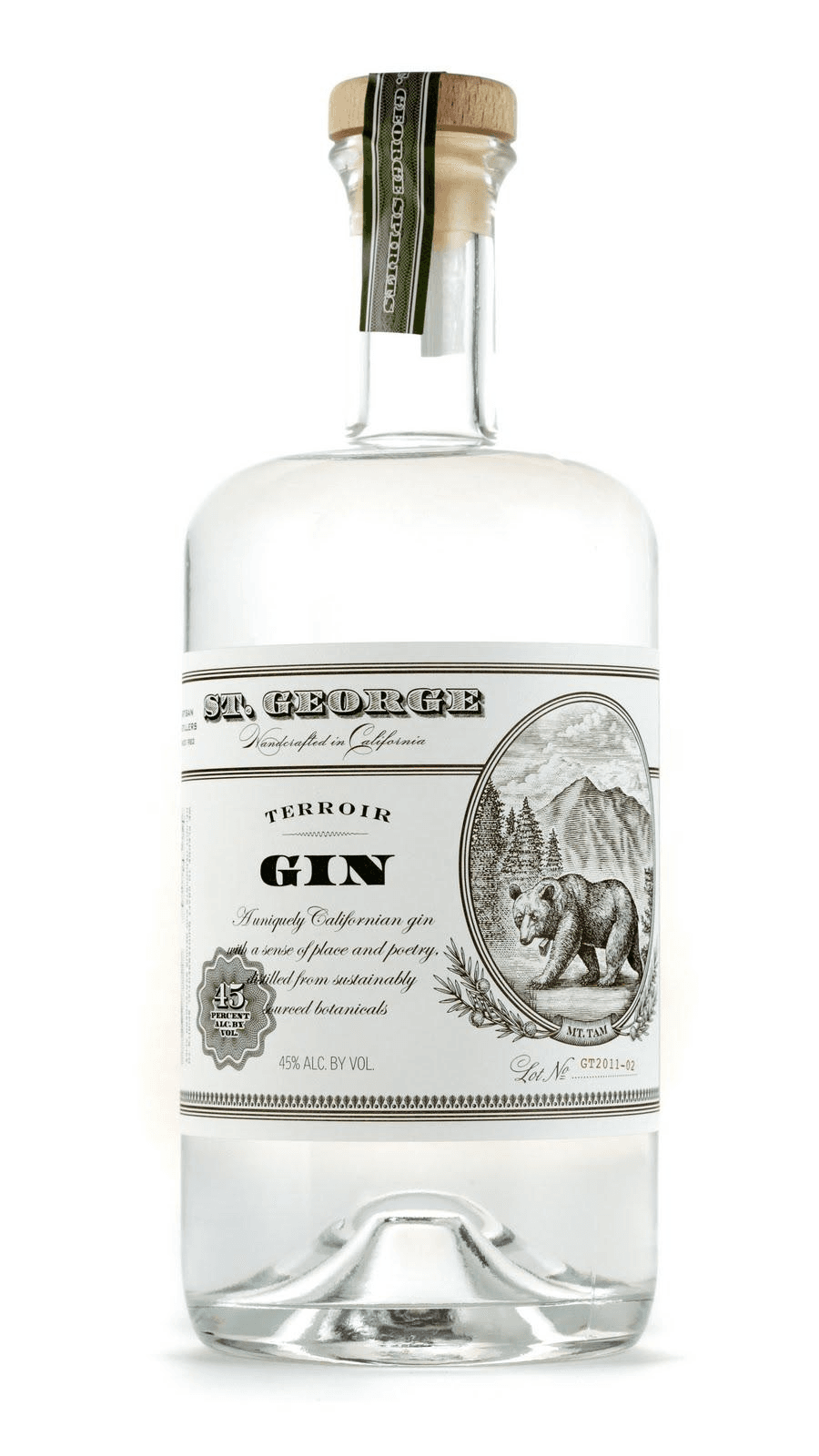
St. George Terroir Gin
St. George Spirits
St. George Terroir Gin is unlike any other gin in the world. While most gins lead with juniper and citrus, Terroir leads with Douglas fir, California bay laurel, and coastal sage — botanicals wildcrafted from the hills around San Francisco Bay.
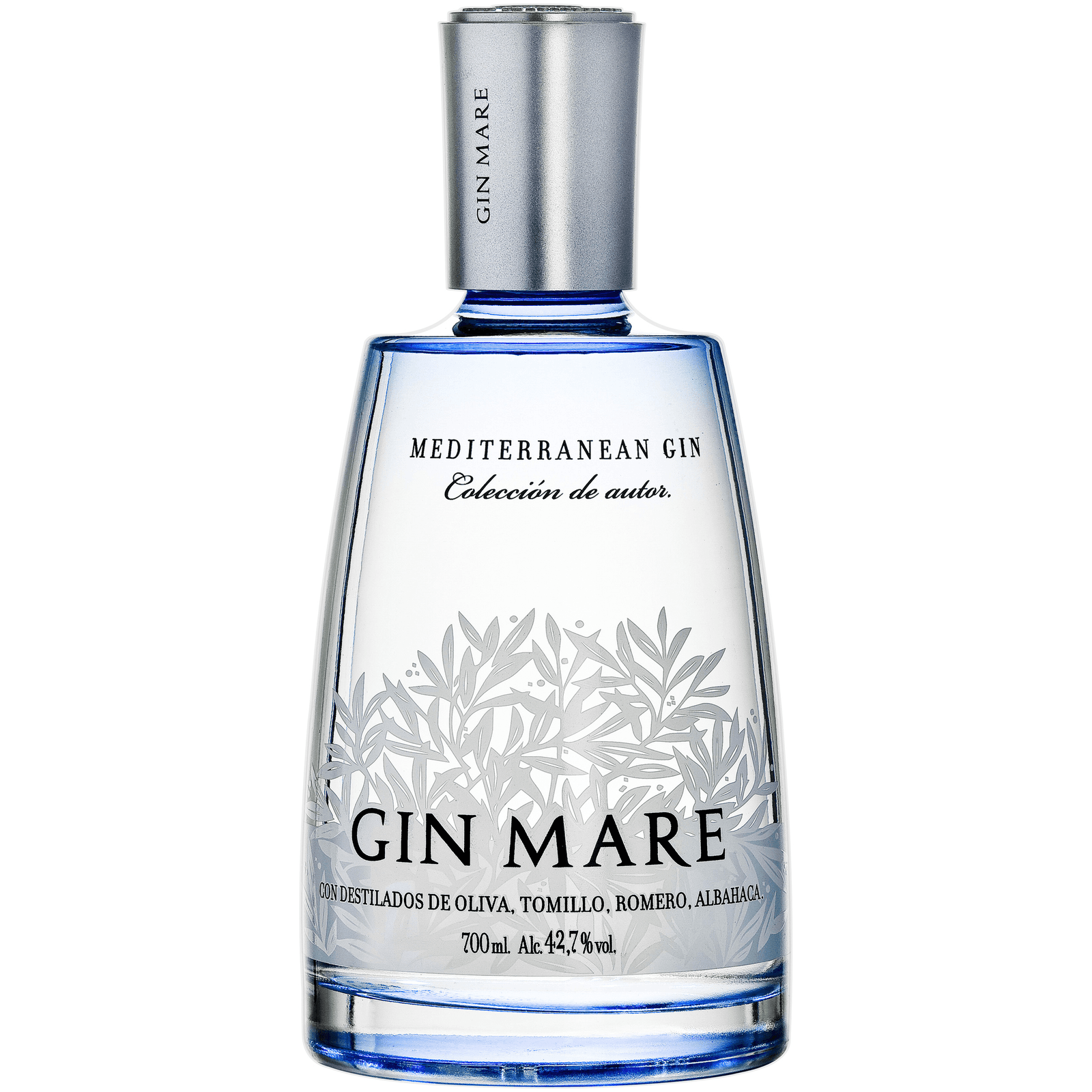
Gin Mare
Vantguard / Brown-Forman
Gin Mare is botanical architecture at its most deliberate. Where most gins start with juniper and build outward, Mare's designers flipped the blueprint: they began with the flavors of a Mediterranean table — olive, thyme, rosemary, basil — and built juniper around them as structural support rather than the main event. Each botanical is distilled individually to capture its purest expression, then blended with the precision of a perfumer. The result is a gin that tastes like the Catalan coast on a warm evening — savory, herbal, bright, utterly unlike anything from London.
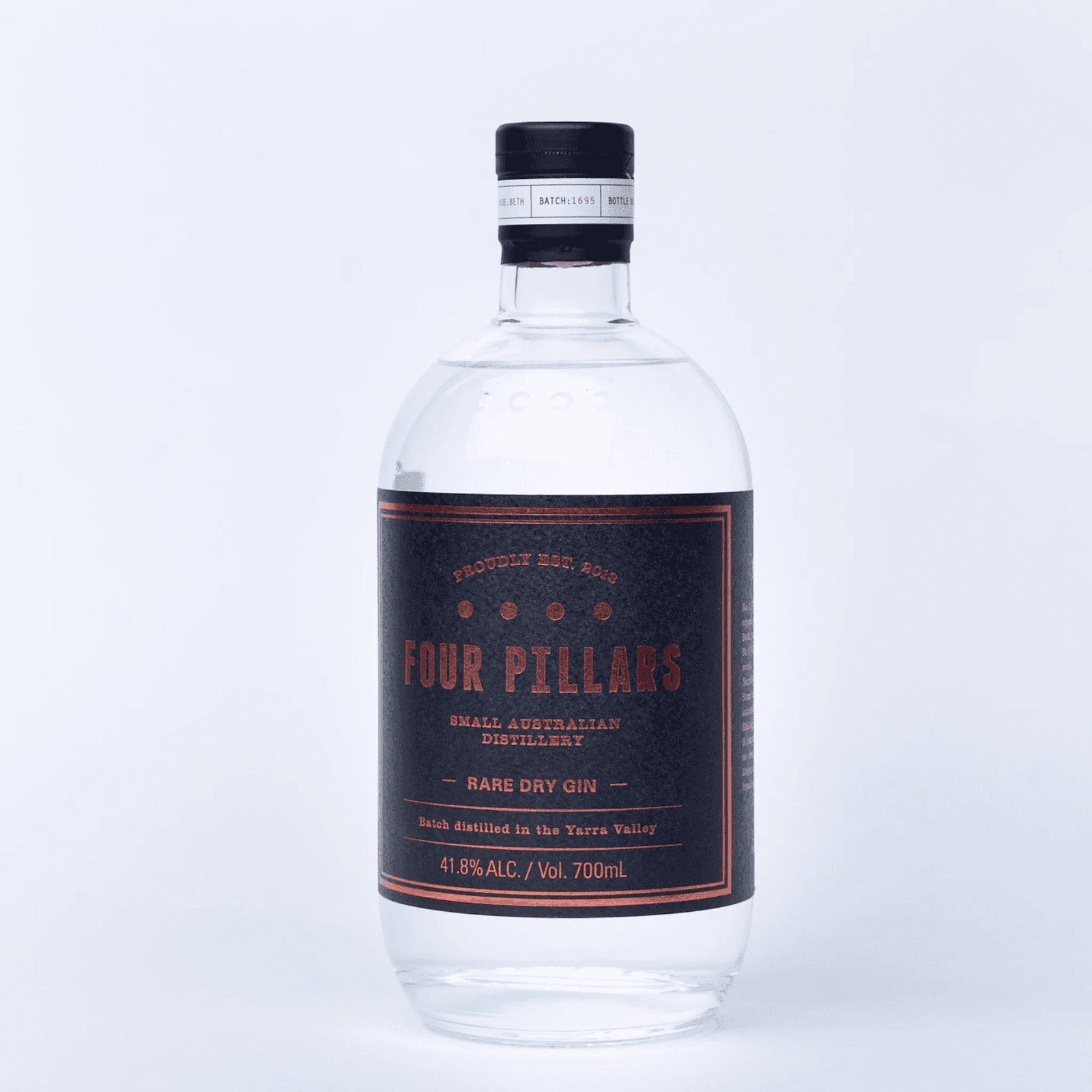
Four Pillars Rare Dry Gin
Four Pillars Gin Pty Ltd
Four Pillars Rare Dry Gin redefined what the world expected from Australian distilling. Cameron Mackenzie's decision to use whole fresh oranges in the still rather than dried peel was a technically daring choice — and the result is a gin with a citrus character that is genuinely alive.
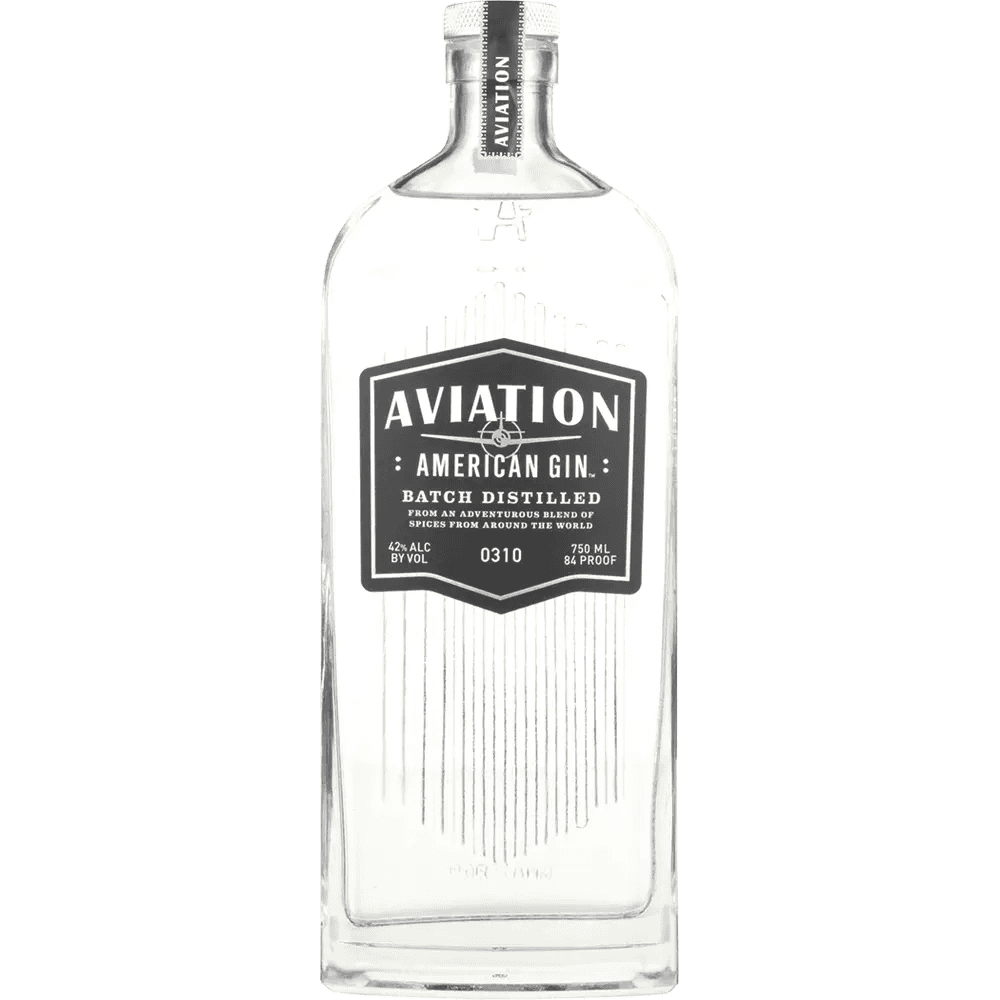
Aviation American Gin
Diageo
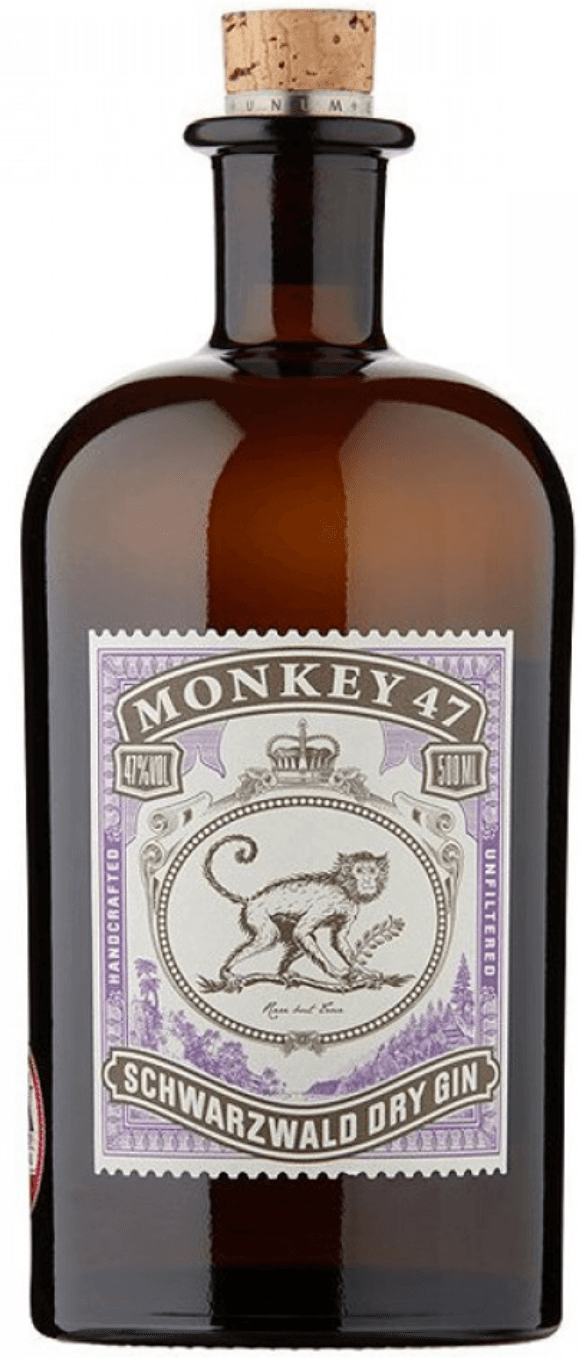
Monkey 47 Schwarzwald Dry Gin
Pernod Ricard (Monkey 47, est. 2010)
Monkey 47 is what happens when obsession meets the Black Forest. Alexander Stein, the founder, wasn’t content with the standard gin playbook of six to ten botanicals. He sourced forty-seven — roughly a third from the forest surrounding his distillery — including lingonberries, spruce shoots, bramble leaves, and acacia flowers. The result is aged three months in traditional earthenware crocks before bottling, a resting step almost no other gin producer bothers with. At 47% ABV (of course), it has the structure to support all that botanical complexity without collapsing into confusion. The fact that it comes in a 375 mL bottle at a premium price has done nothing to slow demand — proof that obsessive quality creates its own market.

Eucundha Cold Distilled Gin
Inverroche
Inverroche's cold distillation technique captures fynbos botanicals at their most expressive without thermal degradation. The result is a gin that feels lighter than its proof suggests, with remarkable aromatic clarity. It's a compelling argument for the terroir of South African gin—distinct from London tradition but deeply respectful of juniper's primacy.