Aroma
Juniper (Green)
39 bottles with this note
Train this aroma
Gin Aroma Kit
Develop your palate with the canonical reference for juniper (green) and related notes.

Distillerie de Paris Gin
Distillerie de Paris
Distillerie de Paris produces a gin that feels like an editorial — tightly curated, nothing wasted, every botanical earning its place. This is a city gin in the best sense: refined without being fussy, expressive without being loud. The heat of distillation is used with restraint, capturing brightness rather than extracting heaviness.

Applewood Gin
Applewood
Applewood sources over twenty native Australian botanicals — from strawberry gum to Tasmanian pepperberry — but the result never reads as gimmick. This is a gin with clear juniper leadership and genuine complexity, where the weight of unusual botanicals meets an airy, distinctly Australian lift. Excellent in a martini or a simple G&T.

Tinkerman's Curiously Bright Gin
Tinkerman's
Tinkerman's channels the same Philadelphia Distilling lineage that produced Bluecoat but aims for an even more citrus-driven profile. The threshold lives in the juniper — present enough to call it gin, bright enough to feel like something new. An excellent warm-weather gin that works beautifully in a Collins or a simple tonic serve.

Kyrö Napue Rye Gin
Kyrö
Kyrö demonstrates that a gin's base spirit is not merely a canvas — the whole-grain rye distillate here actively shapes the flavor, contributing texture and breadth that grain-neutral spirits cannot. Combined with wild-foraged Nordic botanicals, this is a gin rooted deeply in its landscape.

Whitley Neill Quince Gin
Whitley Neill
Whitley Neill Quince finds an unusual but effective botanical focus. The quince doesn't overpower the gin's foundations — instead, it introduces a tannic fruit complexity that plays well with juniper and spice, creating something genuinely different without gimmickry.

Arbikie AK's Gin
Arbikie
Arbikie grows its own wheat and potatoes on their Highland estate, giving them rare control over the base spirit. AK's Gin reflects that precision — the botanical integration feels seamless, with no single element shouting over another. It's a gin that performs beautifully in cocktails but genuinely rewards neat tasting.

Hayman's London Dry Gin
Hayman's
Hayman's doesn't chase trends. This is London Dry as it's meant to be — juniper-led, properly structured, and without a single botanical added for marketing purposes. The two-day steeping process extracts depth without bitterness, making this an ideal baseline for understanding what gin should taste like.

Rock Rose Gin Original Edition
Rock Rose
Dunnet Bay is about as far north as mainland Scotland goes, and the harshness of the landscape seems to translate into a gin of real backbone. The local rhodiola rosea root adds an unusual floral dimension without becoming perfumed. This is craft gin with a genuine sense of place.

Sipsmith Sloe Gin
Sipsmith
Sipsmith's sloe gin proves that this traditional British style deserves a place alongside serious spirits. The key is restraint — enough sugar to round the sloe's natural astringency, but not so much that you lose the juniper backbone of the base gin. This is a bottle that bridges the gap between aperitif and after-dinner pour.

Tanqueray No. Ten Tiny Ten Gin
Tanqueray
Tanqueray's Tiny Ten format delivers the same fresh-citrus-forward profile that made No. Ten a modern classic. The grapefruit-juniper interplay is effortlessly balanced, and the chamomile adds a dimension that keeps this from being just another citrus gin. Versatile in cocktails, excellent with a quality tonic.

Hernö Gin
Hernö
Jon Hillgren's Hernö is one of Sweden's most awarded gins, and the flagship London Dry demonstrates why. Organic botanicals distilled in a small copper pot still produce a gin that is traditional in structure but unmistakably Nordic in character. It is a gin that demands a proper Martini — stirred, cold, with as little interference as possible.

Leopolds Small Batch Gin
Leopold Bros.
Todd Leopold's approach — distilling each botanical separately and blending the distillates — yields a gin of unusual clarity and definition. Every element occupies its own space. This isn't a gin that shouts; it's one that articulates. Perfect for a gin and tonic where you want the spirit to lead the conversation.

Few American Gin
FEW Spirits
FEW American Gin doesn't apologize for its grain character — it leans into it. The result is a gin that bridges the gap between juniper-forward London Dry tradition and the broader flavor ambitions of American craft distilling. It's an excellent Martini gin with enough personality to stand up to bolder cocktail applications.

Whitley Neill Blood Orange Gin
Whitley Neill
Whitley Neill's Blood Orange expression works because it respects the gin beneath the flavoring. The blood orange is vivid without being syrupy, and the juniper-forward base keeps it honest. It's a gin that makes a spectacular spritz but doesn't embarrass itself neat — a rare feat in the flavored gin category.

Perry's Tot Navy Strength Gin
New York Distilling Company
Perry's Tot demonstrates why navy strength gin exists: not for machismo, but for flavor density. At 57%, every botanical registers with crystalline clarity. This gin stands up to tonic, dominates a Negroni, and rewards anyone willing to engage with it on its own terms. The New York Distilling Company gets far less attention than it deserves.

Whitley Neill Rhubarb & Ginger Gin
Whitley Neill
Whitley Neill Rhubarb & Ginger succeeds where many flavored gins fail — it integrates its signature botanicals without sacrificing gin identity. The juniper spine holds firm, making this a versatile bottle that works as well in a G&T as it does in more creative builds.

Tanqueray Rangpur Lime Gin
Tanqueray
Rangpur sits in the productive space between classic London Dry and contemporary citrus-forward gins. The Rangpur lime — a mandarin-lemon hybrid from India — gives Tanqueray's four-botanical backbone a different kind of tension, one that tips toward sour rather than sweet. It is a gin that was clearly designed for the gimlet but earns its keep neat.
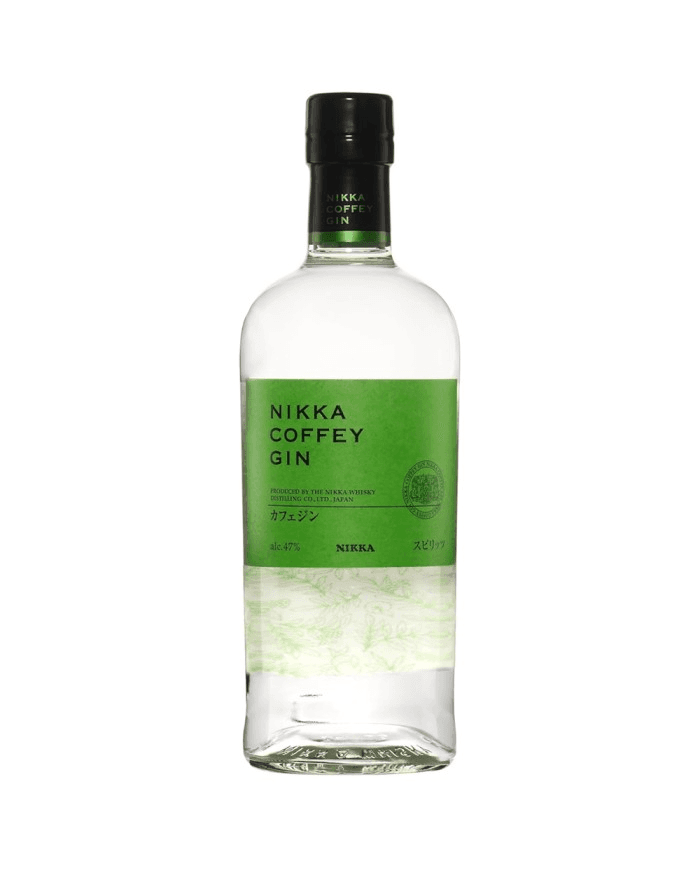
Nikka Coffey Gin
Nikka
Nikka applied their whisky-making precision to gin and the result is unmistakably Japanese — restrained, balanced, and texturally stunning. The Coffey column still gives this gin a richness most London Drys can't touch. It's a gin that demands attention neat before you ever put it in a cocktail.

Hayman's Exotic Citrus Gin
Hayman's
Hayman's manages the trick of bold citrus character without abandoning the juniper core. The exotic citrus peels are integrated so fully that they feel like a natural extension of a classic London Dry rather than an overlay. Versatile in cocktails, satisfying neat.

Silent Pool Gin
Silent Pool
Silent Pool's 24-botanical recipe could easily become a mess, but it doesn't. The distillers achieve a rare thing: complexity that reads as coherence rather than clutter. Each botanical contributes without shouting, and the overall impression is one of carefully orchestrated agreement. The bottle's as striking as the liquid, but the gin earns attention on its own terms.

Napue Gin by Kyrö Distillery
Kyrö
Napue won the world's best gin for a gin and tonic at the International Wine and Spirit Competition and it's easy to understand why. The rye base provides a structure most London Drys can't match, and the Nordic botanicals — birch leaf, meadowsweet, cranberry — root this gin firmly in the Finnish landscape.

Citadelle Jardin d'Été Gin
Citadelle
Citadelle's summer garden expression takes the 19-botanical base recipe and infuses it with lemon verbena, yuzu, and chamomile flowers. It works because the foundation is sound — the juniper and angelica core is strong enough to hold the floral additions in check. This is a gin that rewards a simple tonic serve where the botanicals can speak clearly.

Sipsmith Lemon Drizzle Gin
Sipsmith
Sipsmith's Lemon Drizzle avoids the trap many flavored gins fall into—it never sacrifices its identity as a gin. The lemon is vibrant and natural, and the juniper stays firmly in the driver's seat. A versatile bottle that excels in both G&Ts and cocktails.

Rutte Celery Gin
Rutte
Rutte has been distilling in Dordrecht since 1872, and the Celery Gin — based on an original 19th-century recipe — remains their most distinctive expression. It's a reminder that botanical innovation in gin didn't start in the 2010s. The celery adds genuine complexity without gimmickry, making this an exceptional Dirty Martini gin.

Darnley's View London Dry Gin
Darnley's
Darnley's View is a gin that trusts its botanicals to speak at conversational volume. Where many London Drys lean on aggressive juniper or bold spice, this Scottish bottling opts for balance and transparency. It's an ideal gin for anyone who wants to taste every botanical rather than just the loudest one.

Uncle Val's Botanical Gin
Uncle Val's
Uncle Val's takes its inspiration from an Italian immigrant's garden, and that provenance shows. This is a gin that prioritizes freshness and balance over juniper muscle. It performs beautifully in a gin and tonic but is nuanced enough for a contemplative Martini.

Oxley Classic English Dry Gin
Oxley
Oxley's cold vacuum distillation captures botanicals with startling clarity — each ingredient arrives intact, as if preserved in amber. This is a gin for people who want to understand exactly what juniper, citrus, and spice can do when handled with surgical care. Outstanding in a Martini.

Empirical Spirits Helena Gin
Empirical
Empirical's approach — treating spirits like a culinary lab experiment — could easily produce gimmicks. Helena Gin avoids that trap entirely. It is structurally rigorous: juniper-forward enough for purists, texturally inventive enough for modernists. The chamomile integration is the quiet stroke of genius that separates this from dozens of competent Nordic gins.

Perfume Trees Gin
Perfume Trees
Named for the Aglaia trees that once blanketed Hong Kong's hillsides, Perfume Trees Gin channels East Asian botanicals through an unmistakably London Dry framework. The result is precise, aromatic, and deeply refreshing. It bridges traditions without losing identity.

Conker Spirit Dorset Dry Gin
Conker Spirit
Conker Spirit is a one-man operation that became a Dorset institution. Rupert Holloway distills in small batches using locally foraged and hand-selected botanicals. This gin has a sense of place — coastal, clean, unhurried — that makes it ideal for sipping with minimal intervention or in a gin and tonic that you actually taste.
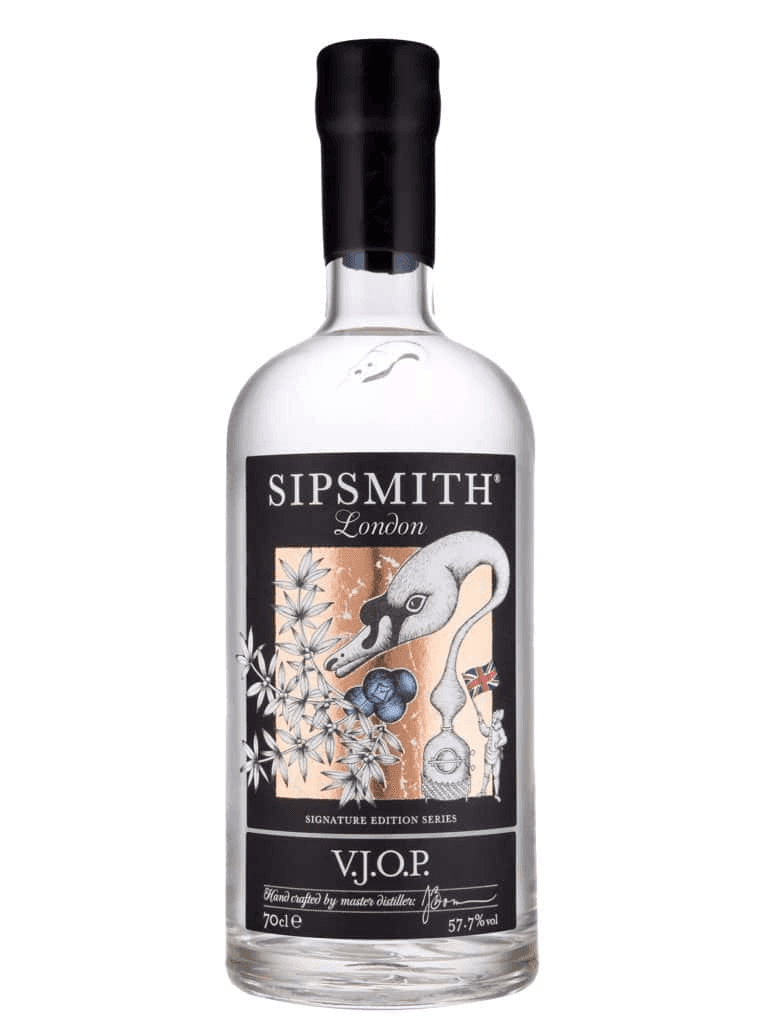
Sipsmith V.J.O.P. (Very Junipery Over Proof)
Sipsmith Distillery (Beam Suntory)
Sipsmith V.J.O.P. triples the juniper bill of the standard Sipsmith London Dry and introduces juniper at three distinct stages of distillation. The most uncompromising London Dry under fifty dollars.
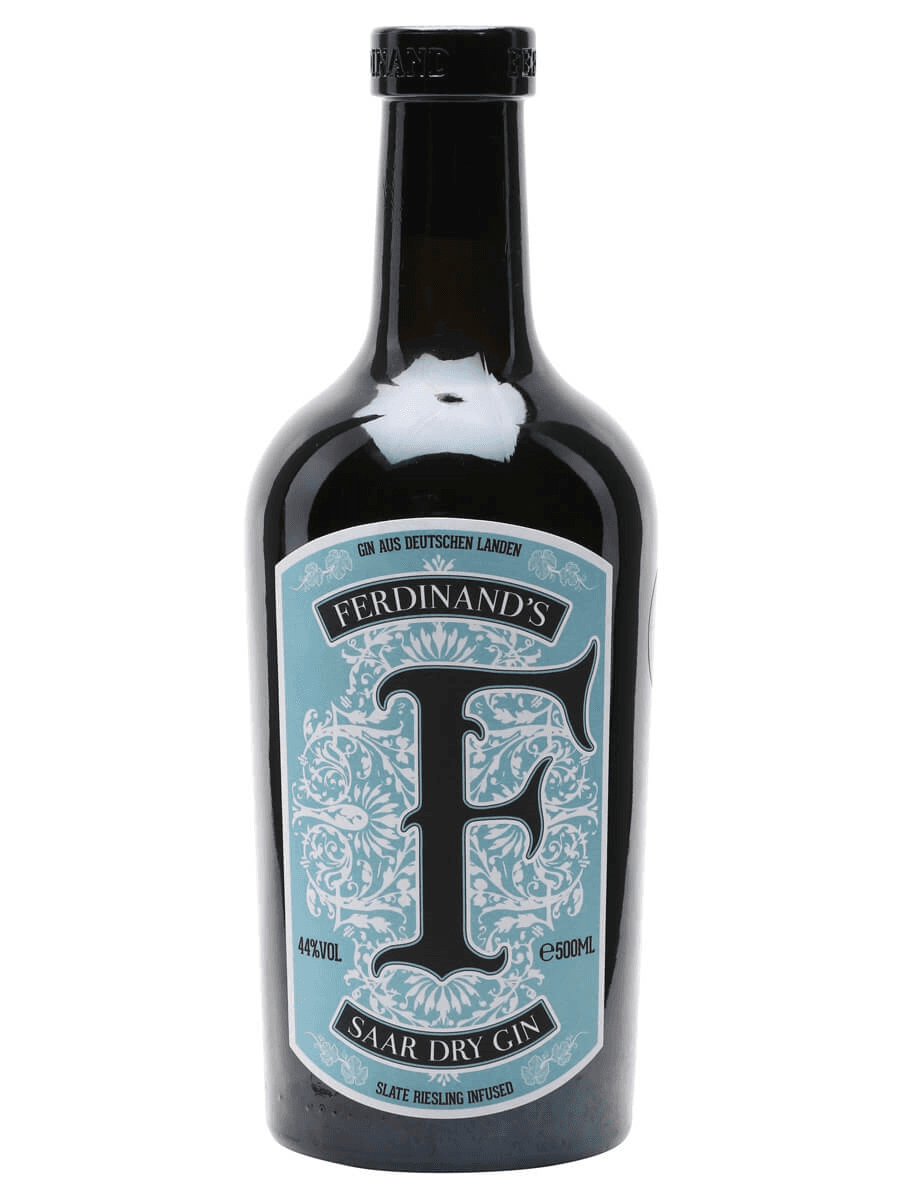
Ferdinand’s Saar Dry Gin
Avadis Distillery GmbH
Ferdinand’s Saar Dry Gin is the rare bottle whose catalyst is literally an ingredient no one else has thought to add. The Riesling infusion does not make this a wine-flavored gin — it is subtler and more structural than that. The wine contributes acidity, a floral lift, and a mineral backbone that unifies over thirty disparate botanicals into a coherent whole. Juniper leads as it should, but the Riesling gives the gin a vinous complexity that makes it equally compelling neat, in a Martini, or in a G&T. At under forty-five dollars, Ferdinand’s offers something unlike anything else on the gin shelf — and that novelty is backed by impeccable distilling craft.
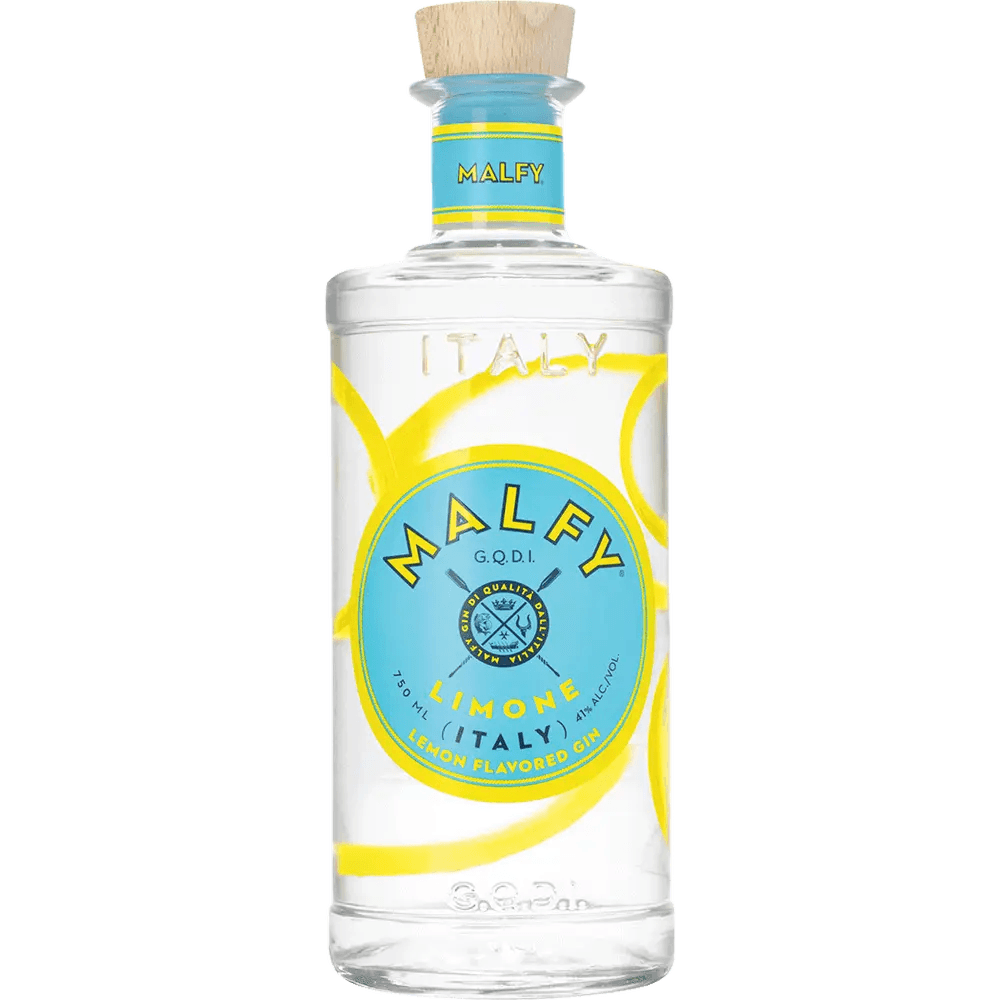
Malfy Con Limone
Biggar and Leith (Pernod Ricard)
Malfy Con Limone is the proving ground for Italian gin as a category. When Torino Distillati released it, the idea that Italy — a country defined by wine, amaro, and grappa — could produce a world-class gin built around Amalfi lemons seemed audacious. It proved not only possible but wildly successful, opening the door for an entire generation of Mediterranean-inspired gins. The vacuum distillation preserves the sfusato lemon's delicate oils with remarkable fidelity, and the result is a gin that tastes like the Amalfi Coast smells. At under thirty-five dollars, it has nothing left to prove. Cocktail — The Amalfi Spritz: 2 oz Malfy Con Limone, 1 oz Aperol, 0.75 oz fresh lemon juice, top with prosecco. Build in a wine glass over ice. Garnish with a lemon wheel and a sprig of basil. The gin's bright citrus lifts the Aperol's bittersweet warmth into something effervescent and Mediterranean.
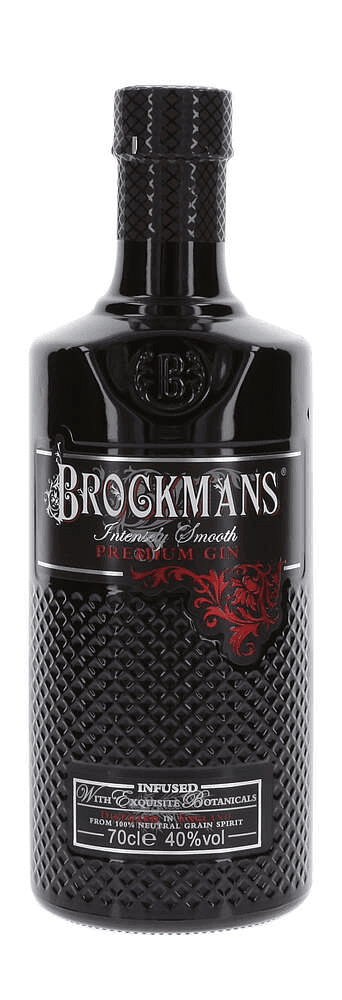
Brockmans Intensely Smooth Premium Gin
Brockmans Gin Ltd.
Brockmans asked a question the gin world wasn't asking: what happens when you build a botanical bill around dark berries instead of amplifying juniper? The answer divided purists — some argued it wasn't really gin — but the market voted with its wallet. The blueberries and blackberries create a textural smoothness and a berry-forward aromatic profile that no other gin had attempted at this scale. Critically, it still works as gin: the juniper is there, the botanical complexity is there, the spirit is dry. Brockmans proved you could expand the definition without breaking it.
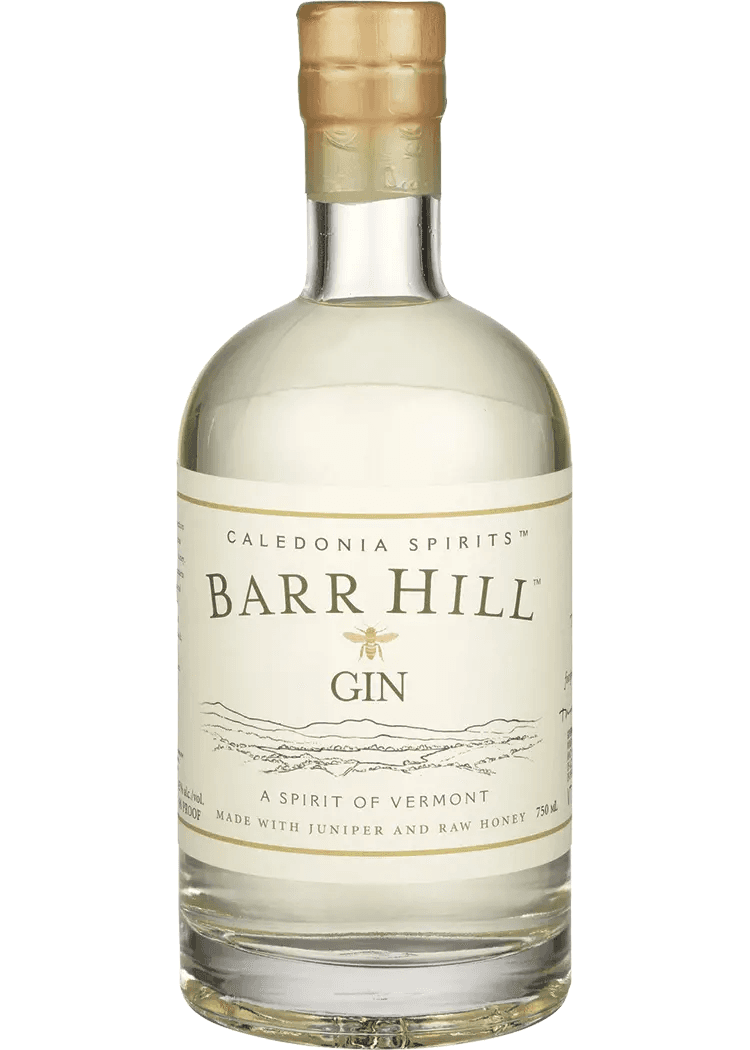
Barr Hill Gin
Caledonia Spirits
Barr Hill proves that complexity doesn't require a botanical bill as long as your arm. Two ingredients — juniper and raw honey — sound impossibly simple, until you realize that Vermont's raw wildflower honey is itself a symphony of over a hundred pollen sources.
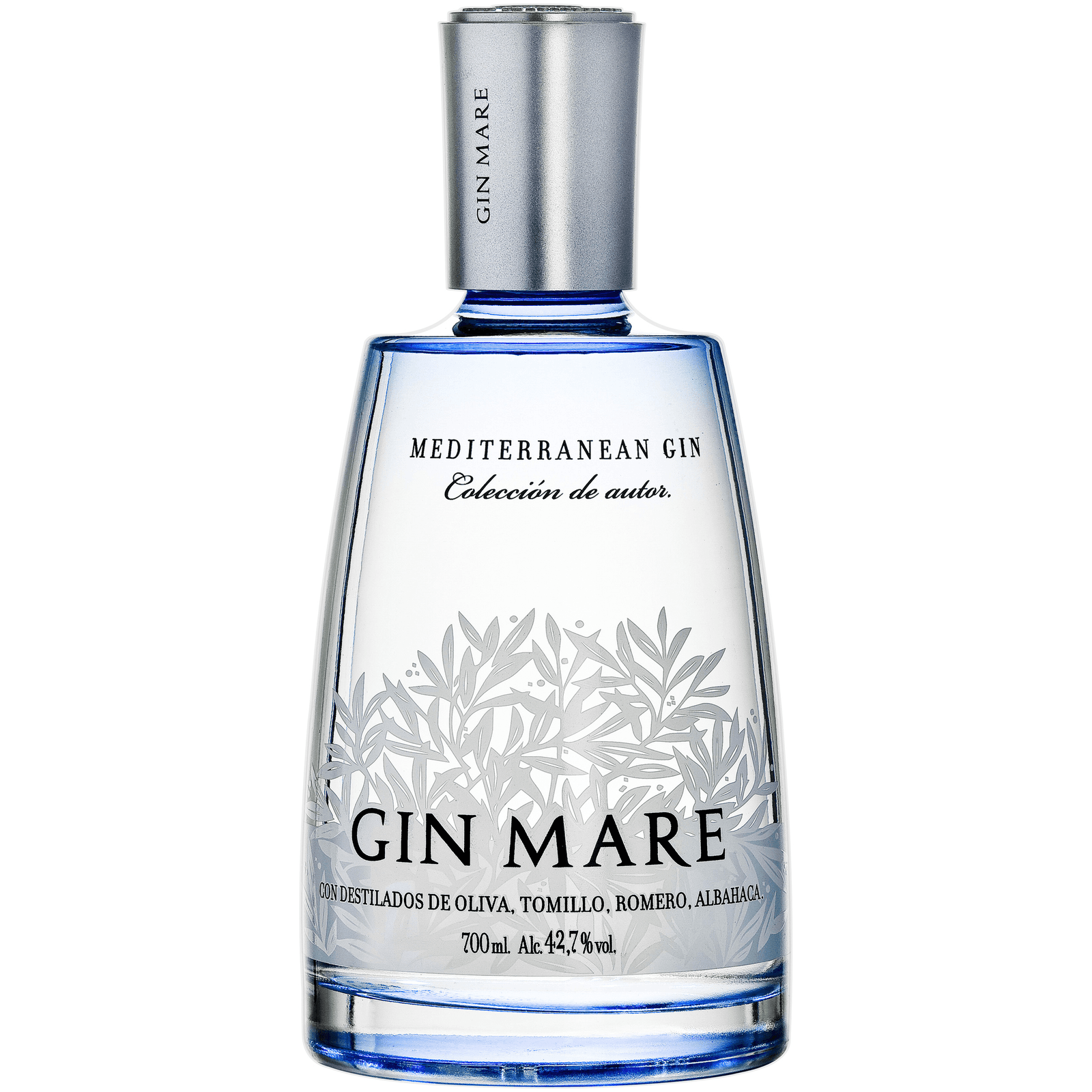
Gin Mare
Vantguard / Brown-Forman
Gin Mare is botanical architecture at its most deliberate. Where most gins start with juniper and build outward, Mare's designers flipped the blueprint: they began with the flavors of a Mediterranean table — olive, thyme, rosemary, basil — and built juniper around them as structural support rather than the main event. Each botanical is distilled individually to capture its purest expression, then blended with the precision of a perfumer. The result is a gin that tastes like the Catalan coast on a warm evening — savory, herbal, bright, utterly unlike anything from London.
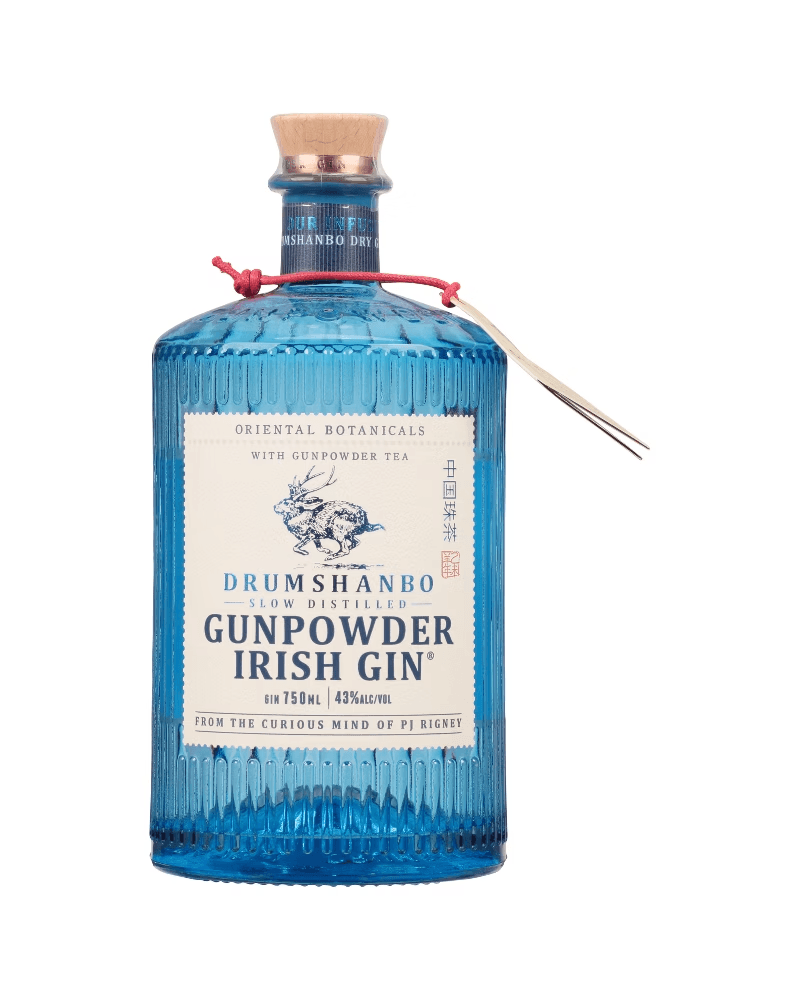
Drumshanbo Gunpowder Irish Gin
The Shed Distillery
The Gunpowder tea botanical is the masterstroke here — it binds the citrus and juniper elements into something cohesive and unmistakably different from any London Dry. Drumshanbo Gunpowder is the gin that makes craft spirit sceptics take a second look. The distinctive spherical bottle is famous in Irish bars, but the real story is inside it: a carefully developed recipe, an unexpected Chinese tea leaf, and a distillery that chose character over convention at every turn. Serve in a copa glass over ice with tonic, sliced pink grapefruit, and a twist of lime.
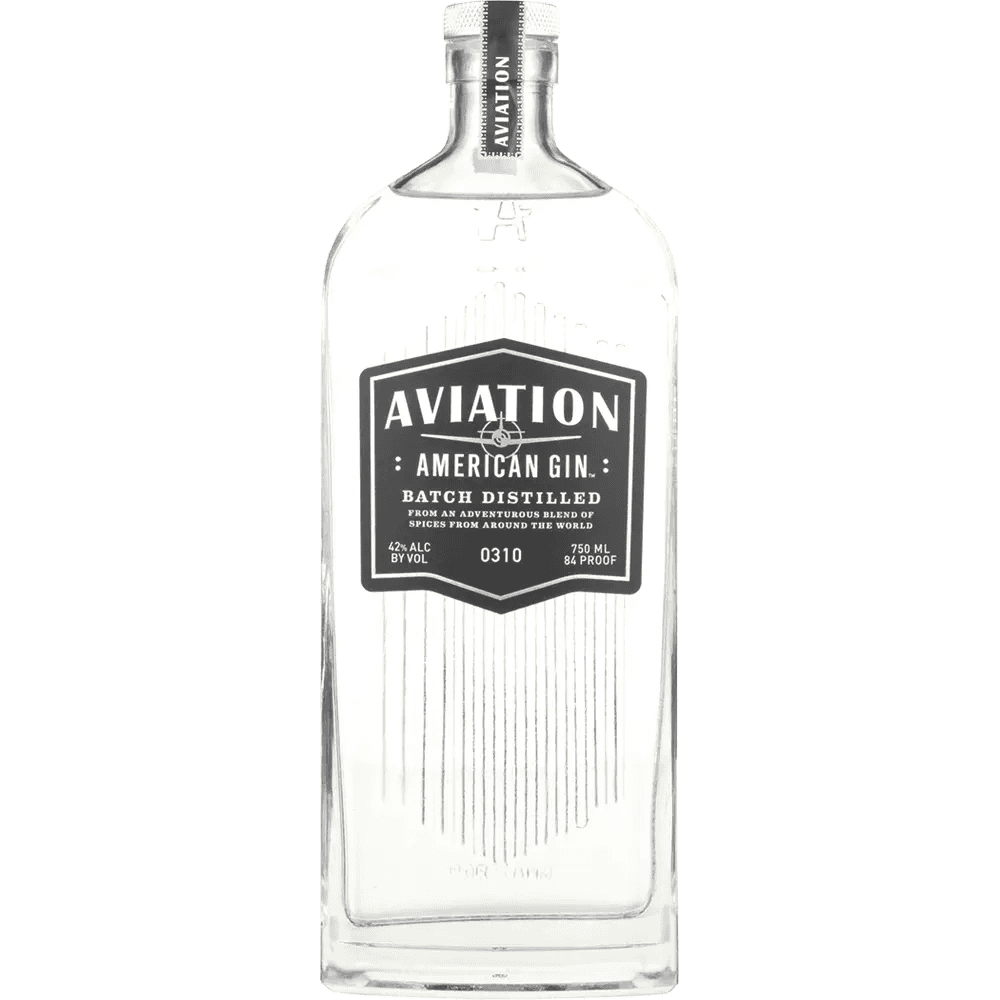
Aviation American Gin
Diageo
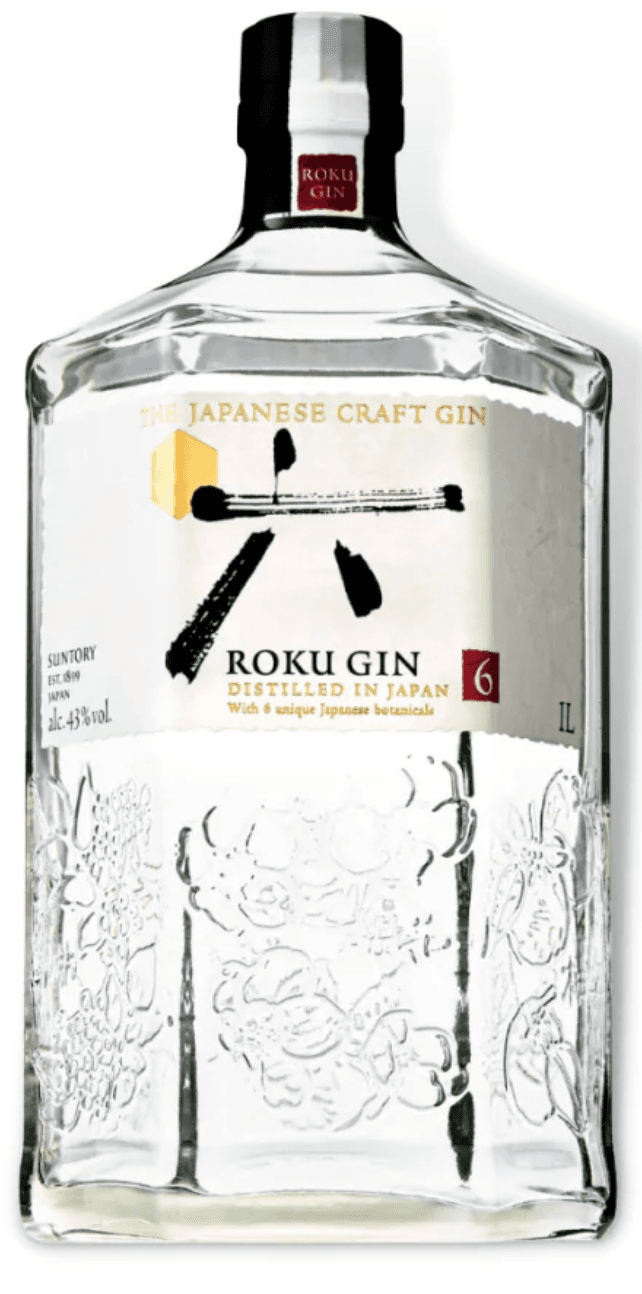
Roku Japanese Craft Gin
Beam Suntory (Suntory Spirits, est. 1899)
Roku means 'six' in Japanese, and those six native botanicals — sakura flower, sakura leaf, yuzu, sencha, gyokuro, and sansho pepper — are what elevate this gin from competent to contemplative. Suntory harvests each botanical at its peak season, meaning the production cycle spans an entire year before blending even begins. Each botanical group is then distilled separately in different still types to extract its optimal character. It's the Japanese philosophy of monozukuri — the art of making things with care and patience — applied to gin. The result is a spirit where East meets West in genuine harmony: the juniper backbone is clearly there, but the yuzu, tea, and sakura create a flavor profile unlike any Western gin. At under $35, Roku offers a masterclass in how patience in production translates to complexity in the glass.