Aroma
Floral (Rose)
105 bottles with this note
Train this aroma
Wine Aroma Kit
Develop your palate with the canonical reference for floral (rose) and related notes.

Domaine des Huards Cour-Cheverny AOC Romo 2023
Domaine des Huards
Cour-Cheverny is the only AOC in France dedicated to the ancient Romorantin grape, and Domaine des Huards is its finest ambassador. This is a wine of place — the chalky soils and continental climate write themselves into every glass. If you've never tried Romorantin, this is where to start.

Domaine Weinbach Riesling Grand Cru Furstentum 2022
Domaine Weinbach
The Faller family's Grand Cru Furstentum Riesling showcases one of Alsace's warmest and most powerful sites, yet the 2022 vintage maintains stunning freshness. This is Riesling at its most complete — aromatic, textured, mineral, and built for the table.

Domaine de la Côte Pinot Noir Estates 2021
Domaine de la Côte
Rajat Parr and Sashi Moorman's estate-wide blend offers a window into their meticulous Sta. Rita Hills farming without the single-vineyard price tag. It drinks like Burgundy in its restraint and transparency, proving that California Pinot Noir can whisper rather than shout.

Pietradolce Etna Rosso DOC 2021
Pietradolce
Pietradolce farms some of the highest vineyards on Etna's north slope, and this entry-level Rosso punches well above its price. Nerello Mascalese shows its best here — transparent, mineral-driven, alive with tension. It's a red wine that feels like it was drawn from the rock itself.

Fattoria di Selvapiana Chianti Rufina Riserva Vigneto Bucerchiale 2019
Fattoria Selvapiana
A quietly serious Chianti Rufina that trades power for poise; drinking well now with an hour in the decanter, but built for a decade or more in the cellar.

Selbach-Oster Zeltinger Schlossberg Riesling Kabinett Trocken 2022
Selbach-Oster
A compelling case for dry Mosel Kabinett — featherweight in alcohol yet dense with terroir, transforming a category long defined by residual sugar into something bracingly linear.

Domaine de la Côte Pinot Noir La Côte 2021
Domaine de la Côte
Rajat Parr and Sashi Moorman's estate bottling draws from all their Sta. Rita Hills vineyards, and it captures the region's tension between fruit and mineral with remarkable clarity. The threshold in this wine is between fruit-driven California Pinot and something more Burgundian — you feel the tug in both directions. Drink it slightly cool for maximum effect.

Graci Etna Rosso DOC 2021
Graci
Alberto Ferrandes Ferrandes Ferrandes Graci's estate sits on Mount Etna's north face, where centenary ungrafted Nerello Mascalese vines grow in black volcanic sand. This is a wine that tastes like its place — electric, mineral, alive. The heat of the volcano is in every glass.

Daffy's Small Batch Highland Gin
Daffy's
Daffy's is a juniper-forward gin that respects the classical London Dry template while incorporating Lebanese mint and coriander for subtle distinction. The distillery uses a single-shot method, meaning no dilution of the distillate, which results in a gin with notable intensity and purity. At 43.2%, it has enough structure to hold its own in a Martini without becoming invisible.

Sottimano Barbaresco Currà DOCG 2020
Sottimano
Sottimano's Currà vineyard sits on the steep hills of Neive, and the 2020 vintage gave wines of concentration and poise. This Barbaresco balances power with precision — the Nebbiolo tannins are present but polished, and the floral aromatics lift what could easily be a brooding wine. Drink now through 2035.

Movia Lunar Ribolla 2022
Movia
A masterclass in controlled wildness: ancient technique yielding a wine that is simultaneously primal and polished — the definition of opposites in harmony.

Domaine du Vissoux Moulin-à-Vent Les Trois Roches 2022
Domaine du Vissoux
Pierre-Marie Chermette's Les Trois Roches is Gamay at its most serious — a Moulin-à-Vent that demonstrates why this cru has historically been compared to Burgundy. The 2022 vintage delivers concentration without sacrificing the energy and transparency that define great Beaujolais.

Whitley Neill Quince Gin
Whitley Neill
Whitley Neill Quince finds an unusual but effective botanical focus. The quince doesn't overpower the gin's foundations — instead, it introduces a tannic fruit complexity that plays well with juniper and spice, creating something genuinely different without gimmickry.

Domaine Weinbach Riesling Cuvée Colette 2023
Domaine Weinbach
Named for Colette Faller, who shaped Weinbach into one of Alsace's greatest estates, this cuvée embodies the family's philosophy of minimal intervention and maximum terroir expression. The 2023 vintage delivered ideal ripeness with retained acidity, creating a Riesling of rare balance. It's a wine that demands attention and repays it generously.

Girolamo Russo Etna Rosso 'a Rina 2021
Girolamo Russo
Girolamo Russo is among the finest interpreters of Etna's Nerello Mascalese, and 'a Rina captures the north slope's unique combination of altitude, volcanic soil, and old-vine intensity. This is Burgundian in structure but unmistakably Sicilian in soul — a wine shaped by difficulty, grown in soil that resists easy cultivation.

Sipsmith Sloe Gin
Sipsmith
Sipsmith's sloe gin proves that this traditional British style deserves a place alongside serious spirits. The key is restraint — enough sugar to round the sloe's natural astringency, but not so much that you lose the juniper backbone of the base gin. This is a bottle that bridges the gap between aperitif and after-dinner pour.

Radikon Slatnik 2022
Radikon
An accessible entry point into Radikon's uncompromising vision — proof that raw, patient decisions in the cellar yield wines of extraordinary depth and honesty.

Domaine Weinbach Pinot Blanc Réserve 2023
Domaine Weinbach
Weinbach's Pinot Blanc Réserve is one of Alsace's great quiet achievements — a wine that rarely makes headlines but consistently delivers more complexity and pleasure than most bottles at twice the price. The 2023 vintage brings exceptional freshness and precision. It's a reminder that Pinot Blanc in the right hands can rival many a Burgundy blanc for sheer drinkability.

Tenuta delle Terre Nere Etna Rosso DOC 2021
Tenuta delle Terre Nere
Marc de Grazia's estate wines from Etna's northern slopes have done more than almost anyone to redefine Sicilian wine's identity. This base Etna Rosso—from vines at 600–900 meters on volcanic soil—delivers a clarity of fruit and terroir that many wines at three times the price can't match. Nerello Mascalese proves once again it belongs in the conversation with Nebbiolo and Pinot Noir.

Domaine de la Mordorée Tavel Rosé La Dame Rousse 2022
Domaine de la Mordorée
Tavel is the only French appellation dedicated exclusively to rosé, and Mordorée's La Dame Rousse shows why it deserves a seat at the serious wine table. This isn't a poolside sipper — it's a structured, gastronomic rosé with the weight and complexity of a light red. Pair it with grilled meats or Mediterranean fare and it will surprise anyone who underestimates pink wine.

Domaine de la Taille aux Loups Vouvray Sec 2023
Domaine de la Taille aux Loups
Jacky Blot's Vouvray Sec delivers the crystalline purity and tension that Chenin Blanc achieves in the Loire's tufa-rich soils. The 2023 vintage offers beautiful freshness with enough weight to pair with food or sip contemplatively. It is Loire Chenin at its most honest — nothing added, nothing hidden.

Marcel Lapierre Regnié 2022
Domaine Marcel Lapierre
The Lapierre family pioneered natural winemaking in Beaujolais, and their Regnié bottling is a pure expression of that philosophy — no added sulfur, no commercial yeast, no new oak. It's a wine defined by what it refuses to include. The result is Gamay at its most transparent, a wine that tastes like the granite hillside it came from.

Tobermory Hebridean Gin
Tobermory
Tobermory is better known for its whisky, but this gin — distilled using botanicals foraged on Mull — deserves attention on its own terms. The juniper-forward profile places it firmly in the classic dry tradition, while the Hebridean botanicals add a wild, windswept character you won't find elsewhere. Excellent in a martini or G&T with a good tonic.

Domaine Comte Georges de Vogüé Chambolle-Musigny 2021
Domaine Comte Georges de Vogüé
Vogüé's village-level Chambolle routinely outperforms many producers' premier crus. The 2021 vintage delivered freshness and definition, and this estate's old-vine fruit — much of it declassified from grand cru parcels — gives this wine a depth that belies its appellation. It's the kind of Burgundy that makes the whole category make sense.

Clos Cibonne Côtes de Provence Tibouren Rosé 'Tentations' 2023
Clos Cibonne
Clos Cibonne is best known for its singular Tibouren rosés, but this white bottling from their maritime vineyards deserves attention on its own merits. The salt-tinged minerality and restrained fruit profile make it a natural companion for seafood, while the textural finesse shows careful winemaking. A coastal white in the truest sense.

Domaine Josmeyer Riesling Les Pierrets 2023
Domaine Josmeyer
Josmeyer's Les Pierrets vineyard produces a Riesling of crystalline purity, the kind of white wine that makes you reconsider everything you thought about Alsatian richness. The 2023 vintage brings a taut, energetic acidity that will carry this wine for several years, but it drinks beautifully now with its bright fruit and stony backbone. A textbook warm-vintage Alsatian Riesling.

Domaine Trimbach Gewürztraminer Alsace 2022
Trimbach
Trimbach's house style brings rigor to one of Alsace's most exuberant varieties. This Gewürztraminer has the aromatic intensity the grape demands, but the bone-dry finish and taut acidity keep it firmly on the food-friendly side. A benchmark for the varietal at an accessible price.

Cantine Ferrandes Ferrandes Rosso Cerasuolo di Vittoria DOCG 2021
Planeta
Planeta's Cerasuolo di Vittoria is a masterclass in Sicilian restraint. The Nero d'Avola and Frappato blend achieves a balance between richness and freshness that makes it endlessly drinkable. A serious wine that doesn't take itself too seriously.

Clos de la Roilette Fleurie 2022
Clos de la Roilette
Alain Coudert's Clos de la Roilette is one of Beaujolais's most consistent and compelling producers, and the 2022 vintage delivers the quintessence of Fleurie — it's the cru that earned its name from flowers. This is Gamay without pretense, a wine that demands nothing but a glass and a moment. Serve it slightly cool.

Domaine Weinbach Pinot Noir Réserve 2022
Domaine Weinbach
Alsatian Pinot Noir rarely gets its due, overshadowed by the region's legendary whites. Domaine Weinbach's Réserve bottling makes a compelling case for reconsidering. It trades Burgundian weight for alpine precision, delivering a red that is at once serious and refreshing — a natural pairing for a summer holiday table.

Trediberri Barolo DOCG 2019
Trediberri
Trediberri represents a new generation of Barolo — respectful of tradition but willing to bottle with less extraction and shorter maceration, letting the vintage and vineyard define the wine. The 2019 is precise, energetic, and remarkably accessible for young Barolo without sacrificing any aging potential.

Audemus Pink Pepper Gin
Audemus
Audemus approaches gin-making with a Cognac distiller's patience, using individual botanical macerations and vacuum distillation to capture precise flavors. The pink pepper is the star, but it's the supporting cast—restrained juniper, floral notes, earthy angelica—that makes this gin genuinely compelling. A bartender's gin that also stands tall on its own.

Domaine Weinbach Riesling Réserve Personnelle 2023
Domaine Weinbach
The Réserve Personnelle is Weinbach's calling card — a wine that captures the Clos des Capucins terroir with clarity and restraint. The 2023 vintage delivers the crystalline precision that makes Alsatian Riesling one of the world's great white wine styles. Hand-harvested, hand-sorted, and vinified with minimal intervention, it's a pure expression of place and practice.

G.D. Vajra Barolo Albe DOCG 2019
G.D. Vajra
Vajra's Albe bottling is the entry point to the estate's Barolo range, sourced from younger vines across multiple village plots. It delivers textbook Nebbiolo character — roses, tar, cherry — at a price that makes it one of the best introductions to Barolo available. Give it a thirty-minute decant and watch it bloom.

Kirkjuvagr Orkney Gin
Kirkjuvagr
An assertive, terroir-driven Orkney gin that wears its harsh North Atlantic origins proudly — beautifully balanced between traditional juniper backbone and the foraged botanicals of a windswept archipelago.

Passopisciaro Contrada G Terre Siciliane IGT 2021
Passopisciaro
Andrea Franchetti's Passopisciaro project maps Etna's north face contrada by contrada, and Guardiola (G) consistently delivers some of the estate's most expressive wines. The Nerello Mascalese grown in these volcanic soils produces a wine that can feel almost Burgundian in its transparency—but the mineral intensity is purely Sicilian.

Donnhoff Oberhäuser Brücke Riesling Kabinett 2023
Dönnhoff
Cornelius Dönnhoff continues his family's tradition of making some of the Nahe's most site-specific Rieslings, and the Oberhäuser Brücke vineyard—with its steep slate terraces above the river—consistently produces Kabinett of exceptional purity. This is German Riesling at its most transparent: low alcohol, high tension, and a mineral signature that can't be faked.

Musgrave Copper Gin
Musgrave
Musgrave Copper Gin is a South African craft expression that leans into juniper and spice rather than chasing the contemporary citrus-bomb trend. Its slight roughness — that peppery, resinous quality — makes it a gin with real backbone. Excellent in a Negroni where its structure can stand up to Campari and vermouth.

Cascina degli Ulivi Nibiô Terre Bianche Monferrato Rosso DOC 2020
Cascina degli Ulivi
An honest, unvarnished expression of Dolcetto Nibiô that trades polish for soul — a wine that celebrates its quirks rather than hiding them.

Kuentz-Bas Alsace Riesling Grand Cru Pfersigberg 2022
Kuentz-Bas
Kuentz-Bas has quietly produced exceptional Alsatian wines since 1795, and this Grand Cru Riesling from the south-facing Pfersigberg vineyard is a compelling argument for the house's patience and precision. Dry, taut, and deeply mineral, it is Riesling that asks you to wait — give it thirty minutes of air, or better yet, a year or two in your cellar, and it will repay you generously.

Tenuta delle Terre Nere Etna Rosso San Lorenzo 2021
Tenuta delle Terre Nere
Marc de Grazia's Terre Nere estate produces some of Etna's most expressive contrada wines, and San Lorenzo is a standout: old Nerello Mascalese vines rooted in ancient lava flows deliver a wine of rare transparency. This is not fruit-driven in the obvious sense — it is terroir speaking through fruit. Think Burgundy by way of a volcano.

Domaine de la Côte Pinot Noir Sola Tierra 2021
Domaine de la Côte
Rajat Parr and Sashi Moorman's Sola Tierra block sits on diatomaceous earth soils that produce some of the most transparent Pinot Noir in California. This is a wine of direction rather than power — it knows exactly where it's going and arrives with grace. If you're still looking for California Pinot that can stand alongside Burgundy Premier Cru, start here.

Domaine Vacheron Sancerre Blanc Les Romains 2023
Domaine Vacheron
Jean-Dominique and Laurent Vacheron farm biodynamically, and the results show in this parcel-specific bottling from silex soils. Les Romains consistently delivers one of the most mineral-driven, terroir-transparent Sancerres available. This is Sauvignon Blanc as intellectual exercise — precise, vital, and deeply satisfying.

Domaine Francois Chidaine Montlouis-sur-Loire Clos du Breuil 2023
Domaine François Chidaine
Chidaine's Clos du Breuil is Chenin Blanc at its most electric. The 2023 vintage captures the variety's unique ability to be simultaneously generous and austere. Biodynamic farming and meticulous cellar work yield a wine of startling clarity — this is the space between sips made literal, a wine that's always arriving, never quite finished revealing itself.

Domaine Gramenon Côtes du Rhône La Sierra du Sud 2022
Domaine Gramenon
Gramenon's La Sierra du Sud is a benchmark for what natural, biodynamic Rhône winemaking can achieve — purity of fruit without artifice. Michèle Aubéry-Laurent farms old-vine Grenache with obsessive care, and the wine reflects that direct connection between hand and vine. A serious Côtes du Rhône that overdelivers.

Inverroche Classic Gin
Inverroche
Inverroche Classic demonstrates that terroir is not limited to wine. The wild fynbos botanicals hand-foraged from the Cape coastline give this gin a genuinely unique aromatic fingerprint. It is simultaneously familiar enough for a juniper-focused gin drinker and distinctive enough to reward close attention.

Graci Etna Bianco Arcurìa 2022
Graci
A vivid expression of high-elevation Carricante — austere, lifted, and built for the cellar.

Domaine Gramenon Côtes du Rhône La Mémé 2022
Domaine Gramenon
Old-vine Grenache from Montbrison, farmed biodynamically since before it was fashionable. Michèle Aubéry-Laurent's wines consistently punch above their appellation. La Mémé — named for her grandmother — is a generous, honest Southern Rhône red that captures the stony, wind-swept terroir without manipulation.

Domaine Vincent Dauvissat Chablis 2022
Domaine Vincent Dauvissat
Dauvissat's village-level Chablis drinks like a wine well above its station. The meticulous viticulture and restrained winemaking let the Kimmeridgian terroir speak clearly — chalky, mineral-driven, and absolutely alive. This is Chablis with nothing to hide.

Domaine Dujac Morey-Saint-Denis Rouge 2021
Domaine Dujac
Dujac's village-level Morey-Saint-Denis punches well above its classification, drawing from parcels across the commune to create a wine of real refinement. The 2021 vintage provided cool-climate precision that this domaine channels beautifully — the fruit is pure, the structure is present but never aggressive, and the terroir speaks clearly. A wine that asks you to slow down and listen.

Benanti Serra della Contessa Etna Rosso DOC 2020
Benanti
Serra della Contessa is Benanti's flagship single-vineyard Etna Rosso, sourced from pre-phylloxera Nerello Mascalese vines at 900 meters on the volcano's northern slope. The 2020 vintage captures the tension between volcanic power and Burgundian finesse that makes Etna one of Italy's most compelling regions. This is a wine that will evolve beautifully over the next decade.

Domaine Skouras Moscofilero 2023
Domaine Skouras
Moscofilero is one of Greece's most distinctive white grapes, and Skouras' version is a textbook expression — aromatic, lively, and bone-dry. The high-altitude Mantinia plateau gives the wine a nerviness that keeps it energized despite its gentle body. An ideal warm-weather pour that punches well above its price.

Domaine Bousquet Torrontés Reserve 2023
Domaine Bousquet
Torrontés is Argentina's signature white grape, and Domaine Bousquet's high-altitude vineyards in the Uco Valley give it a razor-sharp acidity that balances its naturally exuberant aromatics. This 2023 is a varietal showcase—every sip announces the grape before the place.

Telmo Rodríguez Pegaso Granito 2019
Telmo Rodríguez
Telmo Rodríguez's work in the Sierra de Gredos has been instrumental in reviving old-vine Garnacha from mountain plots above 1,000 meters. The granite soils — and the snowmelt that courses through them — give Pegaso a crystalline purity that separates it from warmer-climate Garnacha. This is a wine defined by its water source as much as its grape.

Marjan Simčič Ribolla Gialla Cru Selekcija 2022
Marjan Simčič
A masterclass in how transition — from grape to skin-contact maceration to extended élevage — can completely reshape what we expect from a white wine. Cerebral, ancient-feeling, and deeply rewarding.

Brovia Barolo Rocche di Castiglione DOCG 2019
Brovia
Brovia farms some of the most prized crus in Barolo, and Rocche di Castiglione consistently delivers one of their most structured wines. The 2019 vintage brought warmth and concentration, but the vineyard's limestone-clay soils held the tension, producing a wine of power and elegance in equal measure. This is Nebbiolo that rewards decanting and patience.

Domaine Huet Vouvray Le Haut-Lieu Demi-Sec 2022
Domaine Huet
Huet's Le Haut-Lieu demi-sec is a masterclass in controlled sweetness. The biodynamically farmed Chenin Blanc grapes achieve remarkable ripeness on the tuffeau limestone soils, but the winemaking team arrests fermentation at precisely the moment where sugar and acid achieve equilibrium. This is a wine about the ledge between richness and restraint — and it never falls.

Gin Mare Capri
Gin Mare
A graceful, sun-drenched gin that prizes finesse over botanical fireworks — bergamot is the star, and it shines without ever raising its voice. Essential for the Mediterranean-leaning bar.

Berliner Brandstifter Berlin Dry Gin
Berliner Brandstifter
Berliner Brandstifter uses an all-organic wheat base and a restrained botanical bill that favors Berlin's urban terroir — elderflower and woodruff among them. The result is a gin that's both classical in structure and distinctly Central European in personality. It rewards drinking neat as much as it does in a well-made Martini.

Domaine Marcel Lapierre Morgon 2022
Domaine Marcel Lapierre
Lapierre practically invented the modern natural wine movement in Beaujolais, but this isn't a philosophy bottle — it's just a great wine. The 2022 shows the Côte du Py terroir with transparency and verve. It tastes like Gamay at its most honest, which is exactly the point.

Domaine Leflaive Bourgogne Blanc 2022
Domaine Leflaive
This is what overflow fruit from some of Burgundy's greatest Chardonnay vineyards tastes like in the hands of a biodynamic master. Domaine Leflaive's Bourgogne Blanc routinely outperforms wines at twice its price. It's a lesson in what terroir and discipline can achieve at the most humble appellation level.

Domaine Weinbach Riesling Grand Cru Mambourg 2021
Domaine Weinbach
Mambourg is one of Alsace's warmest grand cru sites, and in lesser hands it can produce blowsy, overripe Riesling. Weinbach navigates this risk flawlessly. The wine is rich but never heavy, complex but immediately readable — a blind stitch of winemaking, where the difficulty is hidden inside the pleasure.

Domaine Bott-Geyl Gewürztraminer Furstentum Grand Cru 2021
Domaine Bott-Geyl
Jean-Christophe Bott farms biodynamically and vinifies with minimal intervention, and the result on Furstentum's south-facing slopes is a Gewürztraminer of real structure and complexity. The 2021 vintage delivers the variety's aromatic exuberance while maintaining the acid backbone that separates serious Alsace from the merely sweet.

Domaine Weinbach Gewürztraminer Cuvée Théo 2022
Domaine Weinbach
Cuvée Théo honors the late Théo Faller who shaped modern Domaine Weinbach, and it embodies his philosophy: let the terroir speak, but give it time to gather its voice. This is Gewürztraminer without the caricature — aromatic power held in check by the Clos des Capucins' exceptional soils. It demonstrates that the grape's expressiveness, when grown with discipline, is a virtue rather than a flaw.

Domaine Josmeyer Riesling Grand Cru Brand 2021
Domaine Josmeyer
The Brand Grand Cru's granite terroir produces some of Alsace's most transparent Rieslings, and Josmeyer — farmed biodynamically since 2000 — lets that transparency shine. This is Riesling as geological survey: precise, layered, and utterly site-specific. A bottle worth cellaring for a decade or drinking now with focus.

Vietti Roero Arneis 2023
Vietti
Vietti's Roero Arneis showcases why this once-obscure Piedmontese grape has earned its own DOCG. The wine balances orchard fruit and mineral tension with real charm. It's serious enough to pair with food but refreshing enough to open on the porch.

Château de Beaucastel Châteauneuf-du-Pape Blanc Roussanne Vieilles Vignes 2021
Château de Beaucastel
This is one of the greatest white wines of the Southern Rhône, made from old-vine Roussanne that produces wines of almost Burgundian weight and complexity. It ages spectacularly — a decade or more — but is generous even young. An education in what white Châteauneuf-du-Pape can achieve.

Château Rayas Châteauneuf-du-Pape Rouge 2019
Château Rayas
Château Rayas defies everything you think you know about Châteauneuf-du-Pape. Made entirely from Grenache grown on sandy, north-facing plots, it achieves an elegance more commonly associated with Burgundy. This is one of the most singular red wines in the world — rare, expensive, and genuinely irreplaceable.

Domaine Vacheron Sancerre Blanc 2022
Domaine Vacheron
Domaine Vacheron consistently produces Sancerre that goes beyond the category's often one-dimensional reputation. The 2022 vintage is beautifully balanced — fruit-driven enough to enjoy young, mineral enough to age, and structured enough to pair with serious food. This is textbook Sauvignon Blanc from one of the appellation's finest growers.

Brockman's Orange Kiss Gin
Brockmans
Brockmans Orange Kiss takes the brand's fruit-forward philosophy and sharpens it around a single citrus theme. It's a gin that works brilliantly in a spritz but has enough botanical structure to stand up in a Martini variation. The lower proof keeps it sessionable without diluting the aromatics.

Elvio Cogno Barolo Ravera DOCG 2019
Elvio Cogno
The Ravera vineyard in Novello sits on marl and sandstone soils that tend to produce Barolos of elegance rather than raw power. Elvio Cogno's 2019 captures the warmth of the vintage without sacrificing the tension that makes great Nebbiolo so compelling. This will reward cellaring through 2035, but it is approachable now with a proper decant.

Domaine Zind-Humbrecht Riesling Rangen de Thann Grand Cru 2021
Domaine Zind-Humbrecht
Rangen de Thann is the southernmost and steepest grand cru in Alsace, its volcanic soils producing Rieslings of ferocious intensity. The 2021 vintage was cool and measured, yielding lower sugar levels that Olivier Humbrecht channeled into a wine of laser precision. This is Riesling stripped of all pretense — just rock, fruit, and the memory of a singular growing year.

Bodegas R. López de Heredia Viña Bosconia Reserva 2012
López de Heredia
López de Heredia releases wines only when they decide they're ready, and Viña Bosconia Reserva 2012 has spent years in the bodega's famous underground caves — a network of ancient cellars with stable temperatures and high humidity. The result is a wine that feels like it has already done the aging work for you. Open it and it's ready to converse.

Nordés Atlantic Galician Gin
Nordés
Nordés upends London Dry expectations by leading with Galician florals and Atlantic botanicals rather than juniper. Its Albariño grape base spirit lends a vinous roundness that sets it apart. Best explored in a simple gin and tonic with a grapefruit twist to let the terroir sing.

Perfume Trees Gin
Perfume Trees
Named for the Aglaia trees that once blanketed Hong Kong's hillsides, Perfume Trees Gin channels East Asian botanicals through an unmistakably London Dry framework. The result is precise, aromatic, and deeply refreshing. It bridges traditions without losing identity.

COS Cerasuolo di Vittoria Classico DOCG 2020
COS
COS was fermenting in buried terracotta amphorae before it became fashionable, and this Cerasuolo di Vittoria shows why the method endures. It's Sicily's only DOCG red expressed in its purest form — no oak distraction, just Nero d'Avola and Frappato in transparent conversation.

Dorothy Parker American Gin
New York Distilling Company
Named for the sharp-tongued literary wit, Dorothy Parker gin has the same quality: nothing wasted, everything deliberate. It bridges London dry structure with American botanical creativity, and at this price point, it over-delivers consistently.

Dingle Original Gin
Dingle
Dingle's gin captures the wild Atlantic hedgerows of Kerry without relying on novelty botanicals. The balance between classic juniper structure and softer floral elements makes it versatile — equally at home in a Martini or a G&T with a sprig of rosemary.

Domaine Marcel Deiss Pinot Gris 2021
Domaine Marcel Deiss
Jean-Michel Deiss's biodynamic approach in Alsace consistently produces wines that taste like place rather than variety. This Pinot Gris is rich yet disciplined — the sort of white that converts people who think they don't like Pinot Gris. Pair it with anything involving cream, mushrooms, or cured pork.

Produttori del Barbaresco Barbaresco DOCG 2020
Produttori del Barbaresco
This cooperative has been turning out benchmark Barbaresco since 1958, and their classico bottling remains one of Italian wine's great truths. It seems austere at first pour — give it thirty minutes or a carafe and it becomes a different wine entirely. Beneath the tannin lies genuine beauty.

Ableforth's Bathtub Gin
Ableforth's
Ableforth's Bathtub Gin is made by cold-compounding — infusing botanicals directly in the spirit rather than redistilling. The result is a gin with more body and color than typical London Drys, and an aromatic complexity that reveals itself slowly. It looks modest in its brown paper wrapper, but there's real craft underneath.

Domaine de la Côte Pinot Noir Bloom's Field 2021
Domaine de la Côte
Rajat Parr and Sashi Moorman's Domaine de la Côte is a study in cool-climate Pinot Noir at its most transparent. Bloom's Field, one of their single-vineyard parcels, produces wine of uncommon delicacy — fog-cooled fruit harvested in the quiet predawn hours to preserve acidity. This is Pinot Noir that disappears into elegance.
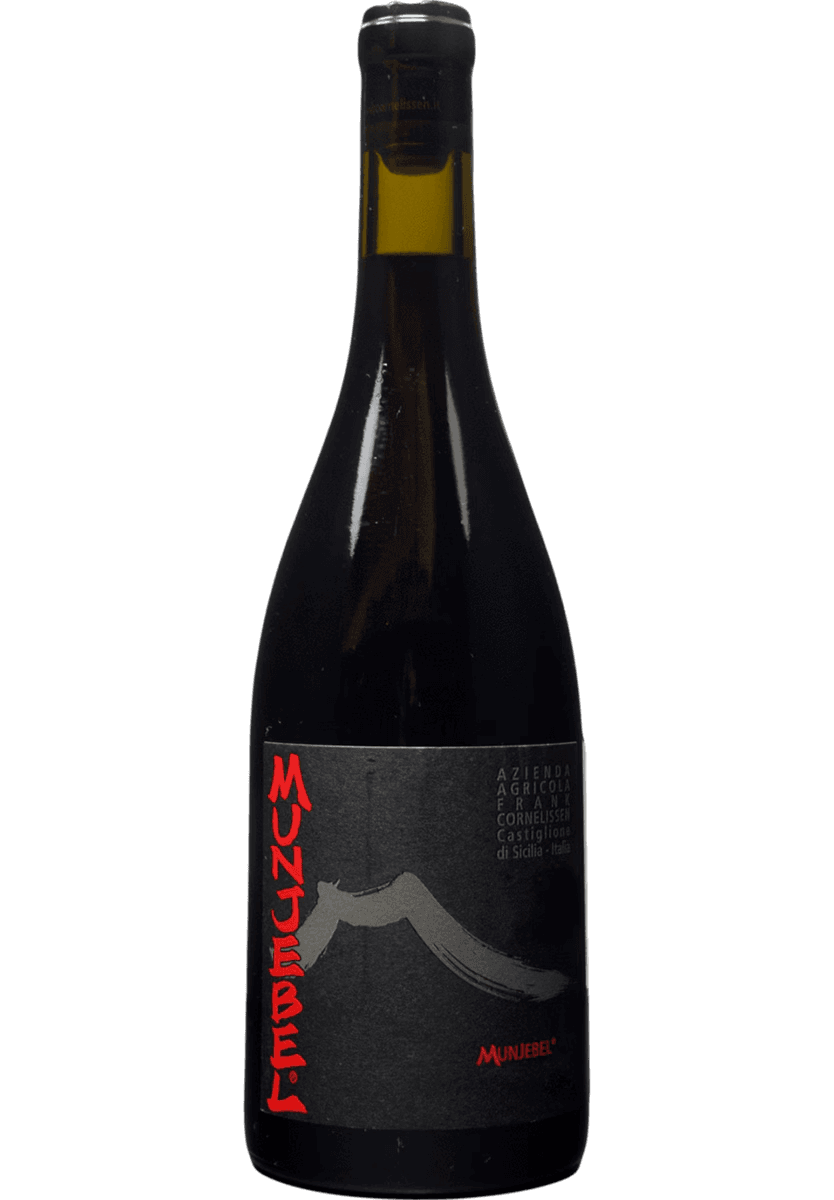
Frank Cornelissen Munjebel Rosso 2021
Azienda Agricola Frank Cornelissen
Cornelissen's thesis: transport the vineyard to the glass without adding or removing anything. Munjebel Rosso is fermented with native yeast in inert vessels, unfined, unfiltered, minimal SO₂.
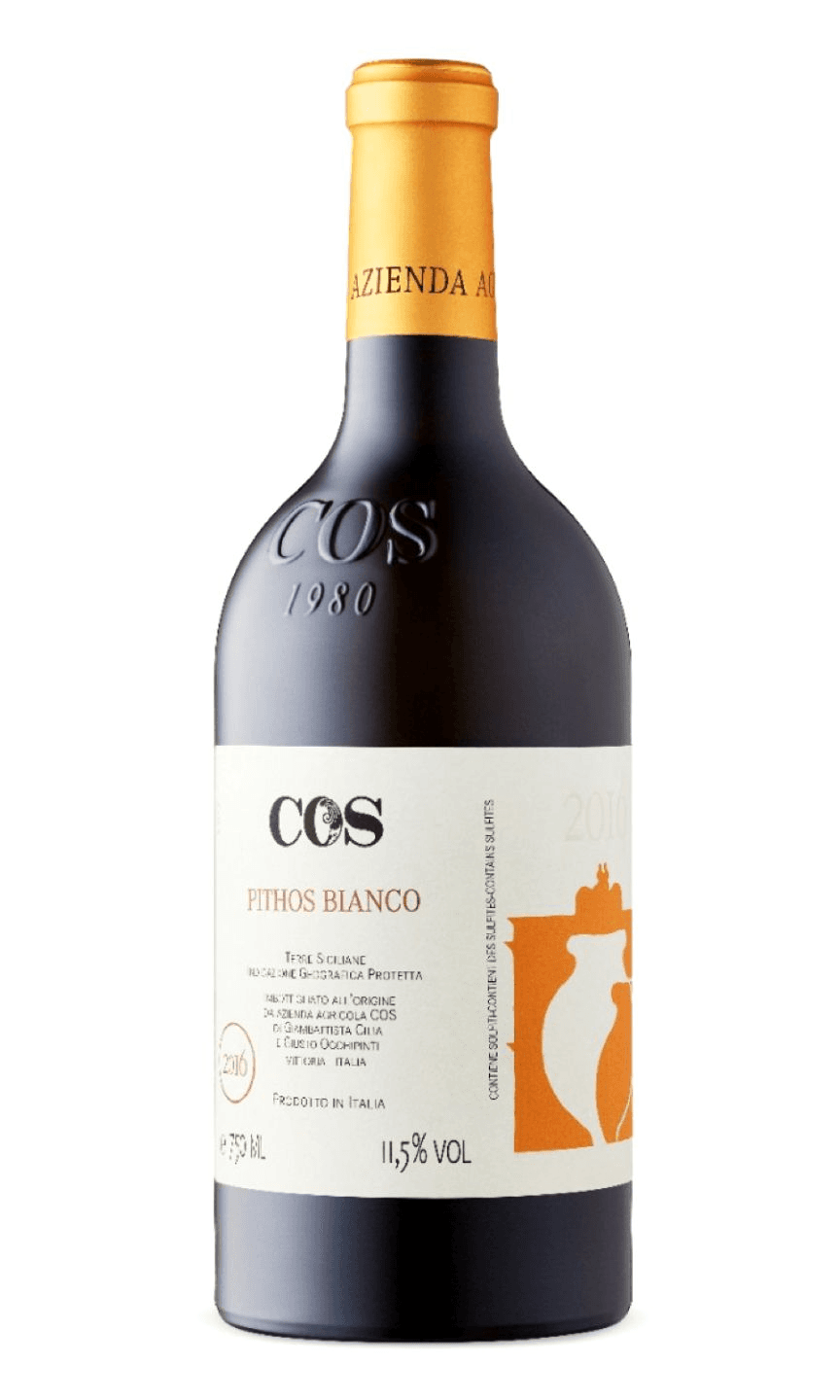
COS Pithos Bianco 2022
Azienda Agricola COS
COS Pithos Bianco is fermented and matured in buried terracotta amphorae — a Georgian-style technique predating stainless steel and oak barriques. 100% Grecanico translated through clay and skin contact.
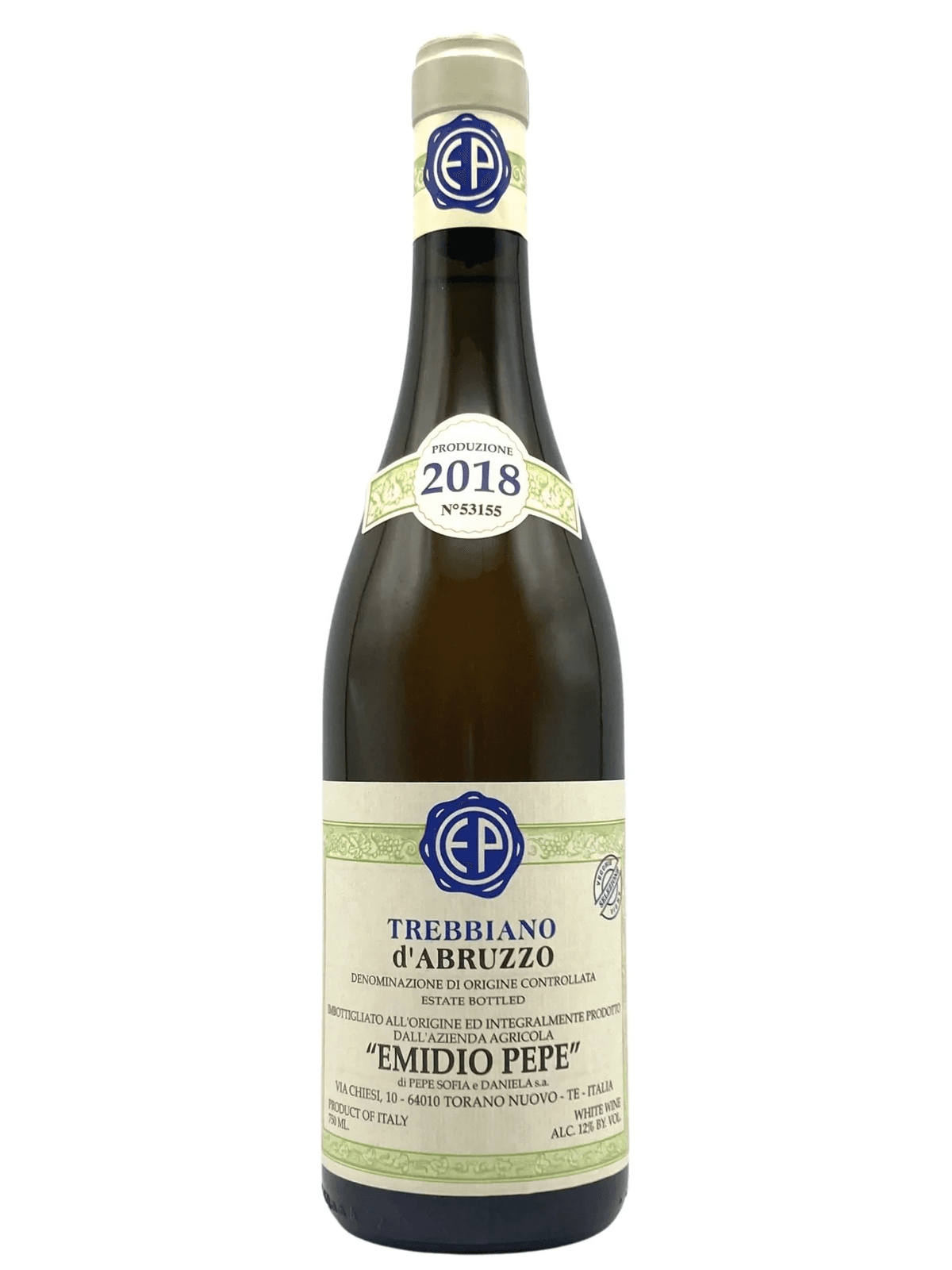
Emidio Pepe Trebbiano d’Abruzzo 2018
Azienda Agricola Emidio Pepe
Emidio Pepe’s Trebbiano is the ultimate argument that subtraction can be a catalyst. In a world where winemakers add cultured yeast, sulfur, enzymes, oak chips, and a dozen other interventions to control outcomes, Pepe removed them all — and produced a wine that consistently ranks among Italy’s finest whites. The 2018 vintage is extraordinary: the warmth of the year gave the Trebbiano grape a concentration it rarely achieves, while the cement-tank aging and bottle maturation added layers of honey, toasted almond, and waxy texture that make this taste nothing like the thin, neutral Trebbiano most people know. This is a wine that makes you reconsider what you thought you knew about a grape — and that reconsideration is Pepe’s greatest legacy.
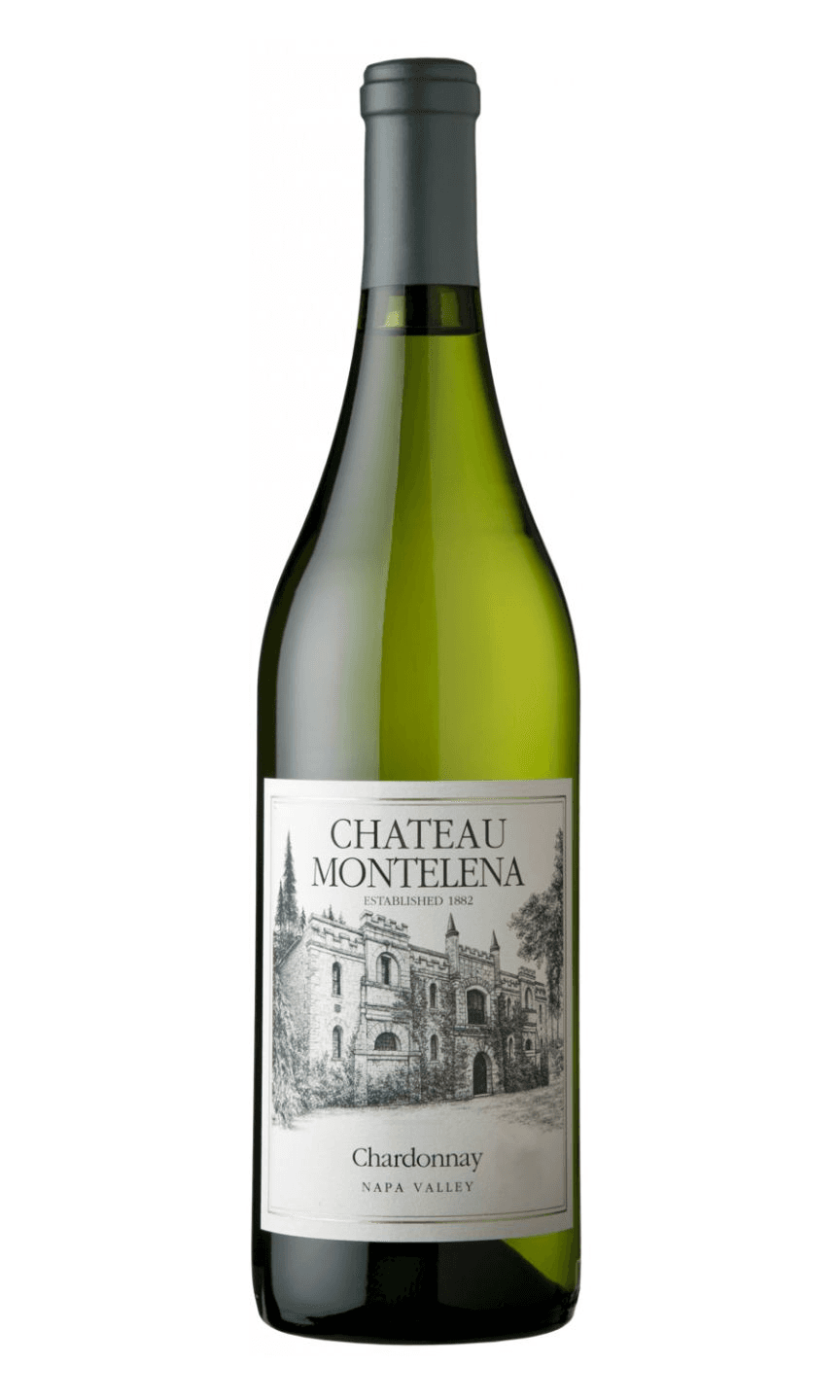
Château Montelena Chardonnay Napa Valley 2022
Château Montelena Winery (Barrett Family)
Château Montelena Chardonnay 2022 is the proving ground that changed the wine world — and then kept going. The 1976 Judgment of Paris proved that California could rival Burgundy; every vintage since has proved that the result was no accident. Under winemaker Matt Crafton, the 2022 continues Montelena's signature style: restrained, precise, and unapologetically built for purity over power. The blocked malolactic and early picking deliver a Chardonnay of exceptional freshness and focus — a wine that lets the fruit speak rather than the oak. For a house with a Smithsonian bottle to its name, that kind of quiet confidence is the most powerful statement of all. Cocktail — The Judgment Spritz: 4 oz Château Montelena Chardonnay, 1 oz elderflower liqueur, 2 oz sparkling water, squeeze of fresh lemon. Build in a wine glass over ice. Garnish with a lemon twist and a sprig of thyme. A light, elegant spritz that preserves the wine's delicate aromatics.
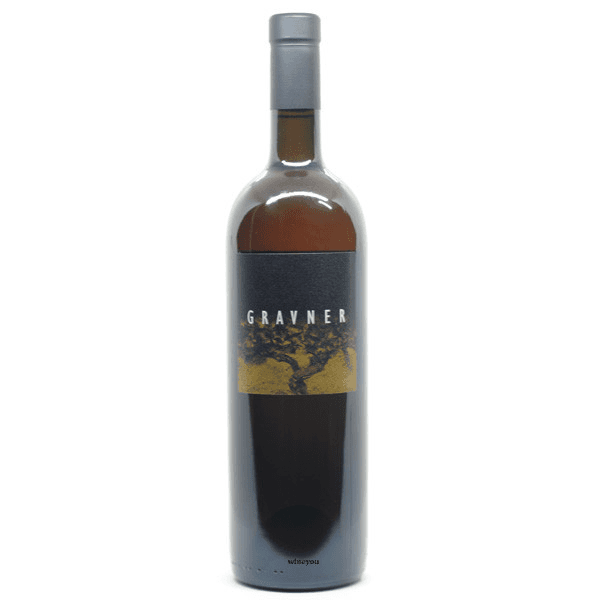
Gravner Ribolla Gialla 2015
Gravner
Gravner's experiment was the most radical in this lineup: he didn't tweak a process or add an ingredient — he threw away thirty years of modern winemaking and started over with seven-thousand-year-old technology. The Ribolla Gialla spends months on its skins in buried amphorae, developing a tannic structure and amber color that no conventional white wine possesses. Then it rests for six years in large oak before release. The result is a wine that defies categorization — not white, not red, not rosé, but something ancient and entirely its own. It proved that the oldest methods in winemaking weren't primitive — they were ahead of their time.
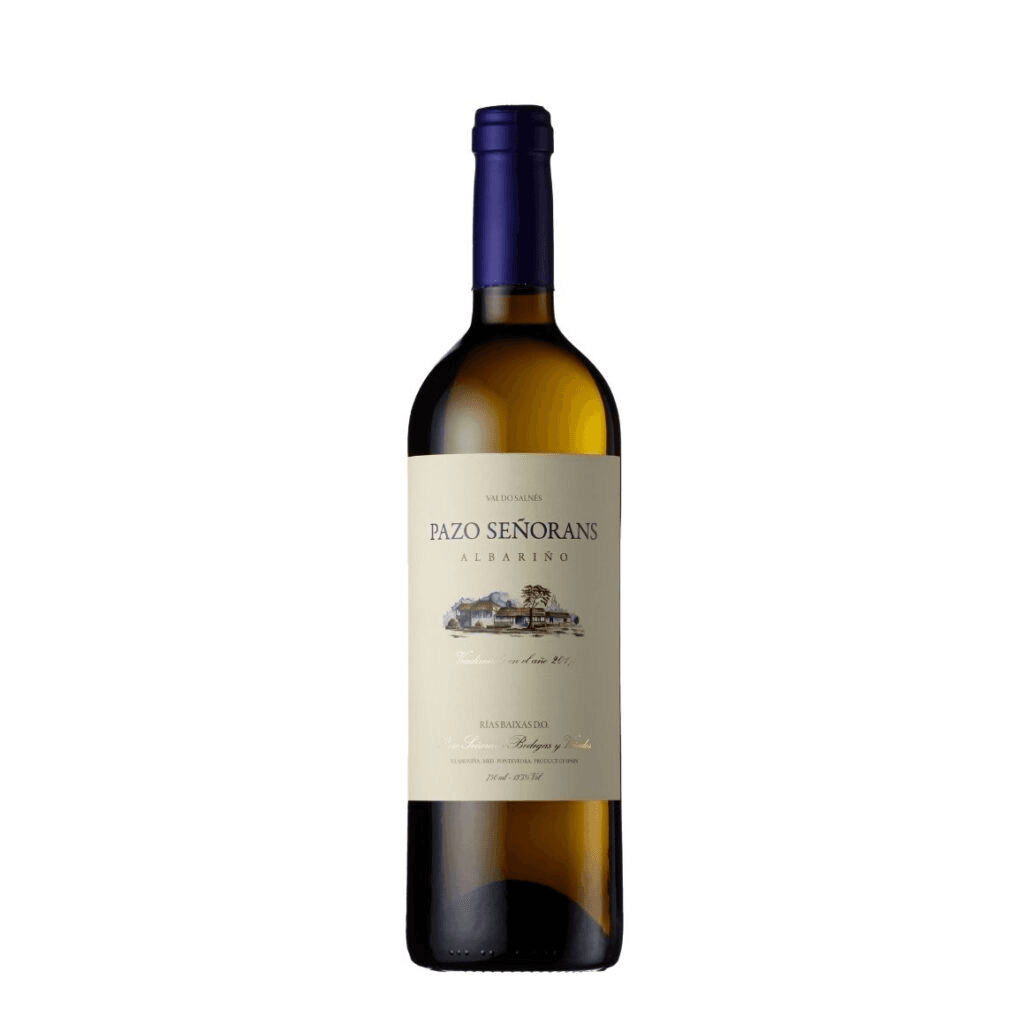
Pazo de Señorans Albariño 2022
Pazo de Señorans
Pazo de Señorans Albariño is the white wine that sommeliers pour for themselves. From a sixteenth-century manor in the Salnés Valley — the heart of Rías Baixas, where the Atlantic shapes every vine — this is Albariño at its most expressive.
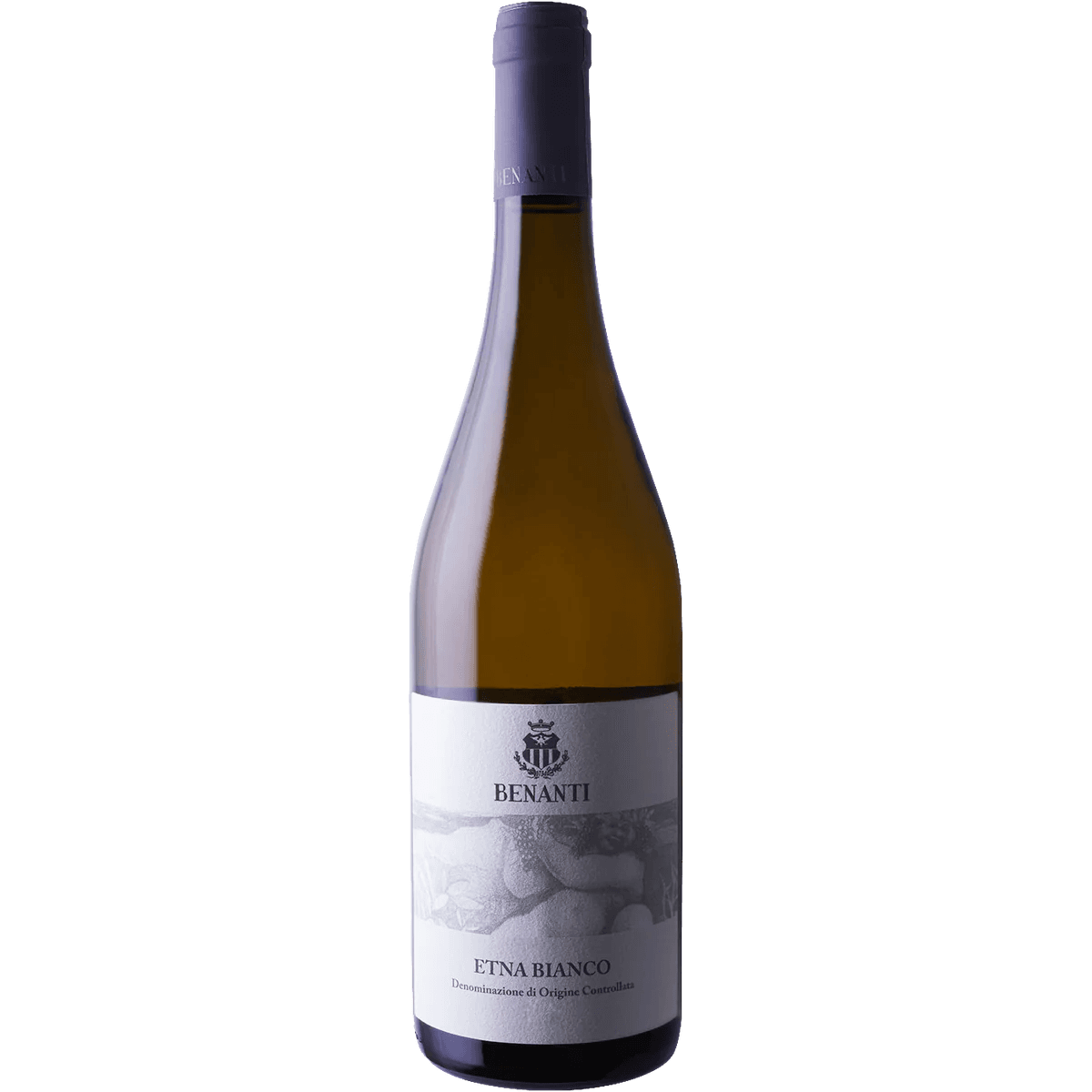
Benanti Etna Bianco 2022
Benanti Viticoltori
If fire built these eight bottles, then Benanti's Etna Bianco was built by the most patient fire of all — the volcanic eruptions that have been depositing mineral-rich ash and sand on the slopes of Mount Etna for thousands of years.
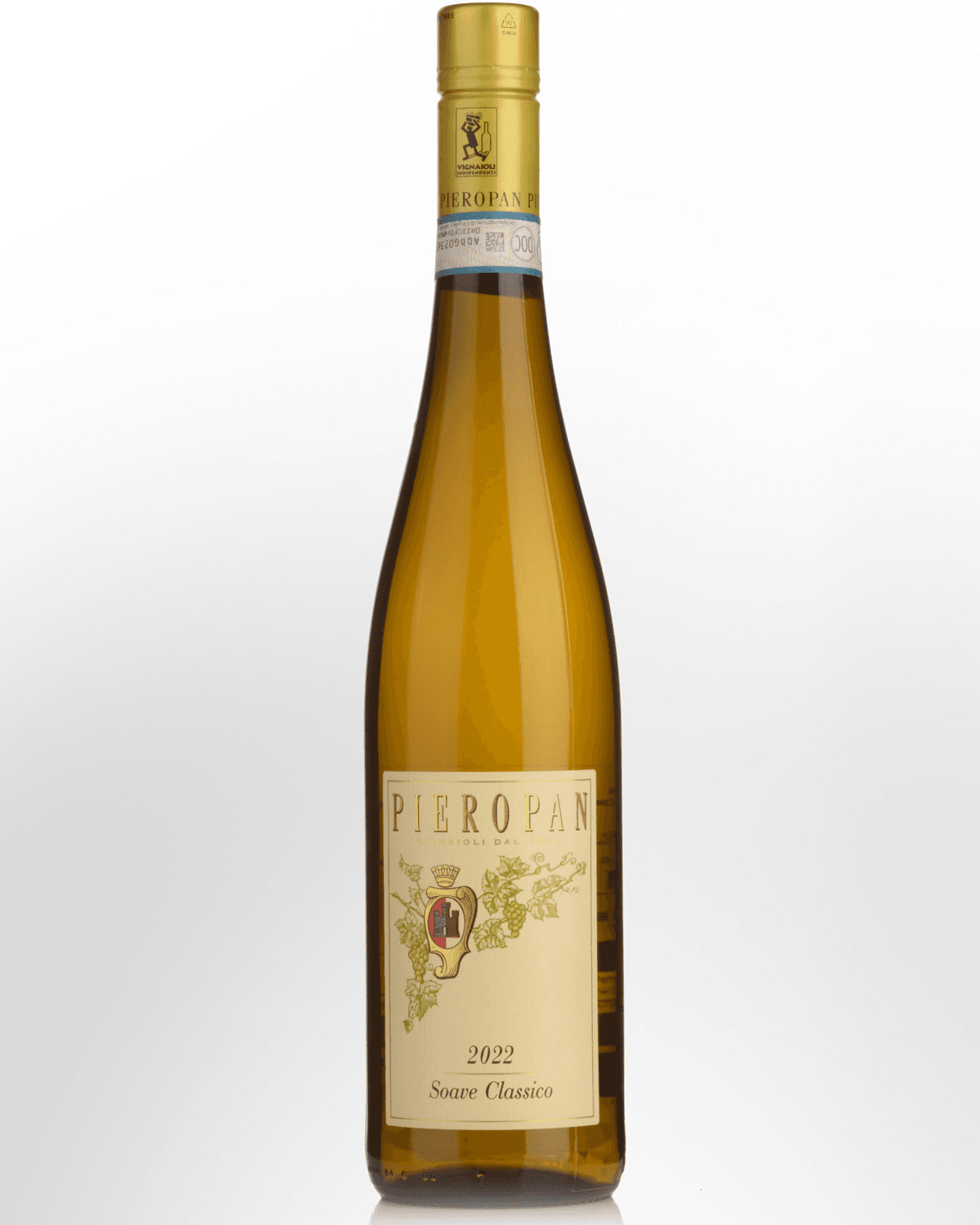
Pieropan Soave Classico 2022
Azienda Agricola Pieropan
Before Pieropan, Soave was a punchline — Nino Pieropan proved it could be world-class.
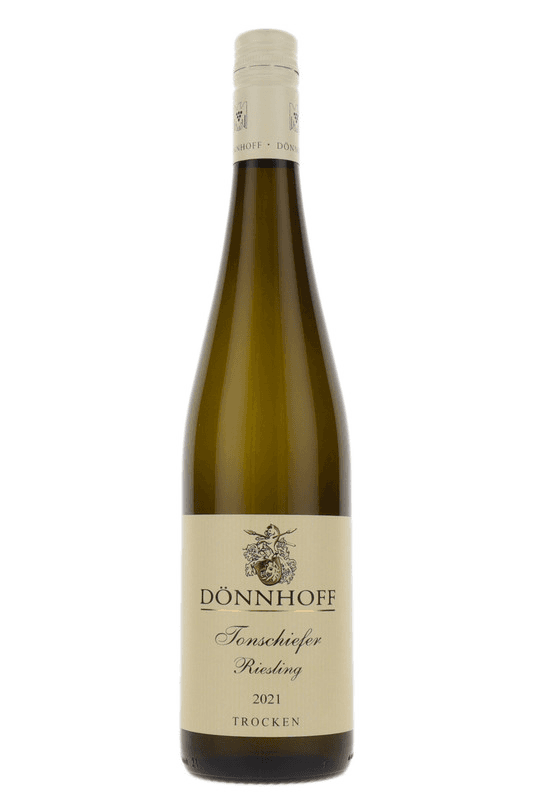
Dönnhoff Riesling Tonschiefer 2022
Weingut Dönnhoff (Family Estate)
Dönnhoff Tonschiefer — named for the Tonschiefer (clay slate) soils from which it springs — is proof that great wine architecture begins underground. While the world chases oak and extraction, the Dönnhoff family pursues the opposite: minimal intervention, indigenous yeasts, stainless steel, and the faith that if you farm well and get out of the way, the soil will speak. And speak it does. The slate minerality comes through as an electric current running beneath the fruit — green apple, citrus, white peach — giving the wine a tension and precision that oak could never provide. At under $35, this is one of the great bargains in fine wine: a pedigree estate Riesling with the kind of structural clarity that reveals more with every sip.
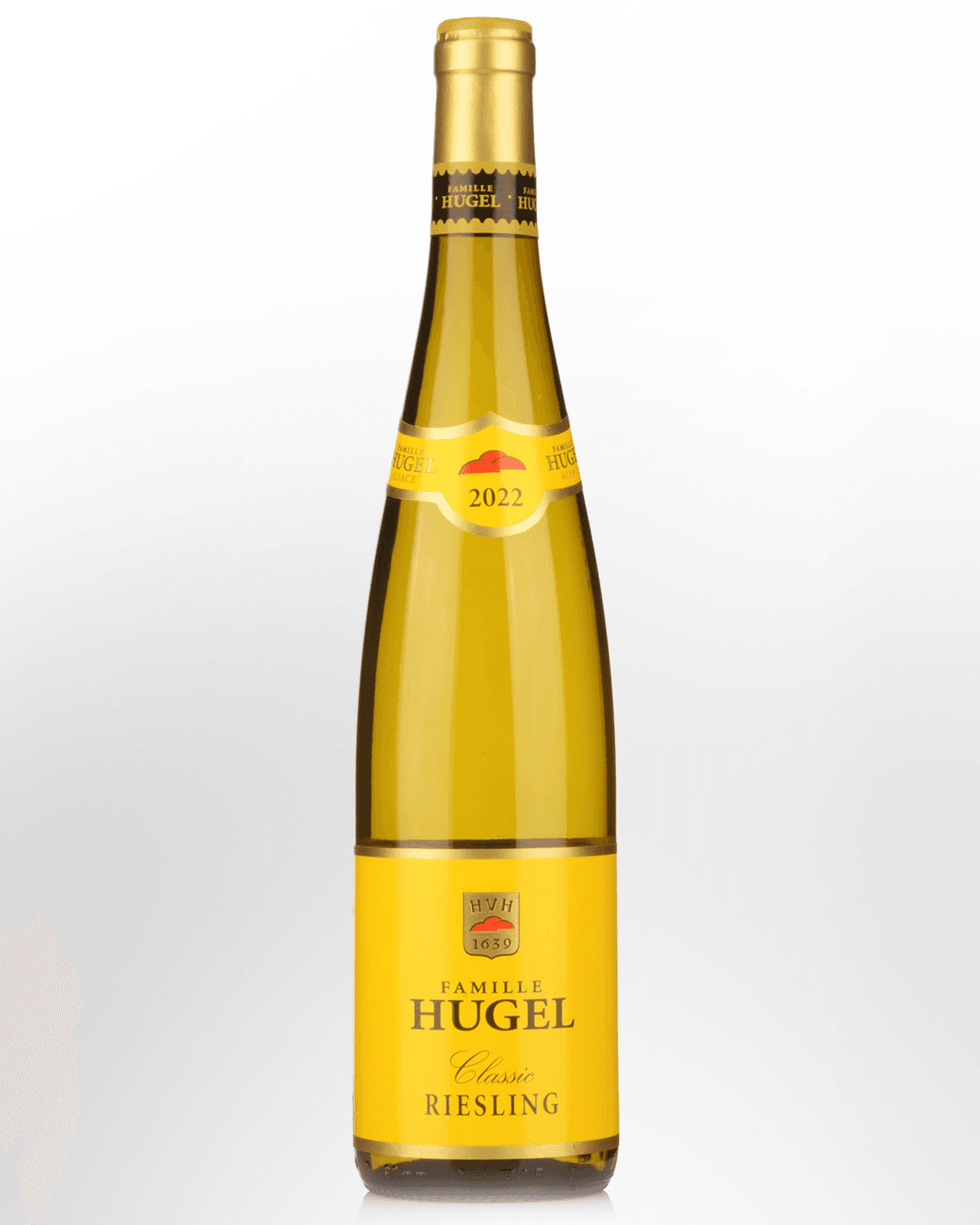
Famille Hugel Riesling Classic Alsace 2022
Famille Hugel
Famille Hugel has been making wine in Riquewihr since 1639, and their Classic Riesling is a distillation of everything they have learned across thirteen generations. This is Alsatian Riesling at its most pure.
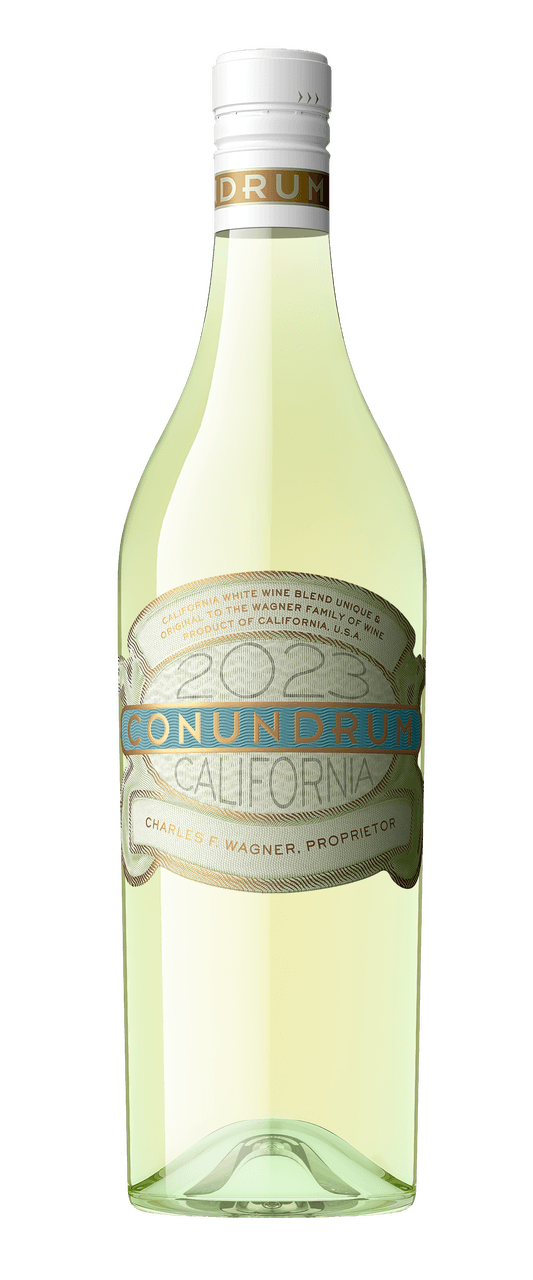
Conundrum White Blend 2023
Wagner Family of Wine (Caymus Vineyards)
Conundrum was decades ahead of its time. Chuck Wagner of Caymus created it in 1989, asking what if you gave each grape its best role.
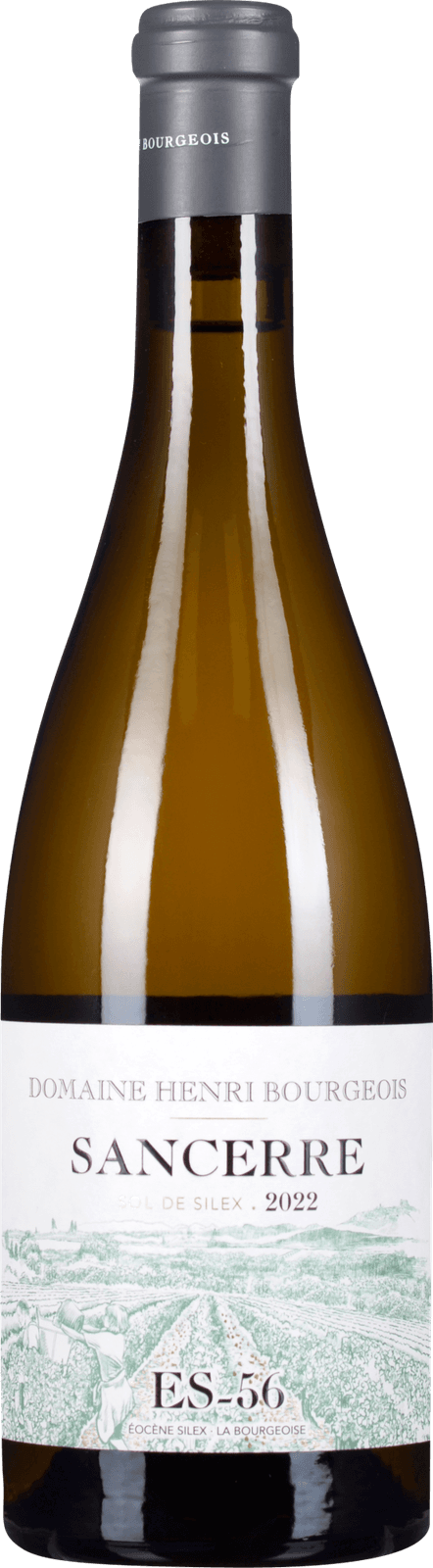
Henri Bourgeois Sancerre La Bourgeoise 2022
Henri Bourgeois
The Bourgeois family has been cultivating Sancerre vines for more than ten generations, and La Bourgeoise is the expression that captures everything the appellation stands for. When people discover that Sauvignon Blanc this complex and age-worthy exists in France, their relationship with the grape changes permanently. This is the wine that makes you understand why Loire Valley Sauvignon Blanc occupies a category of its own — one that rewards patience and educated appreciation in equal measure. Serve at 10°C with nothing in the way.
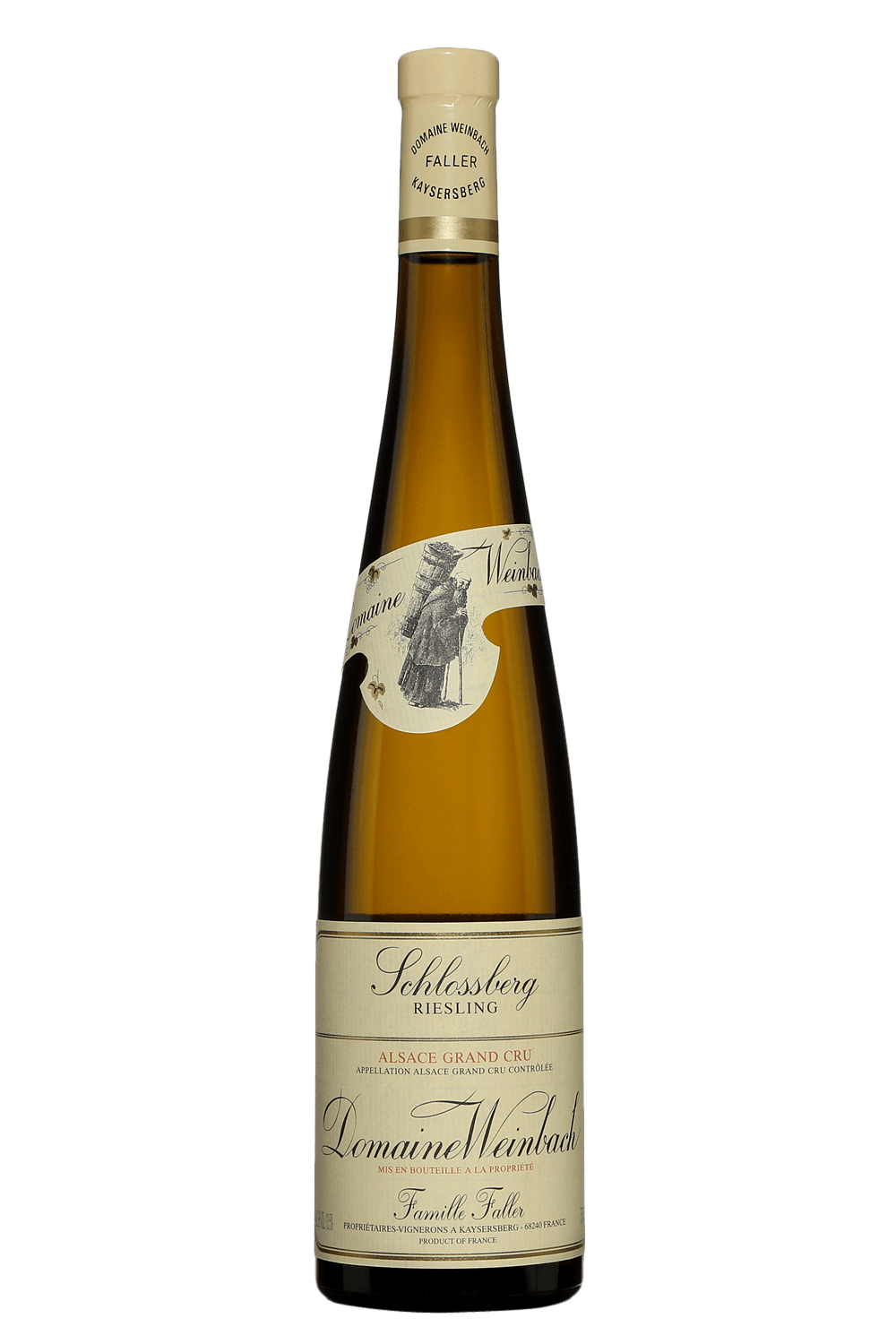
Domaine Weinbach Riesling Grand Cru Schlossberg 2021
Domaine Weinbach (Faller Family)
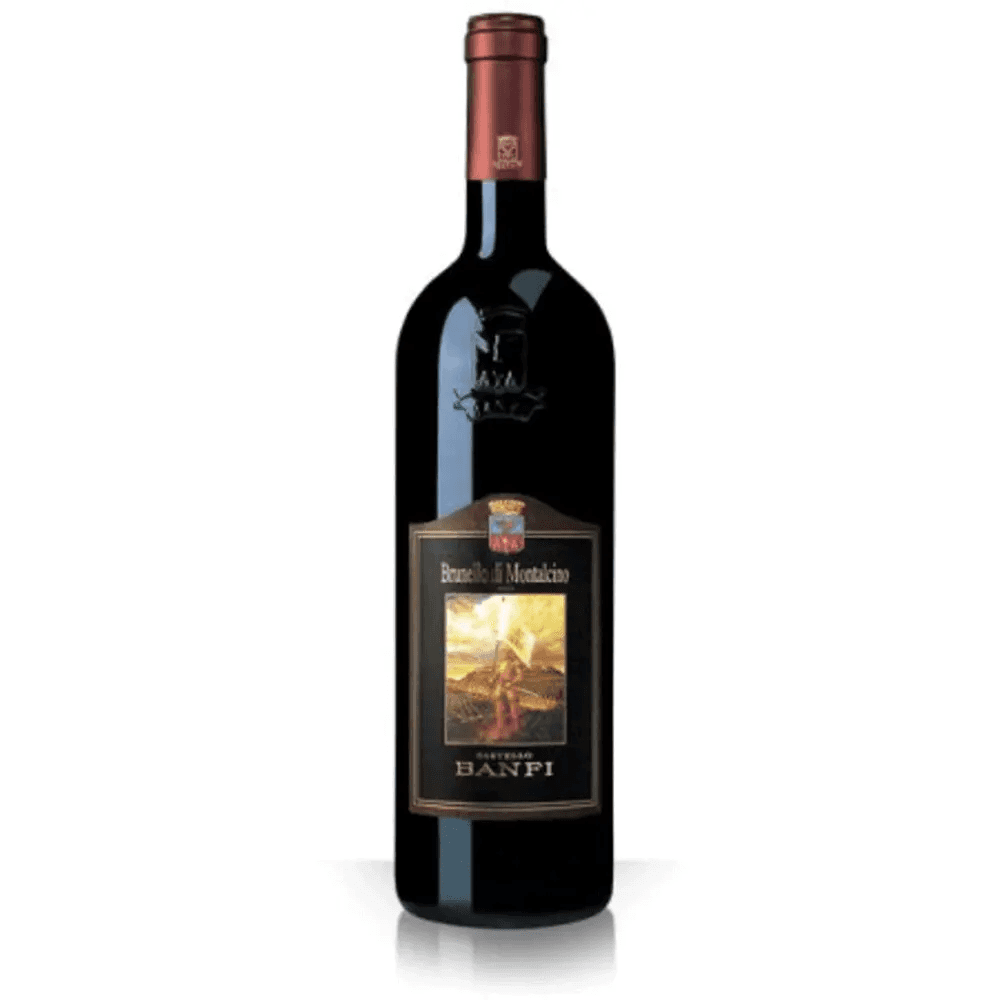
Banfi Brunello di Montalcino 2019
Banfi Vintners
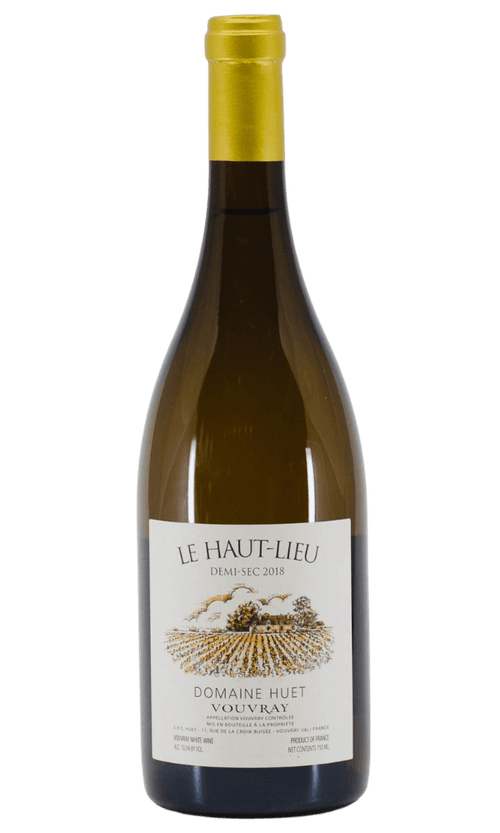
Domaine Huet Vouvray Le Haut-Lieu Sec 2021
Domaine Huet
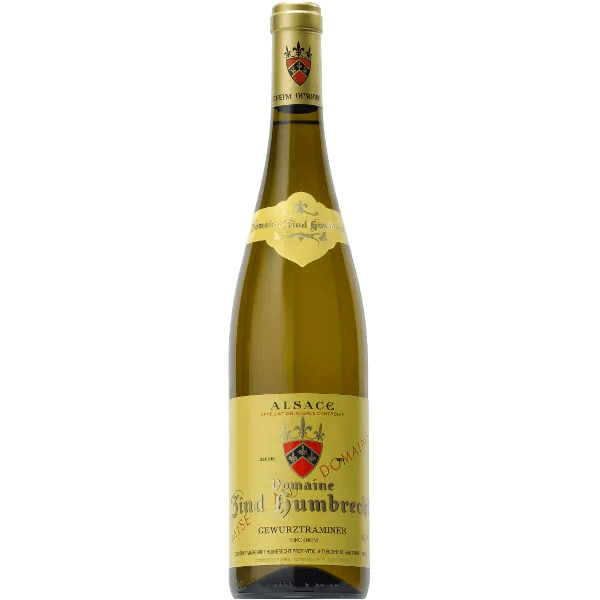
Zind-Humbrecht Gewürztraminer Turckheim 2021
Domaine Zind-Humbrecht
Olivier Zind-Humbrecht was the first Frenchman to earn the Master of Wine title, but his true revolution happened in the vineyard, converting the entire domaine to biodynamic farming.
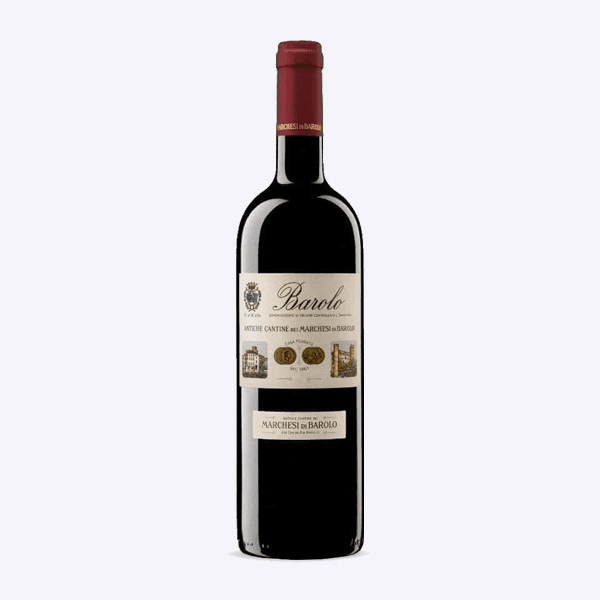
Marchesi di Barolo Barolo DOCG 2019
Marchesi di Barolo
The Marchesi di Barolo estate is where Barolo wine was born. In the 1840s, Marchesa Giulia Falletti commissioned the first dry Nebbiolo wines from these vineyards.
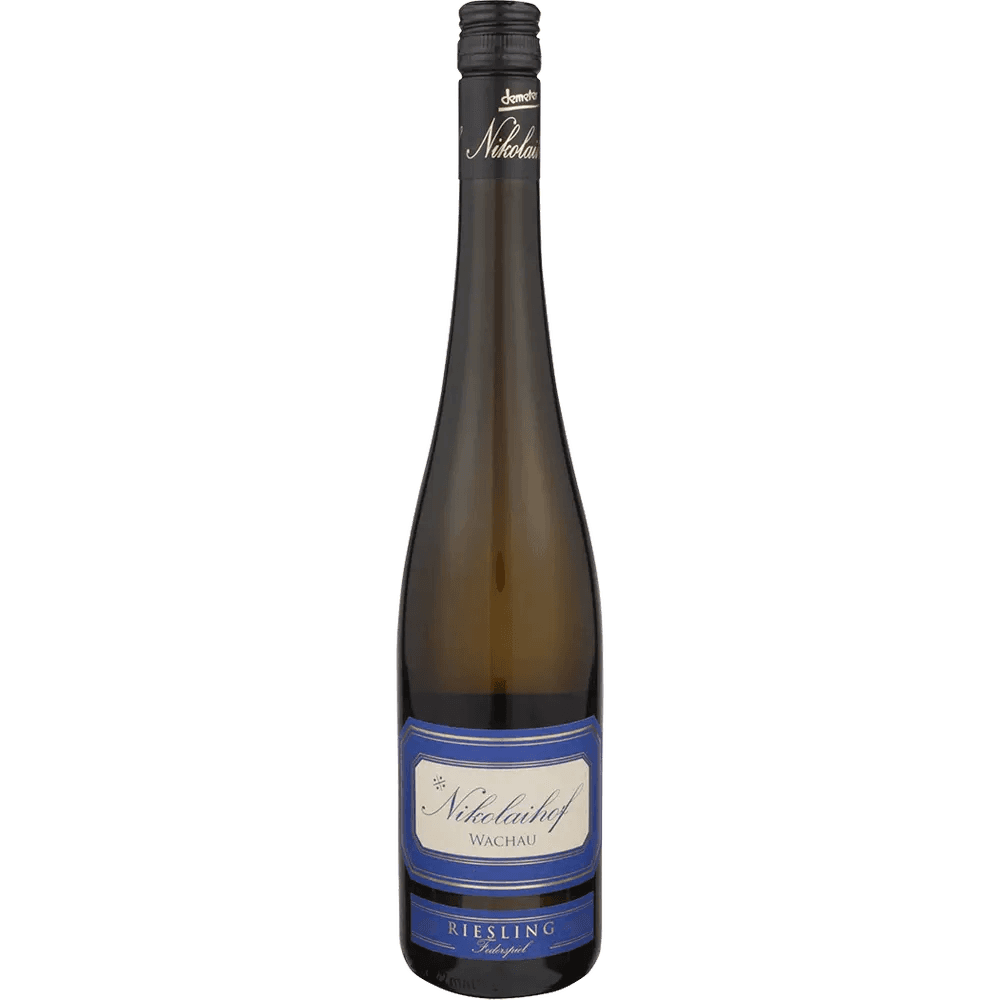
Nikolaihof Riesling Federspiel Vom Stein 2021
Nikolaihof Wein (Saahs Family)
Nikolaihof Riesling Federspiel Vom Stein is resilience measured in centuries. The Saahs family has been farming biodynamically since 1971.
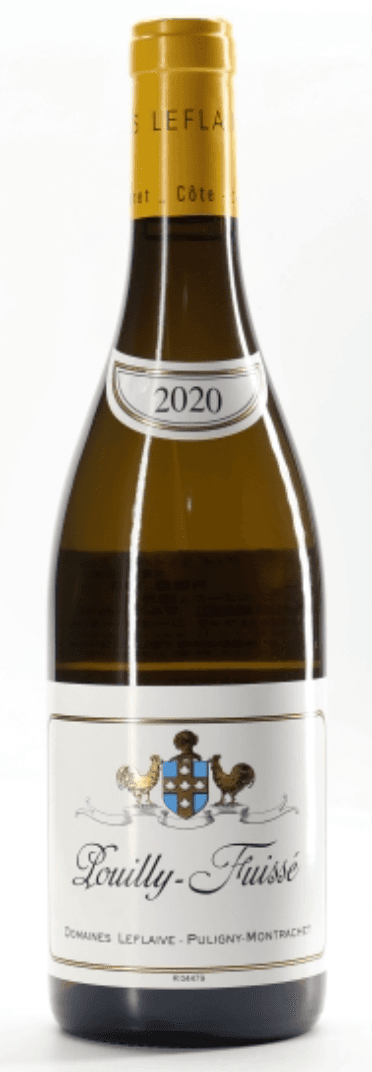
Domaine Leflaive Pouilly-Fuissé 2020
Domaine Leflaive (est. 1717)
The 2020 Domaine Leflaive Pouilly-Fuissé represents Burgundian Chardonnay at its most elegant.
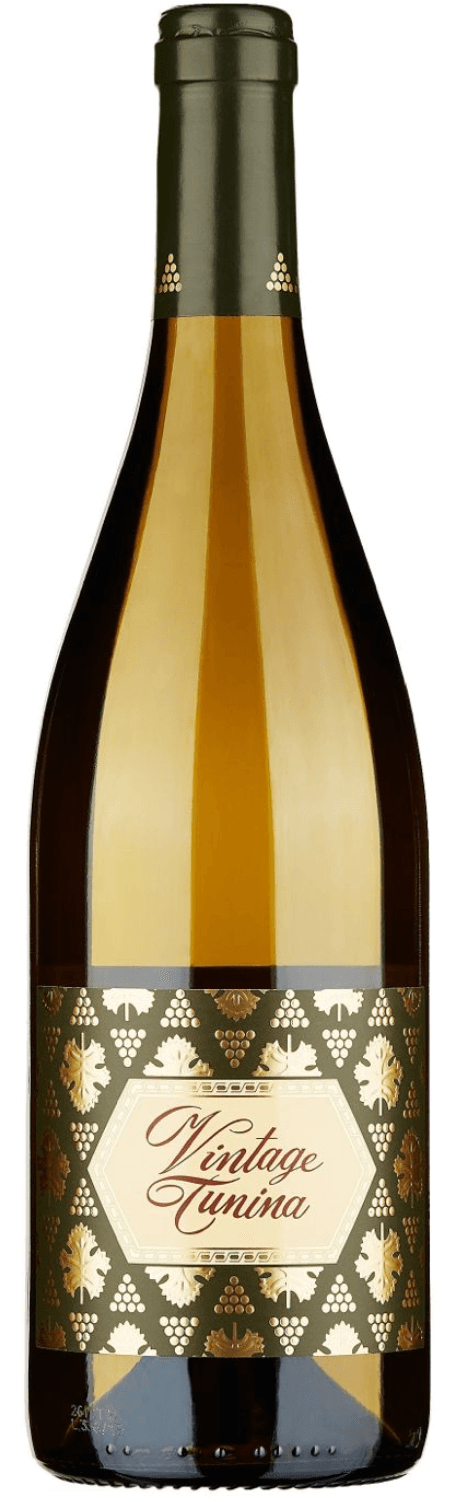
Jermann Vintage Tunina 2022
Jermann (est. 1881, fourth generation)
Vintage Tunina is Silvio Jermann’s obsessive masterpiece — a white wine assembled from five grapes, each harvested at a different moment of optimal ripeness, fermented separately, and blended only when Jermann decides each component has found its voice. Sauvignon Blanc brings aromatics and acidity. Chardonnay adds body and structure. Ribolla Gialla contributes mineral tension. Malvasía Istriana lends waxy texture and floral perfume. And Picolit — Friuli’s rare native dessert grape, used here in tiny proportion — adds a honeyed complexity that ties everything together. Most winemakers would simplify this into two or three varieties. Jermann insists on five because he believes the wine isn’t complete without all of them. At $38–48, this is one of Italy’s great white wines and a masterclass in the art of the blend.
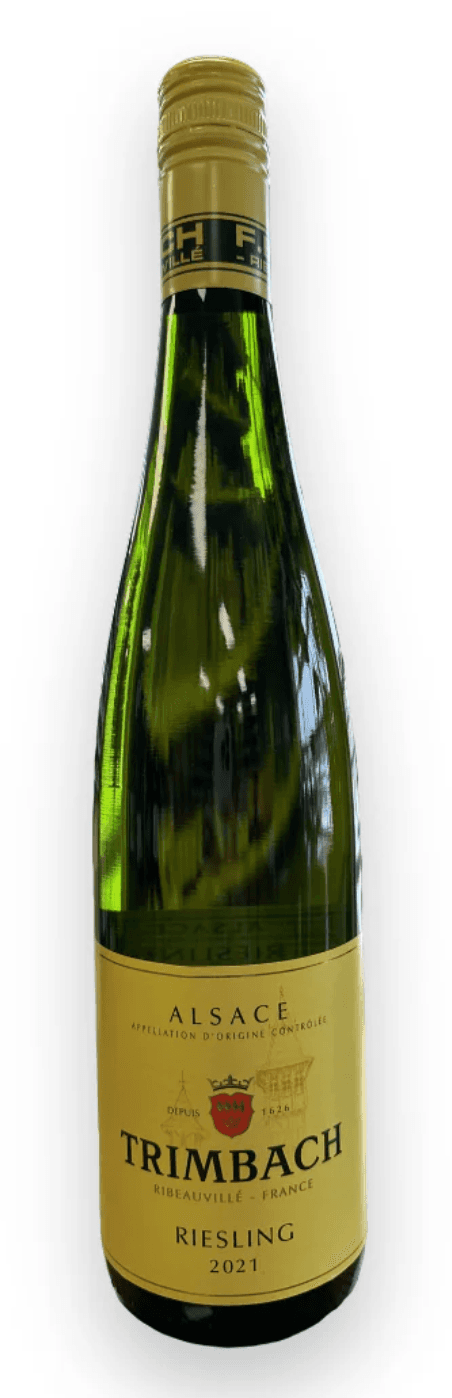
Trimbach Riesling 2021
Maison Trimbach (est. 1626)
Trimbach has been going against the grain since 1626 — they just don’t make a fuss about it. While Alsace became increasingly known for off-dry and sweet Rieslings, Trimbach committed to bone-dry wines with razor-sharp acidity and mineral precision. No malolactic fermentation, no residual sugar, no new oak — just pure expression of grape and terroir. The family has been making wine in Ribeauvillé for twelve generations and counting, and their philosophy hasn’t changed: balance, balance, balance. Their Clos Sainte Hune is one of the most legendary white wines on earth, but the entry-level Riesling — at $23–$28 — is where the value proposition is impossible to ignore. This is Riesling for people who think they don’t like Riesling.
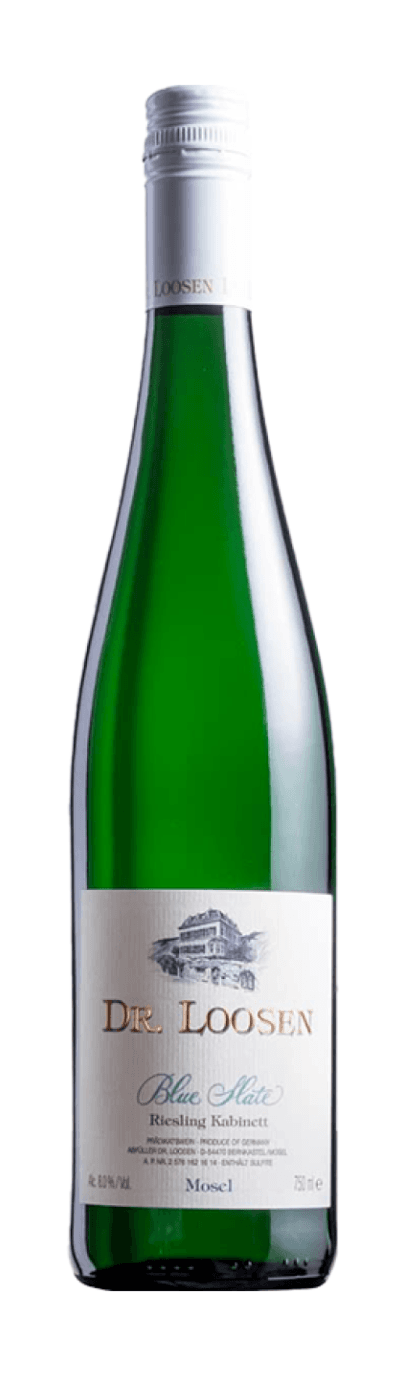
Dr. Loosen Blue Slate Riesling Kabinett 2022
Weingut Dr. Loosen (Ernst Loosen, family-owned since early 1800s)
At 8.5% alcohol and under $20, this is one of the most food-friendly wines on earth — and one of the most misunderstood. The “Kabinett” designation means the grapes were picked at the first level of ripeness, giving a wine with gentle sweetness that’s balanced by razor-sharp acidity from the Mosel’s cool climate and blue slate soils. Ernst Loosen’s genius was recognizing that his family’s old, ungrafted vines — many over a century old, their roots drilling deep into fractured slate — produced wines of extraordinary mineral intensity that no young vineyard could match. The blue slate literally flavors the wine.

Domaine de la Taille aux Loups Montlouis-sur-Loire Sec Les Dix Arpents 2022
Domaine de la Taille aux Loups
Jacky Blot's Taille aux Loups is the gold standard for Montlouis-sur-Loire, and Les Dix Arpents shows why. This Chenin Blanc from clay-flint soils achieves the rare combination of richness and tension that makes Loire whites so compelling. The 2022 vintage has a vibrancy and directness that makes it irresistible now, though it will easily reward a decade of patience.