Aroma
Dried Fruit
29 bottles with this note
Train this aroma
Scotch Whisky Aroma Kit
Develop your palate with the canonical reference for dried fruit and related notes.
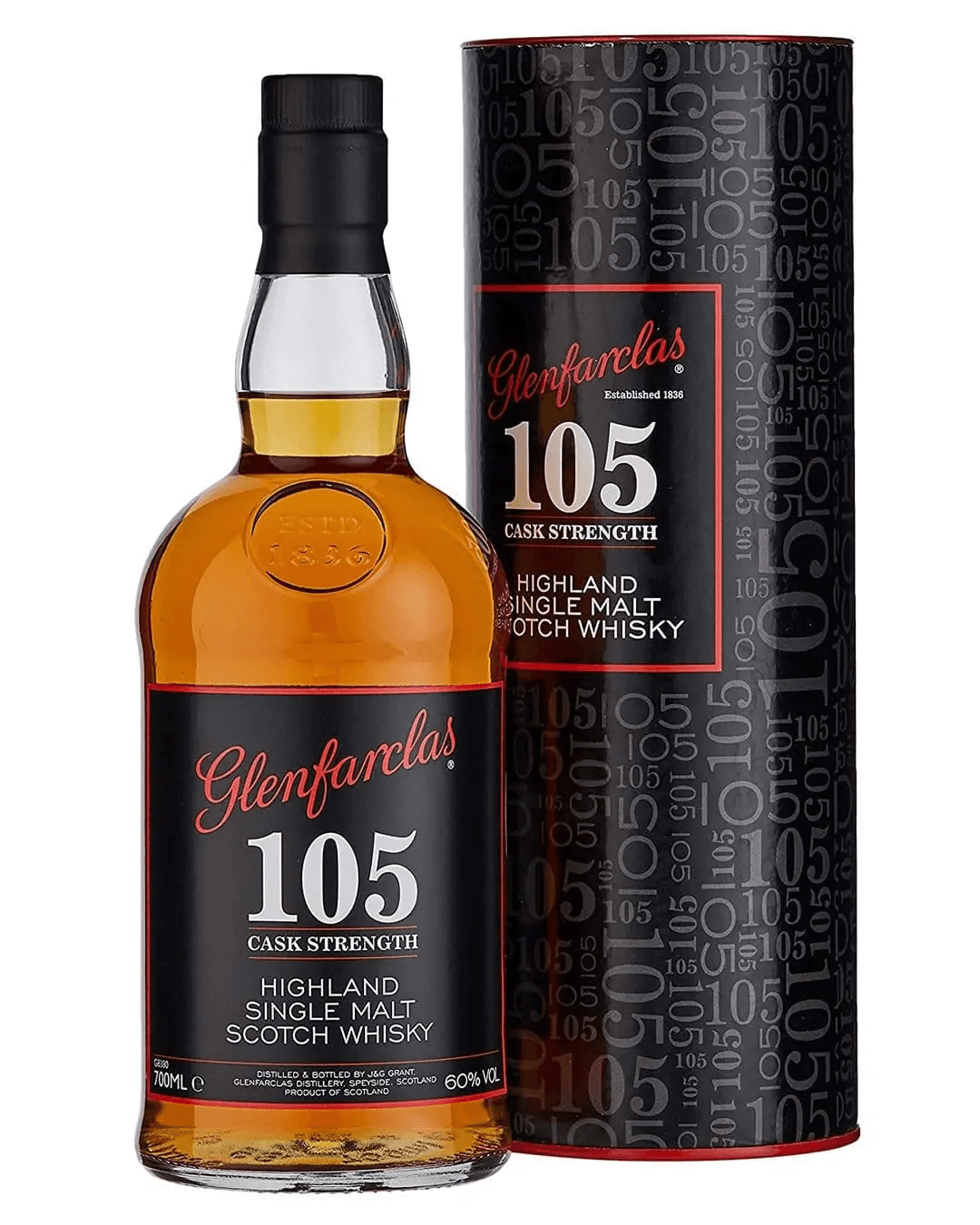
Glenfarclas 105 Cask Strength
J. & G. Grant (Grant family, sixth generation)
Glenfarclas 105 is one of the longest-running cask-strength single malts on the market — the distillery released it in 1968. The Grant family have never chill-filtered, colored, or cut it with water.
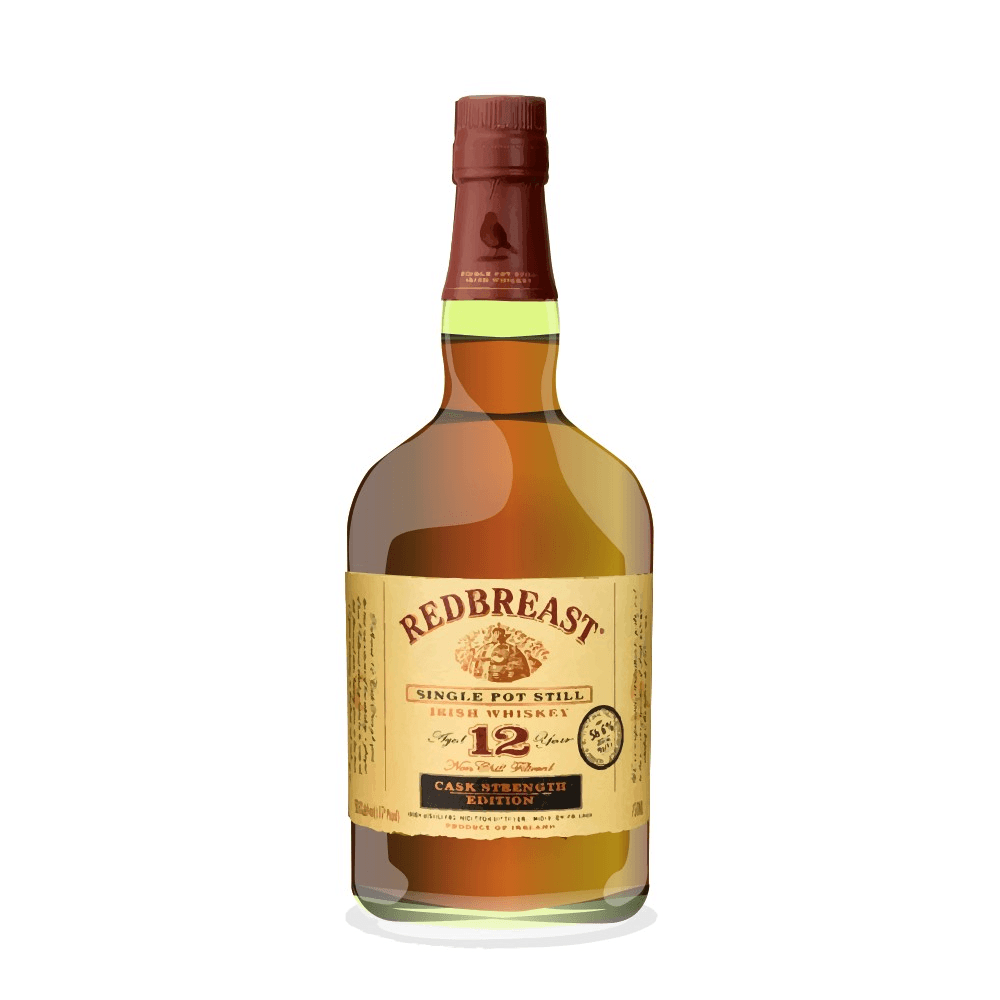
Redbreast 12 Year Old Cask Strength
Irish Distillers (Pernod Ricard)
Redbreast 12 Cask Strength is the uncut, non-chill-filtered expression of the whiskey that revived Irish single pot still as a serious category. Midleton bottles it batch by batch at each cask's natural proof.
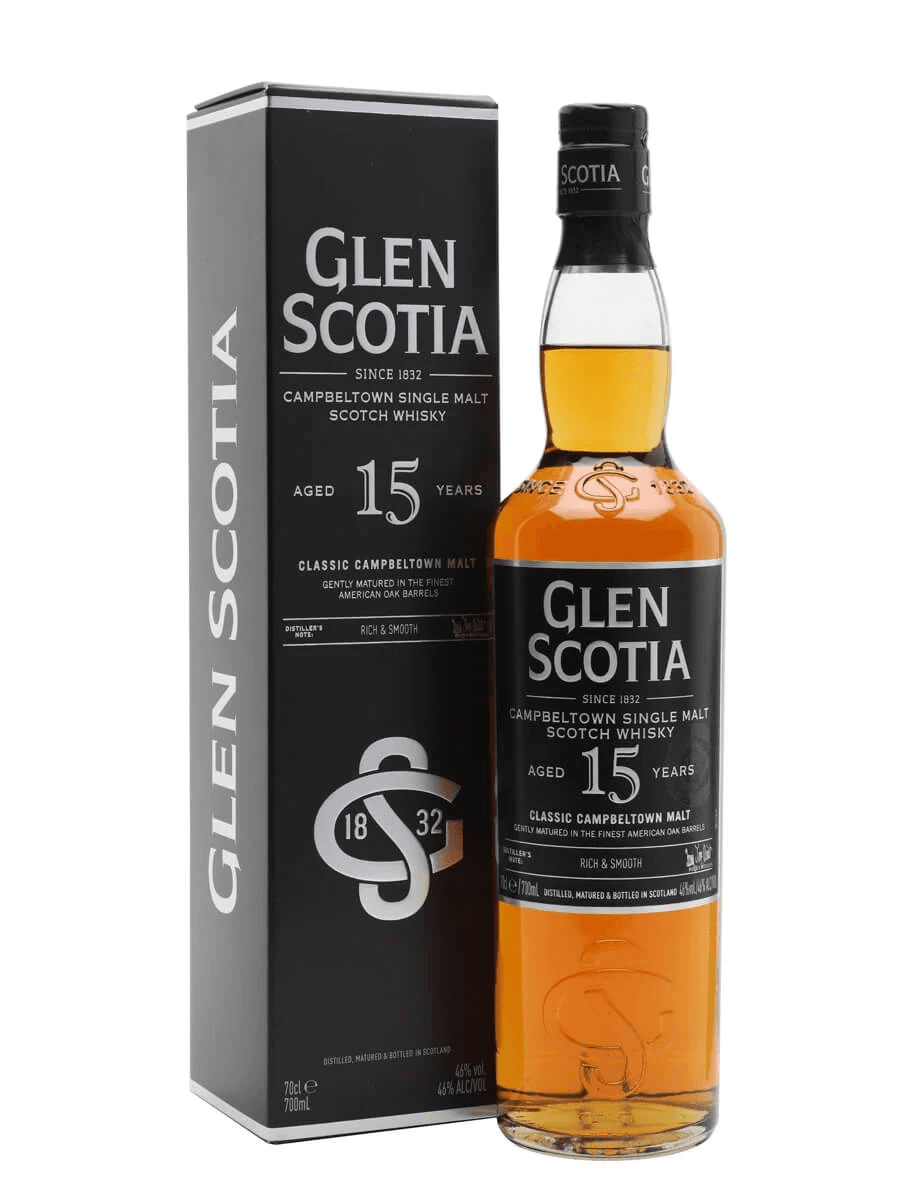
Glen Scotia 15 Year Old
Loch Lomond Group
Glen Scotia 15 is the proving ground for an entire whisky region. Campbeltown's story is one of spectacular decline — from over thirty distilleries to just three — and Glen Scotia has been there through nearly all of it, distilling since 1832. This 15-year-old bottling, presented at a confident 46% ABV without chill filtration, demonstrates exactly what has been worth preserving: a style that is uniquely Campbeltown, maritime and honeyed, with a brininess you simply cannot replicate elsewhere. It is proof that survival is its own kind of excellence. Cocktail — The Campbeltown Mist: 2 oz Glen Scotia 15, 0.5 oz honey syrup, 3 dashes orange bitters. Stir over a large ice cube in a rocks glass. Express a lemon peel over the surface and discard. The honey amplifies the whisky's natural sweetness while the citrus lifts its maritime edges.
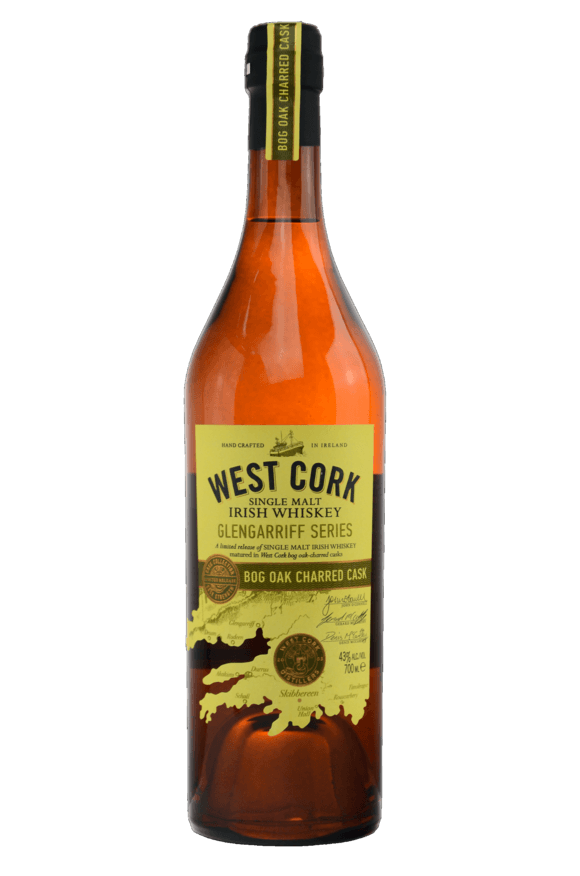
West Cork Glengarriff Series Bog Oak Charred Cask
West Cork Distillers
The experiment here is elemental: what happens when you char a cask with wood that has been buried in peat for three millennia? The answer is a flavor profile that exists nowhere else in Irish whiskey — a deep, minerally woodiness that isn't quite peat smoke and isn't quite standard oak char. It's something entirely its own. West Cork could have finished this whiskey in standard barrels and sold it for the same price, but they chose to dig into the bogs of Glengarriff and create a finishing process that no one else can replicate. At this price point, it's one of the most original experiments in Irish whiskey.
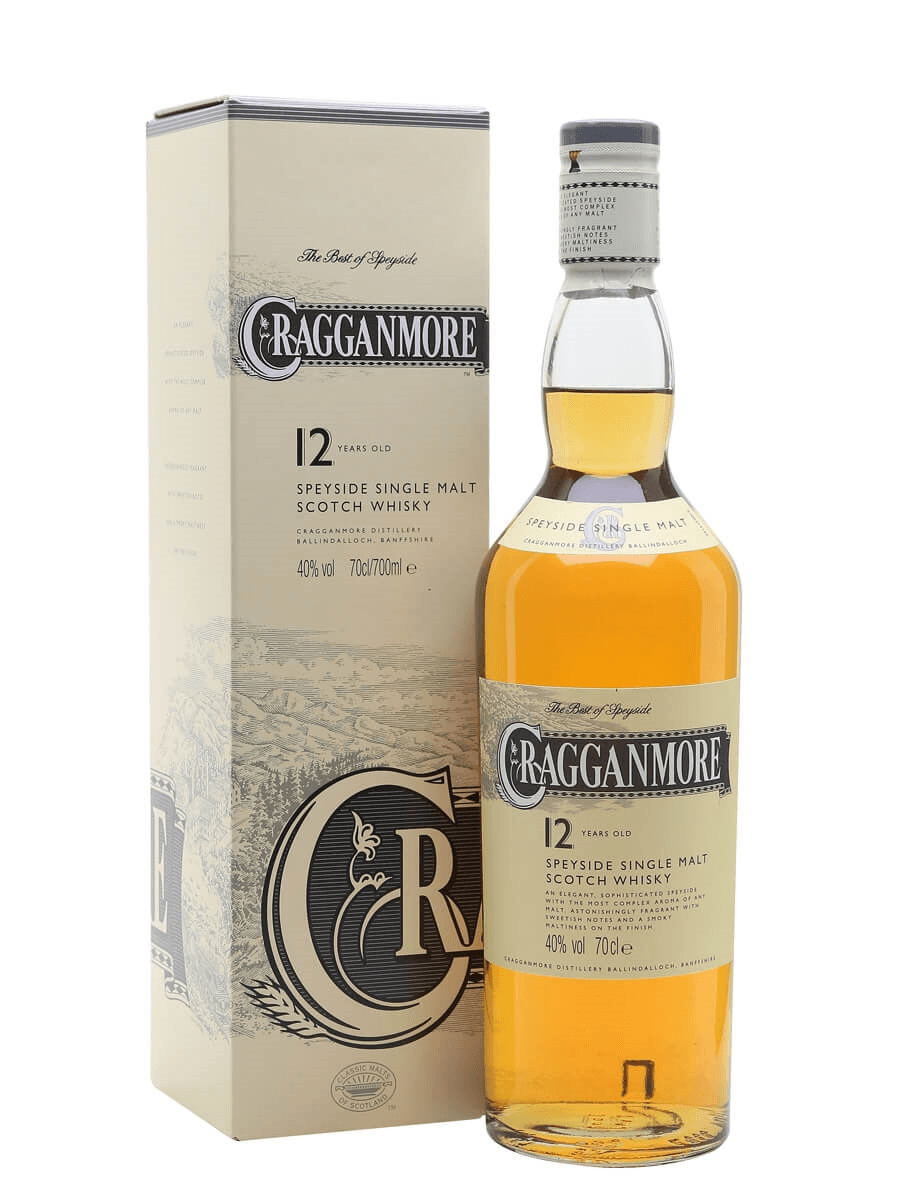
Cragganmore 12 Year Old
Diageo
Cragganmore 12 is the Speyside malt that rewards the patient nose. Where many single malts deliver their story in one dramatic chapter, Cragganmore reads like a novel with slow-building subplots. Those unique T-shaped lyne arms create a spirit of genuine complexity that unfolds over an hour in the glass.
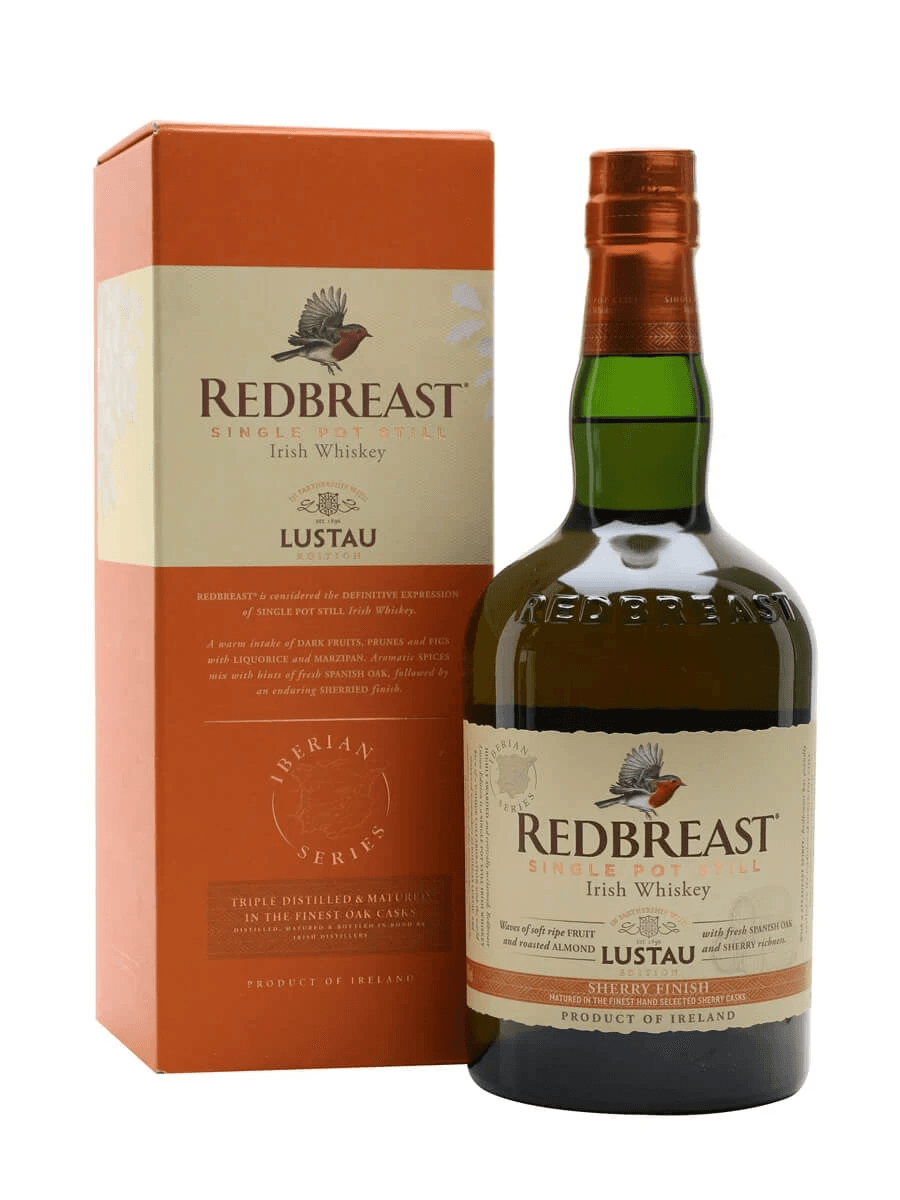
Redbreast Lustau Edition
Irish Distillers (Pernod Ricard)
The Lustau Edition is Redbreast's most layered expression — a whiskey that seems to change shape in the glass. That final year in Lustau's first-fill Oloroso butts doesn't overpower the pot still character; it adds a last chapter to an already complex story.
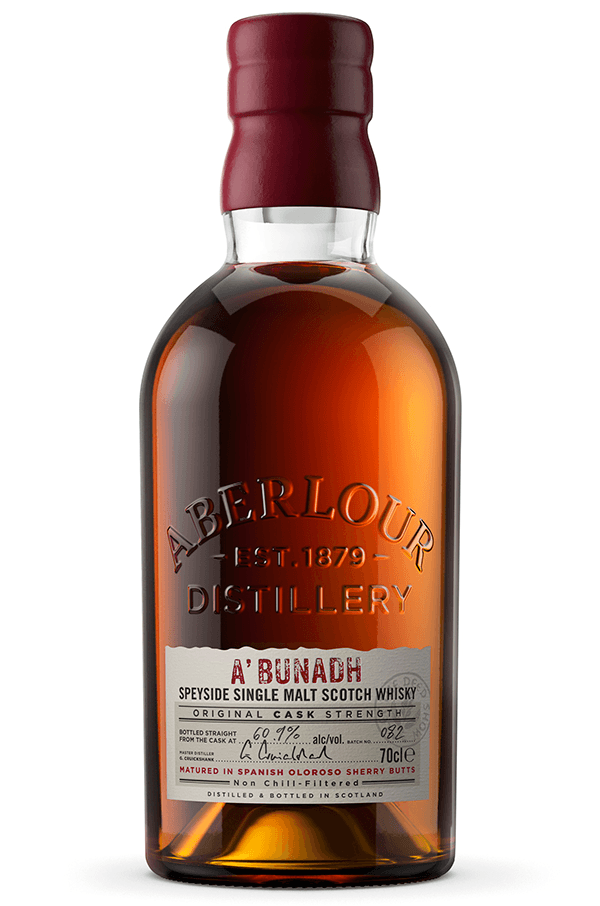
Aberlour A’Bunadh
Pernod Ricard (Chivas Brothers)
A’Bunadh is Aberlour’s love letter to the sherry butts of Jerez.
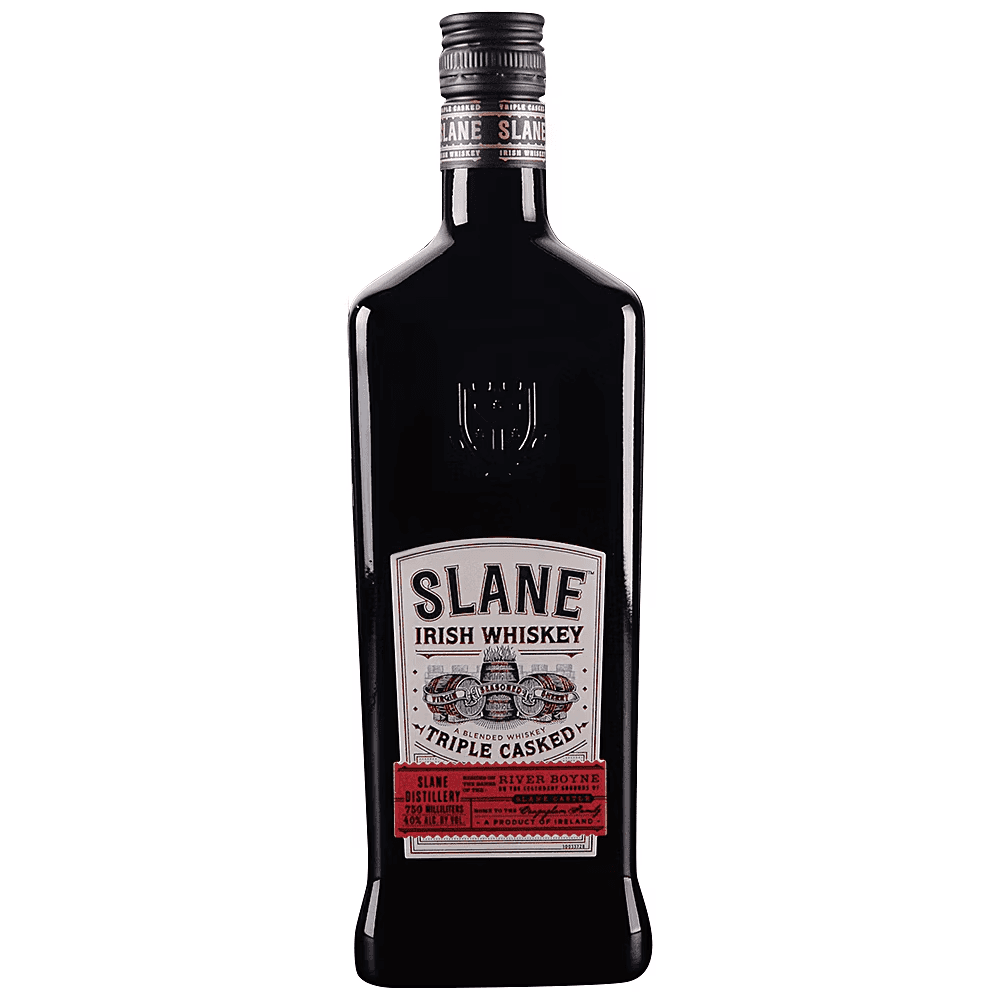
Slane Irish Whiskey
Brown-Forman
Slane is the story of what happens when a 150-year-old American whiskey company migrates its cooperage expertise to Ireland.
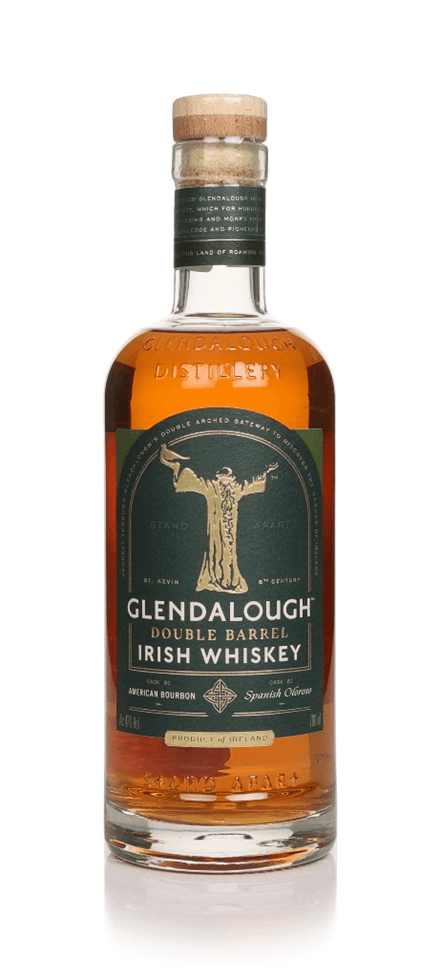
Glendalough Double Barrel
Glendalough Distillery (Mark Anthony Brands)
The double barrel treatment here is a study in how fire shapes wood, and wood shapes whiskey. The first-fill bourbon barrels — charred by fire before they ever held spirit — give the Glendalough its vanilla and caramel backbone. The Oloroso sherry casks — toasted to a different specification — add dried fruit and chocolate complexity.
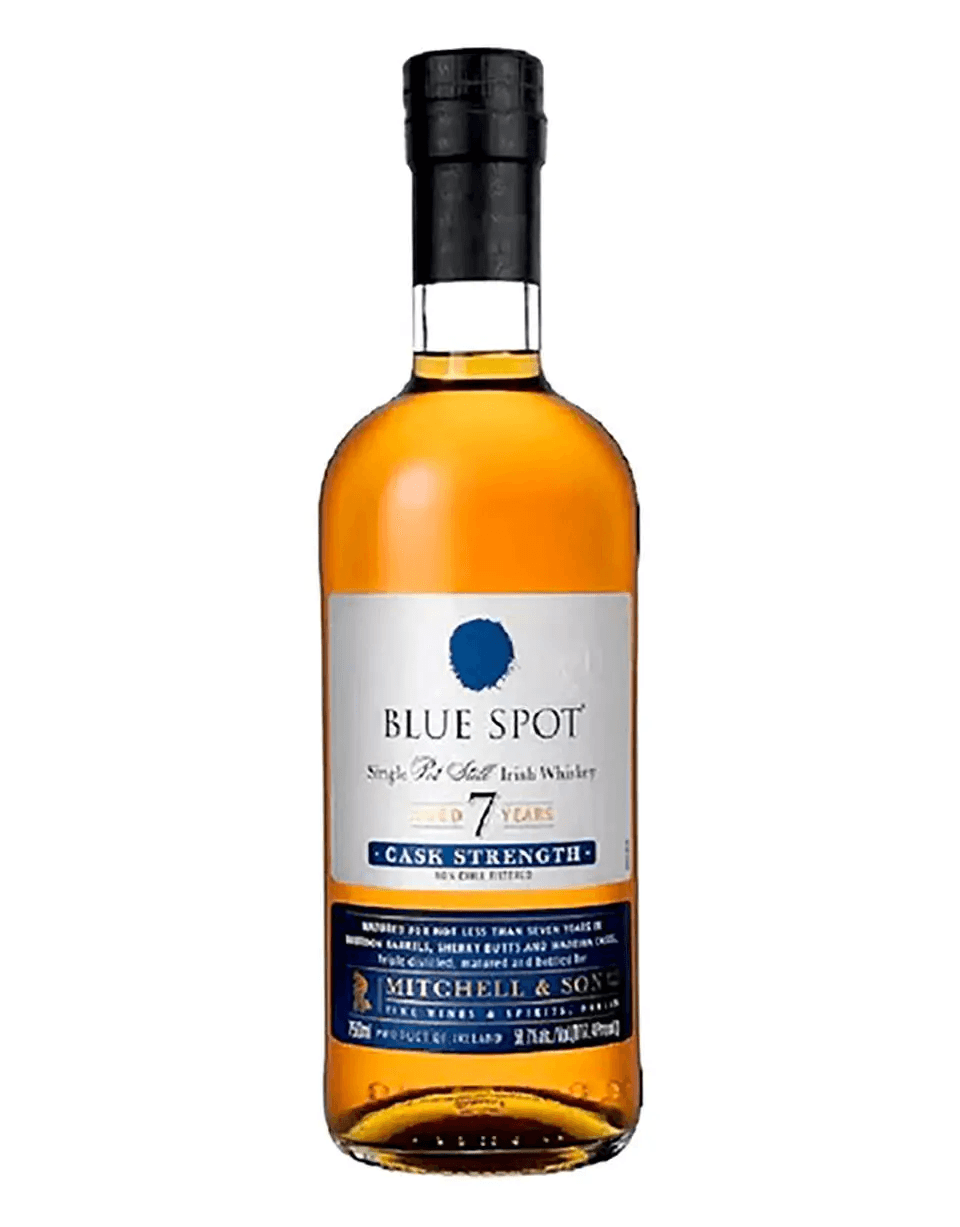
Blue Spot 7 Year Old
Irish Distillers (Pernod Ricard)
Blue Spot is the most structurally ambitious of the Spot family — and the most rewarding to decode. Where Green Spot uses one cask type and Yellow Spot uses three, Blue Spot deploys four distinct cask influences and bottles at cask strength, letting you experience the full architectural plan without dilution. The bourbon cask lays the vanilla-cream foundation. Sherry butts add dried fruit weight. Marsala casks bring an unexpected Italian sweetness. And the Madeira finish — those Portuguese fortified wine barrels — apply a tropical, honeyed glaze that ties everything together. At cask strength, the pot still spice cuts through all that sweetness, giving the whiskey a backbone as strong as its complexity is wide.
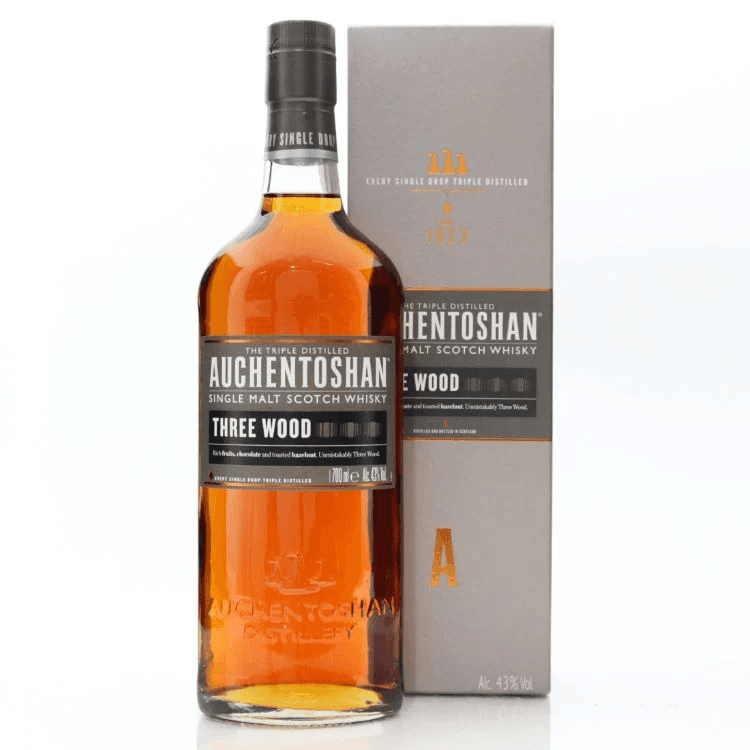
Auchentoshan Three Wood
Beam Suntory
Auchentoshan Three Wood is structural engineering in liquid form. The blueprint is deceptively simple — triple distillation for smoothness, then three deliberate cask chapters that each add a specific dimension. Bourbon barrels lay the vanilla-toffee foundation. Oloroso sherry casks introduce dried fruit depth and nutty complexity. Then Pedro Ximénez barrels — those treacly-sweet Spanish dessert wine casks — apply the final coat of dark fruit richness. The architecture works because each layer is legible: you can taste the bourbon sweetness, the oloroso depth, the PX finish, all integrated but distinct, like the floors of a well-designed building.
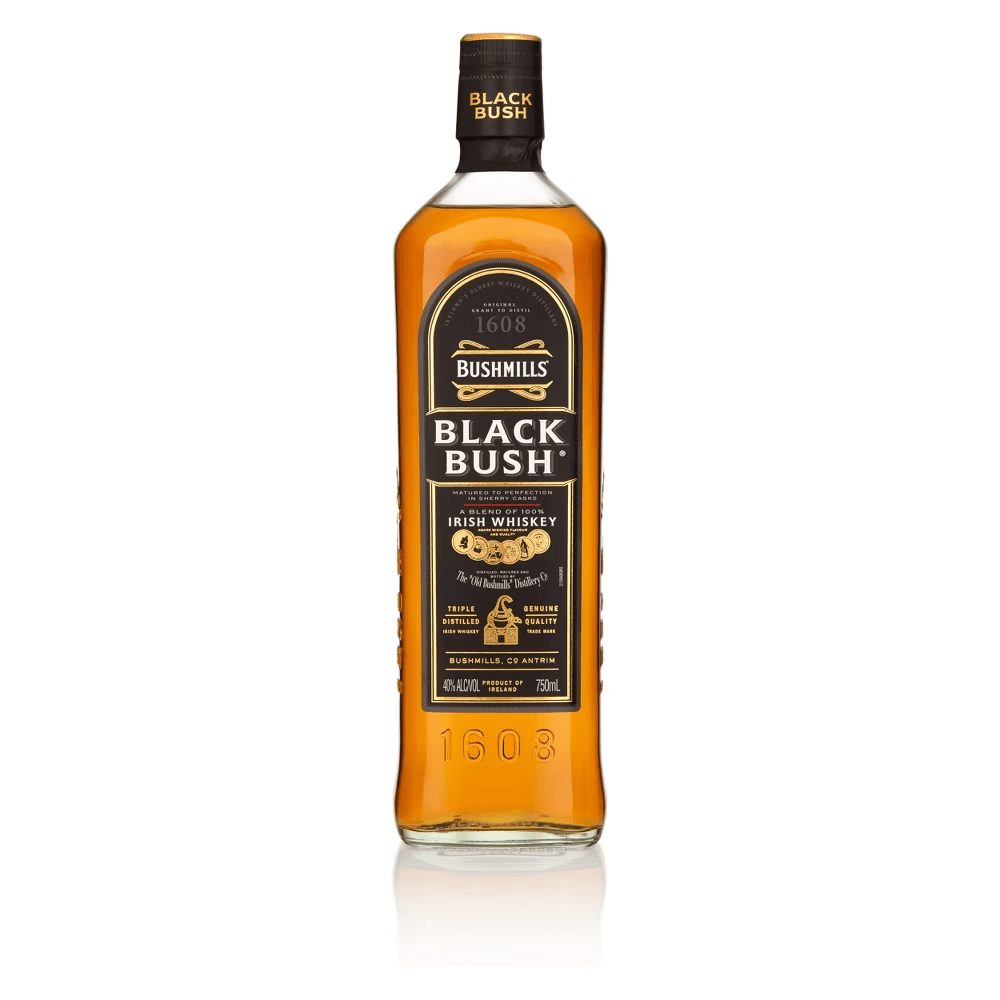
Bushmills Black Bush
Proximo Spirits (José Cuervo)
Bushmills Black Bush is one of the great values in Irish whiskey. The high proportion of sherry-cask-matured single malt in the blend gives it a richness and complexity that belies its modest price, and the Old Bushmills Distillery — whose site has held a distilling license since 1608 — brings centuries of craft to bear.
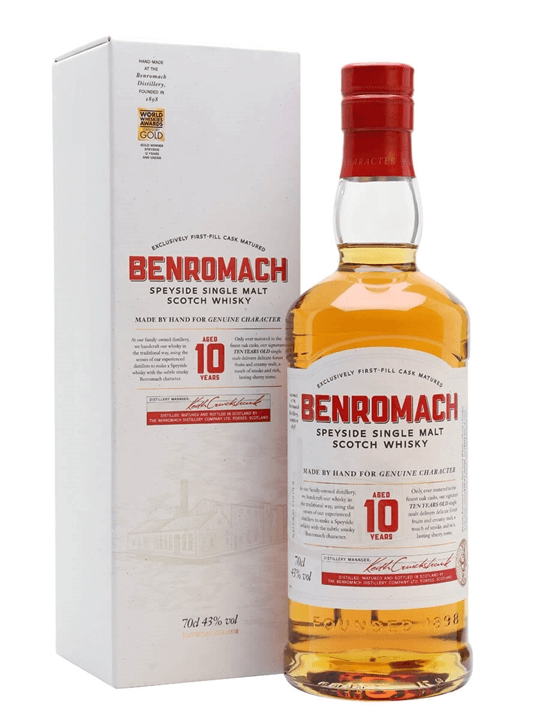
Benromach 10 Year Old
Gordon & MacPhail
Benromach sat silent for fifteen years. When Gordon & MacPhail brought it back to life in 1998, they didn't try to copy the old Speyside playbook. Instead, they introduced a light peat — unusual for the region — creating something that didn't exist before.
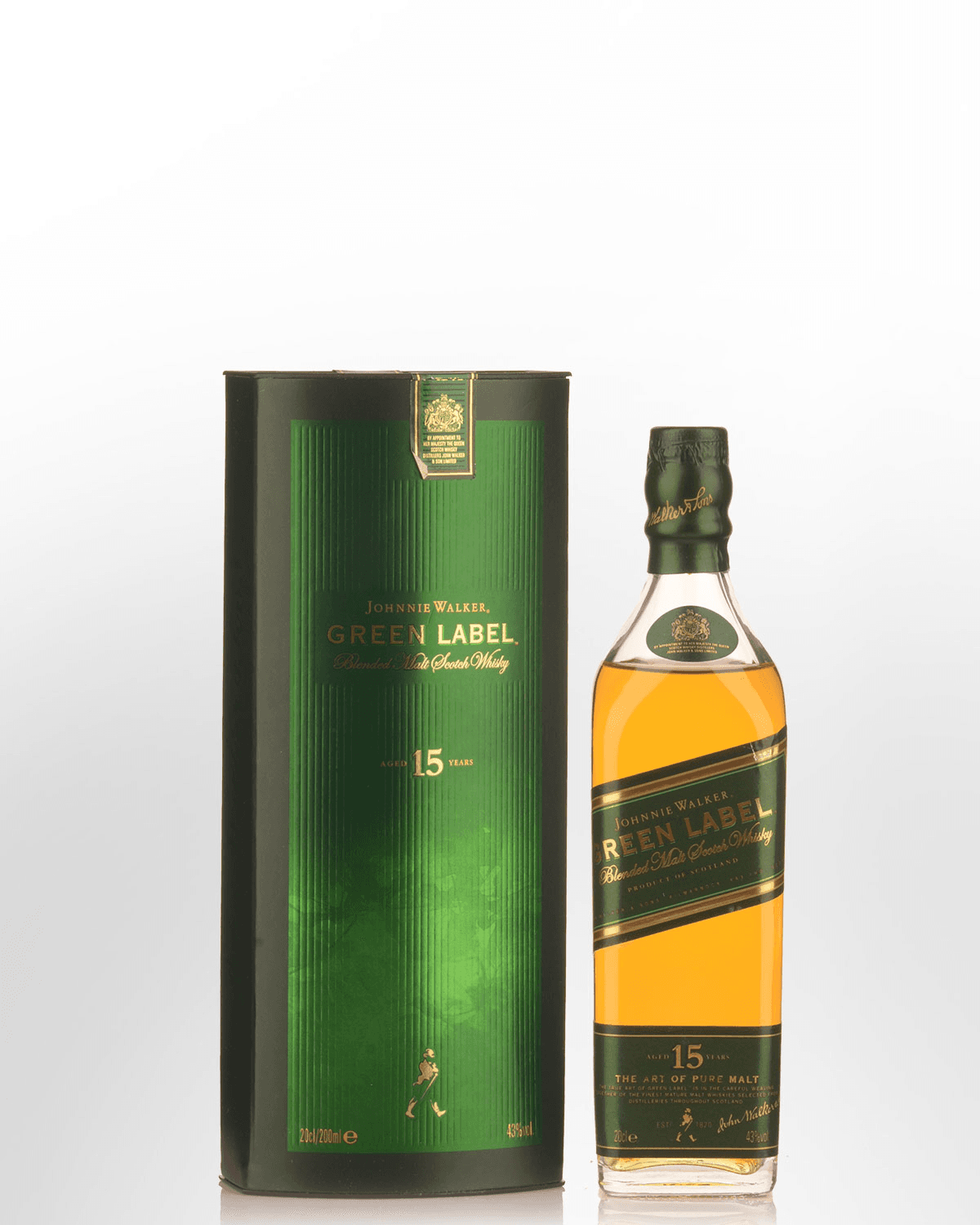
Johnnie Walker Green Label 15 Year Old
Diageo
Green Label is among the most underappreciated whiskies in the Johnnie Walker family. Pure malt — four single malts combined into one harmonious whole.
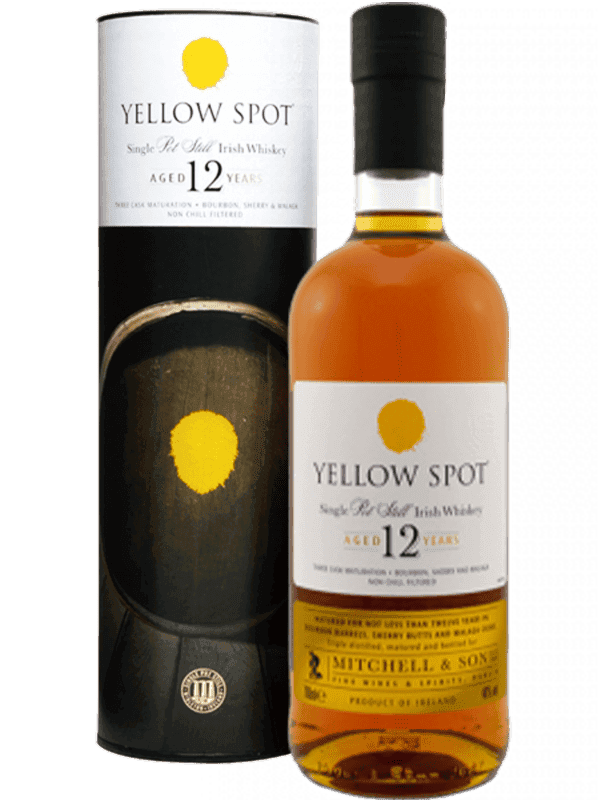
Yellow Spot 12 Year Old
Irish Distillers (Pernod Ricard)
Yellow Spot is the middle child of the Spot range, and arguably the most balanced. Three-cask blend: bourbon, sherry, and Malaga.
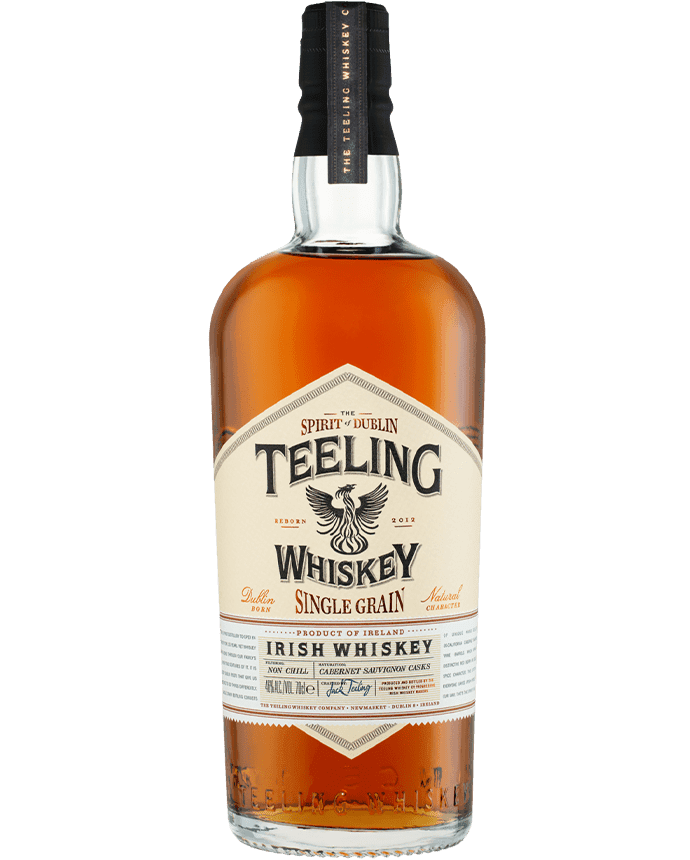
Teeling Single Grain Irish Whiskey
Teeling Whiskey Company
Grain whiskey gets little respect until you taste Teeling's version. Matured in Californian Cabernet Sauvignon casks, this single grain has the silkiness of a premium spirit and the depth of a well-aged whiskey. It's the secret that every Irish blend drinker has been unknowingly appreciating for decades, now bottled on its own terms. Serve it slightly chilled, neat, to anyone who claims Irish whiskey is predictable — this changes the conversation immediately.
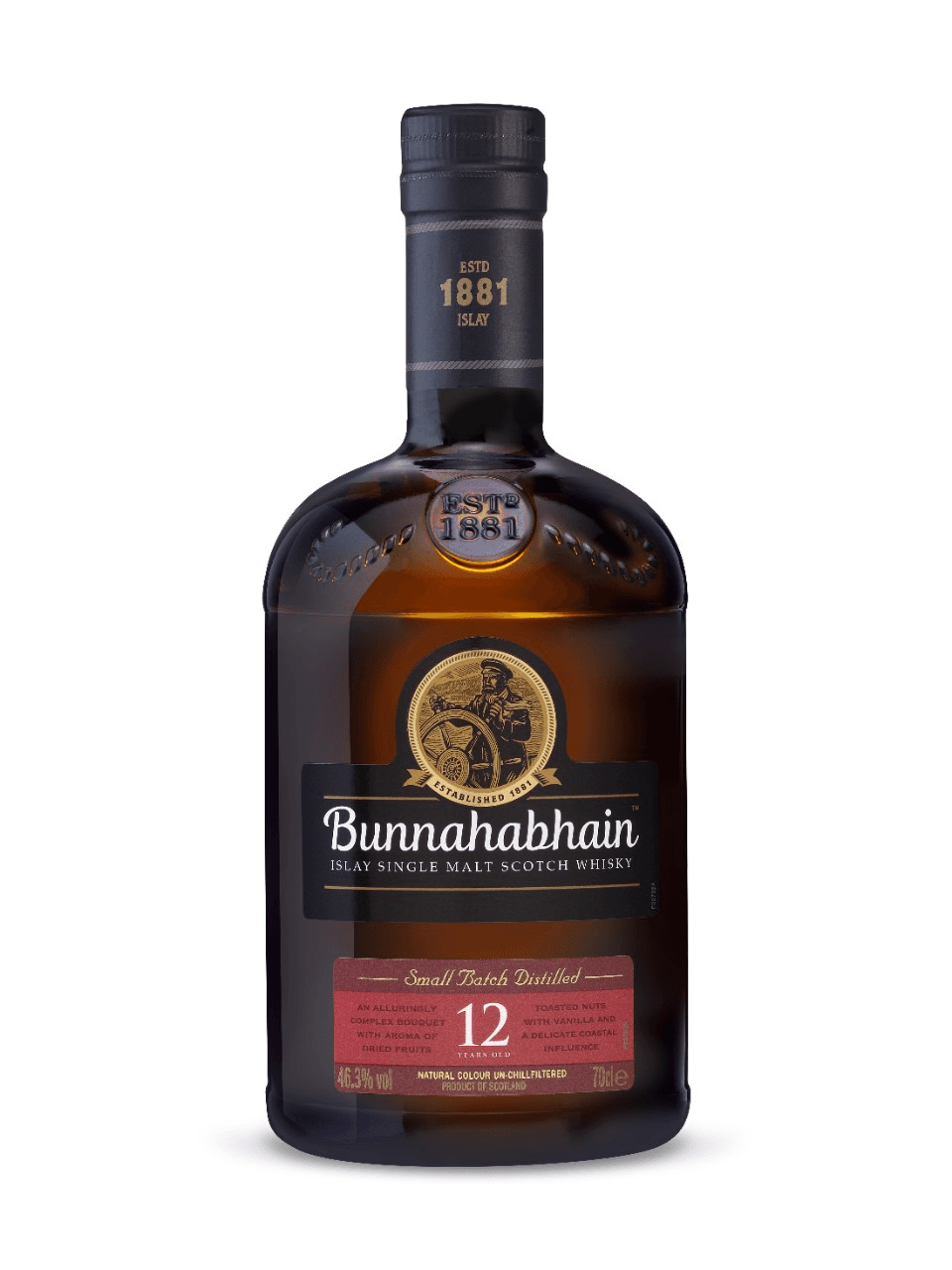
Bunnahabhain 12 Year Old Islay Single Malt
Distell International
Bunnahabhain is Islay's best-kept secret precisely because it refuses to play the smoke card. While its neighbours compete on peat levels, Bunnahabhain builds complexity through sherry cask maturation and an unpeated spirit that lets the malt character breathe. The 12 Year Old is the entry point to a distillery that rewards loyalty — drink it beside a heavily peated Islay malt and you'll understand the full range of what this island can do. The contrast is revelatory.
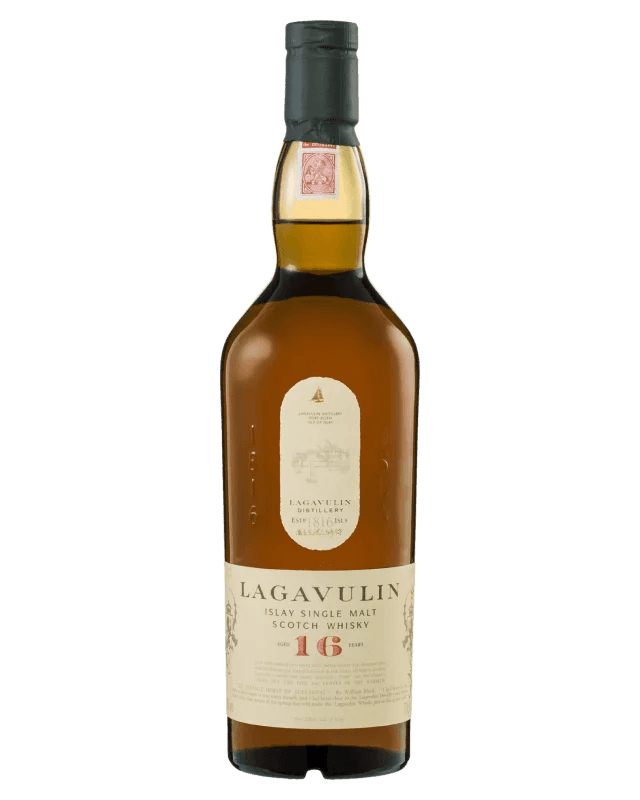
Lagavulin 16 Year Old
Diageo plc
If bourbon taught you to love whisky, Lagavulin 16 will teach you to love Scotch. This is the definitive Islay expression — complex enough to reward repeated exploration but immediately compelling to any drinker willing to meet it halfway. The 16-year age statement matters: it's the minimum time needed for Lagavulin's peat to resolve into this degree of integrated complexity.
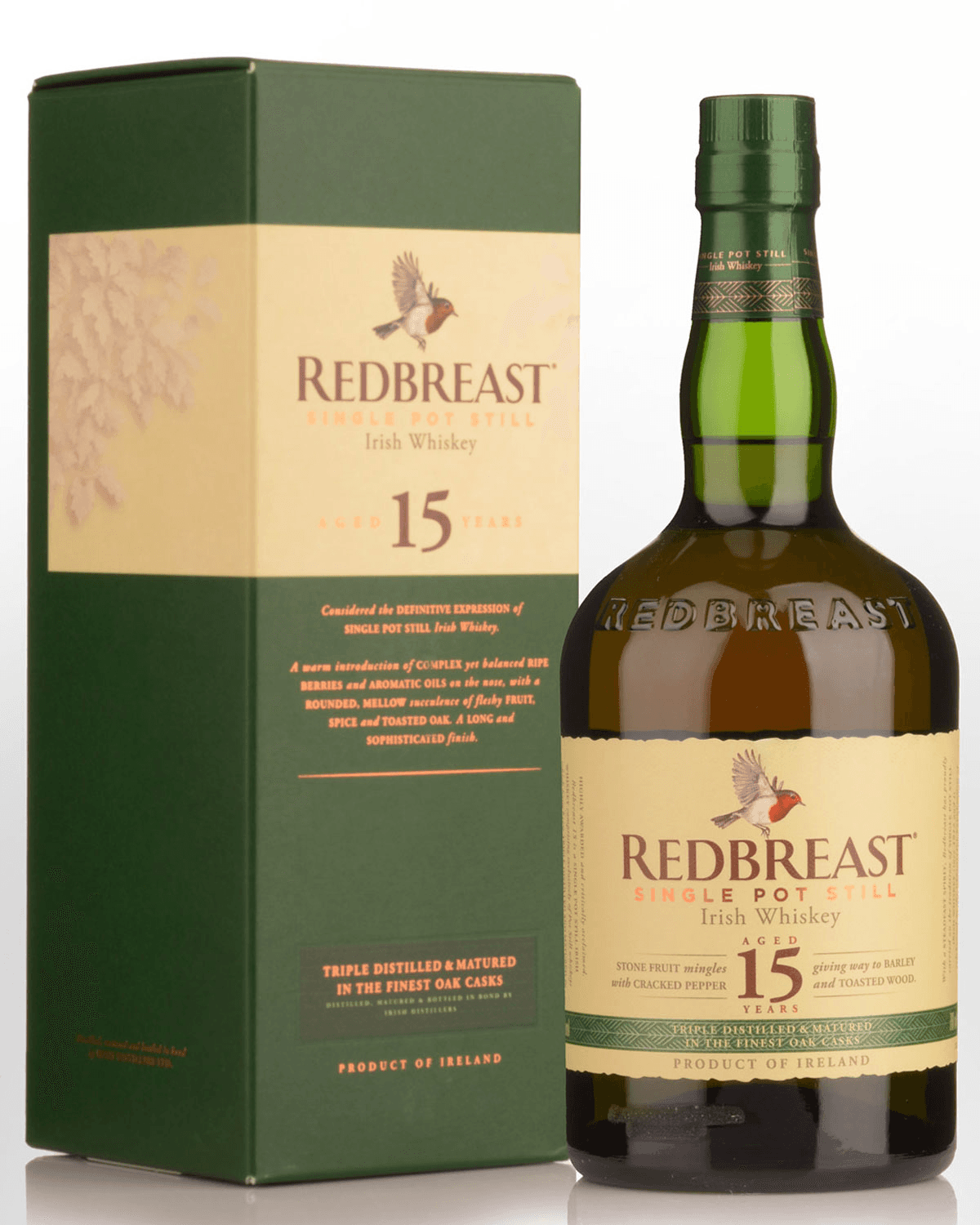
Redbreast 15 Year Old
Irish Distillers (Pernod Ricard)
Redbreast 15 is where Irish whiskey proves its claim to greatness. Every additional year beyond the 12-year expression adds another dimension — more dried fruit, deeper oak integration, and a creaminess that recalls the finest aged spirits from anywhere in the world.
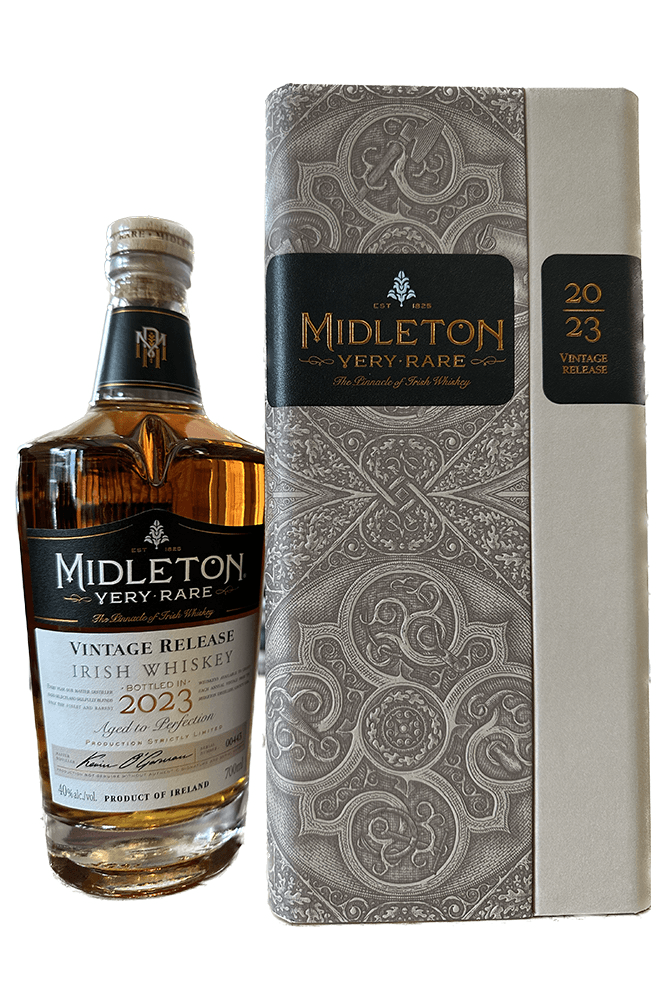
Midleton Very Rare 2024
Irish Distillers (Pernod Ricard)
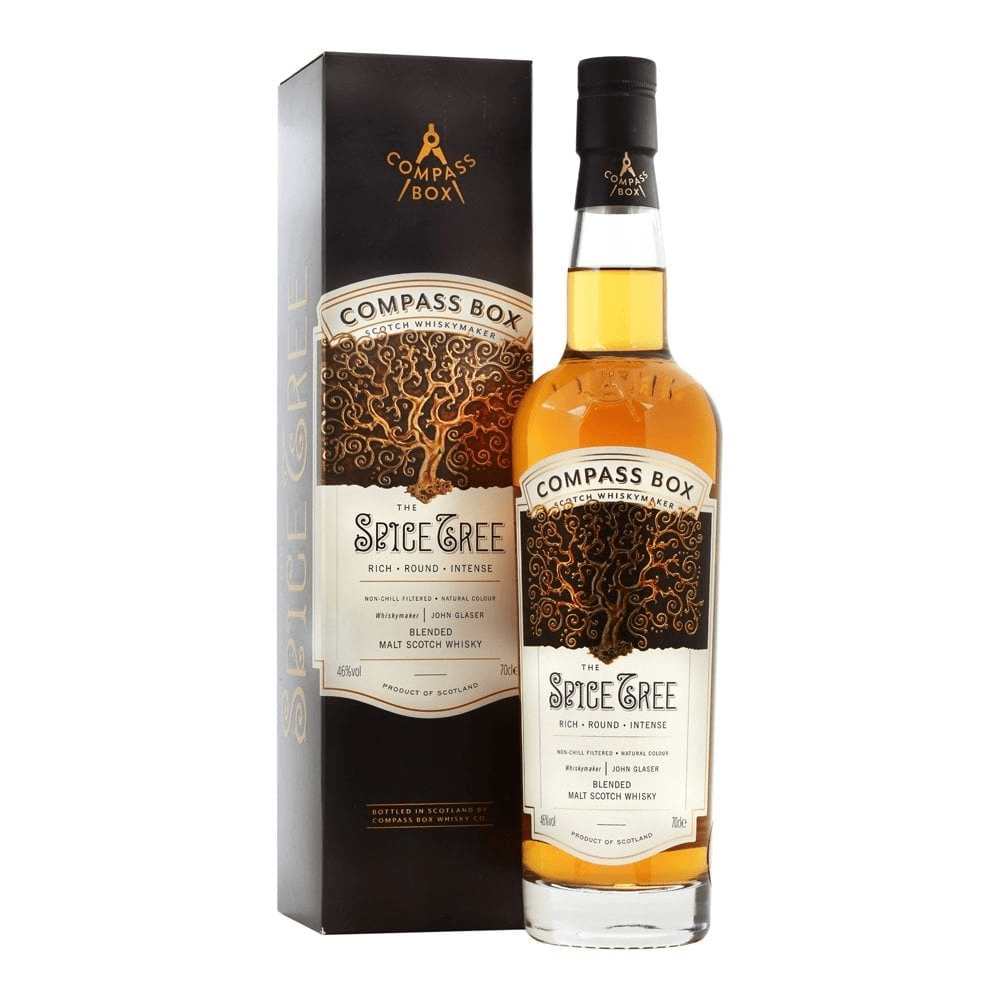
Compass Box Spice Tree
Compass Box Whisky Company
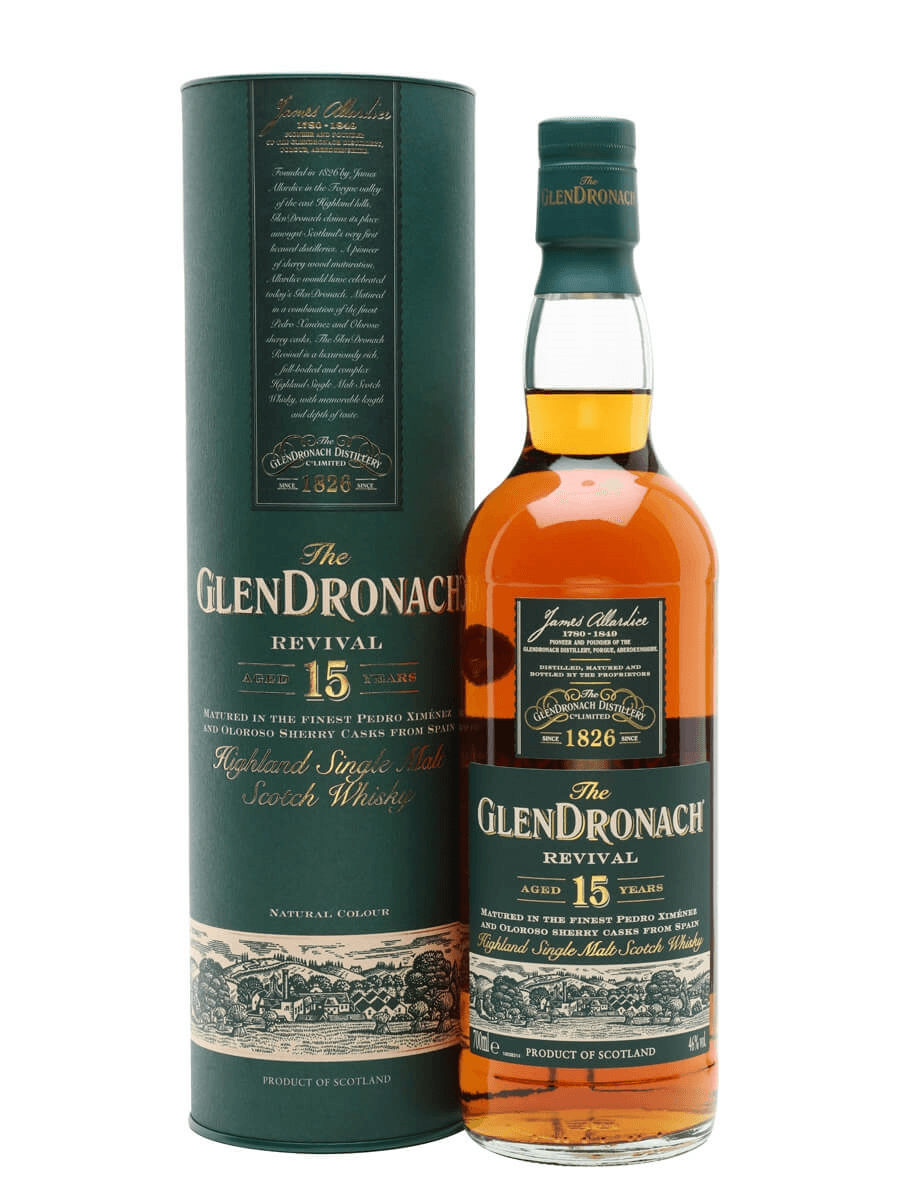
GlenDronach 15 Year Old Revival
Brown-Forman (The GlenDronach Distillery Company)
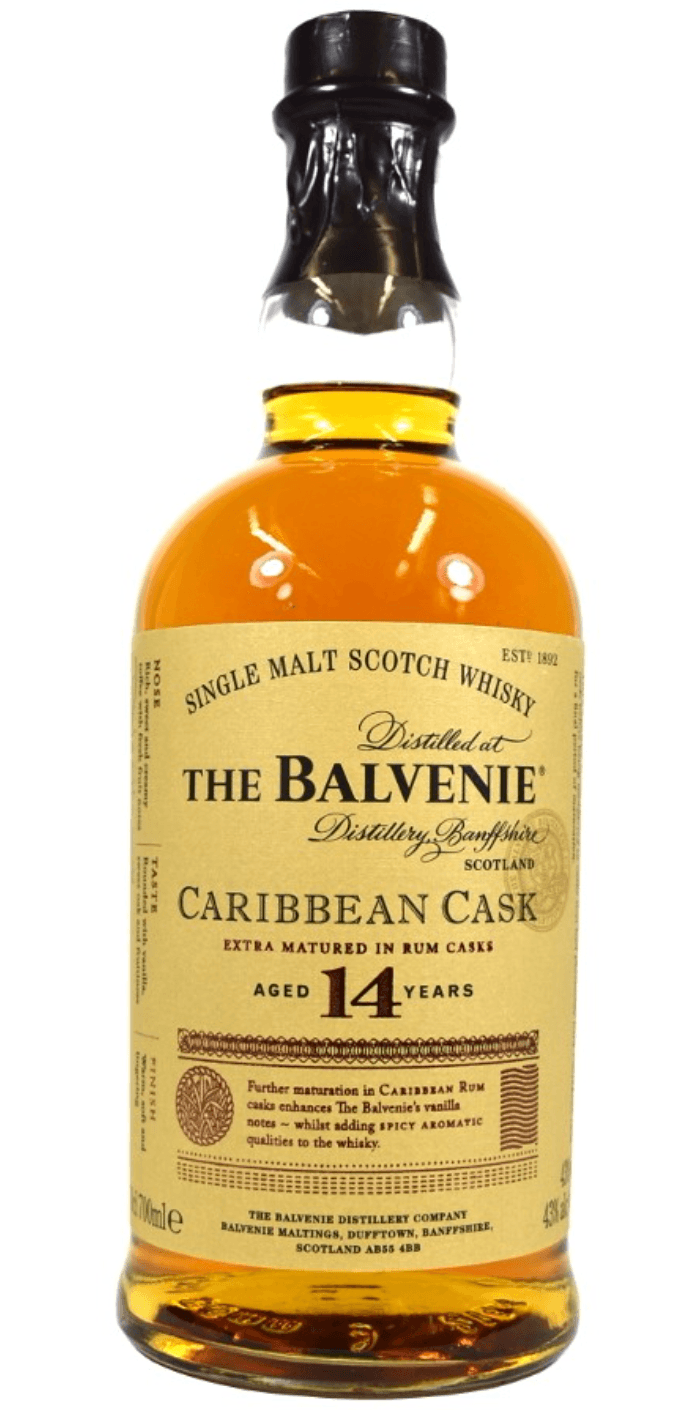
The Balvenie 14 Year Old Caribbean Cask
William Grant & Sons (The Balvenie, est. 1892)
The Balvenie Caribbean Cask 14 is a masterclass in the elegance of cask finishing.
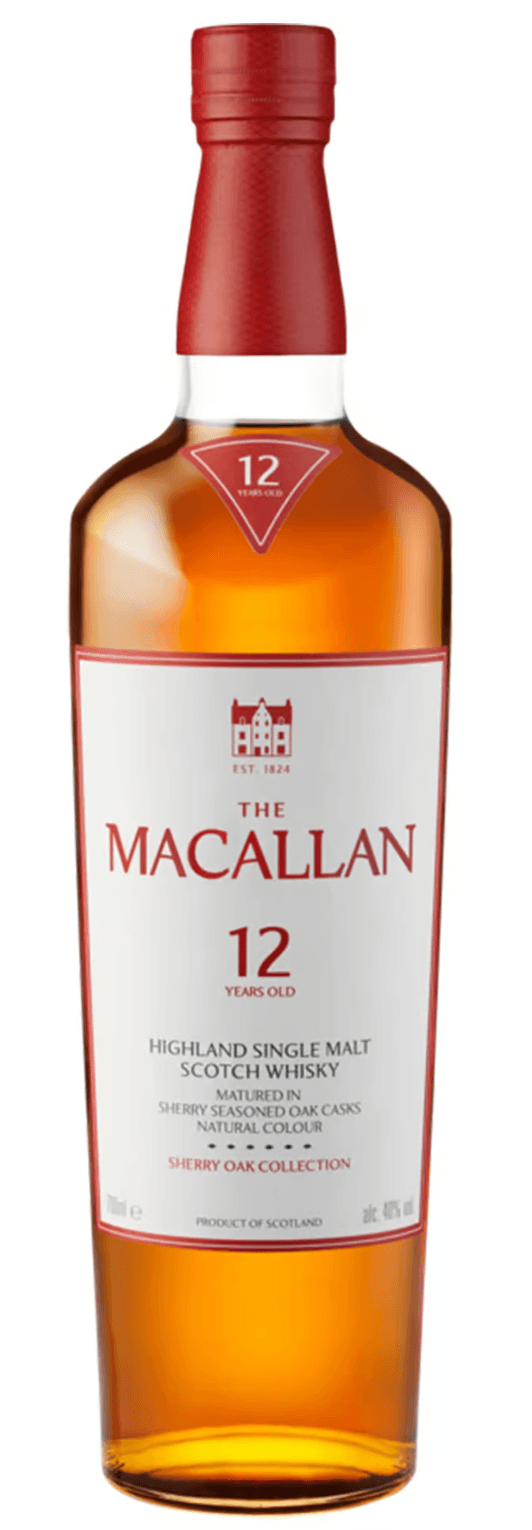
Macallan 12 Year Old Sherry Oak
Edrington Group (The Macallan, est. 1824)
The Macallan 12 Sherry Oak is a masterclass in the patience of wood. While most distilleries treat cask selection as a purchasing decision, Macallan treats it as an art — commissioning their own sherry-seasoned casks in Jerez, waiting two years for the sherry to condition the wood, then waiting another twelve years for the whisky to mature inside it. That's fourteen years of patience before a single drop reaches a bottle. The result is a whisky where the cask and the spirit are in perfect dialogue: neither dominates, and the sherry influence reads as complexity, not sweetness. Macallan's tiny copper stills — the smallest on Speyside — concentrate the new make spirit, giving it the heft to stand up to such assertive wood. This is the benchmark against which all sherry-matured Scotch is measured, and it earns that status through the simplest and most difficult virtue: time.
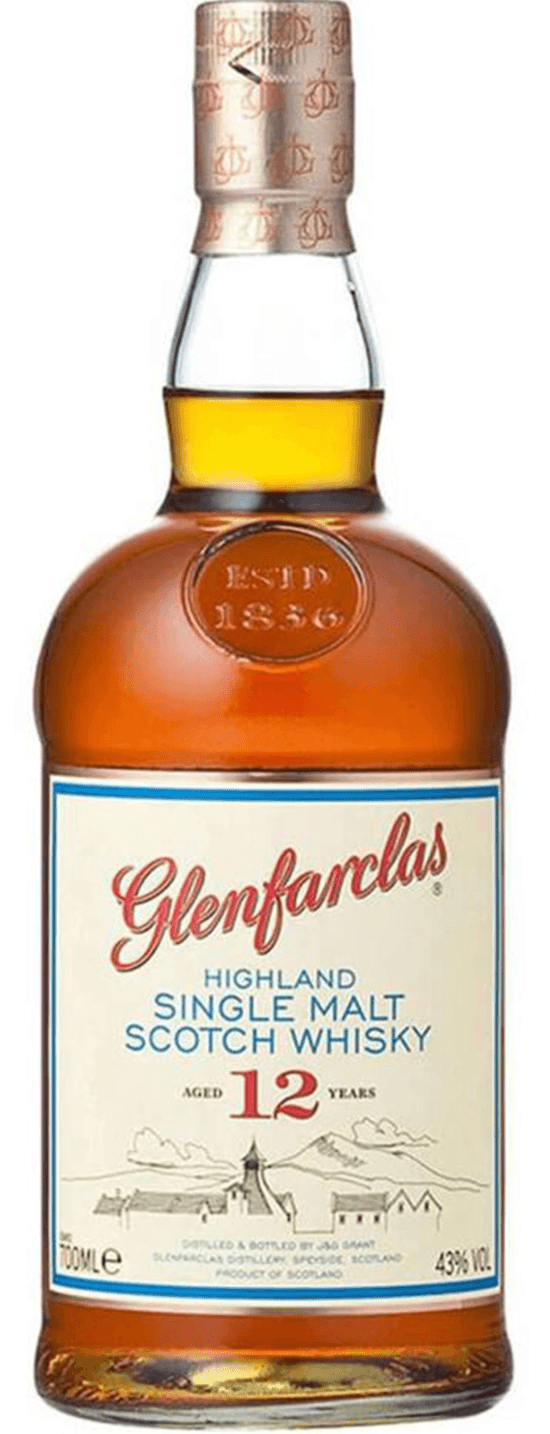
Glenfarclas 12 Year Old
J. & G. Grant (family-owned, 6th generation)
Glenfarclas is what happens when a family says “no” to trends. While other Speyside distilleries have chased younger consumers with NAS releases and cask finishes, the Grants have stayed stubbornly committed to sherry cask maturation and generous age statements. The 12 Year Old is the gateway — unapologetically sherried, rich, and full-bodied at a price that makes the big-name competitors look overpriced. The fact that they’ve resisted every takeover offer for 160 years tells you everything about their priorities.
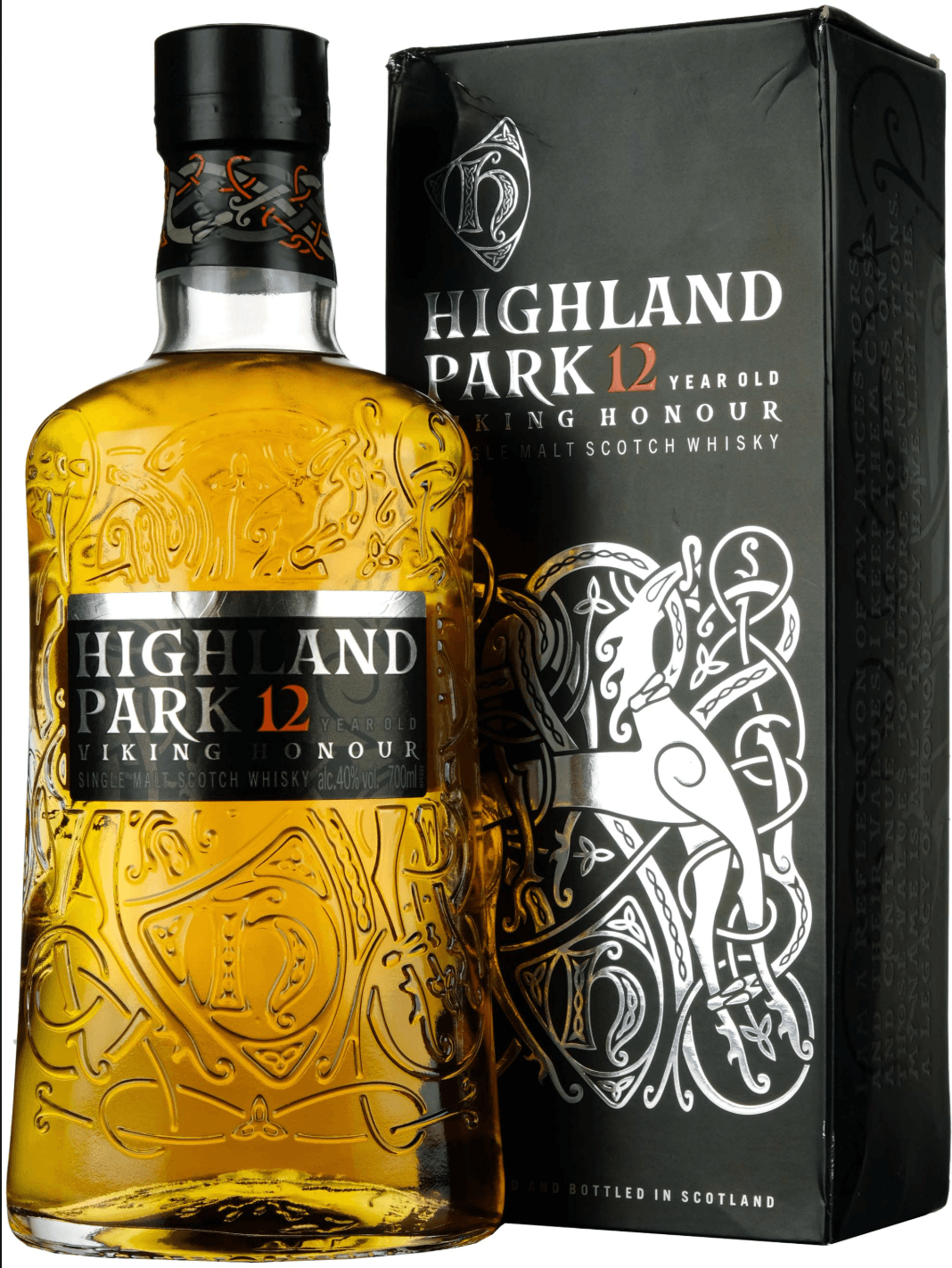
Highland Park 12 Year Old
The Edrington Group
Highland Park 12 is the great balancing act in Scotch whisky. It’s peated but not aggressively so, because Orkney’s peat is infused with heather rather than the woody roots found on Islay — the result is floral smoke rather than campfire smoke. Add in the sherry cask sweetness and the unmistakable coastal salinity from water drawn from Cattie Maggie’s Spring for over two centuries, and you get a whisky that bridges the gap between Speyside smoothness and Island intensity. It’s the single malt that converts people who think they don’t like peat.
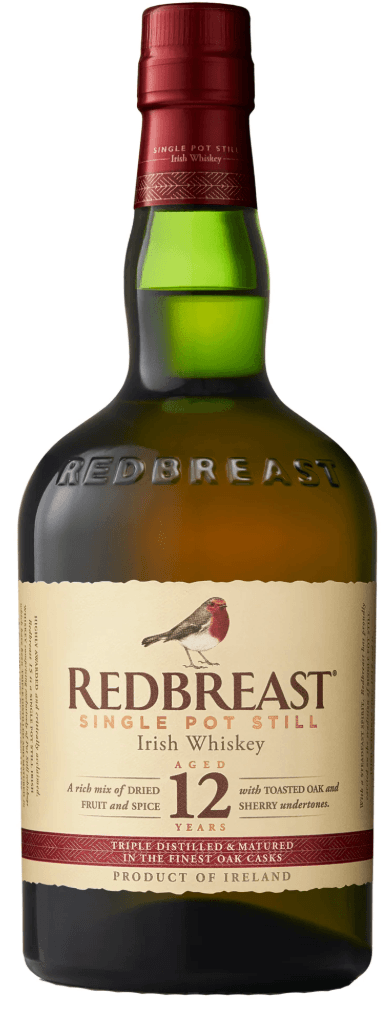
Redbreast 12 Year Old
Pernod Ricard (Irish Distillers)
Redbreast 12 is the definitive pot still Irish whiskey — the one that shows you what the fuss is about. The 50/50 split of malted and unmalted barley creates a texture that’s impossible to achieve with malt alone: creamy, spicy, and full-bodied in a way that triple distillation normally smooths out. The combination of ex-bourbon honey and sherry dried fruit is seamless. The name comes from a bird-loving Gilbeys chairman in 1912, but the whiskey itself has roots stretching back much further — it’s one of only two single pot still brands produced nearly continuously since the early 1900s.
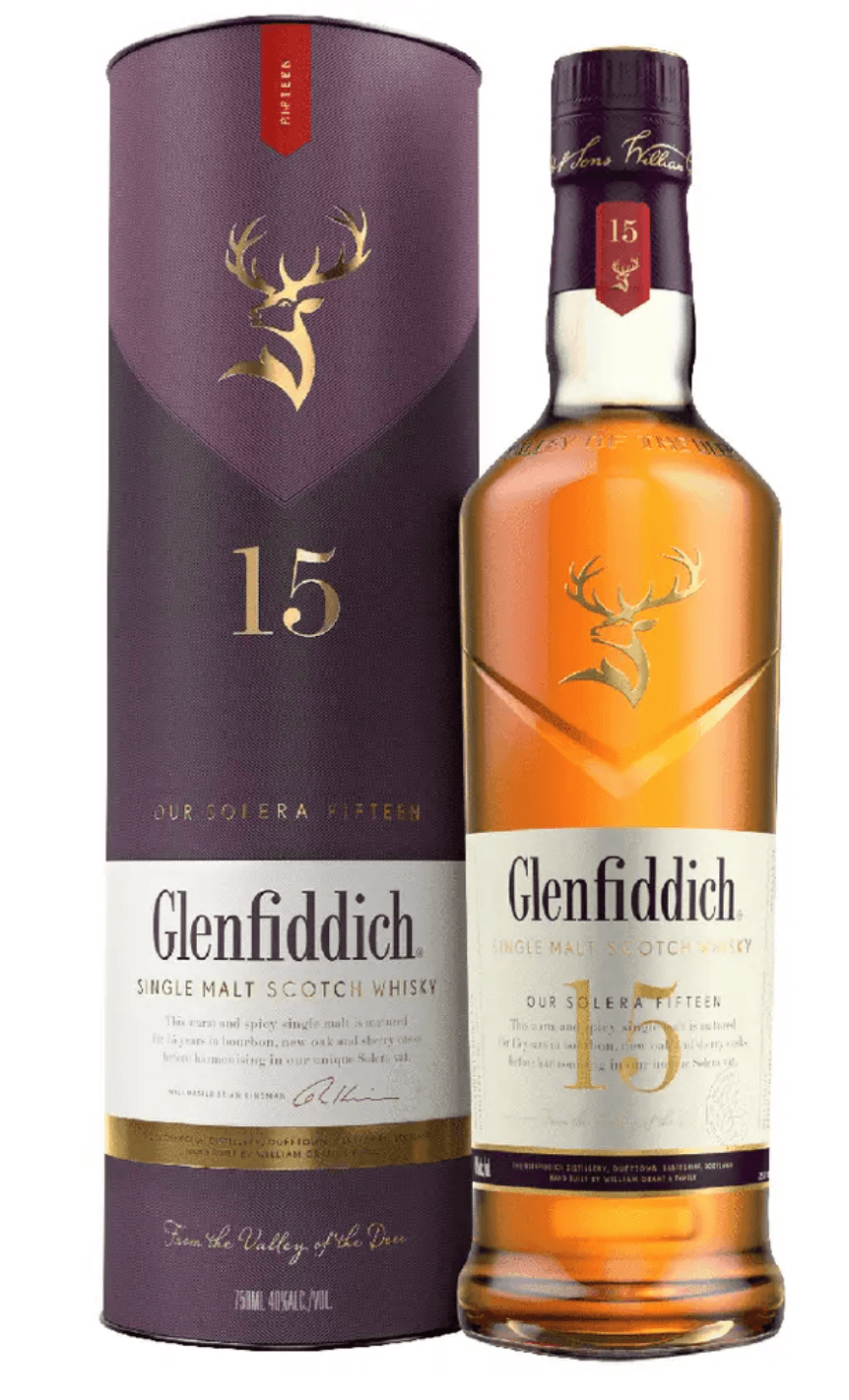
Glenfiddich 15 Year Old Solera
William Grant & Sons
The solera process is what sets this apart from every other 15-year-old Scotch on the shelf. By marrying whiskies in a vat that’s been continuously replenished for nearly three decades, Glenfiddich creates a consistency and depth that batch-by-batch production can’t replicate. It’s rich without being heavy — a Speyside that welcomes newcomers and still rewards experienced palates.
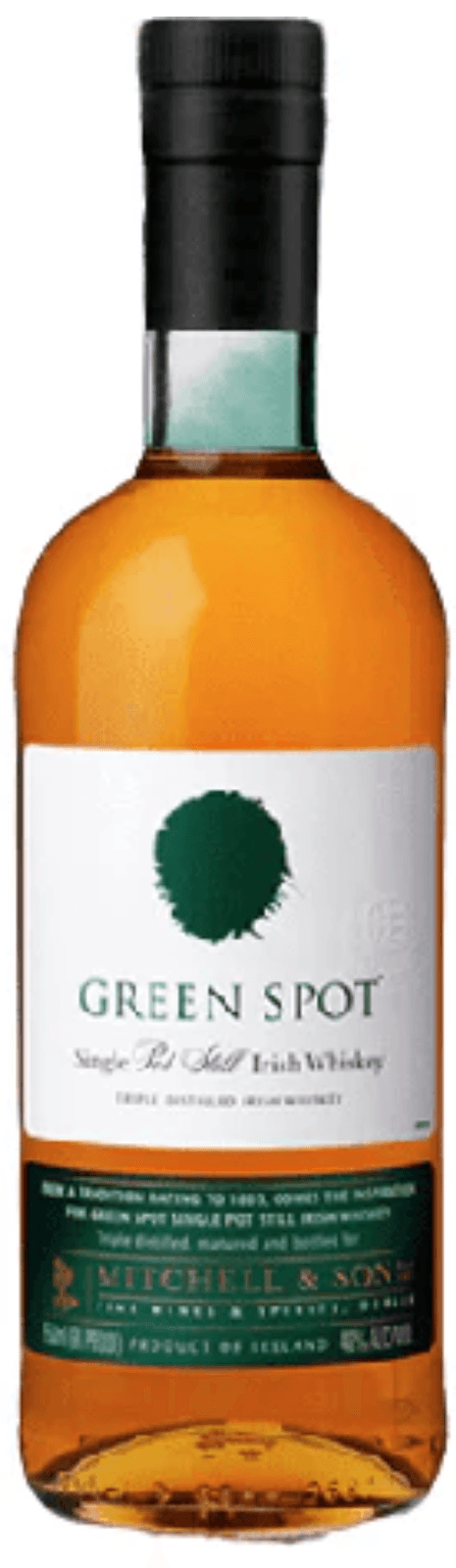
Green Spot Single Pot Still
Pernod Ricard (Irish Distillers) — bonded for Mitchell & Son
Green Spot is the whiskey equivalent of a hidden gem that everyone secretly knows about. The name comes from the colored spots Mitchell & Son dabbed on barrels to indicate age — green for youngest, yellow and red for older. What makes it special is the single pot still method: both malted and unmalted barley distilled together in copper pot stills, creating that signature creamy, spicy texture that defines great Irish whiskey. At this price, it punches well above its weight.