Aroma
Citrus (Generic)
164 bottles with this note
Train this aroma
Wine Aroma Kit
Develop your palate with the canonical reference for citrus (generic) and related notes.

Domaine des Huards Cour-Cheverny AOC Romo 2023
Domaine des Huards
Cour-Cheverny is the only AOC in France dedicated to the ancient Romorantin grape, and Domaine des Huards is its finest ambassador. This is a wine of place — the chalky soils and continental climate write themselves into every glass. If you've never tried Romorantin, this is where to start.

Rhum Clément Select Barrel Rhum Agricole
Clément
Clément Select Barrel is an excellent entry point into aged agricole rhum. The barrel aging tames the raw grassy intensity without erasing it, creating a spirit that bridges the gap between agricole purists and aged rum lovers. At its price, it's one of the best values in the category.

Domaine Weinbach Riesling Grand Cru Furstentum 2022
Domaine Weinbach
The Faller family's Grand Cru Furstentum Riesling showcases one of Alsace's warmest and most powerful sites, yet the 2022 vintage maintains stunning freshness. This is Riesling at its most complete — aromatic, textured, mineral, and built for the table.

Pietradolce Etna Bianco DOC 2023
Pietradolce
Pietradolce's Carricante vines grow at 700 meters on Etna's north face, rooted in millennia of lava flow. Winemaker Michele Faro handles the fruit with restraint — stainless steel only, no malolactic — letting the grape and the volcano speak. The result is one of Italy's most compelling white wines at a price that borders on absurd for this level of quality.

Benanti Etna Bianco Superiore Pietra Marina 2022
Benanti
Pietra Marina is arguably Sicily's greatest white wine, and the 2022 vintage continues the tradition. Carricante from Etna's highest vineyards delivers a rare combination of power and precision — it has the depth to age but the freshness to drink now. If you want to understand what volcanic soil tastes like in a glass, start here.

Bodega Cerro Chapeu Tannat Brut Nature Blanc de Noirs 2023
Domaine Wachau
Smaragd is the top tier of Wachau classification, reserved for wines with the most body and concentration. This 2023 Terrassen Grüner Veltliner balances power with precision — the terraced granite and gneiss slopes above the Danube produce a wine with both generosity and tension. It's a white that can age, but drinks beautifully now.

Rhum Rhum PMG Blanc
Rhum Rhum
A benchmark unaged agricole that showcases the tension between raw agricultural power and Italian-style precision — Luca Gargano and Gianni Capovilla's collaboration remains one of the most articulate white rums on Earth.

Donnafugata Anthìlia Sicilia Bianco DOC 2023
Donnafugata
Donnafugata consistently delivers one of southern Italy's best-value whites with Anthìlia. The Catarratto and Ansonica blend achieves a balance that many more expensive bottles struggle with: aromatic generosity paired with structural discipline. At this price point, it's a refrigerator staple for anyone who drinks wine seriously.

Selbach-Oster Zeltinger Schlossberg Riesling Kabinett Trocken 2022
Selbach-Oster
A compelling case for dry Mosel Kabinett — featherweight in alcohol yet dense with terroir, transforming a category long defined by residual sugar into something bracingly linear.

Domaine de la Pépière Muscadet Sèvre et Maine sur Lie Clisson 2022
Domaine de la Pépière
The Clisson cru designation requires a minimum of 24 months on the lees, and Marc Ollivier's vines — some over 70 years old — deliver the concentration to make that extended aging worthwhile. This is Muscadet reimagined: serious, site-specific, and profoundly undervalued. One of the great white wine bargains in the world.

Savanna Créol Rhum Agricole Blanc
Savanna
A compelling introduction to Réunion's agricole tradition — livelier and more mineral-driven than its Martinican cousins, and a distinctive pour for those who think they've mapped the agricole world.

Domaine des Roches Neuves Saumur Blanc Clos Romans 2023
Domaine des Roches Neuves
Thierry Germain's biodynamic Chenin Blanc from the Clos Romans parcel is a masterclass in terroir-driven white wine. The tuffeau limestone of Saumur gives this wine its remarkable mineral density, while the Chenin grape provides the lift and acid architecture. This is a white wine of profound weight that feels weightless — quarry and cloud in a single glass.

Chalong Bay Double Barrel Aged Rum
Chalong Bay
A quietly compelling rum that rewrites expectations of where fine cane spirits can come from. It sits between French Caribbean agricole and softer aged sipping rums, and does so with genuine identity.

Domaine Huet Vouvray Le Mont Sec 2023
Domaine Huet
Huet's Le Mont vineyard — first-growth Vouvray on south-facing tuffeau limestone — produces Chenin Blanc of breathtaking purity. The 2023 sec captures that intersection of ripeness and acidity where the wine seems to hover between lush and austere. This is the threshold of Chenin: generous and strict in the same breath. Best enjoyed young or cellared for a decade.

Domaine Huet Vouvray Le Mont Demi-Sec 2023
Domaine Huet
Domaine Huet's Le Mont vineyard consistently produces Chenin Blanc of rare transparency. This 2023 demi-sec captures the warmth of a generous vintage while maintaining the electric acidity that defines great Vouvray. Biodynamic viticulture and minimal intervention let the terroir speak without interruption.

Terlan Sauvignon Blanc Winkl 2023
Cantina Terlan (Terlano)
Cantina Terlan is the benchmark cooperative of Alto Adige, and the Winkl is their site-specific Sauvignon Blanc from a single south-facing vineyard at 300 meters. Cool alpine air and the warm Ora wind from Lake Garda create the diurnal temperature swings that give this wine its aromatic precision. It demonstrates that Sauvignon Blanc can be complex without needing to shout.

Domaine André Ostertag Pinot Gris Fronholz 2023
Domaine Ostertag
André Ostertag has been a biodynamic pioneer in Alsace for decades, and Fronholz — his lieu-dit vineyard on calcareous sandstone — produces Pinot Gris of remarkable poise. The 2023 vintage captures the variety's richness without tipping into heaviness, with a mineral core that gives the wine genuine gravity.

Domaine Marc Tempé Riesling Zellenberg 2023
Domaine Marc Tempé
Marc Tempé's biodynamic Riesling from the granite-rich soils of Zellenberg delivers intensity without weight. The 2023 vintage produced wines of remarkable freshness in Alsace, and this bottling channels that energy into a laser-focused expression of site. Outstanding value for the quality on offer.

Envínate Benje Blanco Tenerife DO 2023
Envínate
Envínate is a collective of four young winemakers obsessed with forgotten terroirs of Spain, and their Tenerife project may be the most thrilling. Benje Blanco channels the volcanic soils of the island's north slope — pre-phylloxera Listán Blanco vines rooted in black lava ash at altitude. The result is unlike any other white wine on your shelf.

Movia Lunar Ribolla 2022
Movia
A masterclass in controlled wildness: ancient technique yielding a wine that is simultaneously primal and polished — the definition of opposites in harmony.

Domaine Trimbach Riesling Cuvée Frédéric Émile 2022
Trimbach
Cuvée Frédéric Émile is Trimbach's flagship Riesling, sourced from the Geisberg and Osterberg Grands Crus. The 2022 shows youthful intensity and structural precision — this is Alsatian Riesling at its most intellectual, built for aging but already compelling in its taut, mineral-laden youth.

Domaine Weinbach Riesling Cuvée Colette 2023
Domaine Weinbach
Named for Colette Faller, who shaped Weinbach into one of Alsace's greatest estates, this cuvée embodies the family's philosophy of minimal intervention and maximum terroir expression. The 2023 vintage delivered ideal ripeness with retained acidity, creating a Riesling of rare balance. It's a wine that demands attention and repays it generously.

Chalong Bay Pure Series Original
Chalong Bay
A quietly confident white rum that trades the funk of Caribbean pot stills for a serene, aromatic clarity — an ideal introduction to non-Antillean cane-juice distillation and a versatile cocktail base with genuine terroir.

Domaine Didier Dagueneau Buisson Renard Pouilly-Fumé 2023
Domaine Didier Dagueneau
Dagueneau's Buisson Renard delivers Sauvignon Blanc at its most uncompromising. The silex soils of this vineyard produce a wine of flinty intensity that few Loire producers can match. This is not crowd-pleasing Sauvignon — it's Sauvignon that demands attention and rewards it with layers of complexity.

Domaine Vincent Dauvissat Chablis Premier Cru La Forest 2022
Domaine Vincent Dauvissat
Dauvissat is the gold standard for premier cru Chablis, and La Forest is among the finest plots in the appellation. The 2022 vintage delivered concentration without losing Chablis's essential tension. This is a wine about restraint and focus — mineral precision without any extraneous noise. Drink it now for its nerve, or cellar it and watch it gain complexity.

Radikon Slatnik 2022
Radikon
An accessible entry point into Radikon's uncompromising vision — proof that raw, patient decisions in the cellar yield wines of extraordinary depth and honesty.

Domaine de la Mordorée Lirac Blanc La Reine des Bois 2023
Domaine de la Mordorée
Mordorée's white Lirac is one of the southern Rhône's best-kept secrets — a serious white from an appellation most drinkers overlook entirely. The 2023 vintage captures the estate's knack for balancing richness with freshness, delivering complexity that belies its modest price. Drink it now through 2027.

Domaine Weinbach Pinot Blanc Réserve 2023
Domaine Weinbach
Weinbach's Pinot Blanc Réserve is one of Alsace's great quiet achievements — a wine that rarely makes headlines but consistently delivers more complexity and pleasure than most bottles at twice the price. The 2023 vintage brings exceptional freshness and precision. It's a reminder that Pinot Blanc in the right hands can rival many a Burgundy blanc for sheer drinkability.

Domaine de la Pépière Muscadet Sèvre et Maine sur Lie Les Gras Moutons 2023
Domaine de la Pépière
Marc Ollivier and Rémi Branger have spent decades proving that Muscadet is one of the great undervalued wine regions of Europe. Les Gras Moutons, from gneiss and gabbro soils, delivers a specificity of place that demands attention. At this price point, there may be no better expression of mineral-driven white wine anywhere. It's a sommelier's secret that deserves a wider audience.

Domaine Trimbach Riesling Grand Cru Geisberg 2022
Trimbach
Trimbach's Geisberg represents the taut, dry pole of Alsatian Riesling. Where the Clos Ste. Hune gets all the press, the Geisberg Grand Cru delivers similar intellectual complexity at a fraction of the price. The 2022 vintage captures ideal ripeness while preserving the nervy acidity that makes this vineyard one of Alsace's finest. Age it five years or drink it now — either way, it commands attention.

Domaine de la Taille aux Loups Vouvray Sec 2023
Domaine de la Taille aux Loups
Jacky Blot's Vouvray Sec delivers the crystalline purity and tension that Chenin Blanc achieves in the Loire's tufa-rich soils. The 2023 vintage offers beautiful freshness with enough weight to pair with food or sip contemplatively. It is Loire Chenin at its most honest — nothing added, nothing hidden.

Domaine de la Pépière Muscadet Sèvre et Maine sur Lie Granite de Clisson 2022
Domaine de la Pépière
Muscadet is the ultimate wine of absence. No malolactic fermentation, no new oak, no residual sugar, no aromatic grape variety to hide behind — just Melon de Bourgogne and its terroir. Marc Ollivier's Clisson bottling, from granite soils with mandatory extended aging, proves that austerity and complexity are not opposites. This is one of the great values in French wine.

Domaine Albert Boxler Pinot Gris Grand Cru Brand 2022
Domaine Albert Boxler
Jean Boxler's Grand Cru Brand Pinot Gris is one of Alsace's most compelling expressions of terroir and cask interaction. Partial élevage in older oak foudres adds structure without flavor, allowing the granite-driven minerality and the grape's natural opulence to hold center stage. The 2022 vintage delivered concentration without the excess that can plague richer years.

Domaine Gérard Boulay Sancerre Blanc Clos de Beaujeu 2023
Domaine Gérard Boulay
Boulay's Clos de Beaujeu is Sancerre stripped to its geological essence. Where many Sancerres trade on easy-drinking citrus charm, this wine demands attention and rewards it with a mineral complexity that speaks directly to the Kimmeridgian limestone beneath the vines. It's one of the most terroir-transparent Sauvignon Blancs made anywhere.

Domaine Valette Mâcon-Chaintré Vieilles Vignes 2022
Domaine Valette
Domaine Valette's old-vine Chardonnay from Chaintré is one of the Mâconnais' best-kept secrets. The 2022 captures ripe fruit and textural richness while maintaining the nervous energy that separates great white Burgundy from merely good. At this price, it embarrasses bottles costing three times as much.

Domaine Schoffit Riesling Harth Cuvée Tradition 2023
Domaine Schoffit
Bernard Schoffit's Harth vineyard sits on alluvial soils near Colmar, producing Riesling with a focus on freshness rather than power. The 2023 vintage delivers textbook Alsace Riesling — aromatic, bone-dry, mineral-driven — at a price that should be criminal. An ideal aperitif wine or partner for seafood. Drink within the next three years to enjoy its youthful energy.

Domaine Albert Boxler Riesling Grand Cru Sommerberg 2022
Domaine Albert Boxler
Boxler's Sommerberg is one of Alsace's most compelling grand cru Rieslings. The 2022 vintage brought warmth and generosity, but Boxler's signature restraint keeps the wine vertical and focused. This is Riesling as geological document — the pink granite of Sommerberg stamped into every sip. Age-worthy but already singing.

Clairin Communal Le Rocher Ansyen 24 Mois
Clairin
Clairin represents rum's most transparent tradition — wild fermentation, native sugarcane, and minimal intervention. This 24-month aged expression shows how even brief cask contact can add dimension without erasing character. It's raw, honest, and completely unlike anything else in the rum world. For drinkers tired of caramel-flavored spirits, this is a reset button.

Domaine Comte Abbatucci Vermentinu Cuvée Collection 2023
Domaine Comte Abbatucci
Jean-Charles Abbatucci is one of Corsica's most uncompromising biodynamic producers, and this Vermentinu shows why the grape and the island are inseparable. The granite soils and Mediterranean winds forge a white wine of rare mineral intensity, while the indigenous yeast fermentation preserves every nuance of place. It drinks like a postcard from a wild coast.

Clos Cibonne Côtes de Provence Tibouren Rosé 'Tentations' 2023
Clos Cibonne
Clos Cibonne is best known for its singular Tibouren rosés, but this white bottling from their maritime vineyards deserves attention on its own merits. The salt-tinged minerality and restrained fruit profile make it a natural companion for seafood, while the textural finesse shows careful winemaking. A coastal white in the truest sense.

Domaine de la Garrelière Touraine Sauvignon Blanc Cendrillon 2023
Domaine de la Garrelière
This biodynamic Sauvignon Blanc from the southern Loire offers a study in transparency. François Plouzeau's estate, certified biodynamic since 2006, produces wines that taste like the soil they come from. The Cendrillon bottling is all tension and minerality—Sauvignon Blanc stripped to its essentials, with nothing to hide and nothing wasted.

Domaine Josmeyer Riesling Les Pierrets 2023
Domaine Josmeyer
Josmeyer's Les Pierrets vineyard produces a Riesling of crystalline purity, the kind of white wine that makes you reconsider everything you thought about Alsatian richness. The 2023 vintage brings a taut, energetic acidity that will carry this wine for several years, but it drinks beautifully now with its bright fruit and stony backbone. A textbook warm-vintage Alsatian Riesling.

Vulcão Grogue de Cabo Verde
Vulcão
A rugged, terroir-driven cane spirit that rewards adventurous drinkers. Less polished than agricole, more elemental — and all the better for it.

Domaine Trimbach Gewürztraminer Alsace 2022
Trimbach
Trimbach's house style brings rigor to one of Alsace's most exuberant varieties. This Gewürztraminer has the aromatic intensity the grape demands, but the bone-dry finish and taut acidity keep it firmly on the food-friendly side. A benchmark for the varietal at an accessible price.

Domaine de la Quilla Muscadet Sèvre et Maine sur Lie 2023
Domaine de la Quilla
Muscadet is one of the wine world's great bargains, and this sur lie bottling from Domaine de la Quilla demonstrates why. The Melon de Bourgogne grape delivers a bracing, mineral-driven wine that is the definition of a food wine. Pair it with shellfish and you'll wonder why you've been spending more.

Domaine de la Cadette Bourgogne Vézelay La Châtelaine 2023
Domaine de la Cadette
Vézelay is Burgundy's quietest Chardonnay appellation, and Domaine de la Cadette has been its most vocal ambassador. La Châtelaine delivers remarkable clarity at a price point that makes it an ideal everyday white. Biodynamic farming and low intervention in the cellar let the limestone terroir speak with a clear voice.

Zárate Albariño Rías Baixas 2023
Zárate
Zárate's old-vine Albariño from the Val do Salnés subzone is a masterclass in site-driven white winemaking. The granitic soils and Atlantic proximity give this wine a tension and mineral depth that mass-market Albariño rarely achieves. At this price, it is one of the most compelling values in European white wine.

Ciro Picariello Fiano di Avellino DOCG 2023
Ciro Picariello
Ciro Picariello's Fiano is one of southern Italy's most compelling white wines — volcanic soil, old vines, and zero shortcuts. The 2023 is electric and precise, with the kind of mineral depth that makes you reconsider what Campanian whites can achieve. This is a wine that tastes like the rough, beautiful terrain it comes from.

Inama Vin Soave Classico DOC 2023
Inama
Inama has been one of the key estates in Soave's quality revolution, proving that Garganega on volcanic soil can produce wines of genuine complexity and ageability. This 2023 vintage is drinking beautifully now—precise, mineral-driven, and effortlessly refreshing. A reminder that great white wine doesn't need to cost a fortune or carry a famous appellation.

Domaine Weinbach Riesling Réserve Personnelle 2023
Domaine Weinbach
The Réserve Personnelle is Weinbach's calling card — a wine that captures the Clos des Capucins terroir with clarity and restraint. The 2023 vintage delivers the crystalline precision that makes Alsatian Riesling one of the world's great white wine styles. Hand-harvested, hand-sorted, and vinified with minimal intervention, it's a pure expression of place and practice.

Domaine de la Taille aux Loups Montlouis-sur-Loire Rémus 2023
Domaine de la Taille aux Loups
Jacky Blot's entry-level Montlouis is one of the Loire's quiet bargains. The 2023 vintage captures the appellation's electric tension — ripe enough to be generous, taut enough to stay interesting. Chenin Blanc from limestone soils, fermented with rigor and bottled with restraint. This is summer in a glass.

Passopisciaro Contrada G Terre Siciliane IGT 2021
Passopisciaro
Andrea Franchetti's Passopisciaro project maps Etna's north face contrada by contrada, and Guardiola (G) consistently delivers some of the estate's most expressive wines. The Nerello Mascalese grown in these volcanic soils produces a wine that can feel almost Burgundian in its transparency—but the mineral intensity is purely Sicilian.

Clairin Communal Le Rocher
Clairin
Clairin Le Rocher is fermented with wild yeast, distilled from fresh sugarcane juice on rudimentary equipment, and bottled without adjustment. The result is one of the most expressive unaged cane spirits in the world. It's raw, complex, and utterly unlike anything from the industrial rum world—a direct transmission of terroir.

Donnhoff Oberhäuser Brücke Riesling Kabinett 2023
Dönnhoff
Cornelius Dönnhoff continues his family's tradition of making some of the Nahe's most site-specific Rieslings, and the Oberhäuser Brücke vineyard—with its steep slate terraces above the river—consistently produces Kabinett of exceptional purity. This is German Riesling at its most transparent: low alcohol, high tension, and a mineral signature that can't be faked.

Domaine Fournier Sancerre Les Belles Vignes 2023
Domaine Fournier
Domaine Fournier's Les Belles Vignes captures the essence of Sancerre without pretension — pure Sauvignon Blanc expressed through limestone terroir. The 2023 vintage brings excellent ripeness balanced by racy acidity, making this an ideal summer white that pairs as well with a simple seafood platter as it does with a Tuesday evening on the porch.

Worthy Park Overproof Jamaica Rum
Worthy Park
Worthy Park's overproof is Jamaican rum in its most uncompromising form — high-ester, high-proof, and packed with the kind of flavor that transforms any cocktail it touches. It's not meant for timid sipping, but for bartenders and rum enthusiasts who want authentic pot-still character at a remarkable price. Essential for any serious home bar.

Domaine des Roches Neuves Saumur Blanc L'Insolite 2023
Domaine des Roches Neuves
Thierry Germain's L'Insolite is biodynamic Chenin Blanc at its most unadorned — the name translates to 'the unusual,' and this wine lives up to it. No new oak, no malolactic fermentation, just pure varietal expression shaped by ancient tuffeau limestone. The rough mineral edge here is precisely what makes it compelling. A benchmark Loire white.

Kuentz-Bas Alsace Riesling Grand Cru Pfersigberg 2022
Kuentz-Bas
Kuentz-Bas has quietly produced exceptional Alsatian wines since 1795, and this Grand Cru Riesling from the south-facing Pfersigberg vineyard is a compelling argument for the house's patience and precision. Dry, taut, and deeply mineral, it is Riesling that asks you to wait — give it thirty minutes of air, or better yet, a year or two in your cellar, and it will repay you generously.

Château de Villeneuve Saumur Blanc 2023
Château de Villeneuve
Château de Villeneuve is one of Saumur's quiet benchmarks, producing Chenin Blanc that captures the Loire's limestone essence without artifice. The 2023 vintage benefits from ideal harvest conditions, delivering a wine that's simultaneously refreshing and substantive. At this price, it's one of the best values in serious white wine.

Domaine des Héritiers du Comte Lafon Mâcon-Milly-Lamartine 2023
Héritiers du Comte Lafon
When Dominique Lafon—the man behind some of Burgundy's most coveted Meursaults—turned his attention to the Mâconnais in 1999, the results were predictably excellent. This entry-level white delivers a compelling push-pull between ripe fruit generosity and limestone-driven tension. It's Burgundy Chardonnay at its most honest and accessible.

Plantation Xaymaca Special Dry
Plantation
Xaymaca is a case study in productive tension: all the high-ester Jamaican funk and tropical fruit you'd expect, held in check by genuine dryness and structural oak. It's the rum equivalent of a dry Riesling—aromatic sweetness contradicted by a bone-dry palate. Essential for Tiki cocktails but genuinely enjoyable neat.

Weingut Bründlmayer Grüner Veltliner Kamptaler Terrassen 2023
Bründlmayer
Bründlmayer is one of Austria's most respected estates, and this Kamptaler Terrassen bottling is the ideal introduction to their work. It delivers everything you want from Grüner at this level: peppery snap, mineral tension, and effortless drinkability. The 2023 vintage is bright and precise, built for the table. Pair it with anything from asparagus to sushi and let the wine's acidity do the heavy lifting.

Domaine Vacheron Sancerre Blanc Les Romains 2023
Domaine Vacheron
Jean-Dominique and Laurent Vacheron farm biodynamically, and the results show in this parcel-specific bottling from silex soils. Les Romains consistently delivers one of the most mineral-driven, terroir-transparent Sancerres available. This is Sauvignon Blanc as intellectual exercise — precise, vital, and deeply satisfying.

Hampden Estate Rum Fire Overproof
Hampden Estate
Rum Fire is Hampden Estate's most unapologetic expression — a high-ester, unaged pot-still rum that captures the full spectrum of Jamaican funk. At this price, it's one of the great values in spirits. Essential for serious daiquiris and rum punches, but also deeply rewarding neat for those who appreciate the conversation.

Domaine Francois Chidaine Montlouis-sur-Loire Clos du Breuil 2023
Domaine François Chidaine
Chidaine's Clos du Breuil is Chenin Blanc at its most electric. The 2023 vintage captures the variety's unique ability to be simultaneously generous and austere. Biodynamic farming and meticulous cellar work yield a wine of startling clarity — this is the space between sips made literal, a wine that's always arriving, never quite finished revealing itself.

Clairin Communal Sajous
Clairin
Clairin Communal Sajous is rum stripped to its essence — no barrel, no blending, no apology. It's a communal bottling from multiple batches of Michel Sajous's production, offering a broader snapshot of this specific terroir and method than a single-distillery release. If you think unaged spirits can't be complex, this will change your mind.

Do Ferreiro Albariño Rías Baixas 2023
Do Ferreiro
Do Ferreiro is the benchmark producer for serious Albariño, and their basic cuvée is anything but basic. Gerardo Méndez tends some of the oldest Albariño vines in the Val do Salnés, and the wine's combination of fruit intensity, textural complexity, and mineral precision reflects decades of hands-on viticulture. This is white wine that earns its place at the table.

Clairin Communal Vaval
Clairin
Clairin Communal Vaval is rum stripped to its most honest expression — no aging, no blending across distilleries, no additives. Fritz Vaval's small operation in Cavaillon uses native yeast fermentation and direct-fire distillation to produce a spirit that tastes of exactly where it comes from. It's a masterclass in terroir-driven rum.

Graci Etna Bianco Arcurìa 2022
Graci
A vivid expression of high-elevation Carricante — austere, lifted, and built for the cellar.

Domaine de la Pépière Muscadet Sèvre et Maine sur Lie Clos des Briords Vieilles Vignes 2022
Domaine de la Pépière
Marc Ollivier built Pépière into one of Muscadet's reference estates through patient viticulture and minimal intervention. The Clos des Briords bottling, from vines averaging 70 years old on gneiss soils, is Muscadet at its most serious. At this price, it remains one of the best value propositions in all of French wine.

Rhum Saint James Coeur de Chauffe
Saint James
A masterclass in pot still agricole at full strength — Saint James captures only the central, purest portion of the distillate, and the result is a rhum of remarkable density and clarity. Essential for anyone seeking to understand what 'coeur de chauffe' truly means.

Domaine Vincent Dauvissat Chablis 2022
Domaine Vincent Dauvissat
Dauvissat's village-level Chablis drinks like a wine well above its station. The meticulous viticulture and restrained winemaking let the Kimmeridgian terroir speak clearly — chalky, mineral-driven, and absolutely alive. This is Chablis with nothing to hide.

Domaine Zind-Humbrecht Pinot Gris Clos Windsbuhl 2022
Domaine Zind-Humbrecht
Clos Windsbuhl is a monopole site on limestone-rich Muschelkalk soils in Hunawihr, and its wines always carry a tension between richness and minerality. The 2022 vintage captures this duality perfectly — the warmth of the year gives generous fruit, but the terroir's limestone backbone refuses to let the wine become lazy. Olivier Humbrecht's biodynamic approach and non-interventionist winemaking let the vineyard's personality fill the interval between vine and glass.

Domaine de la Taille aux Loups Montlouis-sur-Loire Sec Clos de Mosny 2023
Domaine de la Taille aux Loups
Jacky Blot's Montlouis bottlings have long rivaled the finest Vouvrays across the river, and this Clos de Mosny demonstrates why. The 2023 vintage is taut and energetic, with Chenin Blanc's signature tension between richness and acidity on full display. Drink it now for freshness, or give it a year or two to see the complexity unfold.

Domaine Patrick Javillier Bourgogne Blanc Cuvée des Forgets 2022
Domaine Patrick Javillier
Patrick Javillier may be headquartered in Meursault, but this Bourgogne Blanc — sourced from vines on the Meursault side of the appellation — drinks well above its classification. The chalk and limestone soils stamp the wine with a mineral signature that's unmistakably Côte de Beaune. At this price point, it's one of the best introductions to serious white Burgundy available, proving that terroir doesn't require a Premier Cru price tag.

Cantina Terlano Terlaner Classico 2023
Cantina Terlano
Cantina Terlano's Classico blend is among the great value wines of northern Italy. The cooperative's vineyards sit on ancient porphyry rock at elevation, and you can taste every meter of altitude and every millennium of geology. The 2023 vintage is taut, focused, and effortlessly drinkable — a white wine that proves terroir doesn't require a luxury price tag.

Domaine Skouras Moscofilero 2023
Domaine Skouras
Moscofilero is one of Greece's most distinctive white grapes, and Skouras' version is a textbook expression — aromatic, lively, and bone-dry. The high-altitude Mantinia plateau gives the wine a nerviness that keeps it energized despite its gentle body. An ideal warm-weather pour that punches well above its price.

Domaine Bousquet Torrontés Reserve 2023
Domaine Bousquet
Torrontés is Argentina's signature white grape, and Domaine Bousquet's high-altitude vineyards in the Uco Valley give it a razor-sharp acidity that balances its naturally exuberant aromatics. This 2023 is a varietal showcase—every sip announces the grape before the place.

Trois Rivières Cuvée de l'Océan Rhum Agricole
Trois Rivières
This Cuvée de l'Océan showcases what happens when terroir speaks through sugarcane rather than grape. The Martinique AOC guarantees the spirit's provenance, and Trois Rivières delivers a blanc that's simultaneously refreshing and complex—the base ingredient in full command.

Domaine Thibault Liger-Belair Bourgogne Aligoté 2023
Domaine Thibault Liger-Belair
Aligoté is Burgundy's other white grape, and in the hands of a meticulous grower like Liger-Belair, it becomes a vivid snapshot of terroir without the price tag of Chardonnay. The 2023 vintage delivers excellent acidity and a mineral precision that speaks to the limestone bedrock and the water that percolates through it. This is the wine equivalent of a cold spring — bracing, pure, essential.

Marjan Simčič Ribolla Gialla Cru Selekcija 2022
Marjan Simčič
A masterclass in how transition — from grape to skin-contact maceration to extended élevage — can completely reshape what we expect from a white wine. Cerebral, ancient-feeling, and deeply rewarding.

Rhum J.M Blanc 50
Rhum J.M
Rhum J.M Blanc 50 captures the volcanic soul of northern Martinique in a bottle. At 100 proof, it has the muscle to stand up to any Ti' Punch or cocktail application, but it is equally compelling neat, where the terroir-driven agricole character can speak without interruption. This is essential rum for anyone serious about the category.

Domaine Huet Vouvray Le Haut-Lieu Demi-Sec 2022
Domaine Huet
Huet's Le Haut-Lieu demi-sec is a masterclass in controlled sweetness. The biodynamically farmed Chenin Blanc grapes achieve remarkable ripeness on the tuffeau limestone soils, but the winemaking team arrests fermentation at precisely the moment where sugar and acid achieve equilibrium. This is a wine about the ledge between richness and restraint — and it never falls.

Domaine François Raveneau Chablis 2022
Domaine François Raveneau
Raveneau's village-level Chablis consistently outperforms many producers' Premier Cru bottlings. The secret is patience at every stage — careful viticulture, gentle pressing, and the long lees aging that gives this wine its paradoxical combination of austerity and richness. It drinks beautifully now but will evolve for five to seven years with ease. If you can find it, buy it.

Josmeyer Pinot Blanc Mise du Printemps 2022
Josmeyer
Josmeyer's Mise du Printemps is meant to be the first wine of the vintage — the spring release — and it captures that sense of renewal perfectly. It's unshowy, refreshing, and quietly complex, the kind of bottle you reach for on a warm evening when you want something alive with energy.

Clairin Communal Casimir
Clairin
Clairin Casimir is rum in its most elemental form — wild-fermented, pot-distilled, and bottled without aging. It tastes like a specific hillside in Haiti, not a category. For anyone who thinks terroir only belongs in wine, this bottle is a compelling counterargument.

Domaine Roulot Bourgogne Blanc 2022
Domaine Roulot
Jean-Marc Roulot's regional Bourgogne Blanc routinely embarrasses wines twice its classification. Sourced from vines around Meursault, this is Burgundy distilled to its essence — tension, minerality, and chardonnay fruit in perfect balance. The terroir of the Côte de Beaune's limestone soils is unmistakable.

Domaine Huët Vouvray Pétillant Brut NV
Domaine Huët
Huët's Pétillant is one of the Loire's great values — biodynamically farmed Chenin Blanc with more complexity than many Champagnes at twice the price. The gentler pétillant mousse lets the terroir and fruit shine without the distraction of aggressive bubbles. An ideal aperitif or oyster wine.

Mullineux Old Vines White 2022
Mullineux Family Wines
A masterclass in patient winemaking from the Swartland — restrained on release, but already telegraphing the gravitas of a wine built for the cellar.

Domaine des Baumard Savennières Clos du Papillon 2021
Domaine des Baumard
Clos du Papillon is one of Savennières' legendary vineyards, and Baumard's stewardship of it produces a Chenin Blanc of extraordinary precision and longevity. This 2021 drinks beautifully now but will reward cellaring for a decade or more. It's a wine that demands attention and repays it generously — a masterclass in how great terroir and great acidity can create something transcendent.

Domaine Leflaive Bourgogne Blanc 2022
Domaine Leflaive
This is what overflow fruit from some of Burgundy's greatest Chardonnay vineyards tastes like in the hands of a biodynamic master. Domaine Leflaive's Bourgogne Blanc routinely outperforms wines at twice its price. It's a lesson in what terroir and discipline can achieve at the most humble appellation level.

Clairin Le Rocher Single Distillery Haitian Rum
Clairin
Le Rocher is terroir distilled to its most elemental. No barrel, no blending, no compromise — just Haitian sugarcane, wild yeast, and a copper pot still. It's raw, alive, and completely unlike any other spirit on this list. If you want to taste where rum begins, start here.

Domaine Weinbach Riesling Grand Cru Mambourg 2021
Domaine Weinbach
Mambourg is one of Alsace's warmest grand cru sites, and in lesser hands it can produce blowsy, overripe Riesling. Weinbach navigates this risk flawlessly. The wine is rich but never heavy, complex but immediately readable — a blind stitch of winemaking, where the difficulty is hidden inside the pleasure.

Domaine Luneau-Papin Muscadet Sèvre et Maine sur Lie L d'Or 2021
Domaine Luneau-Papin
Pierre-Marie Luneau's L d'Or cuvée is the argument-ender for anyone who still dismisses Muscadet. Extended lees contact gives this wine a textural richness that plays against its razor-sharp acidity, and the result is an accord between opulence and austerity that few white wines at any price achieve. Outstanding value.

Domaine Long-Depaquit Chablis Premier Cru Les Vaillons 2022
Domaine Long-Depaquit
Long-Depaquit is one of Chablis's oldest and most respected domaines, with holdings in prime premier and grand cru vineyards. Les Vaillons sits on the right bank of the Serein river, its south-facing slopes delivering wines of both power and precision. The 2022 vintage brings generous fruit to a frame of razor-sharp acidity and mineral depth — textbook premier cru Chablis.

Domaine Bott-Geyl Gewürztraminer Furstentum Grand Cru 2021
Domaine Bott-Geyl
Jean-Christophe Bott farms biodynamically and vinifies with minimal intervention, and the result on Furstentum's south-facing slopes is a Gewürztraminer of real structure and complexity. The 2021 vintage delivers the variety's aromatic exuberance while maintaining the acid backbone that separates serious Alsace from the merely sweet.

Marc Hébrart Champagne Blanc de Blancs Brut 1er Cru NV
Marc Hébrart
Jean-Paul Hébrart's grower Champagne is the antithesis of flash — it earns its place through vineyard rigor and extended cellar time. The Blanc de Blancs bottling from premier cru sites shows what serious Chardonnay can achieve in Champagne without a luxury-house price tag. Drink it now or let it gain further complexity over three to five years.

Domaine Barmès-Buecher Pinot Blanc Rosenberg 2022
Domaine Barmès-Buecher
Geneviève and François Barmès-Buecher converted to biodynamic farming in the early 2000s, and the results speak through wines of crystalline clarity. This Pinot Blanc from the Rosenberg lieu-dit is proof that Alsace's 'simple' grapes, in committed hands, can produce wines of genuine depth and character at an astonishing value.

Clairin Vaval
Clairin
Clairin Vaval is rum stripped to its most elemental — no aging, no blending, no polish. What remains is terroir in a glass: the wild, indigenous sugarcane of southern Haiti, fermented with native yeasts and distilled once. It's a spirit that demands curiosity and rewards it with a flavor profile unlike anything else in the rum world.

Domaine Trimbach Pinot Gris Réserve 2021
Trimbach
Trimbach's Pinot Gris Réserve is a quietly authoritative Alsatian white — rich enough to pair with substantial food, dry enough to stay interesting across a full meal. The 2021 vintage shows the house style at its best: precision without austerity, weight without sweetness. The texture is what binds it — that waxy mid-palate acts as invisible architecture.

Domaine Patrick Baudouin Savennières Les Girardieres 2021
Domaine Patrick Baudouin
Savennières is Chenin Blanc at its most demanding — structured, dry, and unyielding in youth. Patrick Baudouin farms biodynamically and lets the wine find its shape without forcing it. The 2021 offers mineral austerity now, but give it three to five years and it will repay patience generously. A charcoal-line wine if ever there was one.

Domaine Weinbach Gewürztraminer Cuvée Théo 2022
Domaine Weinbach
Cuvée Théo honors the late Théo Faller who shaped modern Domaine Weinbach, and it embodies his philosophy: let the terroir speak, but give it time to gather its voice. This is Gewürztraminer without the caricature — aromatic power held in check by the Clos des Capucins' exceptional soils. It demonstrates that the grape's expressiveness, when grown with discipline, is a virtue rather than a flaw.

Domaine Josmeyer Riesling Grand Cru Brand 2021
Domaine Josmeyer
The Brand Grand Cru's granite terroir produces some of Alsace's most transparent Rieslings, and Josmeyer — farmed biodynamically since 2000 — lets that transparency shine. This is Riesling as geological survey: precise, layered, and utterly site-specific. A bottle worth cellaring for a decade or drinking now with focus.

Domaine Huet Vouvray Le Clos du Bourg Sec 2022
Domaine Huet
Le Clos du Bourg is Huet's most structured vineyard, and the 2022 sec demonstrates why Chenin Blanc from Vouvray's clay-over-tuffeau slopes deserves comparison with the world's great whites. Biodynamic farming since the 1990s has amplified the transparency of this site. The wine will evolve beautifully for a decade or more, but it's already compelling in its youth — electric with energy and rooted in place.

Domaine Marc Kreydenweiss Kastelberg Grand Cru Riesling 2021
Domaine Marc Kreydenweiss
Kastelberg is the only Grand Cru vineyard in Alsace planted entirely on schist, and Marc Kreydenweiss has farmed it biodynamically since 1989. The 2021 vintage shows why this site matters — the wine is all tension and mineral energy, with fruit that serves the terroir rather than the other way around. Drink it now with shellfish or forget about it for ten years; it will reward both approaches.

Vietti Roero Arneis 2023
Vietti
Vietti's Roero Arneis showcases why this once-obscure Piedmontese grape has earned its own DOCG. The wine balances orchard fruit and mineral tension with real charm. It's serious enough to pair with food but refreshing enough to open on the porch.

Domaine Huet Vouvray Le Mont Sec 2022
Domaine Huet
Huet's Le Mont vineyard sits on clay and silex over tuffeau limestone, and biodynamic farming since 1990 has only deepened the site's voice. The 2022 sec is a stunning expression of Chenin Blanc's ability to be simultaneously generous and razor-sharp. Age it or drink it now — both paths reward.

Domaine Albert Mann Pinot Gris Grand Cru Hengst 2021
Domaine Albert Mann
Albert Mann farms biodynamically across some of Alsace's greatest vineyard sites, and the Grand Cru Hengst is among their finest expressions. The 2021 vintage offered balance between ripeness and freshness, and this Pinot Gris captures that perfectly — opulent but structured, generous but never heavy. A serious Alsatian white that demands good food and focused attention.

Clément Première Canne Rhum Agricole Blanc
Clément
Première Canne embodies the AOC Martinique philosophy: fresh sugarcane juice, column still distillation, and transparency above all. There's no barrel, no additive, nowhere to hide. What you taste is terroir and craft in their most unadorned form. It's the rum equivalent of a crisp blanc de blancs Champagne — restrained, purposeful, and revelatory in its simplicity.

Domaine Didier Dagueneau Silex Pouilly-Fumé 2021
Domaine Didier Dagueneau
Didier Dagueneau was famously uncompromising, and his son Louis-Benjamin has maintained that intensity. Silex — named for the flint-rich soils the vines grow in — is Pouilly-Fumé distilled to its philosophical core. No new oak shout, no malolactic warmth, just Sauvignon Blanc channeling its terroir with surgical precision. This is the wine for anyone who thinks Loire whites are simple.

Domaine des Comtes Lafon Meursault Clos de la Barre 2021
Domaine des Comtes Lafon
Dominique Lafon's monopole Clos de la Barre is a masterclass in Meursault — generous but never heavy, oaked but never woody. The 2021 vintage captures a cooler year's tension, resulting in a wine that pulses with energy. Drink now through 2035.

Domaine Vacheron Sancerre Blanc 2022
Domaine Vacheron
Domaine Vacheron consistently produces Sancerre that goes beyond the category's often one-dimensional reputation. The 2022 vintage is beautifully balanced — fruit-driven enough to enjoy young, mineral enough to age, and structured enough to pair with serious food. This is textbook Sauvignon Blanc from one of the appellation's finest growers.

Domaine Bott-Geyl Pinot Gris Sonnenglanz Grand Cru 2021
Domaine Bott-Geyl
Bott-Geyl's biodynamic approach in the Sonnenglanz vineyard allows Pinot Gris to express the clay-limestone terroir with unusual clarity. The 2021 vintage brought excellent acidity, which counters the natural richness of the grape. This is Alsatian Pinot Gris at its most serious — a wine that belongs at a dinner table with rich cuisine rather than an aperitif glass.

Raveneau Chablis Premier Cru Montée de Tonnerre 2021
Domaine Raveneau
Raveneau is the gold standard for Chablis, and Montée de Tonnerre is arguably their most complete premier cru. The 2021 vintage brought freshness and concentration in equal measure. This is a wine that teaches you about Chablis terroir in real time — each sip revealing another layer of that ancient seabed. Allocations are notoriously tight, so buy what you can find.

Domaine de Chevalier Blanc Pessac-Léognan 2020
Domaine de Chevalier
Domaine de Chevalier Blanc is one of the most quietly brilliant white Bordeaux produced today. The 2020 vintage shows the house's mastery of barrel fermentation and lees aging — the oak is there, but it serves the wine rather than defining it. This will evolve beautifully for 15-plus years, but it is already compelling now.

Domaine Zind-Humbrecht Riesling Rangen de Thann Grand Cru 2021
Domaine Zind-Humbrecht
Rangen de Thann is the southernmost and steepest grand cru in Alsace, its volcanic soils producing Rieslings of ferocious intensity. The 2021 vintage was cool and measured, yielding lower sugar levels that Olivier Humbrecht channeled into a wine of laser precision. This is Riesling stripped of all pretense — just rock, fruit, and the memory of a singular growing year.

Domaine Wachau Grüner Veltliner Federspiel Terrassen 2022
Domäne Wachau
The terraced vineyards of the Wachau cling to granite and gneiss slopes above the Danube, and the wines grown here carry the rock in their bones. Domäne Wachau's cooperative model pools fruit from some of the region's best sites, and this Federspiel-level bottling captures the Wachau's essence at an accessible price. Chill it, pour it, and taste the terraces.

Planeta Etna Bianco 2022
Planeta
Planeta's Etna Bianco is a compelling introduction to Carricante, the indigenous white grape of Mount Etna's northern slopes. The 2022 vintage balances ripeness and acidity with precision. At this price, it's one of the most transparent expressions of volcanic terroir available.

Kistler Vineyards Sonoma Mountain Chardonnay 2021
Kistler Vineyards
Kistler's Sonoma Mountain bottling shows what happens when multiple vineyard parcels are blended by a winemaker obsessed with site-specific texture. Steve Kistler's Burgundian approach — whole-cluster pressing, native ferment, sur lie aging — creates a Chardonnay where the blending of parcels yields complexity that no single block could achieve. This is California Chardonnay at its most purposeful.

Domaine François Cotat Sancerre Les Monts Damnés 2022
Domaine François Cotat
François Cotat is arguably the most singular producer in Sancerre, picking far later than his neighbors and allowing wild fermentation to run its course. The Les Monts Damnés vineyard — its vines clinging to perilously steep Kimmeridgian slopes — yields a Sauvignon Blanc of almost Burgundian density. This is Sancerre for people who think they've outgrown Sancerre.

COS Cerasuolo di Vittoria Classico DOCG 2020
COS
COS was fermenting in buried terracotta amphorae before it became fashionable, and this Cerasuolo di Vittoria shows why the method endures. It's Sicily's only DOCG red expressed in its purest form — no oak distraction, just Nero d'Avola and Frappato in transparent conversation.

Domaine Roulot Meursault 2021
Domaine Roulot
Jean-Marc Roulot's village Meursault is a masterclass in restraint. Where others in this appellation lean into oak and richness, Roulot pulls back, letting the limestone speak. The result is Meursault stripped to its essence — no veneer, just truth.

Domaine Marcel Deiss Pinot Gris 2021
Domaine Marcel Deiss
Jean-Michel Deiss's biodynamic approach in Alsace consistently produces wines that taste like place rather than variety. This Pinot Gris is rich yet disciplined — the sort of white that converts people who think they don't like Pinot Gris. Pair it with anything involving cream, mushrooms, or cured pork.

Mâcon-Vergisson La Roche Domaine Daniel & Julien Barraud 2022
Domaine Daniel & Julien Barraud
From the limestone slopes of Vergisson beneath the famous Roche, this Chardonnay looks like simple Mâcon on the label. Beneath that humility is a wine with real terroir expression — mineral, layered, and built for the table. It changes character as it warms, revealing Burgundian depth at a fraction of the Côte d'Or price.

Tenuta delle Terre Nere Etna Bianco 2022
Tenuta delle Terre Nere
Marc de Grazia's Terre Nere has become the reference point for Etna wines, and this entry-level bianco demonstrates why. The Carricante grape grown on Etna's volcanic soils at altitude produces a white wine with an unmistakable smoky mineral signature you won't find anywhere else on earth. For under thirty dollars, this is a masterclass in terroir-driven winemaking.

Domaine Marcel Deiss Alsace Blanc 2022
Domaine Marcel Deiss
Jean-Michel Deiss pioneered complantation — the practice of interplanting grape varieties in a single vineyard — as a way to let terroir speak louder than varietal. This Alsace Blanc is a field blend that shifts expression vintage to vintage, always grounded by the estate's biodynamic farming and a philosophy of deep listening. It is one of the great values in French wine.
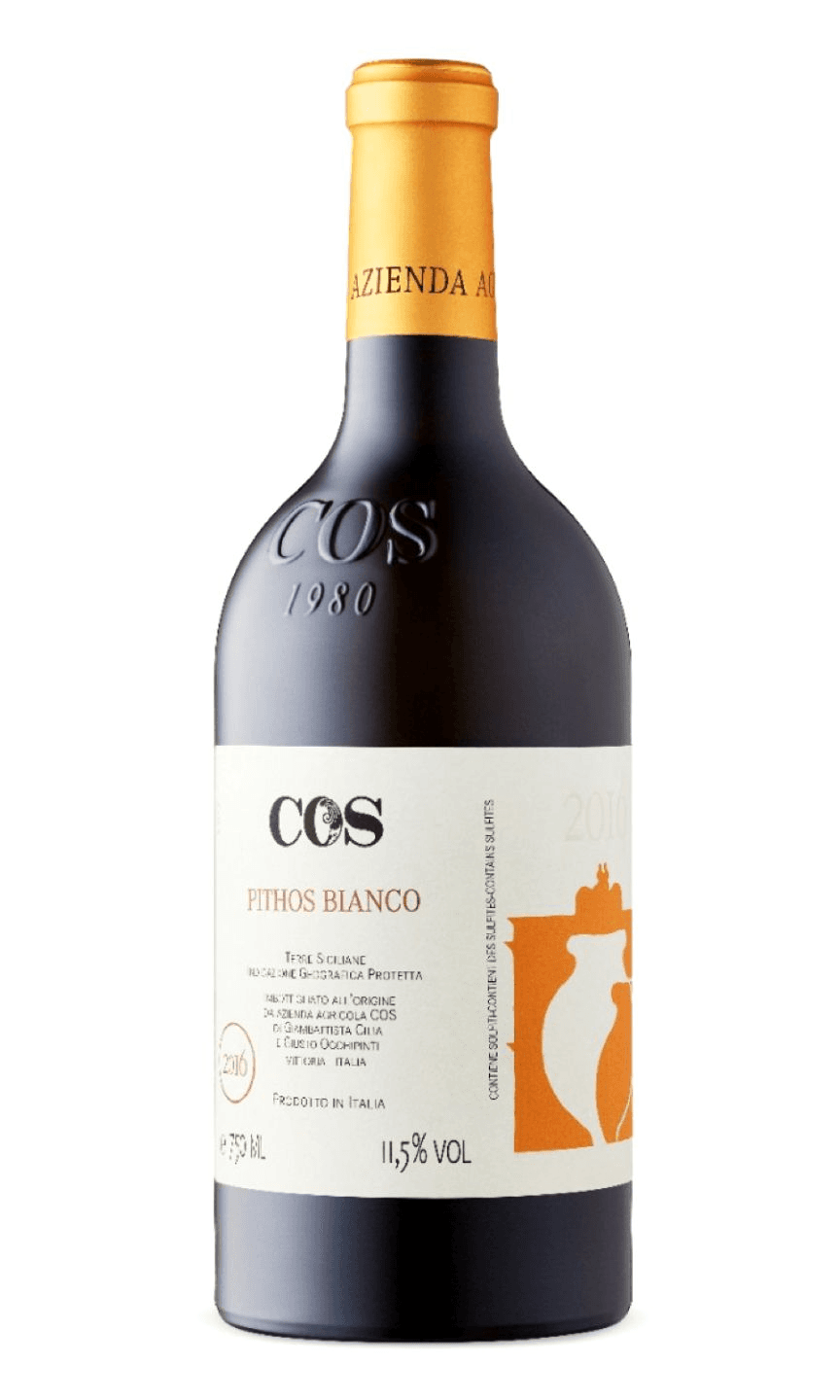
COS Pithos Bianco 2022
Azienda Agricola COS
COS Pithos Bianco is fermented and matured in buried terracotta amphorae — a Georgian-style technique predating stainless steel and oak barriques. 100% Grecanico translated through clay and skin contact.
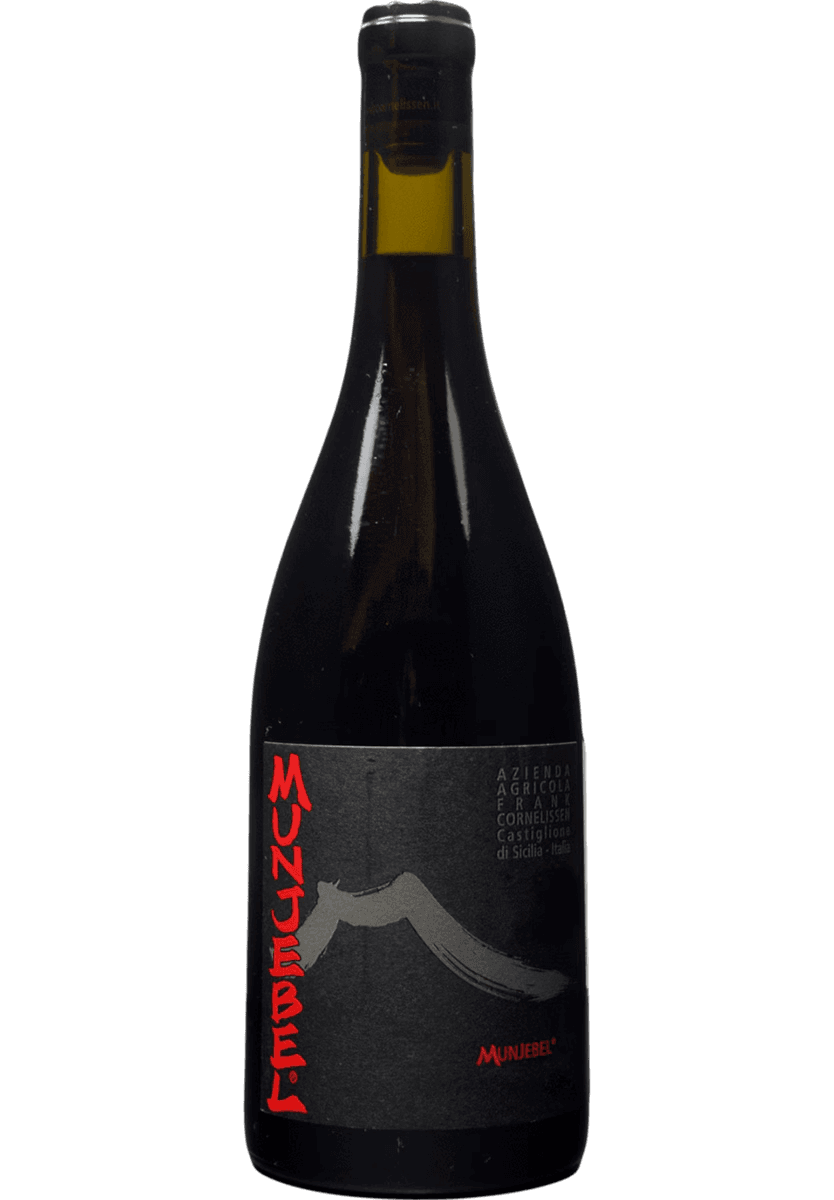
Frank Cornelissen Munjebel Rosso 2021
Azienda Agricola Frank Cornelissen
Cornelissen's thesis: transport the vineyard to the glass without adding or removing anything. Munjebel Rosso is fermented with native yeast in inert vessels, unfined, unfiltered, minimal SO₂.
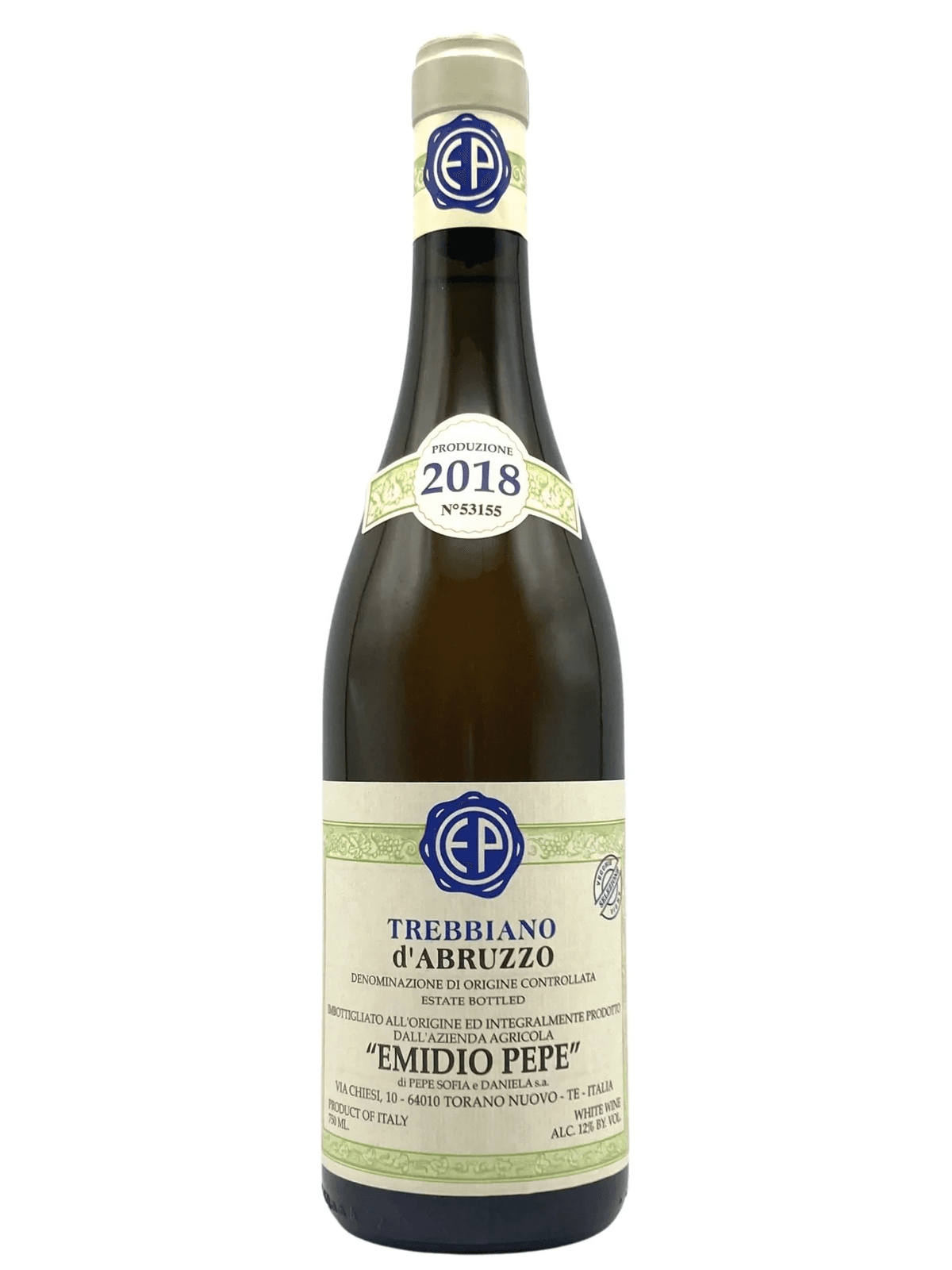
Emidio Pepe Trebbiano d’Abruzzo 2018
Azienda Agricola Emidio Pepe
Emidio Pepe’s Trebbiano is the ultimate argument that subtraction can be a catalyst. In a world where winemakers add cultured yeast, sulfur, enzymes, oak chips, and a dozen other interventions to control outcomes, Pepe removed them all — and produced a wine that consistently ranks among Italy’s finest whites. The 2018 vintage is extraordinary: the warmth of the year gave the Trebbiano grape a concentration it rarely achieves, while the cement-tank aging and bottle maturation added layers of honey, toasted almond, and waxy texture that make this taste nothing like the thin, neutral Trebbiano most people know. This is a wine that makes you reconsider what you thought you knew about a grape — and that reconsideration is Pepe’s greatest legacy.
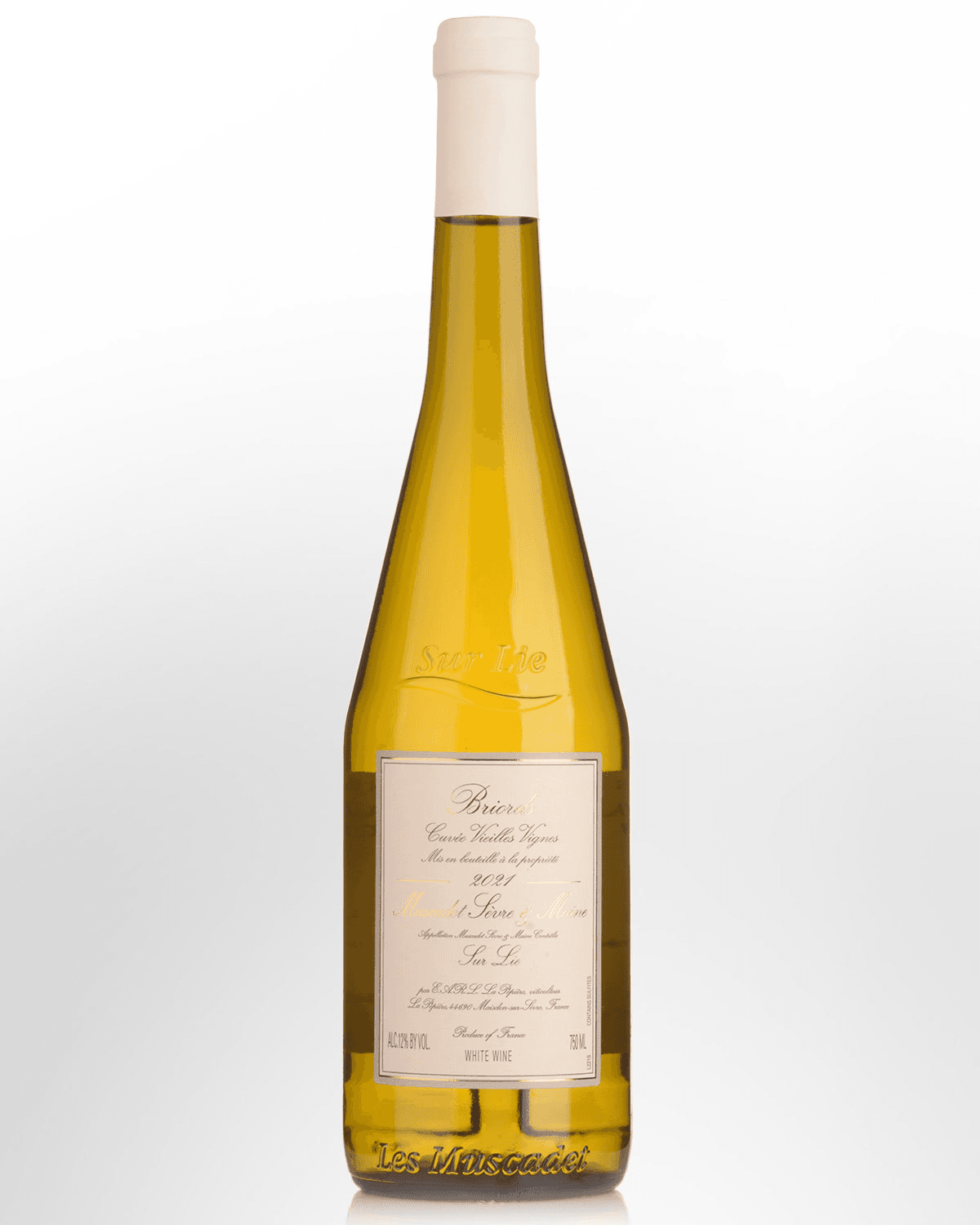
Domaine de la Pépière Muscadet Sèvre et Maine sur Lie Clos des Briords 2020
Domaine de la Pépière (Marc Ollivier & Rémi Branger)
The Clos des Briords is the wine that makes sommeliers fall in love with Muscadet all over again. Marc Ollivier's old vines, grown on granite beside the Atlantic, produce a white wine of startling mineral intensity — this is not the neutral, forgettable Muscadet of the supermarket shelf. The 2020 vintage, with its ideal growing conditions, delivered a wine of exceptional concentration and tension. At around $28, it might be the single greatest value in serious white wine today, and the world's finest partner for oysters, ceviche, and shellfish. If you've dismissed Muscadet, this bottle will change your mind. Cocktail — "The Nantais Spritz": Pour 3 oz Clos des Briords Muscadet over ice in a large wine glass. Add 2 oz Prosecco and a splash of elderflower liqueur. Garnish with a thin slice of green apple and a sprig of mint. The mineral backbone of the Muscadet gives this spritz a savory depth most lack.
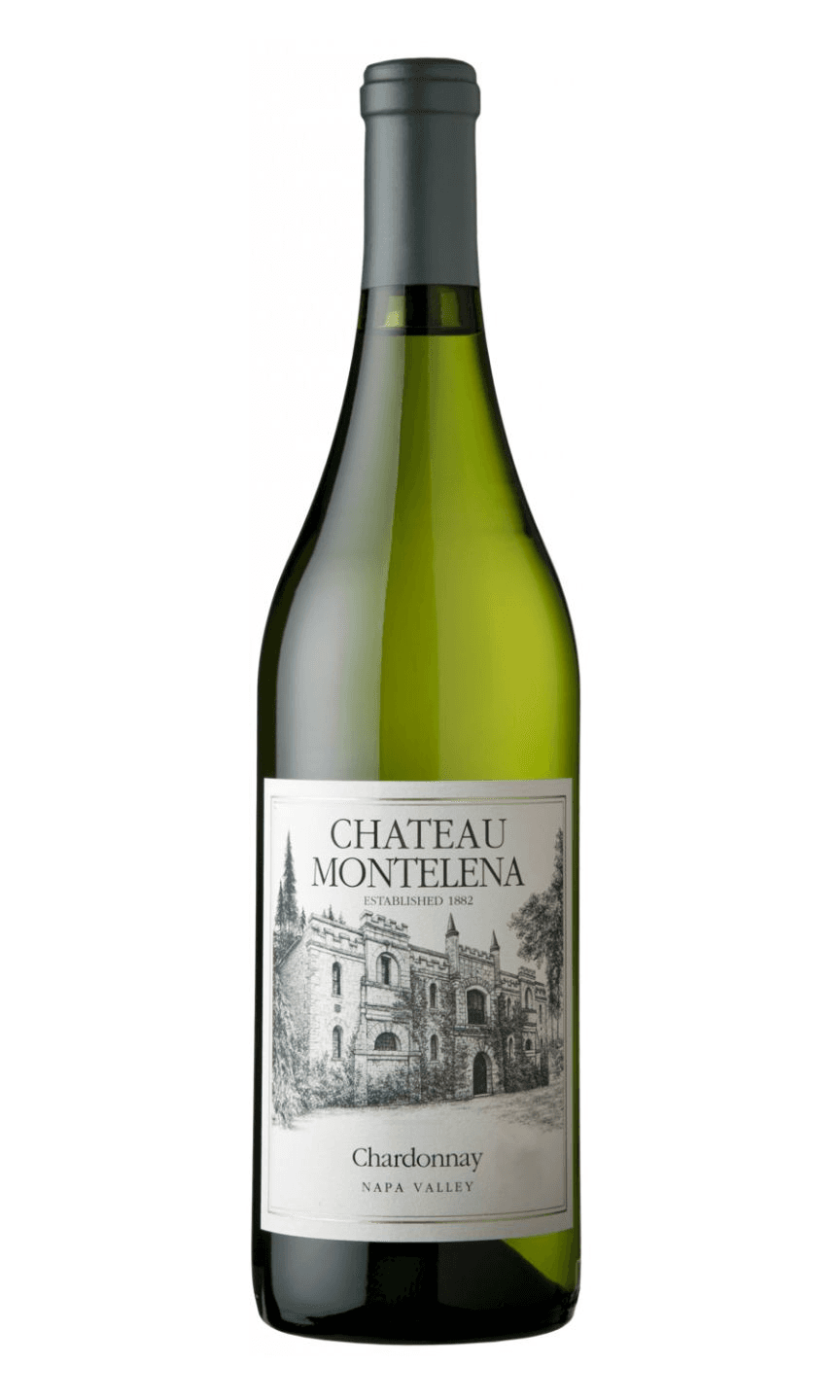
Château Montelena Chardonnay Napa Valley 2022
Château Montelena Winery (Barrett Family)
Château Montelena Chardonnay 2022 is the proving ground that changed the wine world — and then kept going. The 1976 Judgment of Paris proved that California could rival Burgundy; every vintage since has proved that the result was no accident. Under winemaker Matt Crafton, the 2022 continues Montelena's signature style: restrained, precise, and unapologetically built for purity over power. The blocked malolactic and early picking deliver a Chardonnay of exceptional freshness and focus — a wine that lets the fruit speak rather than the oak. For a house with a Smithsonian bottle to its name, that kind of quiet confidence is the most powerful statement of all. Cocktail — The Judgment Spritz: 4 oz Château Montelena Chardonnay, 1 oz elderflower liqueur, 2 oz sparkling water, squeeze of fresh lemon. Build in a wine glass over ice. Garnish with a lemon twist and a sprig of thyme. A light, elegant spritz that preserves the wine's delicate aromatics.
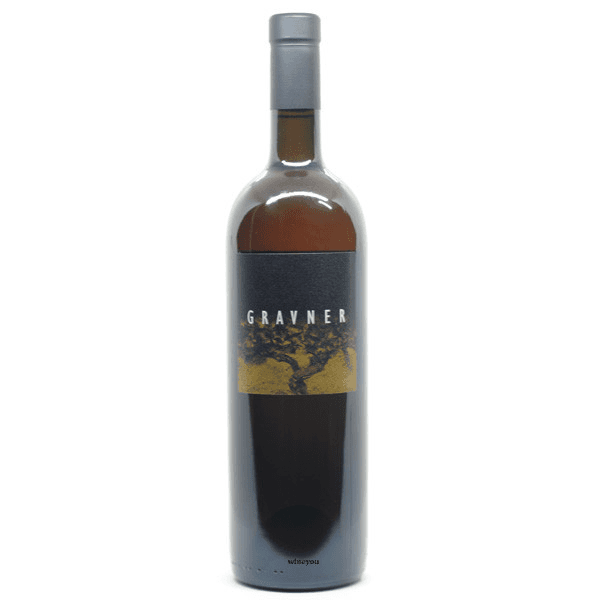
Gravner Ribolla Gialla 2015
Gravner
Gravner's experiment was the most radical in this lineup: he didn't tweak a process or add an ingredient — he threw away thirty years of modern winemaking and started over with seven-thousand-year-old technology. The Ribolla Gialla spends months on its skins in buried amphorae, developing a tannic structure and amber color that no conventional white wine possesses. Then it rests for six years in large oak before release. The result is a wine that defies categorization — not white, not red, not rosé, but something ancient and entirely its own. It proved that the oldest methods in winemaking weren't primitive — they were ahead of their time.
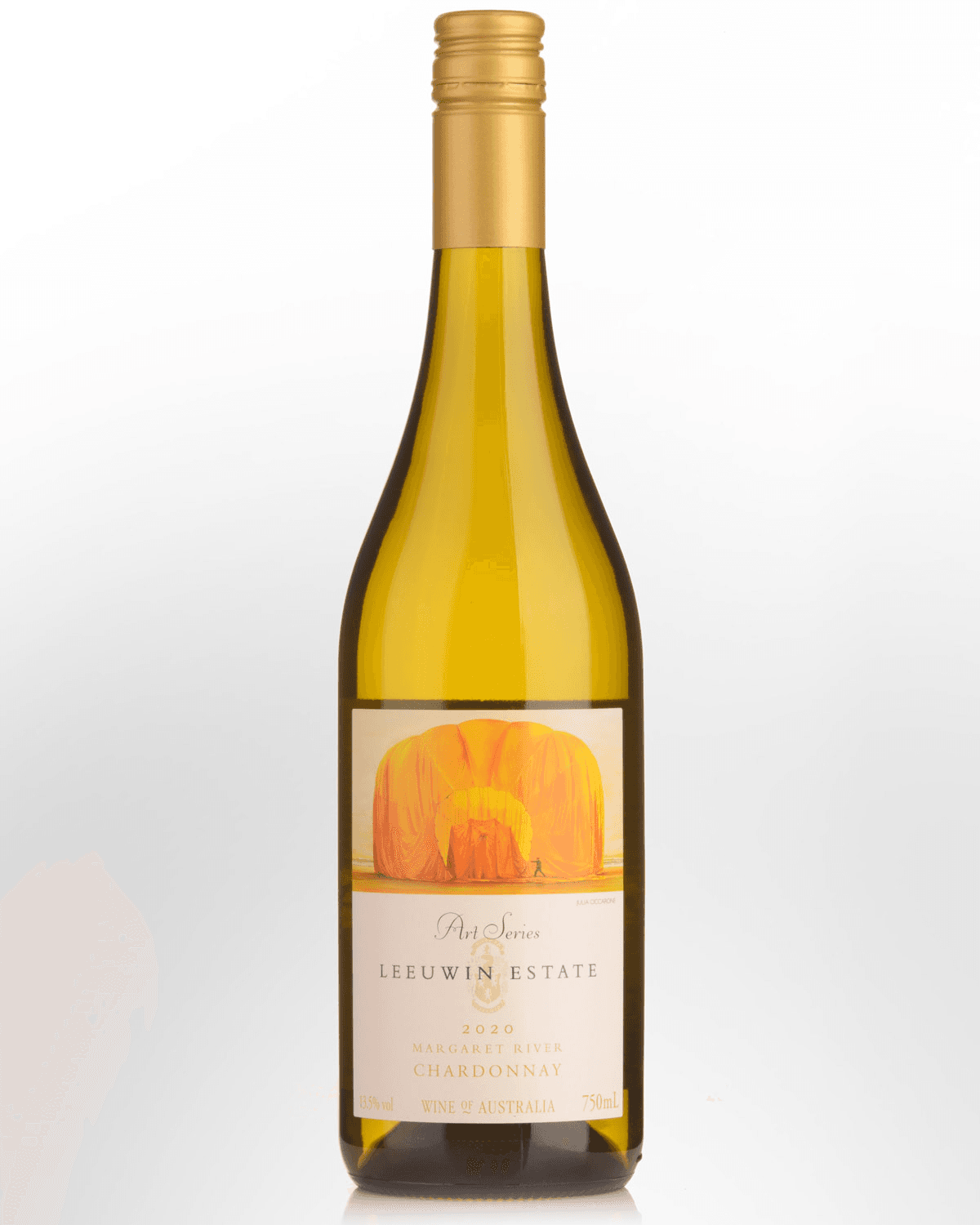
Leeuwin Estate Art Series Chardonnay 2020
Leeuwin Estate
The Art Series Chardonnay is Australia's most compelling argument that great Chardonnay needs nothing but time and patience. The 2020 vintage received 98 points from Wine Advocate and 97 from Halliday, James Suckling, and Wine Front.
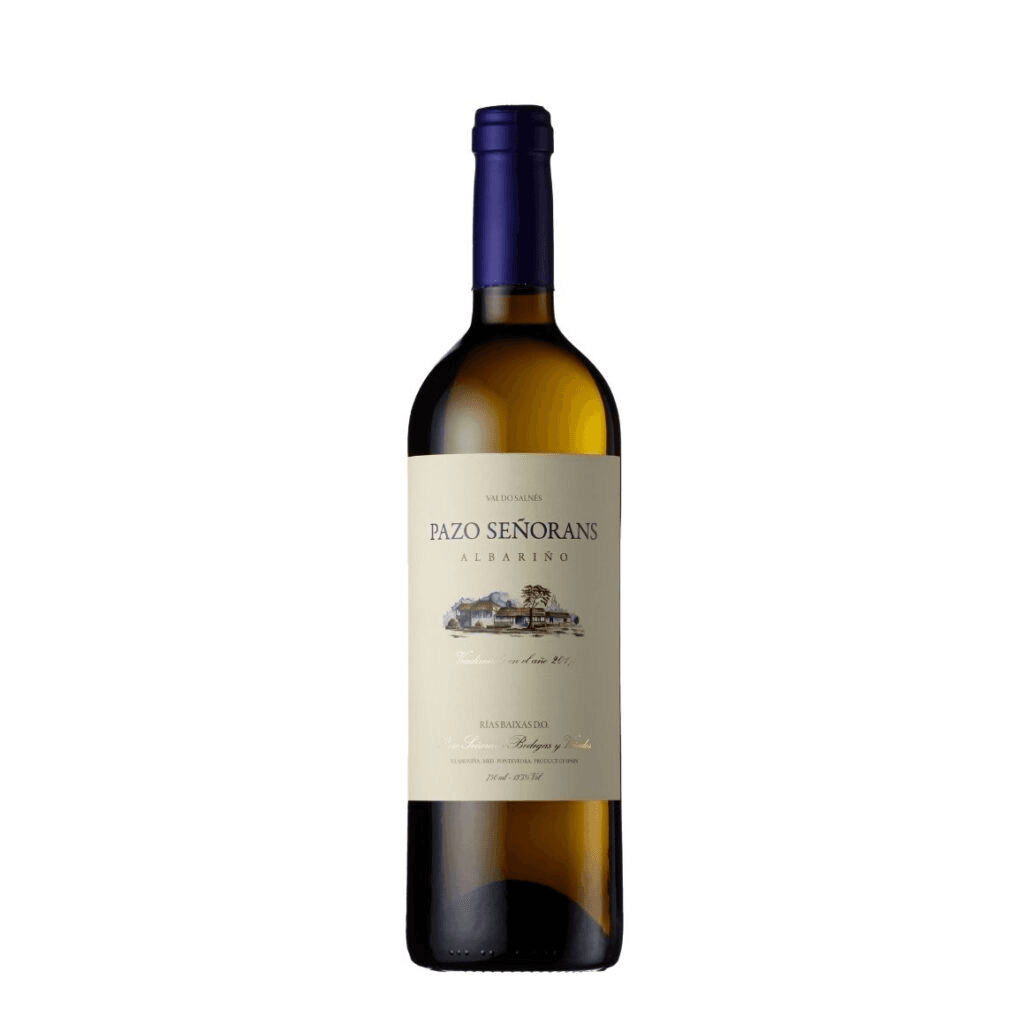
Pazo de Señorans Albariño 2022
Pazo de Señorans
Pazo de Señorans Albariño is the white wine that sommeliers pour for themselves. From a sixteenth-century manor in the Salnés Valley — the heart of Rías Baixas, where the Atlantic shapes every vine — this is Albariño at its most expressive.
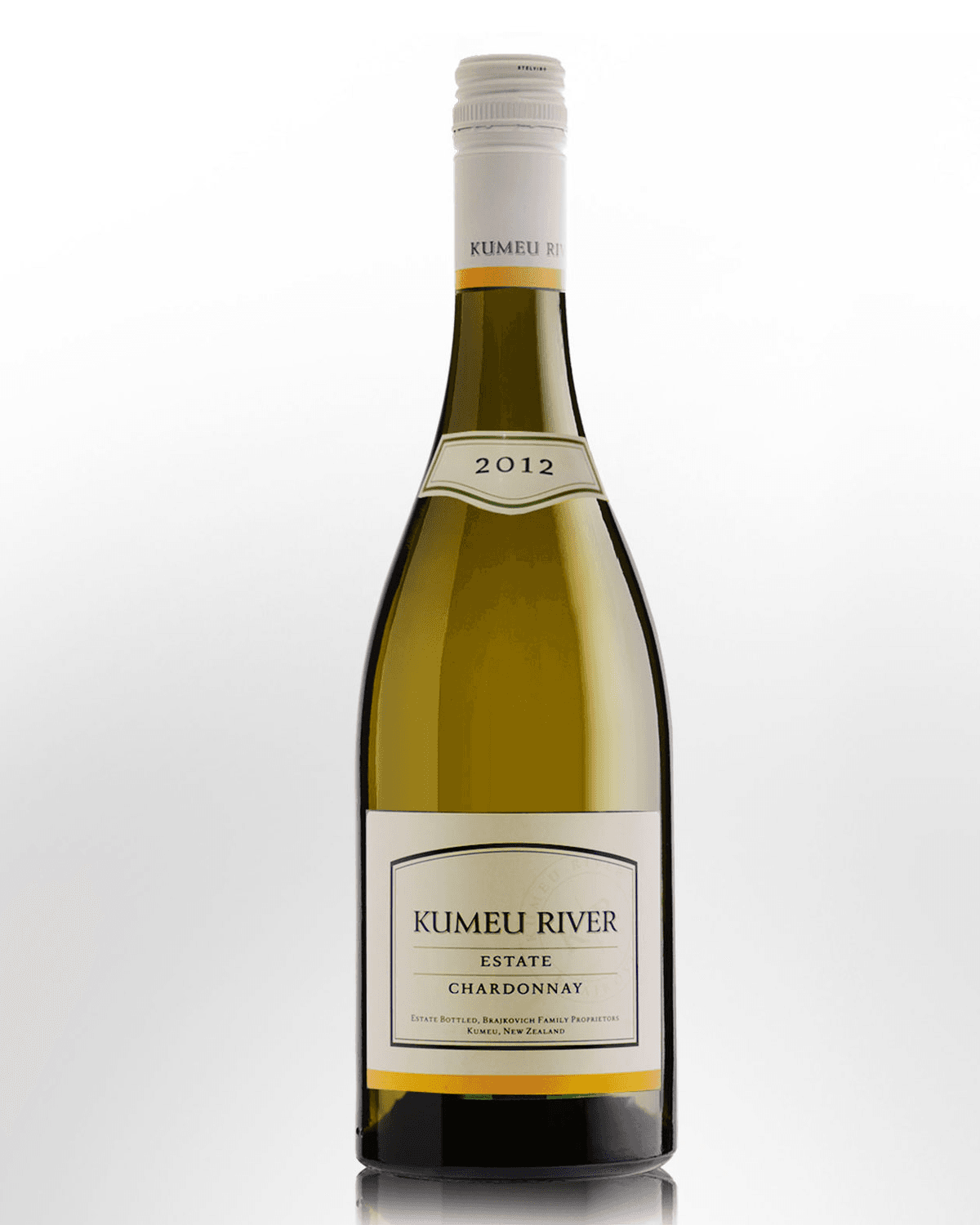
Kumeu River Maté’s Vineyard Chardonnay 2021
Kumeu River Wines (Brajkovich family)
Kumeu River Maté’s Vineyard is the definitive proof that great Chardonnay can migrate from Burgundy to the Southern Hemisphere without losing its soul.
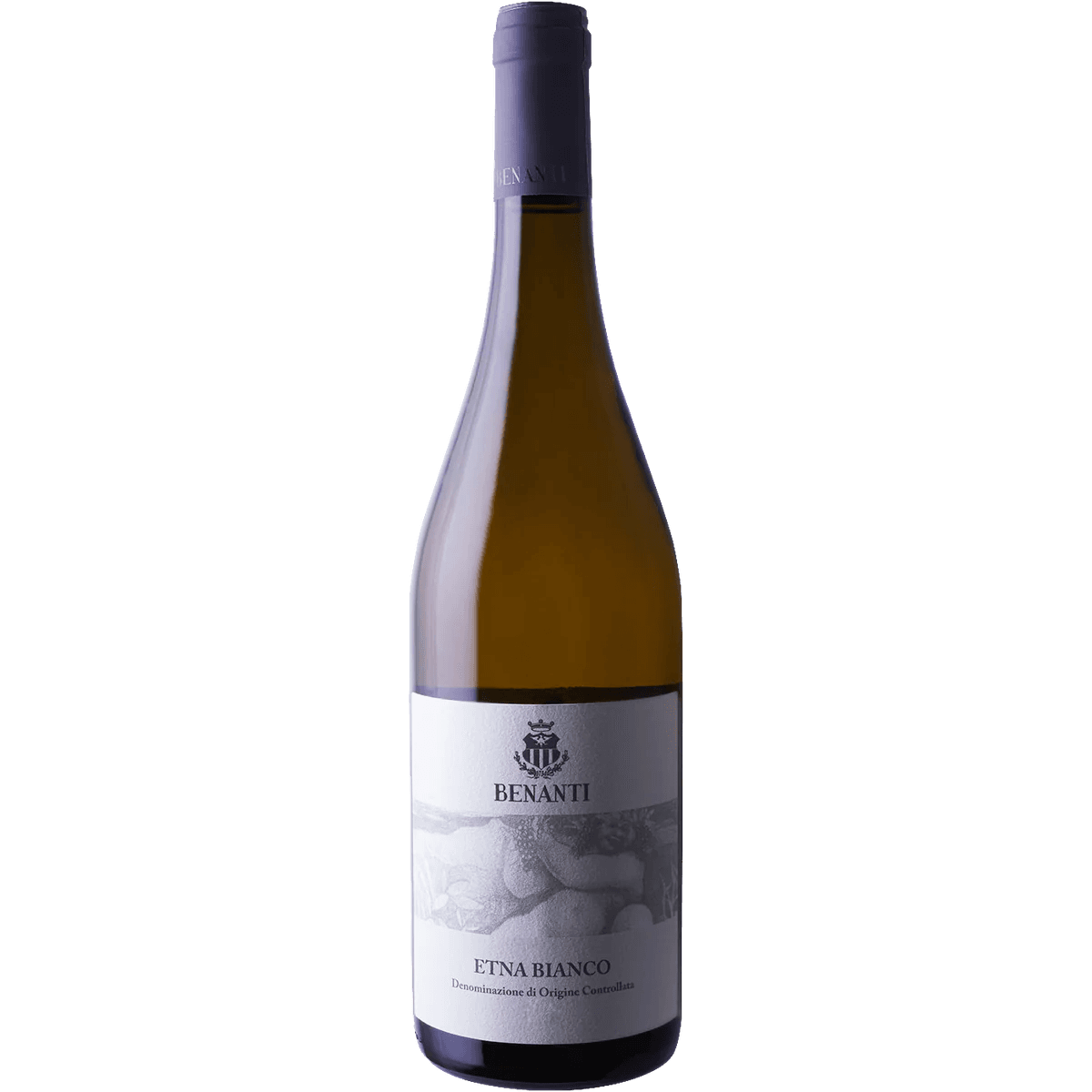
Benanti Etna Bianco 2022
Benanti Viticoltori
If fire built these eight bottles, then Benanti's Etna Bianco was built by the most patient fire of all — the volcanic eruptions that have been depositing mineral-rich ash and sand on the slopes of Mount Etna for thousands of years.
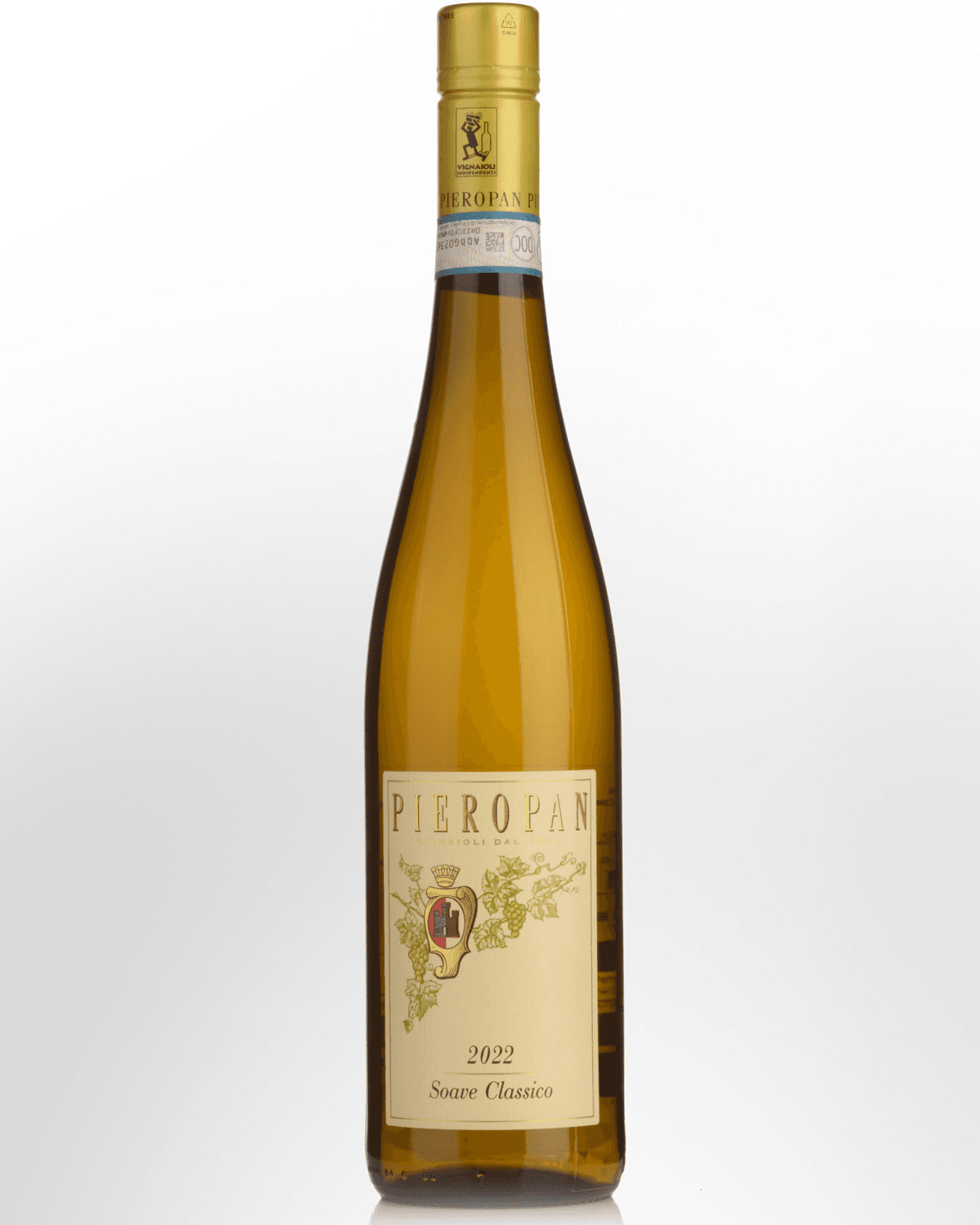
Pieropan Soave Classico 2022
Azienda Agricola Pieropan
Before Pieropan, Soave was a punchline — Nino Pieropan proved it could be world-class.
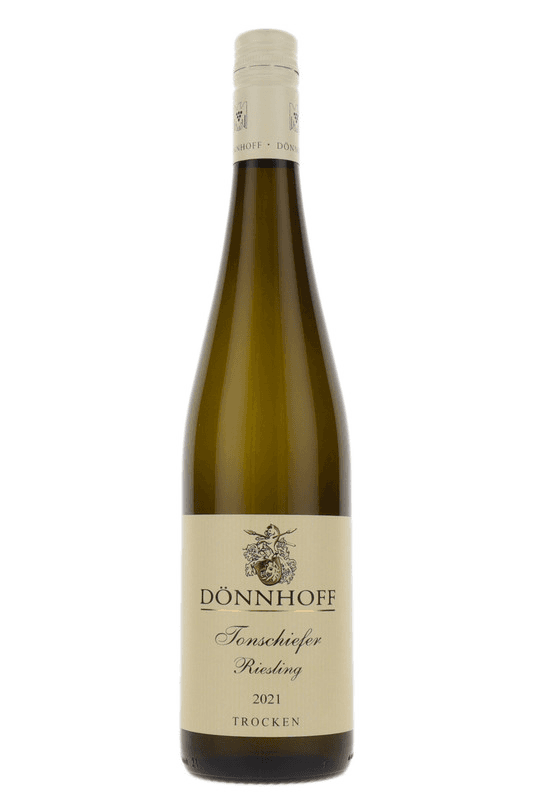
Dönnhoff Riesling Tonschiefer 2022
Weingut Dönnhoff (Family Estate)
Dönnhoff Tonschiefer — named for the Tonschiefer (clay slate) soils from which it springs — is proof that great wine architecture begins underground. While the world chases oak and extraction, the Dönnhoff family pursues the opposite: minimal intervention, indigenous yeasts, stainless steel, and the faith that if you farm well and get out of the way, the soil will speak. And speak it does. The slate minerality comes through as an electric current running beneath the fruit — green apple, citrus, white peach — giving the wine a tension and precision that oak could never provide. At under $35, this is one of the great bargains in fine wine: a pedigree estate Riesling with the kind of structural clarity that reveals more with every sip.
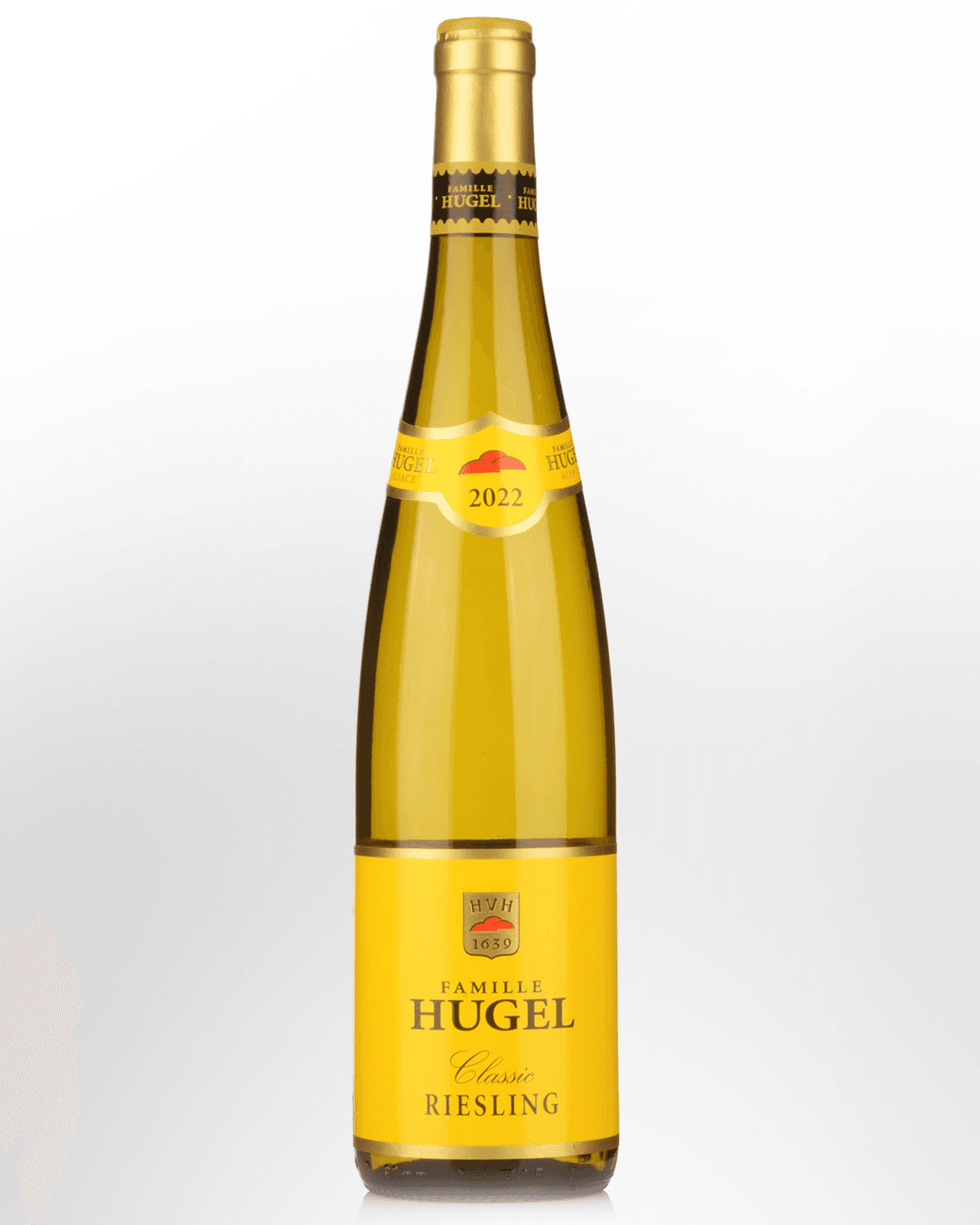
Famille Hugel Riesling Classic Alsace 2022
Famille Hugel
Famille Hugel has been making wine in Riquewihr since 1639, and their Classic Riesling is a distillation of everything they have learned across thirteen generations. This is Alsatian Riesling at its most pure.
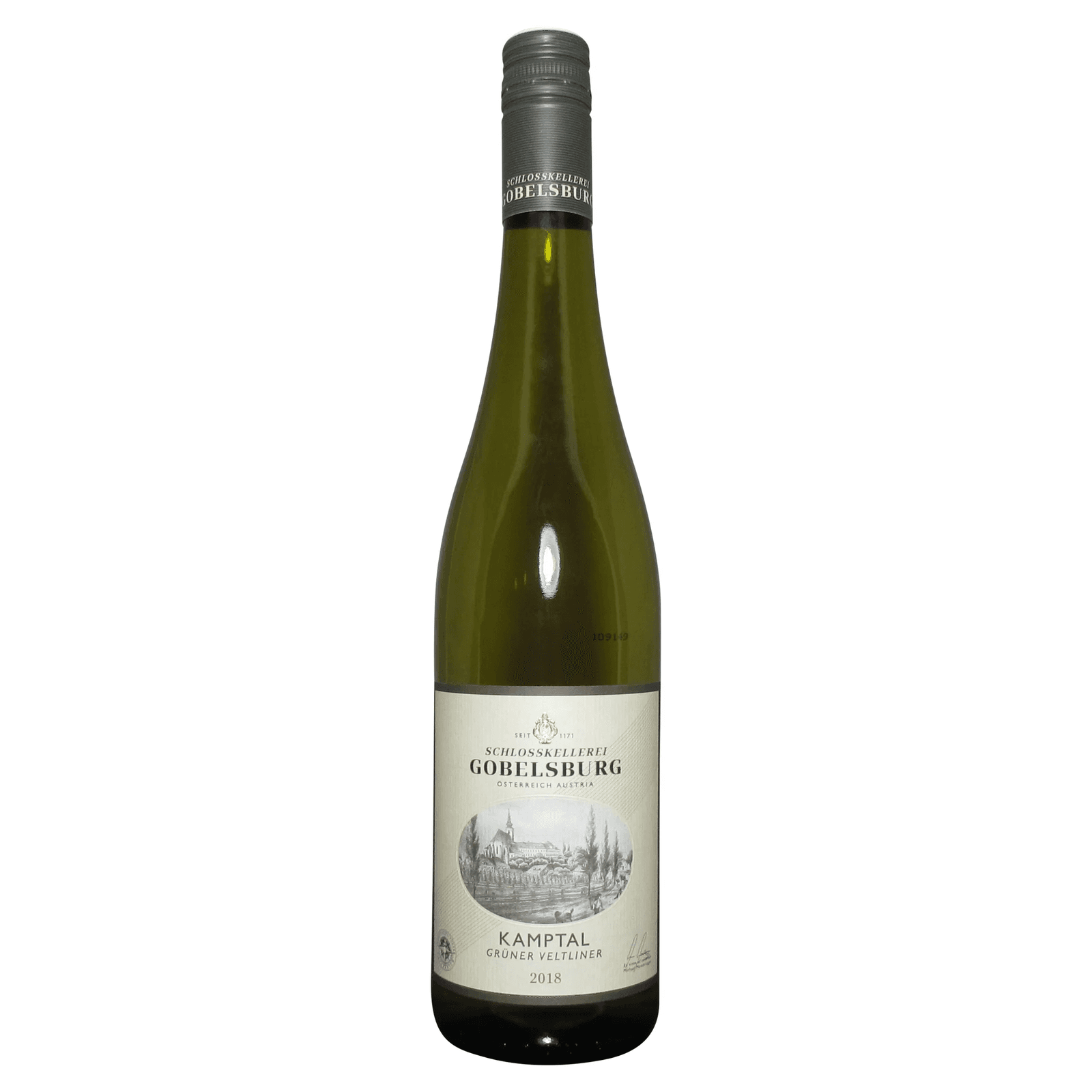
Schloss Gobelsburg Grüner Veltliner Gobelsburger 2022
Weingut Schloss Gobelsburg
Schloss Gobelsburg is an 800-year-old estate that was slowly fading when Michael Moosbrugger arrived in 1996. He didn't bulldoze the past — he studied the monastery's ancient records, revived forgotten vineyard practices, and transformed neglect into one of Austria's finest expressions of Grüner Veltliner.
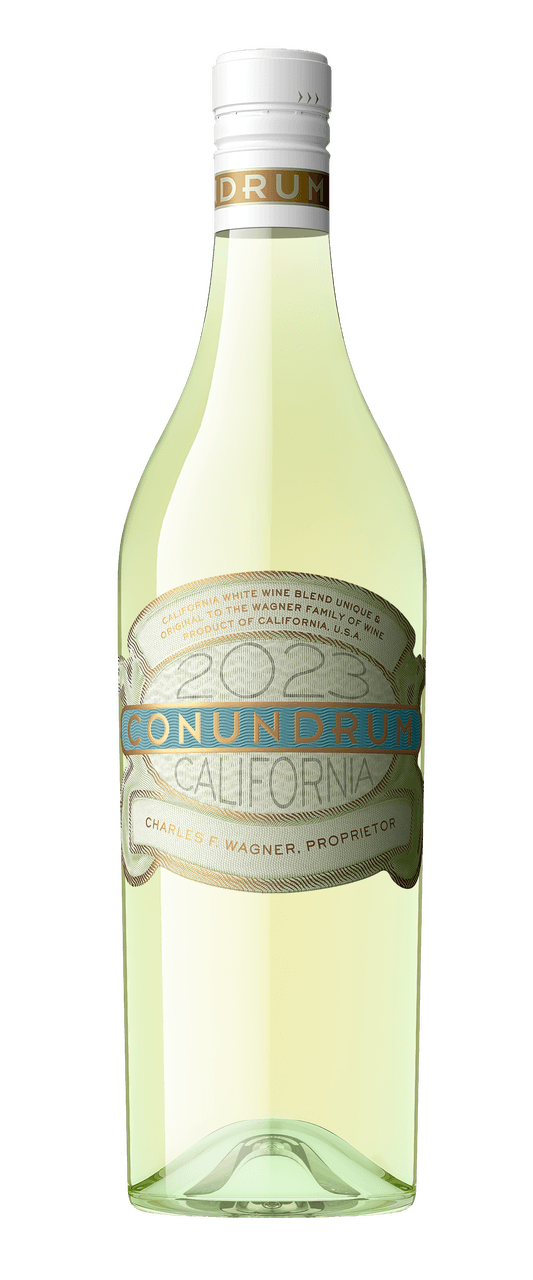
Conundrum White Blend 2023
Wagner Family of Wine (Caymus Vineyards)
Conundrum was decades ahead of its time. Chuck Wagner of Caymus created it in 1989, asking what if you gave each grape its best role.
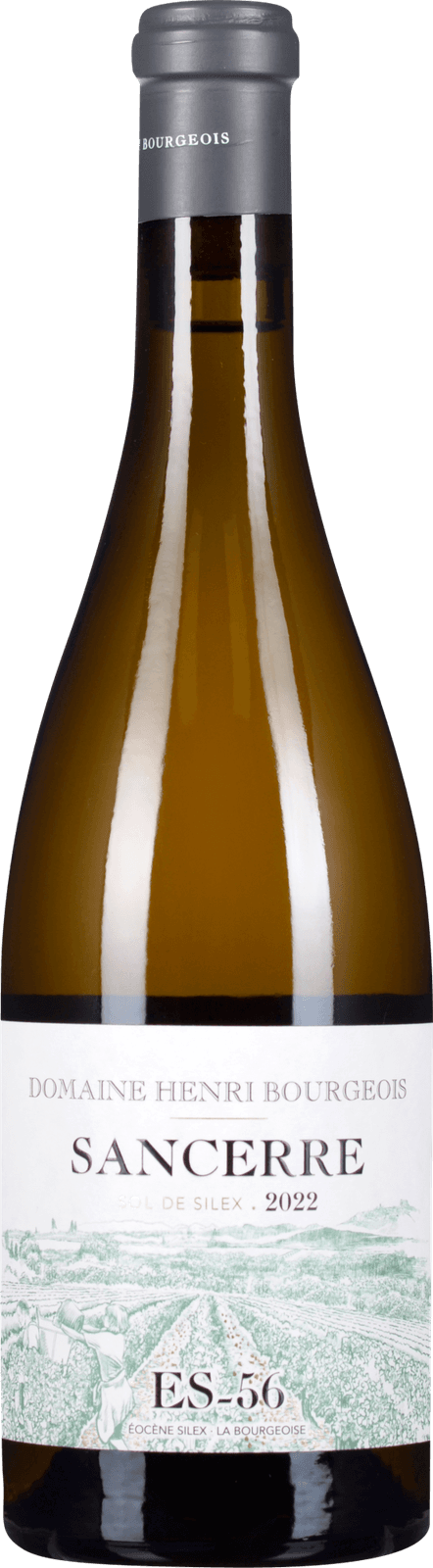
Henri Bourgeois Sancerre La Bourgeoise 2022
Henri Bourgeois
The Bourgeois family has been cultivating Sancerre vines for more than ten generations, and La Bourgeoise is the expression that captures everything the appellation stands for. When people discover that Sauvignon Blanc this complex and age-worthy exists in France, their relationship with the grape changes permanently. This is the wine that makes you understand why Loire Valley Sauvignon Blanc occupies a category of its own — one that rewards patience and educated appreciation in equal measure. Serve at 10°C with nothing in the way.
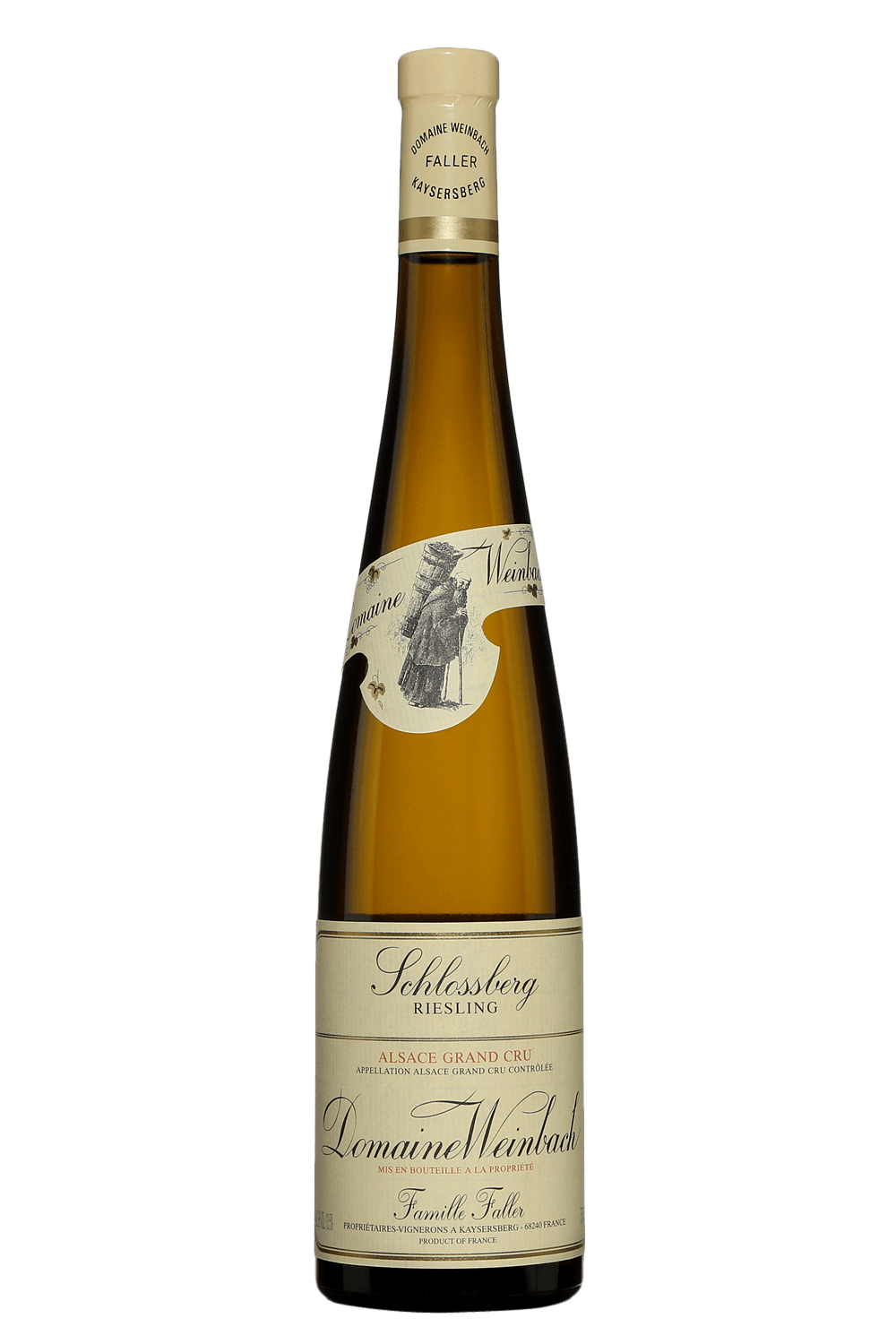
Domaine Weinbach Riesling Grand Cru Schlossberg 2021
Domaine Weinbach (Faller Family)
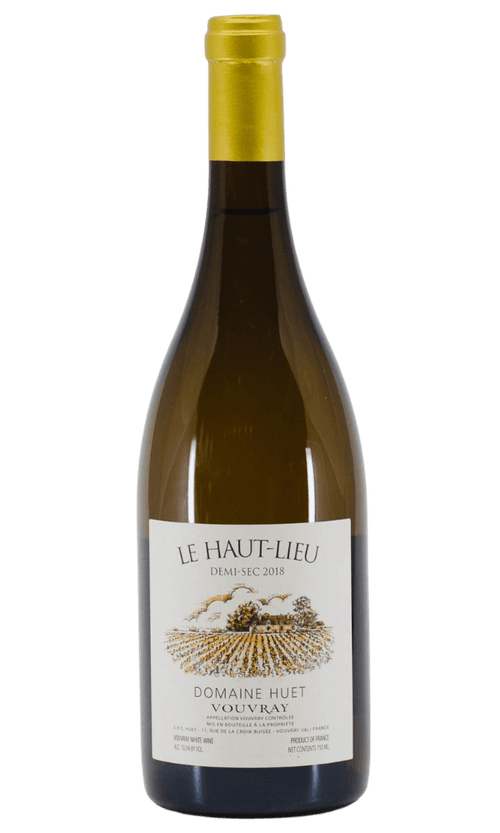
Domaine Huet Vouvray Le Haut-Lieu Sec 2021
Domaine Huet
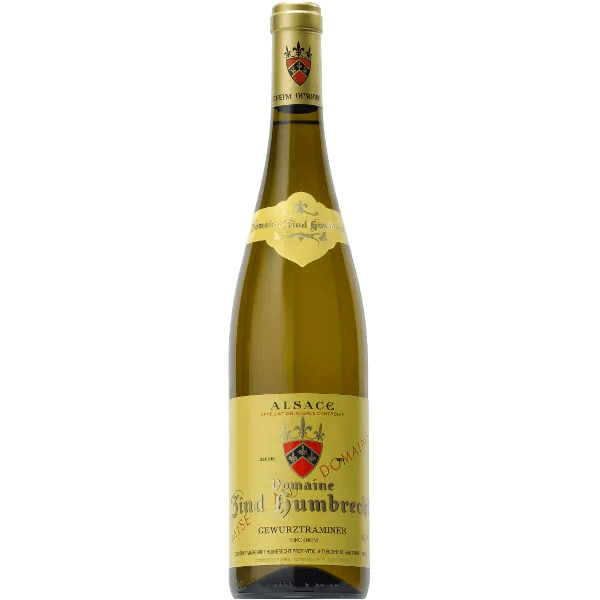
Zind-Humbrecht Gewürztraminer Turckheim 2021
Domaine Zind-Humbrecht
Olivier Zind-Humbrecht was the first Frenchman to earn the Master of Wine title, but his true revolution happened in the vineyard, converting the entire domaine to biodynamic farming.
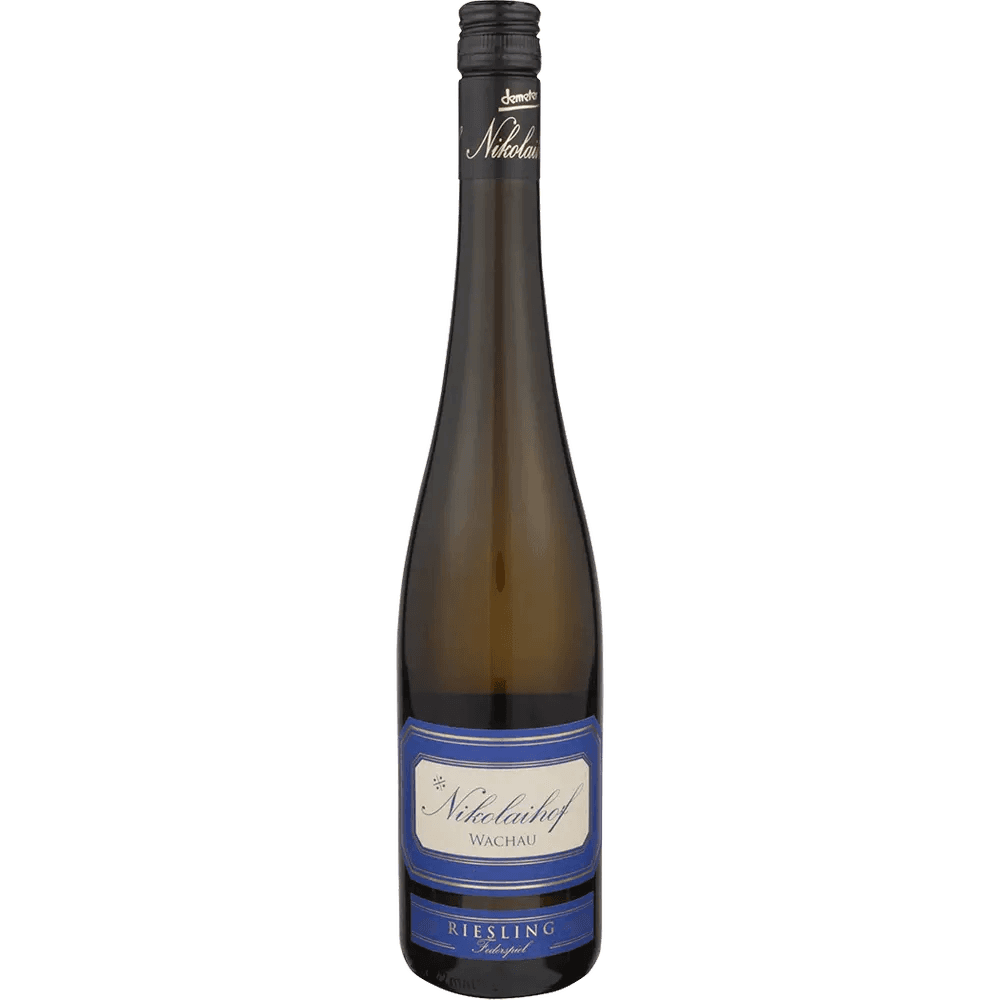
Nikolaihof Riesling Federspiel Vom Stein 2021
Nikolaihof Wein (Saahs Family)
Nikolaihof Riesling Federspiel Vom Stein is resilience measured in centuries. The Saahs family has been farming biodynamically since 1971.
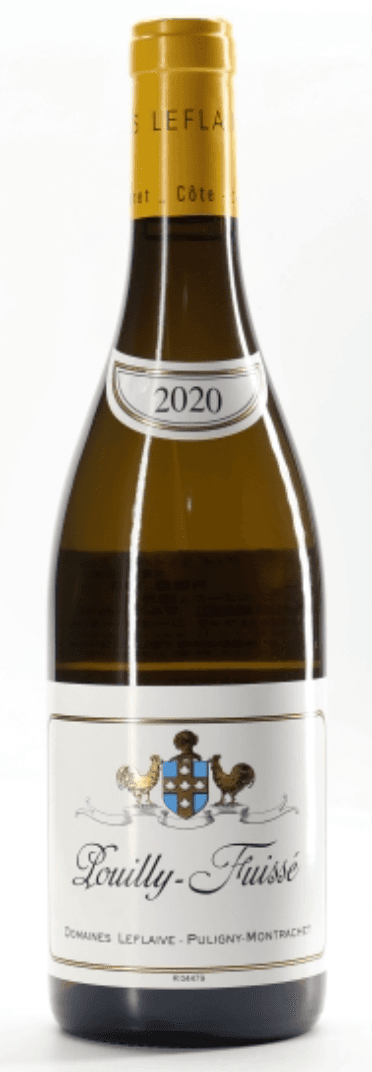
Domaine Leflaive Pouilly-Fuissé 2020
Domaine Leflaive (est. 1717)
The 2020 Domaine Leflaive Pouilly-Fuissé represents Burgundian Chardonnay at its most elegant.
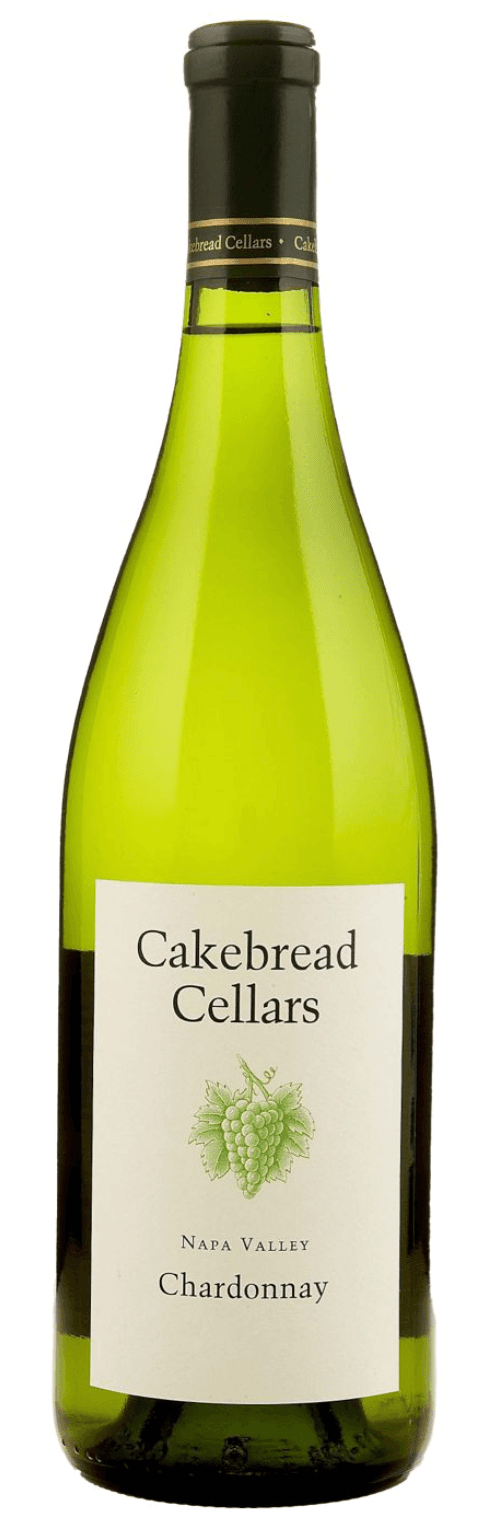
Cakebread Cellars Chardonnay Napa Valley 2022
Cakebread Cellars (est. 1973)
Cakebread Chardonnay has been a Napa Valley staple for over 50 years, and its longevity is a testament to the patience of doing something well and resisting the urge to change it. While Chardonnay trends have swung wildly — from heavily oaked and buttery in the '90s to severely unoaked in the 2010s — Cakebread has held a steady middle course: enough barrel influence for texture and complexity, enough acidity for freshness and food-friendliness. The partial malolactic fermentation is key — it gives the wine a creamy quality without tipping into butterball territory. Seven months of sur lie aging adds richness from the lees without dominating the fruit. The result is a Chardonnay that works equally well as an aperitif, a dinner companion, or a quiet glass at the end of the day. In a world of extremes, Cakebread's patience with its own identity is its greatest virtue.
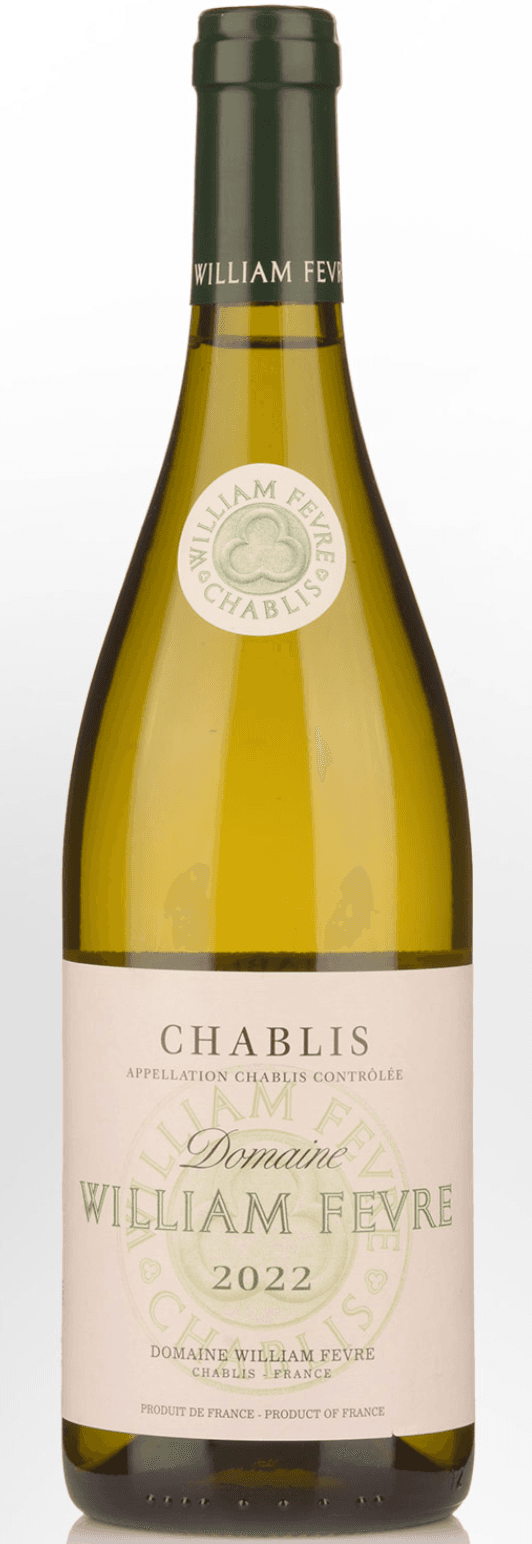
Domaine William Fèvre Chablis 2022
Domaine William Fèvre / Henriôt Group (est. 1959)
If any wine on earth proves that terroir is real, it is Chablis. The appellation sits on Kimmeridgian limestone — a geological formation laid down during the Late Jurassic period when this part of Burgundy was a tropical sea. Dig into a Chablis vineyard and you’ll find fossilized oyster shells (Exogyra virgula) embedded in the marl. William Fèvre understood this better than anyone: he was among the first vignerons to map the precise soil differences between Chablis parcels and to vinify accordingly. The domaine’s village-level Chablis is fermented and aged entirely in stainless steel — a deliberate choice to let the limestone speak without oak interference. The result is a Chardonnay stripped of everything except what the soil and climate put there: mineral tension, razor-sharp acidity, and a saline quality you can taste with your eyes closed. For readers of The Definitive Pocket Guide to Chablis, this is the benchmark.
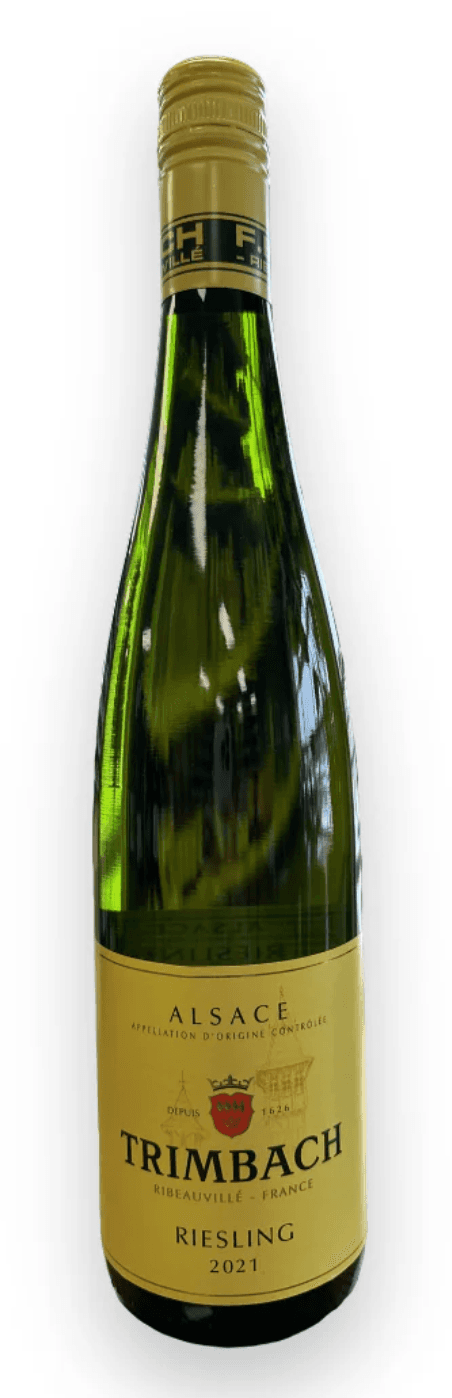
Trimbach Riesling 2021
Maison Trimbach (est. 1626)
Trimbach has been going against the grain since 1626 — they just don’t make a fuss about it. While Alsace became increasingly known for off-dry and sweet Rieslings, Trimbach committed to bone-dry wines with razor-sharp acidity and mineral precision. No malolactic fermentation, no residual sugar, no new oak — just pure expression of grape and terroir. The family has been making wine in Ribeauvillé for twelve generations and counting, and their philosophy hasn’t changed: balance, balance, balance. Their Clos Sainte Hune is one of the most legendary white wines on earth, but the entry-level Riesling — at $23–$28 — is where the value proposition is impossible to ignore. This is Riesling for people who think they don’t like Riesling.
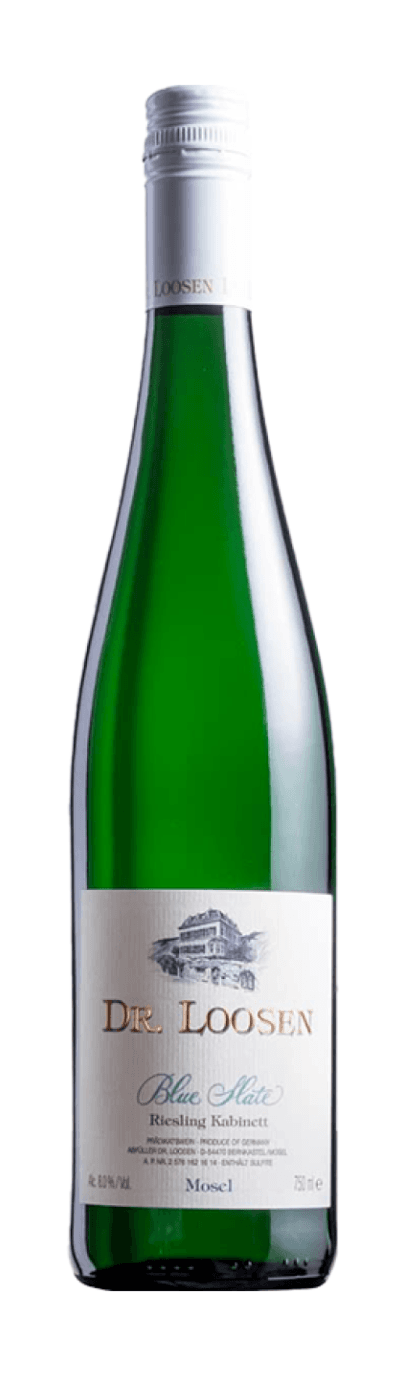
Dr. Loosen Blue Slate Riesling Kabinett 2022
Weingut Dr. Loosen (Ernst Loosen, family-owned since early 1800s)
At 8.5% alcohol and under $20, this is one of the most food-friendly wines on earth — and one of the most misunderstood. The “Kabinett” designation means the grapes were picked at the first level of ripeness, giving a wine with gentle sweetness that’s balanced by razor-sharp acidity from the Mosel’s cool climate and blue slate soils. Ernst Loosen’s genius was recognizing that his family’s old, ungrafted vines — many over a century old, their roots drilling deep into fractured slate — produced wines of extraordinary mineral intensity that no young vineyard could match. The blue slate literally flavors the wine.
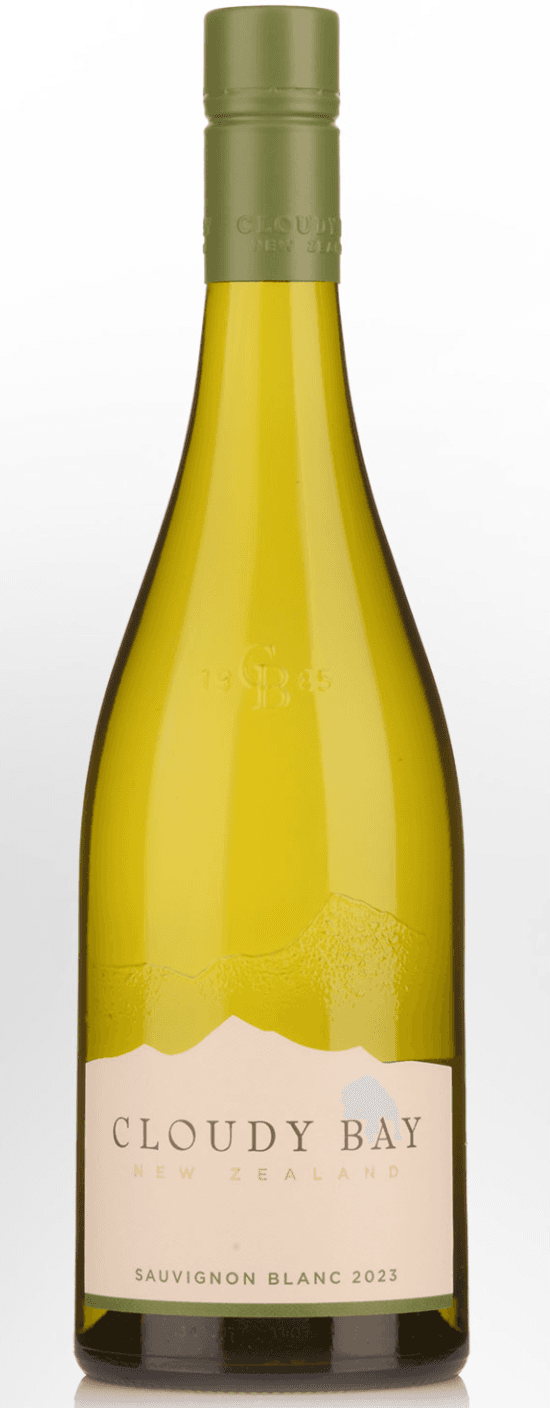
Cloudy Bay Sauvignon Blanc, Marlborough 2023
LVMH (Moët Hennessy)
Cloudy Bay didn’t just put New Zealand Sauvignon Blanc on the map — it drew the map. Founded in 1985 as one of Marlborough’s first five wineries, it was Cloudy Bay that British critic Oz Clarke tasted before declaring New Zealand Sauvignon Blanc “arguably the best in the world.” Four decades later, the wine is still a benchmark. The 2023 vintage was blended from 55 of 81 individually fermented vineyard lots, with that tiny percentage of wild yeast and large-format oak adding just enough savory complexity to lift it above the pack. Named after the bay Captain Cook charted in 1770, it’s a wine that carries its geography in every sip.
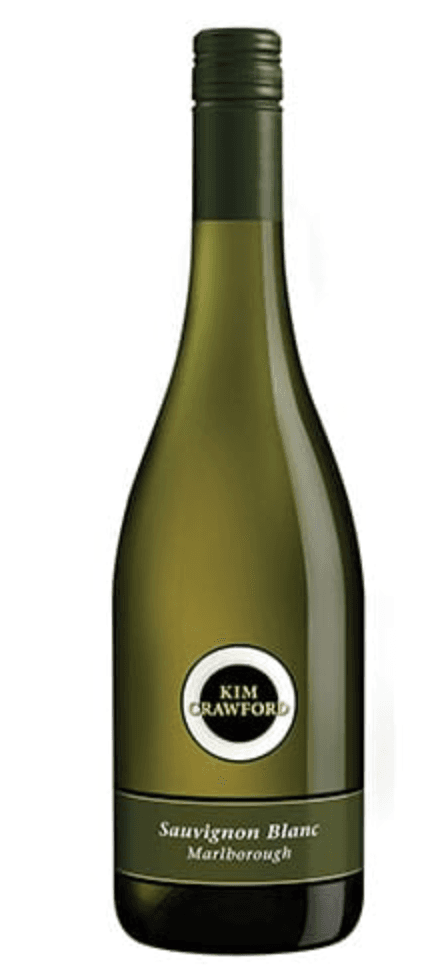
Kim Crawford Sauvignon Blanc, Marlborough 2023
Constellation Brands
Kim Crawford Marlborough Sauvignon Blanc is the definition of reliable excellence. Vintage after vintage, it delivers exactly what New Zealand Sauvignon Blanc should be: explosive aromatics, razor-sharp acidity, and tropical fruit that makes you want another glass immediately. The 2023 vintage is no exception. At under $18, it’s one of the smartest buys in white wine — a daily drinker that doesn’t taste like one.

Grogue Rabelados Aguardente de Cana
Grogue Rabelados
A raw, honest expression of Santiago's volcanic terroir made by the Rabelados religious community using ox-driven trapiches and wood-fired alembics. Uncompromising, place-specific, and quietly beautiful.

Djarfogo Grogue de Cabo Verde
Djarfogo
One of the most distinctive unaged cane juice spirits available in the US — a rugged, terroir-driven grogue that rewards drinkers seeking texture and place over polish. Essential for any serious rum shelf looking beyond the usual suspects.

Monte Tchota Grogue de Cabo Verde Reserva
Monte Tchota
A gaunt, sun-scorched beauty — grogue's terroir speaks louder than any cask ever could. For drinkers who prize character over polish.

Dario Prinčič Venezia Giulia Bianco Trebez 2023
Dario Prinčič
A benchmark Oslavian orange wine that rewards patience and food; profound, unhurried, and utterly transformative in the glass.

Domaine Marc Colin Saint-Véran Les Crèches 2023
Domaine Marc Colin
Marc Colin's Saint-Véran is a textbook example of why the Mâconnais deserves more serious attention. The Les Crèches lieu-dit sits on limestone soils that give this Chardonnay a taut, mineral profile that punches well above its price point. It drinks with the focus of a wine twice its cost.

Domaine de la Mordorée Condrieu 2023
Domaine de la Mordorée
Condrieu is Viognier at its most unapologetically hedonistic, and Mordorée's 2023 captures the variety's essence — rich, aromatic, and sun-drenched — without tipping into flabbiness. The granite terraces of Condrieu force the vines to struggle, and that tension between heat-driven ripeness and mineral restraint is what makes this wine compelling rather than merely lush.

Neisson L'Esprit de Neisson Rhum Agricole Blanc
Neisson
One of the most transparent expressions of Martinique terroir bottled at cask strength — searing, mineral, and unmistakably alive. Best sipped slowly with water, or used to build cocktails of startling intensity.

Hampden Estate Aged 7 Years Single Jamaican Rum
Hampden Estate
Seven years in the tropics has rounded Hampden's famous ester profile into something approachable yet uncompromising. The funk is present and celebrated, not hidden, but the oak maturation has added sophistication. This is Jamaican rum with its identity fully intact.

Domaine de la Taille aux Loups Montlouis-sur-Loire Sec Les Dix Arpents 2022
Domaine de la Taille aux Loups
Jacky Blot's Taille aux Loups is the gold standard for Montlouis-sur-Loire, and Les Dix Arpents shows why. This Chenin Blanc from clay-flint soils achieves the rare combination of richness and tension that makes Loire whites so compelling. The 2022 vintage has a vibrancy and directness that makes it irresistible now, though it will easily reward a decade of patience.

Domaine Marcel Deiss Riesling Grand Cru Altenberg de Bergheim 2022
Domaine Marcel Deiss
Jean-Michel Deiss's Altenberg de Bergheim is among Alsace's most profound single-vineyard wines. The 2022 vintage captures the warmth of the season while the limestone-clay terroir provides natural tension. This is a complantation site where multiple grape varieties grow interplanted — an ancient practice that Deiss revived — yielding a wine that transcends varietal character entirely. Serious, contemplative, and built for the long haul, though already deeply rewarding.

Domaine Patrick Baudouin Anjou Blanc Les Zersilles 2023
Domaine Patrick Baudouin
Patrick Baudouin is one of the Loire's most thoughtful biodynamic vignerons, and Les Zersilles showcases Chenin Blanc's ability to be simultaneously generous and restrained. This is a white wine with genuine intellectual depth — each sip reveals another layer of the volcanic schist terroir that defines Baudouin's parcels in Layon.