Aroma
Cinnamon
50 bottles with this note
Train this aroma
Tequila Aroma Kit
Develop your palate with the canonical reference for cinnamon and related notes.

Siembra Valles High Proof Blanco
Siembra Valles
A masterclass in high-proof tension: nothing loose, nothing loud. Siembra Valles High Proof is where traditional Valles craft meets amplified expression, and it rewards the drinker who leans in rather than backs away.

Fuenteseca Reserva Extra Añejo 12 Year
Fuenteseca
A meditative extra añejo that defies the common criticism of over-oaked long-aged tequilas. Master distiller Enrique Fonseca proves that patience and careful barrel selection can transform agave into something approaching great aged brandy while preserving its essential Jalisco soul.

Calle 23 Añejo Tequila
Calle 23
French biochemist Sophie Decobecq brings a scientist's precision to her tequila, and this añejo reflects that discipline. Two years in ex-bourbon casks add complexity without masking the agave, which remains the driving force from nose to finish. The threshold here is between sweetness and earth — the moment when caramel darkens into soil.

Chamucos Añejo
Chamucos
Chamucos flies under the radar in a crowded añejo market, but this expression delivers serious complexity for its price. The two years in oak add structure without bulldozing the agave. A tequila that rewards sipping neat — gravity in every drop.

Arette Artesanal Suave Extra Añejo
Arette
Arette's Artesanal Suave Extra Añejo demonstrates what happens when excellent agave meets patient aging without losing its identity. The wood influence is generous but never obscures the agave's voice. This is a tequila for sipping slowly, ideally after dinner.

Tequila Ocho Añejo 2019 Single Estate
Tequila Ocho
Tequila Ocho's single-estate model means every vintage reflects a specific rancho and harvest year. The 2019 añejo demonstrates how American white oak can enhance highland agave without erasing it. Where many añejos lean too heavily on barrel influence, this one maintains transparency — you taste the field and the cooperage in equal measure.

Espolòn Añejo Tequila
Espolòn
Espolòn's añejo over-delivers for its price. The oak influence adds depth without masking the agave, and the balance between sweet and spice makes it versatile across neat sipping and cocktail work. A smart entry point for anyone exploring aged tequilas.

Cascahuin Extra Añejo Gran Reserva
Cascahuin
Cascahuin is a family distillery that has operated in El Arenal since 1904, and this extra añejo shows generations of knowledge in how long to let agave and oak converse. Five years in barrel is the threshold where tequila can lose its identity to wood, but here the agave remains the protagonist. A serious sipping tequila that rewards contemplation.

Siete Leguas D'Antaño Extra Añejo
Siete Leguas
Siete Leguas has produced tequila since the 1950s, and D'Antaño demonstrates what happens when traditional methods meet extended aging without losing the agave's voice. Where many extra añejos taste more like brandy than tequila, this one remembers exactly what it is. The tahona and brick oven foundation keeps the cooked agave front and center.

Don Julio 1942 Añejo
Don Julio
A polished, dessert-leaning añejo built for slow sipping. The oak influence is generous and the texture luxurious — purists may find it sweet, but as a milestone bottling it remains a reference point for the modern luxury añejo category.

Don Pilar Añejo Tequila
Don Pilar
Don Pilar's Añejo delivers genuine agave character that has been shaped, not masked, by eighteen months in oak. This is añejo the way it should be done — the wood serves the spirit, not the other way around. At its price point, it competes well above its weight class, offering depth and balance that many pricier añejos struggle to achieve.

Arette Artesanal Suave Reposado
Arette
Arette's Artesanal Suave line represents their elevated expression, using a tahona-and-roller mill process that captures more agave complexity. This reposado finds the sweet spot between agave purity and oak influence. At its price, it outperforms bottles costing twice as much.

Arette Artesanal Suave Añejo
Arette
Arette's Artesanal Suave line uses a tahona/roller mill hybrid process that extracts more agave character than pure automation allows. This añejo punches well above its modest price point, delivering barrel complexity that many bottles at twice the cost cannot match.

Siembra Valles Añejo
Siembra Valles
Siembra Valles operates in the shadow of flashier brands, but this añejo is a masterclass in balance. Two years in barrel have softened the spirit without burying its agave identity. The lack of additives means what you taste is authentic — wood and agave in honest conversation. A tequila for people who care about what's actually in the bottle.

Cascahuin Añejo Tequila
Cascahuin
Cascahuin operates a small family-run distillery that has been producing tequila since 1904, and their añejo reflects that generational patience. The oak aging complements rather than masks the agave, which is exactly what separates craft añejos from their overworked competitors. Exceptional value for the quality.

Fuenteseca Reserva Extra Añejo 9 Year
Fuenteseca
Nine years is a long time for tequila to sit in wood, and many extra añejos lose their agave identity well before this mark. Fuenteseca's achievement is preserving that cooked agave backbone while letting the oak contribute complexity rather than erasure. This is a spirit for those who believe the interval between distillation and bottling can transform without destroying.

Lote Maestro Reposado
Lote Maestro
Lote Maestro Reposado demonstrates what happens when good agave from the highlands meets restrained oak aging. Eight months in barrel adds dimension without drowning the spirit's terroir. The mineral backbone here is striking — this is a tequila that genuinely tastes like the red volcanic soil it grew from.

Lote Maestro Añejo
Lote Maestro
Lote Maestro quietly delivers an añejo that respects the agave rather than burying it under barrel char. The oak and spirit negotiate honestly — you taste the conversation between them. A strong pick for sipping neat when you want tequila that doesn't pretend to be whiskey.

ArteNOM Selección de 1414 Reposado
ArteNOM
ArteNOM's concept — celebrating specific NOM distilleries for their unique character — finds a perfect expression here. The 1414 Reposado shows just enough oak influence to add dimension without burying the agave. It is a study in how a few extra months of patience can unlock complexity.

Herradura Ultra Añejo Cristalino
Herradura
Cristalinos divide opinion, but Herradura Ultra makes the strongest case for the category. The extended aging builds real complexity before filtration removes the color — what remains is an añejo's depth dressed in a blanco's transparency. Pour it blind alongside an unfiltered añejo and the conversation gets interesting fast.

Terralta Añejo
Terralta
Felipe Camarena's Terralta Añejo is aged tequila done with discipline. Two years in barrel adds complexity without turning the spirit into a wood-bomb. The agave speaks clearly throughout — a sign that the distiller's hand was steady from field to bottle.

Tierra Noble Reposado Tequila
Tierra Noble
Tierra Noble's estate-grown agave and gravity-flow production create a reposado that respects its raw material. The six months in oak add just enough warmth without burying the bright agave character. This is terroir-driven tequila at a fair price.

Tequila Ocho Extra Añejo 2018
Tequila Ocho
Tequila Ocho's Extra Añejo proves that extended aging doesn't have to erase agave character. The 2018 single-estate vintage delivers terroir transparency even through three years of American oak. This is a sipping tequila of the highest order, balancing barrel influence with the distillery's trademark field-driven identity.

ArteNOM Selección de 1146 Añejo
ArteNOM
ArteNOM's 1146 Añejo is what happens when barrel aging complements rather than conceals the agave. Eighteen months in American oak gives structure and depth, but the highland terroir of Jesús María — bright, mineral, vegetal — stays audible throughout. This is añejo done with restraint and intelligence.

El Tequileno Añejo Gran Reserva
El Tequileño
El Tequileño has been producing tequila since 1959, and this añejo shows the benefit of generational know-how. The two-year rest in American oak doesn't overwhelm the agave — it frames it. An añejo for people who believe tequila should still taste like tequila.

Don Julio Añejo
Don Julio
Don Julio Añejo remains one of the most reliable entry points into aged tequila. The 18-month maturation in American white oak strikes a balance between barrel influence and agave character that many longer-aged expressions lose. It's a study in how restraint in aging can produce a more honest result than ambition.

Don Fulano Imperial Extra Añejo
Don Fulano
Five years in a combination of French and American oak have transformed Don Fulano's highland agave into something approaching fine cognac territory. The Imperial bottling is proof that extra añejo tequila, done without additives, can stand beside the world's great aged spirits. The agave persists — that's the mark of quality.

El Tesoro Paradiso Extra Añejo
El Tesoro
Finished in A. de Fussigny Cognac barrels after initial aging in ex-bourbon wood, Paradiso bridges the world of fine tequila and brandy without losing its identity. The tahona-crushed agave provides a textural richness that machine-milled tequilas rarely achieve. This is sipping tequila at its most contemplative.

G4 Añejo Tequila
G4
Felipe Camarena's G4 line is built on traditional tahona and roller mill production at high elevation, and this añejo shows what happens when first-rate agave meets disciplined barrel management. The oak complements rather than masks, making this one of the more agave-forward añejos on the market. Outstanding value in its range.

El Tesoro Añejo
El Tesoro
El Tesoro's tahona-crushed, oven-roasted production methods are traditional to the bone, and the two-year rest in ex-bourbon barrels at altitude in Arandas lets the highland terroir breathe through. This is añejo tequila that respects the agave rather than burying it under oak.

Tierra Noble Añejo
Tierra Noble
Tierra Noble's añejo is a masterclass in restraint for the category. The 18-month aging in French oak imparts structure and spice without erasing the agave identity. It competes well above its price point, delivering nuance that rewards careful attention.

Tequila Ocho Añejo
Tequila Ocho
Ocho's single-estate philosophy treats tequila like wine — each vintage and field is documented. The Añejo expression proves that a year in barrel can add complexity without erasing origin. If you want to taste how terroir translates through oak, start here.

Siete Leguas Añejo
Siete Leguas
Siete Leguas is one of the last major producers still using traditional copper alembic pot stills alongside their tahona, and the result is an añejo that never loses sight of the agave. Two years in oak adds depth without domination. This is traditional Jalisco tequila-making at its most confident.

Tapatio Añejo
Tapatio
Tapatio Añejo is the work of Carlos Camarena, a fifth-generation distiller who refuses shortcuts. The tahona-crushed agave and slow fermentation produce an añejo that tastes like intention rather than decoration. At this price, it competes with bottles twice its cost.
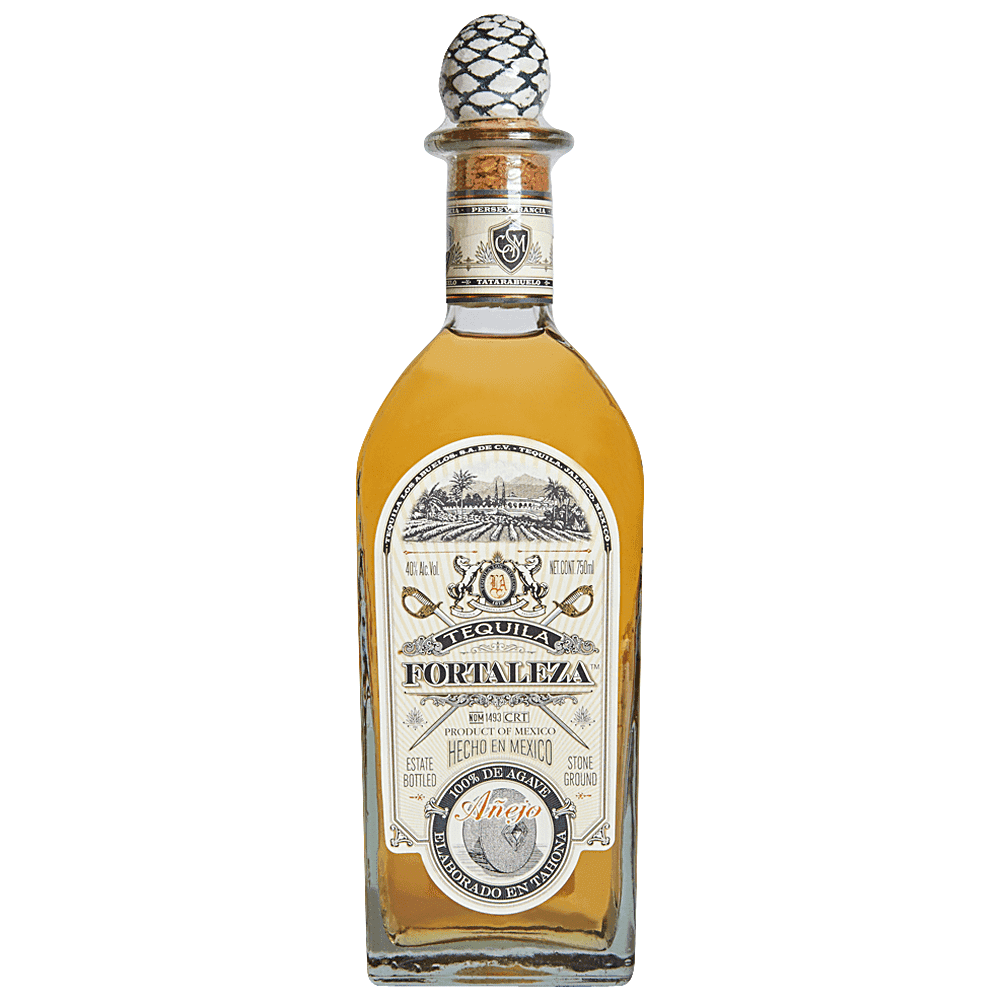
Fortaleza Añejo
Tequila Los Abuelos (NOM 1493)
Fortaleza Añejo is what happens when traditional methods meet patient barrel aging — and neither rushes the other. The tahona wheel produces a spirit with more texture and mineral complexity than a modern roller mill, and eighteen months in oak adds caramel depth without burying the agave.
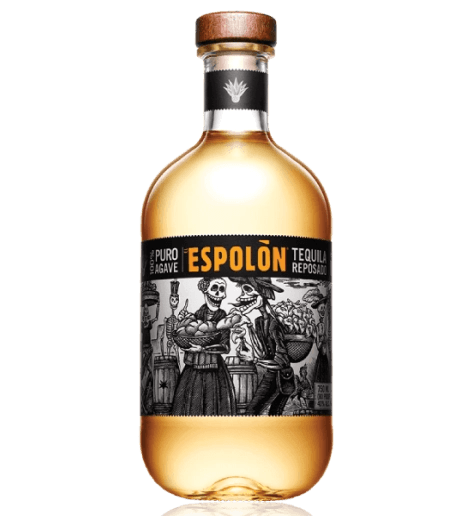
Espolòn Reposado
Campari Group
Espolòn is proof that applied heat, carefully controlled, separates good tequila from great tequila. Cirilo Oropeza's decision to quarter the piñas — doubling the surface area exposed to the autoclave's heat — extracts more sweetness and complexity from the agave than conventional methods.
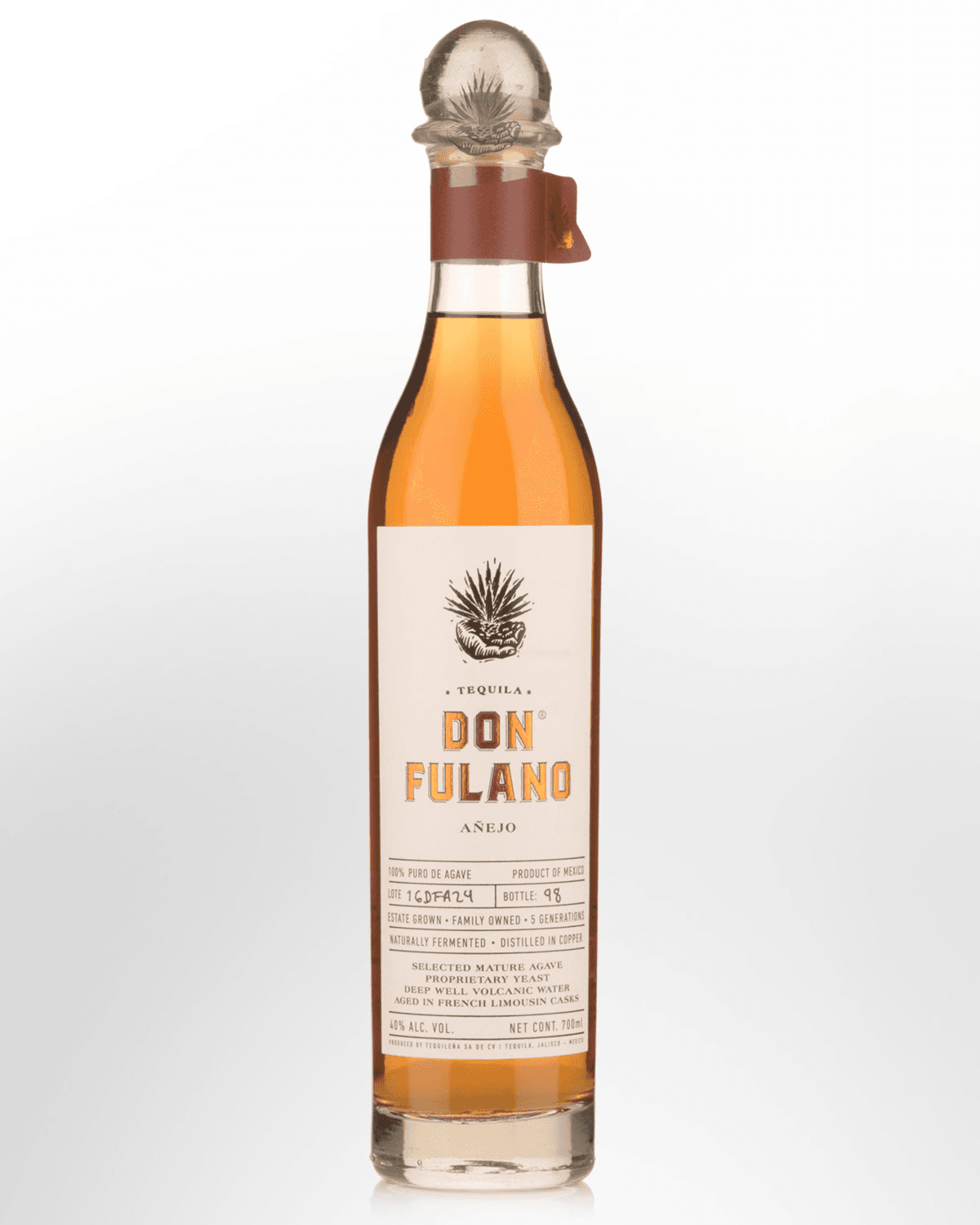
Don Fulano Anejo
Tequila Fonseca
Don Fulano Anejo is highland tequila at its most refined.
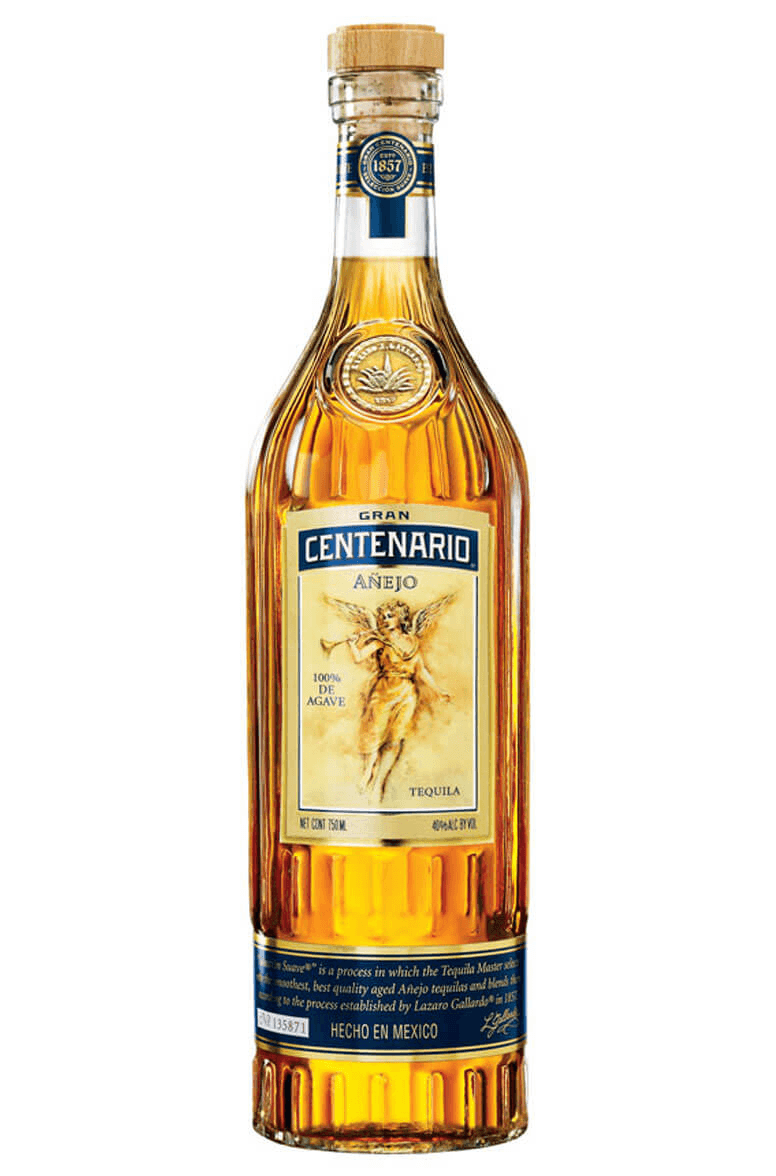
Gran Centenario Añejo
Casa Cuervo (Beckmann Family / Proximo Spirits)
Gran Centenario Añejo is a lesson in how thoughtful cask architecture transforms agave into something approaching luxury. The selección suave process — a solera-inspired blending method using French limousin oak and American white oak — creates a layered complexity that belies its approachable price point. The highland agave provides a clean, sweet foundation; the French oak adds refinement and tannic structure; the American oak contributes vanilla warmth. The result is a tequila with the kind of deliberate design you typically find at two or three times the price.
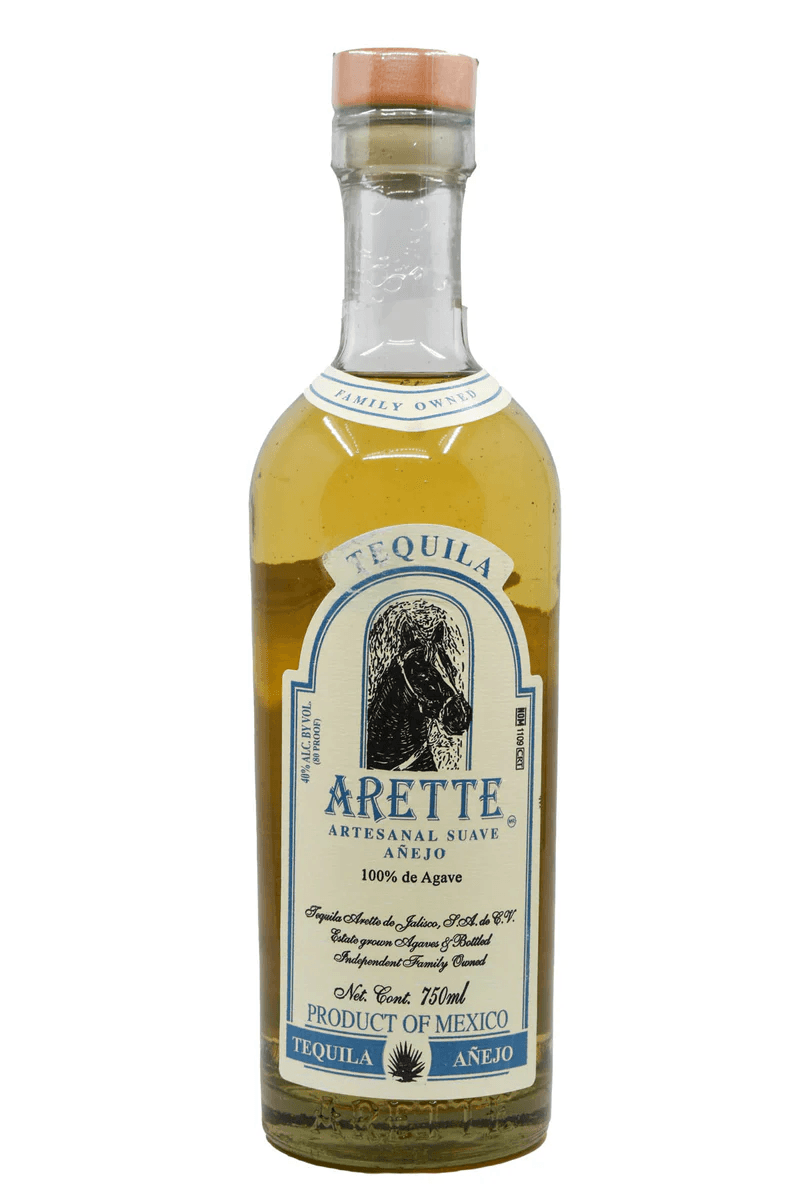
Arette Añejo
Tequila Arette de Jalisco S.A. de C.V.
Arette is one of those brands that connoisseurs pass around like a secret. The Orendain family has been in the tequila business for generations, but Arette was their deliberate reinvention.
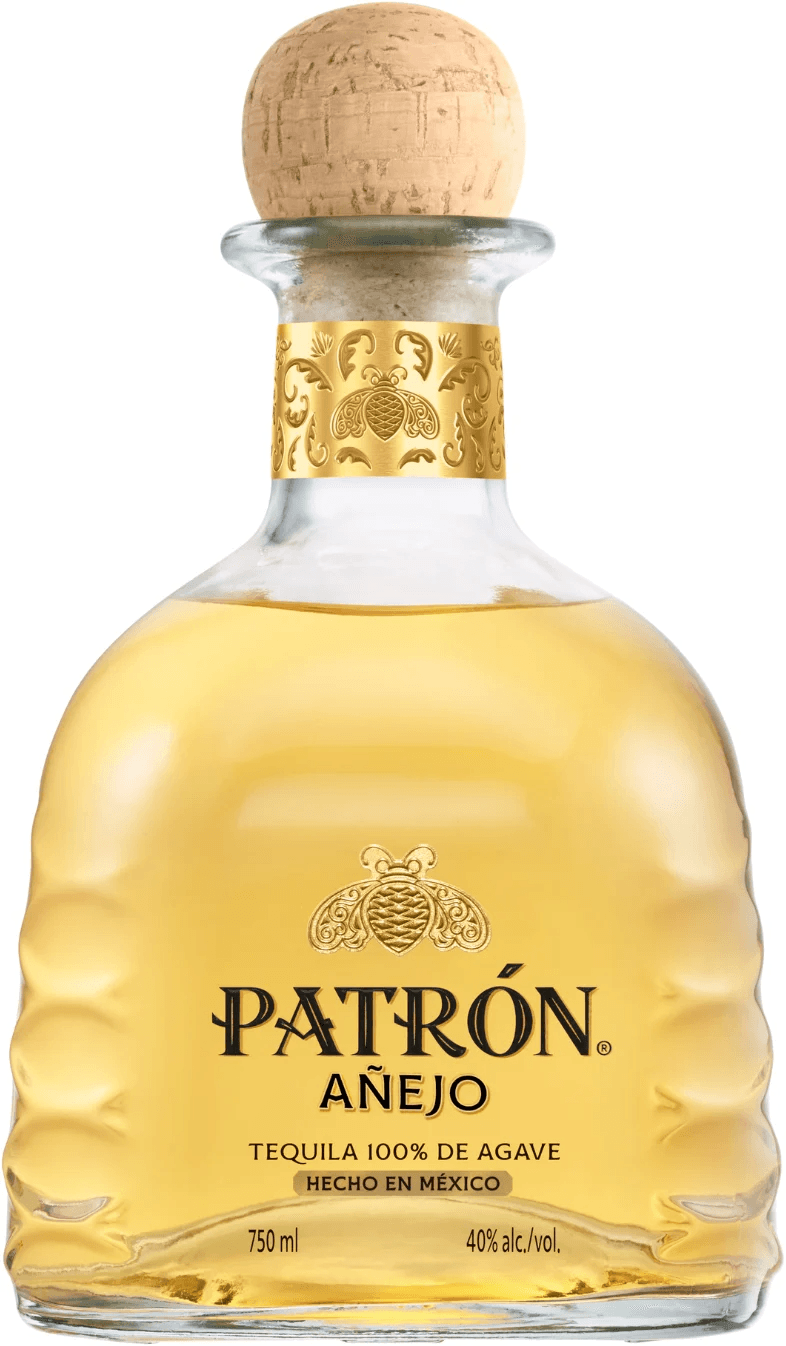
Patrón Añejo
Patrón Spirits International (Bacardi Limited)
Patrón Añejo is proof that popularity and quality are not mutually exclusive. In an era of marketing-driven premium spirits, Patrón remains rooted in Francisco Alcaraz's original vision: 100% blue agave, proper resting time, and honest craftsmanship. The Añejo is the expression that rewards patient sipping.
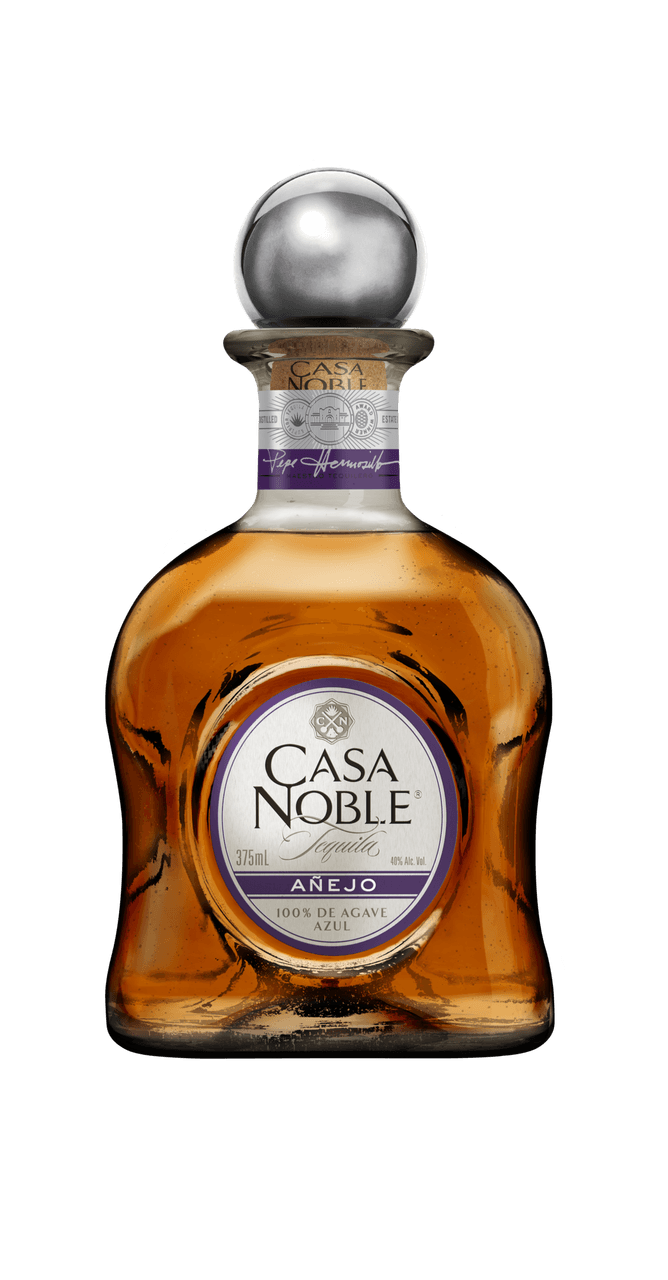
Casa Noble Anejo
Constellation Brands
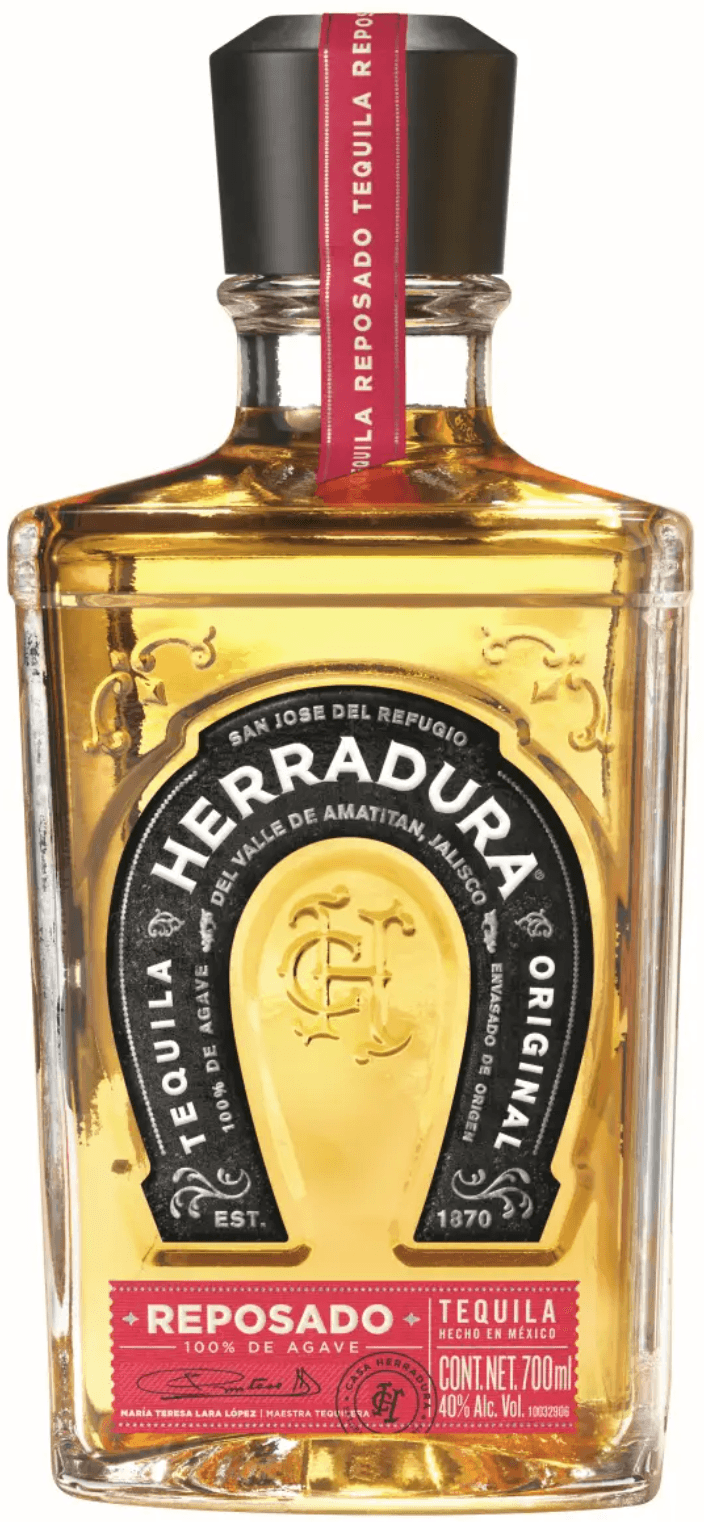
Herradura Reposado
Brown-Forman (Casa Herradura, est. 1870)
Herradura didn't just make this Reposado — it invented the category (1974).
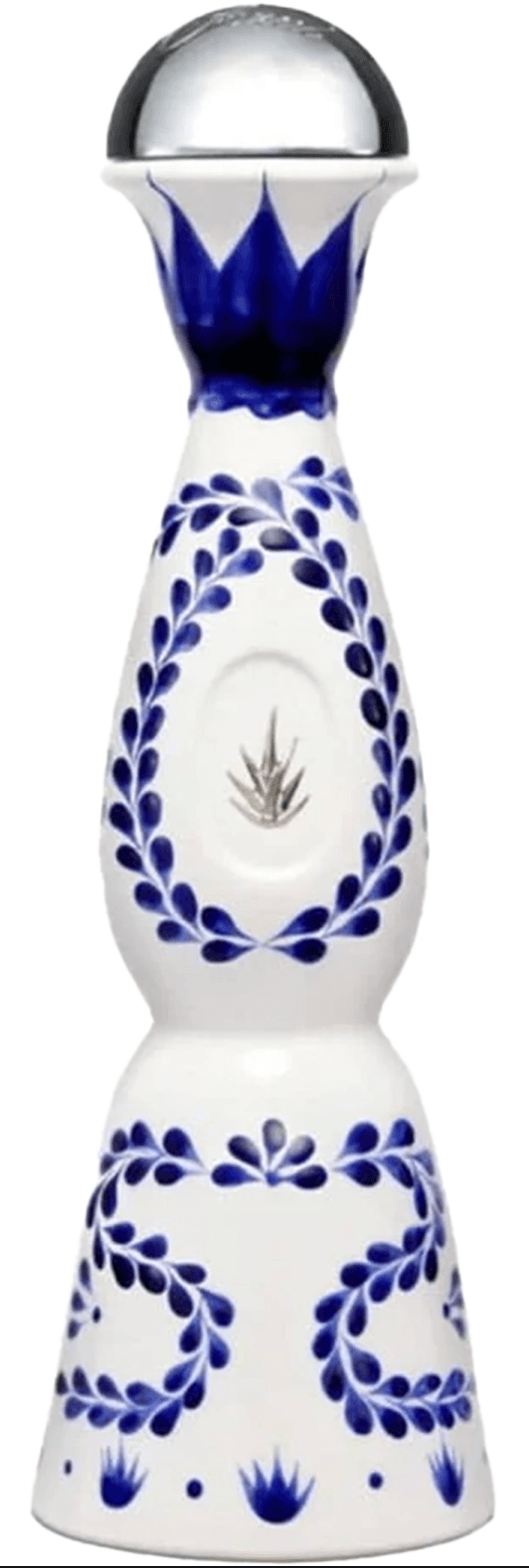
Clase Azul Reposado
Clase Azul México (est. 1997)
Clase Azul Reposado is an exercise in patience at every level. The agave waits 7 to 9 years before harvest. The piñas cook for 72 hours — three times longer than most industrial tequilas. The reposado rests 8 months in whiskey casks. And each hand-painted ceramic decanter takes two weeks to complete. In an industry increasingly dominated by celebrity brands and additive-laden shortcuts, Clase Azul represents something rare: a luxury tequila that earns its price through craft rather than marketing. The liquid inside is genuinely exceptional — sweet but not cloying, oaky but not heavy, and agave-forward in a way that honors the plant's nearly decade-long journey to maturity. Yes, you're paying for the bottle too. But when the tequila inside is this good, the bottle becomes less a gimmick and more a fitting vessel.
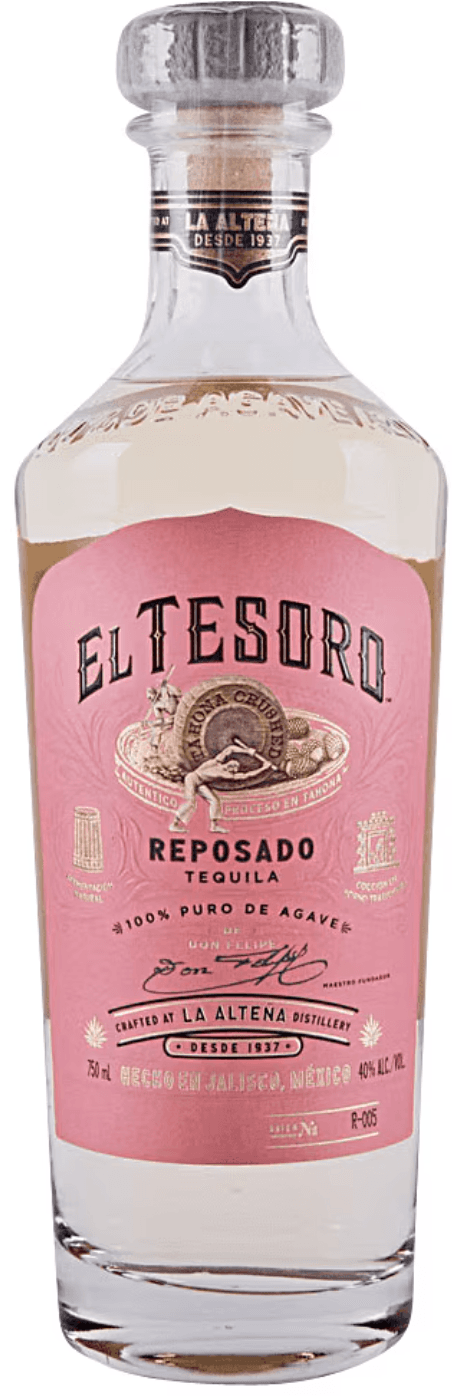
El Tesoro Reposado
Camarena Family / Beam Suntory (El Tesoro, est. 1937)
El Tesoro is the tequila nerd’s tequila. The Camarena family’s obsession starts with the tahona — a two-ton volcanic stone wheel that slowly crushes roasted agave hearts, extracting sugars along with fibers that go into the fermentation tank, adding savory complexity that roller mills strip away. Then there’s the distillation: El Tesoro is one of the only tequilas distilled to proof, meaning no water is added after distillation. What comes out of the still is what goes in the barrel. The Reposado spends 9–11 months in ex-bourbon barrels — long enough to add vanilla and caramel, short enough to let the agave and tahona character remain front and center. This is tequila that tastes like the earth it came from.
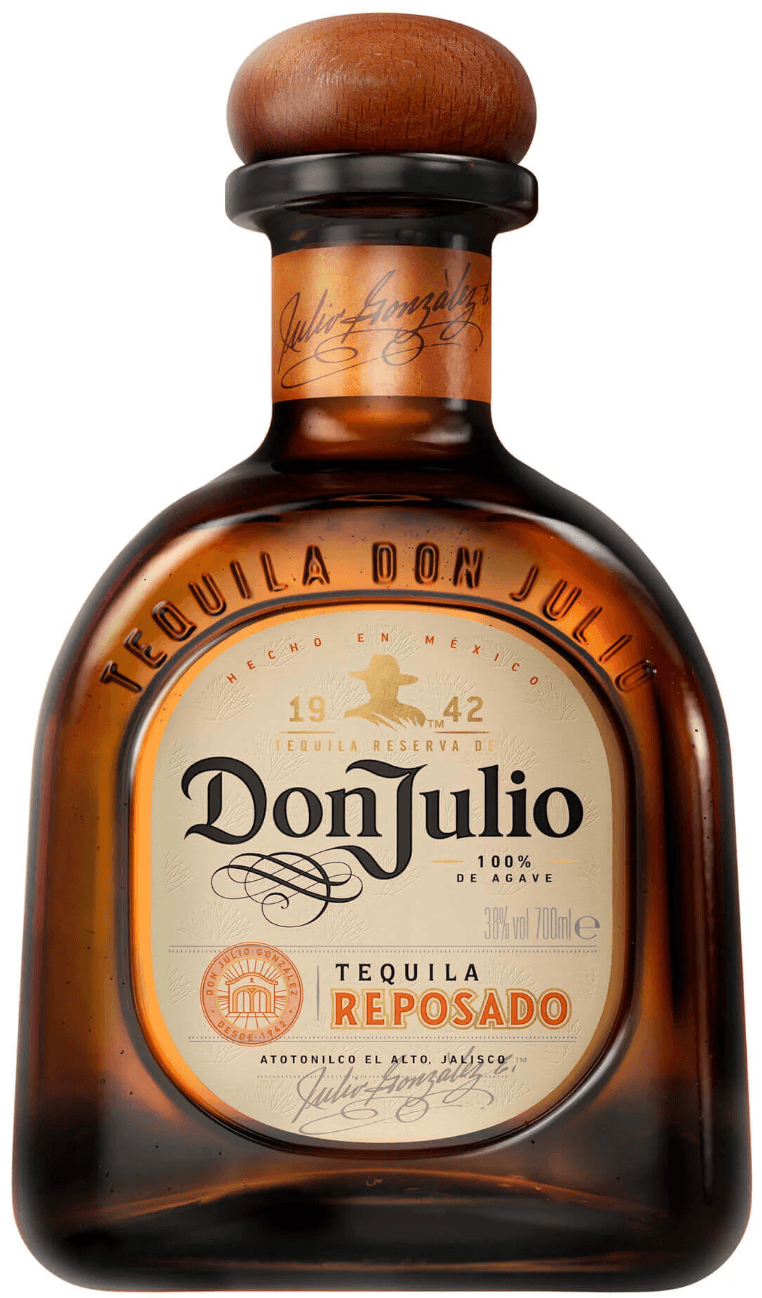
Don Julio Reposado
Diageo (Don Julio, est. 1942)
Don Julio invented the luxury tequila category. Before Don Julio, tequila was a commodity — cheap, harsh, and destined for margarita mixes. Julio González changed the rules by treating agave like fine wine grapes: planting further apart for full maturity, slow-roasting in 72-hour brick oven cycles, and aging in fine oak. When his sons created a tequila to honor his 60th birthday in 1985, it became the first tequila marketed as a premium sipping spirit. The Reposado expression — eight months in American white oak — strikes the ideal balance: enough barrel time to add complexity without masking the highland agave character that made the brand famous.
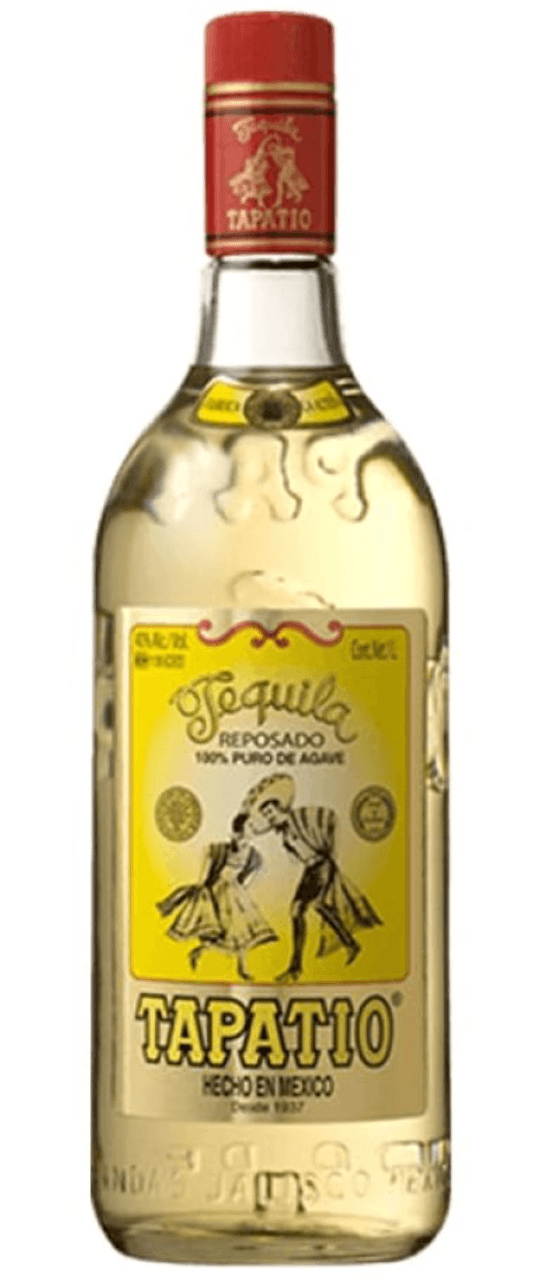
Tapatio Reposado
Tequila Tapatio S.A. de C.V. (Camarena family, 5th generation)
Tapatio is the tequila that tequila makers drink. The Camarena family — the same lineage that gave us El Tesoro and G4 — runs one of the most traditional operations in Jalisco. Carlos Camarena, the current master distiller, slow-roasts his highland agave for 48 hours in brick ovens, ferments with wild airborne yeasts and natural well water, and keeps production deliberately small. The reposado rests just four months — enough to round the edges without masking the agave. This is tequila for purists, and at around $45 it’s one of the best-kept secrets in the category.
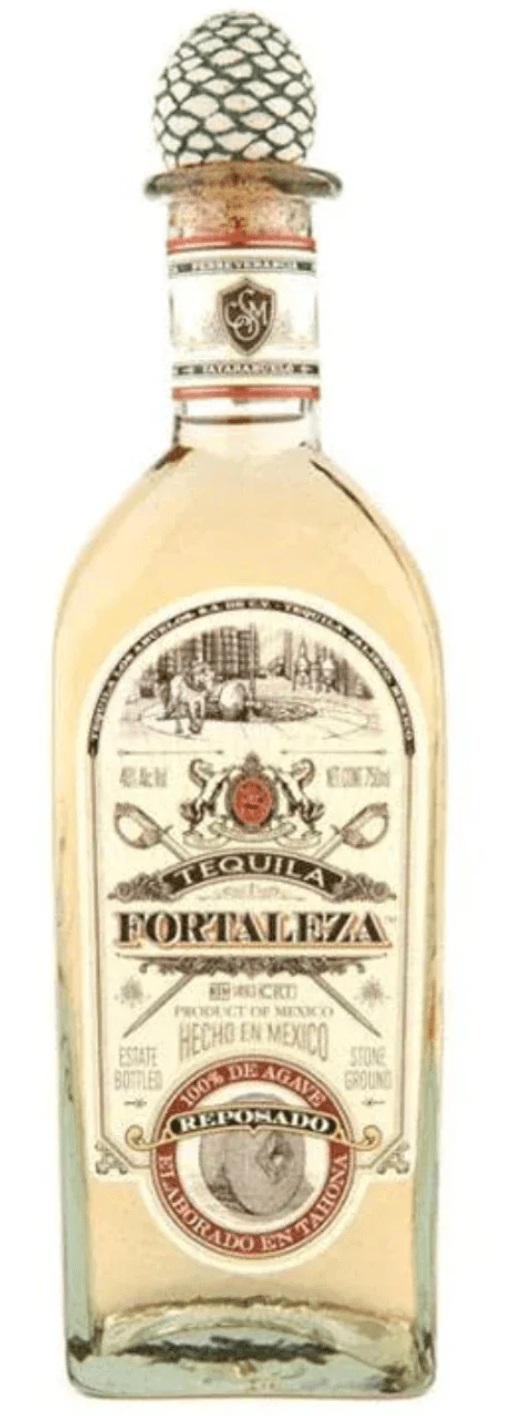
Fortaleza Reposado
Destilería La Fortaleza (Guillermo Erickson Sauza)
Fortaleza is tequila made the way it was meant to be made. While most modern producers use autoclaves and diffusers for speed and efficiency, Guillermo Sauza — great-great-grandson of Don Cenobio Sauza, the “Father of Tequila” — insists on the tahona, the brick oven, and the wooden fermentation tanks. The volcanic spring water that feeds the distillery carries minerals from deep within the stratovolcano, and you can taste the terroir in every sip. The reposado rests just long enough to gain warmth and vanilla from the barrel without losing the agave’s voice.
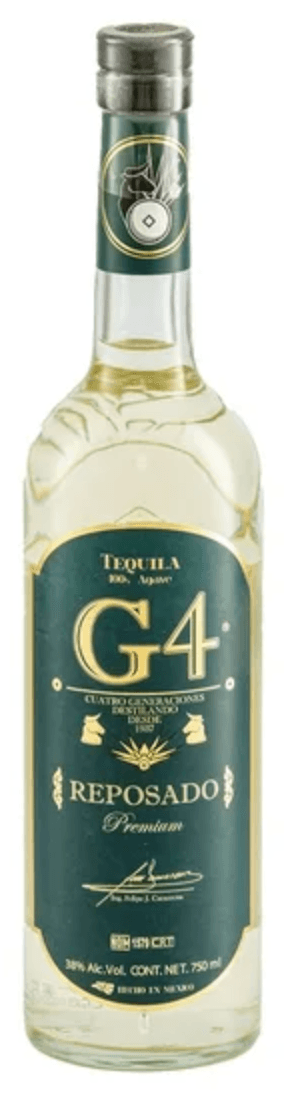
G4 Reposado
El Pandillo (Felipe Camarena)
G4 is what happens when a family’s fourth generation refuses to cut corners. Felipe Camarena’s dedication to stone ovens, natural fermentation, and unhurried aging produces a reposado where the agave stays front and center. The six months in bourbon barrels add warmth and spice without covering up the plant. This is a tequila for people who want to taste where it came from — the stone oven method preserves complex agave sugars that modern autoclaves simply can’t replicate.

Terralta Blanco 110 Proof
Terralta
Master distiller Felipe Camarena produces this high-proof reposado at the highlands distillery that also supplies the agave for many celebrated brands. The brief resting period in American oak adds structure without masking the raw agave intensity. This is a tequila built for sipping and cocktails alike.

Fortaleza Still Strength Reposado
Fortaleza
Fortaleza's still-strength reposado showcases what happens when traditional tahona production meets a few extra months in oak with no dilution to bottling proof. The result is a tequila that carries more weight and concentration than the standard reposado, with the agave always front and center. It's a textbook example of how controlled heat — in the horno, the still, and the barrel — can build complexity without losing identity.