Aroma
Chamomile
14 bottles with this note
Train this aroma
Gin Aroma Kit
Develop your palate with the canonical reference for chamomile and related notes.

Kyrö Koskue Cask Aged Gin
Kyrö Distillery Company
A gin that wears its fermentation on its sleeve — the 100% Finnish rye base is unmistakable, and the brief cask rest amplifies rather than masks it. Essential for drinkers curious about what grain truly contributes to gin.

Bruichladdich The Botanist Islay Dry Gin Navy Strength
The Botanist
The navy-strength sibling of The Botanist amplifies everything that makes the original compelling. The 22 hand-foraged Islay botanicals find sharper definition at 57%, and the gin rewards both neat sipping and powerful cocktail applications. Water opens it beautifully — try it with a single ice cube and watch the floral middle bloom.

Silent Pool Gin
Silent Pool
Silent Pool's 24-botanical recipe could easily become a mess, but it doesn't. The distillers achieve a rare thing: complexity that reads as coherence rather than clutter. Each botanical contributes without shouting, and the overall impression is one of carefully orchestrated agreement. The bottle's as striking as the liquid, but the gin earns attention on its own terms.

Napue Gin by Kyrö Distillery
Kyrö
Napue won the world's best gin for a gin and tonic at the International Wine and Spirit Competition and it's easy to understand why. The rye base provides a structure most London Drys can't match, and the Nordic botanicals — birch leaf, meadowsweet, cranberry — root this gin firmly in the Finnish landscape.

Citadelle Jardin d'Été Gin
Citadelle
Citadelle's summer garden expression takes the 19-botanical base recipe and infuses it with lemon verbena, yuzu, and chamomile flowers. It works because the foundation is sound — the juniper and angelica core is strong enough to hold the floral additions in check. This is a gin that rewards a simple tonic serve where the botanicals can speak clearly.

Tanqueray Malacca Gin
Tanqueray
Originally released in 1997 and then discontinued, Malacca was revived due to bartender demand. Named for the Strait of Malacca — the historic spice trade route — it represents a gentler, more aromatic approach to gin that sits beautifully between Old Tom sweetness and London Dry austerity. Ideal for those who find classic Tanqueray too bracing.

Empirical Spirits Helena Gin
Empirical
Empirical's approach — treating spirits like a culinary lab experiment — could easily produce gimmicks. Helena Gin avoids that trap entirely. It is structurally rigorous: juniper-forward enough for purists, texturally inventive enough for modernists. The chamomile integration is the quiet stroke of genius that separates this from dozens of competent Nordic gins.

Greenhook Ginsmiths American Dry Gin
Greenhook Ginsmiths
Greenhook's vacuum-distilled gin captures botanical freshness with unusual precision. The chamomile note is the distinguishing feature — it softens the juniper without diluting it, creating a gin that works beautifully in a Martini but also holds its own in more complex cocktails. Craft American gin at its most thoughtful.

Conker Spirit Dorset Dry Gin
Conker Spirit
Conker Spirit is a one-man operation that became a Dorset institution. Rupert Holloway distills in small batches using locally foraged and hand-selected botanicals. This gin has a sense of place — coastal, clean, unhurried — that makes it ideal for sipping with minimal intervention or in a gin and tonic that you actually taste.
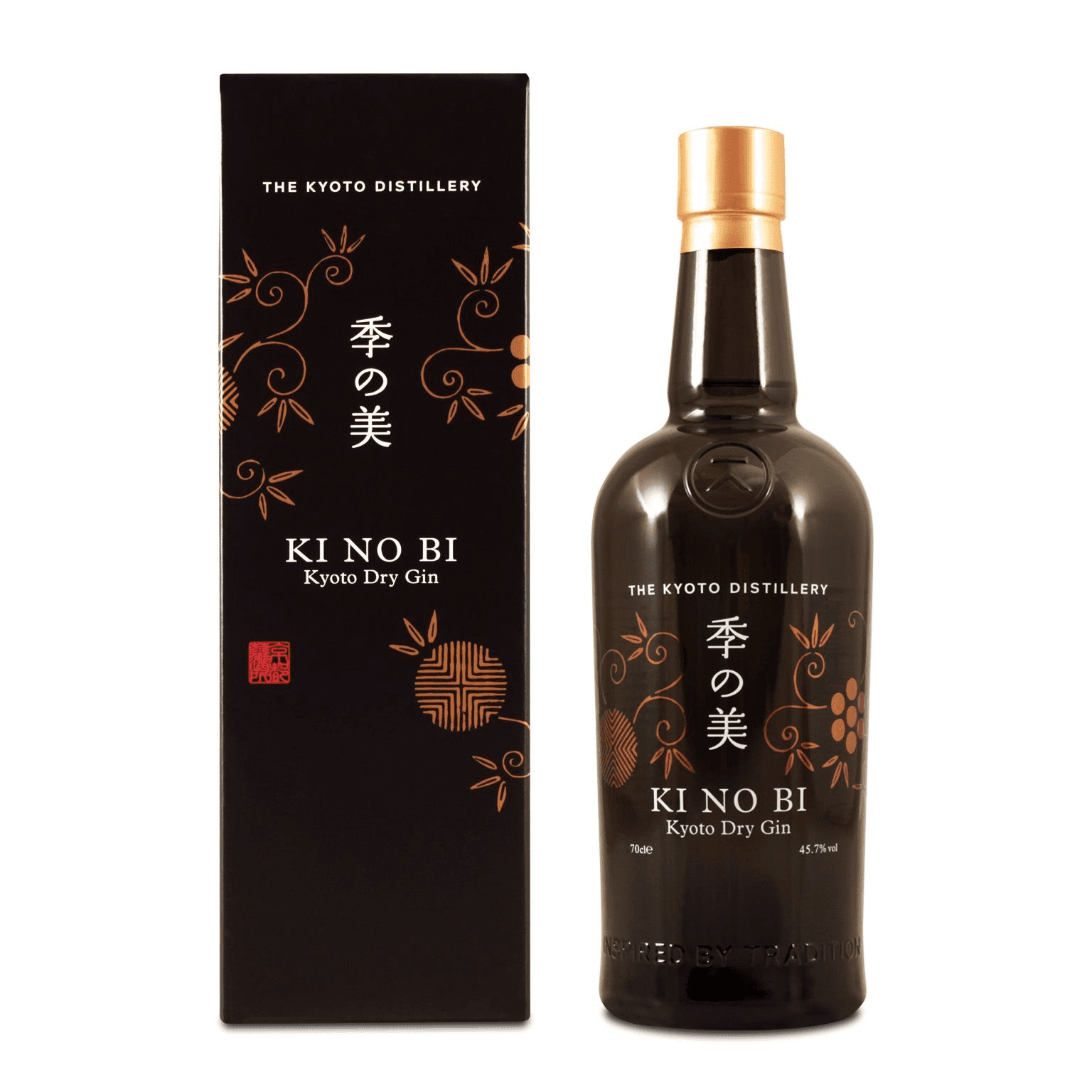
Ki No Bi Kyoto Dry Gin
The Kyoto Distillery (Pernod Ricard)
Ki No Bi is what happens when the London dry gin tradition migrates to Kyoto and is rebuilt from the ground up with Japanese materials and philosophy.
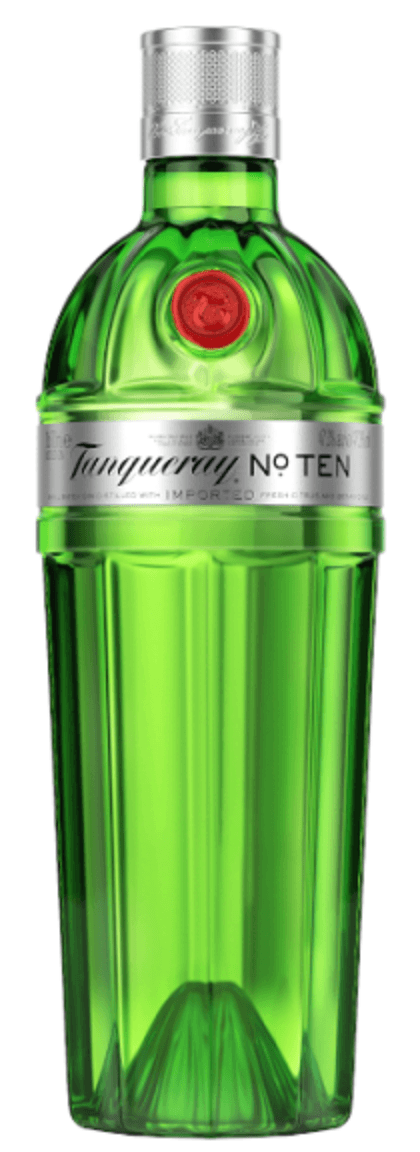
Tanqueray No. Ten
Diageo (Tanqueray, est. 1830)
Tanqueray No. Ten broke the gin rules by asking a simple question: what if we used fresh whole citrus fruits instead of dried peels? The answer came from a 1950s-era 500-liter pot still that the team nicknamed “Tiny Ten” — small enough for careful, small-batch distillation of fresh grapefruit, lime, orange, and chamomile flowers. The result created a new category: citrus-forward, cocktail-ready gin at a time when gin was considered your grandmother’s drink. At 47.3% ABV, it has the backbone to stand up in any cocktail without disappearing. The San Francisco World Spirits Competition put it in their Hall of Fame — the only gin to earn that distinction.
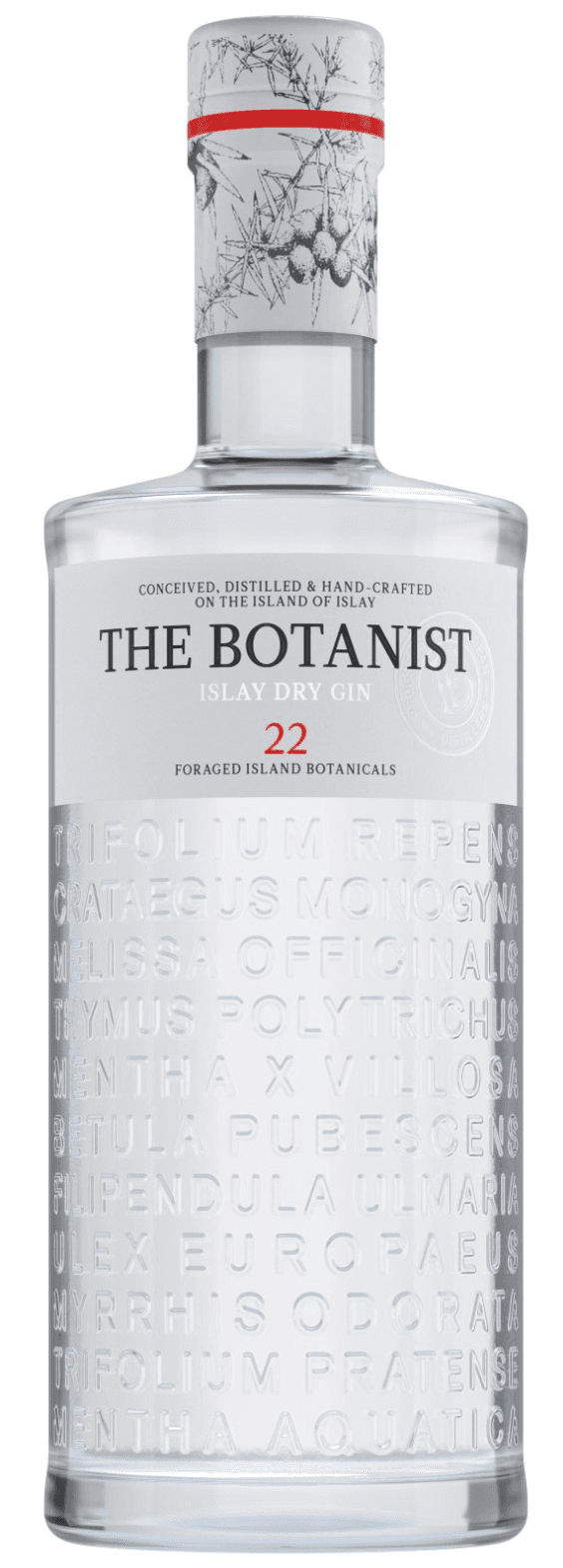
The Botanist Islay Dry Gin
Rémy Cointreau (Bruichladdich Distillery)
The Botanist is the gin that proves terroir isn’t just a wine concept. Those 22 wild Islay botanicals — foraged by hand over 30 weeks each year from bogs, shores, and hillsides — give it a sense of place that no factory gin can replicate. The rescued Lomond still allows a 17-hour distillation, four times longer than whisky, extracting complexity that faster methods miss entirely. At 46% ABV and under $40, it’s one of the most characterful gins on the planet, and the subtle coastal salinity at the finish reminds you that this spirit was born on an island battered by the Atlantic.
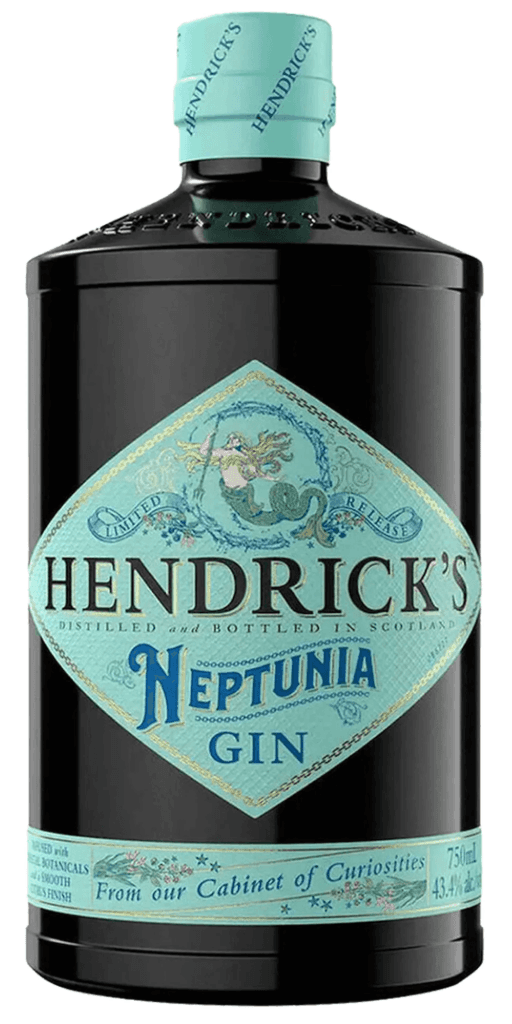
Hendrick’s Neptunia
William Grant & Sons
Neptunia takes the familiar Hendrick’s template and tilts it toward the sea. The coastal botanicals — kelp, thyme, lime — add a saline freshness that makes this gin feel like a walk on a Scottish shoreline. It’s not a gimmick; the sea influence is real but restrained, adding a new dimension rather than overwhelming the juniper and floral base that Hendrick’s fans expect.

Jeppson's Malört
Jeppson's
Malört is not a spirit you recommend lightly — it's a rite of passage, a loyalty test, and a cultural artifact of Chicago's bar scene rolled into one defiant bottle. It does exactly one thing and does it with absolute conviction: deliver the most aggressively bitter drinking experience commercially available. Whether that's a feature or a bug depends entirely on who you are, but there's no denying its singular identity in the spirits world.